Microscopic biodiversity: bacteria, fungi, microalgae
    MicroorganismiWhat areBatteriArchea

    Microscopic biodiversity: bacteria, fungi, microalgae

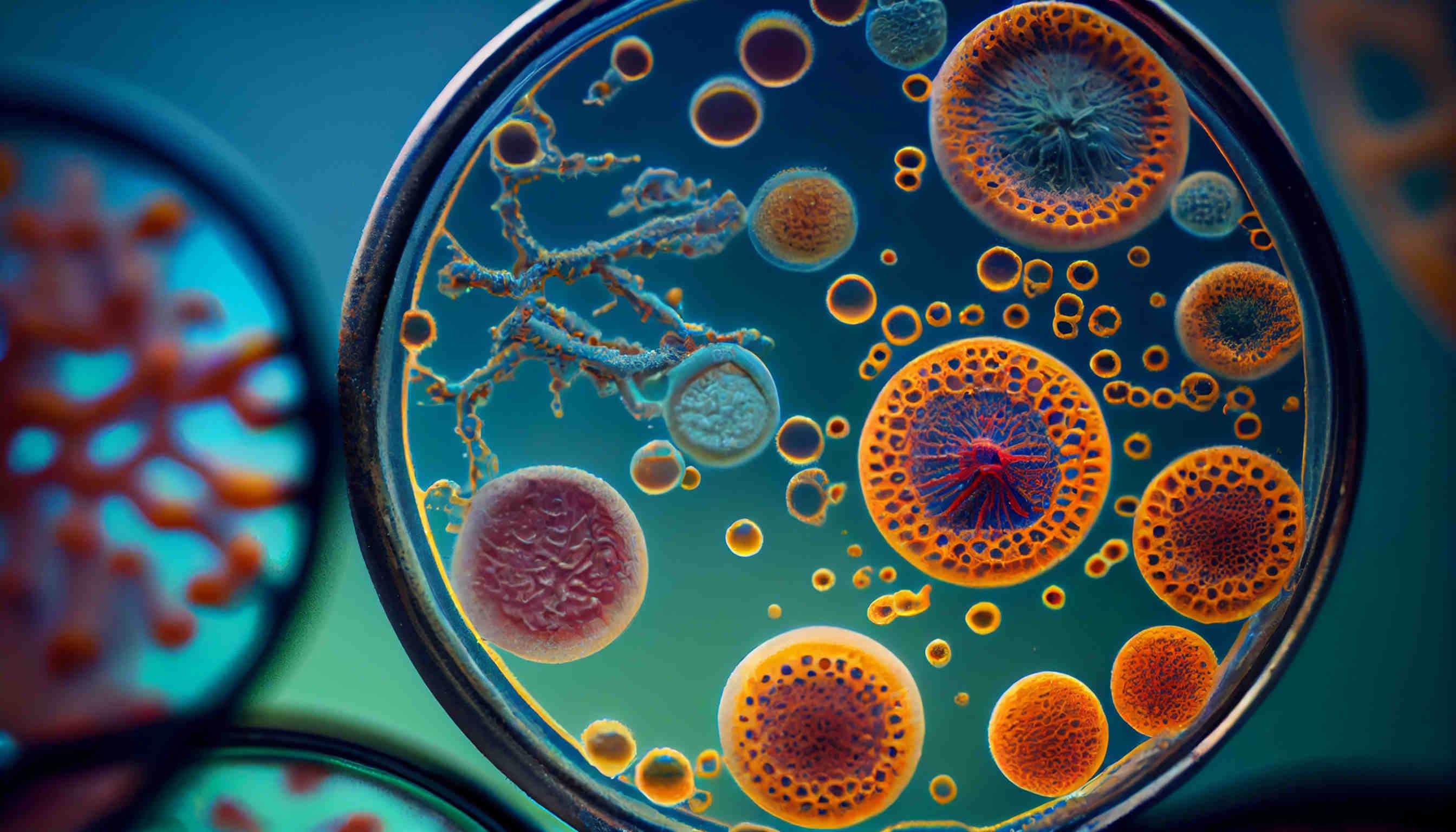
    Biodiversity is that variety of living organisms characterised by different forms, both on a macroscopic and microscopic scale. Microscopic biodiversity plays a key role in the regulation of ecosystems and provides numerous services that have been exploited by man since ancient times.

    Read the article
    08/06/2024Of 3Bee, Lara Vivarelli
    816 Views
    08/06/2024Of 3Bee, Lara Vivarelli
    816 Views

    Microbial biodiversity

    Maintaining the biodiversity of micro-organisms, both in terms of quality and quantity, within an ecosystem is crucial to its health. In fact, microbial communities play a crucial role by controlling bio-geochemical cycles, soil quality and thus agro-food production, and even human health. Micro-organisms, despite their very small size, are characterised by a vast genetic and functional diversity compared to other living beings. Many micro-organisms, moreover, have always been used and studied as veritable factories for various biotechnological applications, from the agro-food field in primis, to the chemical and biomedical fields. Given the high ecosystem services that microbial biodiversity provides, the loss would mark a significant weakening of ecosystems and their productivity. It is therefore necessary to preserve and protect microbial resources in their natural ecosystems.
    Biodiversità microbica

    What are micro-organisms

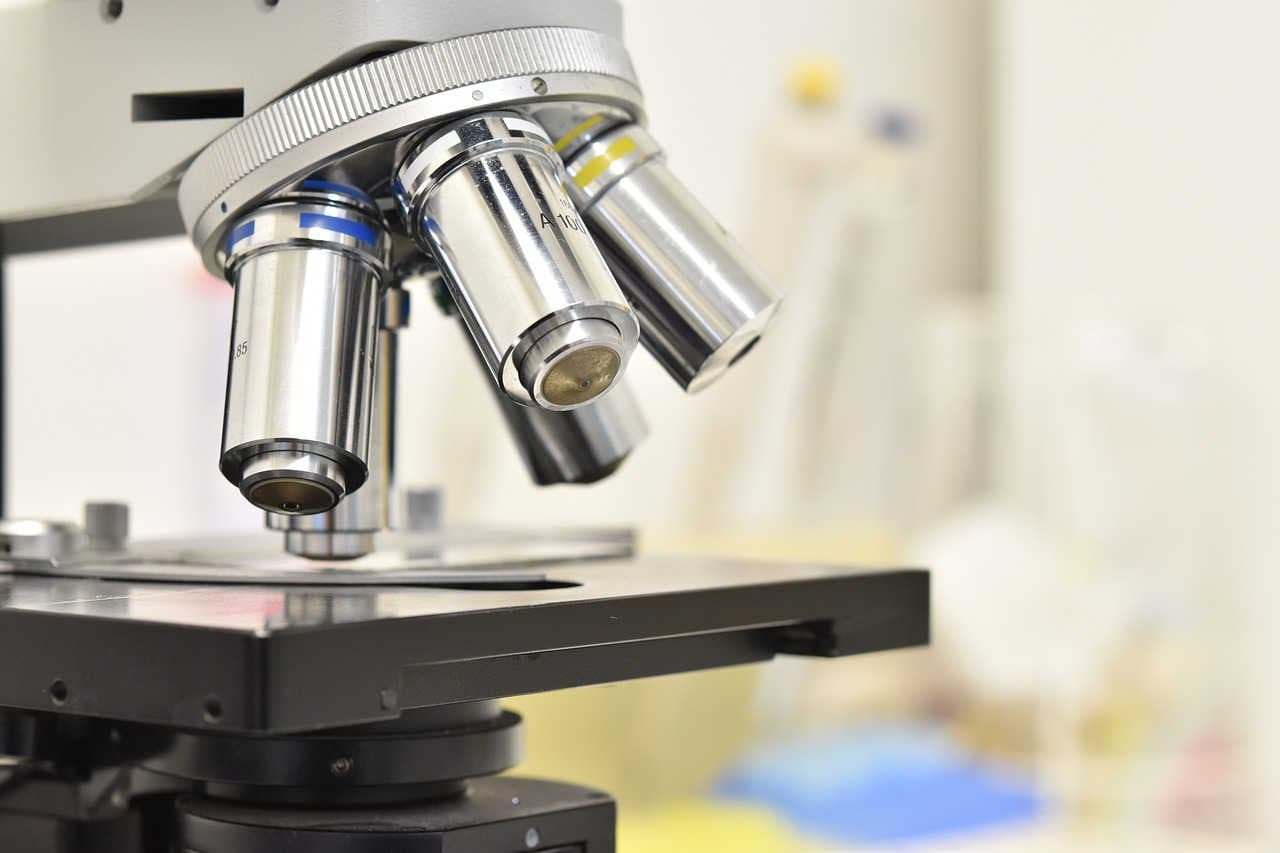
    Microorganisms are generally living beings less than 0.1 mm in size, therefore invisible to the naked eye. In fact, their existence has been scientifically established with the advent of the microscope. Even before they were documented, a living form invisible to humans was suspected of causing various diseases that affect humans, animals and plants. Microorganisms, in general, are unicellular, thus formed by a single cell that is capable of performing all essential life functions, without the need for compartmentalisation or a structure that is a tissue or organ. Other micro-organisms may be formed from a few cells, but are free of any complex organisation.
    microscopio
    XNatura

    I batteri

    Often, mistakenly, micro-organisms are only referred to as bacteria. Bacteria are a group of microorganisms ranging in size from a few micrometres to even 2 cm in length, exceptionally. They are classifiable according to various criteria, such as according to form, or according to metabolism and the ability to utilise or not utilise atmospheric oxygen and according to optimal growth conditions, which may relate to temperature, but also pH, or salt concentration. Furthermore, they can be subdivided into symbionts or pathogens, depending on the relationship they have with the host organism. Indeed, some bacteria live at the expense of other organisms and are responsible for more or less serious damage. Other bacteria, on the other hand, may be useful for another living being, forming the intestinal or skin microbiota, both in animals and in humans.
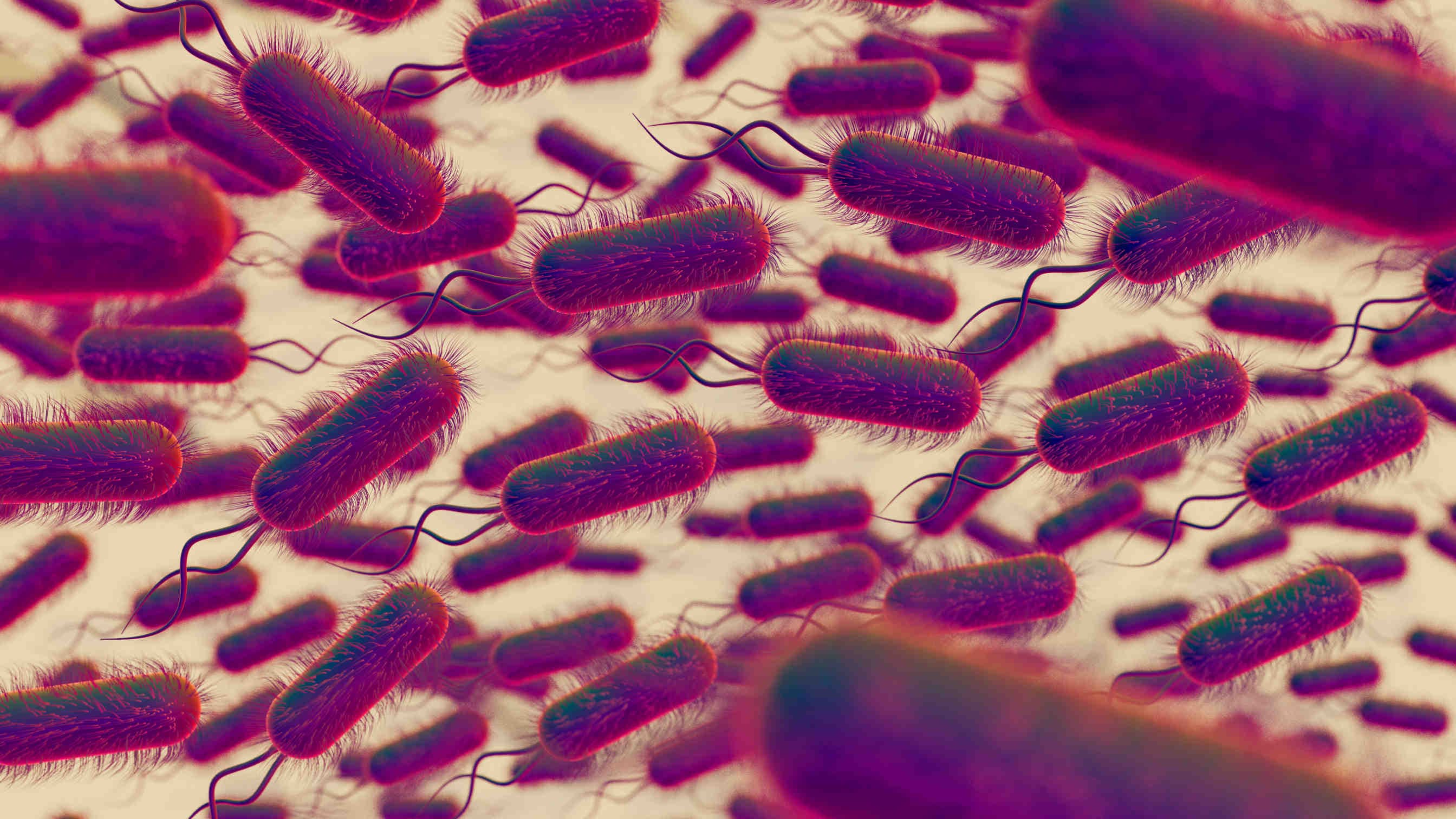
    batteri

    The archaea

    Archaea are a particular group of microorganisms, which differs from bacteria and organisms that have developed greater complexity, called eukaryotes. They are organisms consisting of a single cell, not having a nucleus and very similar to bacteria, so much so that they were once classified under the same group. They occupy all the most common habitats, such as the human gut or plankton, but especially the most extreme habitats. Their ability to thrive in inhospitable conditions is enabled by a series of metabolic, genetic and structural characteristics. The archaea termed 'thermophiles' can grow at temperatures above 100 °C, the psicrophiles are able to occupy environments with a very low temperature of less than -10 °C, the acidophiles and the alkalophiles are so named because they grow in extremely acidic or basic environments, respectively; finally, the alophiles prefer very high salinity environments.
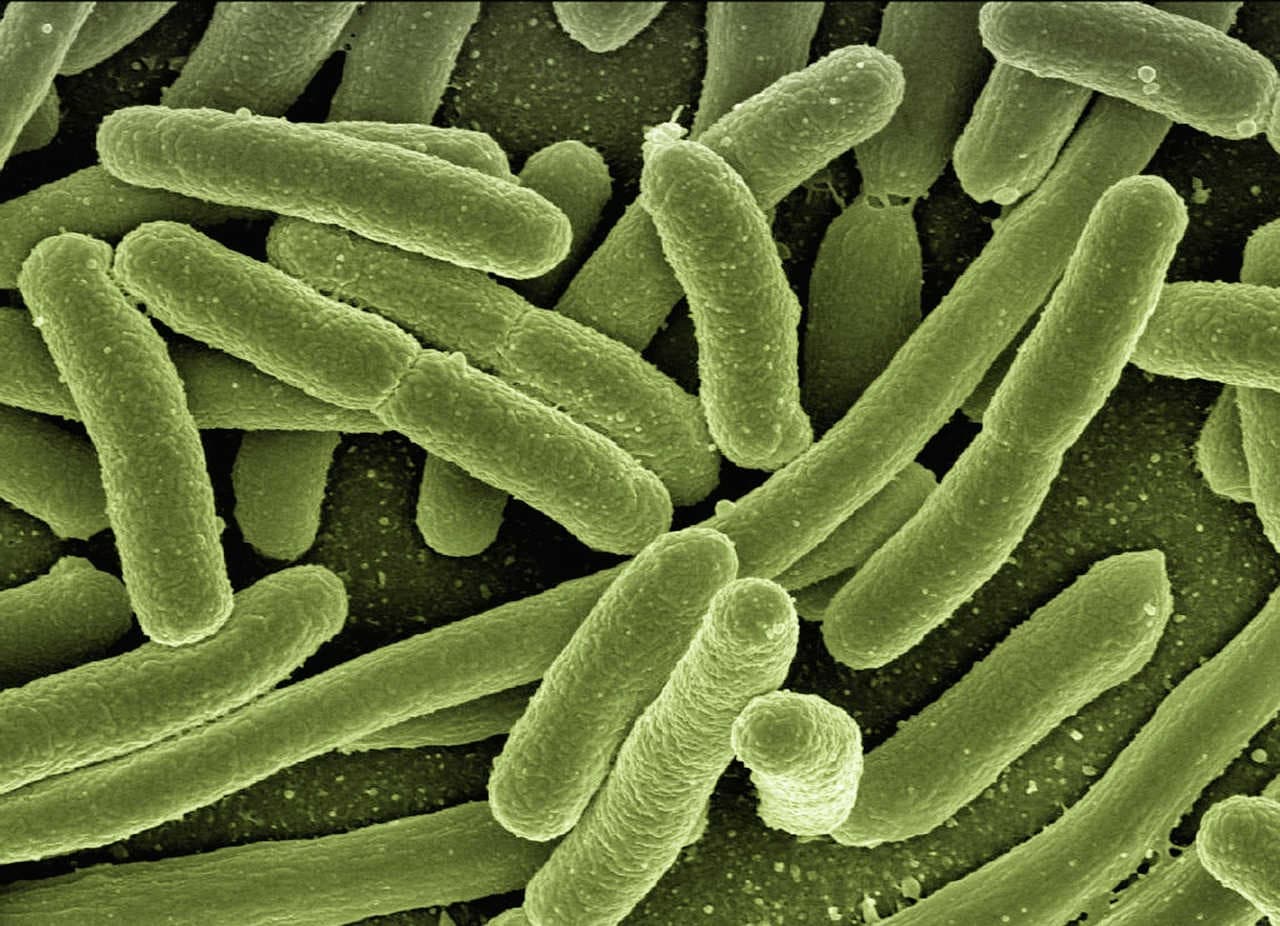
    archea
    XNatura

    Microalgae

    Microalgae are a large group of photosynthetic microorganisms that occupy most terrestrial ecosystems, mostly aquatic, but also more extremes. The term microalgae is commonly used to refer to both simpler organisms, such as cyanobacteria, and evolutionarily more complex species, such as the green, red and diatomic microalgae. The cyanobacteria, specifically, are bacteria that evolved to perform photosynthesis, being able to capture other wavelengths than plants, as they possess other photosynthetic pigments, such as phycobilins. These include phycocyanin (blue), phycoerythrin (red) and allophycocyanin. These particular bacteria were the first organisms to release oxygen into the atmosphere as a waste product of their photosynthetic metabolism.
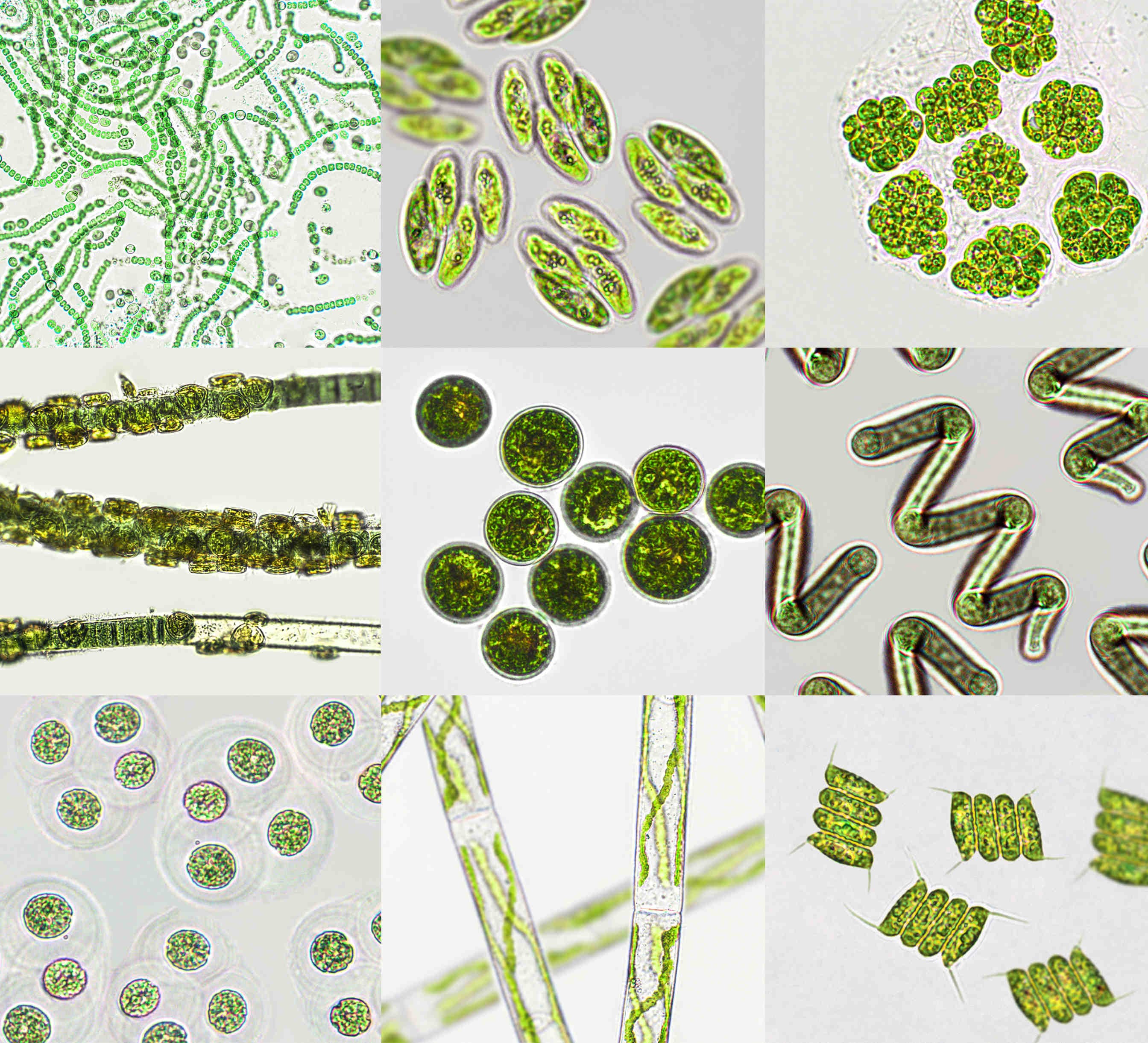
    Microalghe
    3Bee

    Mushrooms

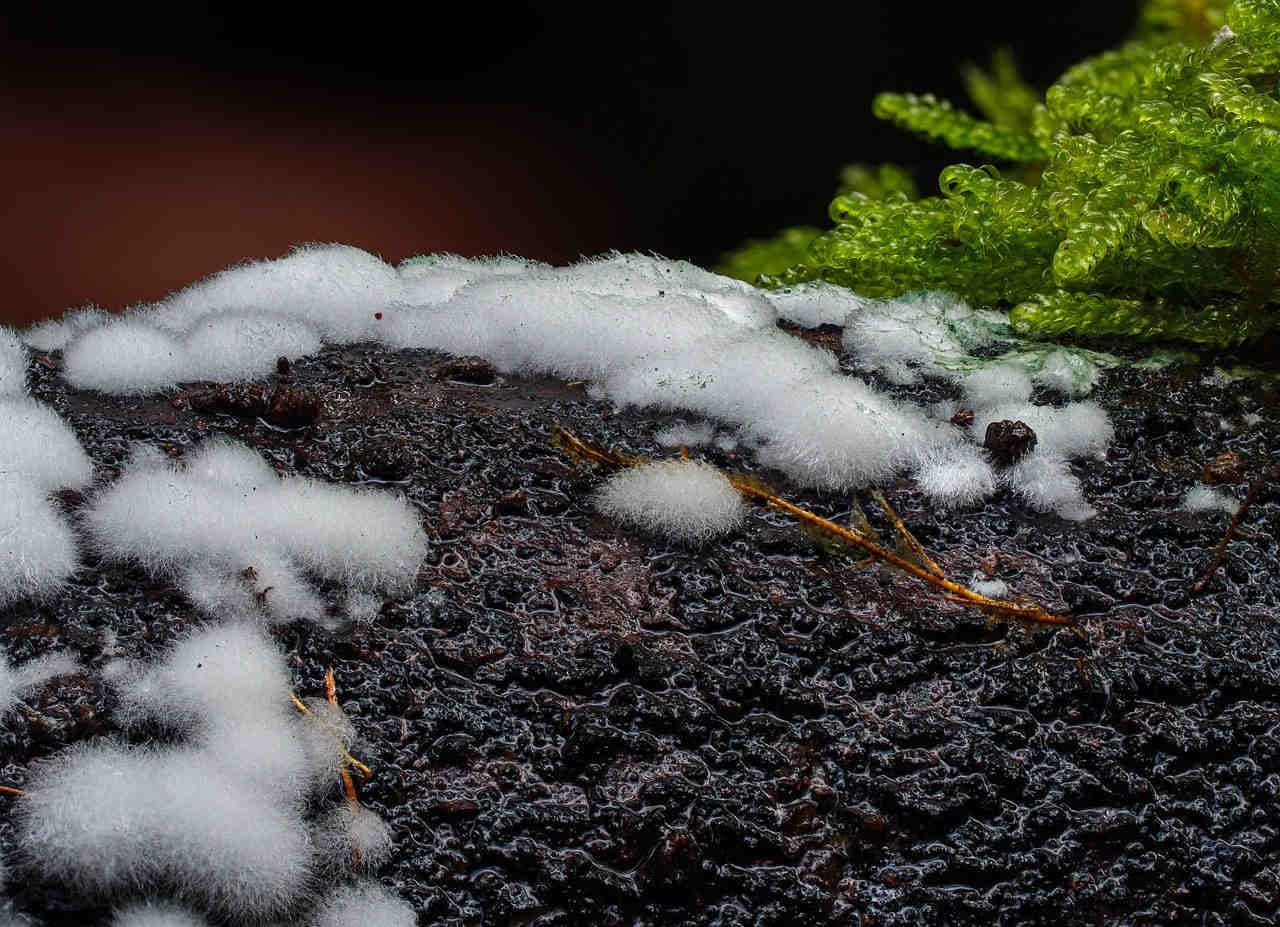
    Fungi are a more complex group of organisms comprising unicellular and pluricellular species; some are microscopic at one time of life and macroscopic at others, such as the porcine. The microscopic form is often formed by the spore, on which, generally, their reproductive system is based, while the macroscopic multicellular life form is the mushroom body, a structure organised into filamentous structures called ife that form an intertwined network, the mycelium. In the case of the porcine, it is the part we feed on. Some fungi are able to degrade complex molecules, such as lignin and cellulose, thus taking the name saprophytes. Others are called parasites, but there are also symbiont fungi, and this is the case with those forms of controlled parasitism in which there is a mutual advantage between the two interacting organisms.
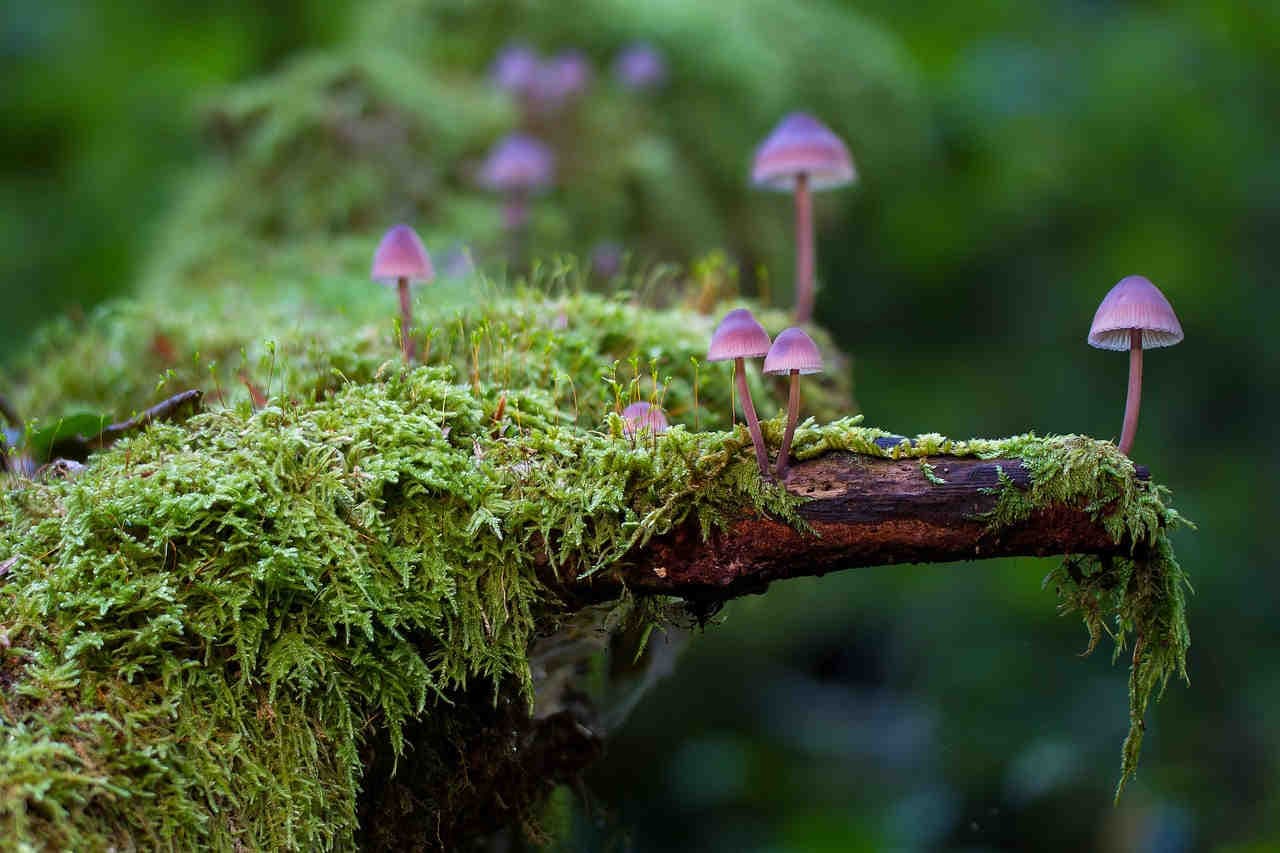
    funghi

    I lieviti

    Yeasts are a group of unicellular fungi, with an elliptical or spherical shape. Their main peculiarity is their metabolism, which can exploit aerobic respiration, and thus consume oxygen, or perform fermentation. Fermenting yeasts produce energy by converting sugars into carbon dioxide and ethanol in the absence of oxygen. This metabolism has been exploited since Egyptian times for the production of beer and wine, ethanol-rich drinks, and then in the leavening of bread, in which the released carbon dioxide swells the dough.
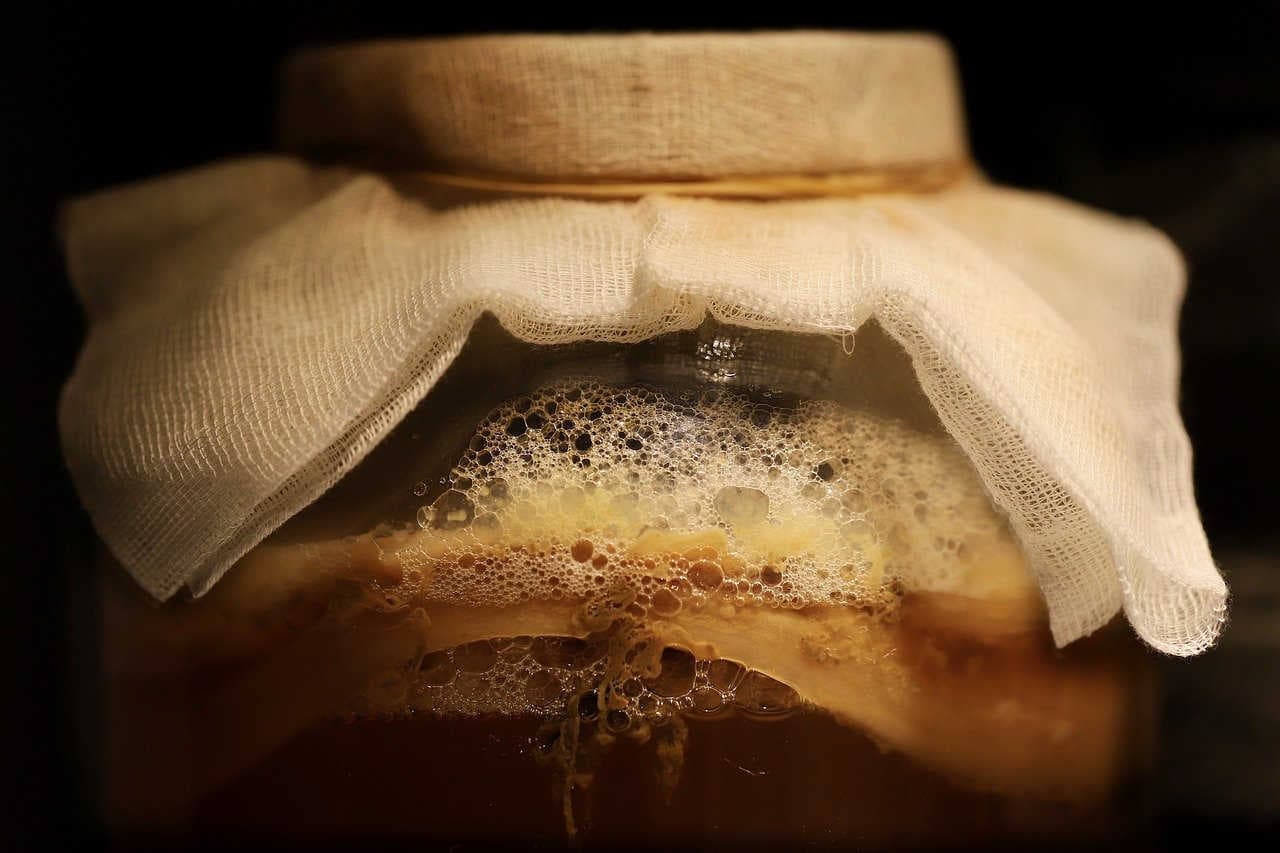
    lieviti

    Is there a virus?

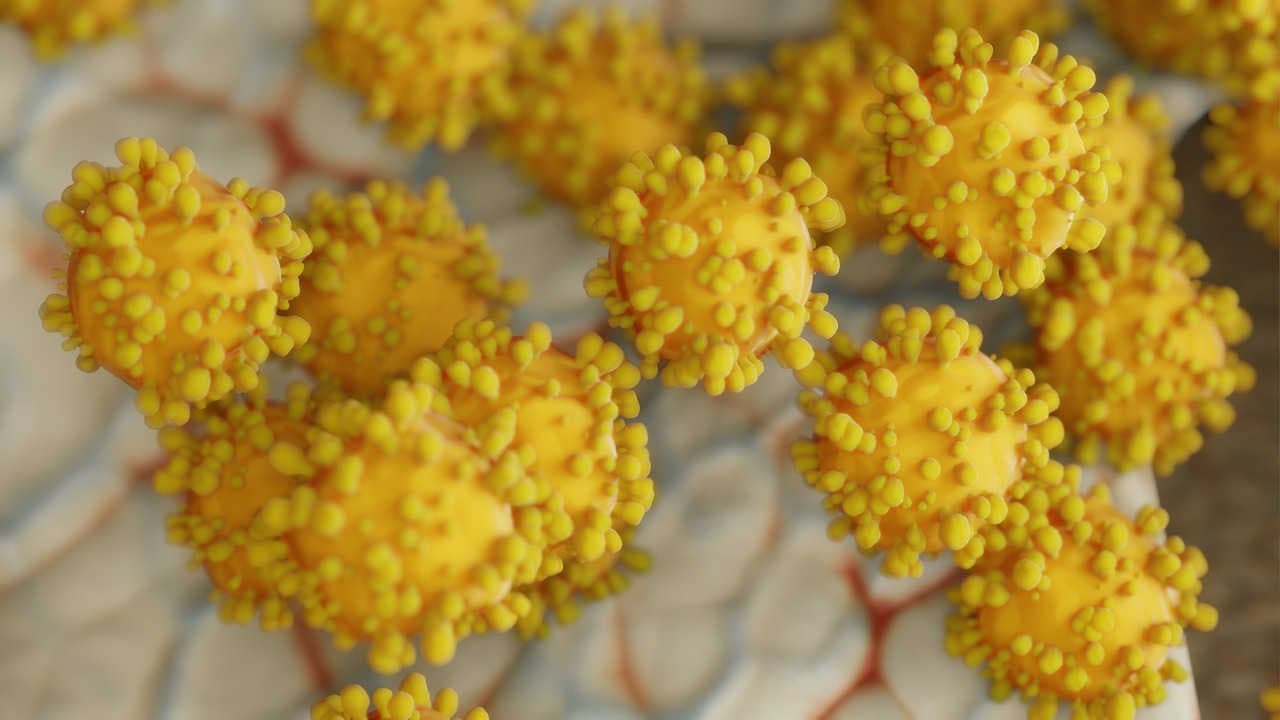
    viruses are not actually considered living organisms, as they lack the minimum requirements of a cell. They are in fact structures composed of a protective protein envelope containing a nucleic acid, which may be DNA or RNA, but are not endowed with an autonomous life. To replicate, they need to invade a host organism and exploit its biosynthetic machinery. Viruses are extremely small, so small that they are not visible under an optical microscope, with a size between 20 and 400 nm.

    virus

    Human applications of microorganisms

    Man, throughout history, has managed to take advantage of this large slice of biodiversity, the microscopic biodiversity, to obtain a number of useful products, especially in the food sphere. Many microorganisms, in fact, are currently used in the dairy, bread-making, fermentation industry, but also for the production of fuels and in warfare as biological weapons. However, it is worth mentioning that some of these microorganisms area source of bioactive compounds, such as antioxidants and vitamins, which find applications in the cosmetic and nutraceutical sectors.

    applicazioni biotecnologiche
    08/06/2024Of 3Bee, Lara Vivarelli
    816 Views
    Newsletter
    newsletter
    Subscribe to the Blog about bees and biodiversity

    Frequently Asked Questions

    Do you have any doubts or other curiosities about this article? Here you will find some insights