Methods for <clr>Monitoring Varroa</clr>
    VarroaTreatmentsBeehivesPassive systems

    Methods for Monitoring Varroa

    Monitoring varroa is extremely important for beekeepers. Why is this mite so dangerous? What should be done to assess the level of infestation of a hive? Let's find out together!

    Read the article
    23/09/2021Of 3Bee, Elena Fraccaro
    448 Views
    23/09/2021Of 3Bee, Elena Fraccaro
    448 Views

    The worst enemy of modern beekeeping

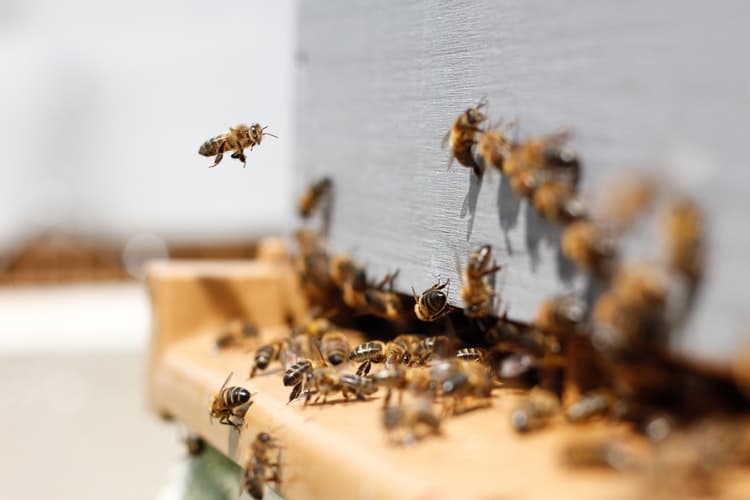
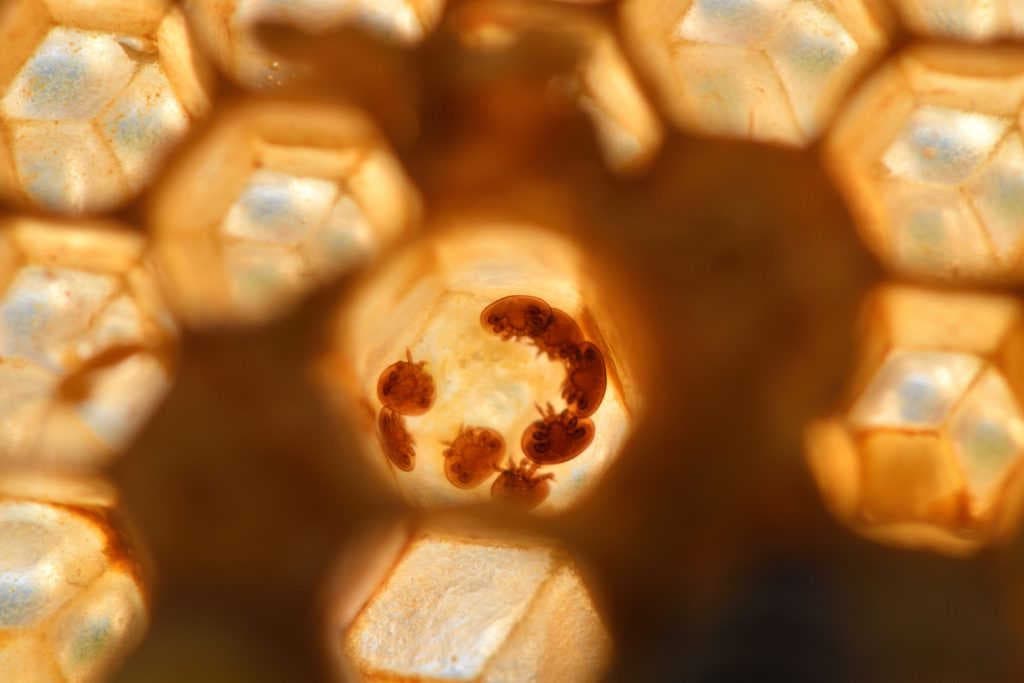
    The arrival of the varroa in 1967 drastically changed beekeeping in Europe. The ectoparasite native to Apis cerana can be considered the worst enemy of modern beekeeping. This fearsome parasite feeds on the fatty bodies of bees throughout its life cycle and can cause direct damage, such as high brood mortality, phytosanitary and histological dysfunctions or reduced longevity of adult bees. Indirect damage can also be found in the increased vulnerability of Apis Mellifera to the proliferation of viruses, including deformed wings (DWM) and acute paralysis virus (APV).
    The worst enemy of modern beekeeping

    The importance of anti-varroa treatments
    The varroa mite is widespread throughout the world with the exception of the Australian continent and some Scottish and Norwegian islands. It is therefore useless to diagnose the disease, as the mite is present in all our hives. However, accurately assessing the degree of infestation during the year can allow us to save our colonies. Anti-mite treatments, in fact, cannot completely eliminate the presence of the parasite. They do, however, allow us to keep the infestation below an acceptable threshold that does not compromise the productivity and health of our hives. Monitoring therefore allows us to verify the effectiveness of the treatments carried out. It can also allow us beekeepers to carry out emergency treatments or to optimally adapt the methods and timing within an integrated pest management framework.
    The importance of anti-varroa treatments
    XNatura

    How many hives should be monitored?

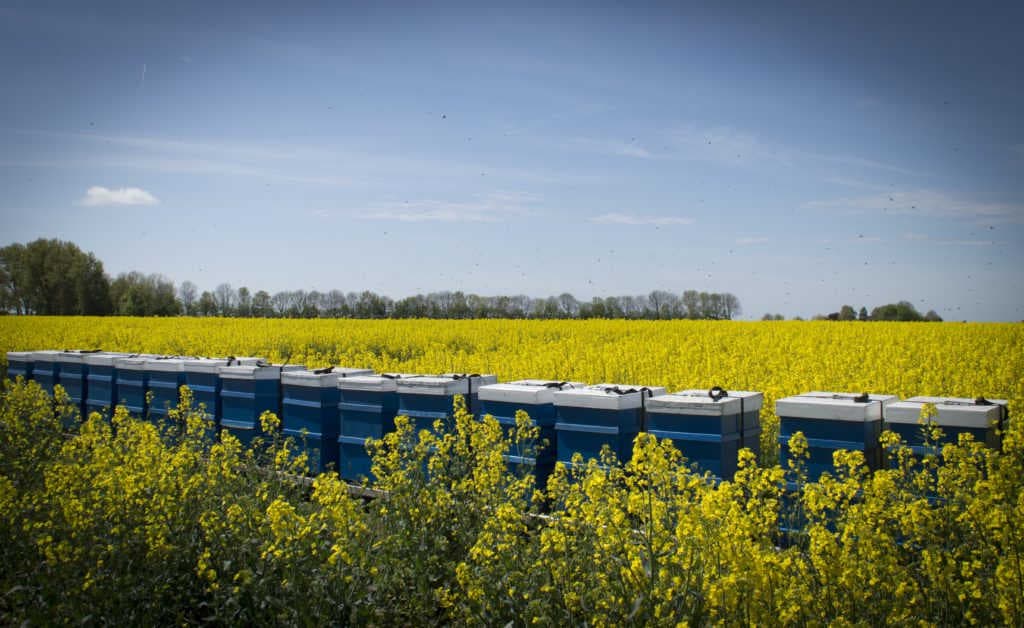
    In general, the beekeeper's first question concerns the number of hives to be monitored. This question is not always easy to answer. This depends mainly on the number of hives kept and the number of apiaries. It is, of course, unthinkable to monitor every single colony, but studies by lee et al(2010) allow us to state that monitoring 8 hives per apiary allows us to assess the infestation of the location in a sufficiently representative manner.
    How many hives should be monitored?

    Passive systems to monitor varroa

    With regard to the type of monitoring system to be used, we can distinguish between active and passive systems. While the former are based on the sampling of bees or portions of brood from which mites will be extracted, the latter involve the simple counting of the natural fall of varroa. The latter systems require hives equipped with anti-varroa bottoms. The high amount of time required for daily counting is reciprocated by good accuracy in estimation. Studies have indeed shown that it is possible to estimate the number of mites in the colony by multiplying each varroa counted by 100. This implies, for example, that a daily fall of 5 mites in the spring period corresponds to an infestation of 500 mites. This is already a very dangerous value for the hive.
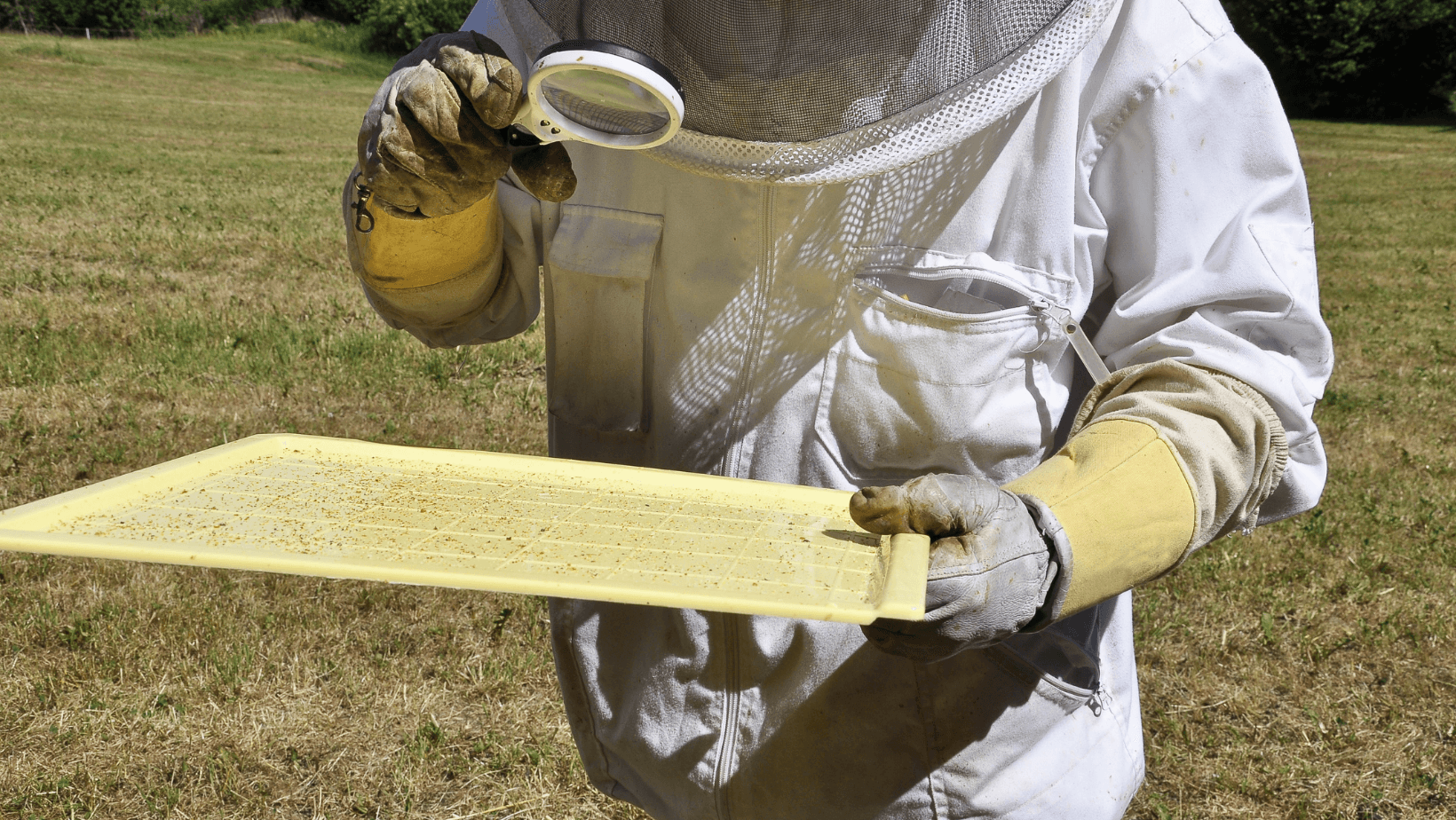
    Passive systems to monitor varroa
    XNatura

    Active systems to monitor varroa

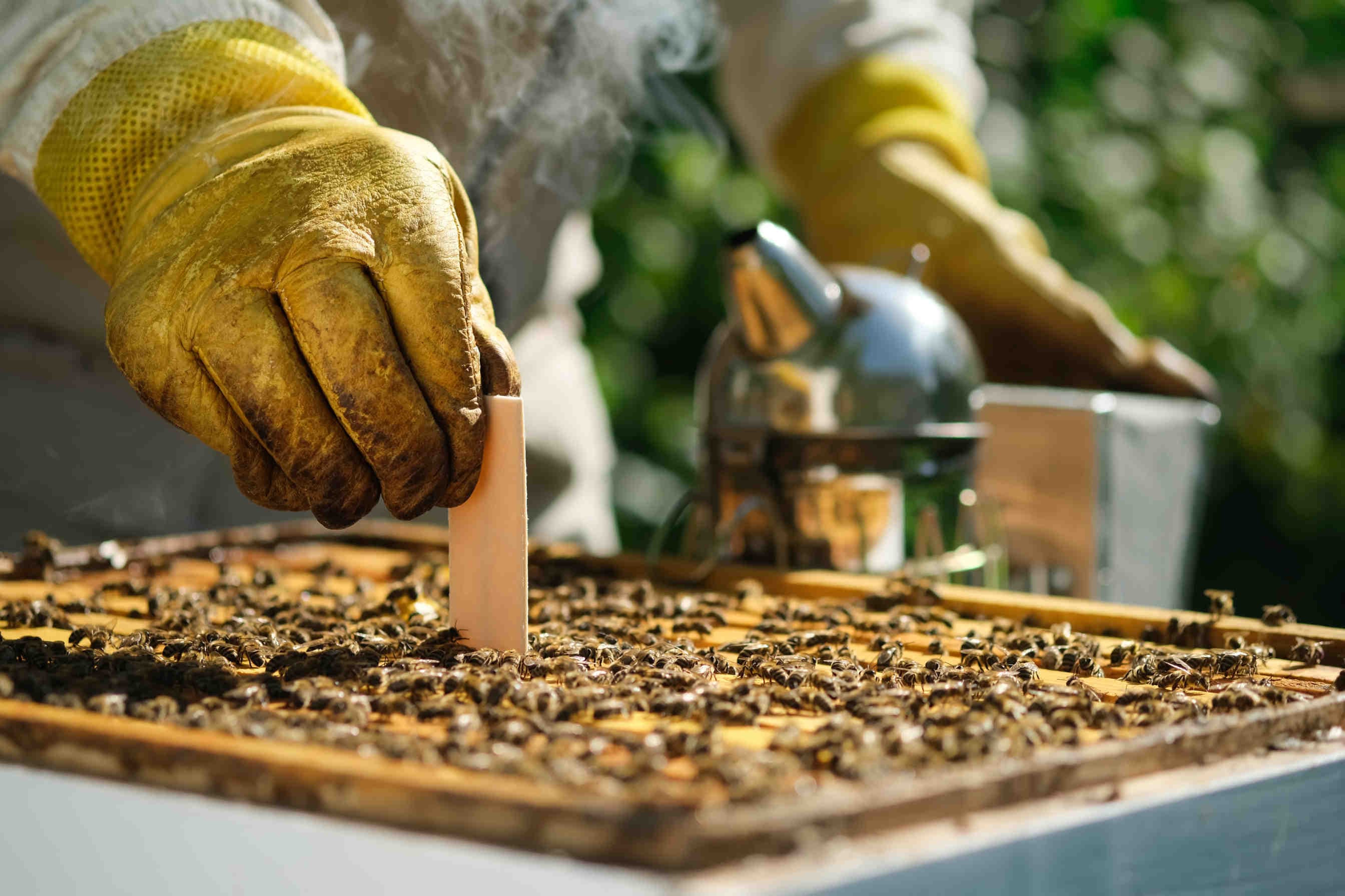
    With regard to active monitoring systems, the assessment of infestation status can be determined by inspecting a dozen or so male brood cells and the finding of three or more mites should alarm the beekeeper. The most accurate and widely used method of estimation is the ZAV or powdered sugar system. This makes it possible to separate more than 92% of varroa foretica from adult bees. The ZAV system involves taking 300 bees. These are decanted into a jar with 1-2 tablespoons of icing sugar. The hermetically sealed container must then first be shaken gently. It is then left to stand for about a minute and finally shaken vigorously for another minute. This system makes it possible to separate the bees from the varroa, which is then counted. To determine the percentage of infestation, simply divide the number of varroa counted by 3, bearing in mind that percentages above 5% require immediate action.
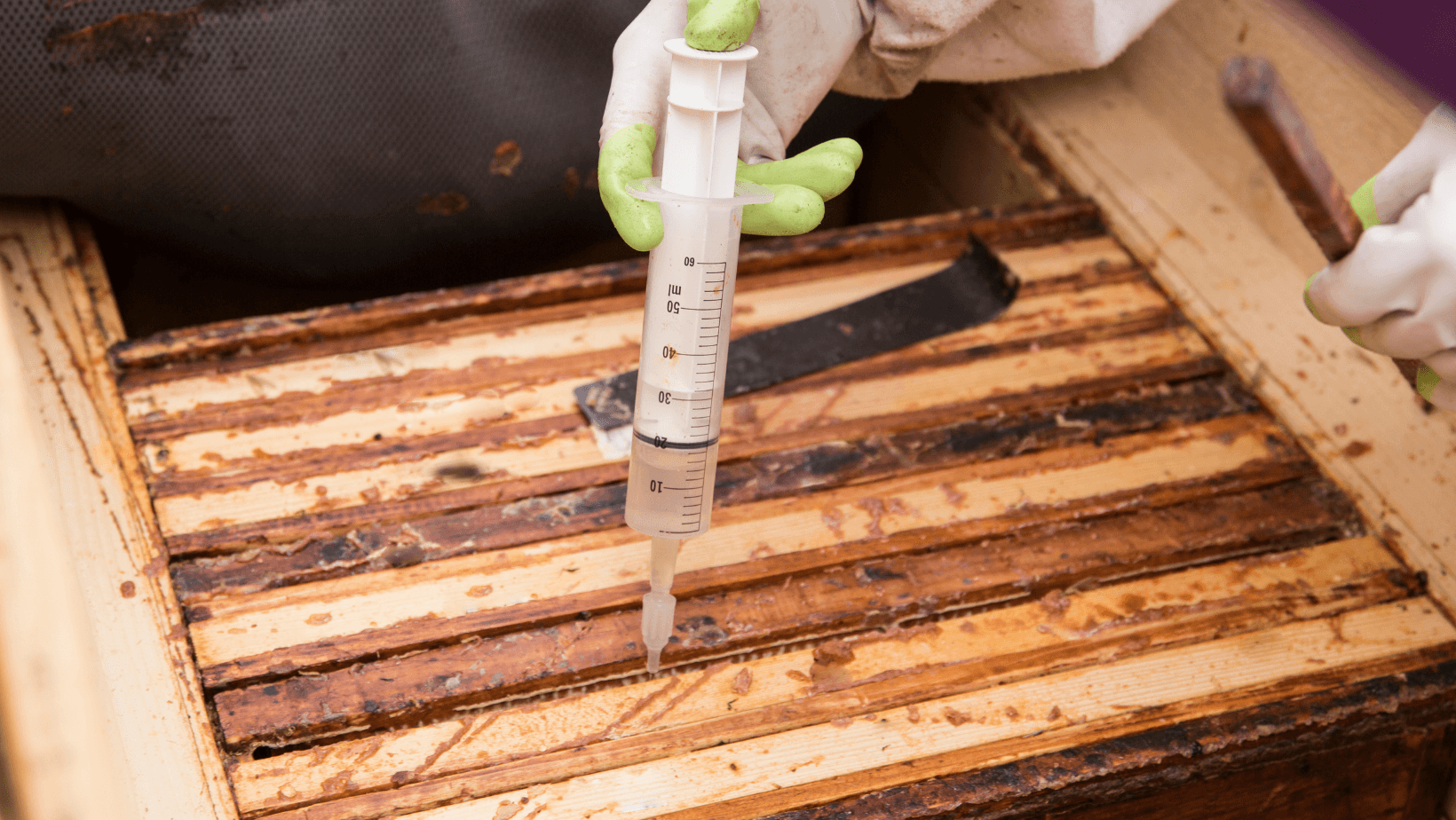
    Active systems to monitor varroa
    3Bee
    23/09/2021Of 3Bee, Elena Fraccaro
    448 Views
    Newsletter
    newsletter
    Subscribe to the Blog about bees and biodiversity


