Main Beehive Work in May
    AcaciaSwarmingNetsRunning

    Main Beehive Work in May

    May is a very busy month for beekeepers. In May there is the first, long-awaited and great flowering, that of the acacia. At this time, the danger of swarming is greater than ever. The activities that keep the beekeeper busy are many and varied.

    Read the article
    15/05/2018Of 3Bee, Elena Fraccaro
    391 Views
    15/05/2018Of 3Bee, Elena Fraccaro
    391 Views

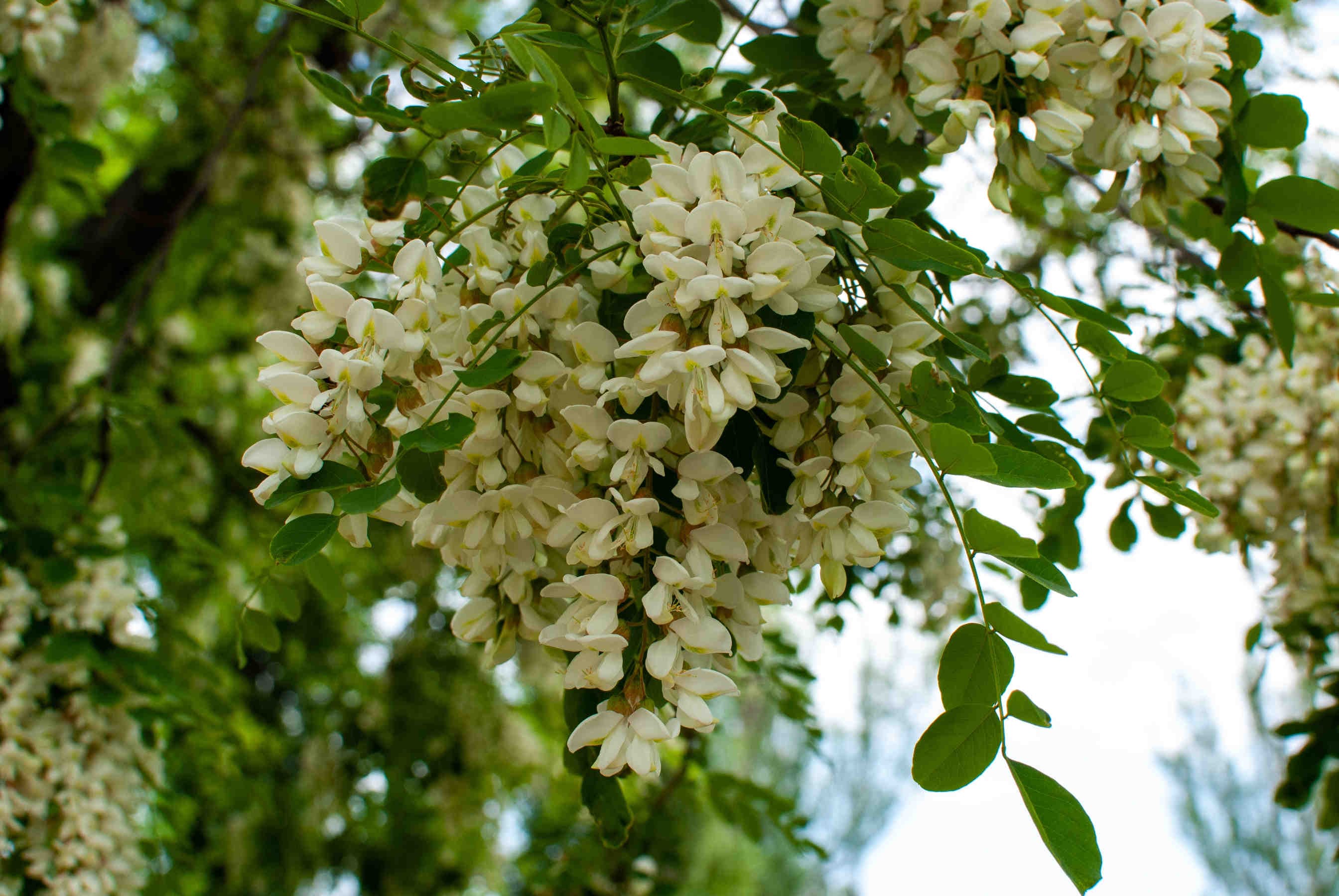
    Flowering acacia

    May is a very important month: it is the month, in fact, of the blossoming of the acacia tree, also commonly known as the locust tree. Past years have not been very clement and acacia honey production has suffered greatly. Preparing one's bees properly to get the harvest off to a good start is indispensable. That is why you start working long before May, a bit like you train long before entering an important competition. Monitoring the state of health of one's hives, control of stocks and brood is essential to arrive prepared for the production season. 3Bee, with its Hive-Tech system, can give you constant support in this work, even allowing you to understand when the bees have started to import. For example, our monitoring systems tell us that 630 g of bees attracted by the scent of acacia have already emerged from our Meatball hive to forage!

    Flowering acacia

    Swarming control

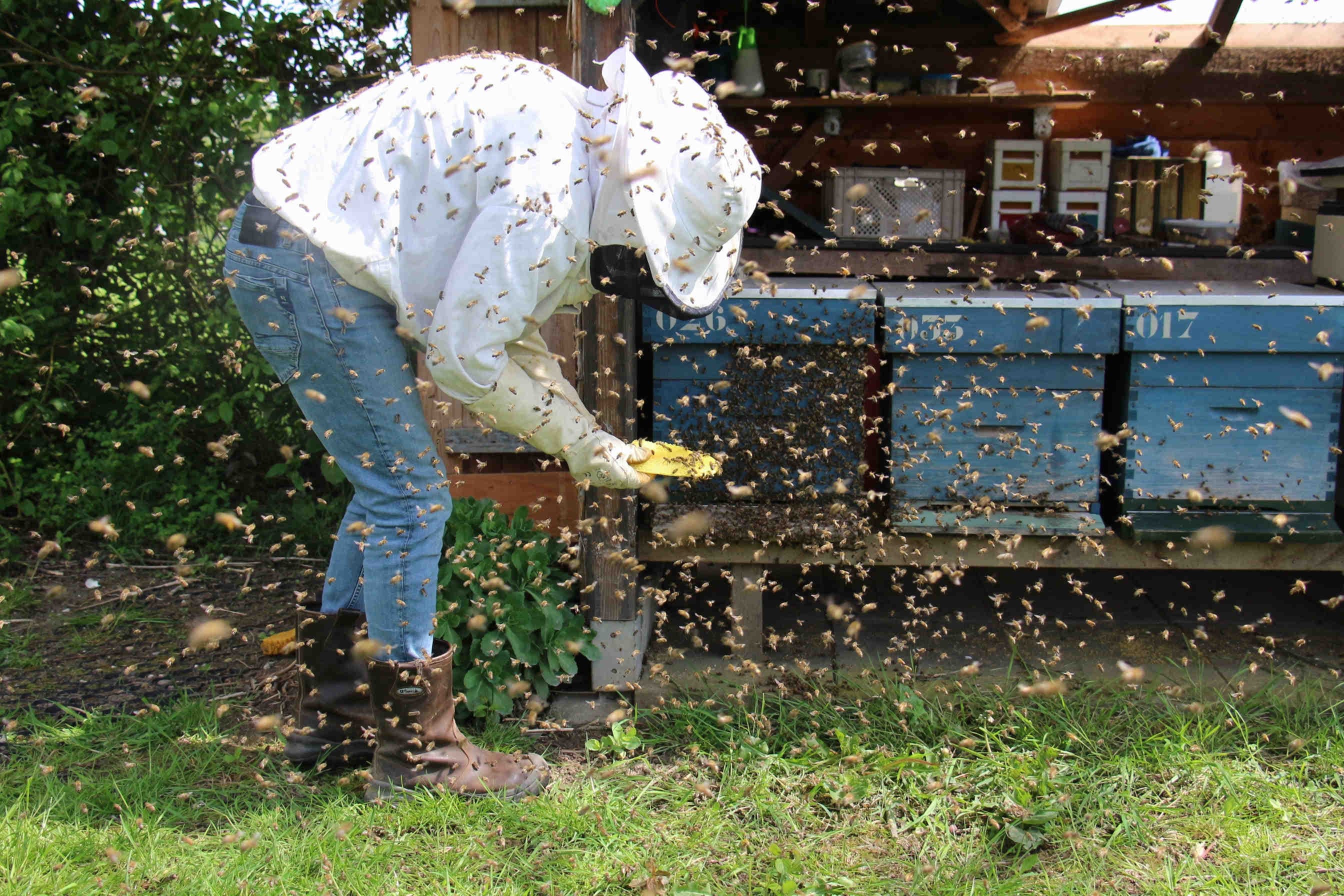
    Swarming control is another of the most demanding activities that occupy the beekeeper's time. We have already spoken extensively about swarming, its causes, and the ways and methods of prevention. May brings with it the last and most raging flushes of swarming fever, before it is supplanted by the need to import and collect nectar for winter stocks. It is very important to always keep their families under control, eliminate any real cells or take those steps necessary to avoid natural swarming. For instance, the creation of other nuclei from large families can be an effective solution. Another method is the enlargement of the family itself, the insertion of wax sheets to be built, or the early affixing of melars.

    Swarming control
    XNatura

    Swarm recovery

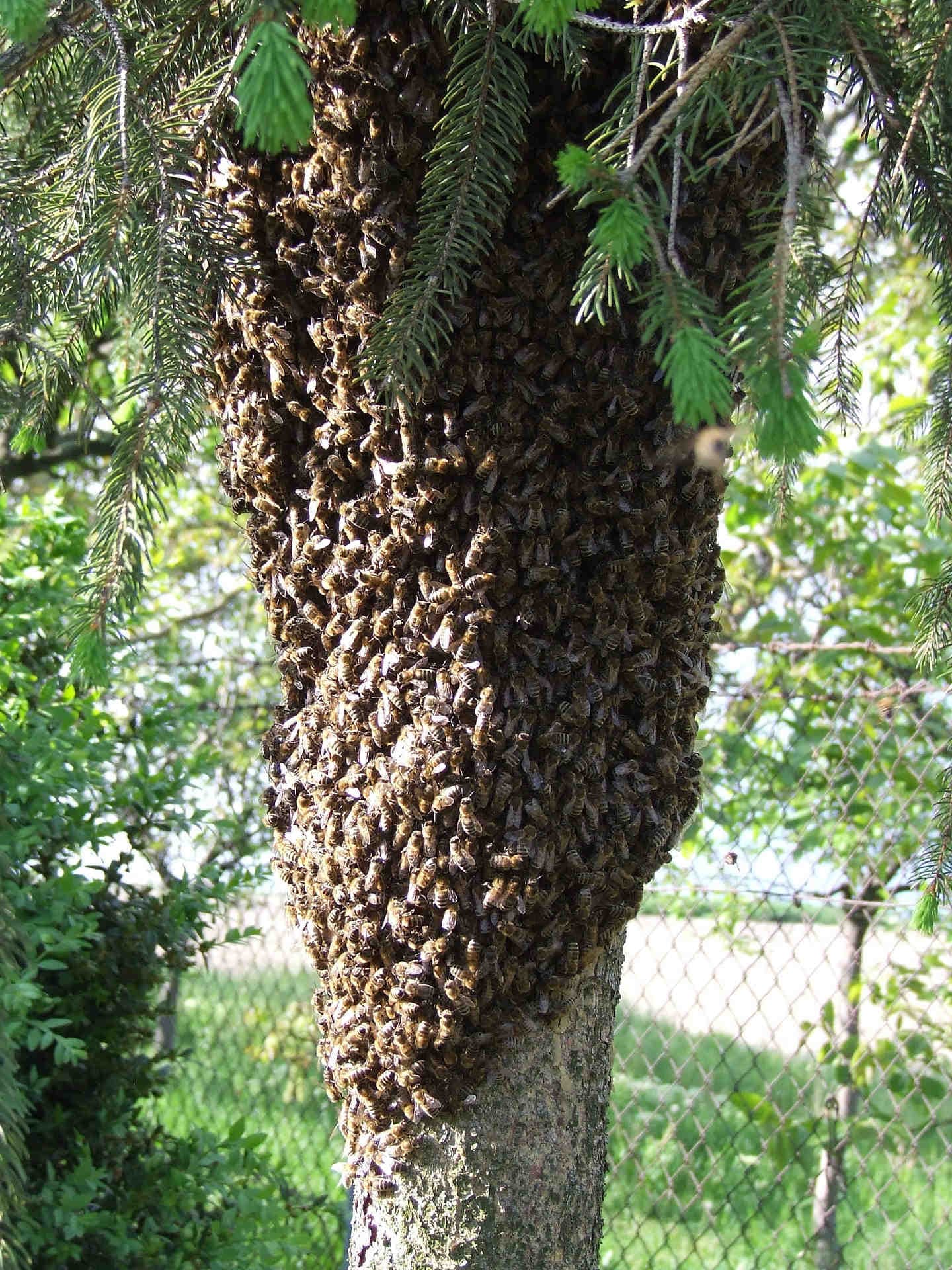
    It is possible, however, that these measures are not sufficient. In this case, early warning of swarming is essential in order to stem the damage. Once swarmed, bees temporarily gather on a branch, a support or in a cavity near the apiary of origin. Recovering the swarm is a delicate activity that can be more or less difficult. If the bees have gathered on a branch, even just shaking them inside a swarm carrier hive may be sufficient. If, on the other hand, they have settled in cavities, tree trunks or generally in inaccessible places, the use of specific material, such as a swarm vacuum, and extreme care prove decisive.

    Swarm recovery

    Laying of honeycombs

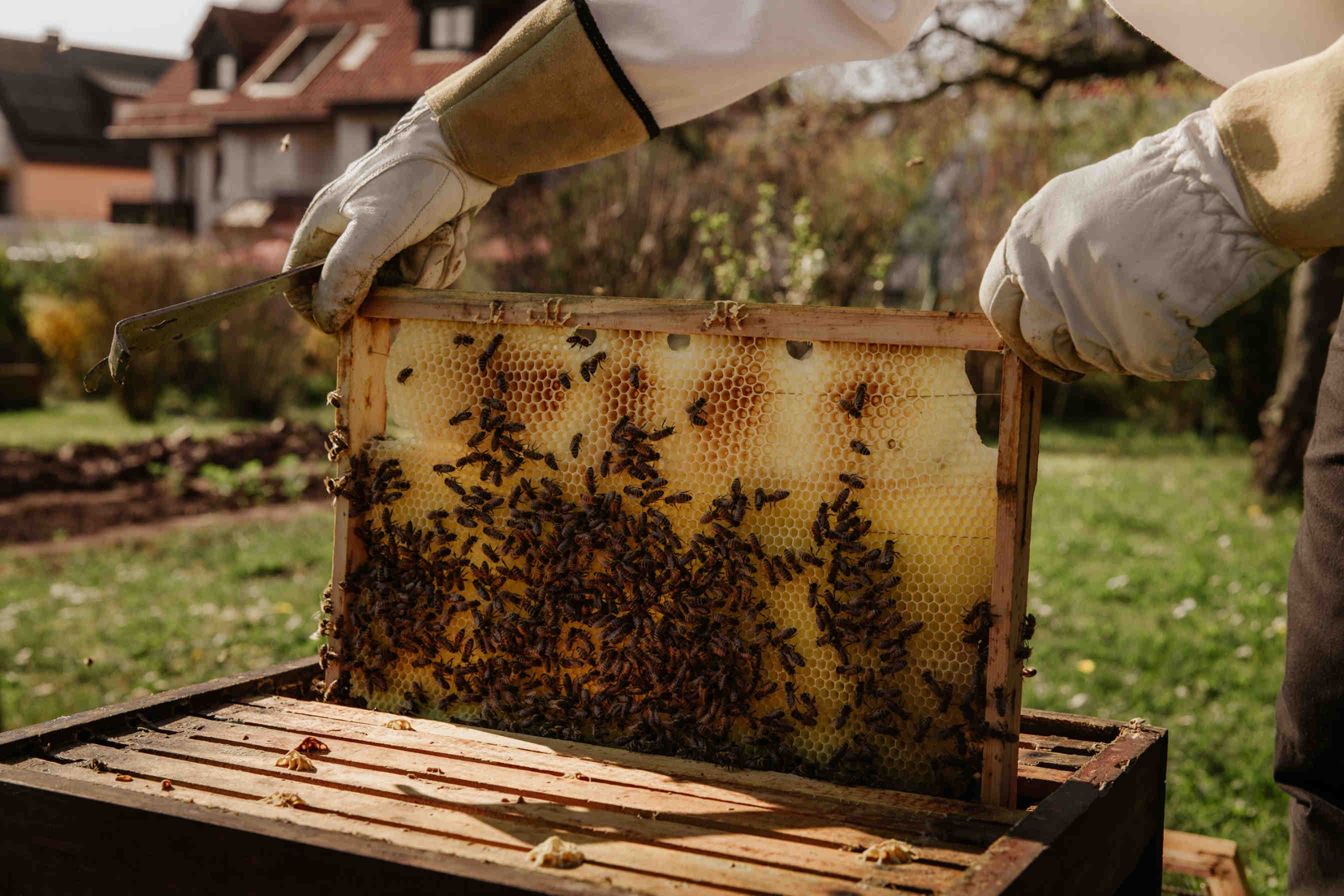
    When the families are well developed and ready for harvesting, it is very important to lay the frames to give them more space. The time of laying and the type of frames you choose are crucial. If you add the honeycomb too early, there is a risk that the bees will gnaw through the wax of the combs, thus ruining them. If, on the other hand, you want to stimulate them into production, inserting already constructed combs is the best choice. This way, they will not use their own resources for the construction of the combs themselves. Stimulating wax production could, on the other hand, be a way of controlling the danger of swarming. For this reason, one must know one's bees well and understand what is the best solution for each family. It is important to remember that waiting until the family is fully developed in the nest to add the honeycomb is not a recommended practice as the family may ignore the honeycomb and swarm anyway.

    Laying of honeycombs
    XNatura

    The use of the queen excluder

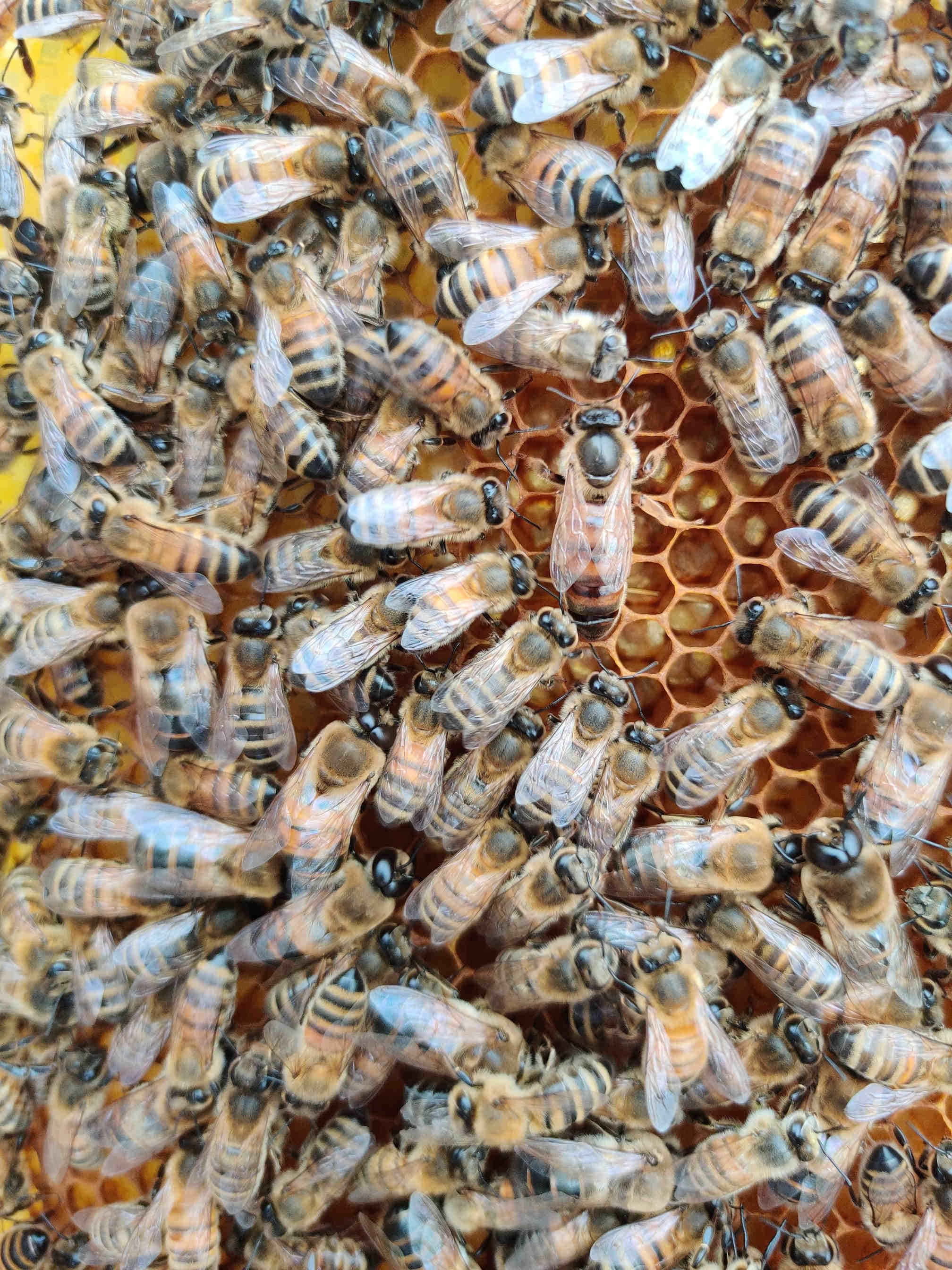
    When you decide to lay the honeycombs, you must proceed carefully to prevent the queen from leaving the nest and climbing into the honeycomb. The queen excluder comes to our aid, which is a metal or plastic grid that allows the workers to pass, but not the queen, who thus remains confined in the nest and excluded from the honeycomb. The queen excluder must of course be placed on top of the nest, on which the honeycomb, honeycomb cover and roof will then be placed. This operation is necessary to prevent the honeycomb, intended for honey production, from being filled with brood. This eventuality, in fact, would cause a 'contamination' of the honey, which would be darker and with a more bitter taste, classically known as 'honeycomb honey'. The use of the queen excluder is very widespread among those who use Dadant-Blatt hives, while it is much less present among those who prefer Langstroth hives. The use of queen excluders has advantages and disadvantages.

    The use of the queen excluder
    3Bee

    Choosing the right queen excluder

    Regarding the choice of a queen excluder, however, there are various types on the market: metal, plastic, framed, frameless. Some recommend the choice of the framed queen excluder, so as to avoid creating a space between the nest and the honeycomb that would then be propolised by the bees. However, even in this case the choice is dictated by one's own needs and there is no right and wrong one. Each option has its pros and cons and must be weighed up when making the choice.

    Choosing the right queen excluder

    Beginning of nomadism

    For some beekeepers, May is also the month in which nomadism begins. Hives are moved to other locations, often in the hills or mountains, in order to take full advantage of the various blossoms, which are delayed compared to those in flat areas, or to produce special, prized honeys. To be able to proceed with this practice, it is important that their families are strong and able to withstand the move. Furthermore, it is good practice to take them to locations at least 6 km away from the apiary of departure. In this way, one averts the danger that they will return to the place where their hive was previously located and thus undermine production.

    Help from 3Bee

    May is a very hectic and crucial month for the beekeeper's business. Adding the melarium at the right time, avoiding swarming and recovering a swarm in a timely manner are activities that greatly affect production. Having support can be decisive. With 3Bee hive monitoring systems you can constantly check the health status of your bees, the level of production and thus choose when it is time to intervene. Discover all the advantages of Hive-Tech!

    Help from 3Bee
    15/05/2018Of 3Bee, Elena Fraccaro
    391 Views
    Newsletter
    newsletter
    Subscribe to the Blog about bees and biodiversity