Improving agricultural yields by absorbing carbon dioxide
    scenariosoilcarbon farmingstudio

    Improving agricultural yields by absorbing carbon dioxide

    The study, which focused on wheat, maize and tomatoes, all Made in Italy, was coordinated by Professor Stefano Amaducci, of the Faculty of Agricultural, Food and Environmental Sciences at the Università Cattolica del Sacro Cuore, and published in the authoritative journal Agronomy.

    Read the article
    29/06/2023Of 3Bee, Elena Fraccaro
    387 Views
    29/06/2023Of 3Bee, Elena Fraccaro
    387 Views

    The scenario

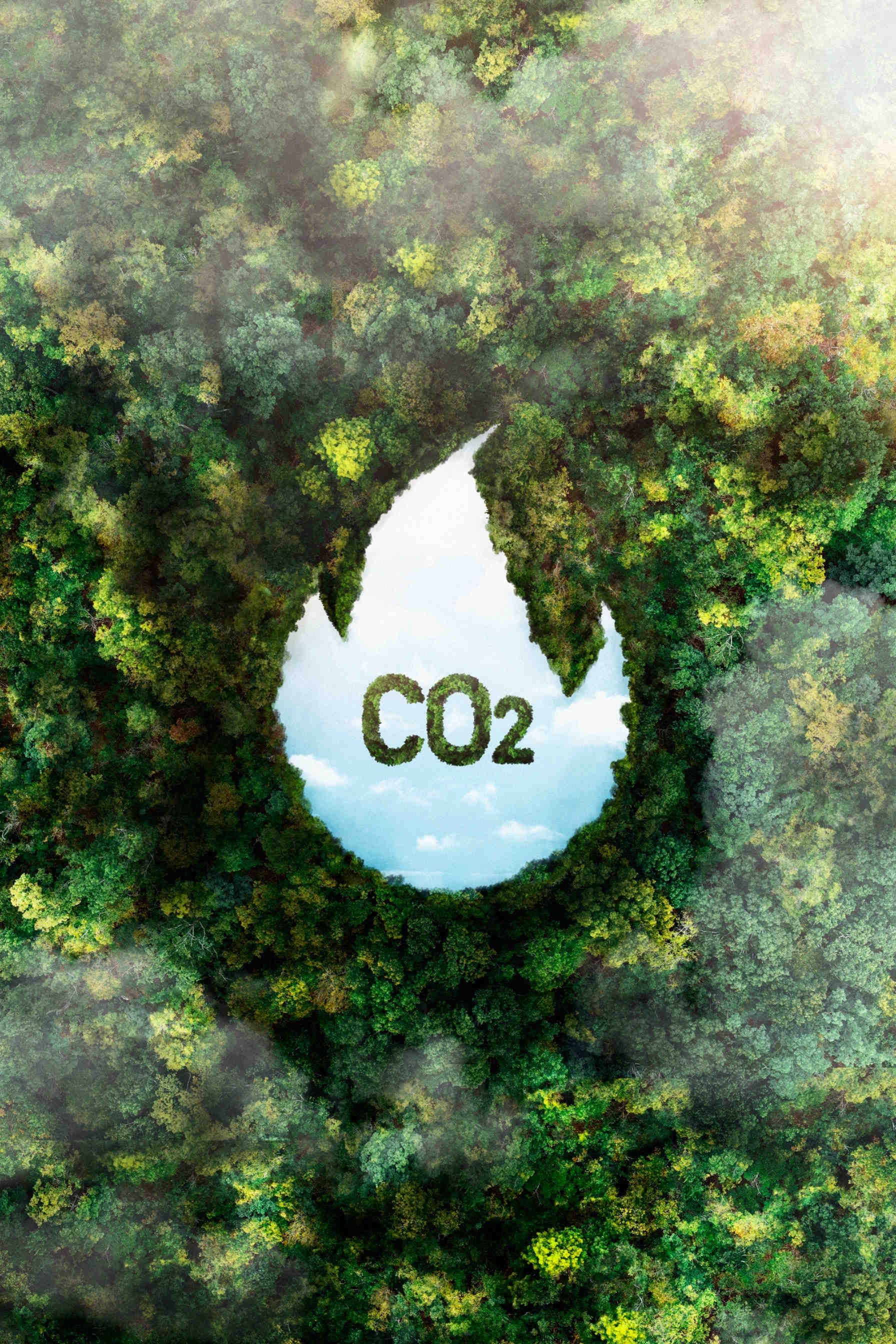
    The carbon dioxide (CO2) is one of the main greenhouse gases responsible for global warming and climate change, it is naturally present in the atmosphere and normal levels of greenhouse gases are necessary to ensure the maintenance of an average temperature, hence of life on earth itself. However, the amount currently present, together with emission trends, put us on high alert. The food sector, in particular, is one of the most impactful with regard to global change. In addition to land consumption, food production is responsible for about 30% of annual greenhouse gas emissions. To meet the Paris Agreement and address this challenge, a revolution in the food sector is needed.

    anidride carbonica CO2

    Soil: a hidden treasure

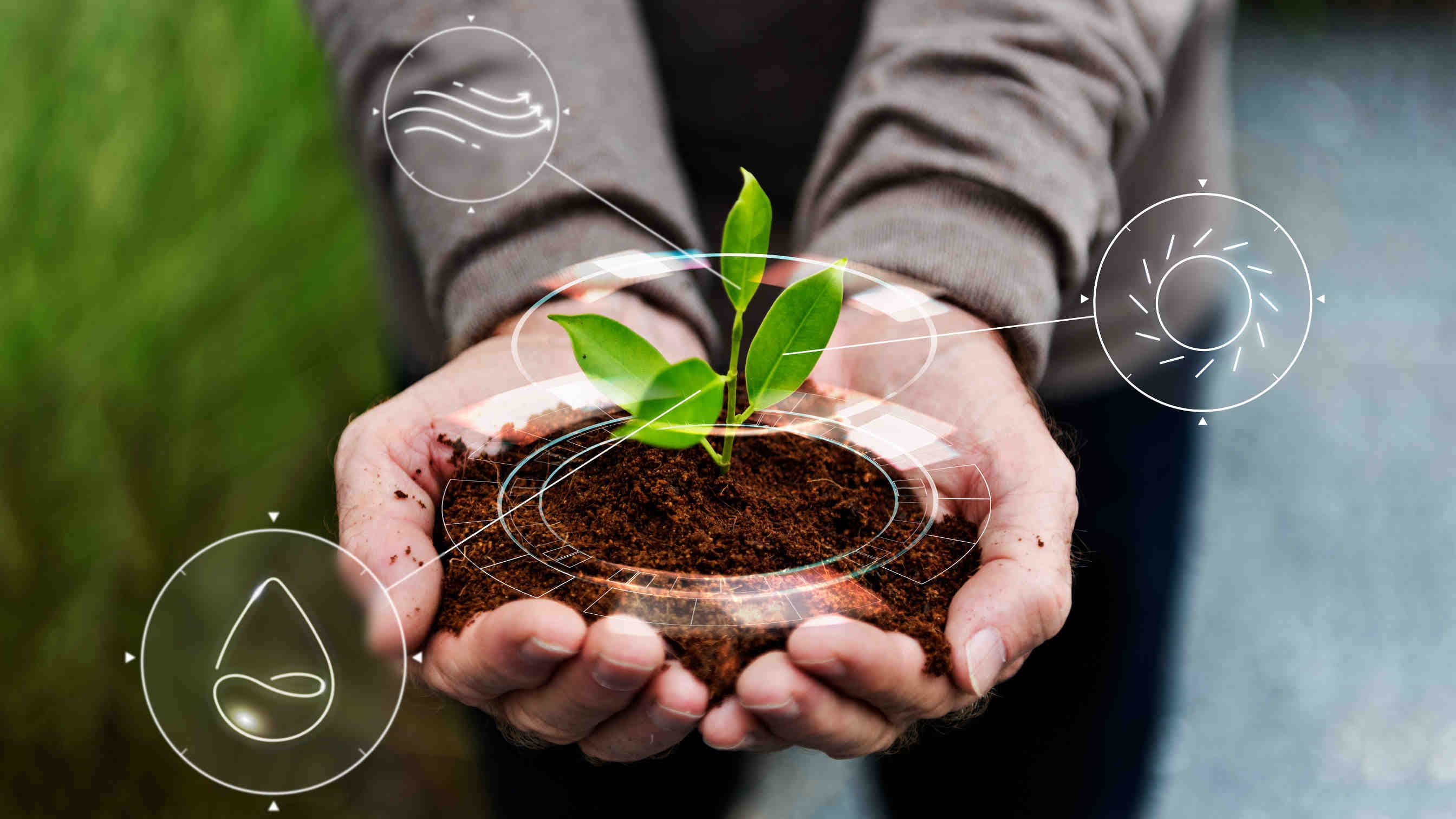
    Several studies indicate that, globally, the soil has lost up to 130 billion tonnes of carbon (in the first two metres) since agriculture was introduced to ancient human societies, some 12,000 years ago. But carbon is not only a threat, it is also a valuable resource. The presence of organic matter in the soil, consisting of carbon chains, is essential for improving its structure and making it more fertile, as well as increasing its ability to absorb water. Therefore, the storage of carbon dioxide, in addition to mitigating the effects of climate change, can increase agricultural yields.
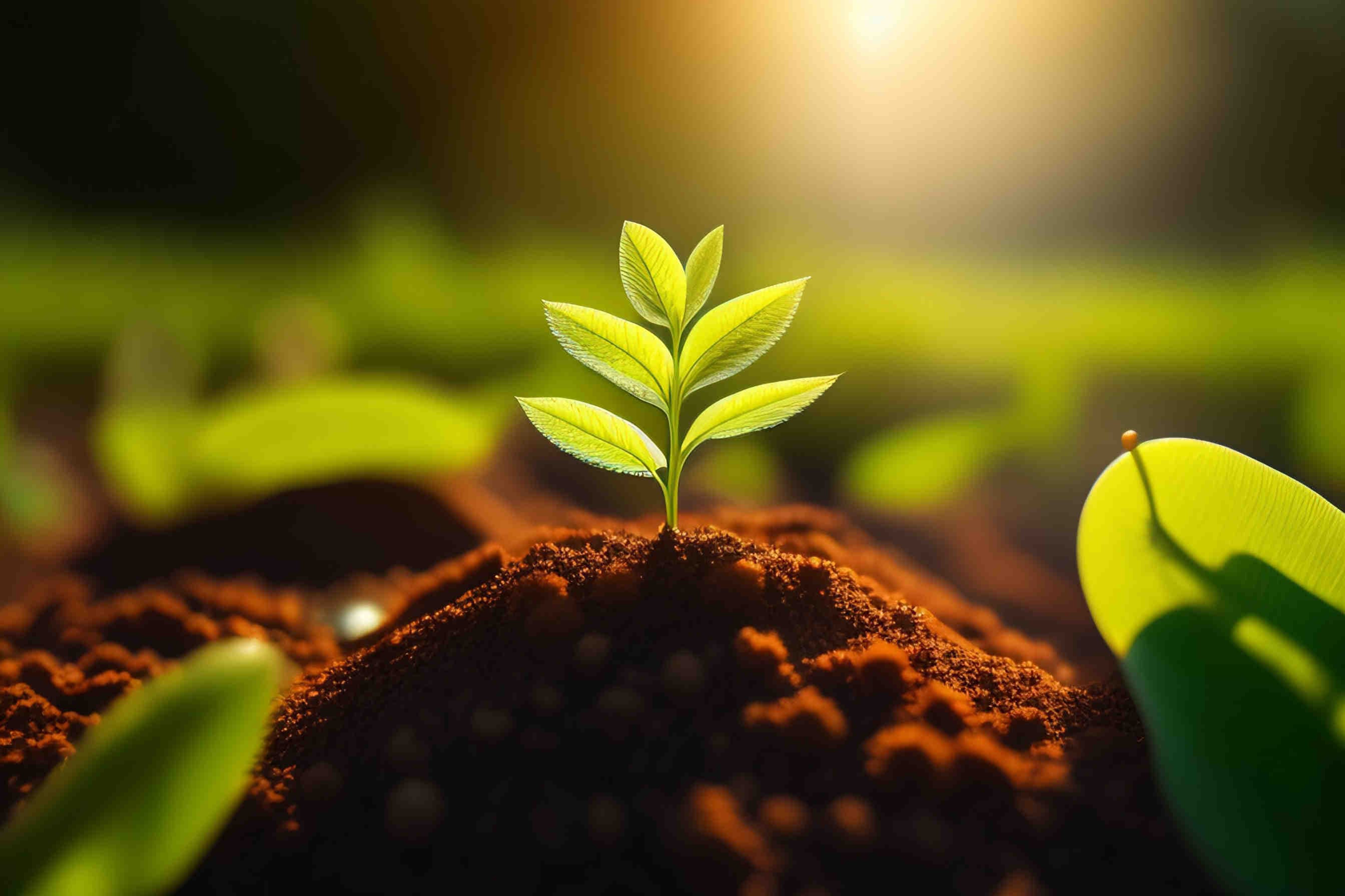
    suolo
    XNatura

    Regenerative Agriculture and Carbon Farming

    By storing CO2 in the soil, it helps reduce the amount of CO2 in the atmosphere.

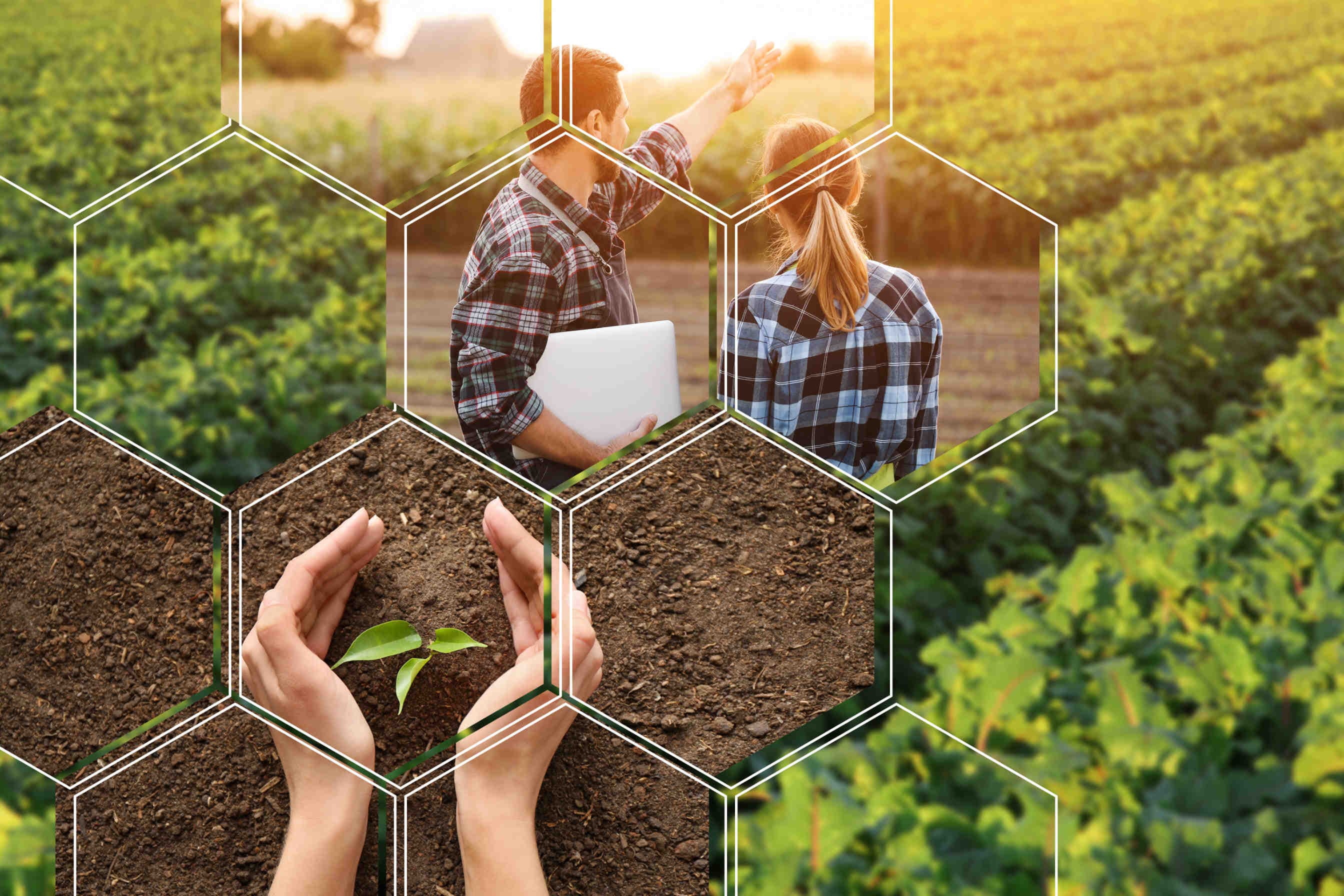
    This practice is called Carbon Farming. The name of this practice comes from the English Carbon Farming, and it is a true soil and crop management strategy aimed at absorbing and storing carbon in the agricultural environment, mainly thanks to a certain type of vegetation, which using photosynthesis is able to absorb more carbon dioxide than others. And as new policies move towards incentivising these practices by providing compensation to farmers, studies such as Professor Amaducci's open the door to new frontiers of profit and sustainability. In addition to carbon, nitrogen and phosphorous can also be stored in the soil through these practices.

    carbon farming

    Professor Amaducci's study

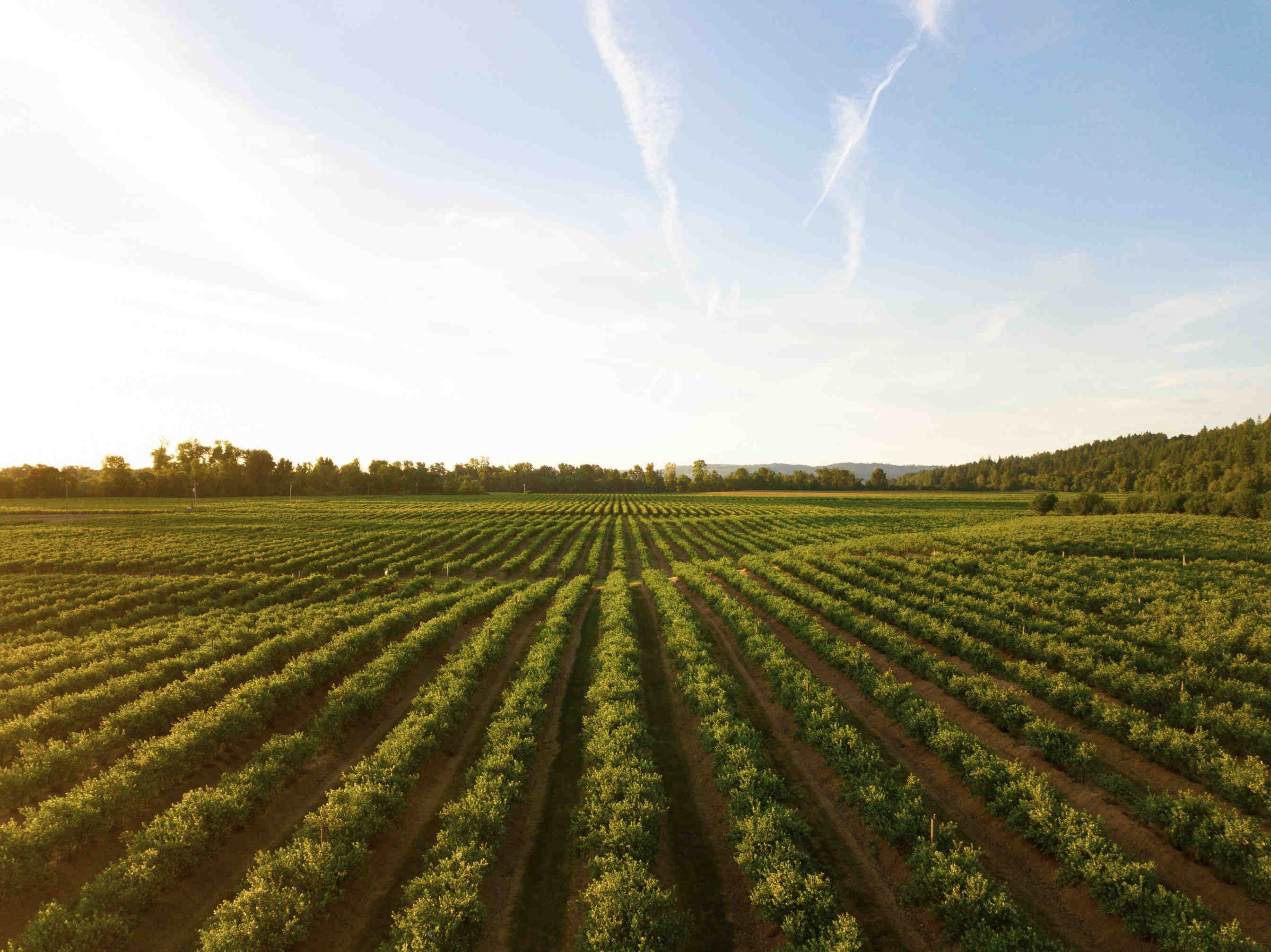
    The professor Amaducci conducted a experiment that began in 2007 with the cultivation of three herbaceous species (miscanthus, panicum vergatus and arundo) and three tree species (poplar, willow and robinia), destined for the production of biomass for energy and biomaterials, and then continued with the allocation of annual species, such as soya and wheat, destined for the food industry. After 13 years of experimentation, an average increase in soil organic matter of more than one tonne of carbon per hectare per year was recorded. This success demonstrates the potential of our land to take in carbon dioxide and transform it into a valuable resource for agriculture. Alternating species ensures a diverse uptake of substances from the soil and this practice also works for plants capable of sequestering large amounts of carbon. It also helps maintain a high level of biodiversity, which is essential for the health of the agricultural ecosystem.

    campo agricoltura
    XNatura

    Actions and solutions: the 3Bee approach

    In the context of <cllr>climate change, it is crucial to adopt innovative solutions in every sector. Sustainable practices allow us to find solutions in terms of adaptation and mitigation. At 3Bee we develop technologies for the protection of biodiversity, including Flora - in collaboration with ESA - and offer services such as XNatura - the first certified biodiversity index - which, together with biodiversity assessments, allow biodiversity to be monitored and improved, making agricultural fields, workplaces and production facilities sustainable. Through the creation of Biodiversity Oases, we engage with our partners in the protection and regeneration of ecosystems, contributing to the objectives of the 2030 Agenda. Innovation is key to a more sustainable future: only through joint action, embracing technology and commitment to biodiversity, can we create a future in which agriculture is an ally in the fight against climate change.
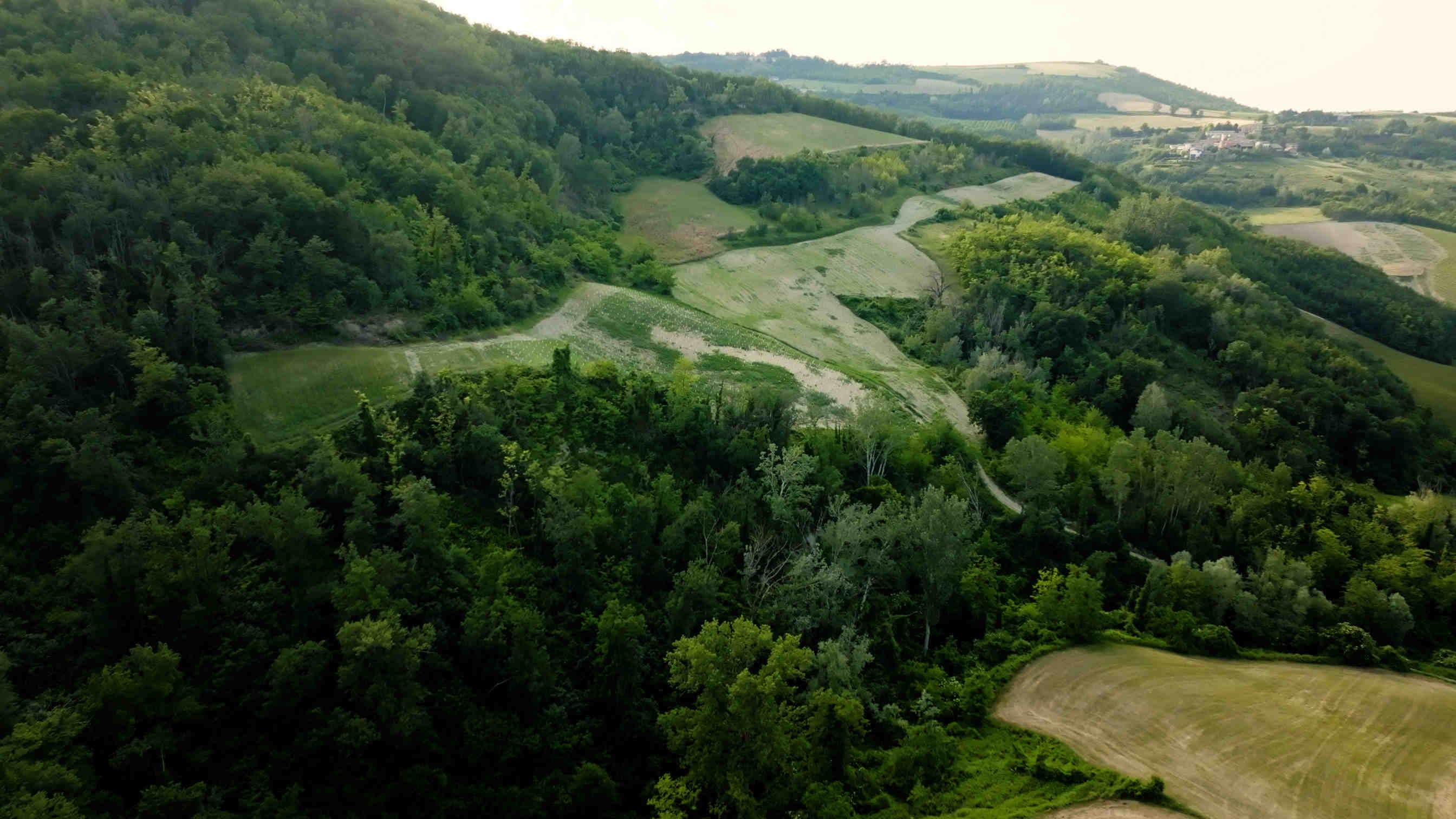
    Oasi 3Bee
    3Bee
    29/06/2023Of 3Bee, Elena Fraccaro
    387 Views
    Newsletter
    newsletter
    Subscribe to the Blog about bees and biodiversity

    Frequently Asked Questions

    Do you have any doubts or other curiosities about this article? Here you will find some insights