The <clr>Production Problems</clr> Of Honey
    Southern honeyAgrumi caseBilance 3BeeOther cases

    The Production Problems Of Honey

    The last few years have been extremely difficult for the Italian beekeeping sector. However, 2021 is proving to be one of the worst years ever. We asked Giuseppe di Mauro, owner of the beekeeping company Sicul Miele, to tell us what these first months in Sicily have been like.

    Read the article
    09/07/2021Of 3Bee, Elena Fraccaro
    567 Views
    09/07/2021Of 3Bee, Elena Fraccaro
    567 Views

    The production season in Sicily

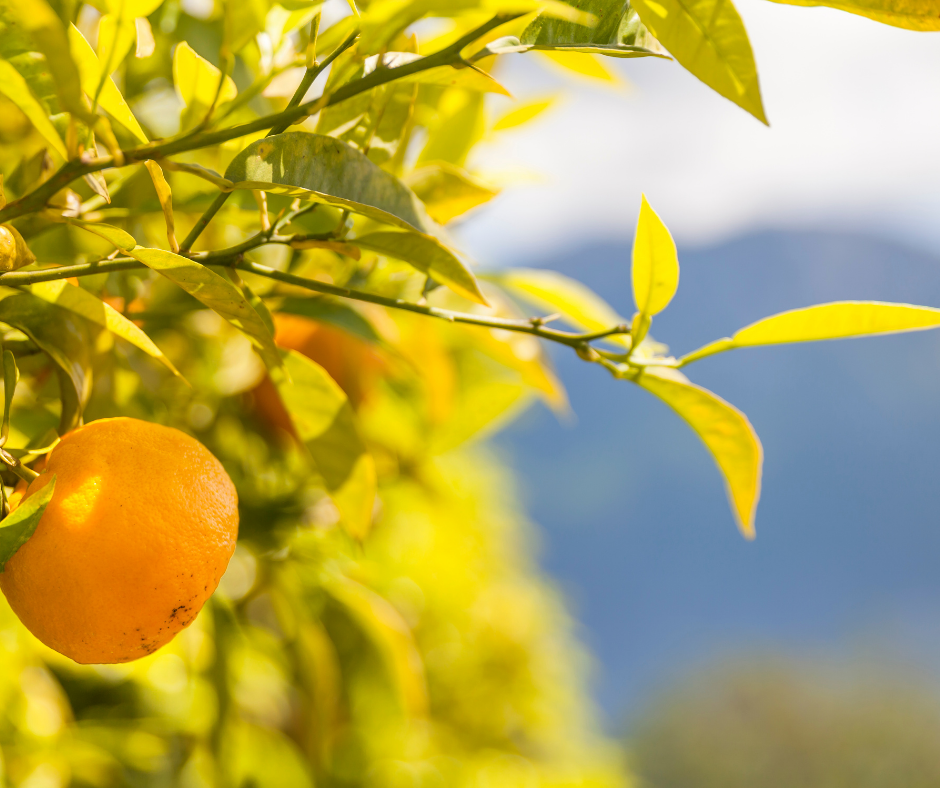
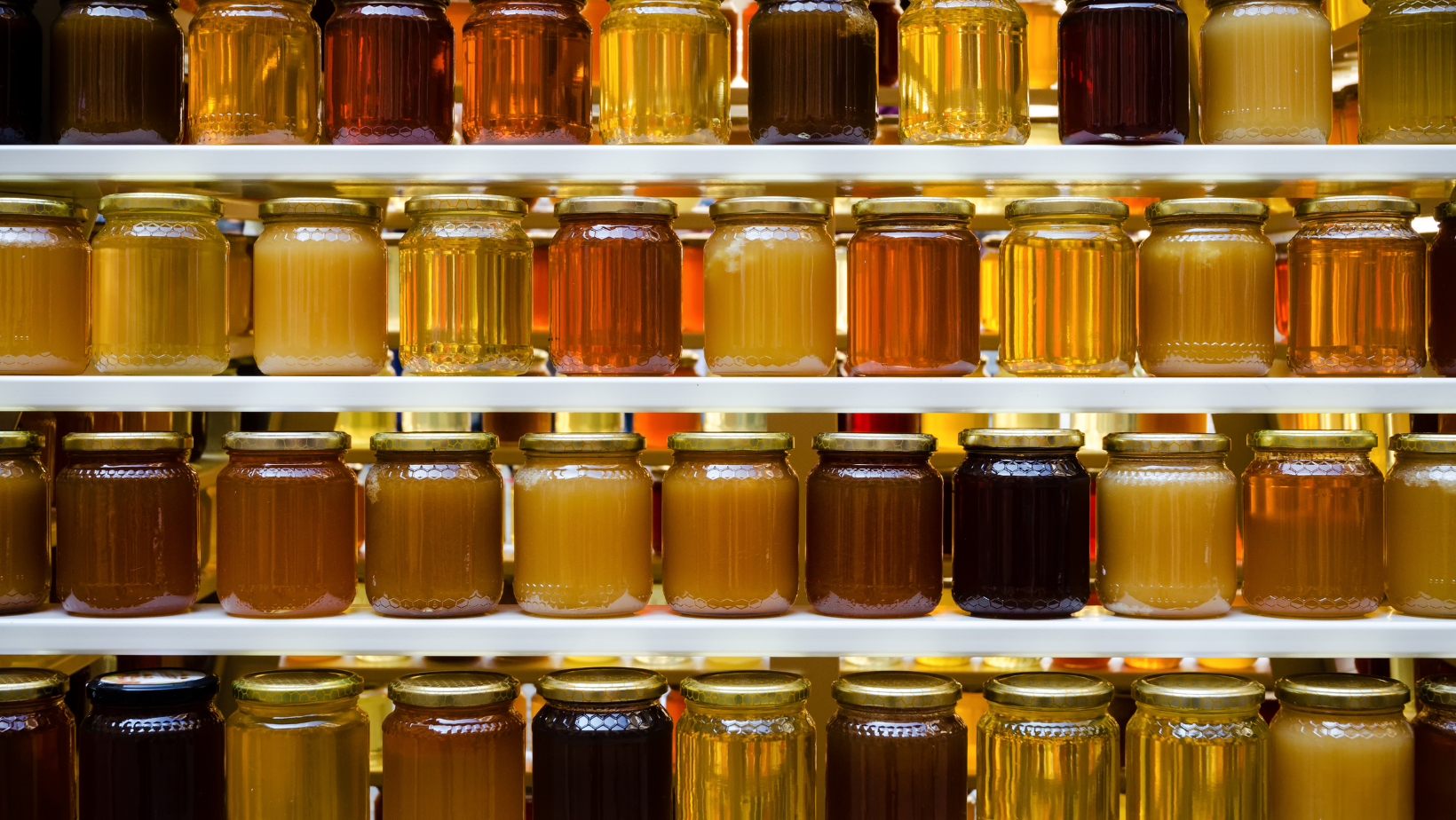
    We asked Giuseppe di Mauro, owner of the beekeeping company Sicul Miele, to tell us what these first months in Sicily have been like. Giuseppe has been a beekeeper for more than 20 years, bringing more than 45 years of experience in the sector. His company is based in Noto and manages around 450 hives. With him we discussed the problems of honey production in Southern Italy. Various types of honey are produced in Sicily, including thyme, millefiori from the plains and mountains, thistle, eucalyptus, and in lucky years even the rare carob honey. Certainly, however, the main bloom from which the most honey is obtained is that of citrus fruits. Citrus is the most abundant and profitable crop. Until a few years ago, up to 7 honeycombs were produced during the flowering of the orange blossom. Compared to northern Italy, the production season in the south is longer, due to the milder climate.
    The production season in Sicily

    The case of citrus fruits

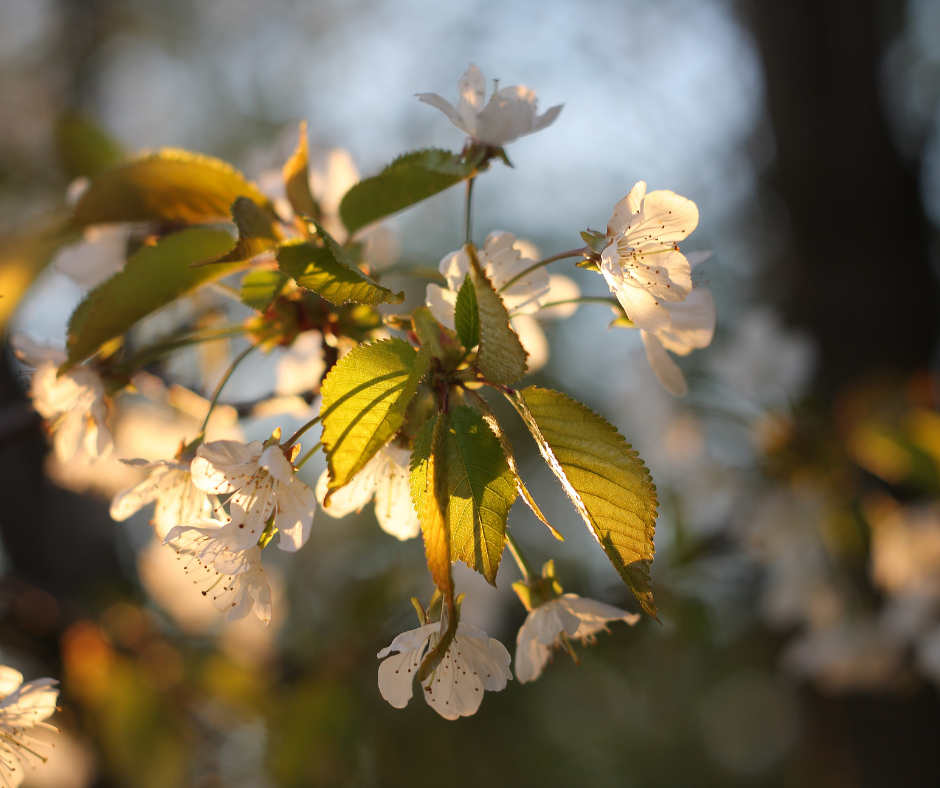
    Just this year, the flowering of the almond tree, which occurs in February, had given good signs. As the weather was fine, the bees were able to overwinter well, collecting sufficient nectar and pollen to prepare for the next bloom. After 10 February, however, there was a reversal. The weather became more dry and cold, due to low rainfall and a particularly dry wind. This has seriously compromised the flowering of citrus fruits. There were few flowers on the plants, and those that had blossomed did not provide sufficient nectar. This was compounded by the dust from the desert and the volcanic ash from Etna, which further damaged the blossoms. These unstable seasons have led to the almost total disappearance of citrus honey production on the island. This sad result has also affected the pollination of citrus fruits.

    The case of citrus fruits
    XNatura

    The help of 3Bee scales

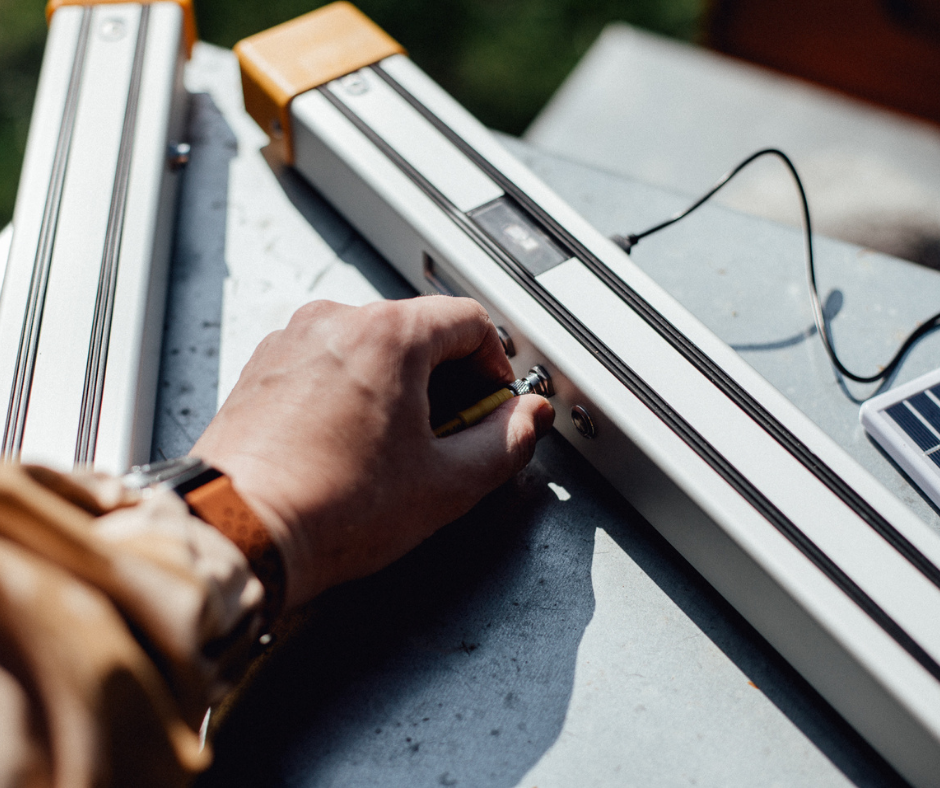
    The problems were not limited to citrus fruits, however. The abnormal heat in June also put the production of other honeys in difficulty, such as that of thyme. Giuseppe told us how important 3Bee balances were at this delicate time. Although the blooms were promising, the low nectar production hampered honey production. The 3Bee scales were essential to save time, make fewer empty trips and keep an eye on the status of the families' stocks. Early intervention prevented the loss of hives through starvation.

    The help of 3Bee scales

    Other regions in Southern Italy

    This situation, however, was not limited to Sicily alone. In Calabria, huge production losses have been recorded due to the adverse weather in April. Citrus, sulle and acacia blossoms were affected. According to preliminary estimates by Coldiretti, the damage to the production of spring wildflower and citrus honey would amount to about 70% of the entire production year. However, the situation is also common to other regions in Southern Italy, where the adverse climate has delayed the blossoming, which has been less than abundant.

    Other regions in Southern Italy
    XNatura

    What do beekeepers do now?

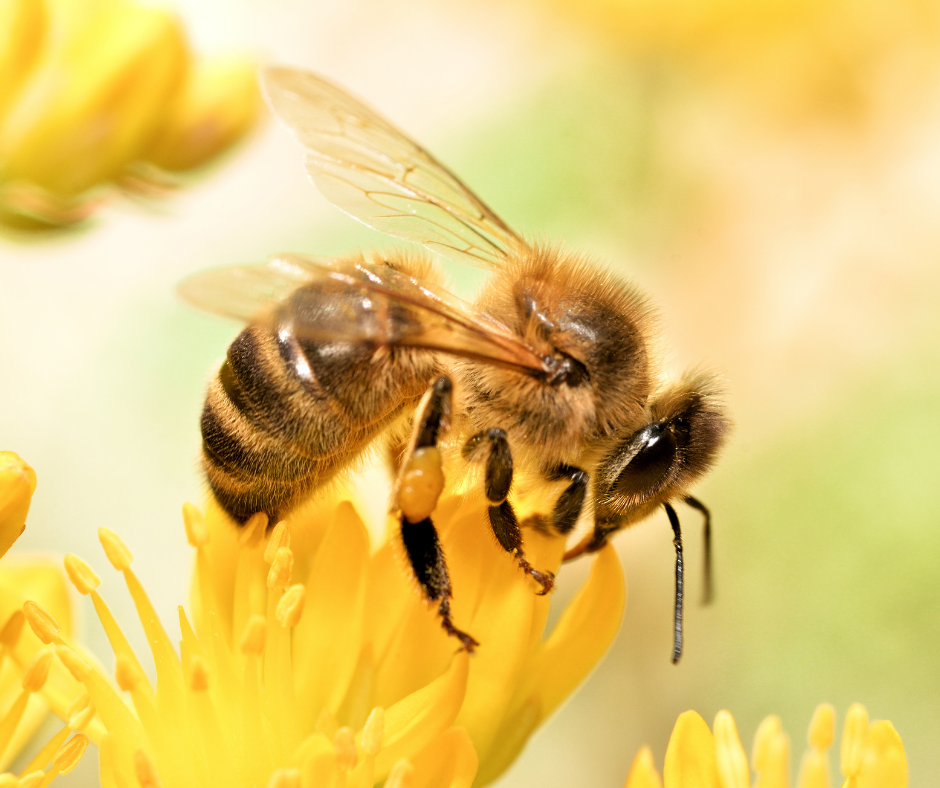
    The beekeeping world, however, does not stop there. Giuseppe tells us that he is already preparing for the next blooms, in the hope of more clement weather. The next harvests will be of thyme and bramble, before moving on to millefiori in September, which the bees will need to stock up for the winter. The beekeeper, working in close contact with bees that are true bio-indicators, knows well that the progressive loss of biodiversity, the impoverishment of natural habitats, climate change and the abuse of agro-medicines are putting the survival and wellbeing of these precious insects under great strain. You can support an Italian beekeeper by adopting one of his hives. You too can adopt a 3Bee hive: support bees and our planet!

    What do beekeepers do now?
    3Bee
    09/07/2021Of 3Bee, Elena Fraccaro
    567 Views
    Newsletter
    newsletter
    Subscribe to the Blog about bees and biodiversity