Hawthorn: the shrub symbol of Hope and Strength
    HistoryLeavesFloweringConservation

    Hawthorn: the shrub symbol of Hope and Strength

    We discover the hawthorn, a nectariferous tree with deep roots in history and culture, vital to ecosystems and a friend to pollinators. Its lobed leaves and bushy habit make it a vital element in the natural landscape.

    Read the article
    05/01/2024Of 3Bee, Elena Fraccaro
    1786 Views
    05/01/2024Of 3Bee, Elena Fraccaro
    1786 Views

    Hawthorn: A Thorny Shrub Rich in History

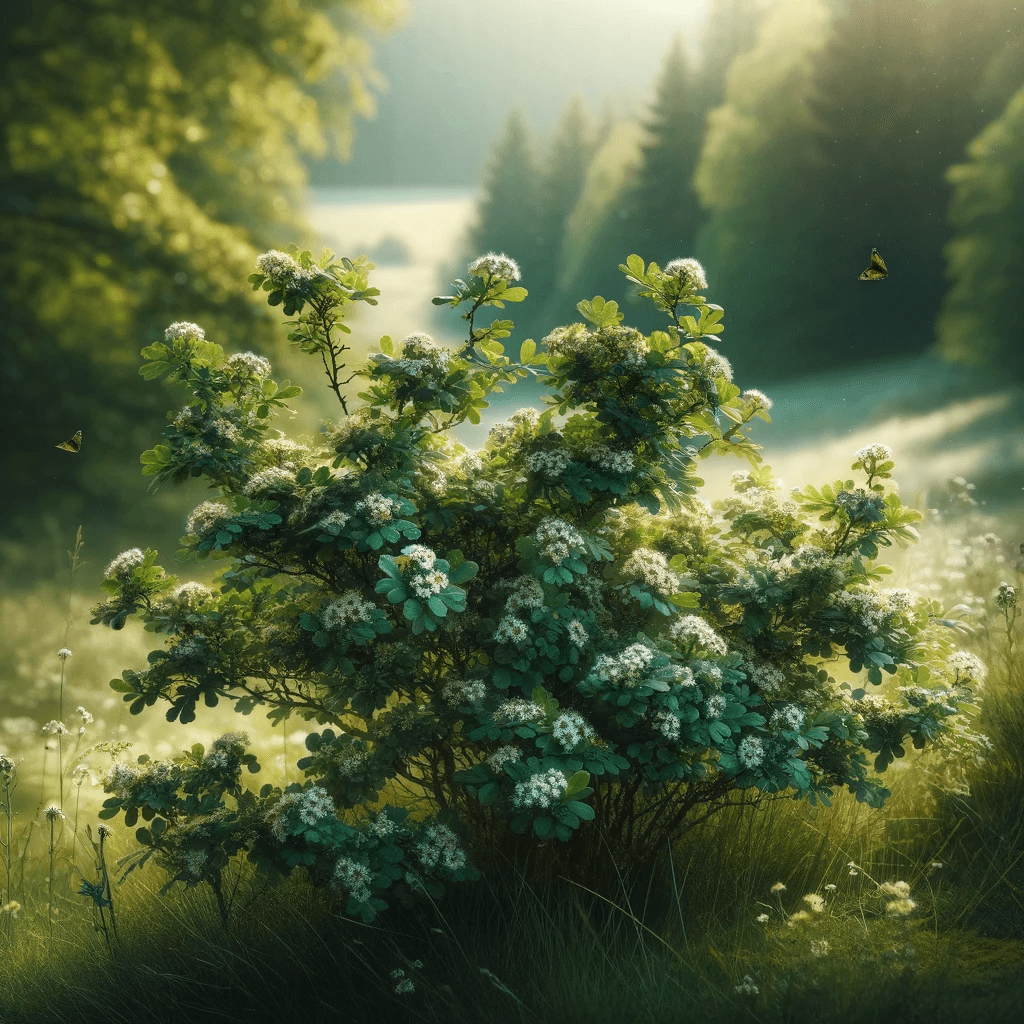
    The hawthorn is a small, thorny, branching shrub known for its longevity, as it can live up to 500 years. It rarely exceeds 5 metres in height and is distinguished by a yellow-grey bark that darkens with age. The hawthorn grows wild in a wide range of habitats, from shady areas to oak forests, in temperate regions of Europe, from sea levels up to 1500 metres altitude. This tree has a strong presence in mythology and folklore, symbolising strength and robustness. Its hard, massive wood is the origin of its Greek name 'kràtaigos'. In ancient times, it was considered a symbol of hope and fertility, with its flowers used to adorn brides' hair and dresses.

    Hawthorn: A Thorny Shrub Rich in History

    Hawthorn Leaves: A Green Palette In Nature

    The leaves of the hawthorn are deciduous, have a rhomboid shape with a notched apex and vary in length from 3 to 6 cm, as well as a petiole measuring 1 to 3 cm. The upper surface of the leaf is bright green. The leaves offer shelter and protection to many species of birds and insects during warm weather. In autumn, the leaves of the hawthorn are tinged with warm colours, contributing to the beauty of the autumn landscape and enriching the biodiversity of the undergrowth.

    Hawthorn Leaves: A Green Palette In Nature
    XNatura

    Flowering and Fructification: the Life Cycle

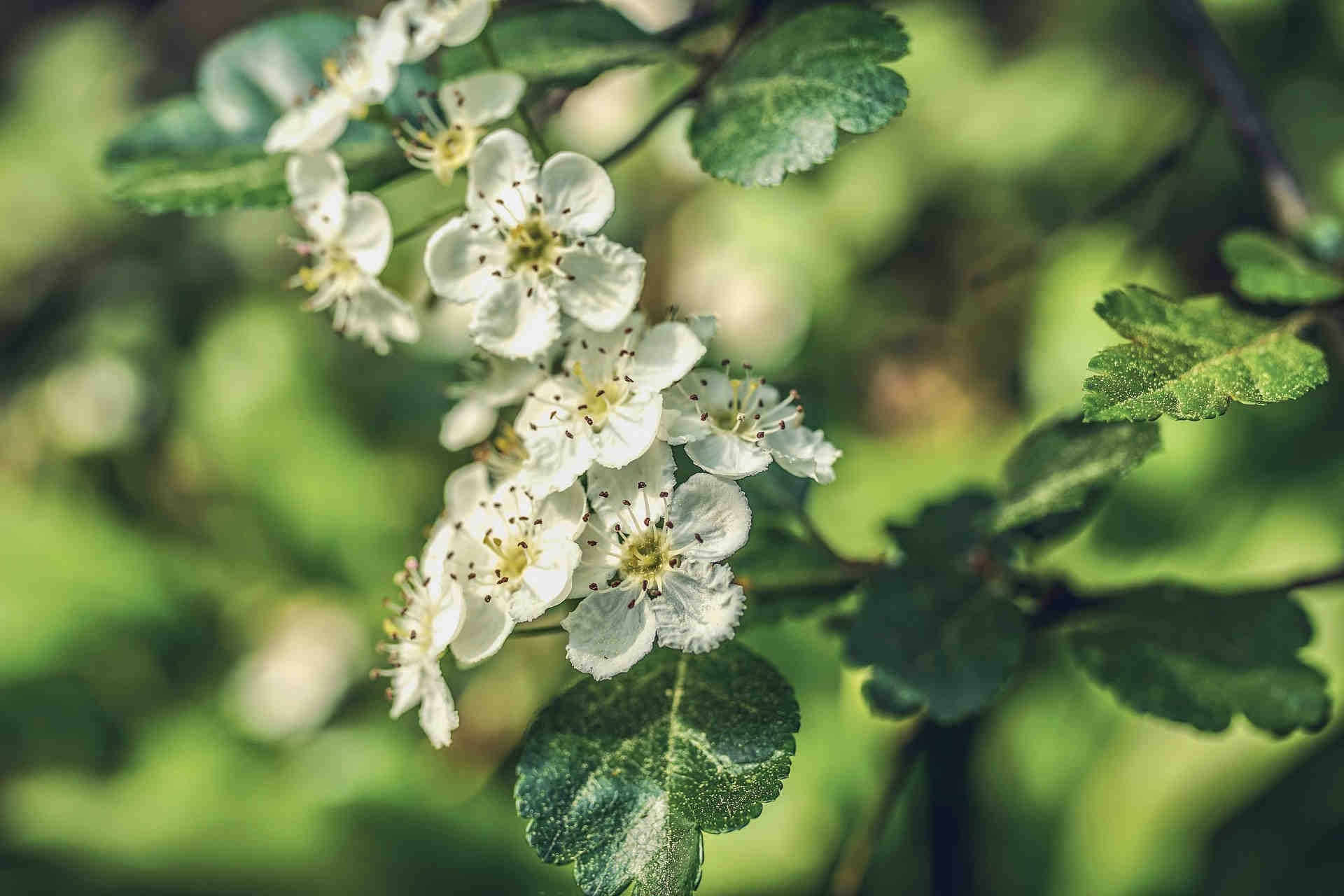
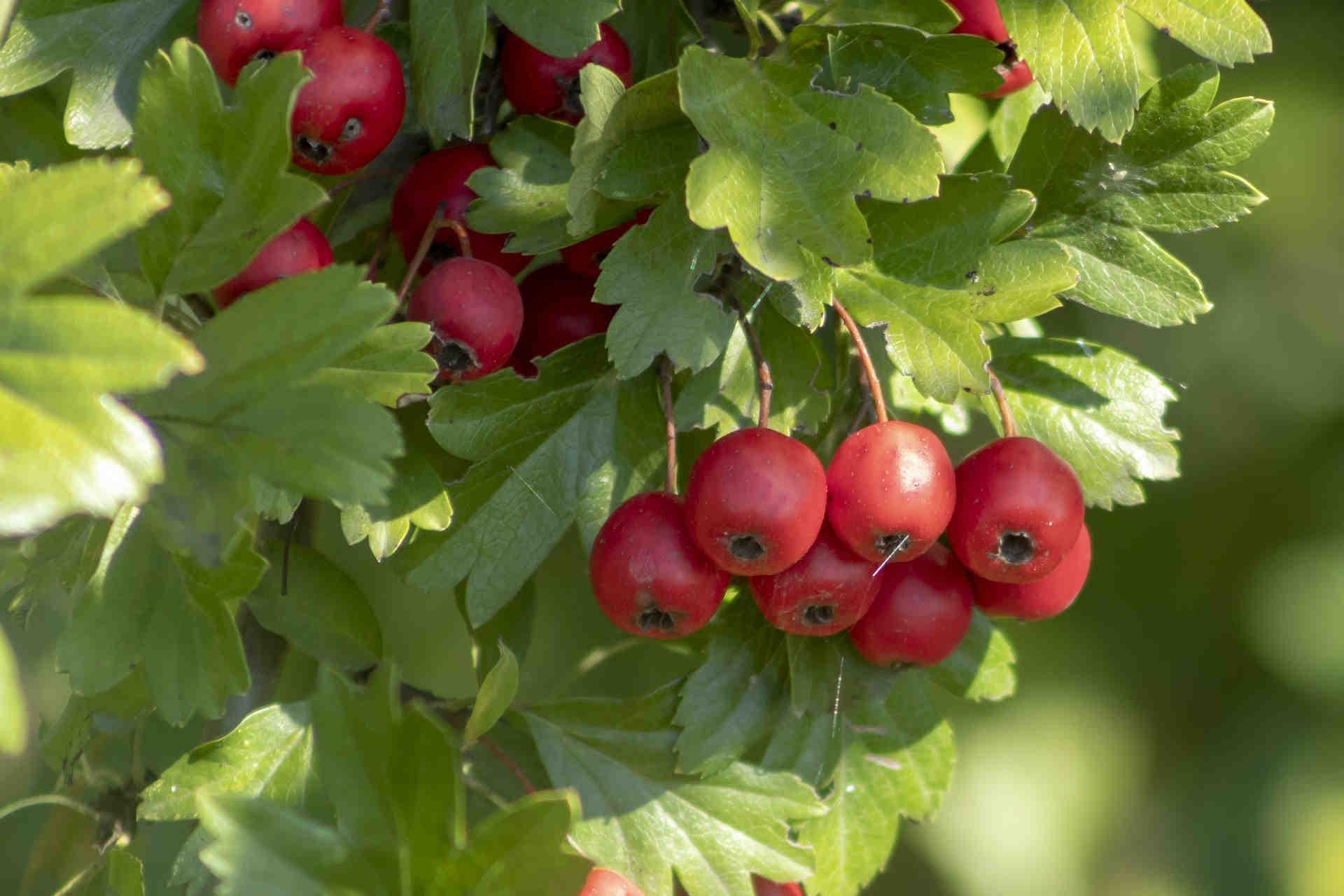
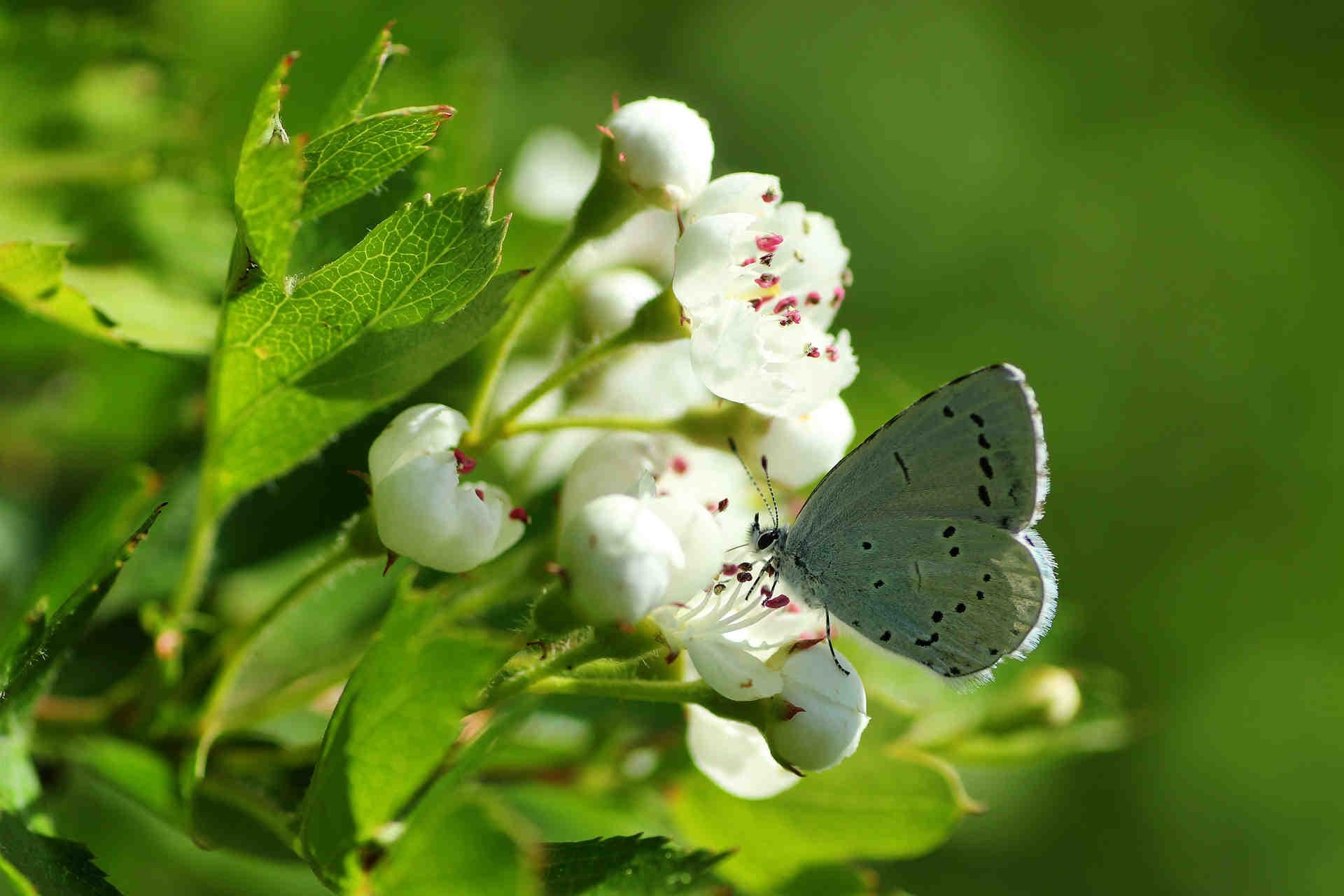
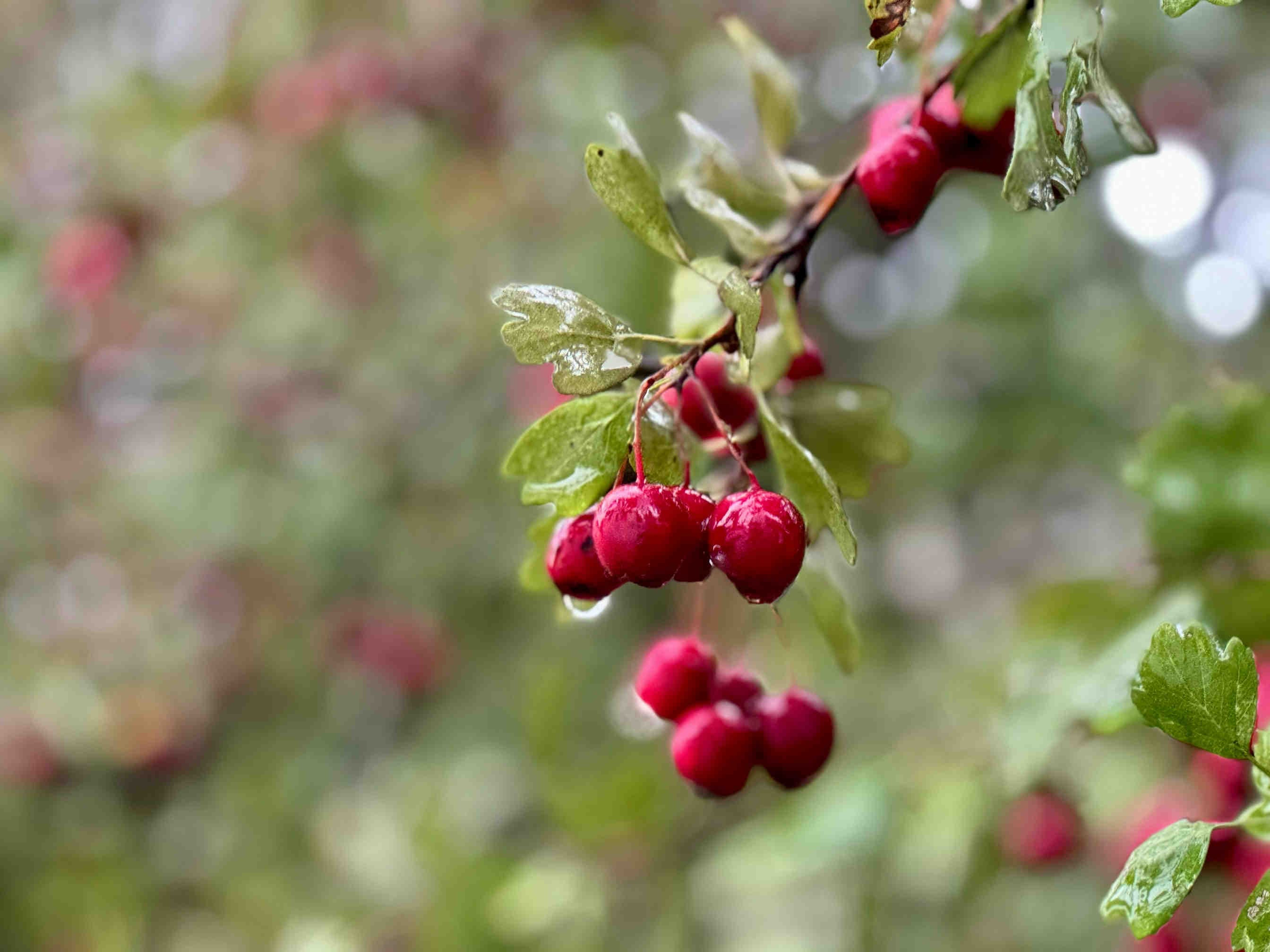
    The plant flowers between May and June, with white, slightly pinkish hermaphrodite flowers. These flowers, with their corolla and numerous stamens, contribute to the hawthorn's distinctive beauty. Its fragrant white flowers attract numerous pollinators, playing a vital role in local ecosystems. The fruits, which ripen between November and December, are small red berries containing a single seed and prized by birds and wildlife, which contribute to the spread of the seeds and the natural regeneration of the tree. Hawthorn is found in two different species. The species Crataegus monogyna is distinguished by flowers with only one stylus, while Crataegus laevigata has two or three styles per flower.

    Flowering and Fructification: the Life Cycle

    Hawthorn and Environmental Conservation

    The role of hawthorn in the ecosystem goes beyond beauty and symbolism. As an important source of nutrition for pollinators and wildlife, it contributes to the biodiversity and health of natural habitats. Protecting and enhancing the hawthorn therefore means preserving an essential element of our natural heritage, supporting biodiversity and promoting healthy ecosystems. Its life cycle, from fascinating flowering to fruit production, makes it a valuable ally in the fight for environmental conservation and a living example of how nature and culture can intertwine harmoniously, not only because of its role for pollinators but also for the wildlife that feeds on its berries.

    Hawthorn and Environmental Conservation
    XNatura

    Curiosities and stories about hawthorn

    Hawthorn is rooted in history and tradition. Seeds of this plant have been discovered in Neolithic sites, proving its ancient presence. The Romans dedicated it to Maia, goddess of May and chastity, and used it to protect infants from evil spirits. In ancient Greece it symbolised hope, while in medieval Europe its fruit was used to produce wine. During World War II, the fruit in Holland was a substitute for coffee. In Belgium, the pulp of the fruit is mixed with flour to make bread, and the fruit is used in cooking for jams and fermented foods. The therapeutic use of hawthorn has been documented since the 13th century, due to its cardiotonic and vasodilator properties. In addition to its historical and medicinal value, hawthorn continues to be a valuable element in ecosystems and <a href="https://blog.3bee.com/it/oasi-3bee-come-rigenerare-la-biodiversita" target=
    Curiosities and stories about hawthorn
    3Bee

    3Bee's Biodiversity Oases

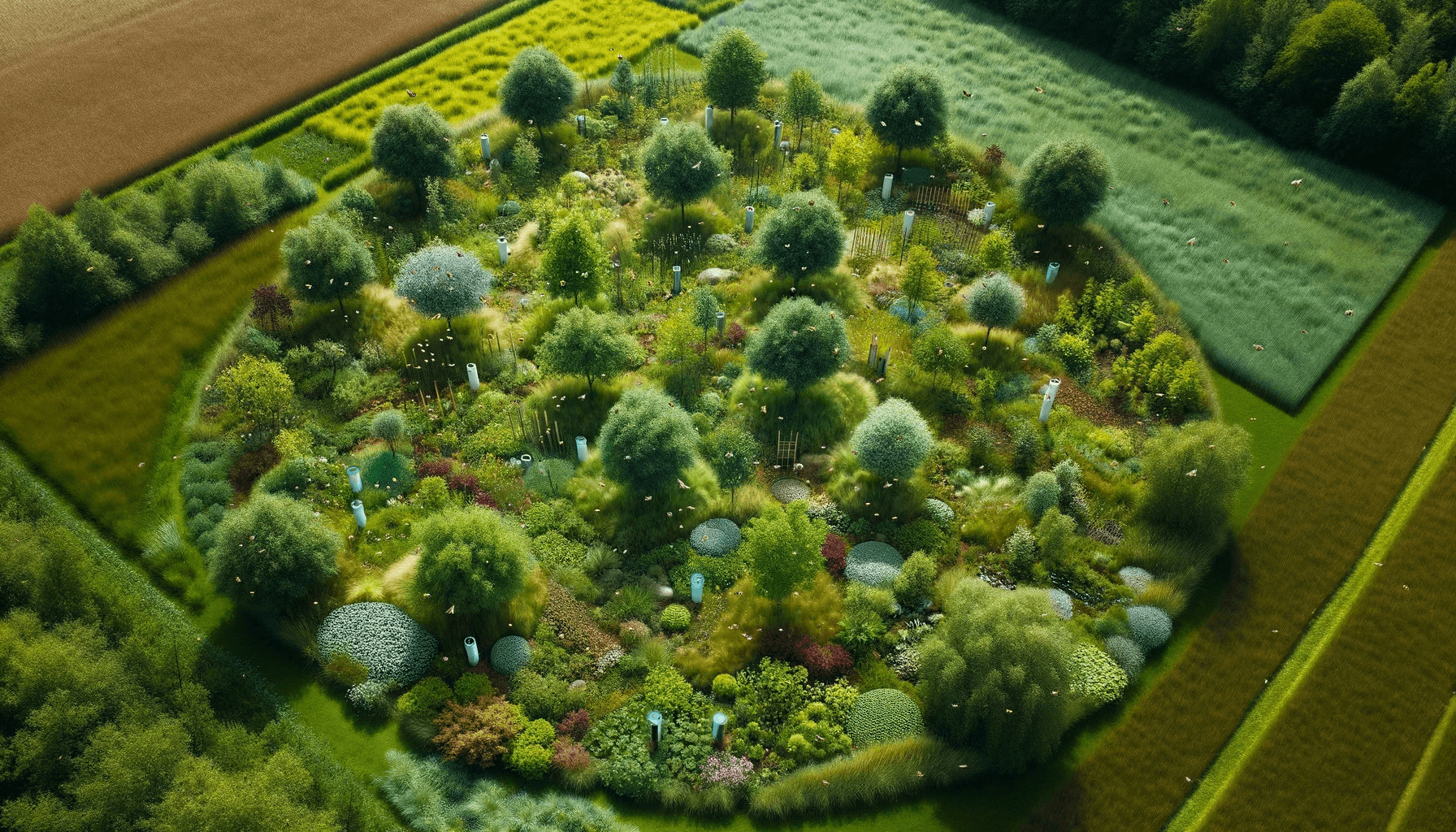
    The nectariferous trees that make up 3Bee's Biodiversity Oases are forest species, an important feature to favour the natural restoration of habitats, as forest plants are more resistant and allow for improved soil structure. No less important, these forests allow CO2 to be stored in woody tissues and contribute to the fight against climate change. But what are 3Bee's Biodiversity Oases? They are urban and agroforestry habitats recreated in areas of low biodiversity. Physical and digital places where technology and nature come together, with the aim of regenerating biodiversity and taking a first step towards climate resilience. Join us and adopt a nectariferous tree, monitor its growth in real time thanks to 3Bee technologies and contribute to the regeneration of pasture for pollinating insects.

    3Bee's Biodiversity Oases
    05/01/2024Of 3Bee, Elena Fraccaro
    1786 Views
    Newsletter
    newsletter
    Subscribe to the Blog about bees and biodiversity

    Frequently Asked Questions

    Do you have any doubts or other curiosities about this article? Here you will find some insights