De Winton's Golden Mole: the rediscovery beneath the sand
    MoleHabitatRediscoveryThreats

    De Winton's Golden Mole: the rediscovery beneath the sand

    De Winton's Golden Mole (Cryptochloris wintoni) is one of South Africa's most fascinating and mysterious species. Believed to be extinct for 86 years, its recent rediscovery has thrilled the scientific community, highlighting the importance of protecting the unique biodiversity of coastal ecosystems.

    Read the article
    22/12/2025Of 3Bee, 3Bee
    259 Views
    22/12/2025Of 3Bee, 3Bee
    259 Views

    The Lost Species and Its Unique Classification

    Disclaimer: this is an automated translation from Italian. Go to the original article.

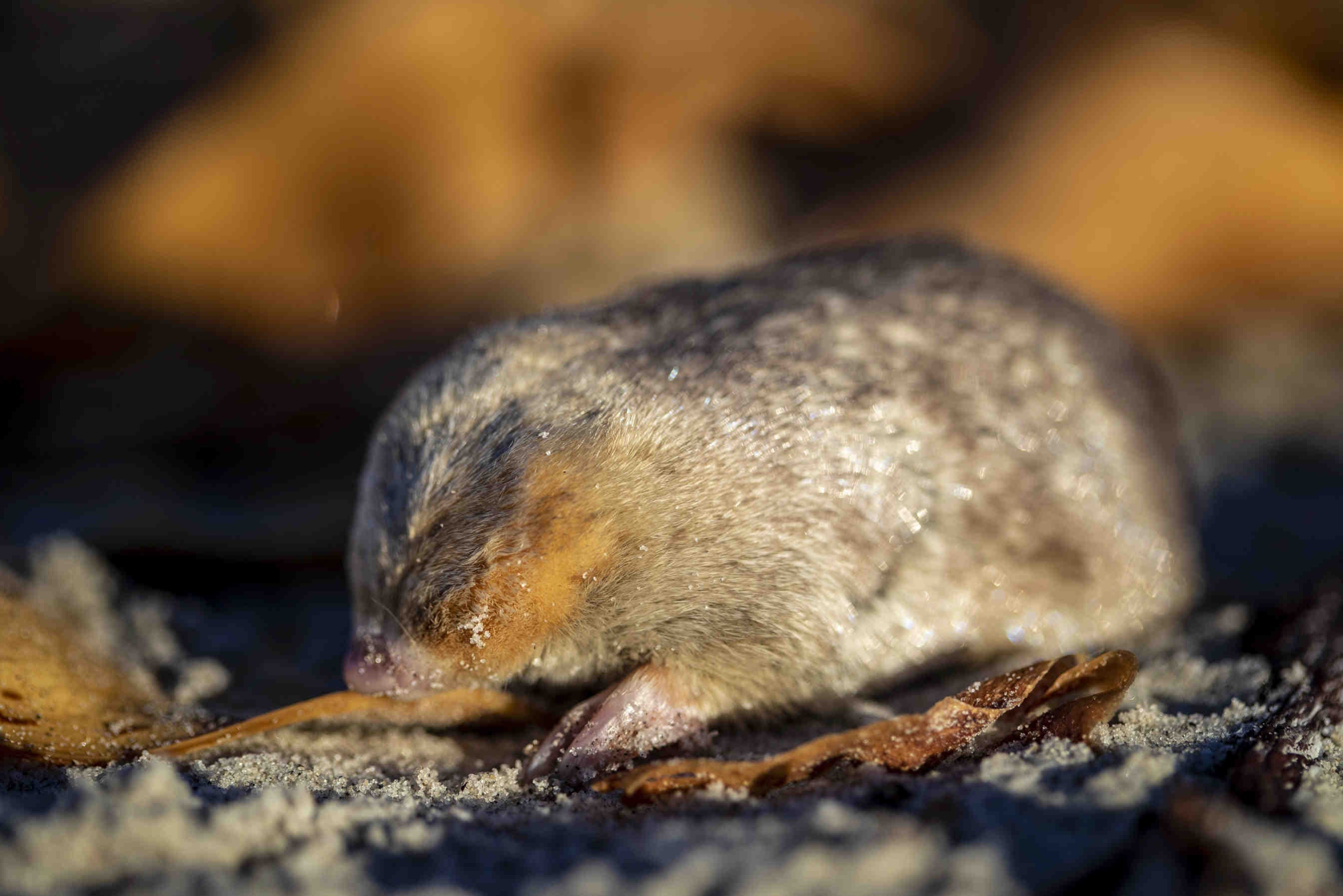
    The De Winton's Golden Mole is a small insectivorous mammal of the order Afrosoricida, belonging to the family Chrysochloridae. Despite its name, it is not related to European moles. It was described in 1937, but for over eight decades there were no documented sightings, leading it to be classified as a "lost species". The animal is known for its silky, iridescent coat, with golden or purplish hues, which helps it camouflage in the sand. The most remarkable feature is the absence of visible eyes, and the presence of powerful claws on the front legs, ideal for "swimming" through the sand, its preferred habitat. Photo featured on the cover by Nicky Souness.
    Hyperspecialised habitat and underwater hunting strategies

    The habitat of the De Winton's Golden Mole is extremely specific and restricted, mainly limited to the sandy dunes and semi-arid coastal areas (fynbos) of Namaqualand, South Africa. Golden moles compensate for blindness with highly developed senses: they use an extremely acute sense of hearing and the ability to detect ground vibrations. De Winton's Mole hunts by "swimming" just below the sandy surface, locating prey by sound. Its diet mainly consists of invertebrates, including lizards and insects. This specialisation in the coastal sandy habitat makes it a particularly vulnerable endemism, as its environment is subject to intense anthropogenic pressures.

    3bee-blog-habitat-iperspecializzato-e-strategie-di-caccia-subacquea
    XNatura

    The Rediscovery of 2023 through Environmental DNA (eDNA)

    For over eight decades, the De Winton's Golden Mole was considered extinct due to its subterranean lifestyle. The breakthrough came in 2023, thanks to a revolutionary methodology: the analysis of environmental DNA (eDNA). eDNA is genetic material (skin cells, faeces) that an organism releases into the surrounding environment. A team of researchers collected hundreds of sand samples along the South African coasts. By analysing the DNA in the sand, the researchers were able to confirm the presence of the unique genetic sequence of De Winton's Mole, unequivocally demonstrating that the species was still alive. Subsequently, they managed to capture two specimens, visually confirming the rediscovery of this incredible biodiversity. This event has transformed eDNA into an essential tool for the search for species that were believed to be lost.

    3bee-blog-la-riscoperta-del-2023-tramite-il-DNA-ambientale-eDNA

    Threats to Conservation and Risk Status

    Despite its remarkable rediscovery, De Winton's Golden Mole remains an endangered species. It is classified as Critically Endangered (CR) on the IUCN Red List. The main threat is habitat loss due to diamond mining and coastal expansion in the Port Nolloth region, areas that constitute its exclusive range. Mining permanently destroys the sandy dunes that the mole uses for hunting and shelter. Habitat fragmentation also prevents genetic exchange between populations, making them more vulnerable. The conservation of this species requires the immediate protection of the remaining coastal dune areas and continuous monitoring to accurately establish the extent of its range.

    3bee-blog-minacce-alla-conservazione-e-status-di-rischio
    XNatura

    The Importance of Monitoring with XNatura

    The rediscovery of the De Winton's Golden Mole demonstrates the power of technology in wildlife conservation. Similar to the eDNA used to locate this species, 3Bee employs innovation to monitor biodiversity in less remote ecosystems. To this end, 3Bee has developed the XNatura monitoring platform, which uses advanced technologies such as bioacoustic sensors and camera traps. XNatura allows for the collection of real-time data on soil and wildlife health. This data-driven approach is crucial for measuring the effectiveness of regeneration actions.

    3Bee
    22/12/2025Of 3Bee, 3Bee
    259 Views
    Newsletter
    newsletter
    Subscribe to the Blog about bees and biodiversity

    Frequently Asked Questions

    Do you have any doubts or other curiosities about this article? Here you will find some insights