A few numbers to start with
Forests are estimated to hold
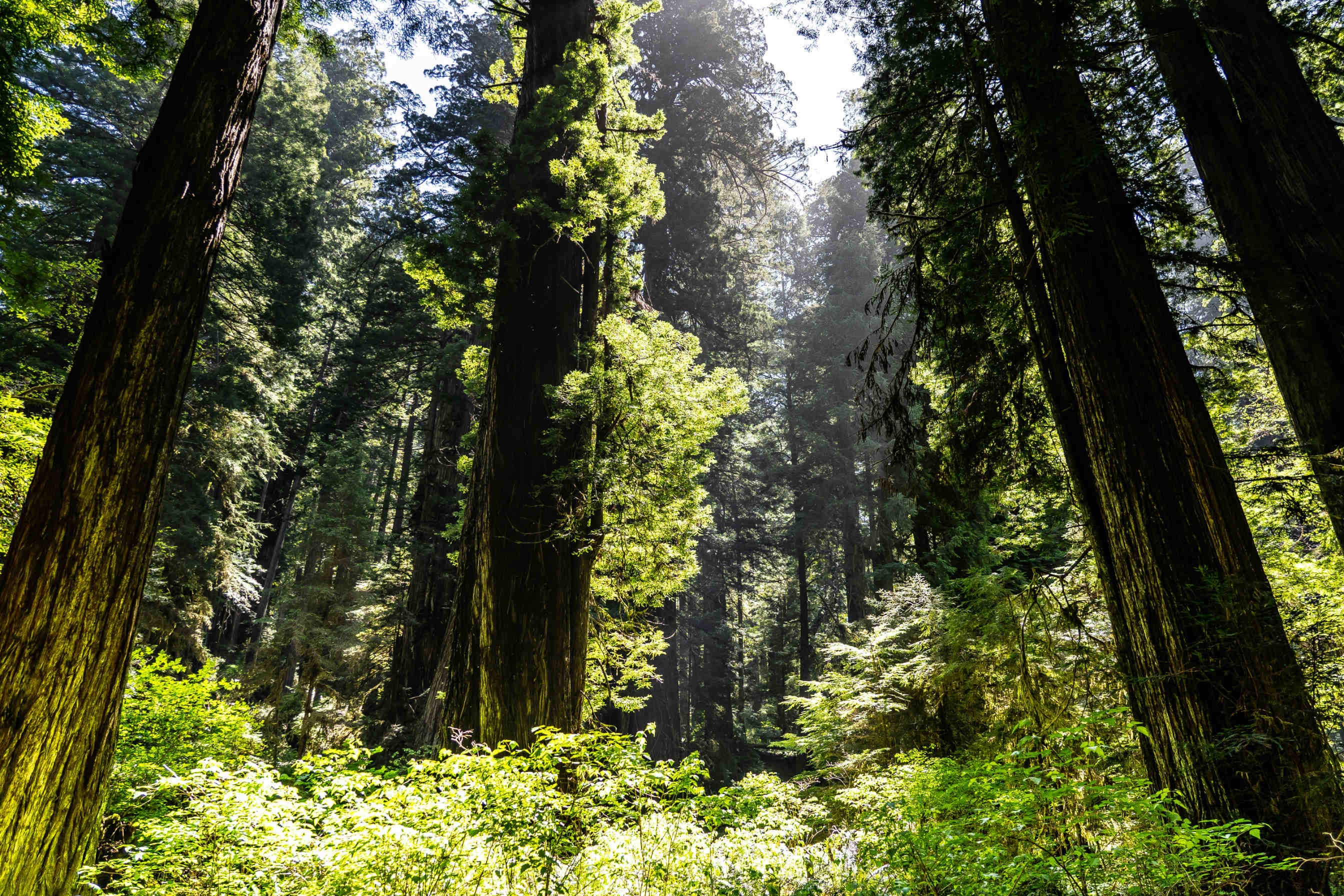
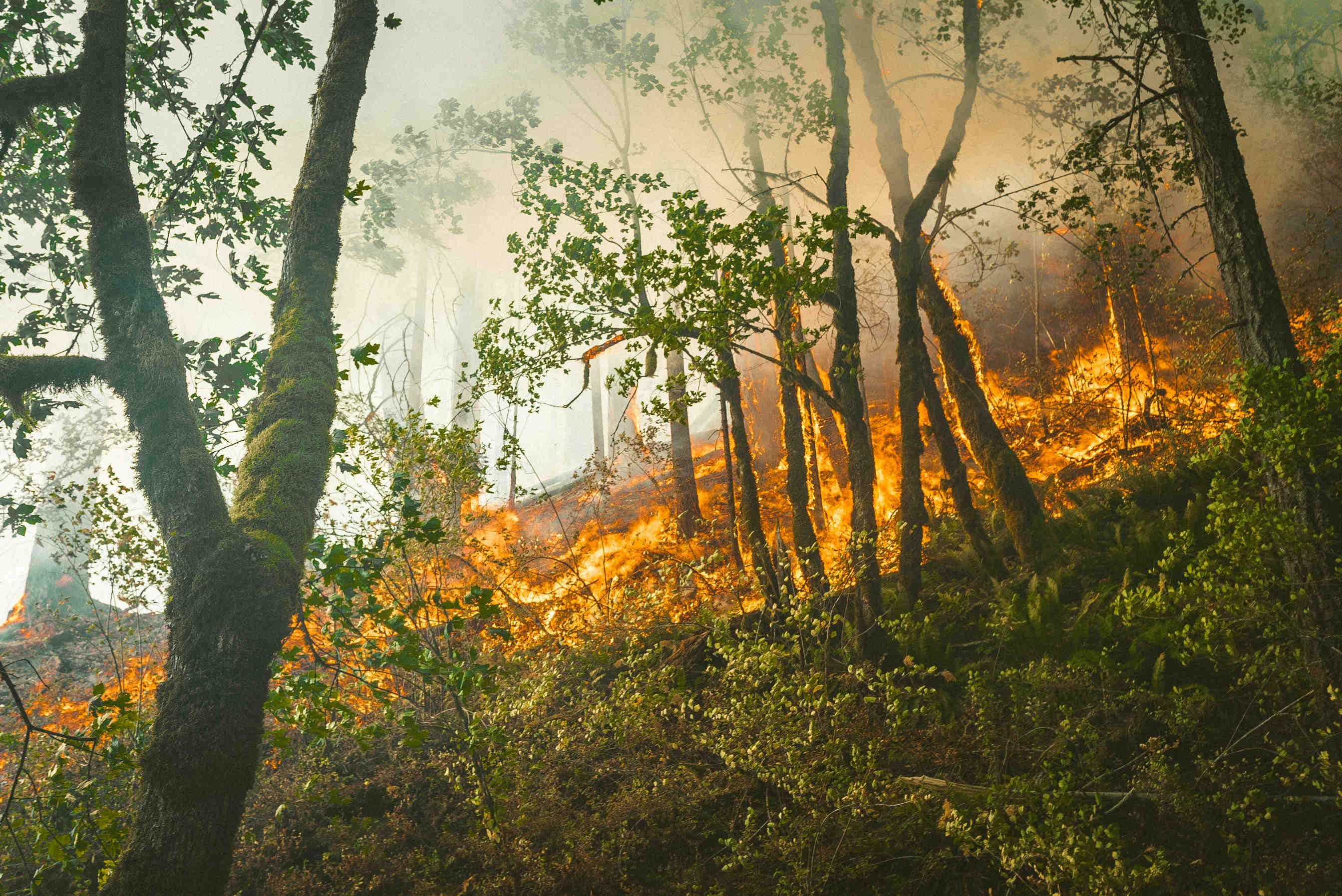
Accentuated and made more frequent by climate change, forest and grassland fires, whether anthropogenic or spontaneous, release huge amounts of CO2 and alter the forest ecosystem with diverse and often long-lasting impacts on vegetation, soil, and wildlife.
Read the articleForests are estimated to hold
Such a rich ecosystem enjoys excellent adaptive capacity and resilience to climatic, other abiotic and biotic stresses, precisely because of its diversification. Yet, this extraordinary resource has for decades been

If, as we have seen, in tropical and subtropical areas (Brazil, Indonesia, etc..) the loss of forests and thus of biodiversity is mainly attributable to massive interventions for agricultural activity (largely
Awaiting official data from the 2023 report of EFFIS, the European Forest Fire Information System, analysing the report "Forest Fires in Europe, Middle East and North Africa 2022" [10], it emerges that
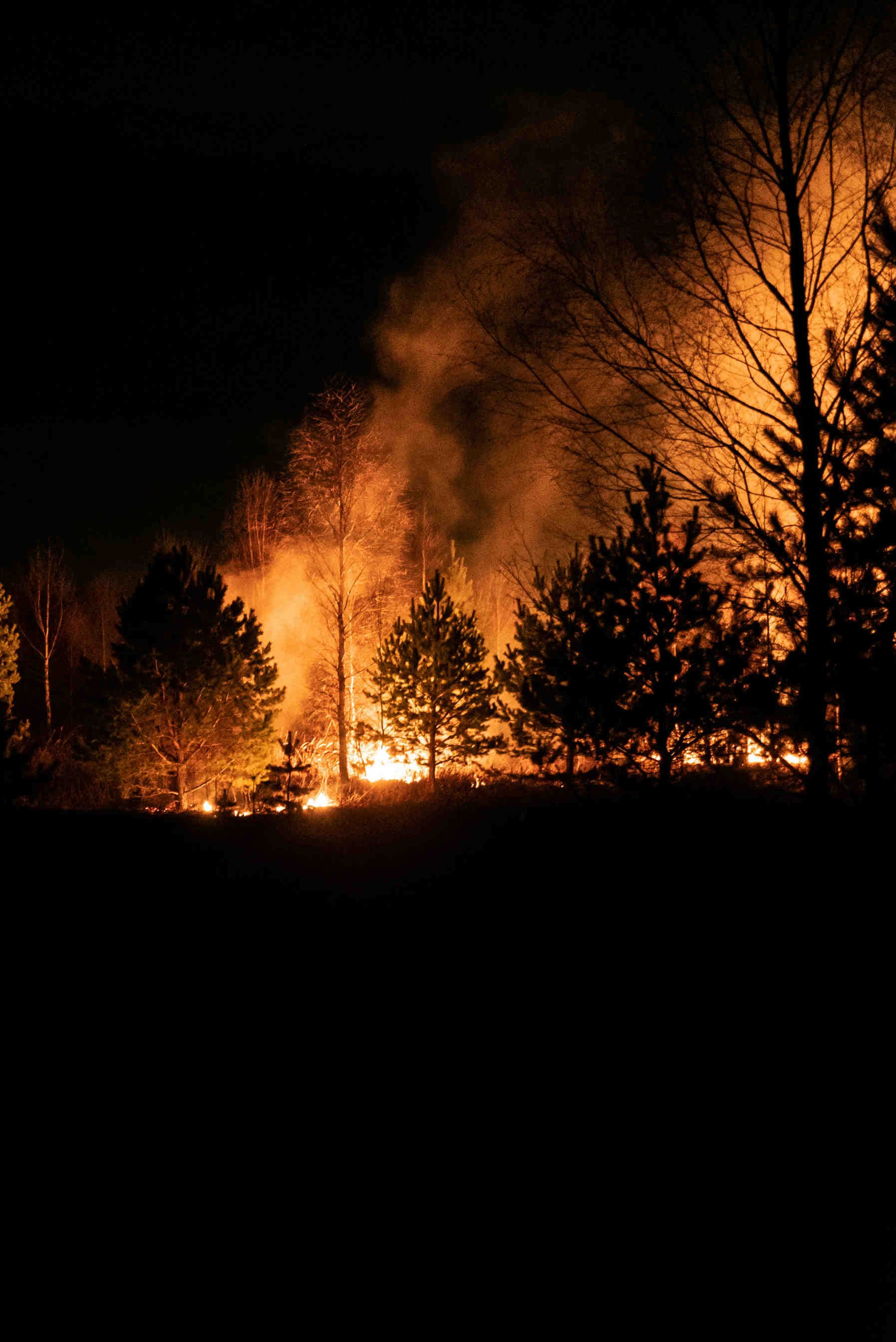

Official data from EFFIS on
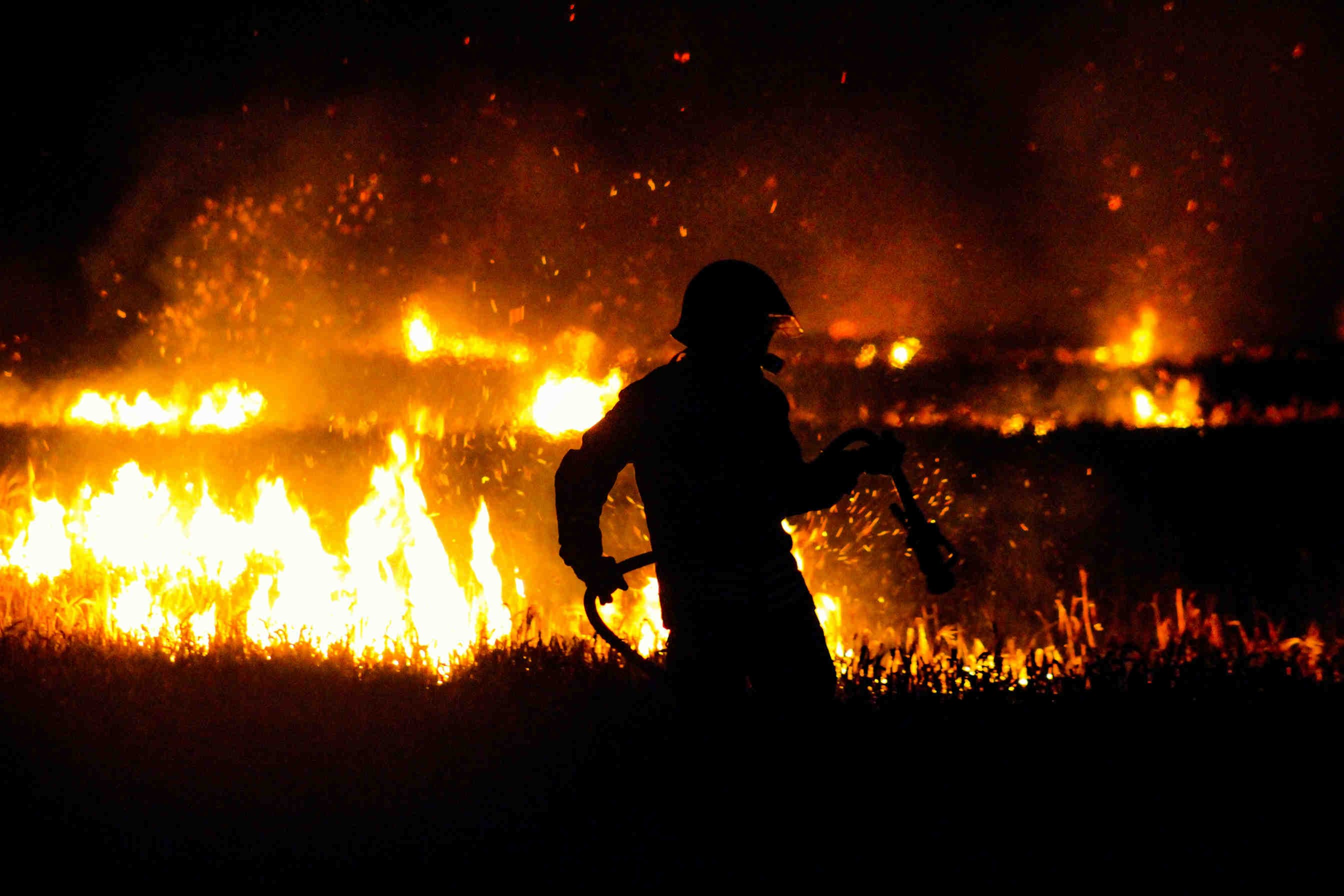

"Fires are a natural phenomenon in Mediterranean countries and play a key role in the management and modification of landscapes and forest community dynamics" [13]. - there are numerous scientific publications on the subject that begin in these terms [14] [15] [16].
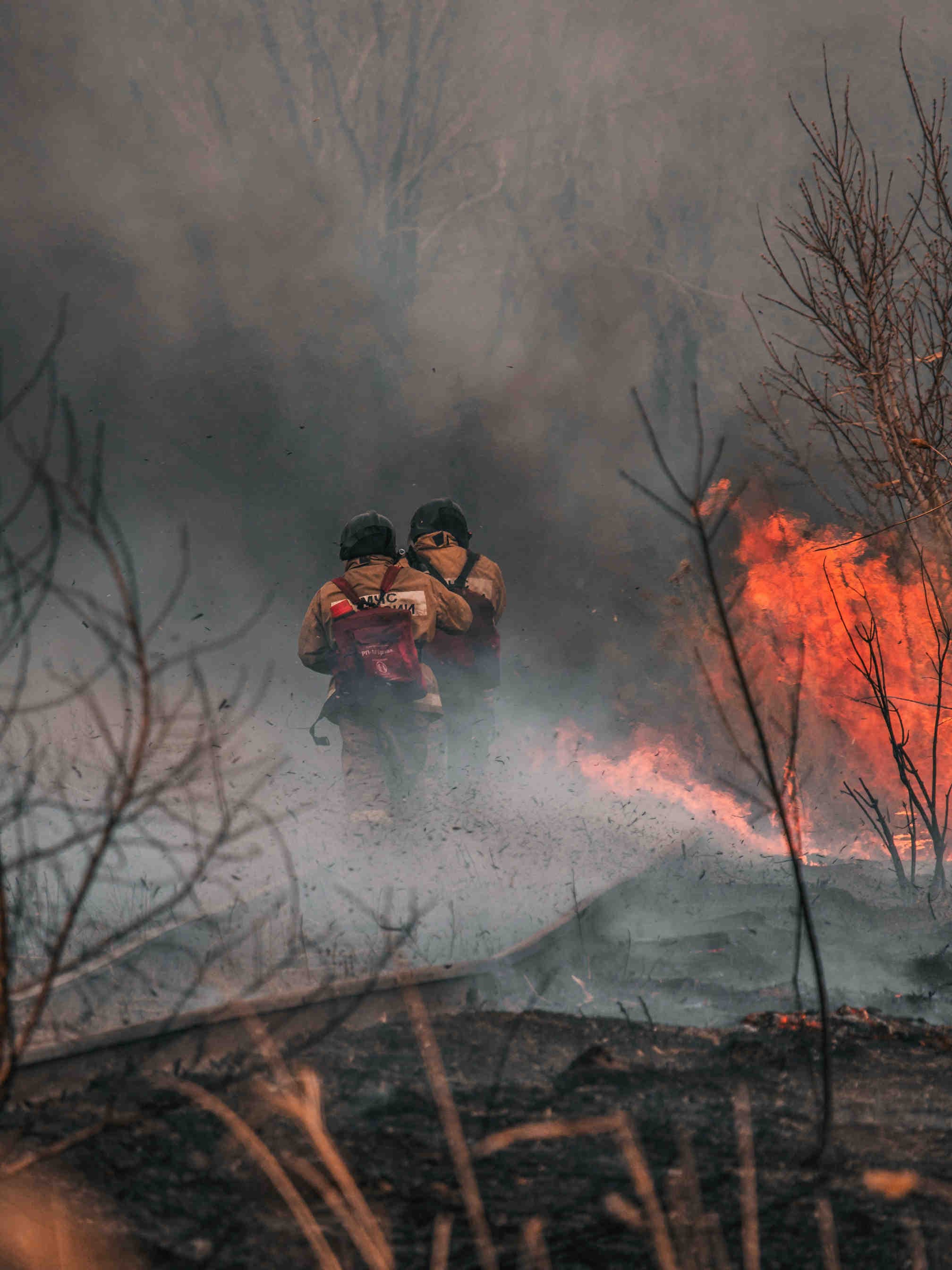
From a risk management perspective, a greater richness of species in the hotspots most exposed to fires could be beneficial as different forest systems tend to be more resilient to alterations [20], increasing their ability to cope with disturbances.
Forest fires have many implications for biological diversity.
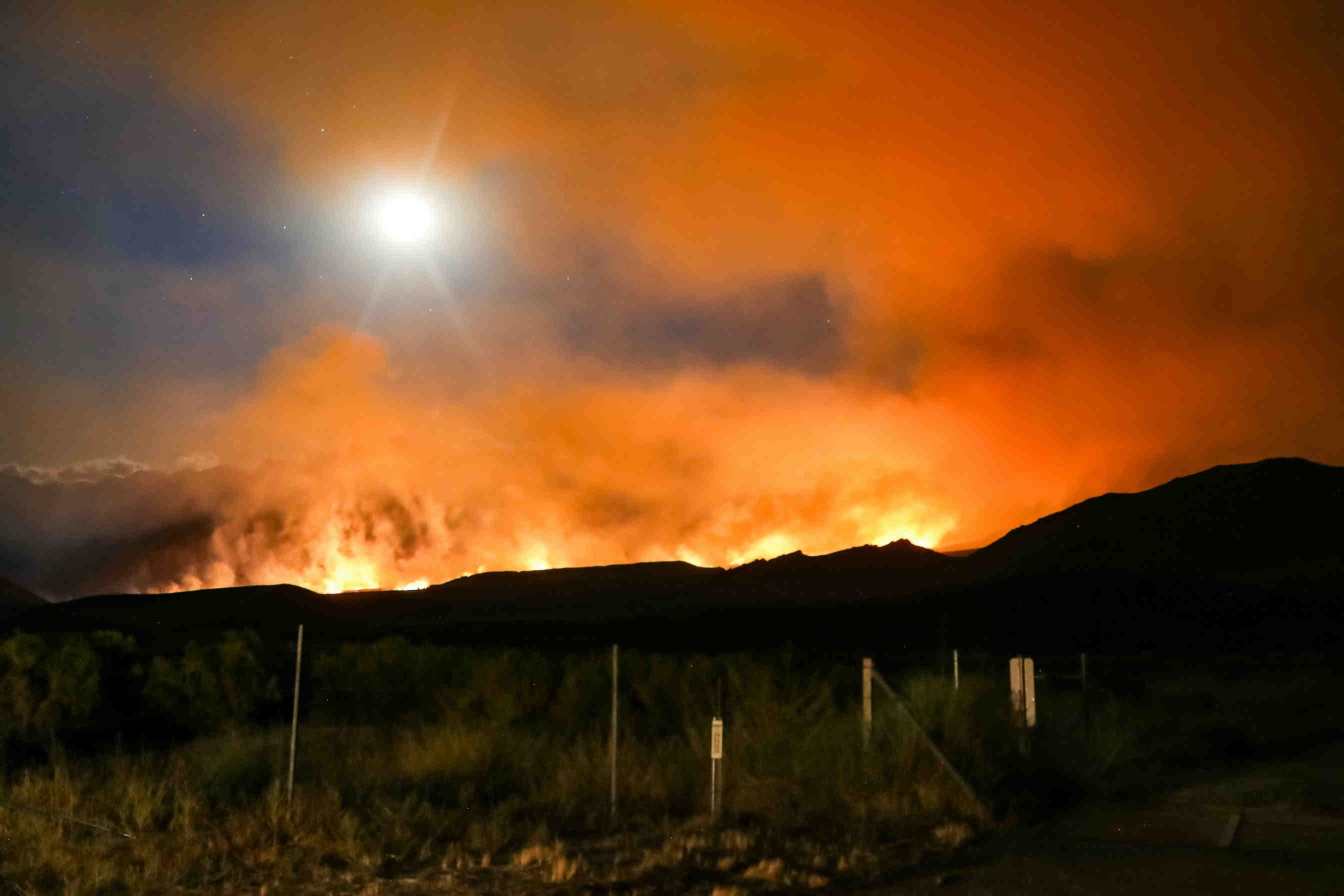
One of the most important ecological effects of fires is
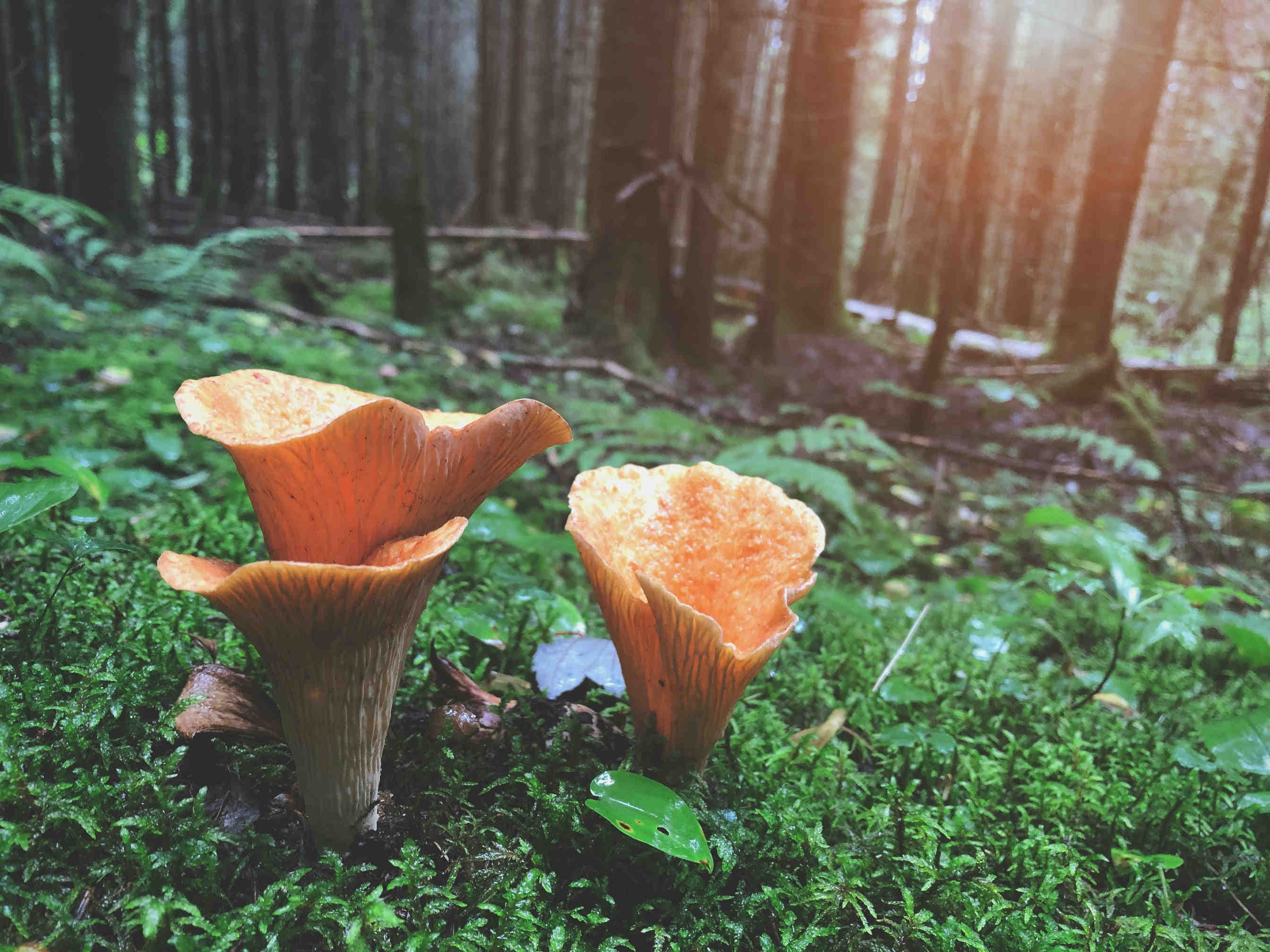
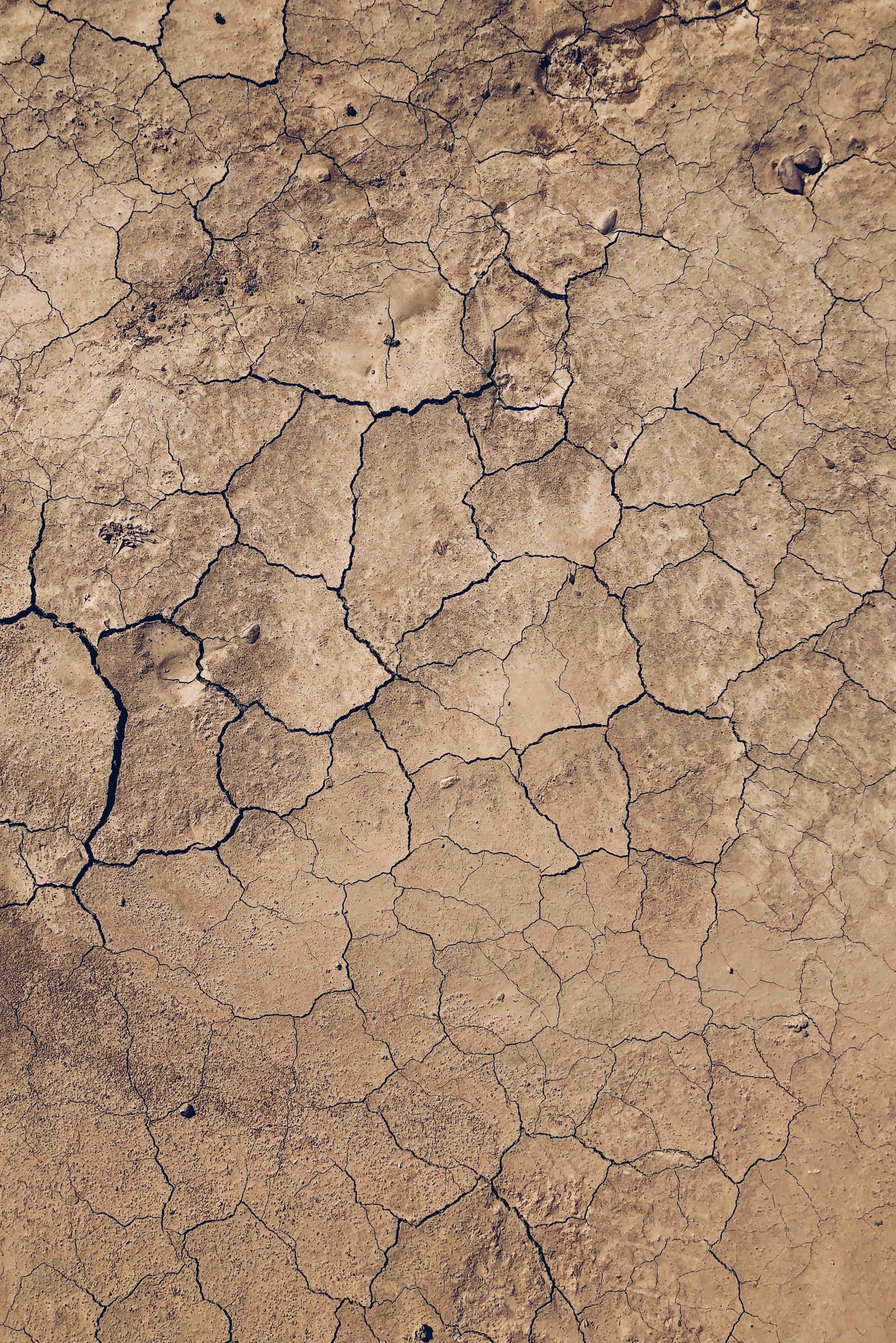
Among the indirect effects of fires (also known as 'ecosystem responses') is the impact on soil structure and quality [21]. Many studies point out that it is not so much, or at least not only, the flames and the increase in soil temperature that affect its structure, but the
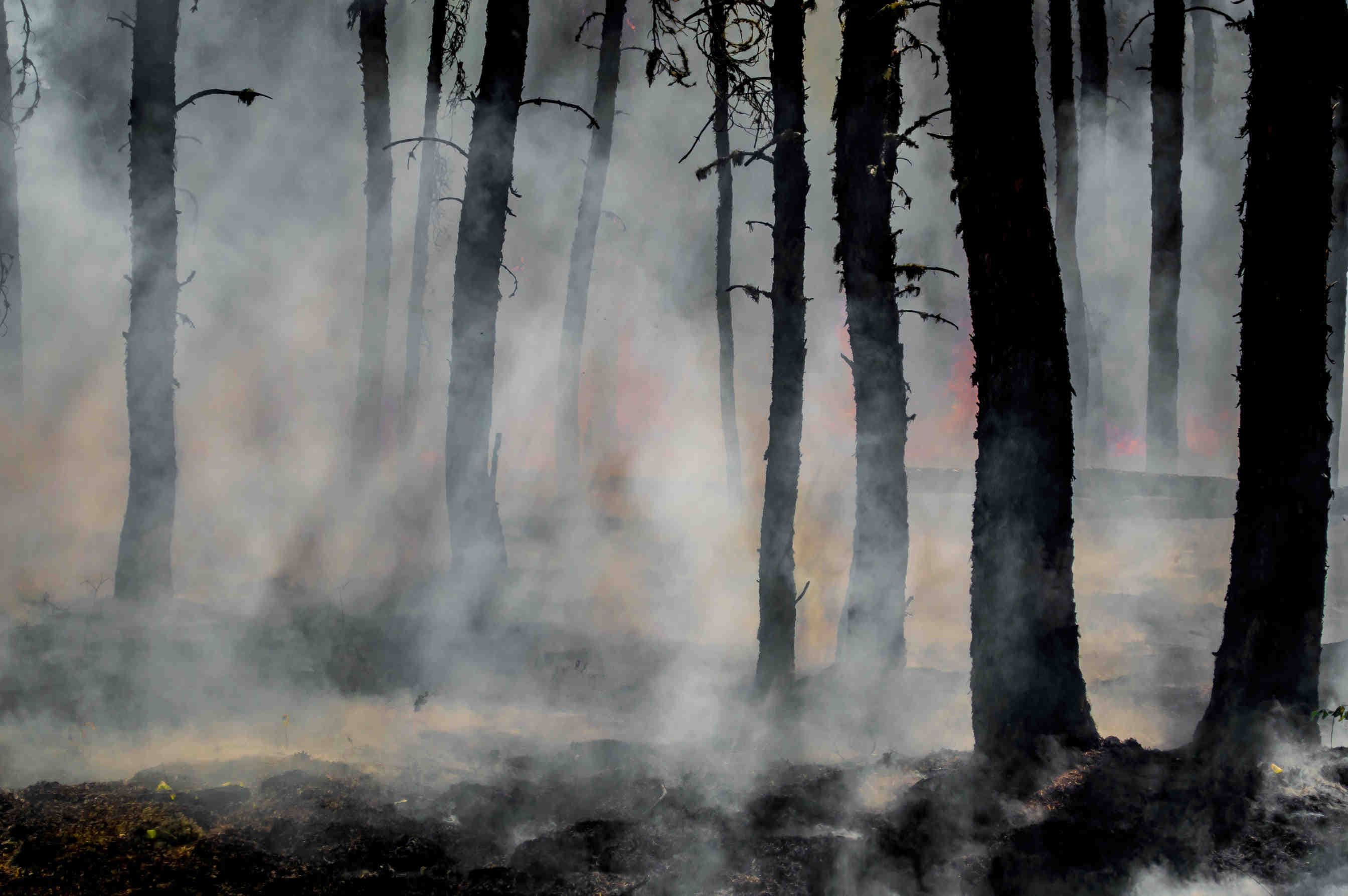
Forest fires are the primary agents responsible for the disturbance and renewal of forests.
In general, they play a significant role in altering floristic composition and tree regeneration, in some cases even increasing wood production, and often influencing human ecology [22]. Some positive effects are found in the case of
However, there is no lack of evidence of
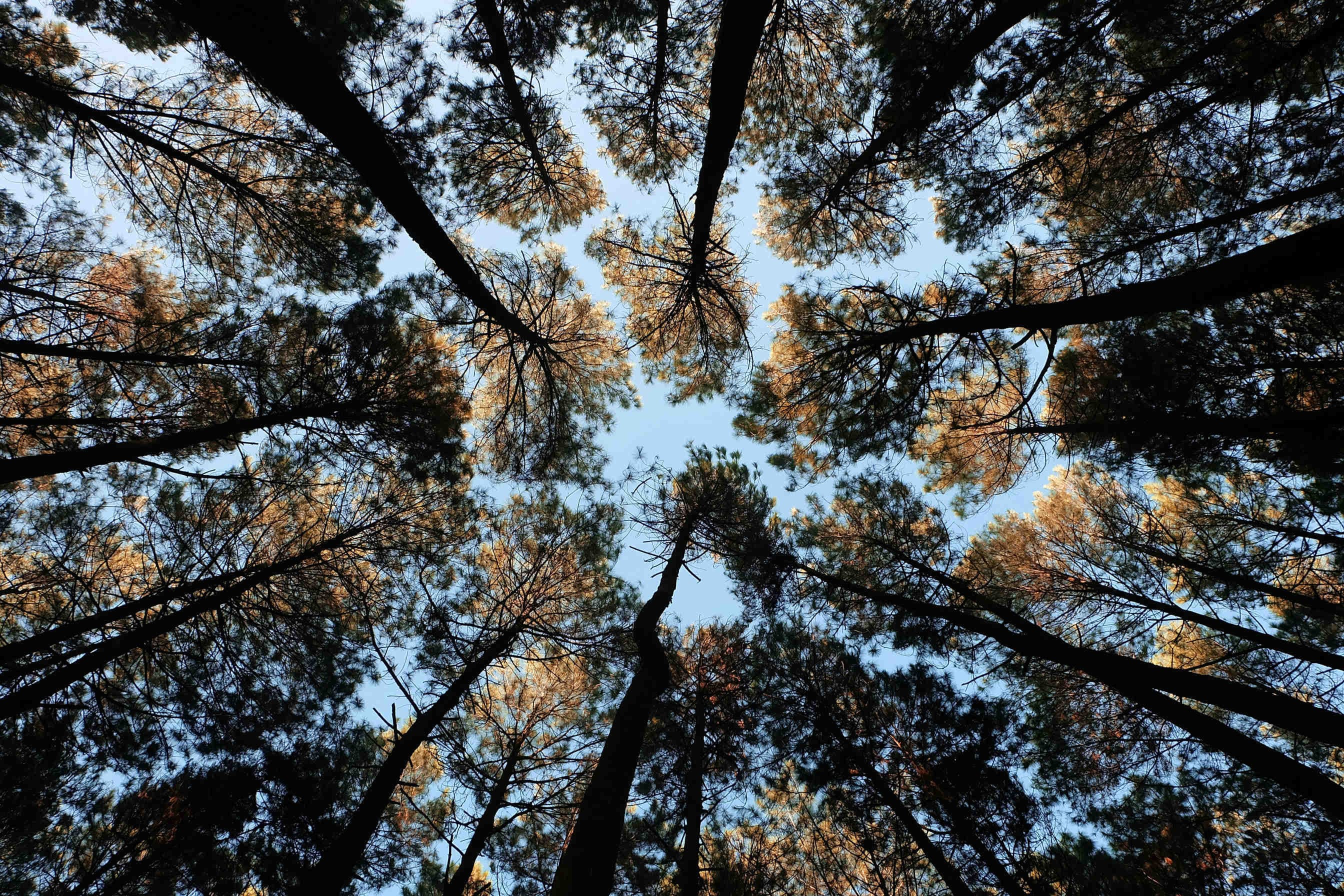
As already mentioned, forest fires can have devastating impacts on vertebrates and invertebrates living in and around the forest, not only killing them directly, but also leading to
In areas where large-scale fires are frequent, preserving a range of microhabitats can contribute substantially to biodiversity conservation [24].
There are numerous research and development projects and initiatives in the field of fire prevention and mitigation strategies, especially in those areas most affected by fire such as southern Europe and the Mediterranean areas.
Still, specific and targeted projects, such as the one undertaken in 2018 in the Iberian Meseta, straddling Portugal and Spain,

Do you have any doubts or other curiosities about this article? Here you will find some insights