Explaining the importance of bees to children
    EducationApiHow to do it?Curiosities

    Explaining the importance of bees to children

    Actions taken to protect the environment also involve education. It is important to take care of the future citizens of the world, who will face a world that is probably very different from the one we know today. Let us find out together why it is important and how to do it.

    Read the article
    21/02/2022Of 3Bee, Elena Fraccaro
    3133 Views
    21/02/2022Of 3Bee, Elena Fraccaro
    3133 Views

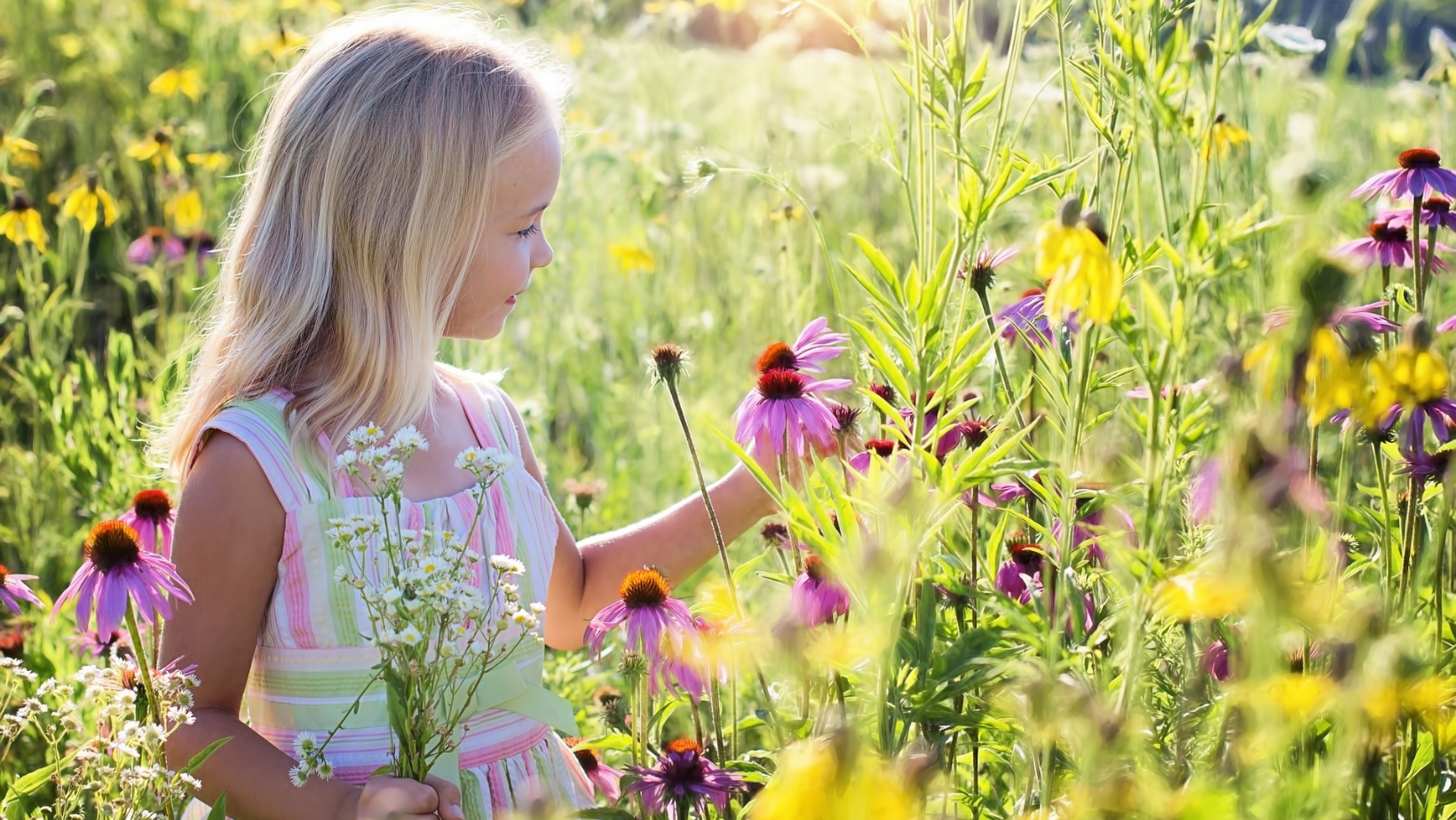
    Why is it Important to Educate Children about Sustainability?

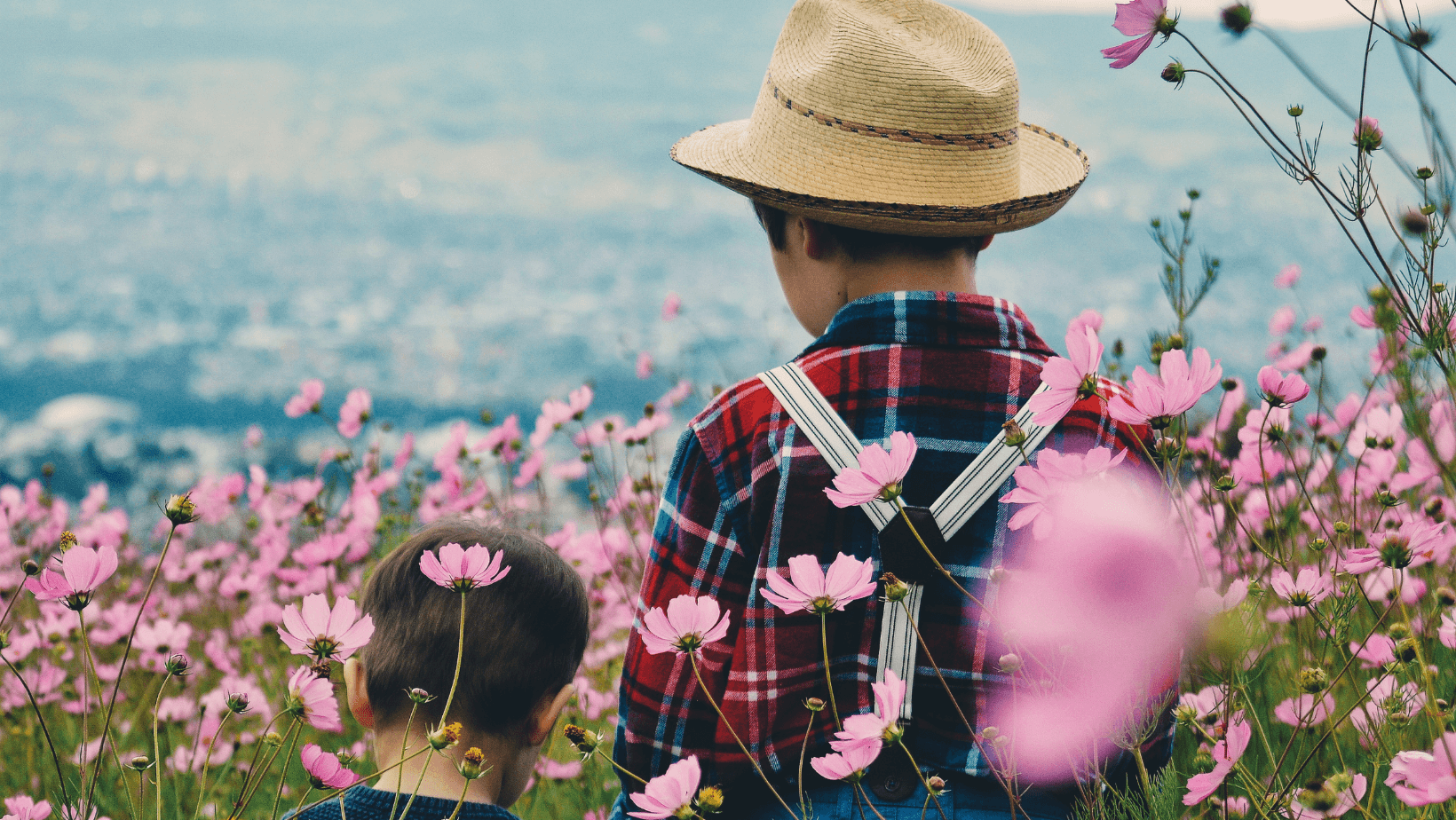
    Environmental issues are at the centre of every debate and are causing much concern around the world. Actions taken to try to curb these issues are numerous and many also involve education. When talking about education, one cannot but think of the youngest among us. Internalising virtuous behaviour that is attentive to environmental protection and fostering an awareness of this issue is very important. Talking to children about the environment, biodiversity and ecosystems is not so difficult. In fact, our winged striped friends, the bees, can come to our aid! Explaining the importance of bees to children is a means of telling them a much more complex and important story.
    Why is it Important to Educate Children about Sustainability?

    Why Tell Bees to Children?

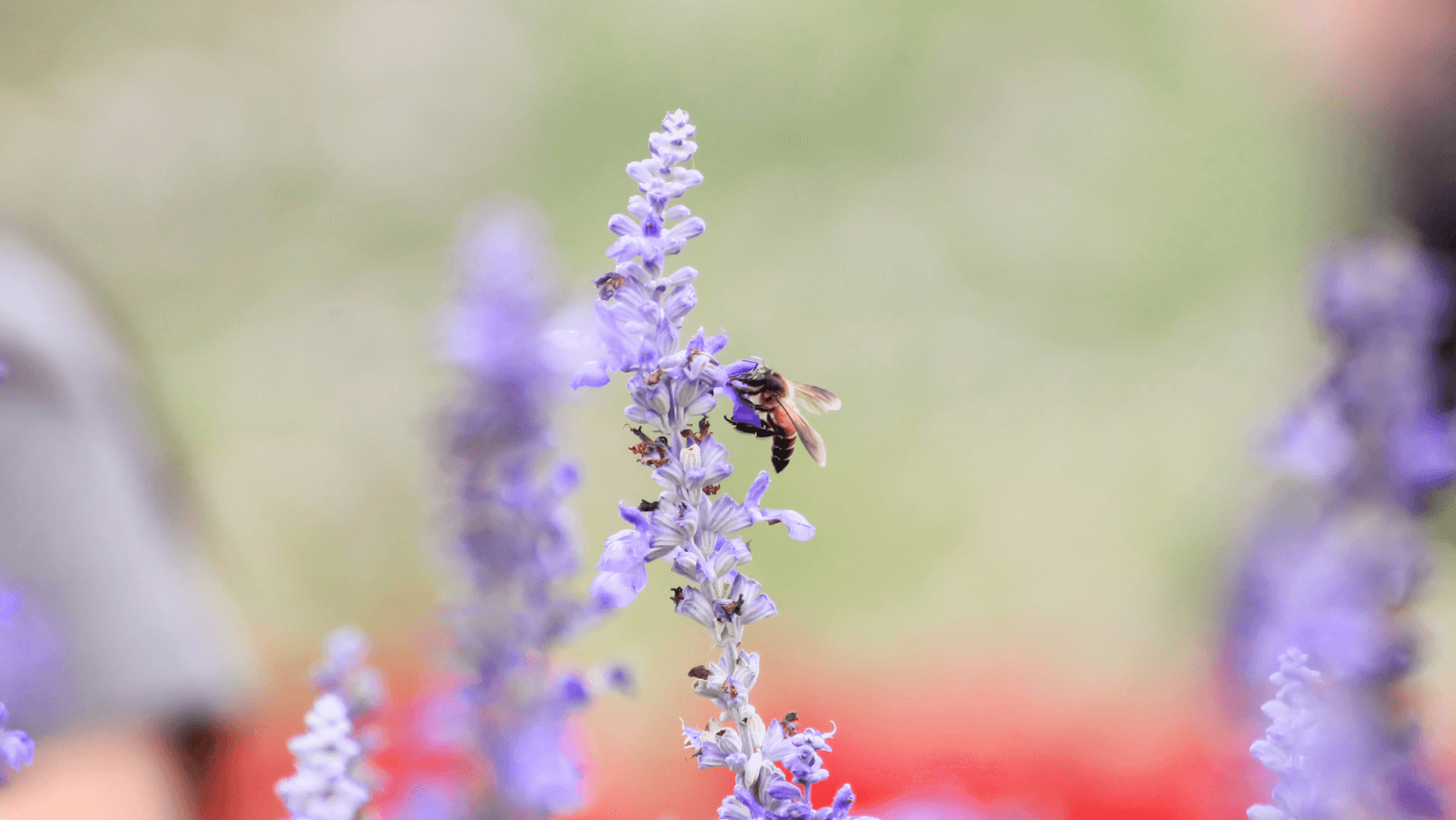
    Bees are insects crucial to our survival. Around 70 per cent of food crops and almost 90 per cent of wild plants depend on their daily pollination activities. Without them, therefore, the world would be very different. The survival and well-being of bees, however, are increasingly under threat. This is closely related to climate change, habitat depletion, the abuse of agro-medicines and the spread of diseases and pests. Damage to pollinators causes serious repercussions for the environment. Talking about bees and talking about the environment is therefore closely linked. Familiarising children with these very important insects is essential to promote their protection and to address important issues such as the protection of the environment and biodiversity. Giving children the tools to learn about and respect these important pollinators is crucial for laying the foundations for a better future.

    Why Tell Bees to Children?
    XNatura

    How to Explain the Importance of Bees to Children?

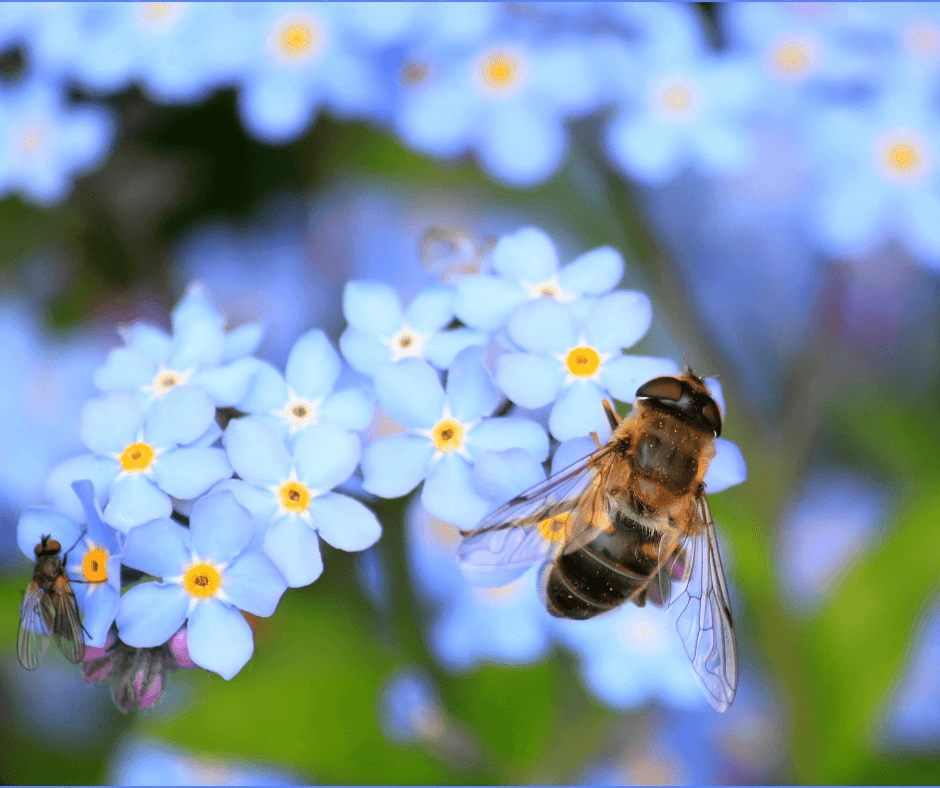
    Bees are often surrounded by an aura of mystery: how do you recognise them compared to wasps? Do they sting and hurt? Are they dangerous? How should I behave when I come across a bee? These are all questions that are not only asked by children. Enabling children to learn about the life and importance of the bee is the right starting point for sustainability education. But how do we explain to them the importance of our pollinator friends? Fortunately, we have several ways at our disposal, let's see them together!
    How to Explain the Importance of Bees to Children?

    Playing on Curiosity

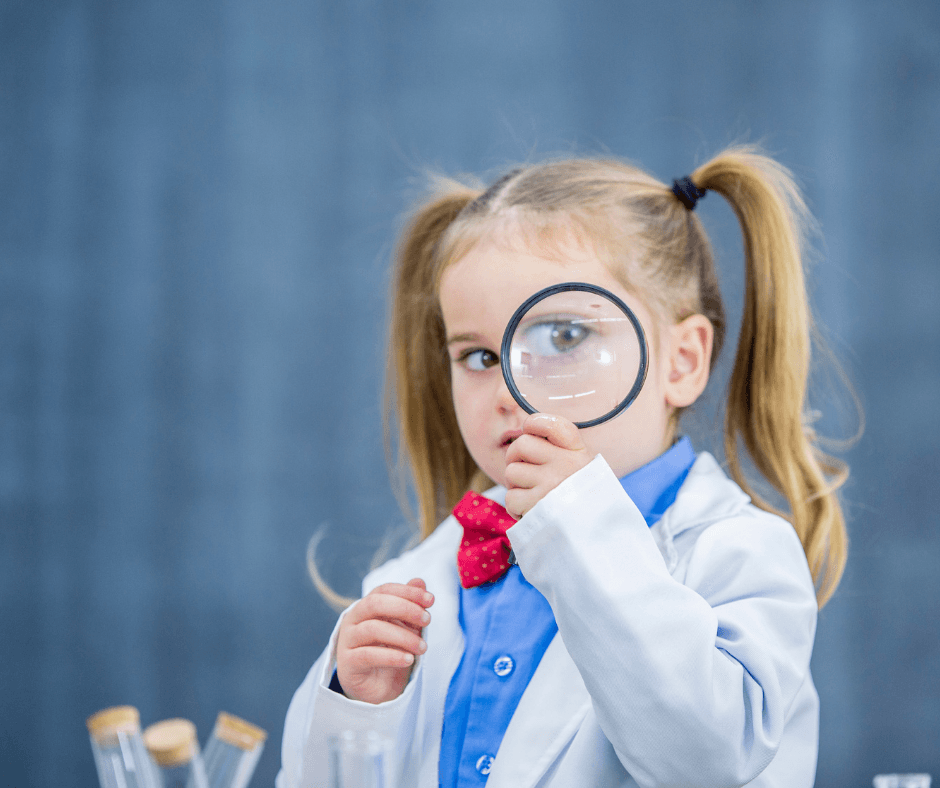
    Children are curious by nature and we can exploit this interest of theirs. The world of bees, in fact, is super mysterious and full of curiosities that can only leave young and old alike open-mouthed. Did you know, for example, that there can be more than 60,000 bees in a hive? Or that the queen is the mother of all bees in a hive? What is the sting for and how many legs and wings does a bee have? How can you tell a bee from a wasp? Is the bumblebee the male of the bee? These are just some of the questions that can be used to talk to children about bees.

    Playing on Curiosity
    XNatura

    Stories and Tales

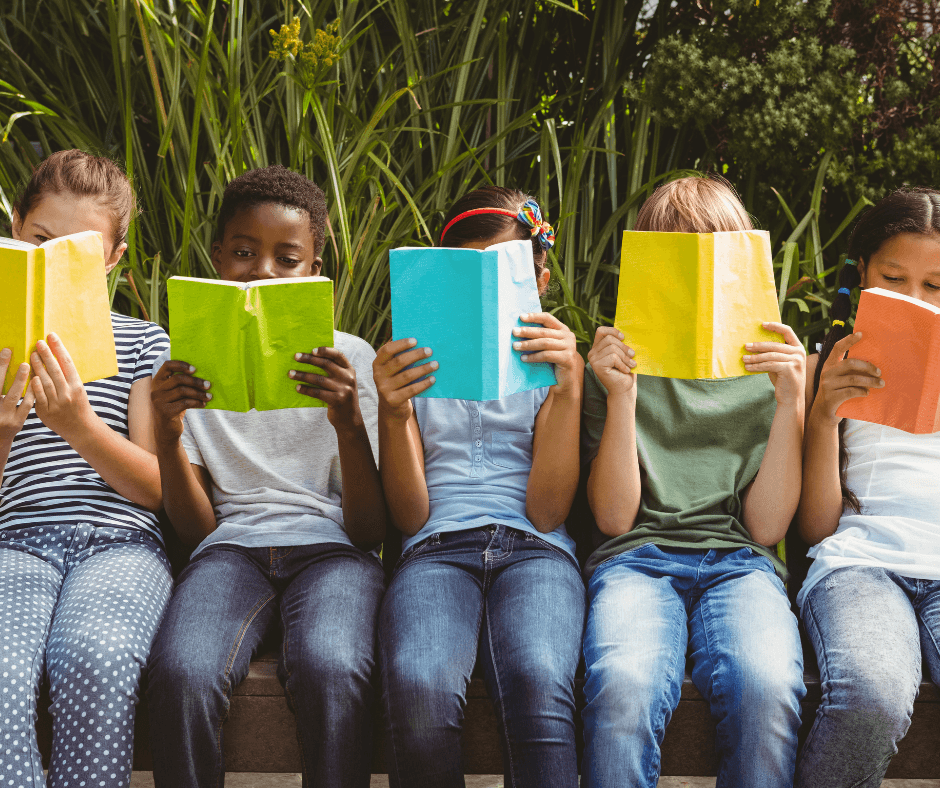
    We can also use the most famous and oldest means of disseminating knowledge at our disposal: the book There are plenty of books designed and written especially for children and to facilitate their knowledge of bees and the importance of pollinating insects in general. Whether they are picture books, fantasy stories, nursery rhyme books or small encyclopaedias, they can all give us an important support to help children better understand bees and the environment.

    Stories and Tales
    3Bee

    A Live Experience

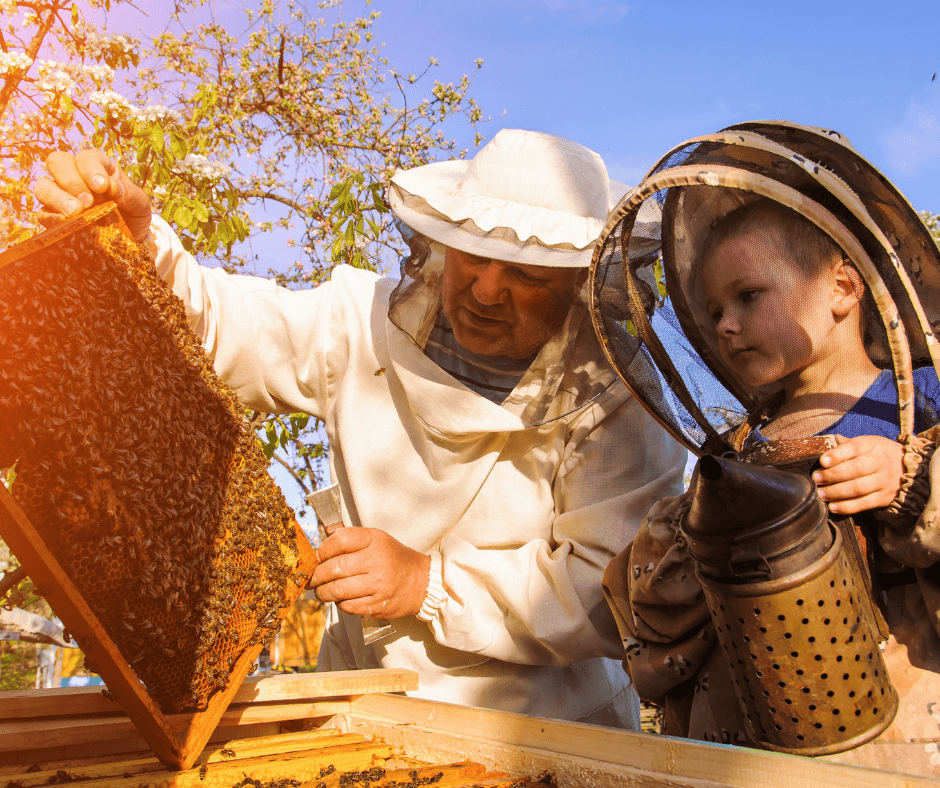
    Reading in books is very important, but how exciting can it be for a child to see how a beehive works up close? Fortunately, there are more and more educational farm experiences that allow children to have a hands-on experience in contact with these insects. Alongside beekeepers, children can get a closer look at what a beehive looks like and the bees that make it up. What could be more meaningful and instructive than experiencing a day as a beekeeper?
    A Live Experience

    An Alternative Solution

    These live experiences are indeed more and more frequent, but not all children can enjoy them. For this reason, online tools can also be an opportunity to be used to introduce bees to young children. Adopting a beehive can be one such solution. Long-distance adoption lasts for a year, during which you can remotely monitor the hive thanks to a specific app. You will thus be able to experience all phases of the bees' lives from the hectic spring to the quiet winter. Thanks to the contribution of the beekeepers, it will also be possible to view multimedia materials such as videos and photos created precisely to help everyone learn more about this fantastic world. As soon as it is available, you will then receive the honey produced by the selected beekeeper directly to your home!
    An Alternative Solution
    21/02/2022Of 3Bee, Elena Fraccaro
    3133 Views
    Newsletter
    newsletter
    Subscribe to the Blog about bees and biodiversity