
What does ESG mean for the climate in 2025?
    ESGCSRDTechnologyFinance

    What does ESG mean for the climate in 2025?

    In 2025, ESG (Environmental, Social, Governance) criteria become essential for companies looking to tackle climate change and improve sustainability. Integrating ESG criteria means complying with regulations and gaining competitive, financial, and reputational advantages.

    Read the article
    18/06/2025Of 3Bee, Angelina Tortora
    33 Views
    18/06/2025Of 3Bee, Angelina Tortora
    33 Views

    ESG and climate: key synergy for 2025

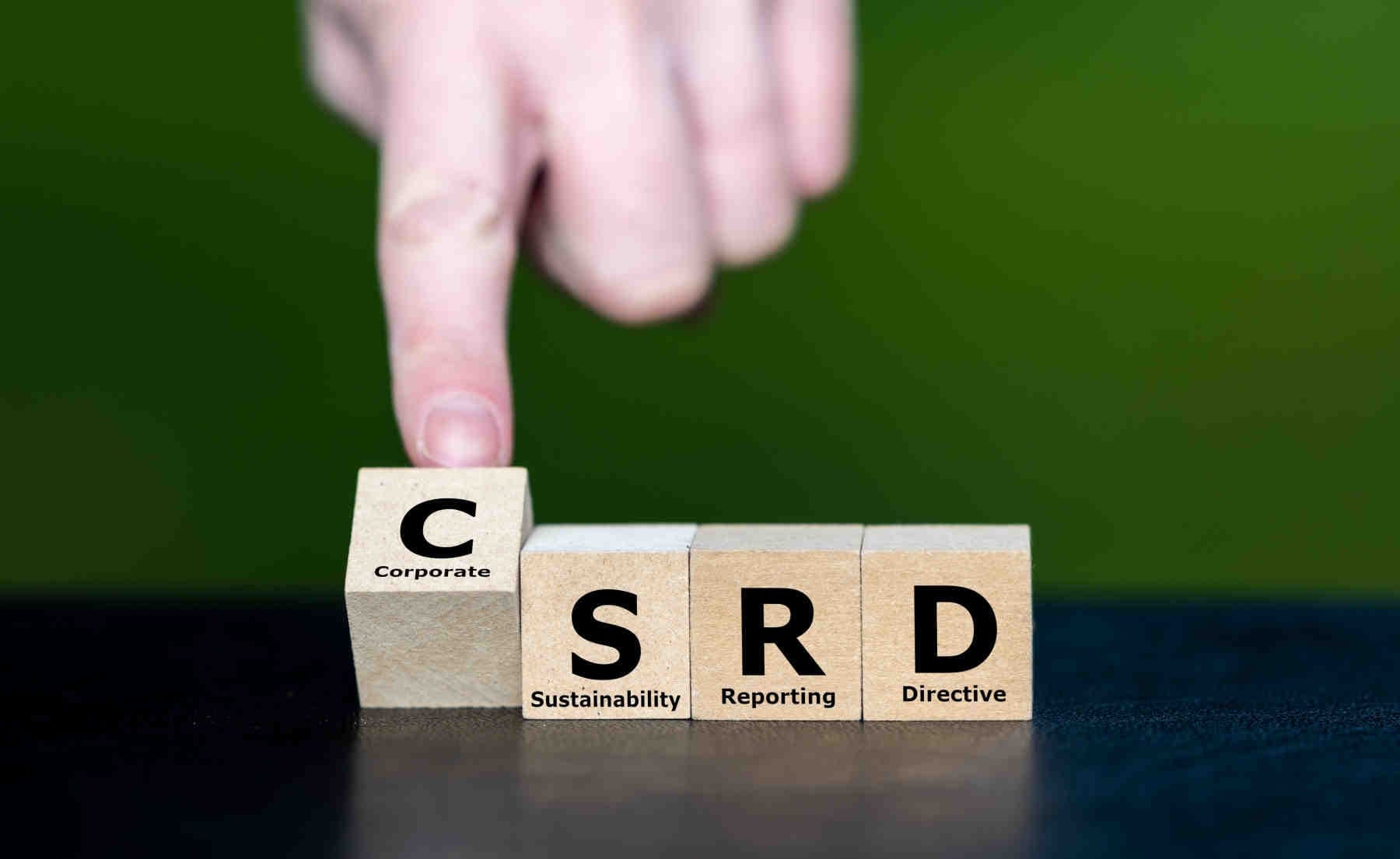
    In 2025, ESG criteria consolidate as essential tools to address climate challenges and promote business sustainability. The adoption of the CSRD requires companies to transparently report their environmental, social, and governance performance, integrating double materiality: assessing both the impact of the company on the environment and the influence of environmental factors on the company itself. This approach allows companies to identify climate-related risks and opportunities, improving resilience and competitiveness. Moreover, the growing attention of investors towards sustainable practices forces companies to integrate ESG into business strategies, fostering innovation and operational efficiency. In this context, ESG criteria are necessary to ensure long-term sustainability and actively contribute to the fight against climate change.

    ESG e clima: sinergia chiave per il 2025

    CSRD and double materiality: climate transparency

    The CSRD, which came into effect in 2023, represents a turning point in sustainability reporting, requiring European companies to disclose detailed information on environmental, social, and governance aspects. From 2025, large companies must integrate double materiality into their reports, assessing not only the impact of business activities on the environment but also how environmental factors influence the company's financial performance. This approach requires accurate data collection throughout the value chain, involving also supplier SMEs. The CSRD aims to improve transparency and comparability of ESG information, facilitating access to sustainable capital and promoting a fair transition to a low-carbon economy.

    CSRD e doppia materialità: trasparenza climatica
    XNatura

    Technology and ESG Data: From Monitoring to Strategy

    In 2025, effective ESG data management becomes crucial to monitor and improve corporate climate performance. Advanced technological solutions, such as XNatura's environmental monitoring platform, allow companies to automate the collection, analysis, and reporting of ESG data, ensuring transparency and regulatory compliance. These tools facilitate the identification of operational inefficiencies, such as land use or high emissions, and support the implementation of climate change mitigation strategies . Additionally, the integration of digital technologies enables more effective communication with stakeholders, strengthening trust and corporate reputation.

    Tecnologia e dati ESG: dal monitoraggio alla strategia

    Sustainable finance and greenwashing: challenges and opportunities

    The growing demand for sustainable investments has led to the development of ESG-oriented financial instruments such as green bonds and ESG funds. However, the phenomenon of greenwashing poses a significant challenge, with some funds claiming to be sustainable while investing in high environmental impact companies. To combat this practice, European authorities have introduced new guidelines, such as those from the ESMA, to ensure transparency and integrity of sustainable financial products. Companies must therefore adopt authentic and verifiable ESG practices, not only to attract investments but also to avoid reputational and legal risks.

    Finanza sostenibile e greenwashing: sfide e opportunità
    XNatura

    ESG as a lever for competitive climate innovation

    The integration of ESG criteria stimulates innovation and offers companies a competitive advantage in the context of the ecological transition. Adopting sustainable practices, such as the circular economy and emission reductions, not only contributes to the fight against climate change but also improves operational efficiency and opens new market opportunities. Furthermore, companies that demonstrate a concrete commitment to sustainability tend to enjoy a better reputation, attracting customers, investors, and talent. In a market increasingly oriented towards environmental responsibility, ESG becomes a distinctive and strategic element for business success.

    ESG come leva di innovazione competitività climatica
    3Bee

    3Bee's expansion into international markets

    This article was created as part of the "Biodiversity services EU expansion" project (CUP: E43D22000480009) under the Lombardy Region's call "PR FESR 2021-2027 – LINEA INTERNAZIONALIZZAZIONE 21-27", aimed at supporting the internationalization of Italian companies. 3Bee is the naturetech company that develops innovative technologies for the monitoring, protection, and regeneration of biodiversity, supporting companies in defining customized climate strategies based on the analysis of their impacts and dependencies on nature. With a consolidated portfolio in Italy, Germany, and France and significant partnerships, 3Bee continues its expansion in international markets to create a concrete impact through technology.

    18/06/2025Of 3Bee, Angelina Tortora
    33 Views
    Newsletter
    newsletter
    Subscribe to the Blog about bees and biodiversity

    Frequently Asked Questions

    Do you have any doubts or other curiosities about this article? Here you will find some insights