The Elm: A Silent Sentinel in Our Landscapes
    Three SpeciesTreeOasis 3BeeSamare

    The Elm: A Silent Sentinel in Our Landscapes

    Among the most long-lived and imposing plants in our landscapes, the elm has a history intertwined with that of parks, lowland woods, and tree-lined avenues of Europe. Strong, yet not invincible, this tree also tells of the fragilities of plant biodiversity.

    Read the article
    24/07/2025Of 3Bee, 3Bee
    56 Views
    24/07/2025Of 3Bee, 3Bee
    56 Views

    Three species of elm and where they are found in Europe

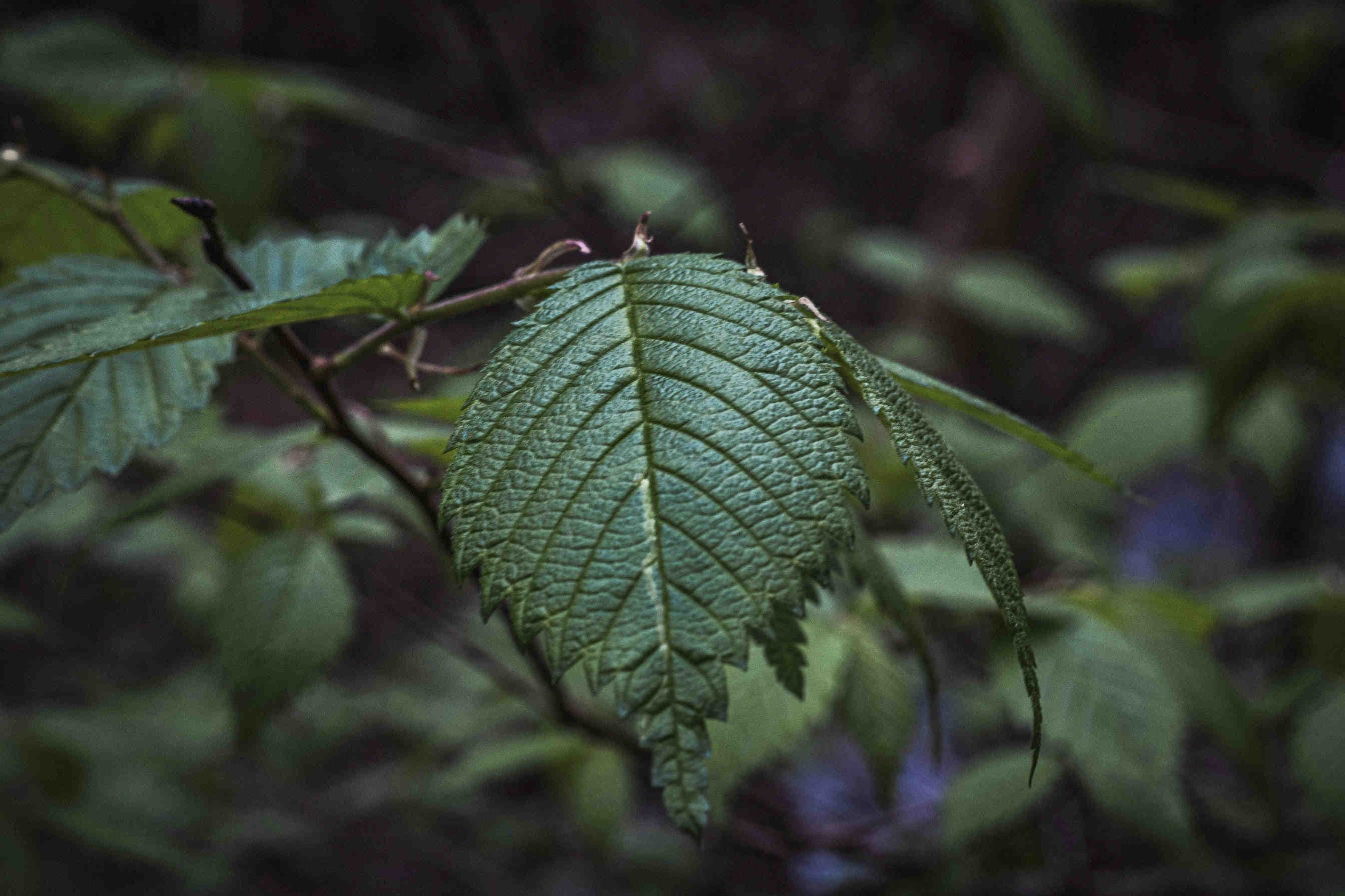
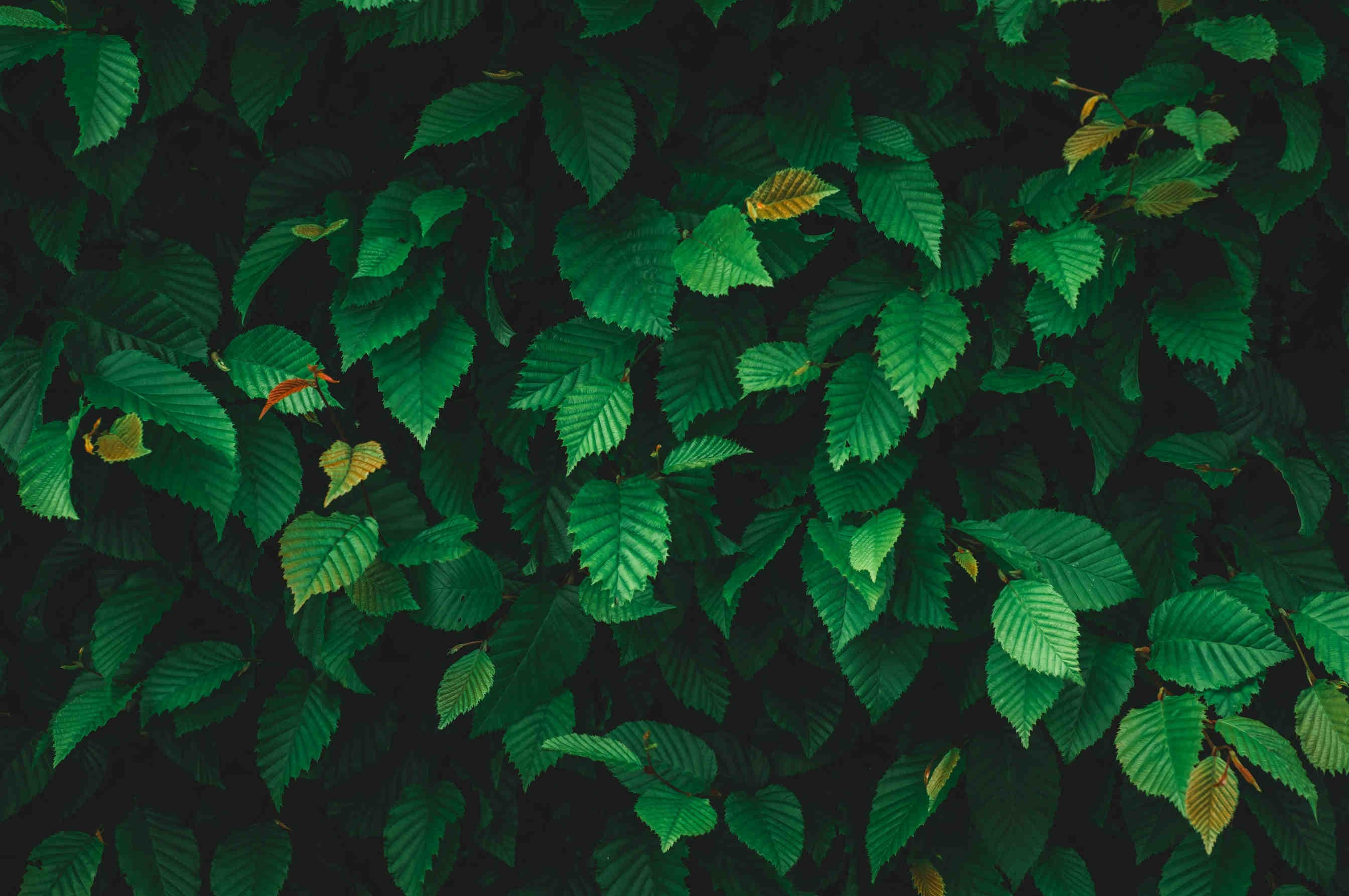
    The main species of elm found in Europe are Ulmus minor, Ulmus glabra, and Ulmus laevis. The field elm (U. minor) is common in the plains and along the agricultural edges of central and southern Europe. The mountain elm (U. glabra) thrives in hilly and pre-alpine areas, while the white elm (U. laevis) is rarer and found in the wet riparian habitats of central-eastern Europe. These species are significant for their ability to provide shade, landscape structure, and biodiversity. The ecological value of the elm is also linked to its history: it has accompanied traditional agroforestry systems for centuries and is still present in historic parks, botanical gardens, and lowland landscapes.
    3bee-blog-tre-specie-di-olmo-e-dove-si-trovano-in-Europa

    A park tree with long-lasting value

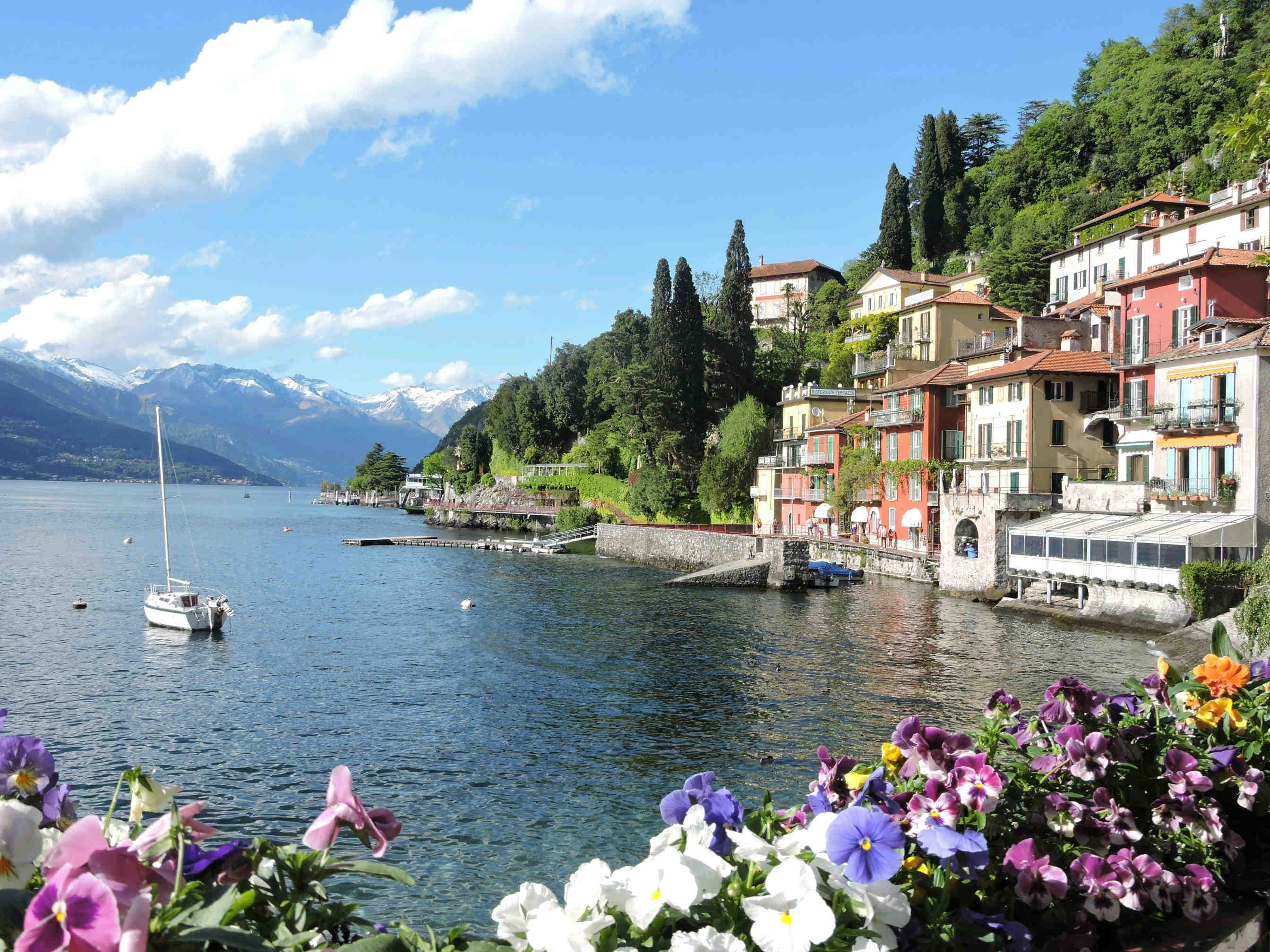
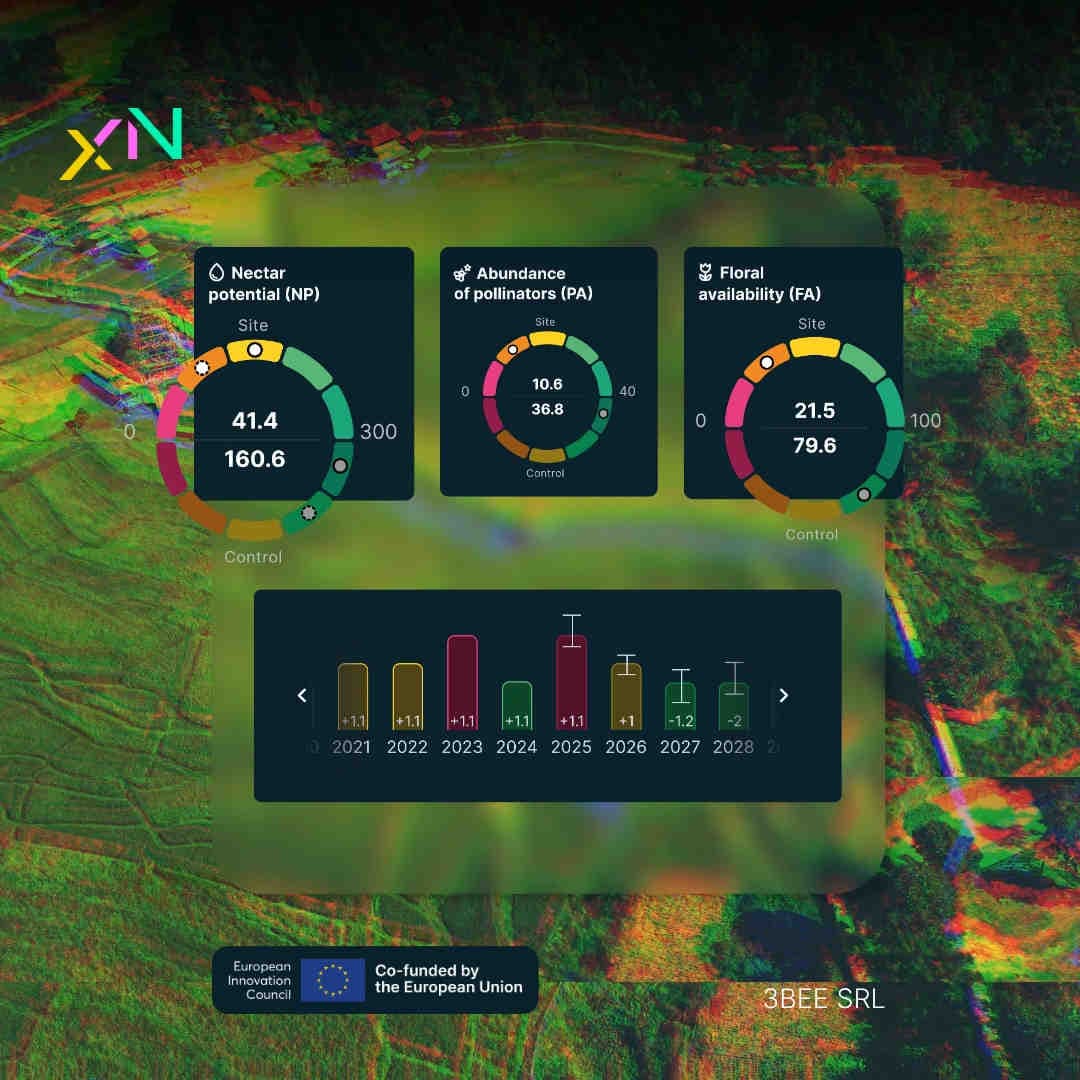
    The elm is among the long-lived species of European historic parks. It can exceed 200 years and maintain an imposing structure, making it ideal for long-term landscape furnishing. An example of this is Villa Olmo, a neoclassical residence overlooking Lake Como, which is named after a monumental elm present in the garden at the time of its construction. The inclusion of the elm in public or corporate settings can still be strategic today. With the XNatura platform by 3Bee, it is possible to conduct a comprehensive environmental assessment of a park or green area, identifying the presence of historic trees, the level of plant biodiversity, any critical issues, and opportunities for enhancement. Alongside these, plants like the dogwood are frequently chosen for their resilience and ability to support biodiversity in urban and peri-urban environments.

    3bee-blog-un-albero-da parco-con-valore-di-lunga-durata
    XNatura

    How we choose the species to plant

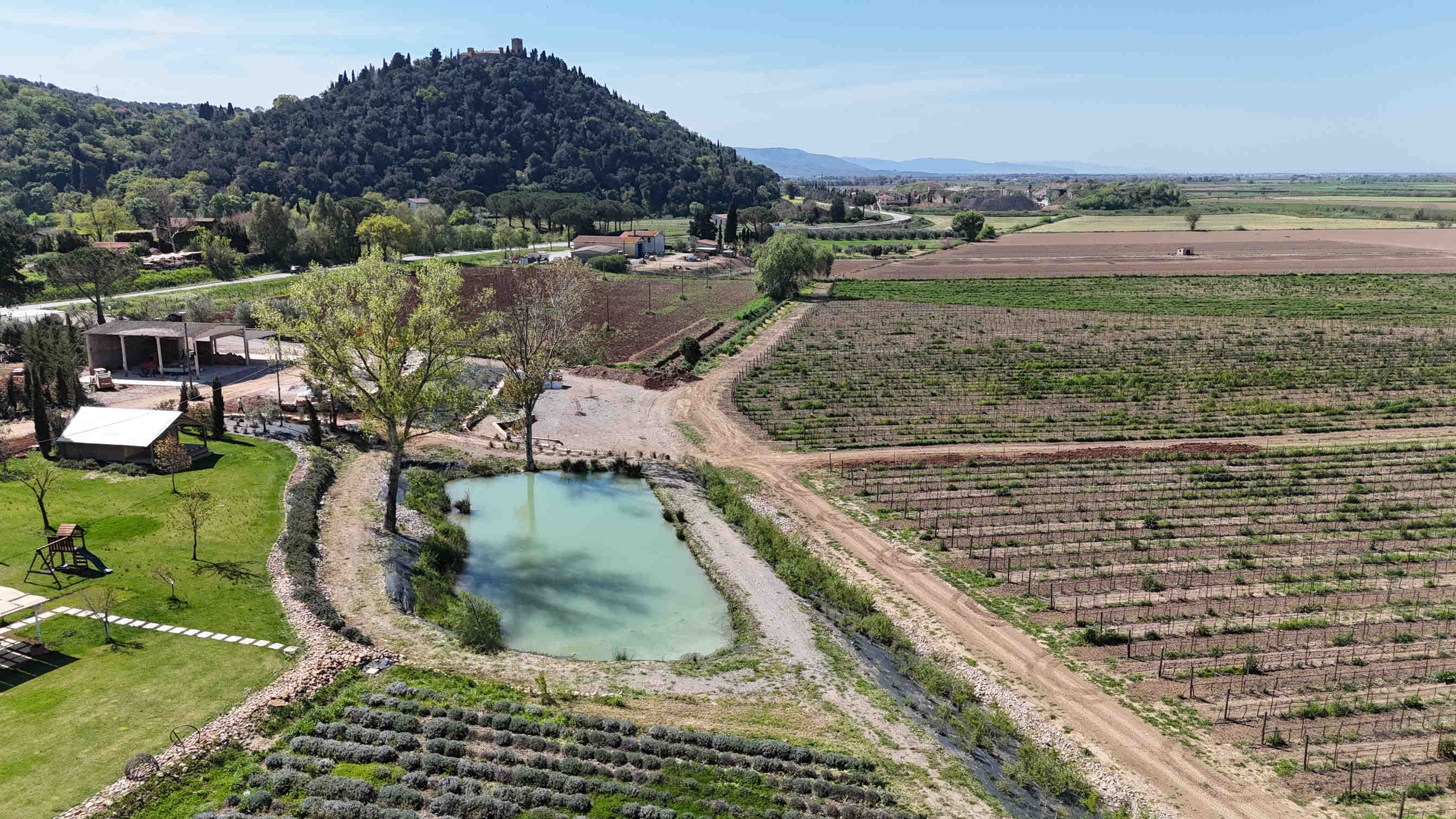
    Every plant included in a 3Bee Biodiversity Oasis is selected with a scientific, territorial, and functional approach. Not all species are suitable for ecological regeneration, and the choice adheres to specific criteria: Native species: we choose only species native to the area, already adapted to the local climate and soil, capable of integrating into existing ecological cycles without causing imbalances. Nectar value: we prioritise trees, shrubs, and herbaceous plant species that produce nectar and pollen in different seasons, essential for supporting wild and domestic pollinators. Climate resilience: we select varieties resistant to drought, heatwaves, and water stress, to ensure stable growth over time. Low maintenance: the plants must be able to grow without excessive intervention, to encourage spontaneous and natural development. For example, we do not use elm because it is susceptible to Dutch elm disease and because its seeds have a very low germination rate.
    3bee-blog-oasi-3bee-piu-di-um-semplice-spazio

    Semi fragile, limited reproduction over time

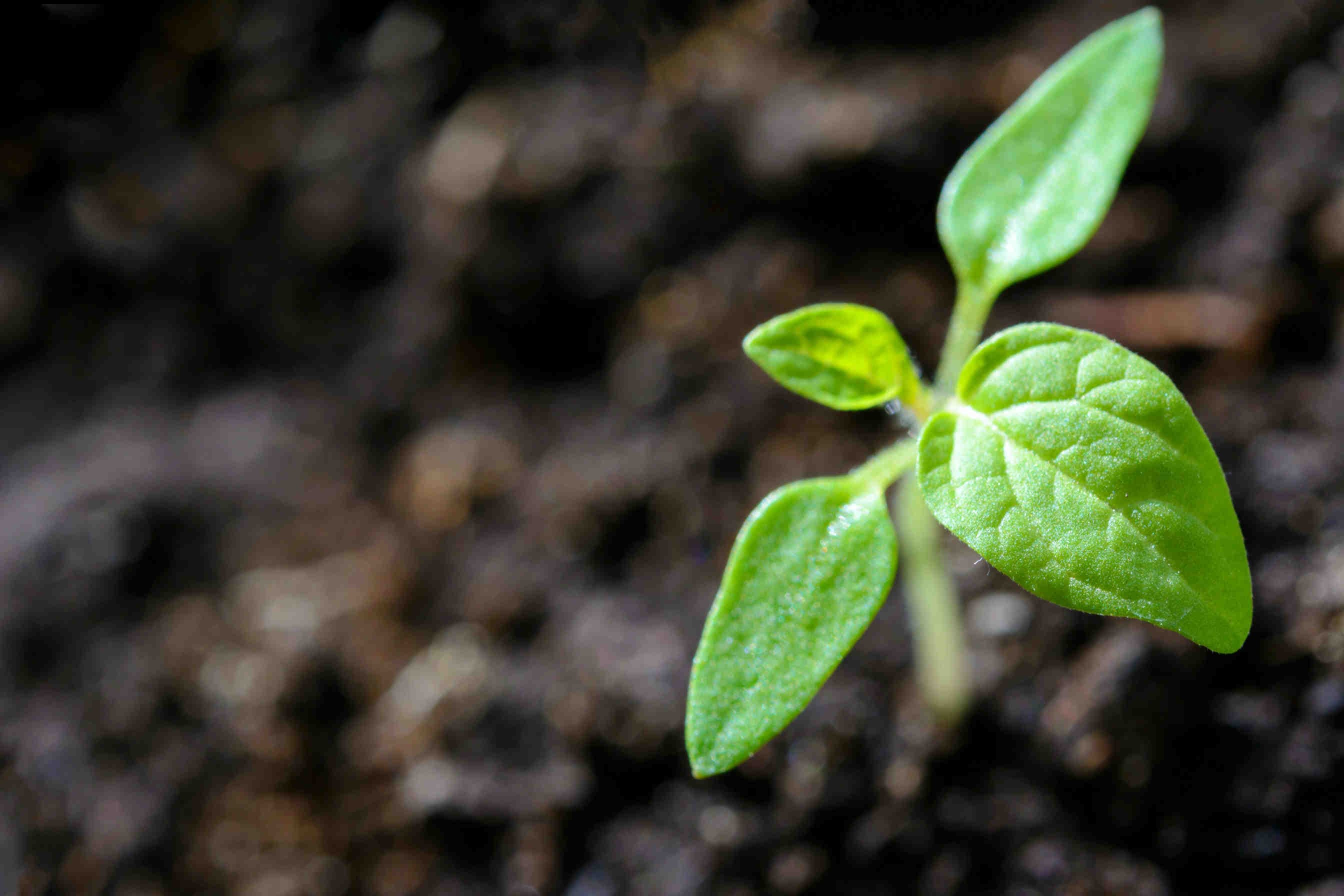
    The elm produces samaras, dry fruits with a single central seed. The dispersal is anemochorous, where the wind is the main transport agent, but the seeds have an extremely short viability: a few hours to a few days. This characteristic limits spontaneous regeneration, even in the presence of healthy adult trees. Germination requires favourable environmental conditions and moist, undisturbed soil. For reintroduction or planting projects, it is therefore essential to collect and use the seeds within a few hours of falling, or resort to vegetative propagation. In parks or ecological corridors, the elm can be included for landscaping purposes, but also as a useful reference for climate studies and long-term ecological assessments.

    3bee-blog-semi fragili-riproduzione-limitata-nel-tempo
    XNatura

    Dutch elm disease: widespread pathology and risk to be mapped

    The European elm is susceptible to Dutch elm disease, a fungal disease caused by Ophiostoma novo-ulmi and spread by bark beetles. The fungus invades the plant's conductive vessels, causing the wilting and death of the crown within a few weeks. Ulmus minor and U. glabra are highly susceptible, while U. laevis shows partial tolerance. Dutch elm disease is present throughout most of Europe and continues to affect unmonitored individual specimens. For this reason, its traceability is now an integral part of the management models for tree populations and habitats with high natural value. The use of digital tools such as XNatura allows for the integration of visual analysis with land use mapping technologies, to classify risk and propose structural interventions.

    3bee-blog-grafiosi-patologia-diffusa-rischio-da-mappare
    3Bee

    With Biodiversa, even the elm becomes a data point

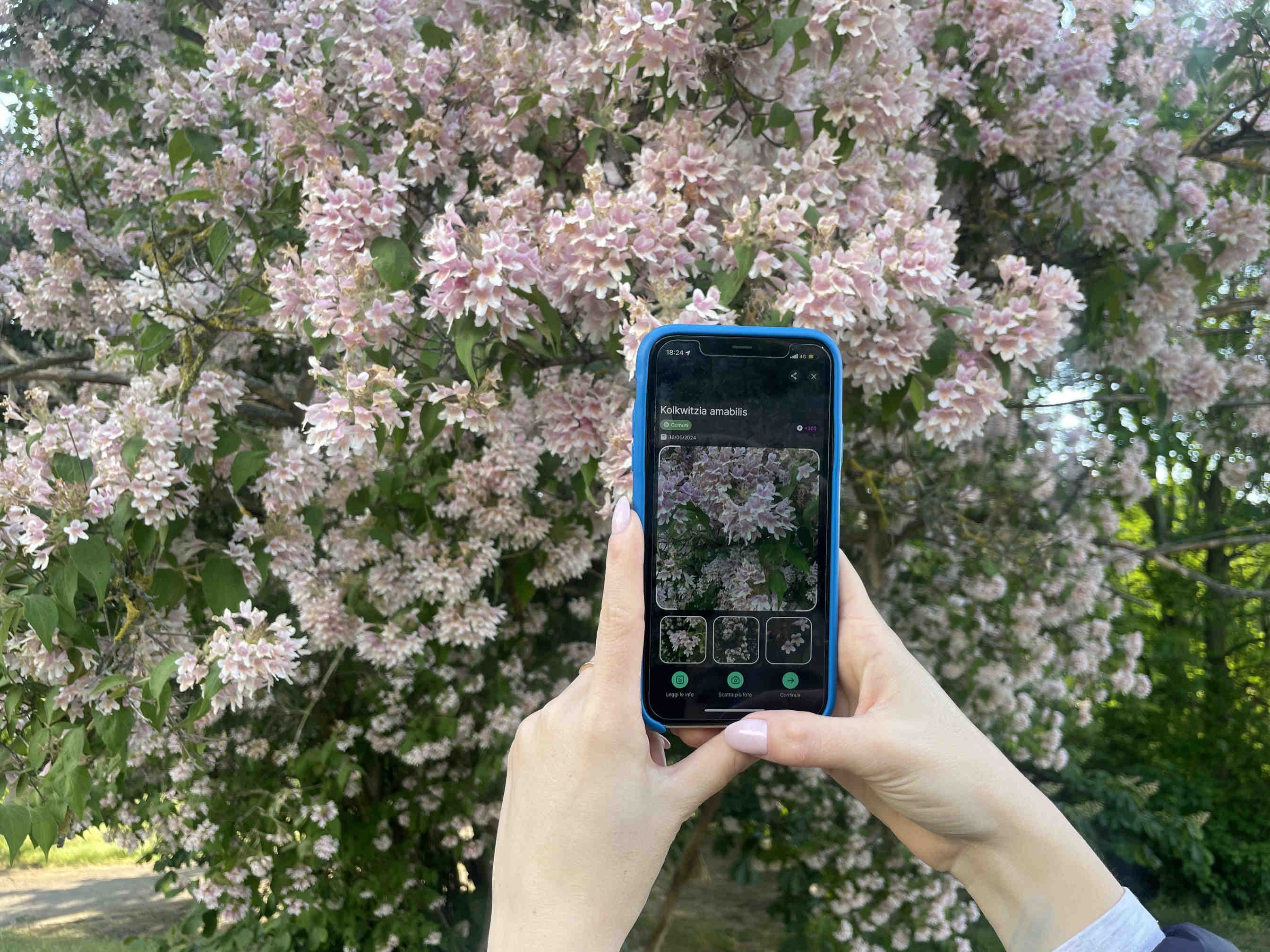
    In the Biodiversa app by 3Bee, the "monumental trees" feature is available, allowing users to locate, report, and describe historic trees, including elms. It is a useful tool for curious users, local authorities, and schools. Due to its size, leaf shape, and historical distribution, the elm is one of the most frequently reported trees, alongside beeches, oaks, and plane trees. The collected data is integrated into interactive maps and can contribute to impact assessments, historical studies, and territorial enhancement projects. Even an elm in a secondary park can become a valuable element if included within a shared information network.

    3bee-blog-con Biodiversa-anche-olmo-diventa-un-punto-dati
    24/07/2025Of 3Bee, 3Bee
    56 Views
    Newsletter
    newsletter
    Subscribe to the Blog about bees and biodiversity