Desertification and Drought - World Day 2023
    impactdroughtindicatorsglobal challenges

    Desertification and Drought - World Day 2023

    The World Day Against Desertification and Drought 2023 reminds us of the importance of protecting our planet. Explore the causes and impacts of these phenomena and learn more about the role of 3Bee's Oases of Biodiversity in this context on the occasion of the DD-day 2023.

    Read the article
    14/06/2023Of 3Bee, Elena Fraccaro
    1085 Views
    14/06/2023Of 3Bee, Elena Fraccaro
    1085 Views

    Desertification: causes and global impacts

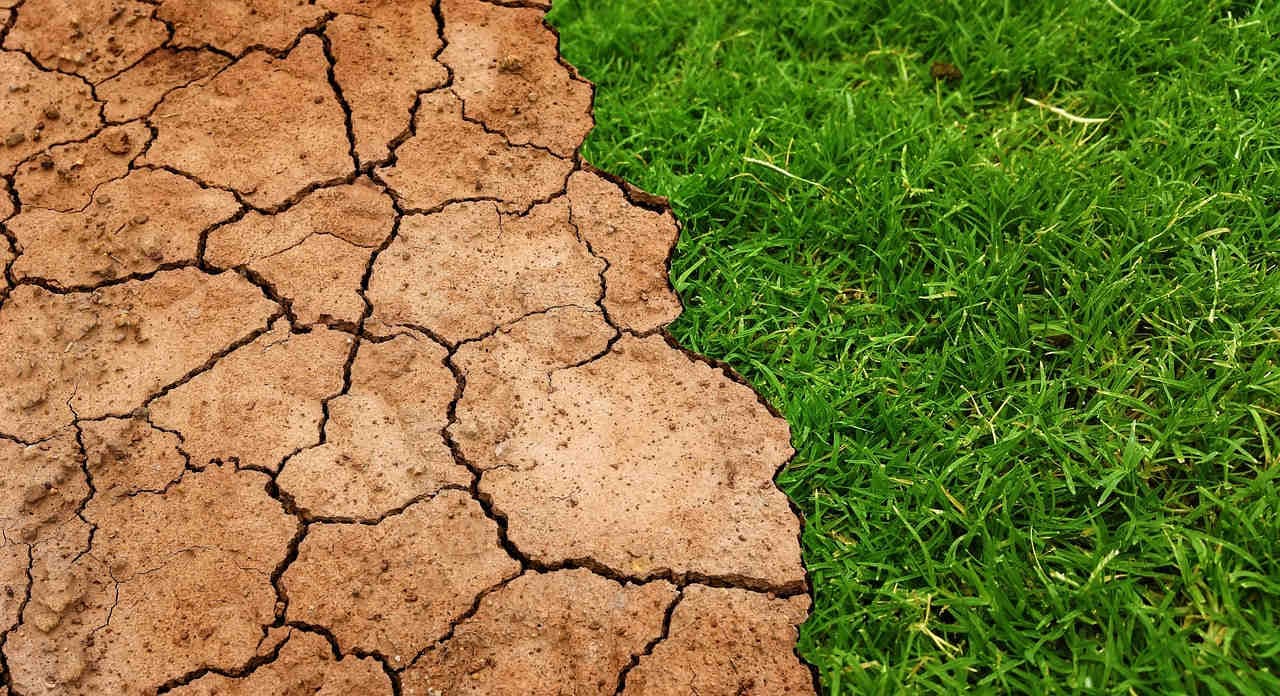
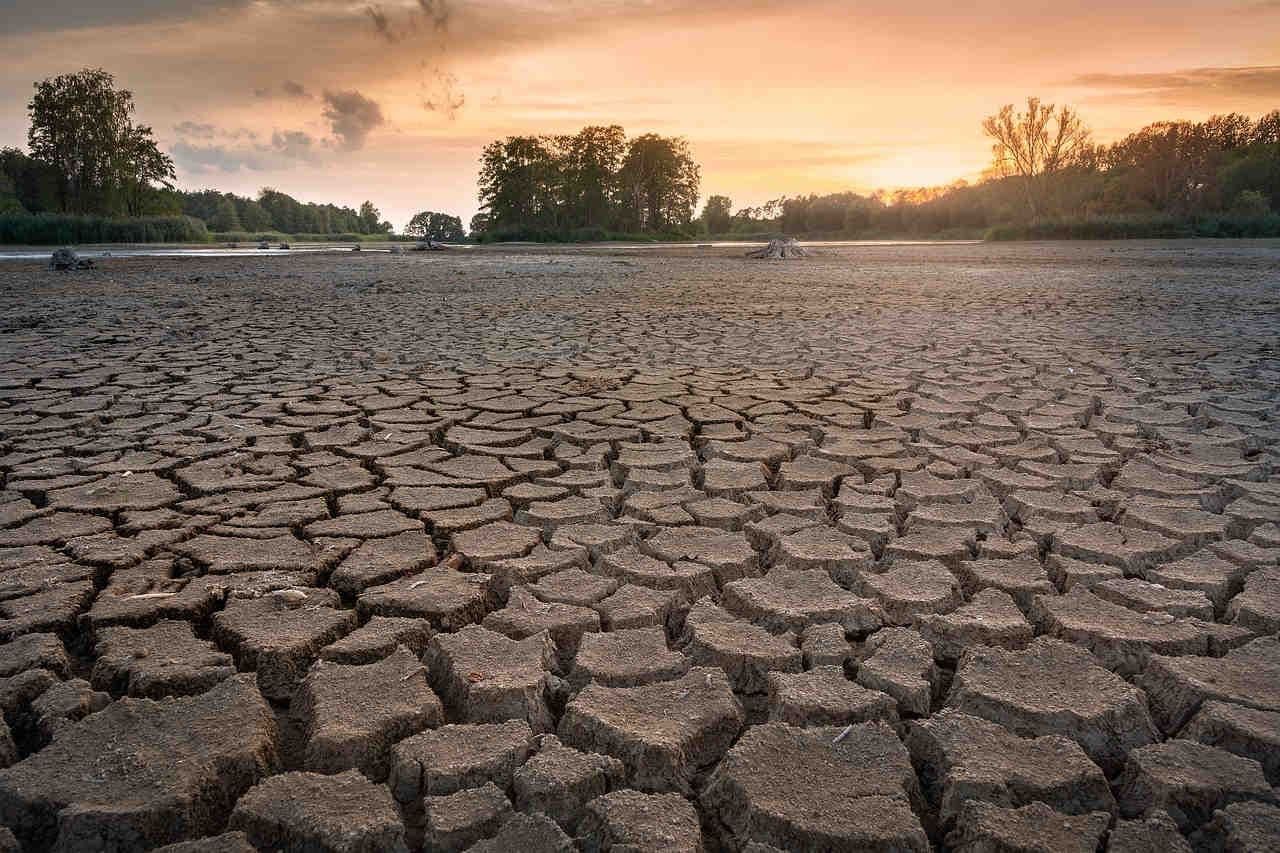
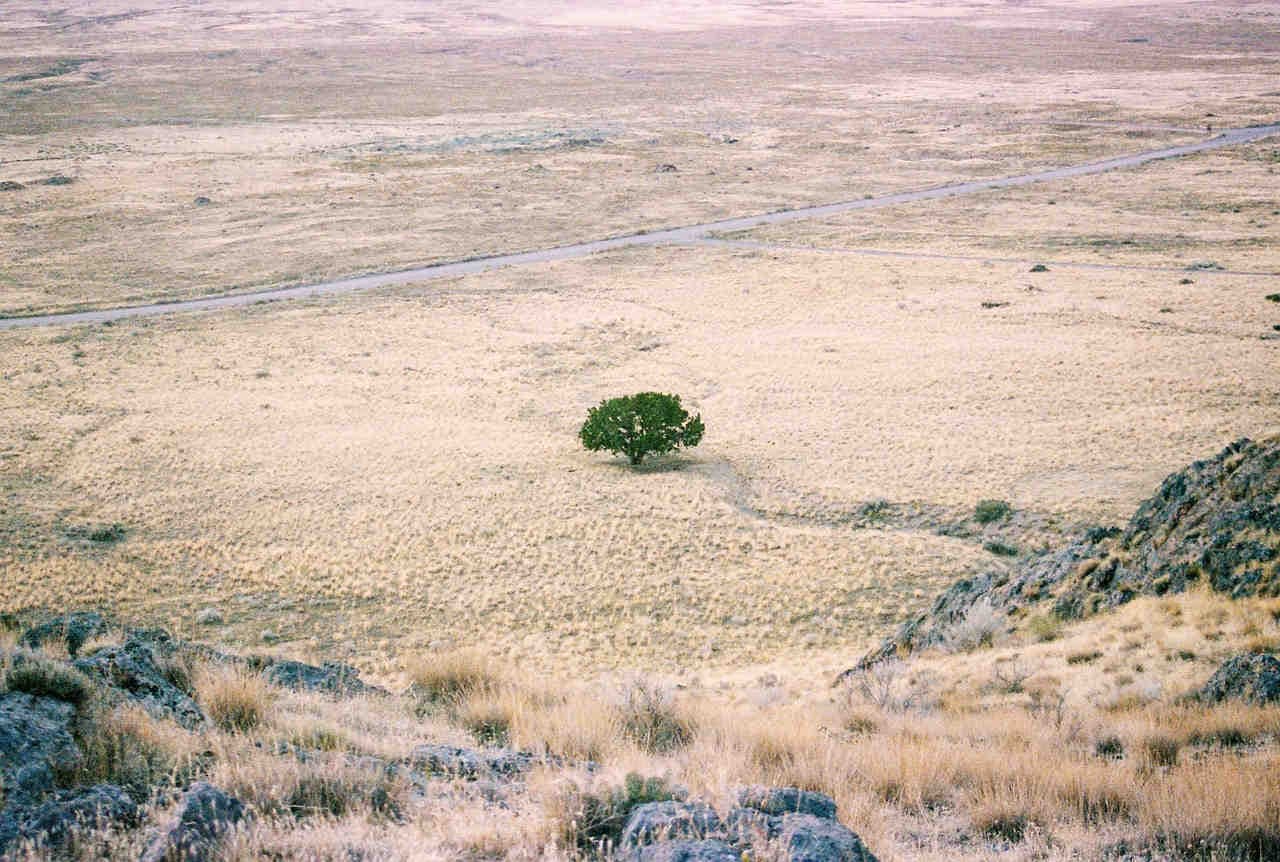
    desertification is a complex and multifactorial phenomenon, caused mainly by climate change, unsustainable use of natural resources and deforestation. Global warming and changes in precipitation patterns contribute to the diminution of water resources and the loss of soil fertility. Human activity, such as intensive agriculture, inefficient irrigation and uncontrolled urbanisation, accelerates this process. Desertification has significant impacts on the environment, biodiversity and local communities. Degraded lands cannot sustain vegetation and ecosystems, causing loss of habitat and reduced agricultural productivity. Populations dependent on these lands face food shortages, poverty and social instability. Moreover, desertification increases the risk of extreme weather events such as sandstorms and fires, further exacerbating environmental degradation.
    desertificazione 3Bee

    Drought: a devastating effect of climate change

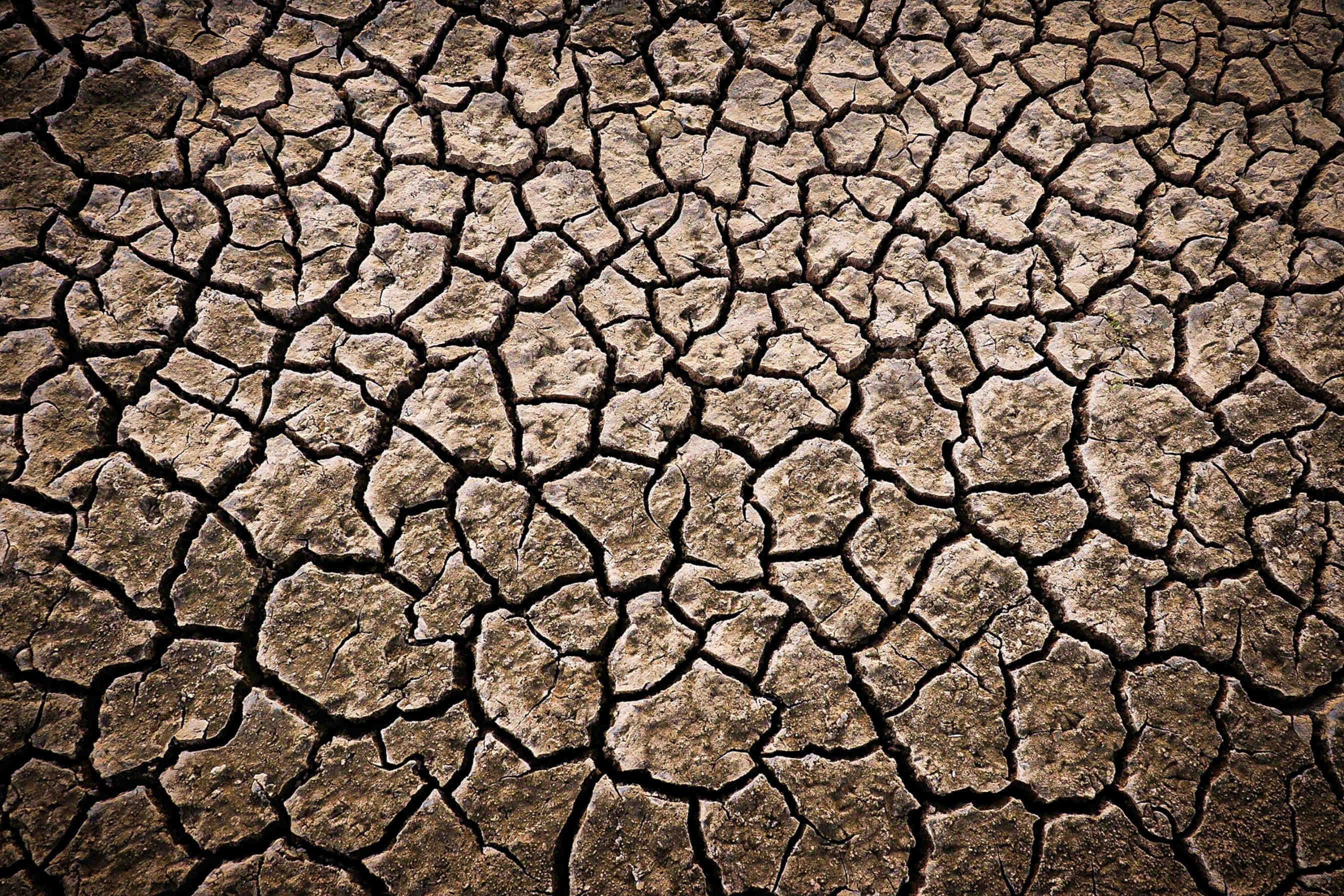
    The drought represents one of the most damaging effects of climate change. It is a prolonged period of water shortage that has devastating consequences on different regions of the world. This phenomenon has been observed in many areas, including the Horn of Africa, North America, Iran and many parts of Southern Europe. The effects of drought are profound and the economic costs high, with agricultural losses, interruptions in energy production, and damage to infrastructure. But the impacts go beyond the purely economic. Droughts cause scarcities, forced displacement of populations and conflicts related to water scarcity. In addition, ecosystems are strained as habitats are lost and biodiversity declines. Drought, as a direct result of climate change, requires concrete actions to mitigate its impacts and adopt adaptation strategies to address this serious global problem.

    Drought: a devastating effect of climate change
    XNatura

    Measuring drought and desertification: indicators

    Measuring drought is essential to fully understand the extent of these phenomena and to adopt appropriate management strategies. The indicators used, such as the standardized precipitation index (SPI) and the standardized precipitation and evapotranspiration index (SPEI), provide a comprehensive assessment of drought and aridity conditions. The SPI considers anomalies in precipitation compared to the historical average, noting periods of prolonged water shortage. The SPEI, on the other hand, integrates precipitation, temperature and evapotranspiration to assess the balance between water supply and evaporation. By combining measurements of soil moisture and climatic parameters, these indicators provide a detailed overview of drought and arid conditions. These tools are crucial for monitoring developments over time, identifying the most affected areas and assessing the effectiveness of measures taken to combat desertification and drought.

    indicatori siccità desertificazione 3Bee

    Combating drought and desertification: global challenges

    The drought and desertification have severe global impacts. According to the definition provided by the ISPRA, evapotranspiration represents the quantity of water transferred to the atmosphere through plant transpiration and direct evaporation from bodies of water. Potential evapotranspiration reflects the maximum amount of water that can be converted to water vapour through land-specific atmospheric and vegetation factors. Between 1983 and 2009, about three-quarters of global cropland (~454 million hectares) suffered yield losses due to drought, with cumulative production losses amounting to $166 billion. It is expected that the climate change and increased global warming will lead to increased risks of drought, floods and social damage. It is therefore important to take mitigation and adaptation measures to address these impacts and protect our

    siccità desertificazione sfide 3Bee
    XNatura

    Rain and drought: sudden transitions and impacts

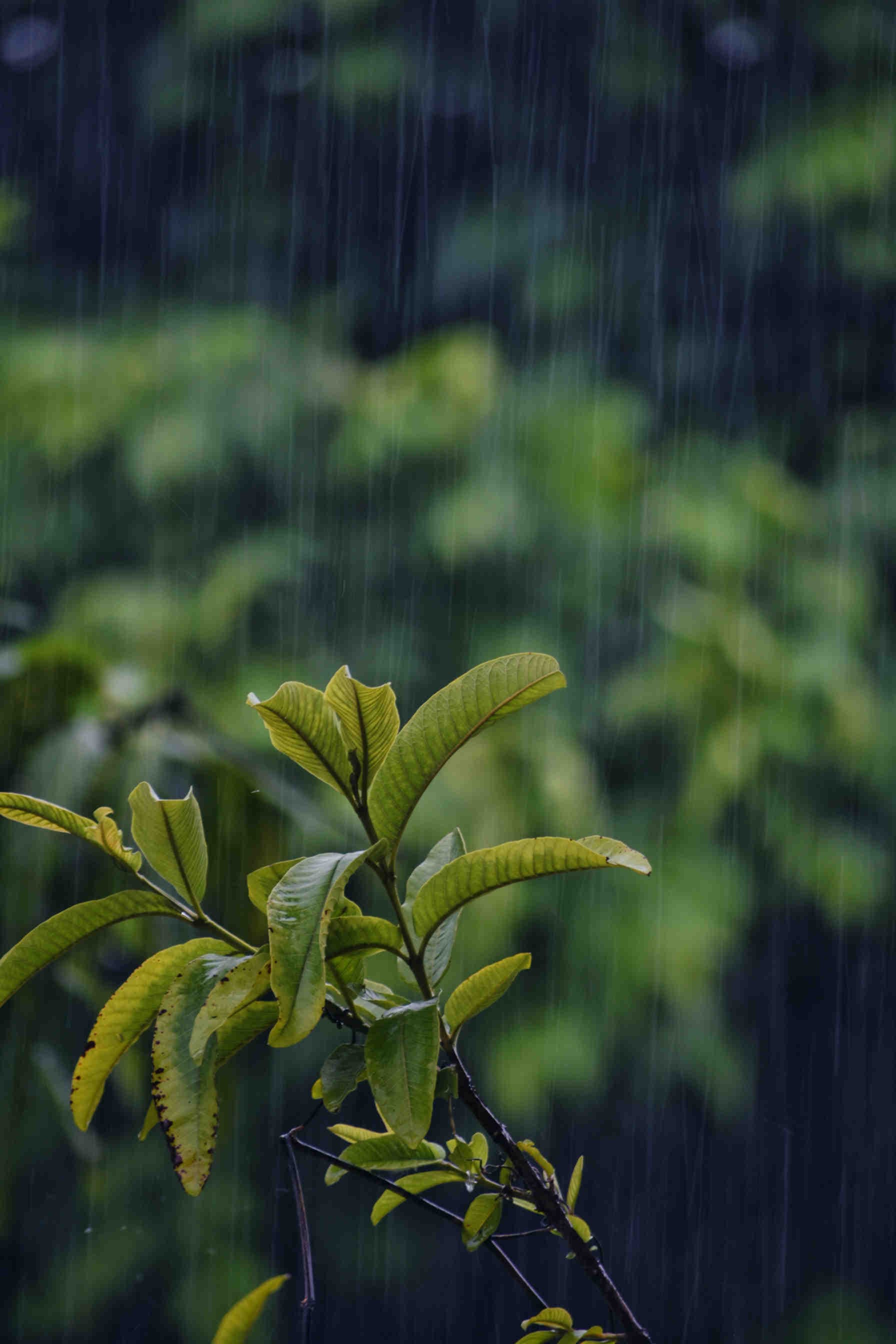
    A recent scientific study has revealed a worrying increase in extreme precipitation worldwide, attributed to greenhouse gas emissions. The study, published in Nature Communications by a team of researchers from the Center of Water Resources and Environment - School of Civil Engineering at Sun Yat-sen University in Guangzhou, China, found a significant increase in the phenomenon known as 'precipitation whiplash' or global precipitation whiplash, caused by anthropogenic greenhouse gas emissions. Climate change is altering precipitation cycles, leading to intense and prolonged rainfall events, but also to more severe drought periods. These extreme changes in precipitation have significant implications for the environment, agriculture and human society.

    piogge siccità impatti 3Bee
    3Bee

    Rain and drought: alarming trends

    According to the study, one of the most alarming trends is the increase in sudden transitions between rain and drought events. Regions that previously had a relatively stable climate now experience rapid and unpredictable weather changes. This trend is especially evident in monsoon and tropical areas. Cycles of intense rainfall followed by periods of extreme drought can cause damage to crops, reduce water reserves and increase the risk of landslides and flooding, with severe consequences for the environment and human society. Natural ecosystems, such as forests and aquatic habitats, are strongly affected by these changes in rainfall patterns. The loss of biodiversity, soil erosion and flooding of agricultural land are just some of the negative consequences. In addition, human communities depend on water resources for crop irrigation, drinking water supply and hydropower.

    pioggia 3Bee

    The effects of drought on biodiversity

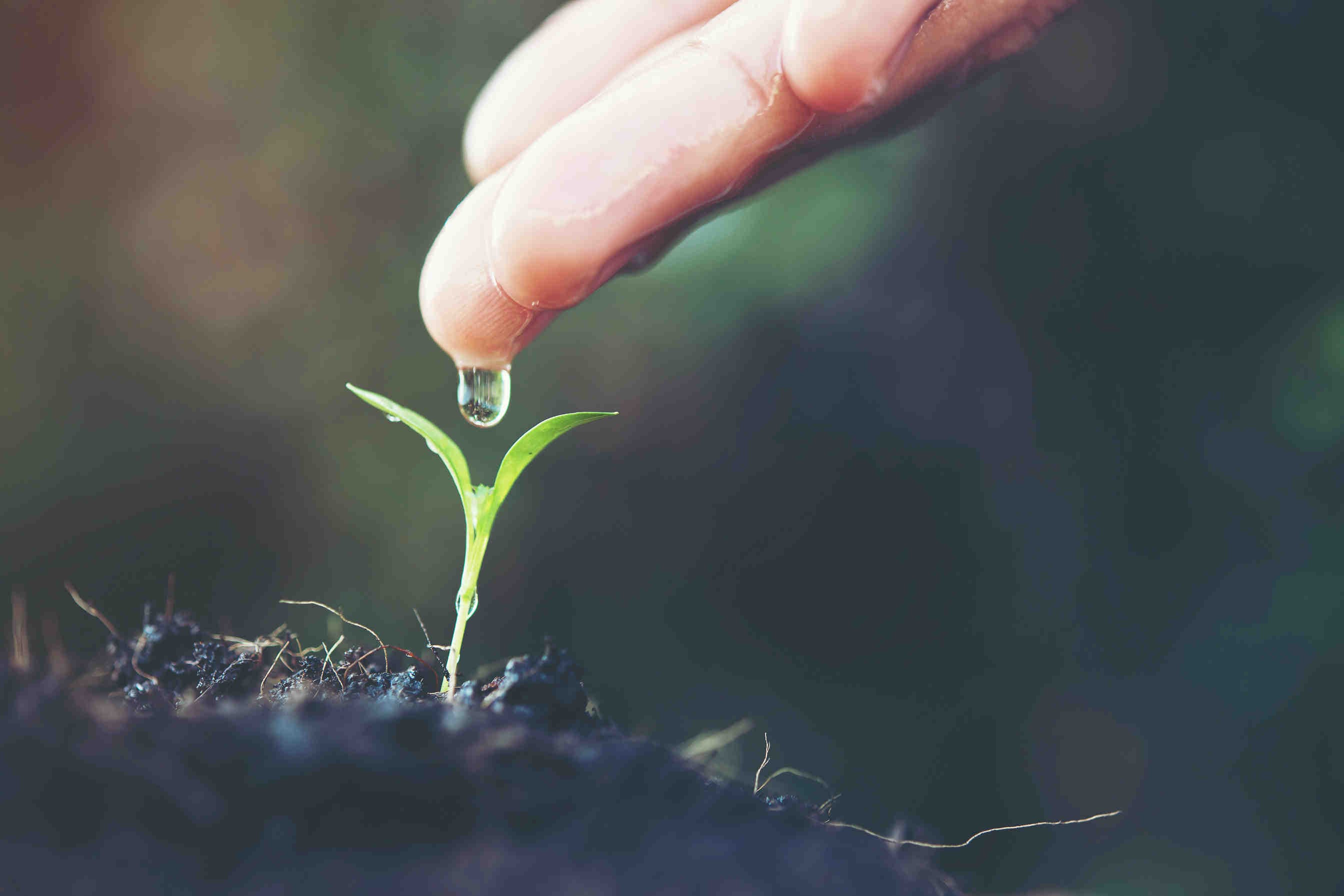
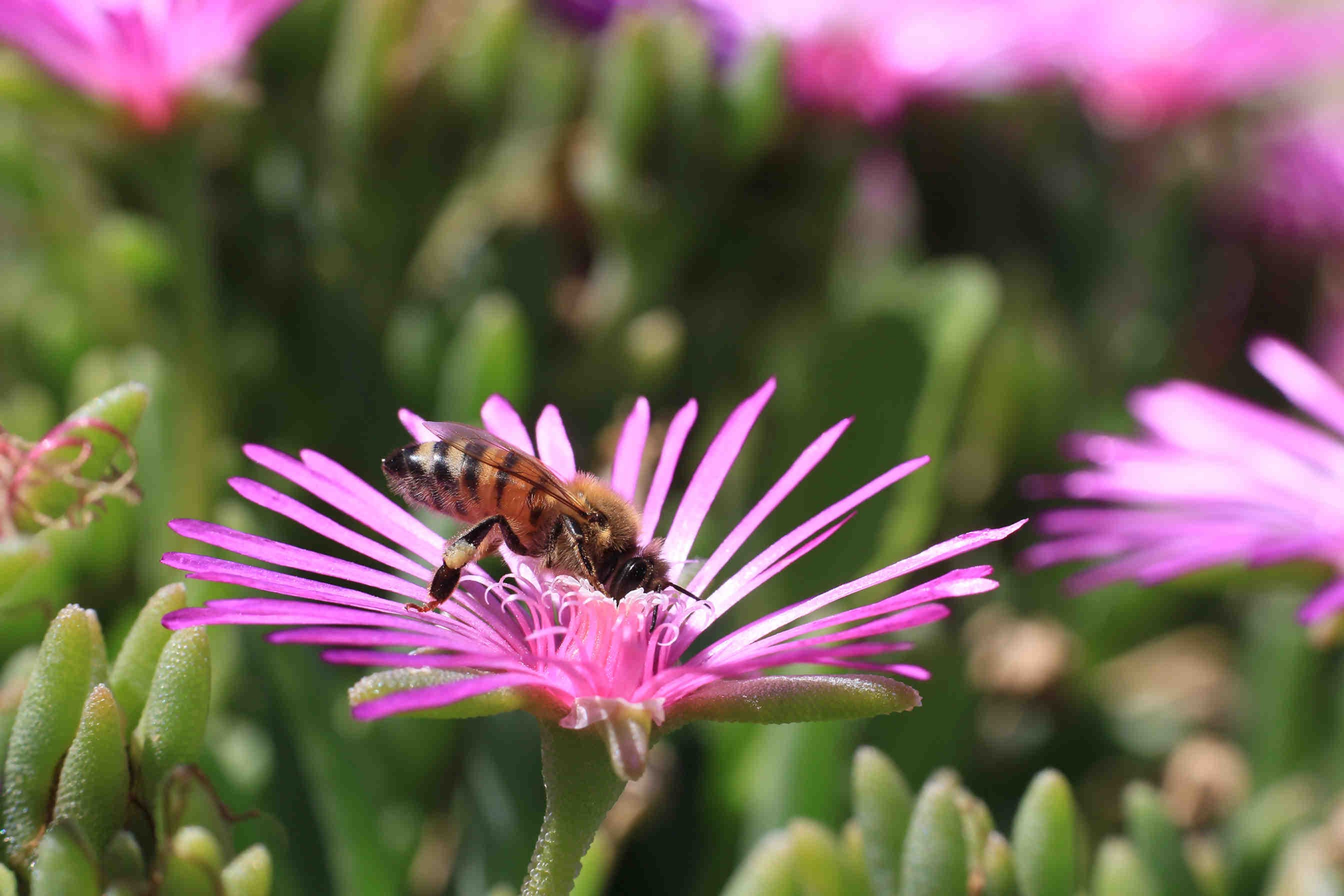
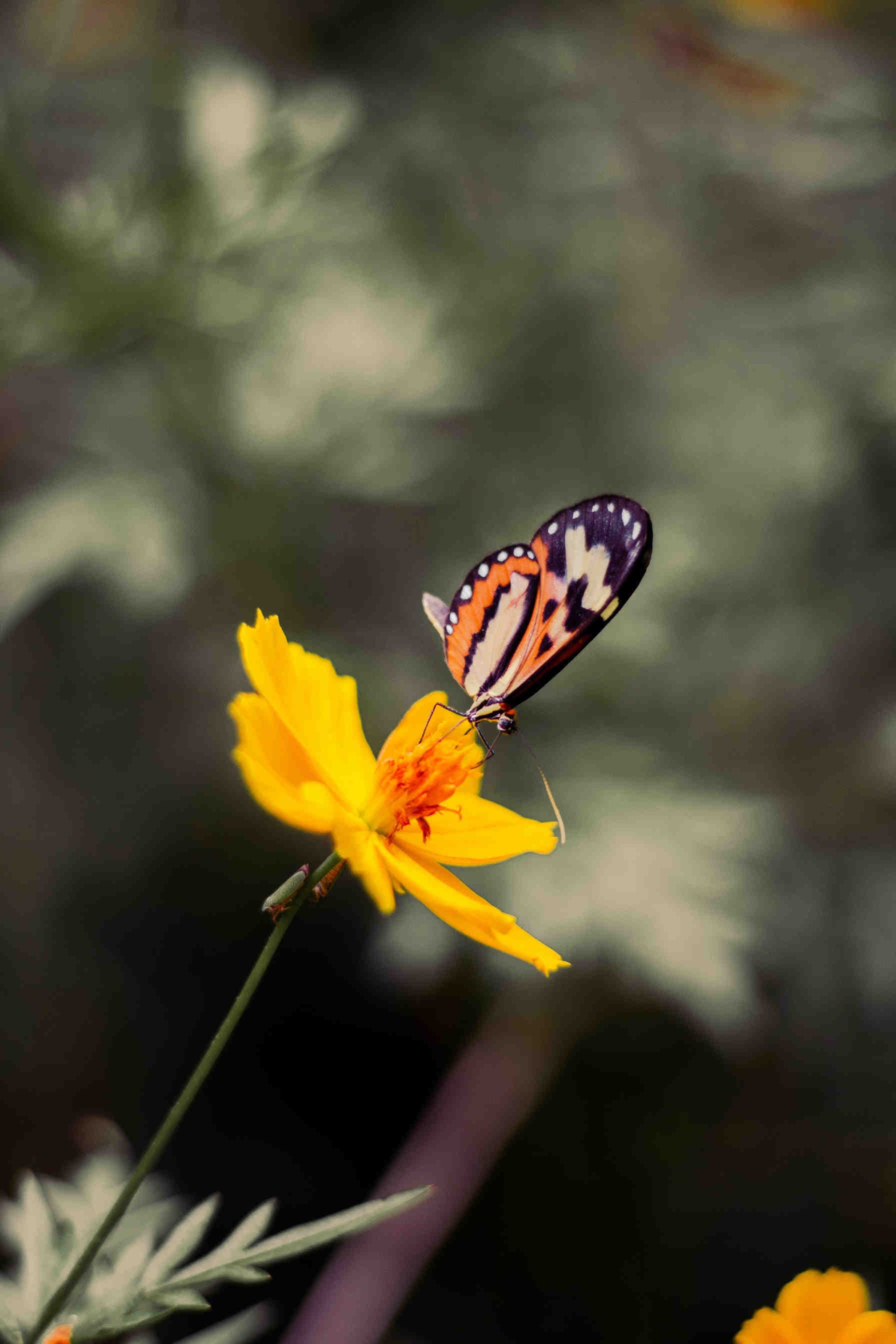
    The effects of drought on biodiversity are multiple and worrying. Drought affects biodiversity by altering flowering: this causes a direct impact on pollinators and a decline in populations, a reduction in plant reproduction and is a threat to biodiversity and ecosystems. A scientific study carried out by Benjamin B Philips and Al in 2018, reveals that drought leads to a reduction in the floral resources available to pollinators, with a minor number of nectar-containing flowers. These cascading effects underline the importance of taking measures to preserve biodiversity in the face of climate change and drought. With this in mind, 3Bee promotes the realisation of Europe's largest ecological corridor: the Oases of Biodiversity, urban and agroforestry biodiversity habitats comprising pollinator refuges and native flora. Certified and monitored places thanks to 3Bee technology.

    impollinatori biodiversità 3Bee

    The role of 3Bee's Biodiversity Oases

    The impact of 3Bee's Biodiversity Oases is tracked and measured thanks to innovative proprietary technologies and corroborated by key research partners supporting the regeneration programme. The Biodiversity Oases provide not only pollinator refuges, but also the planting of nectariferous trees that contribute to the absorption of CO2 and regeneration of soil storage. In view of the World Drought and Desertification Day on 17 June, there is an urgent need for action to preserve our environment and the balance of communities and nature. Although 3Bee's Oases of Biodiversity cannot intervene at the source of the drought problem, they represent a solution to stem the effects of this phenomenon, reconstituting ecosystems for the survival of pollinating insects in a very short time and with very high scalability.

    Oasi Biodiversità 3Bee
    14/06/2023Of 3Bee, Elena Fraccaro
    1085 Views
    Newsletter
    newsletter
    Subscribe to the Blog about bees and biodiversity

    Frequently Asked Questions

    Do you have any doubts or other curiosities about this article? Here you will find some insights