Corporate Social Responsibility: Definition and Examples
    ConceptEuropeCompetitivenessEtica

    Corporate Social Responsibility: Definition and Examples

    Attention to environmental issues and the impact that one's actions have on the entire planet are one of the aspects that characterise what is known as Corporate Social Responsibility, also known by the acronym CSR (Corporate Social Responsibility).

    Read the article
    25/09/2019Of 3Bee, Elena Fraccaro
    1009 Views
    25/09/2019Of 3Bee, Elena Fraccaro
    1009 Views

    The concept of Corporate Social Responsibility

    Actually, this is not a new concept. People started talking about CSR well before the 1950s, although one of the first and most important books on the subject is the one written by Bowen in 1953, Social Responsibilities of the Businessmen. Many consider him to be the father of Corporate Social Responsibility because of this. In the following decades, numerous studies, research and further insights into this topic followed. One of the most famous definitions of CSR is the one formulated by R. Edward Freeman in the essay Strategic Management: a stakeholders approach (1984), according to which CSR is about "the integration of ethical concerns within the strategic business vision: it is a manifestation of large, medium and small companies to effectively manage social and ethical impact issues at the

    The concept of Corporate Social Responsibility

    A European definition of CSR

    Corporate Social Responsibility has had such a resonance that even the European Commission called it into question, which in 2001 defined it as the voluntary integration by companies of social and environmental concerns into their business operations and relations with stakeholders. A fundamental aspect of CSR thus emerges: there are no legal obligations on companies, but despite this there is a willingness to act concretely in favour of society and the environment in which it operates. The evolution of the CSR concept itself does not stop there. Ten years later, in 2011, again the Commission proposed a new concept of CSR, understood as the 'responsibility of companies for their impact on society'. The concept of Corporate Social Responsibility is therefore very broad. It is not just about economic responsibility, but precisely social responsibility, creating values for the company, the people, the territory and the environment.

    A European definition of CSR
    XNatura

    Why CSR is important for companies

    Why should a company take an interest in these issues and decide to invest in a CSR project? According to the European Commission, Corporate Social Responsibility has a real strategic value for growth in terms of competitiveness. The benefits can be countless and multifaceted: better risk management, cost reduction, access to capital, customer relations, human resource management and innovation capacity. CSR can provide a way to anticipate social expectations, but also to drive towards the development of new markets and the creation of new growth opportunities. Another important and often forgotten value is trust. Acting with a view to Social Responsibility can contribute to the creation of a climate of trust not only within the company, but also in relations with customers and society in general. We can therefore speak of sustainable entrepreneurship.

    Why CSR is important for companies

    Ethical commitment as a link in the Value Chain

    These are obviously issues that are attracting increasing interest. It can now be said that a company's ethical commitment has effectively become part of the value chain, i.e. the set of processes that characterise the structure of an organisation. The drives towards the adoption of a 'CSR-oriented business culture' are manifold. Let us recall, for instance, the growing demand for quality, be it in terms of products, services, processes and relationships. The most recent international and EU guidelines also point development in this direction. There are also various needs of the company itself to bear in mind: transversal innovation to maintain competitiveness, distinction and enhancement of the brand and of one's company, also at the level of reputation. Last but not least, so-called intangible values come into play: intellectual, professional and relational growth.

    Ethical commitment as a link in the Value Chain
    XNatura

    CSR: some numbers

    The numbers of Corporate Social Responsibility in Italy alone are considerable. Almost 85% of Italian companies have undertaken actions that relate to the CSR concept. In 2017, total investments reached 1.5 billion euro, for an average of 209 thousand euro per company. CSR has a multidimensional nature and covers several fields of action, including the environment. Among the most relevant topics are biodiversity, climate change, resource efficiency, life cycle analysis and pollution prevention. Reducing one's own environmental impact and fostering sustainable development are two of the most pursued objectives.

    CSR: some numbers
    3Bee

    3Bee and 'Pollinate the Planet': a new CSR project

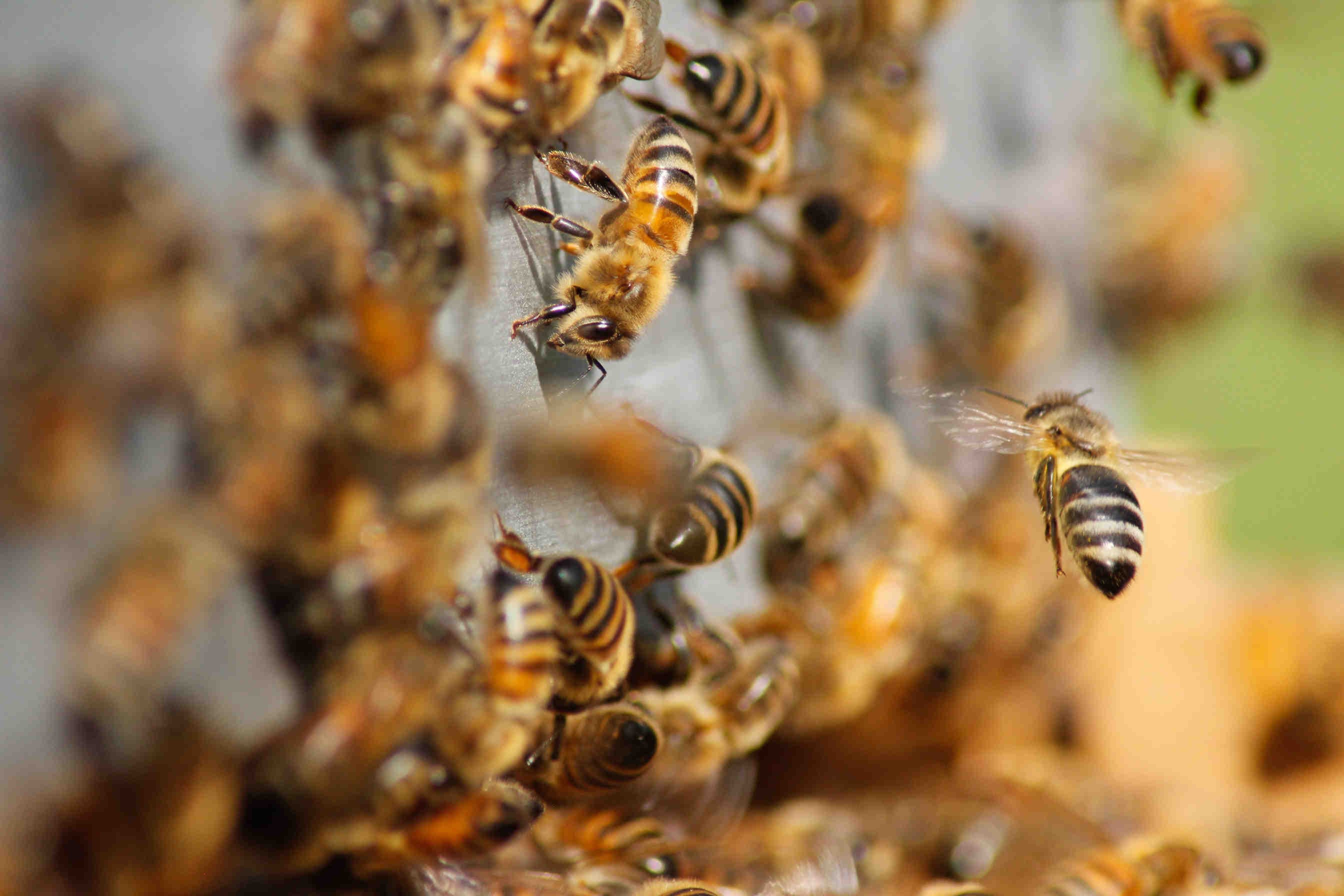
    This is the background to the 3Bee proposal for companies interested in undertaking a CSR project. 3Bee gives your company the opportunity to make a concrete commitment to social responsibility through the adoption of beehives monitored with our technology. Bees are fundamental to our planet: they are responsible for the preservation of biodiversity and ecosystems. By supporting the 3Bee 'Pollinate the planet' project, you will be giving concrete help to the community of beekeepers who care for these precious insects. By using our monitoring systems, beekeepers will not only be able to increase their productivity and optimise the management of their business, but also intervene at an early stage to counteract those phenomena that contribute to the increasing mortality of these pollinators. This translates into a benefit for the environment, for the beekeeper and also for the consumer.
    3Bee and 'Pollinate the Planet': a new CSR project

    Economic, environmental, social and food benefits

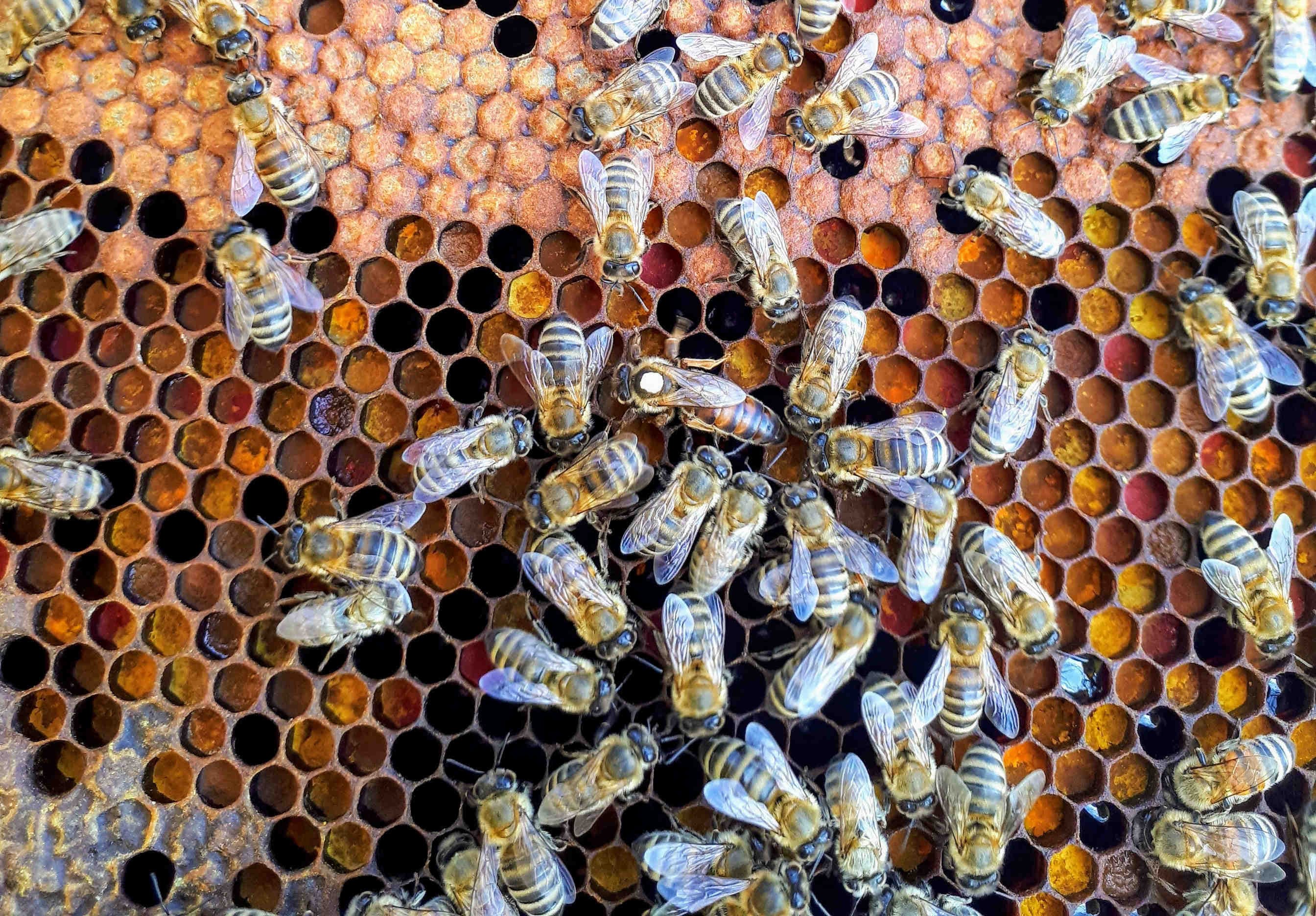
    How does the 'Pollinate the planet' project work in practice? Through your intervention, beekeepers will be provided with our monitoring systems and technical support for their correct use. The selected hives are then photographed, geolocated and monitored by you and your company remotely, thanks to our cloud platform. All hive information is available 24 hours a day and thanks to our app you can follow the beekeeper's work and check the health of the bees. This project has important spin-offs in terms of economic, environmental, social and food benefits. The beekeeper, thanks to our systems, will be able to optimise his work, saving time and money, but also increasing the productivity of his hives. Preserving bees means giving a practical help to our planet. They perform an important pollination activity and contribute to the reduction of CO2.

    Economic, environmental, social and food benefits

    Pollinate the Planet a Villa Erba

    The interest shown in this initiative has prompted us to organise an ad hoc event to talk more in depth about these important issues and the importance that Corporate Social Responsibility projects have not only for companies, but for the entire community. In the evocative setting of Villa Erba, in Cernobbio, on 4 October we will meet some of the leading personalities in the industrial sphere not only from Lombardy, but from the entire nation. We will talk about CSR, the circular economy, and how, thanks to this tool, new opportunities for growth and development can arise. Would you also like to participate in this moment of discussion and exchange of ideas? Sign up and download the event programme now!
    Pollinate the Planet a Villa Erba
    25/09/2019Of 3Bee, Elena Fraccaro
    1009 Views
    Newsletter
    newsletter
    Subscribe to the Blog about bees and biodiversity