Climate gentrification, a new form of inequality
    GentrificationDefinitionOrigineTypes

    Climate gentrification, a new form of inequality

    Climate gentrification is the tendency of affluent people to move to areas less affected by climate change, leaving those who cannot afford anything different in the areas most at risk.

    Read the article
    09/06/2024Of 3Bee, Sara Moraca
    402 Views
    09/06/2024Of 3Bee, Sara Moraca
    402 Views

    What is gentrification?

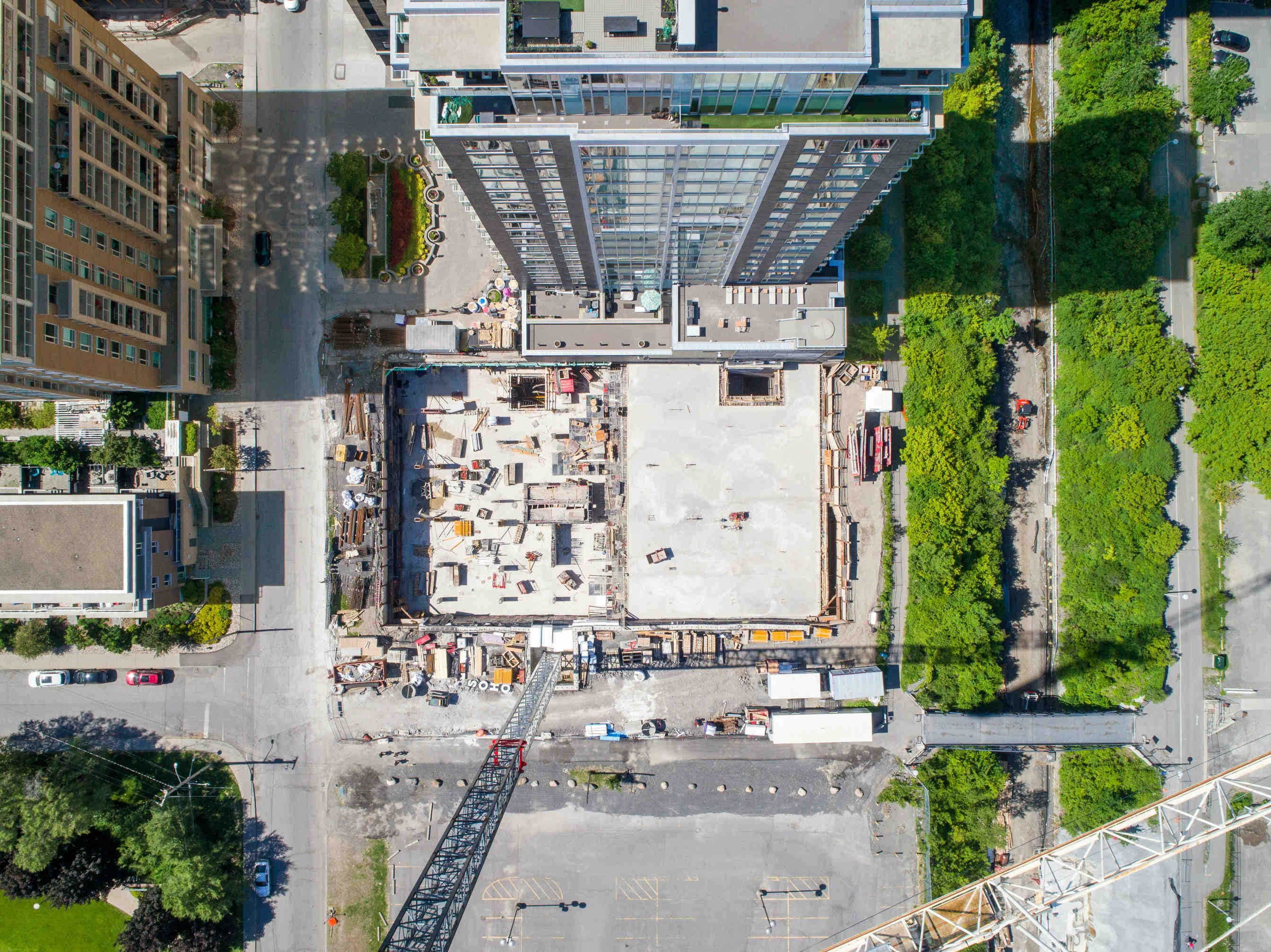
    The term 'gentrification' tends to conjure up images of luxury condominiums and houses rising on the rubble of social housing developments. Officially, the term gentrification is defined as the renovation of poorer neighbourhoods to make them suitable for more affluent residents, often resulting in the displacement of less affluent individuals and families who have lived in the area up to that point and can no longer afford to live in their own homes. This is why the topic of gentrification is often connected to the concepts of equity and social welfare, especially in urban areas.

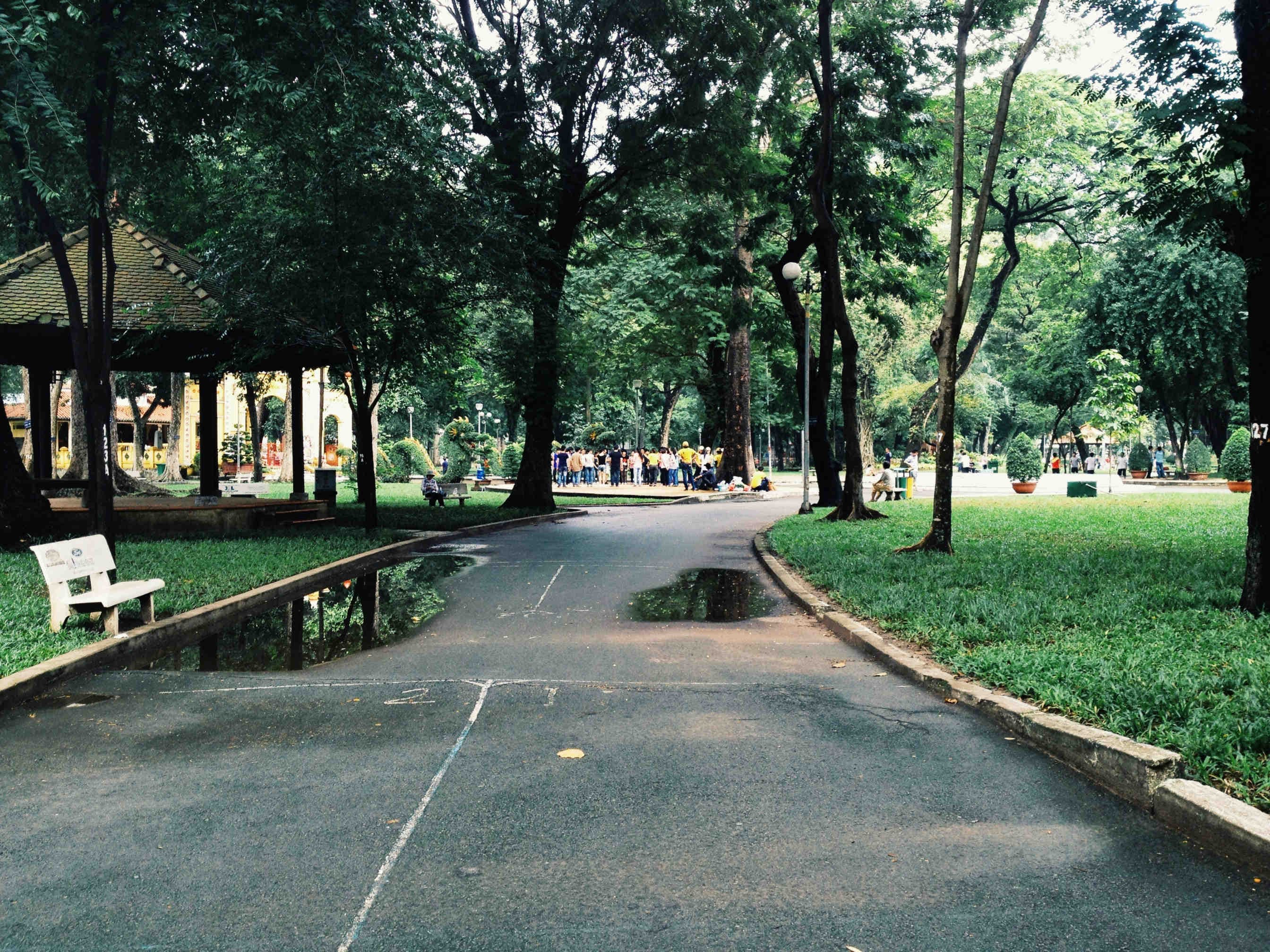
    parco urbano

    Climatic gentrification

    The concept of climate gentrification adds a further factor to all this: the climate changes on a global scale redefine the already unequal balance imposed by gentrification, aggravating the conditions of the less fortunate social classes. For example, rising sea temperatures cause hurricanes to become stronger, characterised by stronger winds, thus increasing their destructive potential. Recent studies have estimated that the number of hurricanes, the Mediterranean cyclone similar to tropical ones in terms of level of violence, is increasing due to climate change. It is estimated that the medicanes will hit some areas more intensely than others, making them more vulnerable to climate change and its consequences. This will have a very important impact on real estate markets.
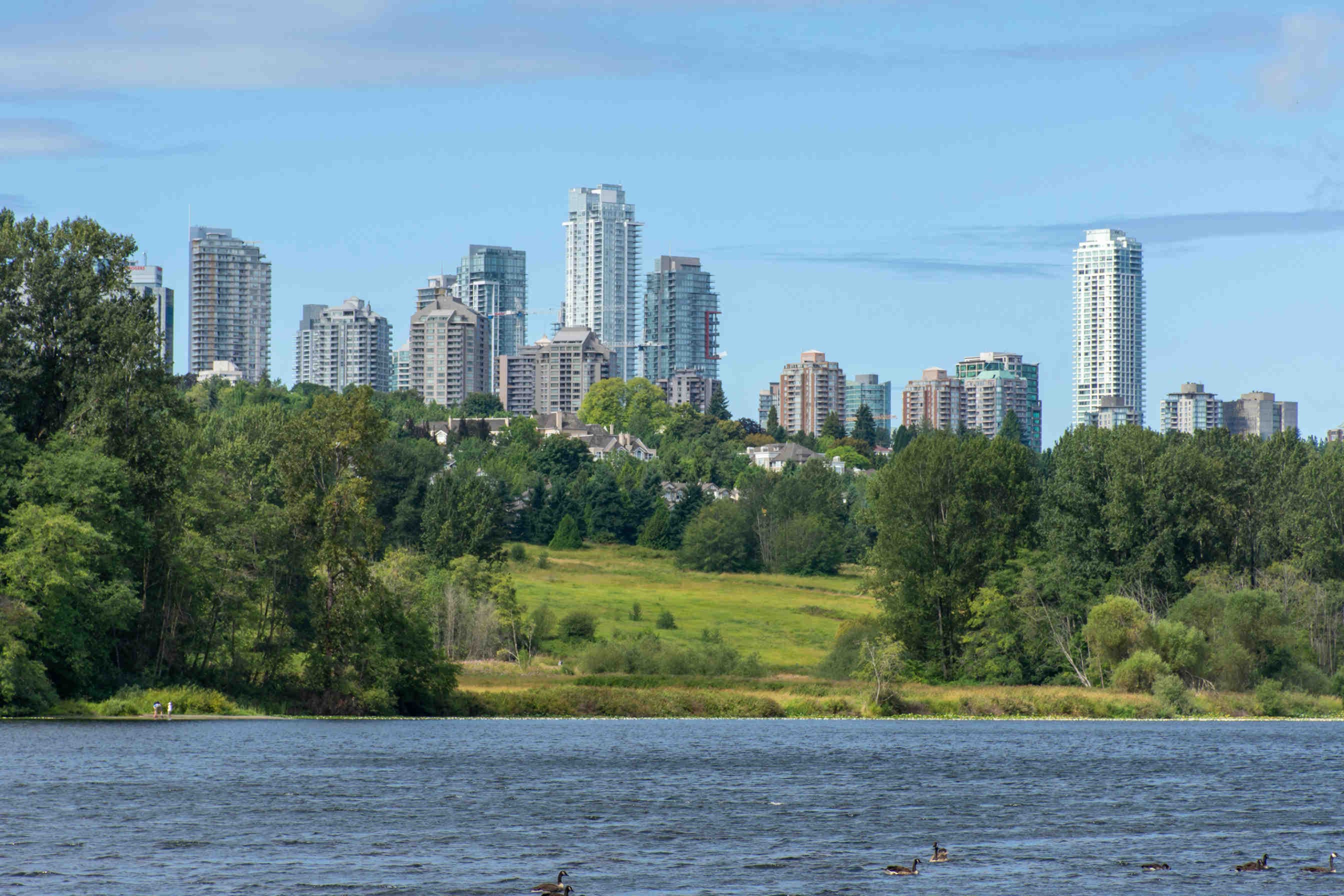
    Cambiamento climatico
    XNatura

    The Miami case and the origin of the term

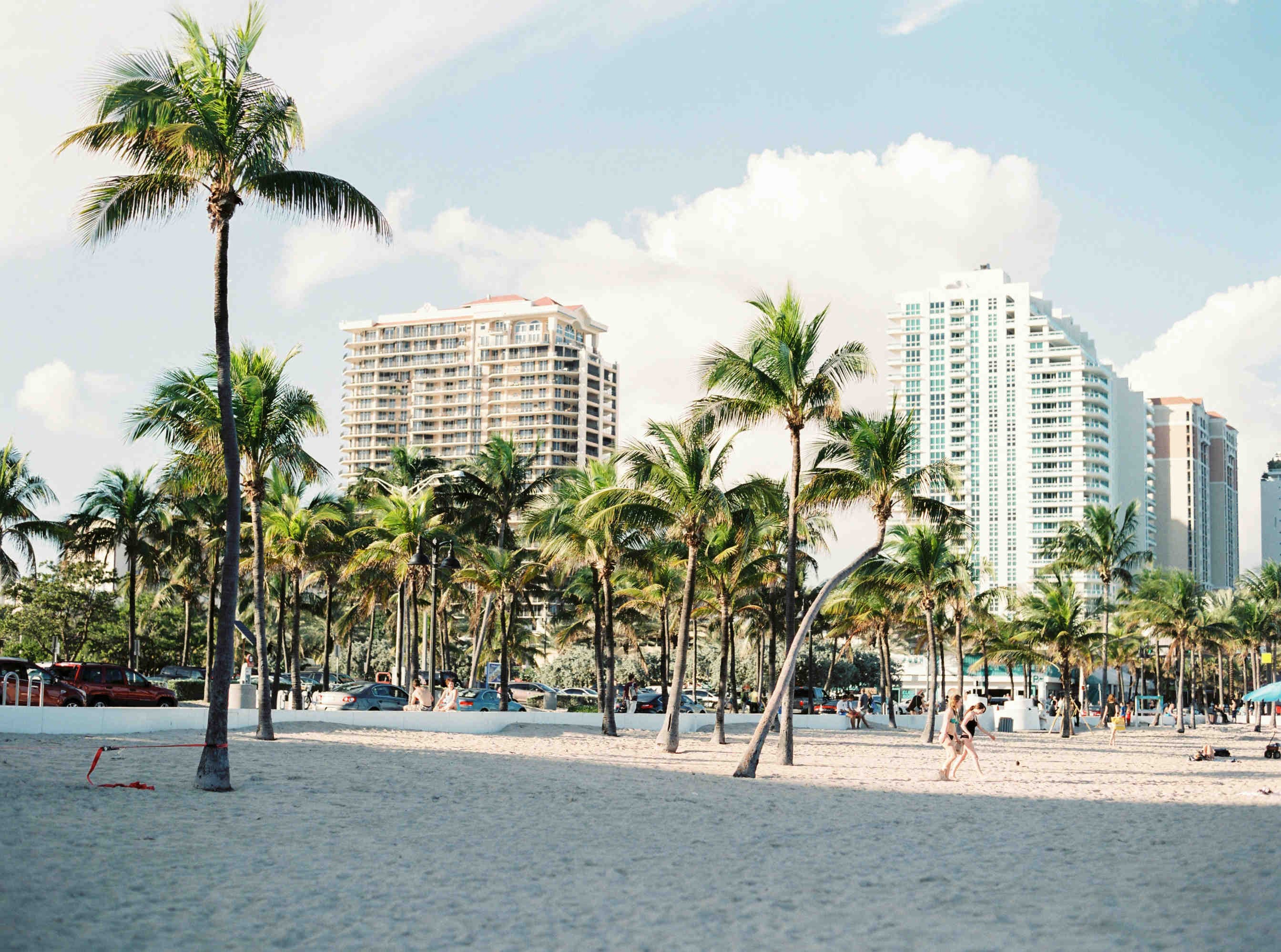
    The term 'climate gentrification' was first comprehensively used in a a 2018 study on house prices in Miami-Dade County. This hurricane-prone region has been a much-studied example of resilience and recovery in response to climate change and natural disasters. The authors suggest the potential existence of consumer preferences based, in part, on perceived flood risk and/or observation of floods. It is expected that these preferences and perceptions will be amplified by climate change in a way that reinforces the thesis that climate change impacts will influence marketability and property valuation, with varying degrees of environmental exposure and resilience capabilities.
    Miami

    The three types of gentrification

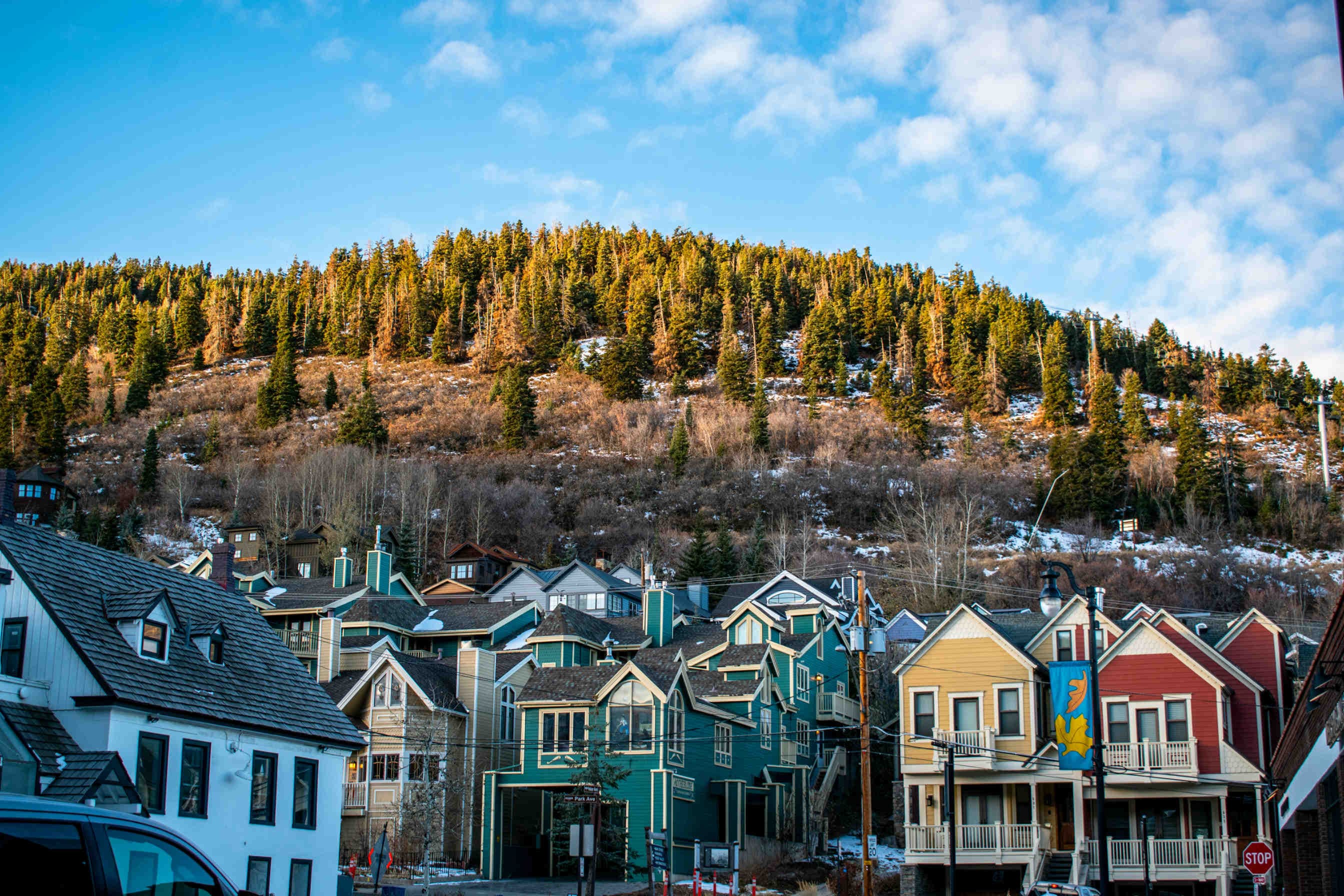
    The study finds three distinct patterns of climatic gentrification. Initially, lower exposure to weather risks may make low-income neighbourhoods attractive, encouraging an influx of more affluent buyers. However, living in high-risk areas often requires significant financial investment in protective measures, a burden that low-income households often cannot bear, forcing them to move elsewhere. Secondly, areas that have already benefited from community investment to increase resilience become more desirable, but this increase in attractiveness may exclude low-income households who can no longer afford to stay. Finally, the reverse effect may occur in areas where public and private investments aim to improve resilience: if this makes these neighbourhoods safer and more inviting, it may also increase property prices.
    Inurbamento
    XNatura

    Flood risk affects house prices

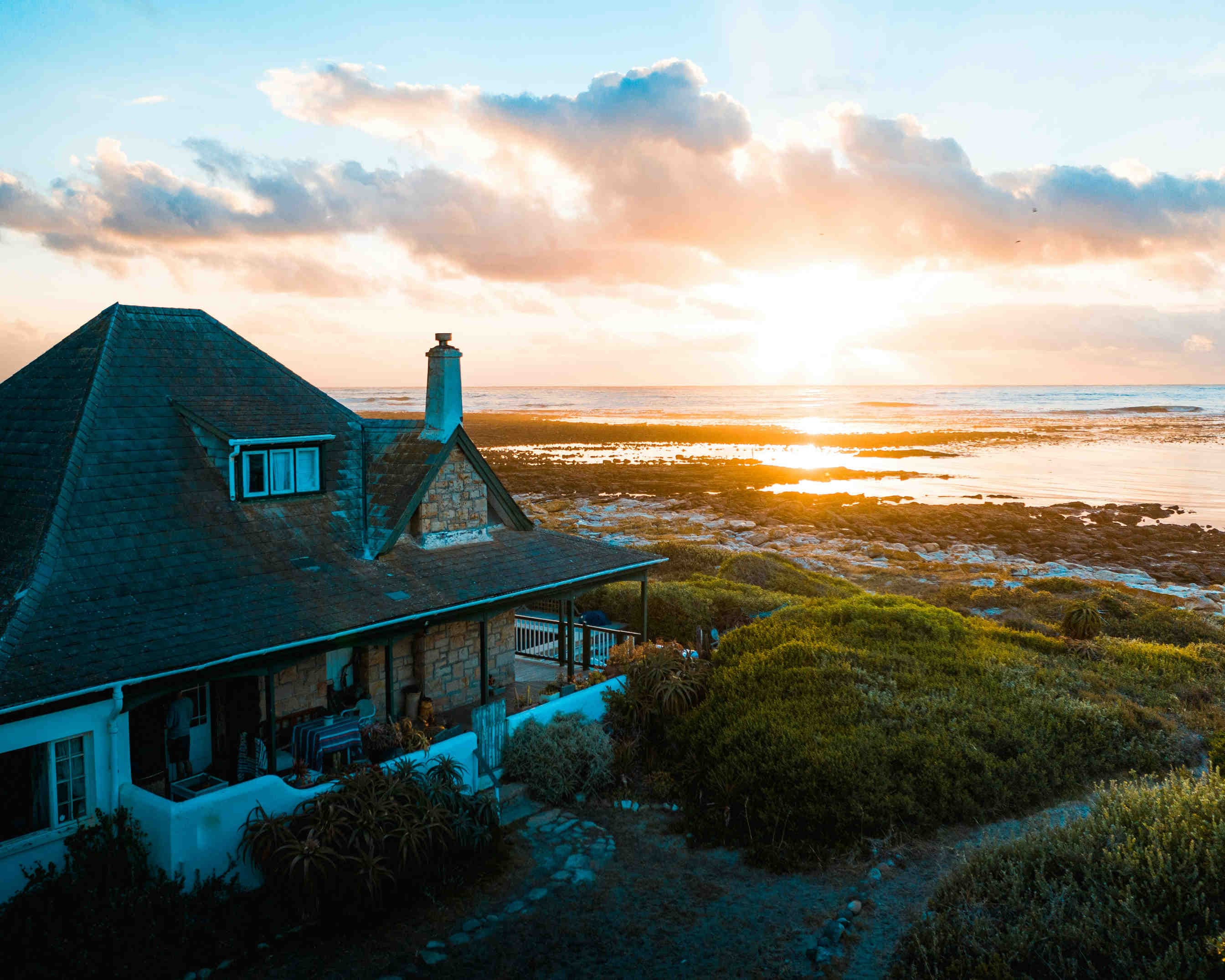
    A recent study examined house prices in the US in combination with sea level rise predictions provided by NOAA, the US oceanographic agency. They found that homes at risk of flooding from sea level rise sell for 7% less than those equidistant from the sea but not at risk of flooding. This might seem an obvious fact, but to fully understand the cause, researchers surveyed home buyers in these areas. It turned out that the reputation of a flood-prone area influences buyers' decisions, making them reluctant to pay full price. In fact, they often face additional expenses for more expensive insurance.
    Inondazioni
    3Bee

    La green gentrification

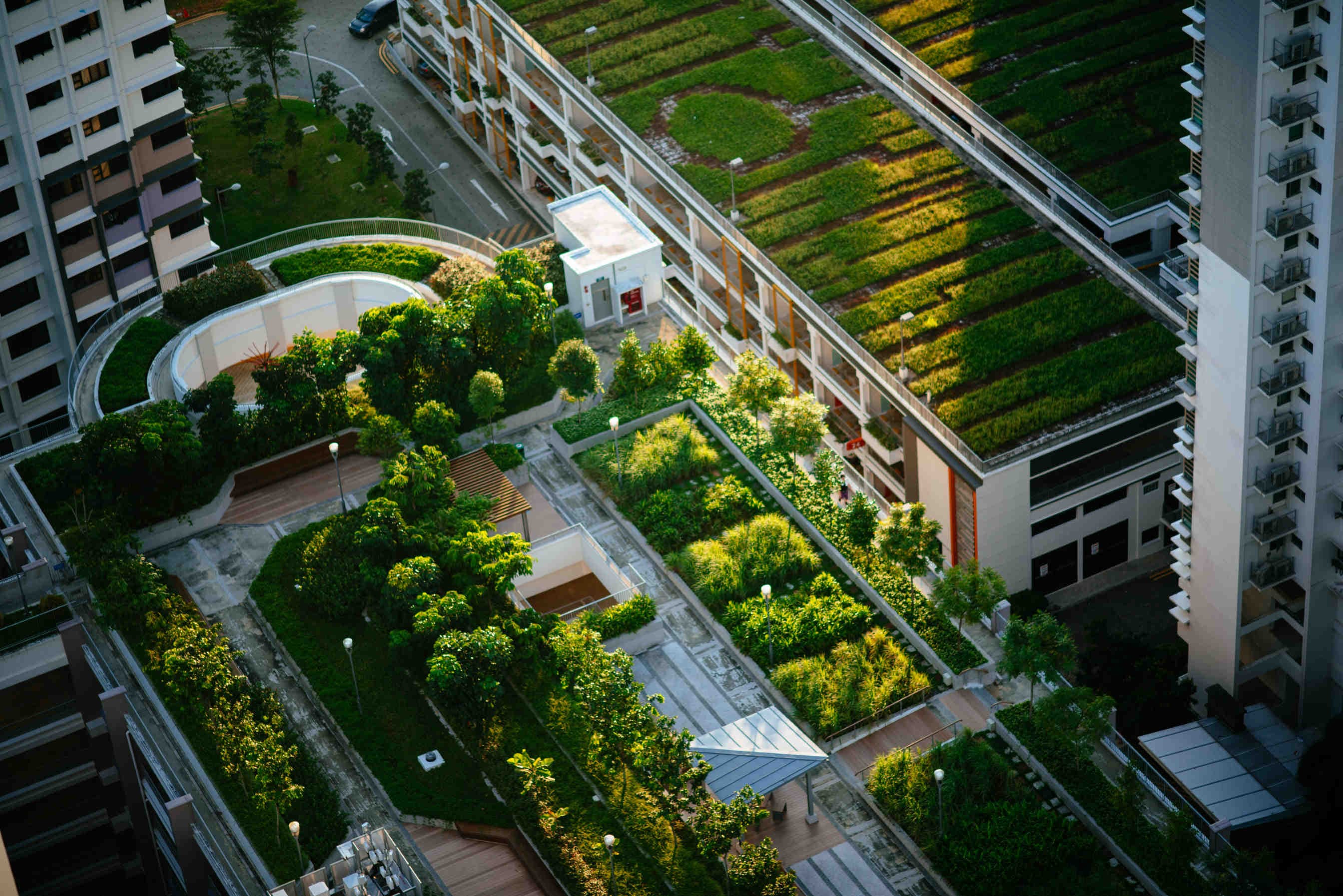
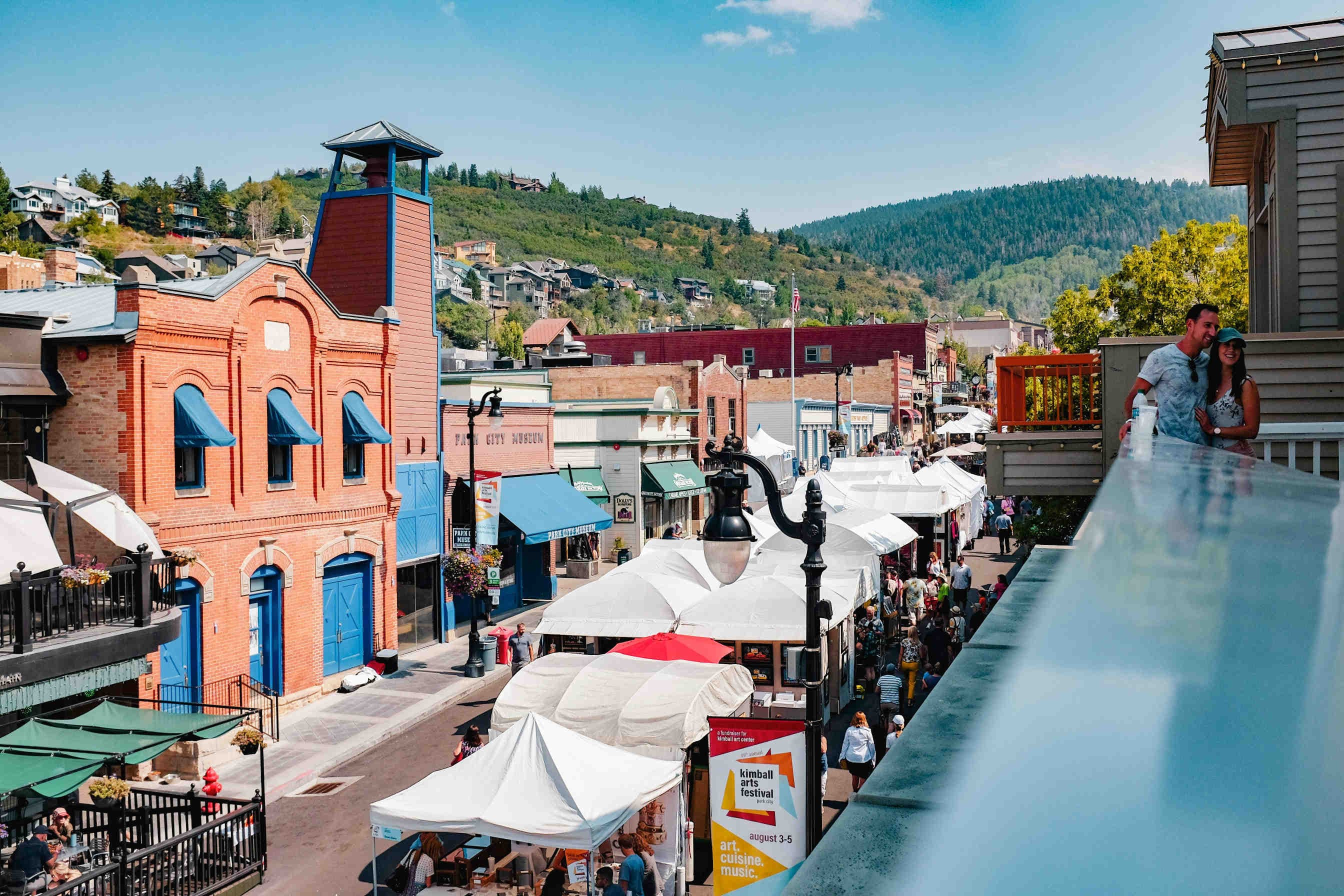
    In recent decades, Boston has invested in the creation of parks and green spaces, including the working-class neighbourhood of East Boston. However, such initiatives have accentuated gentrification, with the construction of luxury buildings, making housing unaffordable for current residents. Isabelle Anguelovski, of the Barcelona Laboratory for Urban Environmental Justice and Sustainability, calls this phenomenon "green gentrification". These projects, although beneficial for the environment and health, increase the value of properties, excluding the most vulnerable. Climate adaptation interventions can also fuel this trend, attract investors and push out less affluent residents. However, Anguelovski points out that this is not an automatic consequence, citing examples of urban policies that protect vulnerable communities. He proposes solutions such as tax reductions in developing neighbourhoods or the construction of social housing.
    Spazi verdi

    The importance of local policies

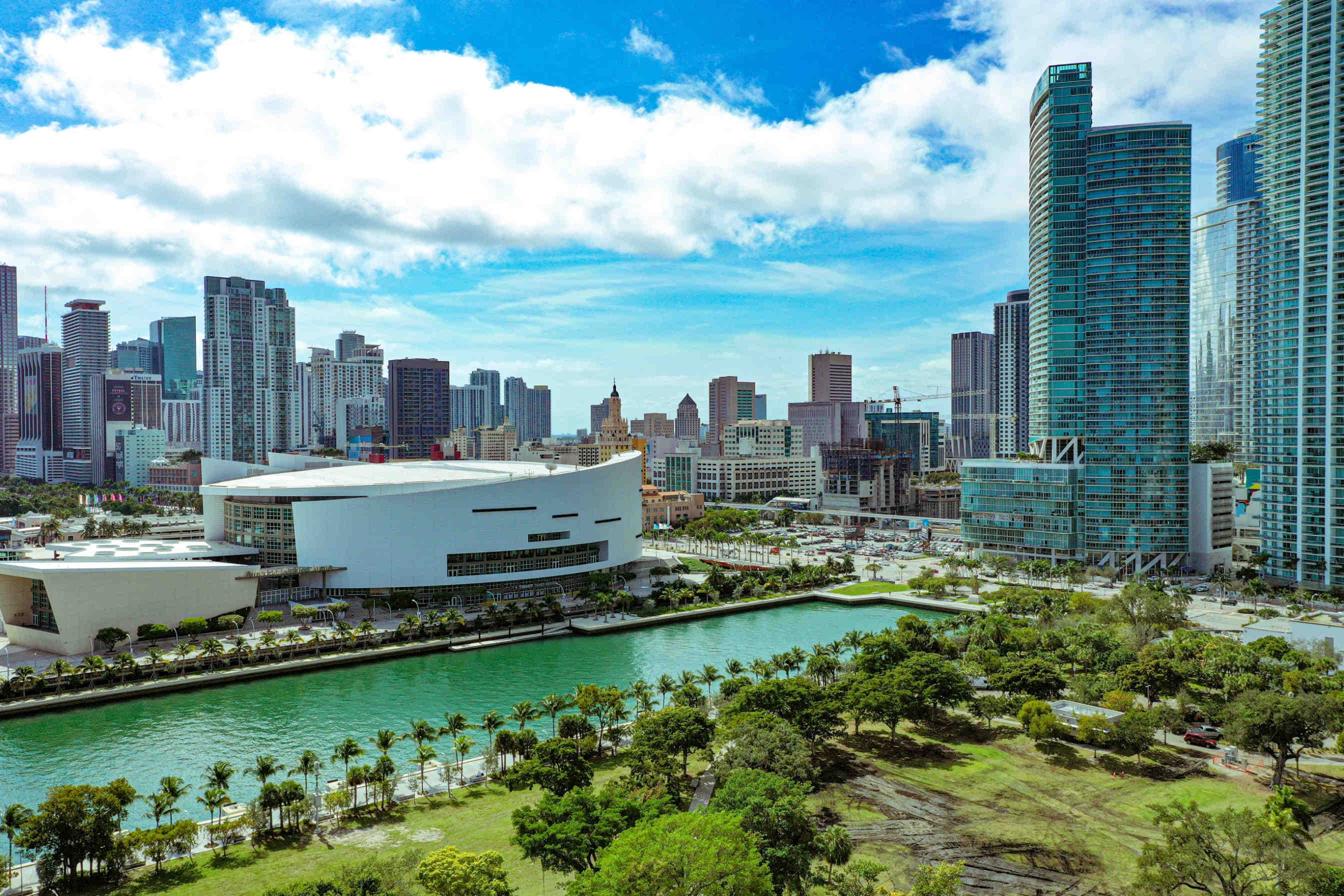
    Climate gentrification may seem inevitable, with the climate change and factors affecting property prices. This form of climate injustice could be blocked or mitigated by local government policies. For example, improving public infrastructure makes a city more resilient to extreme weather events. In the US, Florida introduced a building code in 2002 that requires buildings to withstand winds of 180 kilometres per hour. Other strategies include improving asphalt drainage, as in sponge cities, and increasing the distance between homes and easily flammable areas to limit the spread of fires. These policies can help mitigate the negative effects of climatic gentrification and promote community resilience.
    politiche locali

    The positive example of Miami

    As one of the cities facing the repercussions of climate change more urgently than others, Miami has taken the first steps to make neighbourhoods vulnerable to natural disasters safe. The city recently agreed to use revenue from the Miami Forever Bond to support flood-proof infrastructure, such as water pumping stations and better drainage systems, and to make homes more resilient. Local politicians are working to ensure that these funds go to both affluent and low-income neighbourhoods; otherwise, there is a risk of exacerbating the climate gentrification that already exists, making some neighbourhoods more desirable and accessible only to the wealthier segments of the population. The city has also commissioned research to quantify the effects of climatic gentrification on its neighbourhoods so that further evidence-based policies can be implemented.
    Miami
    09/06/2024Of 3Bee, Sara Moraca
    402 Views
    Newsletter
    newsletter
    Subscribe to the Blog about bees and biodiversity

    Frequently Asked Questions

    Do you have any doubts or other curiosities about this article? Here you will find some insights