Citizen Science: what it is and how it works
    Citizen ScienceHistoryInvolvementEurope

    Citizen Science: what it is and how it works

    Citizen Science offers citizens the opportunity to contribute directly to scientific research. But what are its origins? What are the main areas in which it is applied? Find out in this article.

    Read the article
    26/06/2024Of 3Bee, Lisa Santillo
    323 Views
    26/06/2024Of 3Bee, Lisa Santillo
    323 Views

    Citizen Science: science within everyone's reach
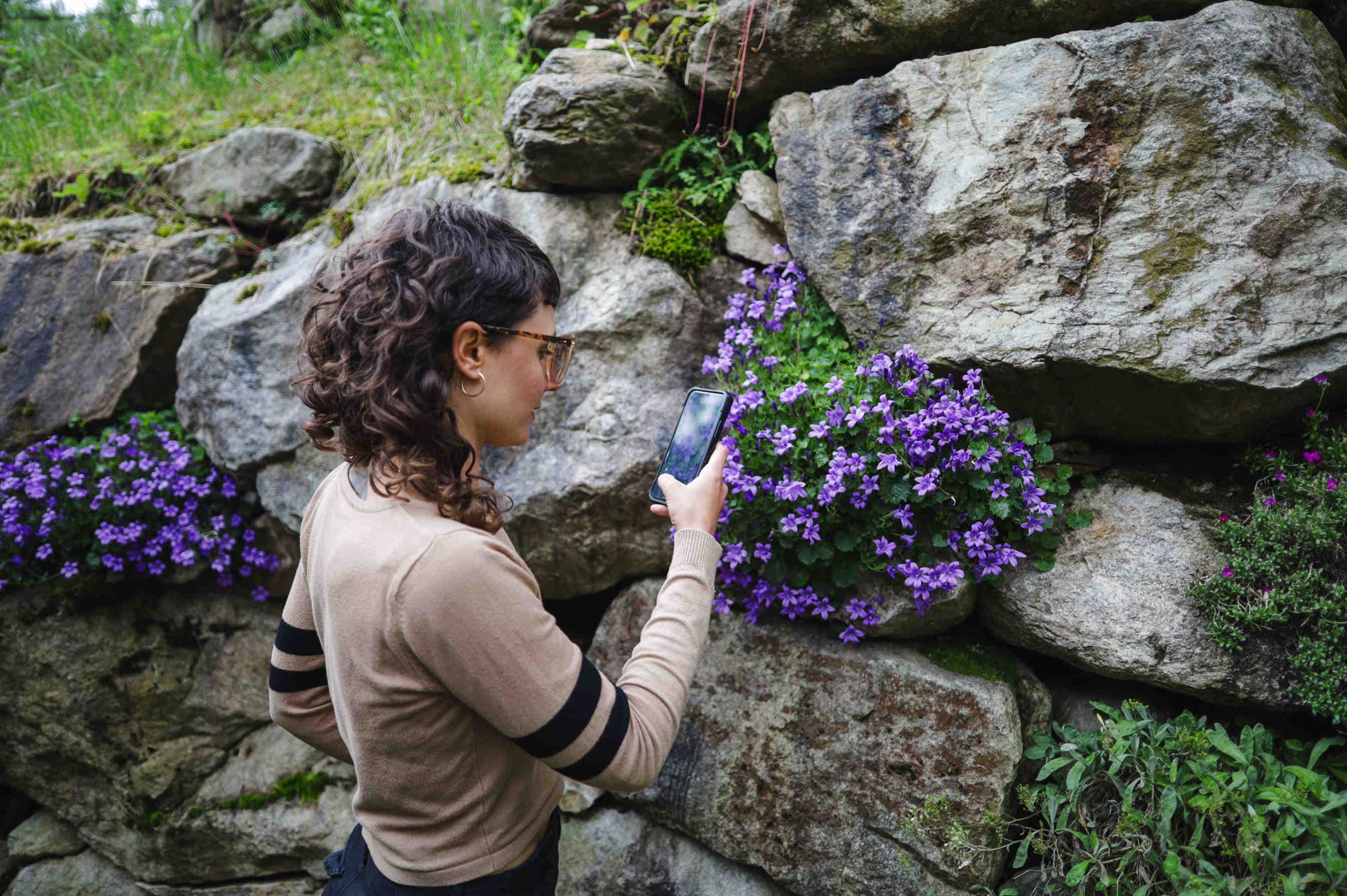
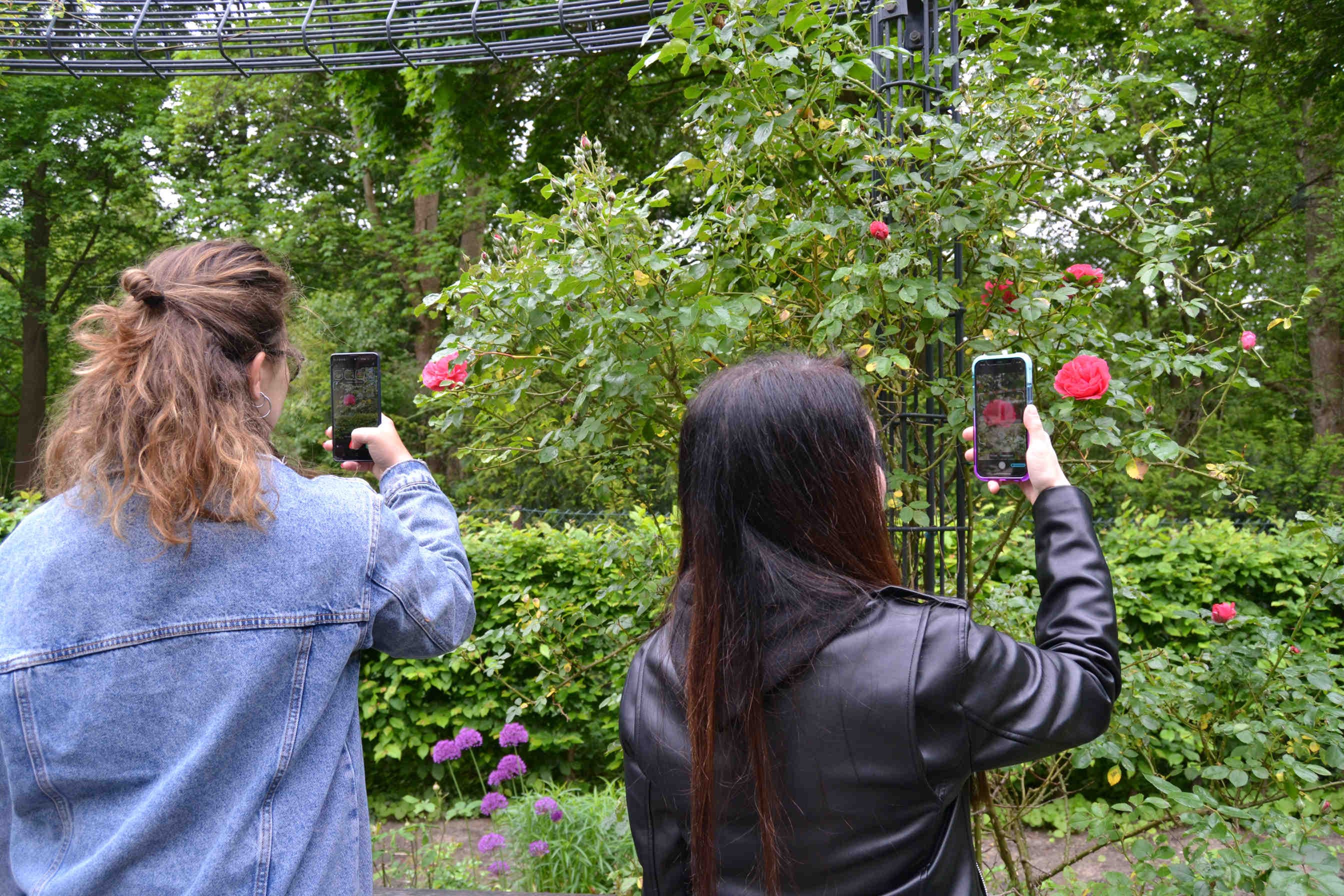
    Citizen Science, or participatory science, represents a unique opportunity to involve the general public in scientific research. As per the definition of the CNR in fact, "Citizen Science is science that is realised with the contribution of the citizen". We therefore refer to the active contribution of individuals not specialised in science, in research activities and projects. In order to speak of Citizen Science, however, certain prerequisites must be in place: participation must be voluntary, the scientific project must be defined, the data must be accurate, and there must be adherence to standards of description and preservation to ensure that the information is reused by other citizens and other scientists. Citizen Science is thus a way to include stakeholders, such as citizens and businesses, and raise awareness of the importance of nature conservation.

    scienza partecipata

    The historical roots of Citizen Science

    Citizen Science has deep roots dating back to 1900, when in the United States the National Audubon Society launched a campaign to census bird populations. From 14 December to 5 January each year, groups of passionate ornithologists, led by experts, would gather to observe and classify different species of birds. This event, known as the Christmas Bird Count, is still very popular among birdwatchers. In 1989, the concept of Citizen Science was formalised in the MIT Technology Review thanks to the Audubon Society. The organisation recruited 225 volunteers to monitor acid rain levels, collecting rain samples from different parts of the country and then analysing them and publishing the results. With the advent of the Internet and digital technologies, Citizen Science has seen rapid expansion, making scientific participation accessible to all and contributing significantly to the collection of data for research.

    ricerca
    XNatura

    Levels of involvement in Citizen Science

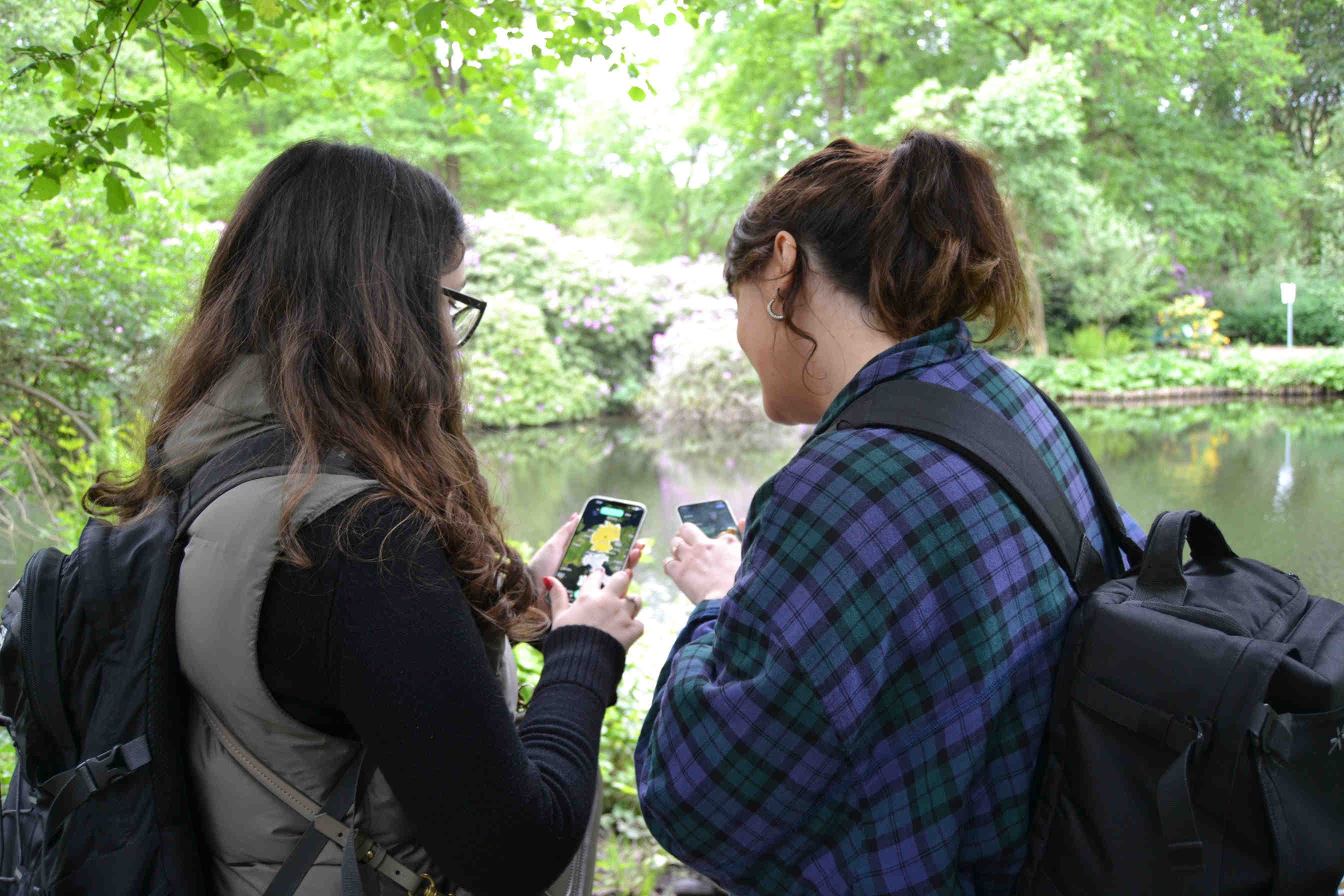
    According to Muki Haklay, Citizen Science consists of four levels of participation. The first is Crowdsourcing, in which citizens act as sensors, sending data via apps or offering the computing power of their computers to analyse data. In this, participation does not involve the exploitation of cognitive capacities. The second level is Distributed Intelligence: participants receive basic training to collect data or interpret simple information, then their cognitive capacity is enabled. The third level is Participatory Science, in which citizens and scientists collaborate in defining problems and methods of data collection and analysis. Finally, we find the Extreme Citizen Science, where the problem definition is established by the participants in consultation with scientists by devising a data collection method and requesting expert assistance in analysing and interpreting the results.
    coinvolgimento citizen science

    La Citizen Science in Europa

    According to a 2017 study, Citizen Science in Europe is mainly concentrated in specific subject areas. Humanities and social sciences account for 11% of projects, while life sciences dominate with 75.7%. Natural sciences account for 7.5%, while engineering disciplines account for 5.8%. These projects often require the active participation of citizens for observation and data collection in the field, in line with the levels of involvement described by Muki Haklay. To facilitate this participation, many initiatives use mobile devices and dedicated apps, which not only allow for specific activities, but also for the creation of customised user profiles. This fosters interaction with professional scientists and other citizen scientists, creating a collaborative network that helps to improve the collection and analysis of scientific data.

    osservazione
    XNatura

    Biodiverse: the 3Bee citizen science game app

    In the context of Citizen Science is Biodiversa, the free game app by 3Bee for biodiversity monitoring and ecosystem protection that allows users to easily 'collect' and identify plants and flowers encountered during an outdoor walk. This ambitious citizen science project aims to create a cooperative archive dedicated to flora (and in a second phase fauna) in Europe, involving player users with challenges to catalogue species, some of them rare or endangered. Available for iOS and Android, Biodiversa has a dynamic similar to that of some well-known free-to-play video games that encourage moving and travelling in the real world to 'collect' characters. In fact, the app made by 3Bee offers a gaming experience in which plants are all to be 'collected' and identified in order to collect experience points, level up and climb the leaderboard.

    Biodiverse: the 3Bee citizen science game app
    3Bee
    26/06/2024Of 3Bee, Lisa Santillo
    323 Views
    Newsletter
    newsletter
    Subscribe to the Blog about bees and biodiversity

    Frequently Asked Questions

    Do you have any doubts or other curiosities about this article? Here you will find some insights