The Bee Castes: The Fuco
    TheUovaFeaturesRole

    The Bee Castes: The Fuco

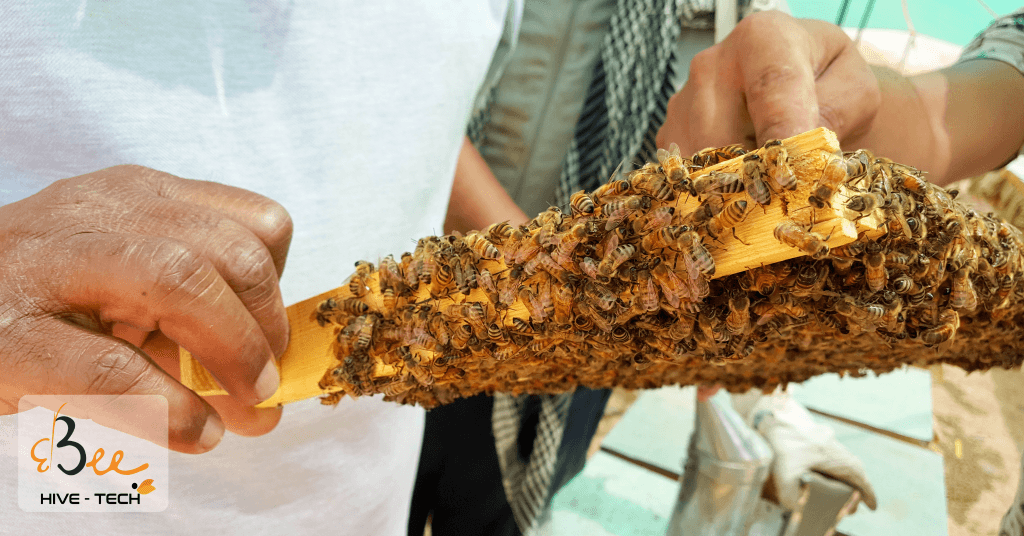
    Having spoken of the queen bee, let us continue our journey inside the hive by getting to know more closely another of its tenants, often forgotten by most because of its extraneousness to the process of honey production and hive management. We are talking about the kelp, the male bee.

    Read the article
    07/12/2018Of 3Bee, Elena Fraccaro
    2079 Views
    07/12/2018Of 3Bee, Elena Fraccaro
    2079 Views

    Drum cells and longer development

    In one year, between 2,000 and 6,000 drones are bred in a medium-sized colony. The egg from which the drone will later be hatched is laid in a somewhat peculiar cell, similar to the worker cell, but larger in size and generally located towards the edges of the combs. Another characteristic feature that makes it possible to distinguish kelp cells at a glance is that they are convex, i.e. they are rounded outwards. It is not only the drone cells that are larger than the corresponding worker cells! The drones themselves are also much larger than their mates and have a longer development time. From the laying of the egg to the unfurling of the drones, as many as 24 days pass.
    Drum cells and longer development

    Arrenotocous parthenogenesis

    Drones are born from unfertilised eggs laid by the queen in the appropriate cells (arrenotocous parthenogenesis). However, it can also happen to find drones in worker cells. How does this happen? It happens in two particular cases that beekeepers tend to avoid because they mean that the survival of the hive is jeopardised. We are talking about the presence of a queen beekeeper or worker beekeepers. Let us proceed in order. A fluke queen is a queen who has used up all the sperm collected in her spermatheca. This means that she is no longer able to lay fertilised eggs from which workers (or queens) can be born and thus allow the colony to grow and survive. This is a borderline case because the beekeeper tends to replace the queen before she becomes a worker. The presence of ovigerous workers, on the other hand, is a far worse sign. We know that the workers are sterile and therefore cannot lay fertilised eggs.

    Arrenotocous parthenogenesis
    XNatura

    Characteristic traits

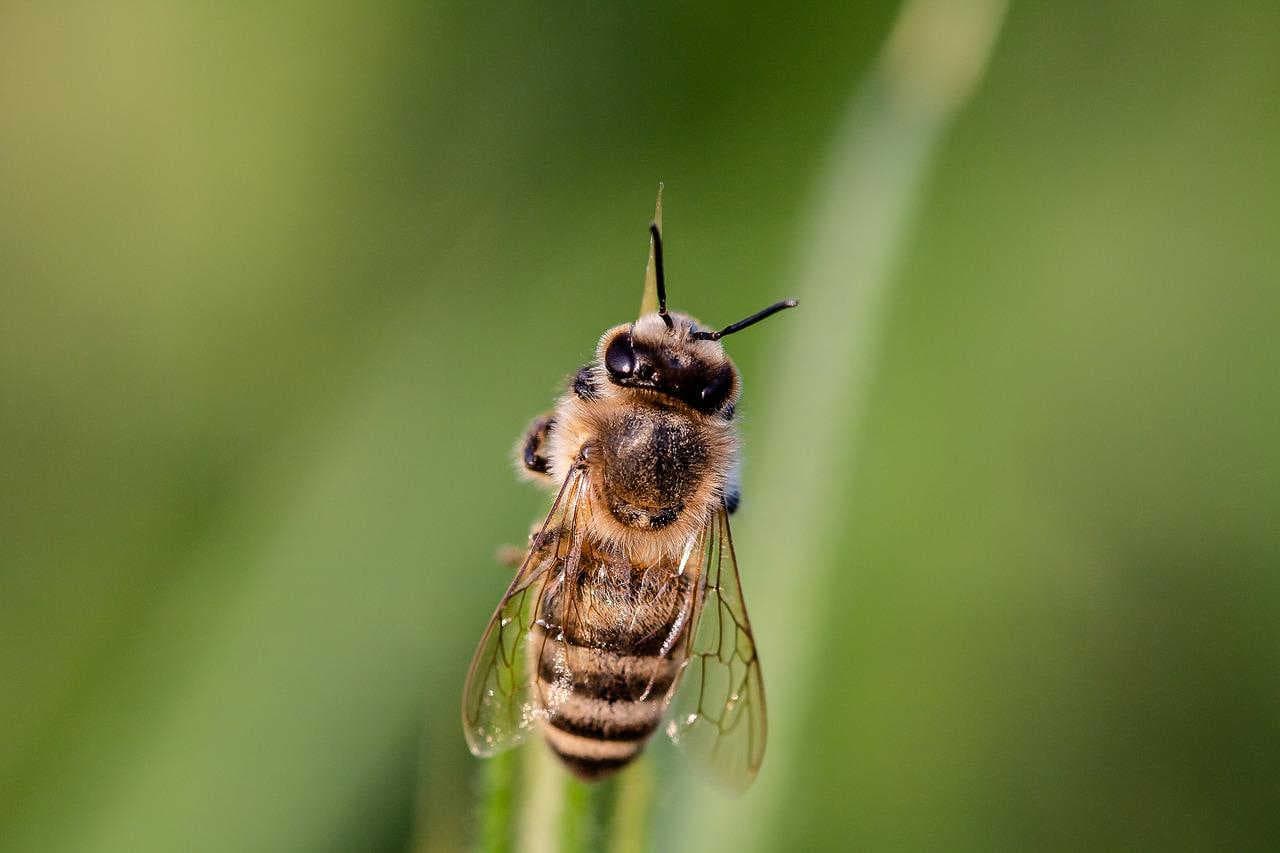
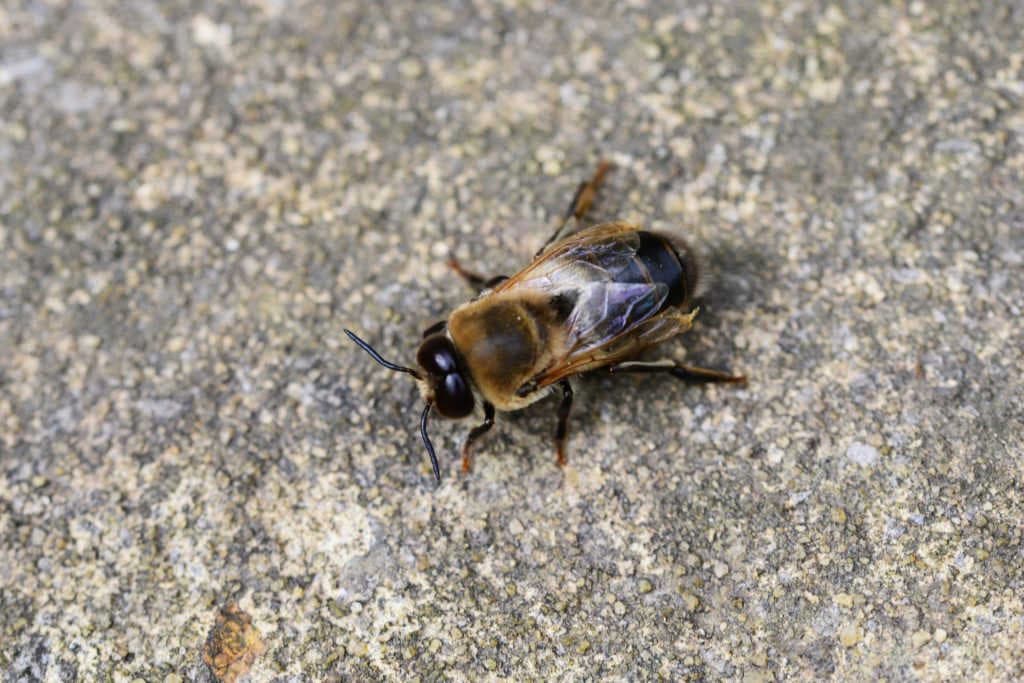
    We have said that the kelp is slightly larger than the worker, but smaller than the queen. There are, however, other distinguishing marks. They have a much stockier body, defined by many as rectangular. They have large eyes placed on their foreheads and are almost attached to each other. Interestingly, drones have many more visual receptors than their mates. They have as many as 8000 and they are used to locate the queen during the mating phase. Their ligule is very short, a feature that prevents them from collecting nectar. Because of this conformation, they are often even fed by the workers, even though they can directly suck honey from the combs. Another very interesting aspect is that the kelp is totally less than stinging and is therefore completely harmless.
    Characteristic traits

    A 'fertilisation machine'

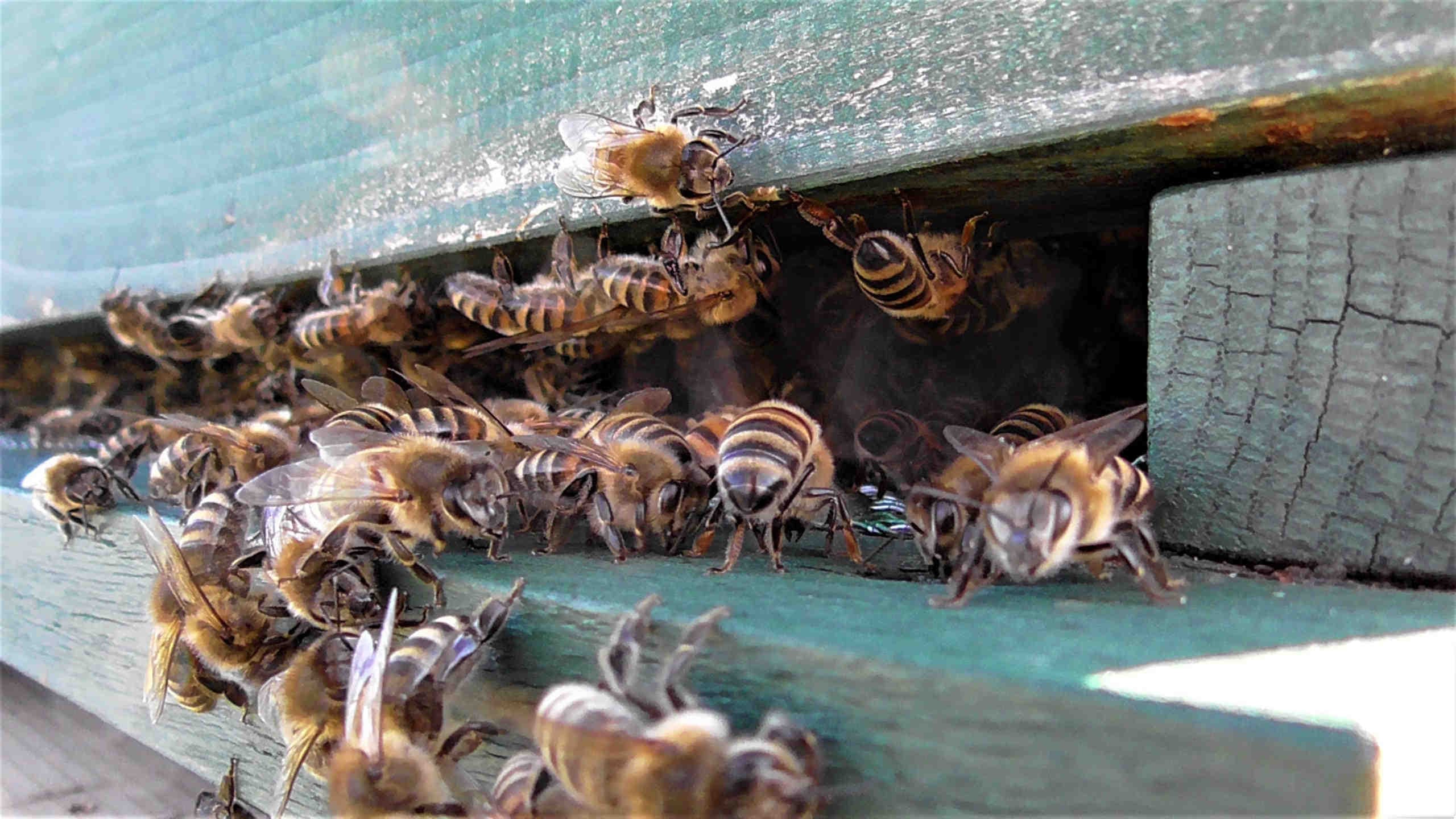
    The times of year when drones can be found within the hive is a clear indication of the role they play within this super-organism. The main task of the drones is to enable the fertilisation of virgin queens, allowing colonies to grow and develop. Drones are already able to mate after 12-20 days of their birth, although sexual maturity is only reached between the 30th and 40th day of life. Generally speaking, drones live an average of 50 days. Of all the drones in a hive, it has been found that only 50% are able to mate.
    A 'fertilisation machine'
    XNatura

    Meeting and mating places

    The mating between kelp and queen bee is very special, starting with the place where it takes place. In fact, it takes place outside the hive, in a well-defined place called the 'meeting place'. There the drones gather at certain times of the year and even travelling several kilometres from their starting hive. These places can also be very extensive. What is curious is that these places are always the same, every year, but it is not yet clear on the basis of what criteria the bees choose them. What is known, however, is that the drones begin to gather from April-May until September, the last useful period in which an attempt can be made to replace the queens naturally. Once the queens have arrived, some of the drones begin flying around them, then mating in flight. Once the act is performed, the drones unfortunately die, as they are literally eviscerated by the queen who collects the sperm in her spermatheca.

    Meeting and mating places
    3Bee

    Other drones' tasks

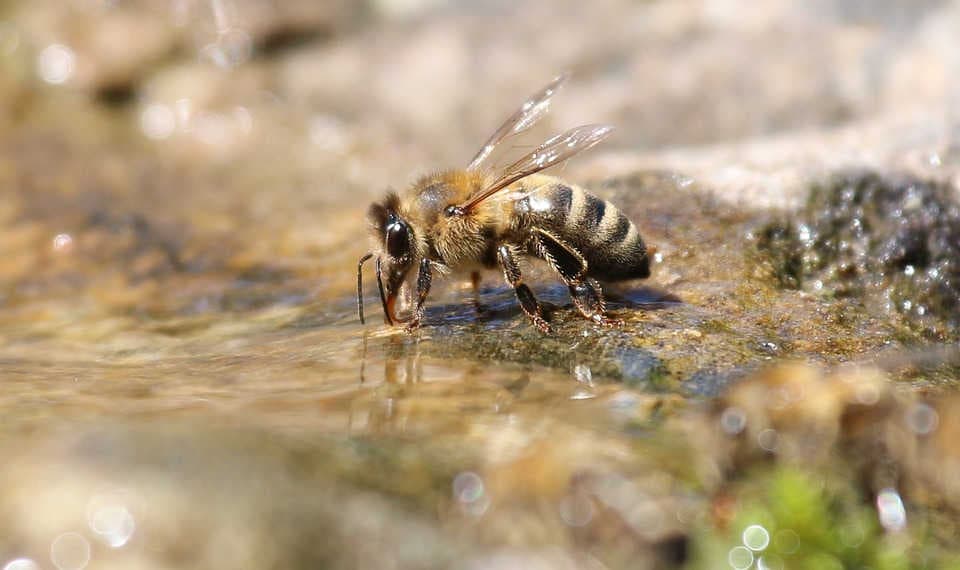
    For a long time, it was thought that the kelp's only task was to allow the queen to fertilise. However, they also seem to help keep the brood warm, as well as actively participating in trophallaxis, i.e. the circulation within the colony of food and with it the queen's pheromones. The fate of the drones, however, is not the best. If they are not killed by the act of mating, towards the end of the summer season and the beginning of the autumn the female workers remove the drones from the hive and, in some cases, kill them themselves. The reason for this behaviour is always to be found in the logic behind the concept of the hive as a super-organism. The drones need a lot of nourishment to survive and in the winter they are seen as a burden to the colony, which instead has to keep alive the workers that will allow the family to recover in the spring.
    Other drones' tasks

    Follow the world of bees more closely: adopt a 3B hive

    To follow the dynamics of the beehive up close is an incredible experience. Seeing a beehive grow and multiply is indescribable, but not everyone has the opportunity to experience it first hand. Not everyone can be a beekeeper. There is a way, however, to get closer to these very important insects and support the daily work of those who are beekeepers by trade. By adopting a hive monitored by a 3Bee device, not only can you receive the honey produced by your bees directly to your home, but every day you can check the development and growth of your family directly from your mobile phone by accessing our platform. Would you also like to have your own 3Bee hive?
    Follow the world of bees more closely: adopt a 3B hive
    07/12/2018Of 3Bee, Elena Fraccaro
    2079 Views
    Newsletter
    newsletter
    Subscribe to the Blog about bees and biodiversity