Canada’s wildfires emissions exceed fossil fuel nations
    WildfiresClimate changeBoreal forestsCarbon emission

    Canada’s wildfires emissions exceed fossil fuel nations

    Last year’s wildfires in Canada released more carbon than all but three countries globally, raising serious concerns about the future of Canada’s boreal forests and their role in climate change mitigation.

    Read the article
    29/08/2024Of 3Bee, Lisa Santillo
    263 Views
    29/08/2024Of 3Bee, Lisa Santillo
    263 Views

    Canada's wildfires: A massive carbon source

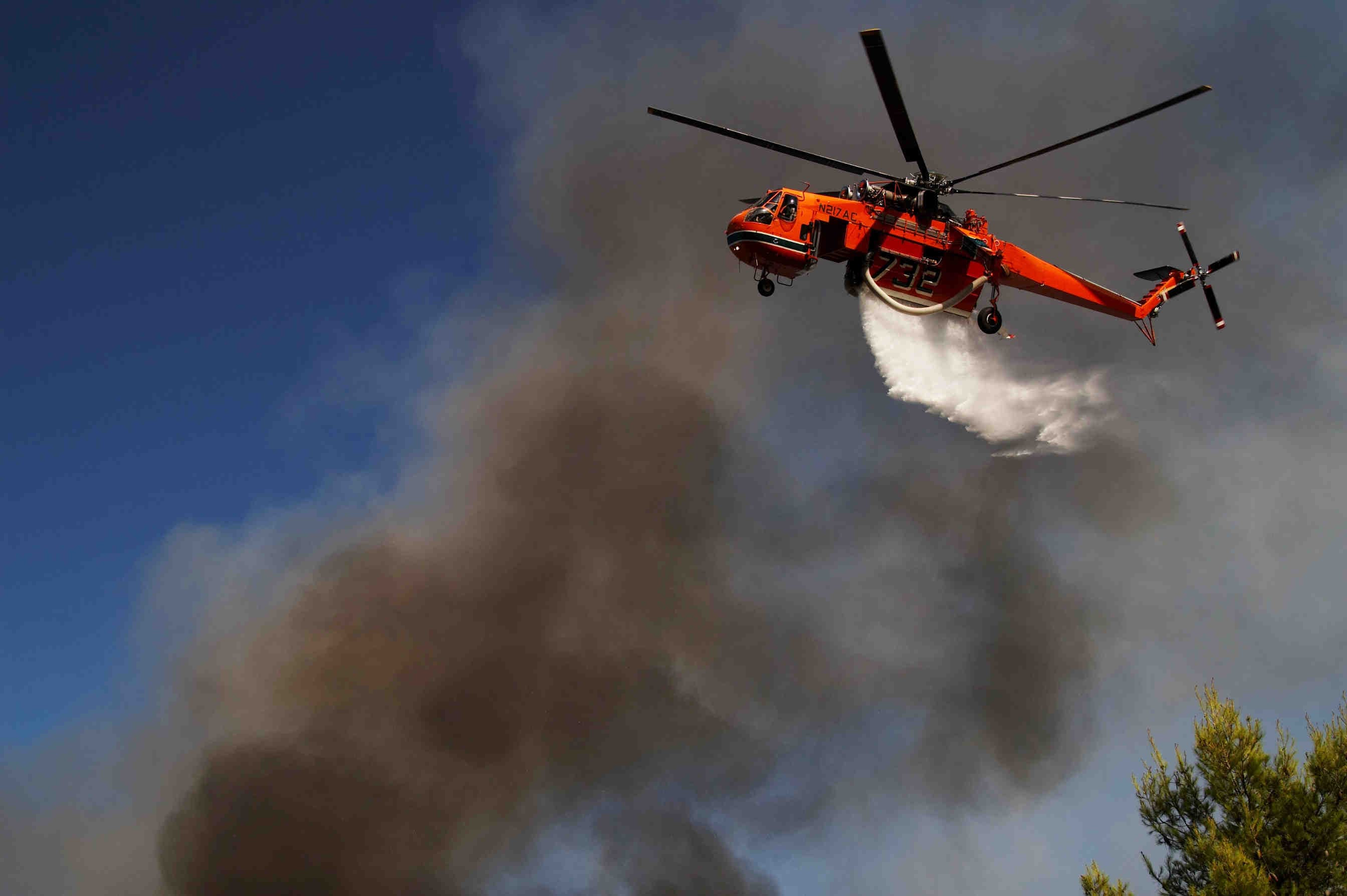
    The wildfires that ravaged Canada's boreal forests in 2023 generated an unprecedented 647 megatonnes of carbon emissions. According to a study published in Nature, these emissions surpassed those of seven out of the ten largest national emitters. Only China, the United States, and India released more carbon last year. As noted by Brendan Byrne, the lead author and atmospheric scientist at NASA, "The carbon emitted by fires in Canada was far outside the previous record" (Source: CBC). This dramatic spike in emissions highlights the growing impact of climate-induced wildfires, positioning Canada’s forests as a significant contributor to global carbon levels rather than the carbon sink they once were.
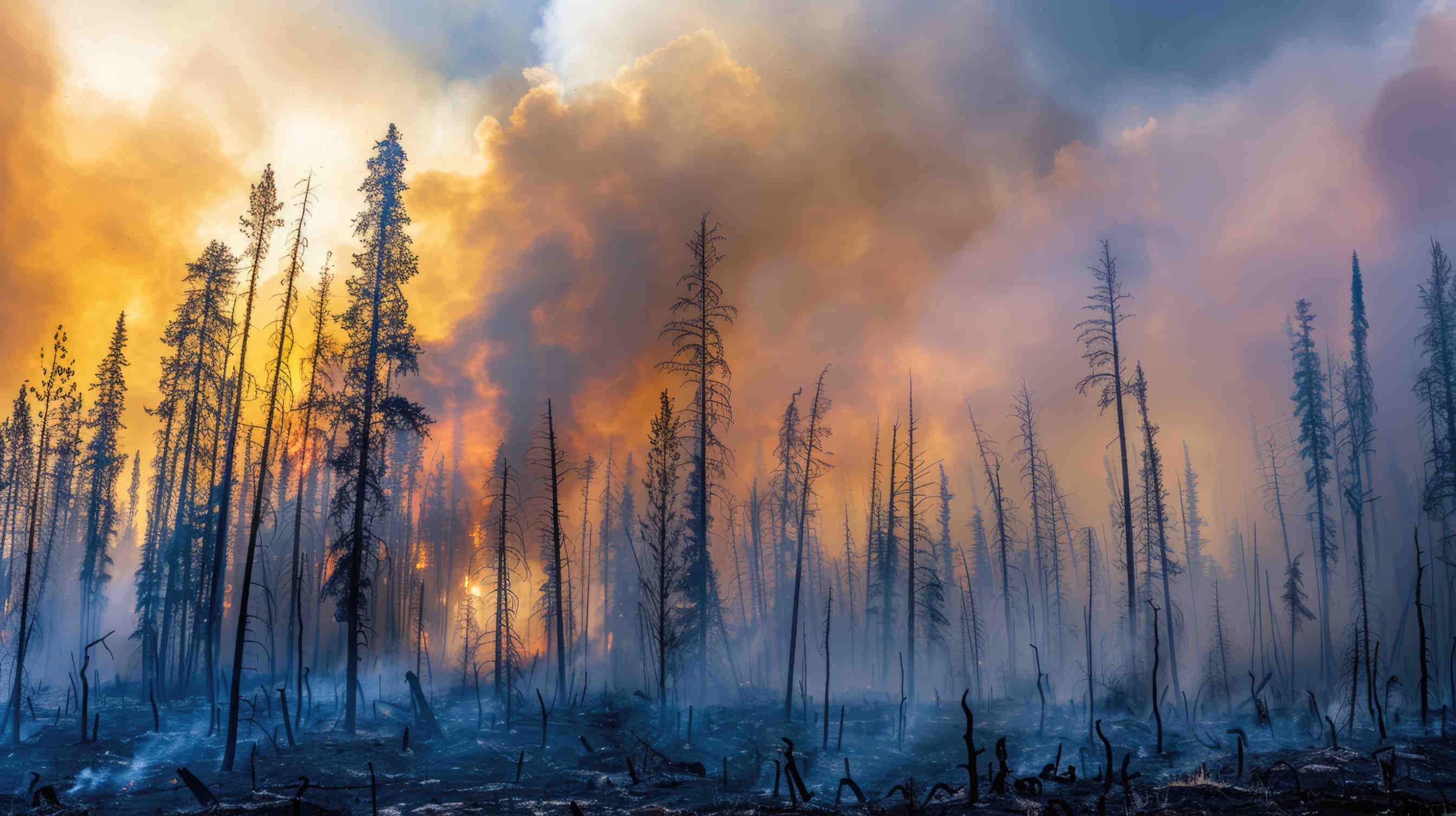
    wildfire landscape

    Climate change intensifying wildfire risks

    The study attributes the scale of the 2023 wildfires to widespread hot and dry weather, conditions that are becoming increasingly common due to climate change. These extreme temperatures and droughts, exacerbated by early snowmelts and prolonged dry spells, created a perfect storm for wildfires to spread uncontrollably across Canada. The fire weather index, which tracks conditions that make fires more likely, reached its highest level since records began in 1940, according to Piyush Jain, a research scientist with the Canadian Forest Service (Source: CBC). The findings suggest that such conditions could become the norm by the 2050s, posing a significant threat to the long-term viability of Canada’s boreal forest as a carbon sink.

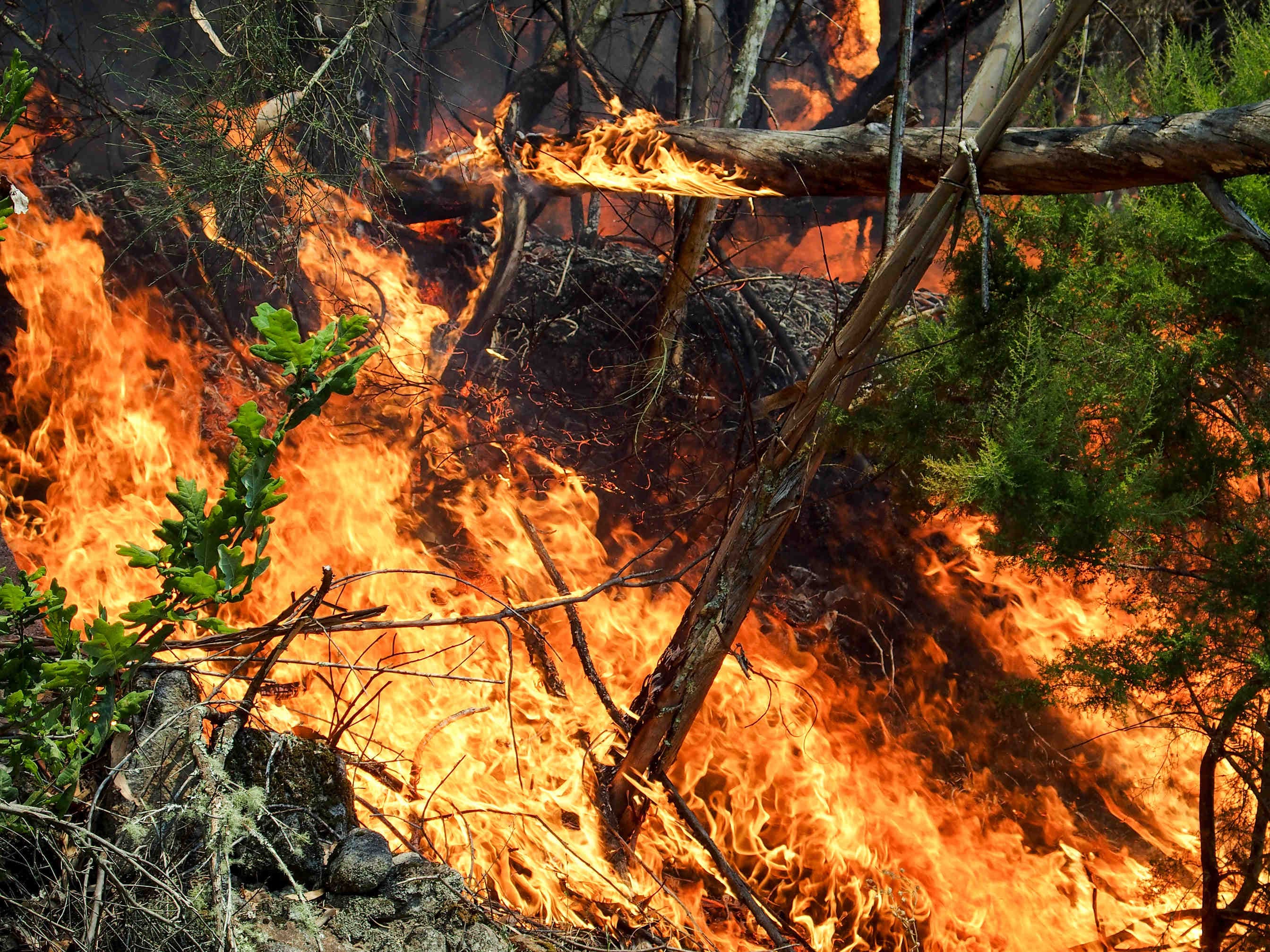
    forest fire
    XNatura

    Boreal forests: from carbon sink to carbon source

    Canada's boreal forests, historically known for absorbing more carbon than they release, are at a critical tipping point. As the frequency and intensity of wildfires increase, these forests risk transitioning from a carbon sink to a significant carbon source. The Nature study underscores the importance of reevaluating how we account for carbon emissions, particularly those from wildfires, in our climate targets. The current exclusion of wildfire emissions from official tallies, as countries aim to meet their Paris Agreement goals, overlooks the substantial carbon output from these natural disasters. This gap in accounting could undermine global efforts to limit temperature rises to 1.5°C above pre-industrial levels.

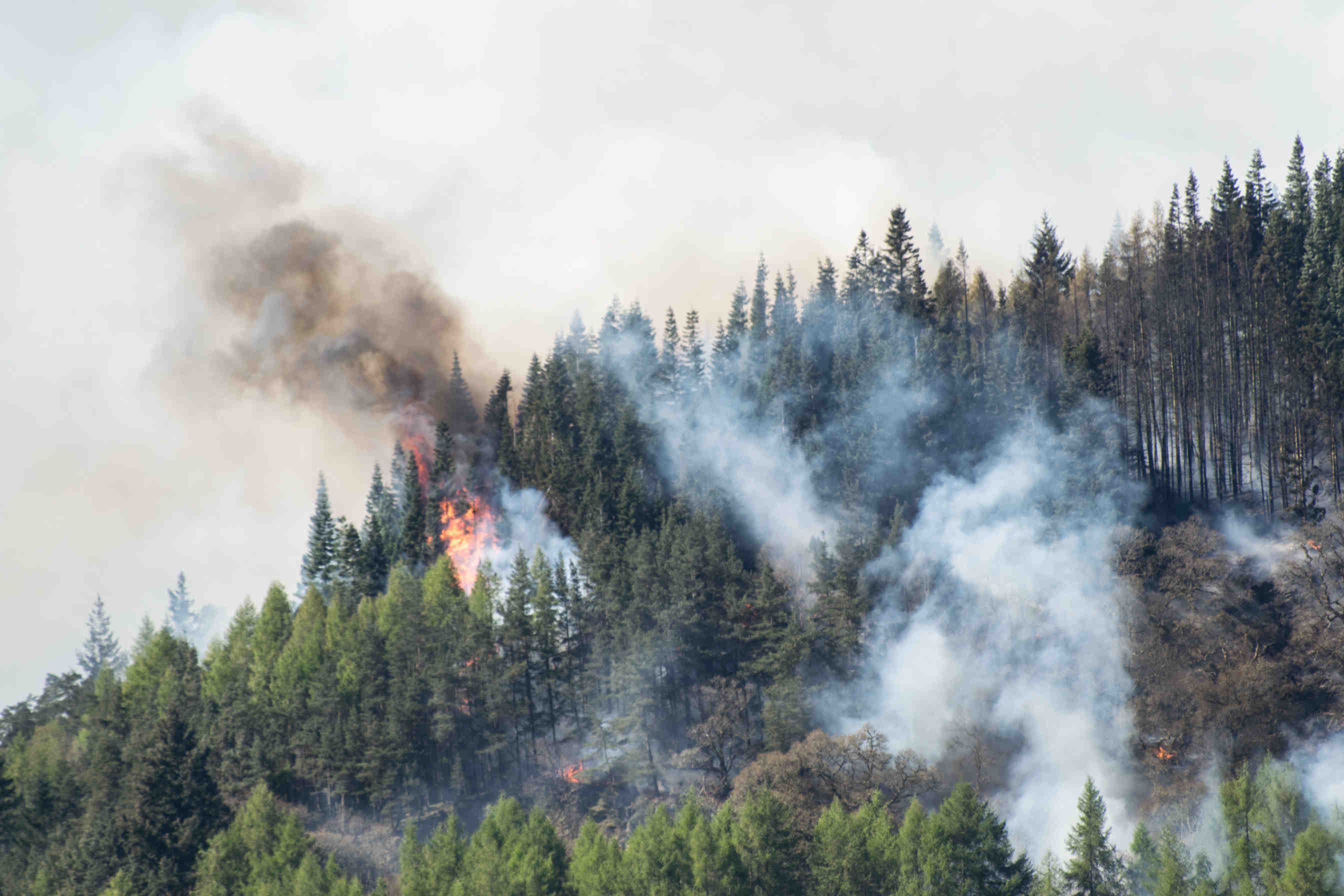
    burning forest

    Reconsidering carbon emissions accounting

    The omission of wildfire emissions in Canada’s official carbon accounting has sparked debate about the accuracy and effectiveness of current climate policies. As Byrne highlighted, adapting our carbon budgets to reflect the actual carbon balance, including the impacts of wildfires, is crucial for truly addressing climate change (Source: CBC). The methodology used by Canada, based on Intergovernmental Panel on Climate Change (IPCC) guidelines, currently excludes these emissions. However, the growing frequency and scale of such fires call for a reassessment of these practices to ensure they align with the realities of our changing climate.

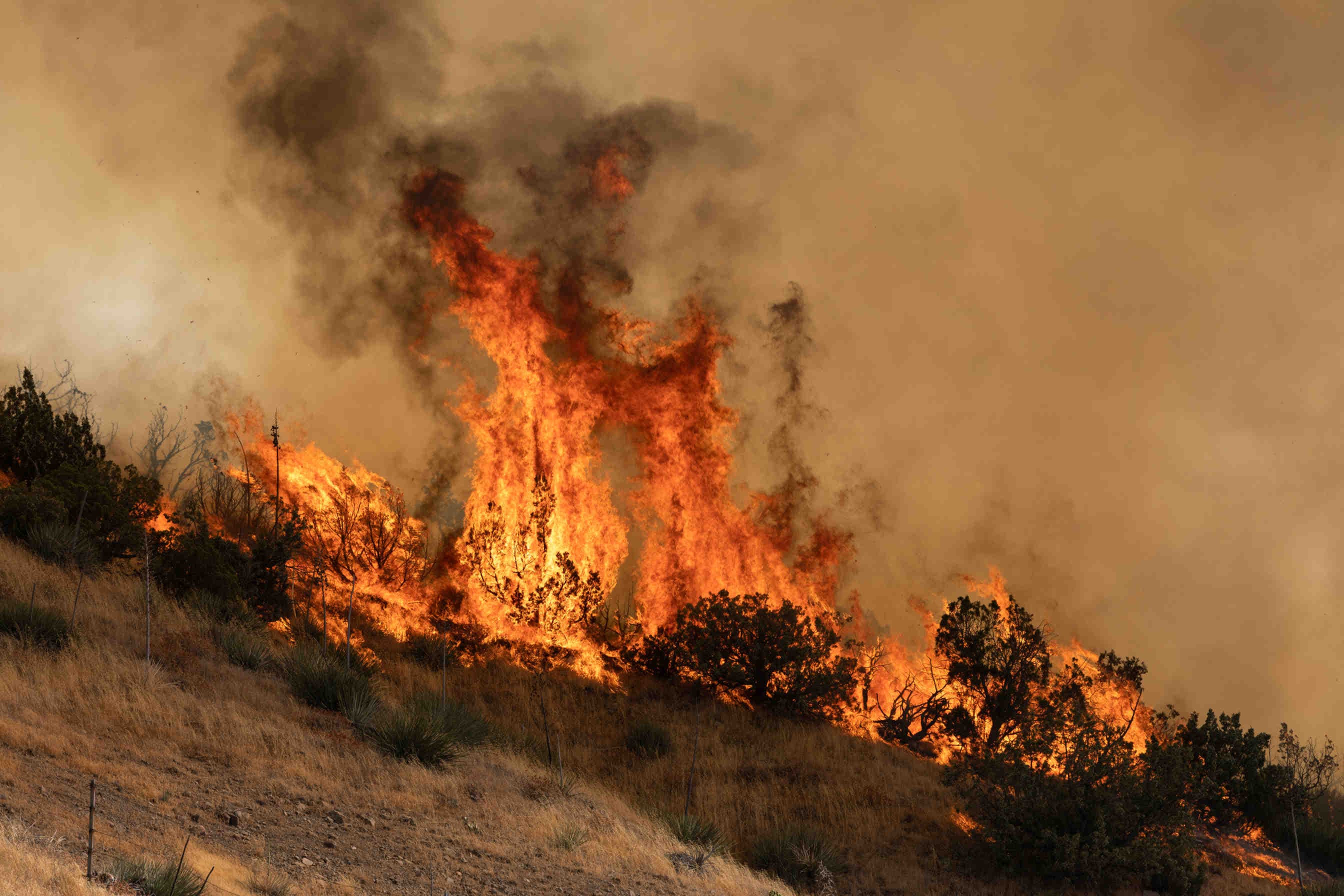
    fire
    XNatura

    Urgency in addressing future wildfire threats

    The unprecedented scale of Canada’s 2023 wildfire season serves as a stark warning of what could become a regular occurrence if global carbon emissions are not significantly reduced. A report from the U.K. suggests that without substantial emission cuts, extreme wildfire seasons like Canada’s could become six to eleven times more likely by 2100. This potential escalation underscores the urgency of global climate action and the need for comprehensive strategies to mitigate wildfire risks. As we move forward, it is clear that protecting our forests and accurately accounting for all sources of carbon emissions are vital components of any effective climate strategy.

    3Bee
    29/08/2024Of 3Bee, Lisa Santillo
    263 Views
    Newsletter
    newsletter
    Subscribe to the Blog about bees and biodiversity

    Frequently Asked Questions

    Do you have any doubts or other curiosities about this article? Here you will find some insights