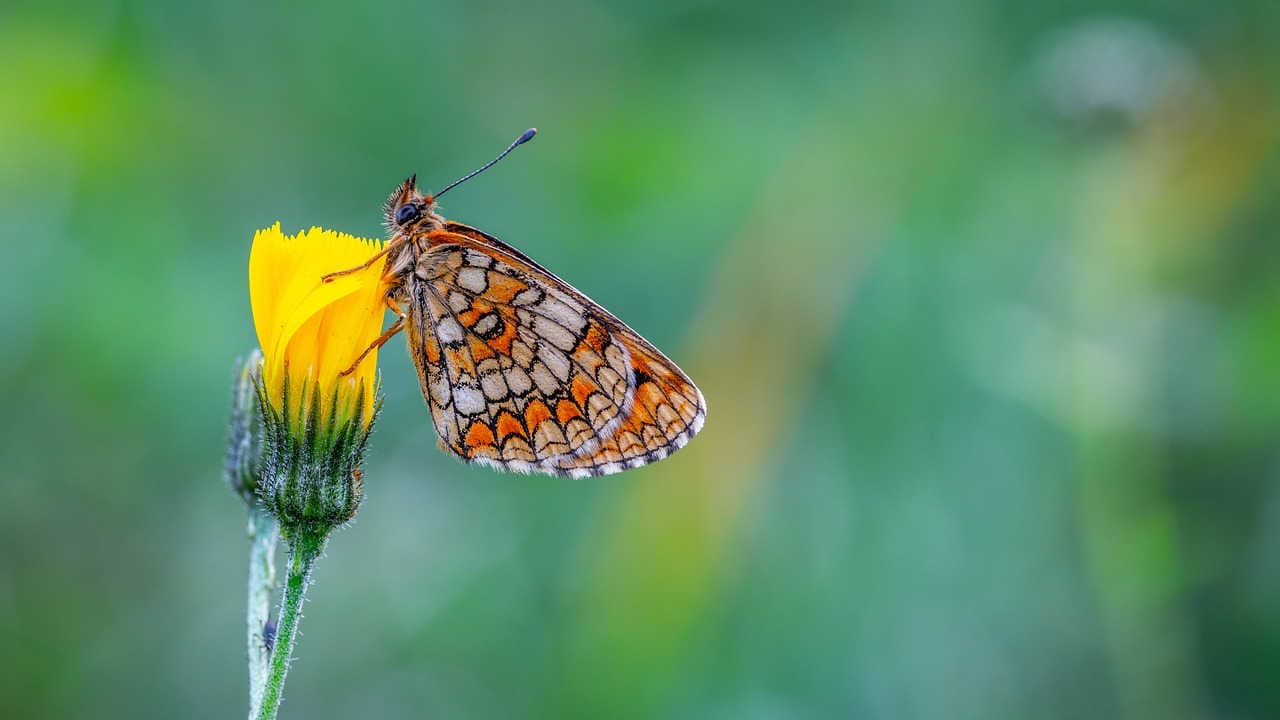
Butterflies at risk: a natural wealth to be protected
    LepidopteraEcological roleFarfalleThreats

    Butterflies at risk: a natural wealth to be protected

    Butterflies belong to the order Lepidoptera and, like hymenoptera and hoverflies, contribute to the pollination of plants. However, some particular species are rare and endangered. Find out what they are, where they live and what you can do to conserve them.

    Read the article
    22/05/2024Of 3Bee, Niccolò Patelli
    1125 Views
    22/05/2024Of 3Bee, Niccolò Patelli
    1125 Views

    What are Lepidoptera?

    Lepidoptera, commonly known as butterflies, are insects that are easily recognisable thanks to their very often large and colourful wings. Their life cycle is usually used to explain the development of holometabolous insects and comprises four stages: egg, larva (called caterpillar), pupa (also called chrysalis) and adult. Lepidoptera derives from the Greek and means 'wings covered with scales': it is these small scales that form the colourful or cryptic (i.e. camouflaged in the environment) patterns and motifs, although some lepidoptera possess partially scale-free wings. Butterflies and moths are very similar and differ roughly in the shape of their antennae and the position of their wings at rest.
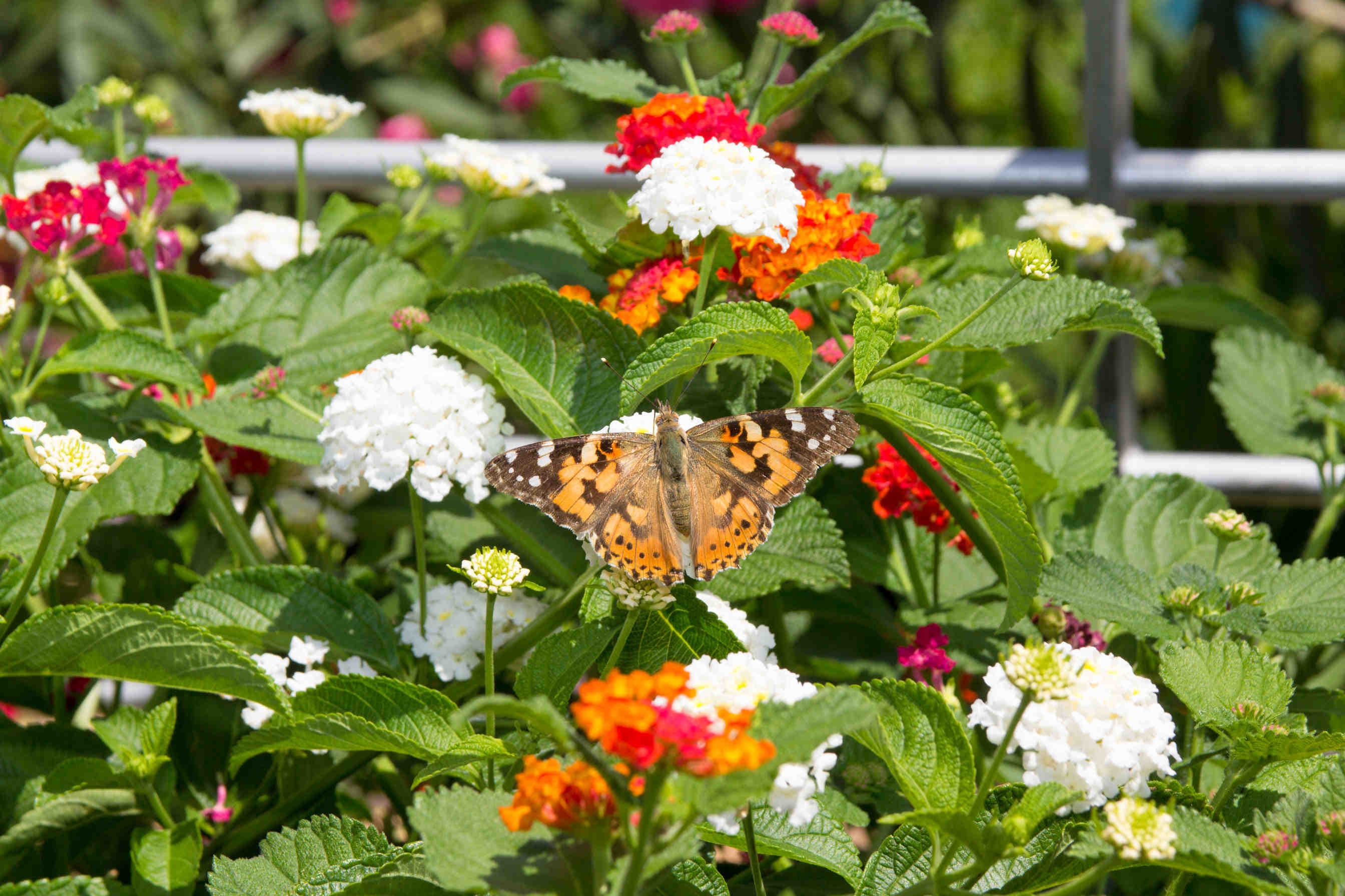
    farfalla

    The ecological role of butterflies

    They live in a wide range of habitats, both natural and human-influenced, and are found all over the world. There are species that also live in extreme environments, from desert to Arctic ice, but they are not found in Antarctica. They are adapted to many environments, and although some have special adaptations (there are also predatory caterpillars), butterflies are famous for their important role in the pollination of plants, second only to hymenoptera, apoids and dipterans sirphids.

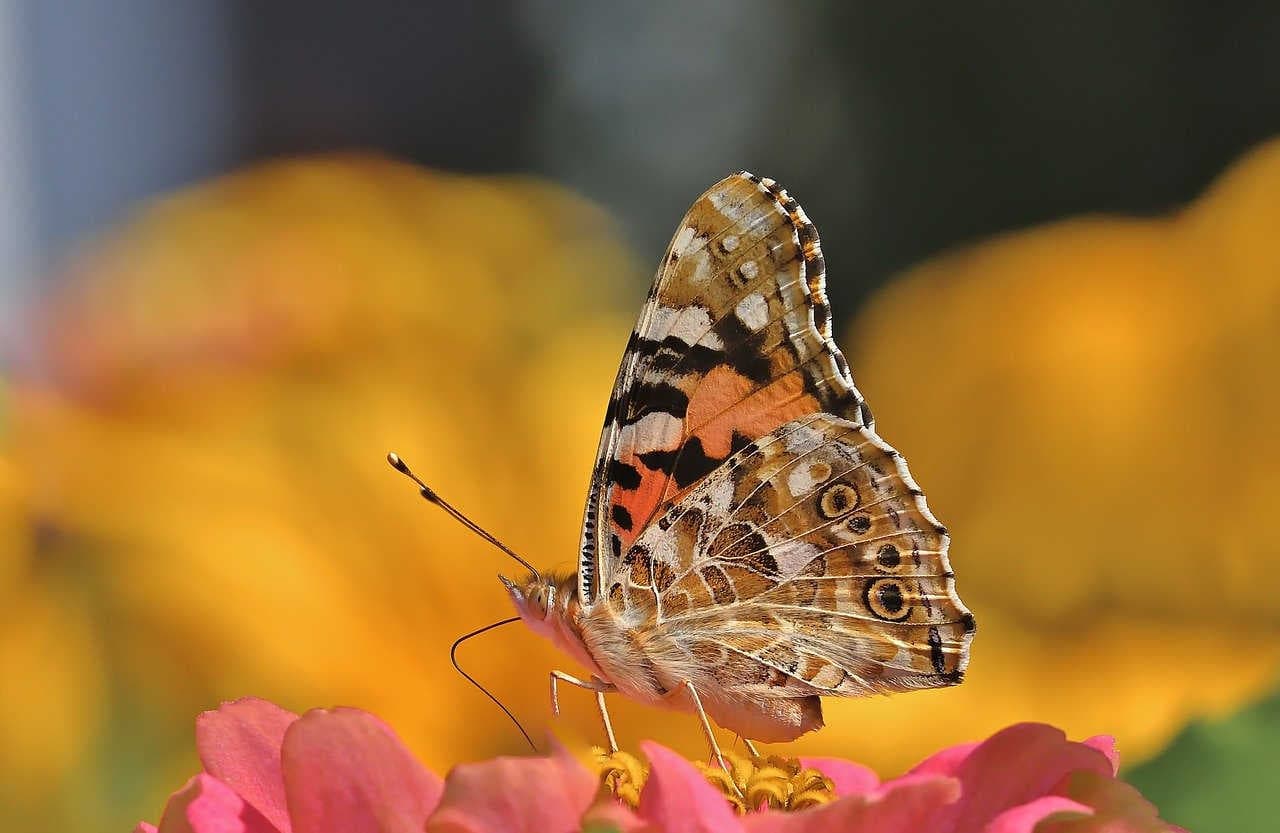
    Vanessa_cardui
    XNatura

    How are the butterflies in the world?

    As we have unfortunately covered before, all insects suffer from a global decline . As with the other insect orders, the more adaptable species suffer less than the more specialised ones and are more easily able to cope with environmental problems. Those that are rarer and more specialised, on the other hand, suffer more and are much more sensitive to changing conditions, and it is these species that require more effort for their conservation.
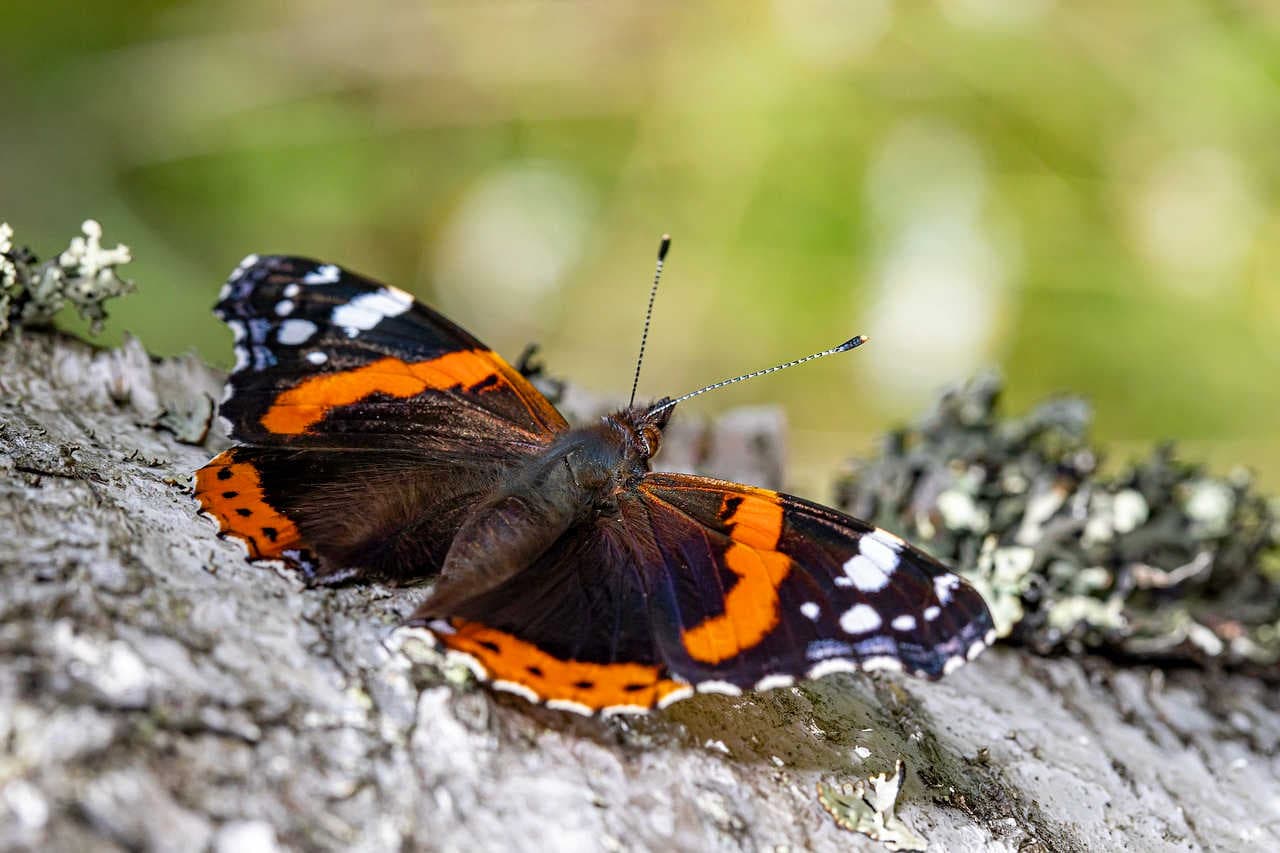
    Vanessa atalanta

    What threatens butterfly species?

    Among the threats to butterflies are the same multiple causes that influence global insect decline: the main ones are climate change, pesticide use in agriculture, and habitat reduction. The latter is extremely important for butterflies and moths as habitat is a key factor for many lepidopteran species. The development of bruchians is, in rare species, very often linked to particular, threatened plants. In fact, the most adaptable species can feed on a wide range of plants, while many of the rarer species are linked to a single plant species; if this were to disappear, it would also cause the disappearance of these rarer species.
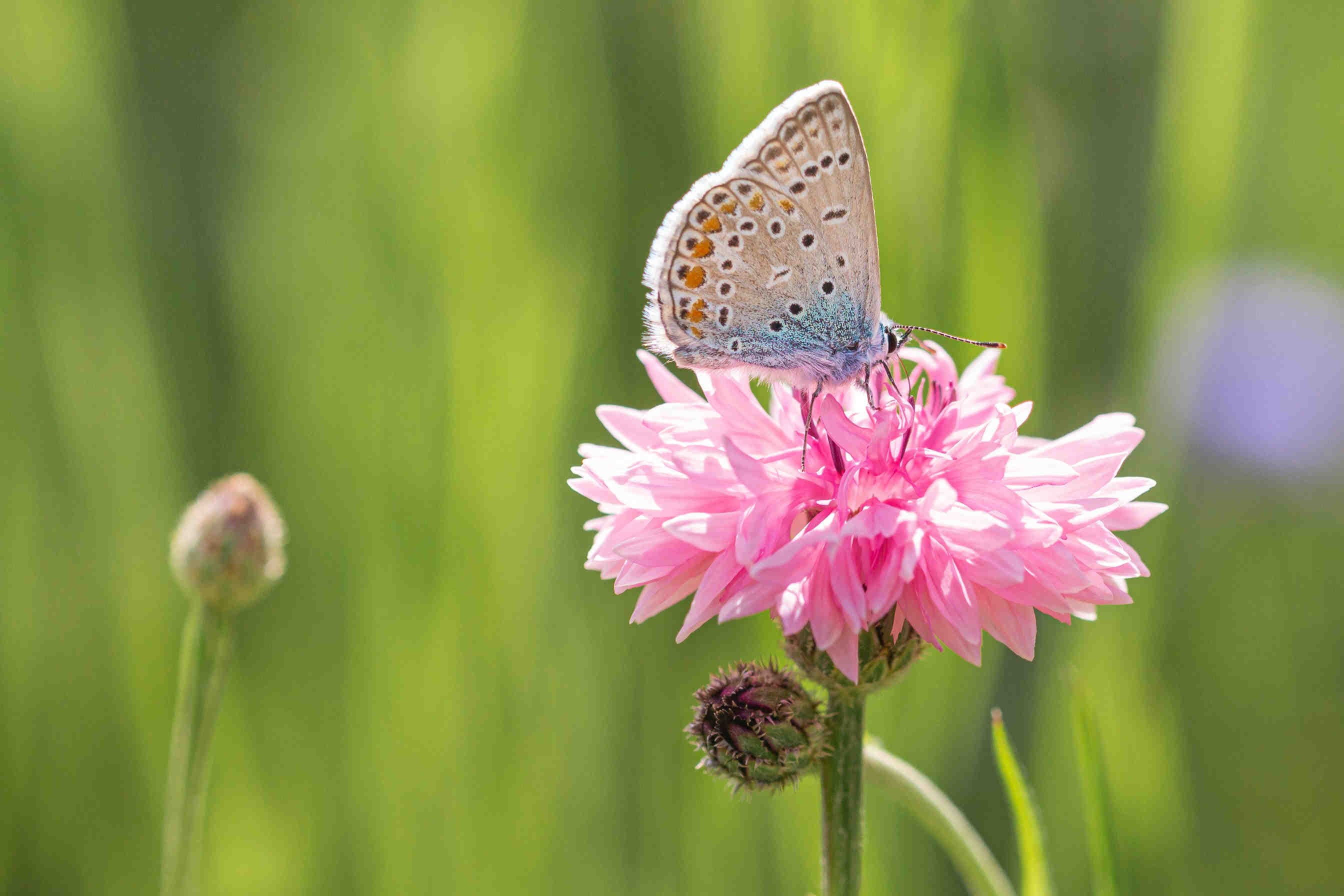
    Lycaenidae
    XNatura

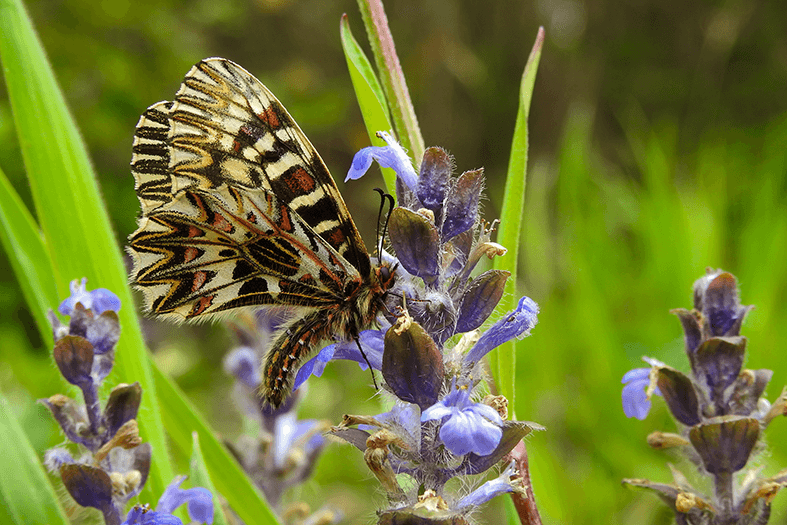
    Zerynthia and Aristolochia

    An example of this close link between butterfly and plant is the Italian species Zerynthia cassandra, until recently considered a subspecies of Z. polyxena (found in much of the rest of Europe), but recently recognised as a species in its own right. Z. cassandra is inextricably linked to plants of the genus Aristolochia, in particular A. rotunda, without which it cannot survive. In fact, the caterpillars can only feed exclusively on this plant and it is only on this plant that the females lay their eggs, so the survival of this butterfly is dependent on a healthy habitat that can host Aristolochia.
    Zerynthia cassandra
    3Bee

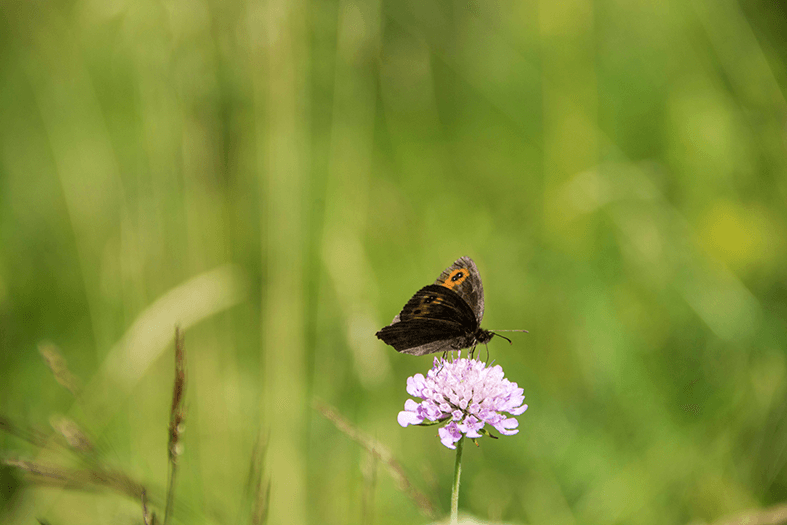
    Erebia hispania

    It is not only Italy that is home to threatened butterflies: in Spain, for example, lives the Erebia hispania butterfly, an extremely localised species that lives in the heights of the Sierra Nevada. It is the only species of the genus that can be found in this environment, where it lives between 2000 and 3000m altitude. The caterpillars develop in grasslands, where they feed on various plants, while the adults fly on slopes in the middle months of summer. In contrast to Zerynthia, Erebia hispania is bound to a particular, sparsely spread environment where it is threatened by the effects of climate change.
    Erebia sp.

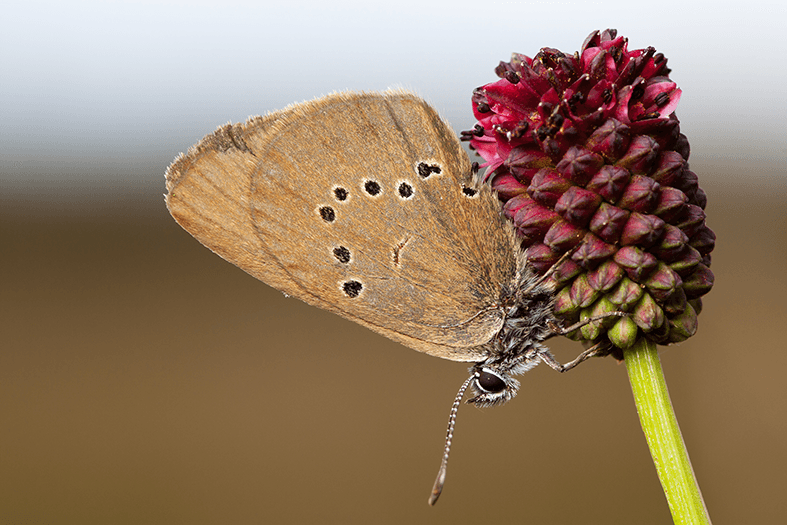
    Maculinea nausithous

    Although it is not endemic to Germany alone, the Maculinea nausithous butterfly, a lycaenid with a very peculiar life cycle, lives in the south of the country. This species is, like Z. cassandra, closely related to a single plant, in this case the sanguisorba minor (Sanguisorba minor), where the females lay their eggs in summer. The caterpillars develop on the blooms of sanguisorba and, once sufficiently mature, drop onto the ground. Thanks to some sugary secretions and particular smells, the caterpillars are picked up by some ants (Myrmica rubra in particular) and taken to their nest, where they are fed and finish their development. After a period of time spent in the ants' nest, the caterpillars become crisalids and then adult butterflies, and then leave the ants' nest. The life cycle is complex and because of the dependence on both the presence of sanguisorba and ants, it is very rare and sensitive to environmental changes.

    Maculinea nausithous

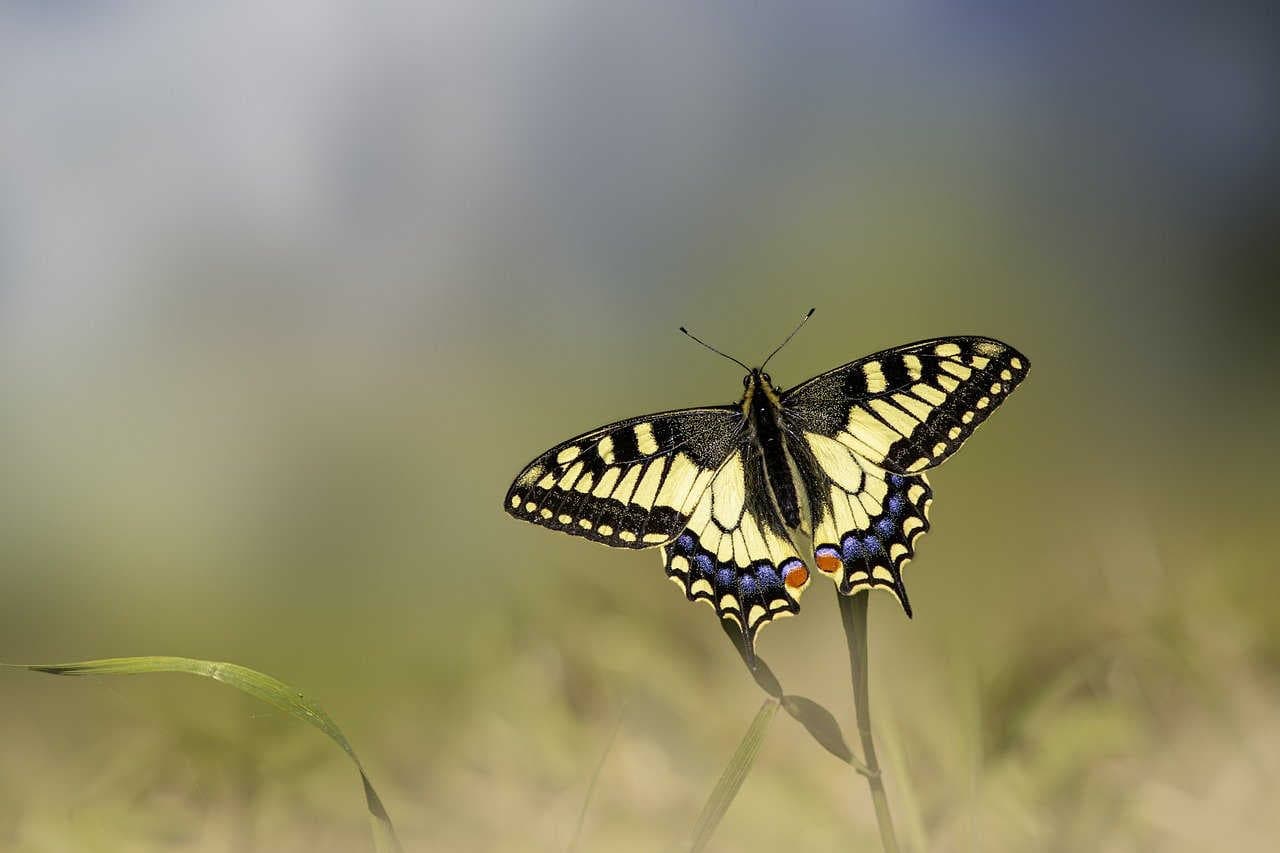
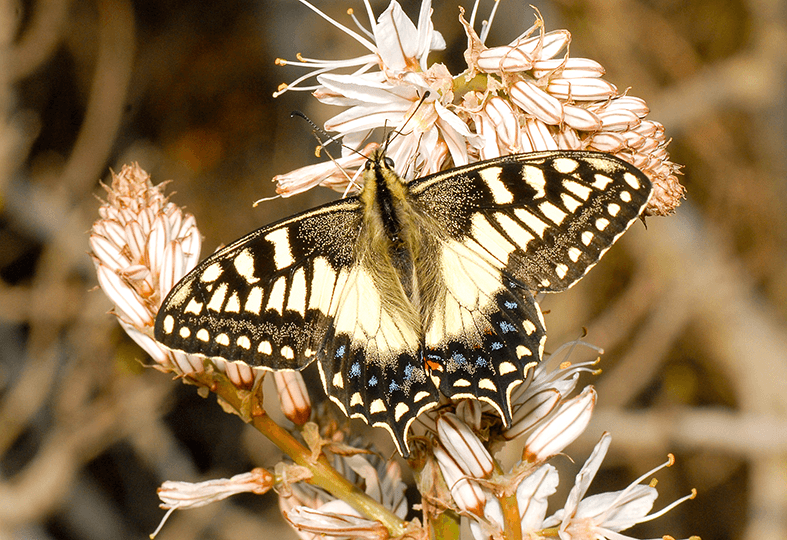
    Papilio hospiton

    In the Mediterranean islands, particularly Corsica and Sardinia, a rare and beautiful fly very similar to the more common swallowtail found throughout Europe, finds its habitat. This butterfly is Papilio hospiton, smaller than the swallowtail, but equally colourful and genetically very similar. It is related to insular and mountainous environments, a combination rare enough to make this butterfly mined and protected on both French and Italian islands, as it is very sensitive to the loss of habitat, already naturally very restricted, and to climate change.
    Papilio hospiton

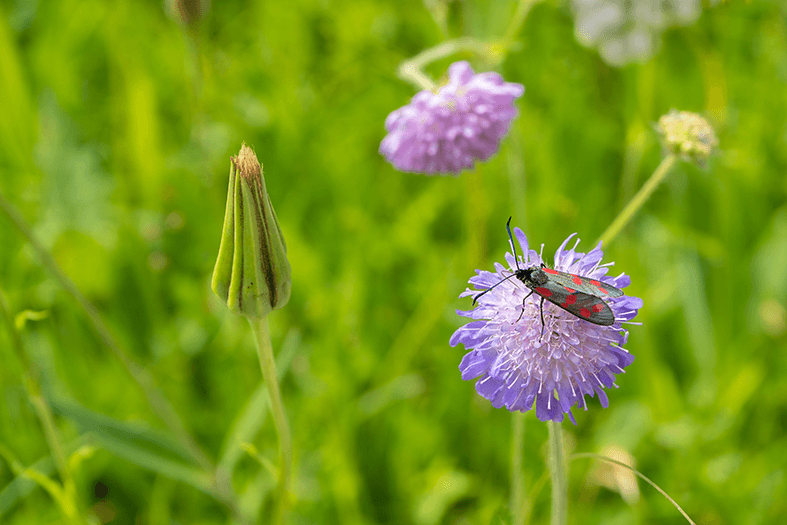
    Zygaena viciae

    From England, specifically Scotland, comes an example of successful conservation. Although Britain is not home to strictly endemic species, some are extremely localised, including Zygaena viciae. In the early 1990s it was considered virtually extinct from the island, where it had extinct from the south of the country and survives only in one locality in Scotland. Thanks to targeted conservation efforts, the species is now present in large numbers: after studying the habits of this fly, it was enough to prevent grazing animals from feeding on the plants that feed on this rare lepidopteran. This example shows that care and study is often enough to ensure the conservation of species that would otherwise be doomed to disappear.

    Zygaena viciae

    How to conserve these rare species

    These are just a few examples of rare species found on our continent. There are many other equally rare and endangered butterflies, e.g. Erebia christi or Brahmaea europaea, that need just as much protection. Studying these rare species is essential to know and protect them, and although many of the species mentioned are already the subject of monitoring and protection, there is still much to be done, starting with the creation of effective and shared conservation plans. However, we can make a difference: the first thing is to adopt a sustainable lifestyle from what we buy and eat to how we move around, to help prevent the effects of climate change and prevent an already delicate situation from worsening. If you too want to help protect biodiversity, see what 3Bee does.

    Melitaea
    22/05/2024Of 3Bee, Niccolò Patelli
    1125 Views
    Newsletter
    newsletter
    Subscribe to the Blog about bees and biodiversity

    Frequently Asked Questions

    Do you have any doubts or other curiosities about this article? Here you will find some insights