Bumblebees are thinner because of climate change
    bombimountaineffectsalarming figure

    Bumblebees are thinner because of climate change

    Bumblebees are among the main pollinators in Alpine regions, but climate change is reducing their body size. Find out in this article how this phenomenon could affect the mountain ecosystem and biodiversity.

    Read the article
    11/10/2023Of 3Bee, Elena Fraccaro
    632 Views
    11/10/2023Of 3Bee, Elena Fraccaro
    632 Views

    Bumblebees are the main pollinators in Alpine regions

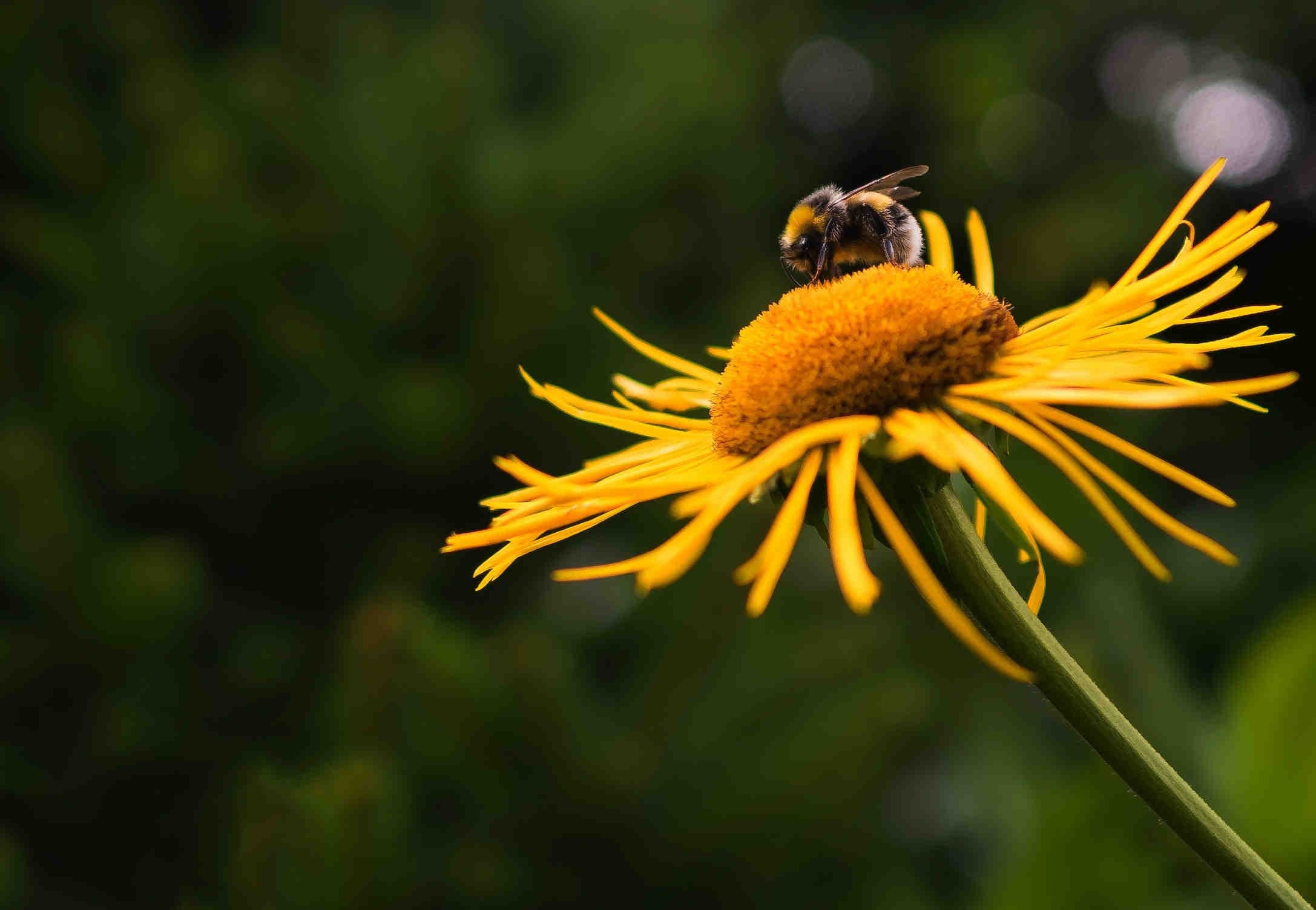
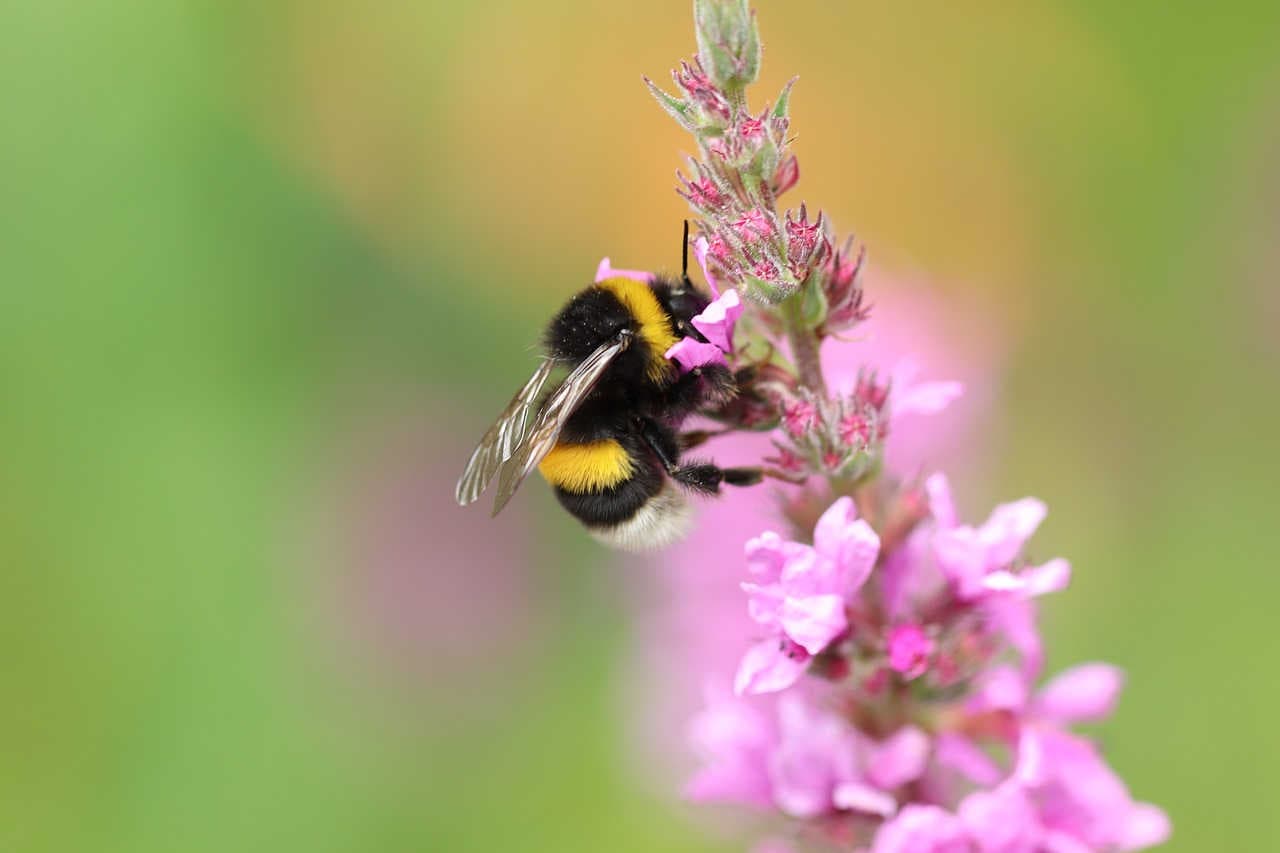
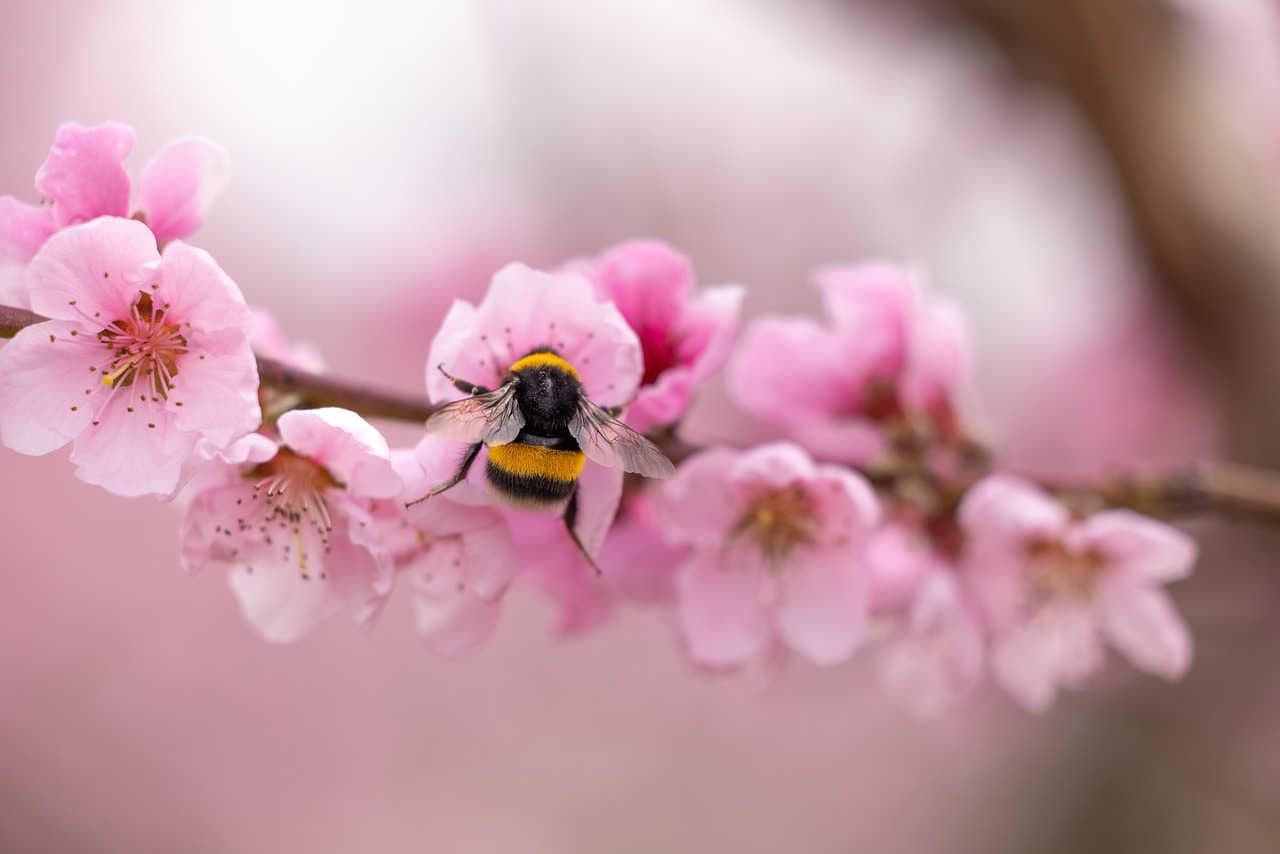
    We are all familiar with the bumblebees, those hairy, fat bees that do not seem to be able to fly. And yet, bumblebees are the biggest pollinators in the Alpine regions, those who enable the reproduction of hundreds of thousands of wild plants, such as all berries. Indeed, their bodies are adapted to living in cold environments. The numerous hairs (almost 3 million!) that cover their small bodies are essential to shelter them from the cold. In addition, they are heterothermic, i.e. able to regulate their body temperature depending on the outside temperature: they are capable of generating heat up to 35°C, even flying long distances for warmth, but also quickly lowering the temperature to 20°C when in the nest. Their life cycle is also adapted to cold environments: in fact, bumblebee queens go into lethargy during the winter, waking up in the spring to create a new nest and give birth to their first workers.
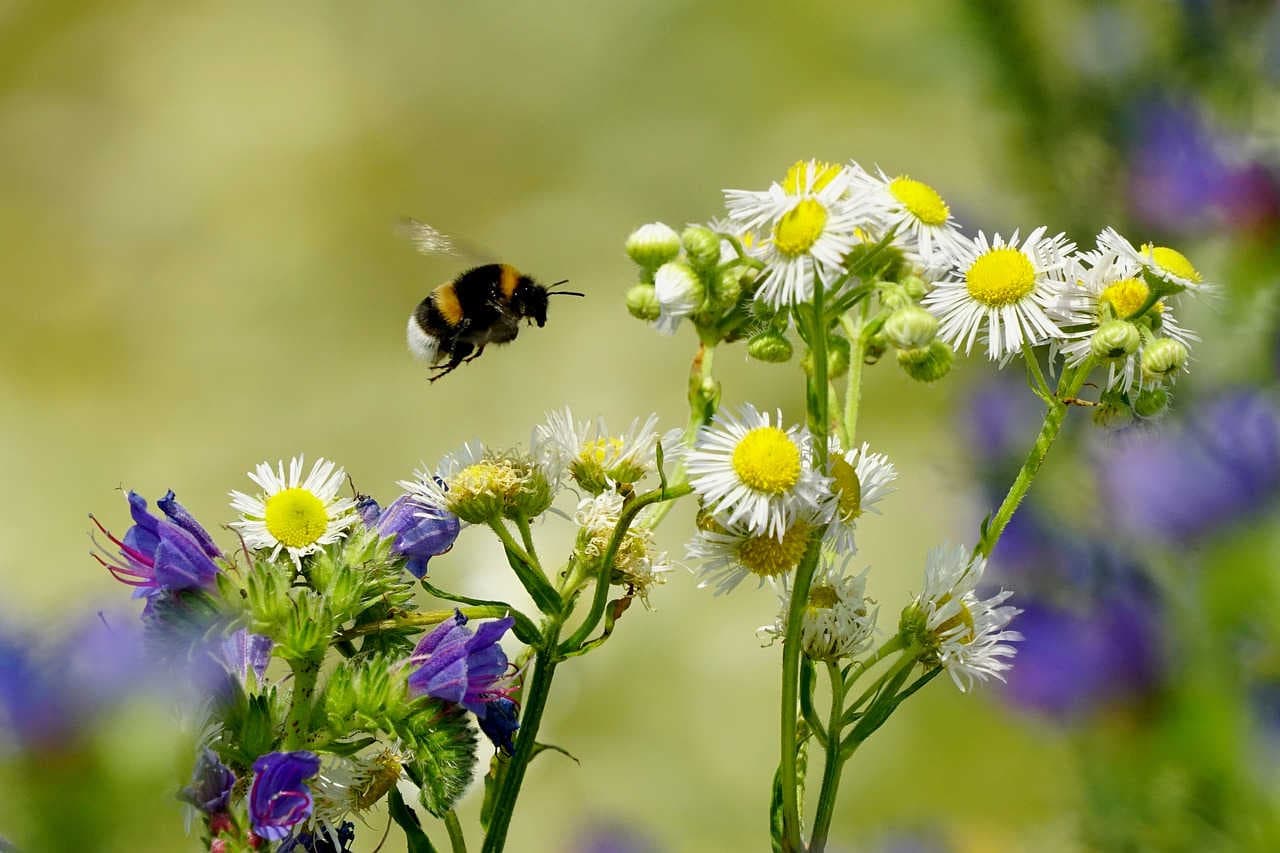
    bombo

    Climate change in the mountains

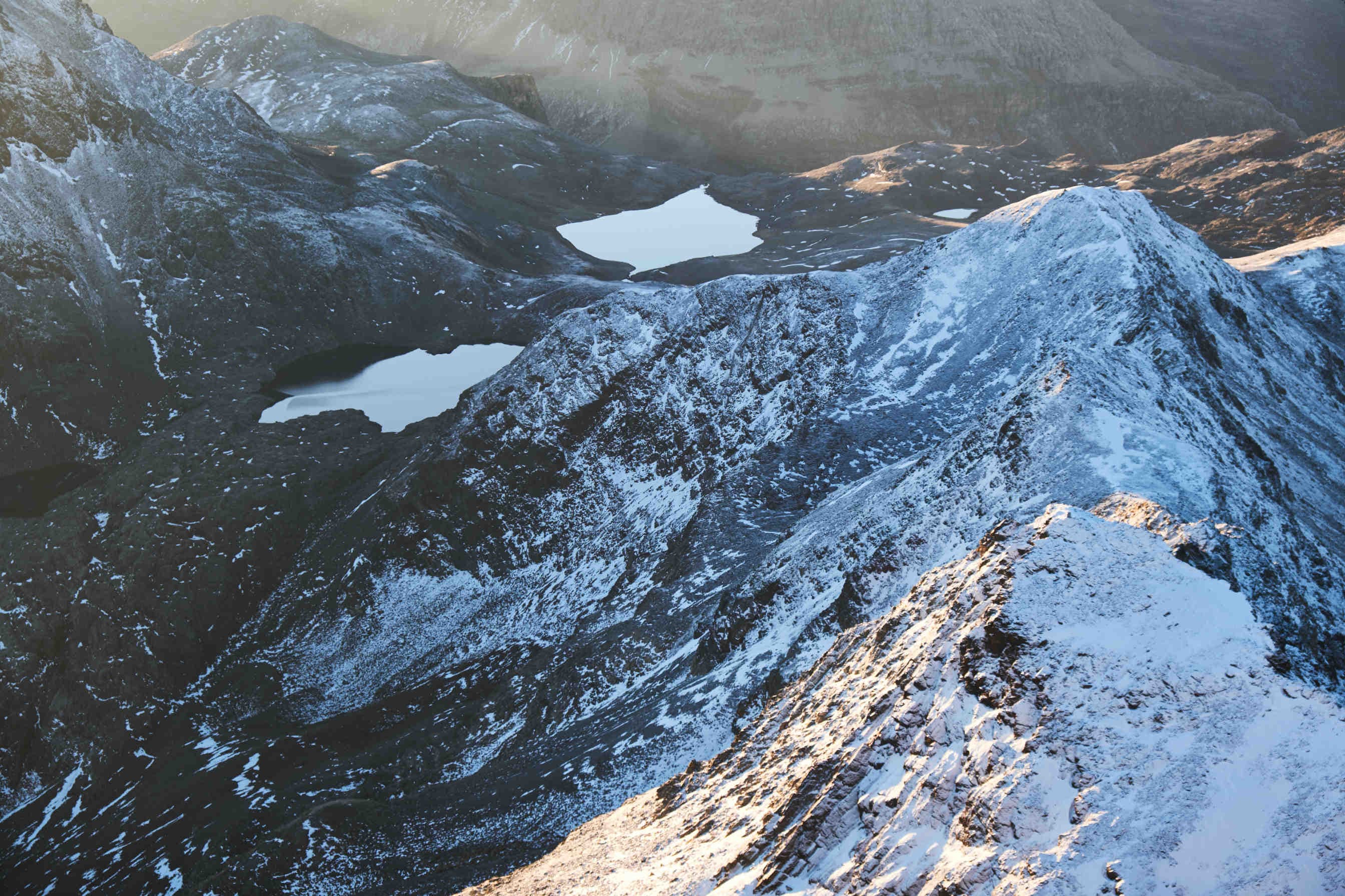
    Speaking of mountains, however, we cannot help but think of all the glaciers that are melting or the beautiful, but too warm, sunny days we still have in autumn. These images are the perfect visual examples we have to realise that even in the mountains the climate change has effects. In most of our mountains, a rise in temperature of between 2 and 3°C is expected by 2050, compared to the average temperature of the last ten years, and by the end of the century a further warming of between 3 and 7°C depending on emission scenarios. In particular, temperatures in the Alps are rising twice as fast as the global average. For this reason, the Alpine environments are considered one of the most vulnerable habitats due to rising temperatures. In fact, it is assumed that 55% of mountain species will be extinct by 2070.

    montagna
    XNatura

    Effects of rising temperatures on bumblebees

    So what happens to the bombs that are so well adapted to living in mountains? In 1847, Karl Bergmann discovered that with the high temperatures, the bodies of animals tend to be smaller, as this makes it easier for them to disperse body heat. One example is the mammals: the largest of all is the blue whale, which at 23 metres lives in the cold at the bottom of the sea; the smallest of all is the 23 centimetre butterfly bat, which lives in the warmth of caves in Thailand. But returning to the mountains and bumblebees, a recent study in the Swiss Alps showed that at higher temperatures the average body length of bumblebees was lower, confirming Bergmann's law.

    bombus

    Why is this an alarming figure?

    This is a result that should frighten everyone. The body size of these pollinators is in fact a fundamental parameter for understanding the food availability of bumblebees in their larval state: if the bumblebees are smaller, it means that as larvae they received less nourishment and therefore their body development was not achieved. smaller bumblebees may have the advantage that they do not overheat during flight and do not starve, as they can survive longer on less food. However, pollinators with smaller bodies may also decrease the success of the colony, as they return to the nest with less pollen to feed the larvae.
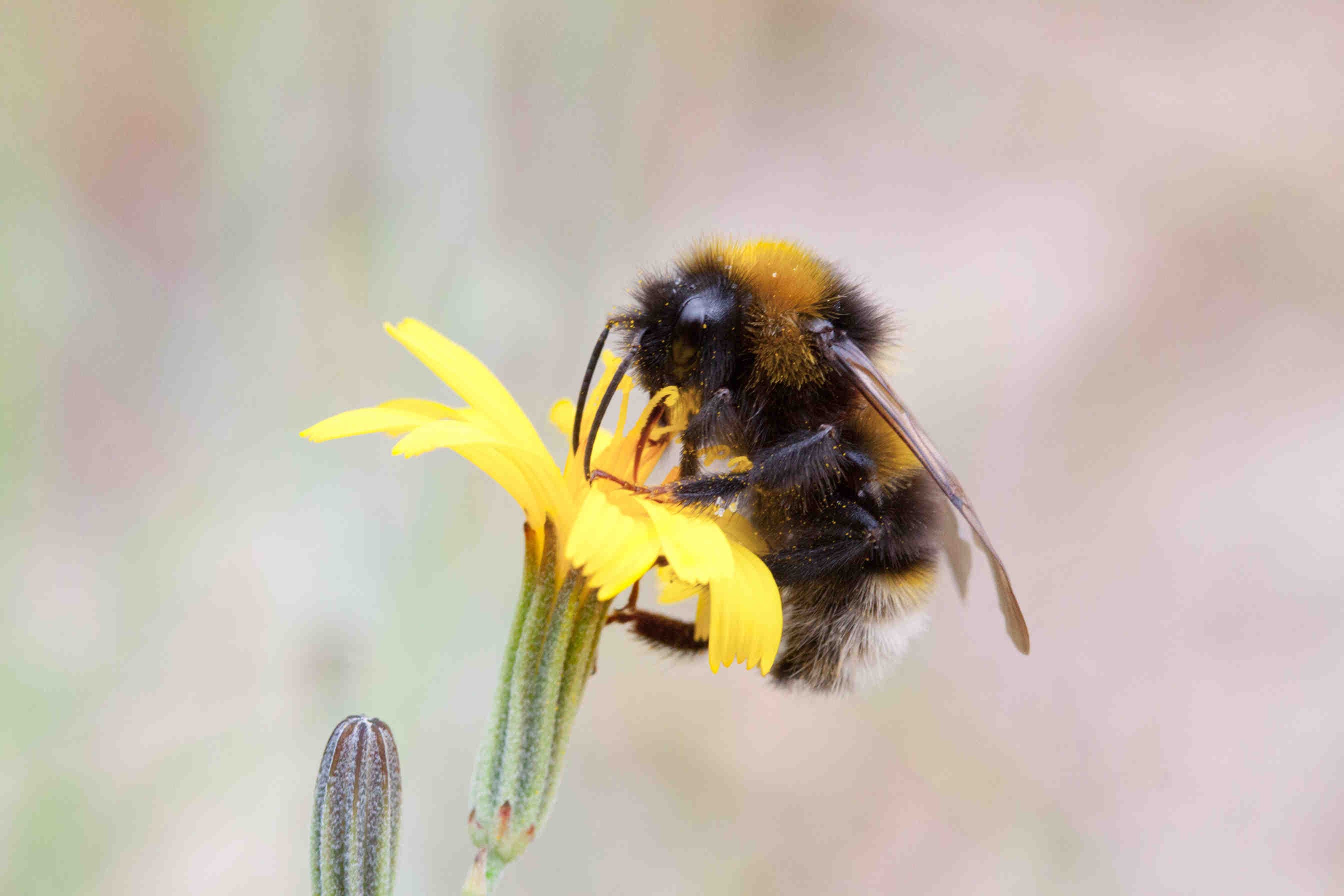
    bombus terrestris
    XNatura

    Consequences of climate change on bumblebees

    There is plenty of evidence that the populations of bumblebees in Europe have decreased significantly over the last 60 years and this has a great impact on the entire Alpine biodiversity. Indeed, the pollination is a fundamental ecosystem service for the reproduction of most of the plants in these areas that would risk becoming extinct. In addition, without plants, populations of other animal species, which no longer have their nourishment available, would also be drastically reduced. These effects of climate change, and in particular of rising temperatures, on the population dynamics of bumblebees in alpine environments could therefore have an influence on the functioning of the ecosystem. It is therefore essential to try to mitigate the effects of climate change on the populations of bumblebees in the mountains, through projects for the conservation of these species of essential animals in the mountains.

    Article by Caterina Massa

    bombo
    3Bee
    11/10/2023Of 3Bee, Elena Fraccaro
    632 Views
    Newsletter
    newsletter
    Subscribe to the Blog about bees and biodiversity

    Frequently Asked Questions

    Do you have any doubts or other curiosities about this article? Here you will find some insights