Biodynamic agriculture in the service of biodiversity
    BiodynamicsOrigineContextePractice

    Biodynamic agriculture in the service of biodiversity

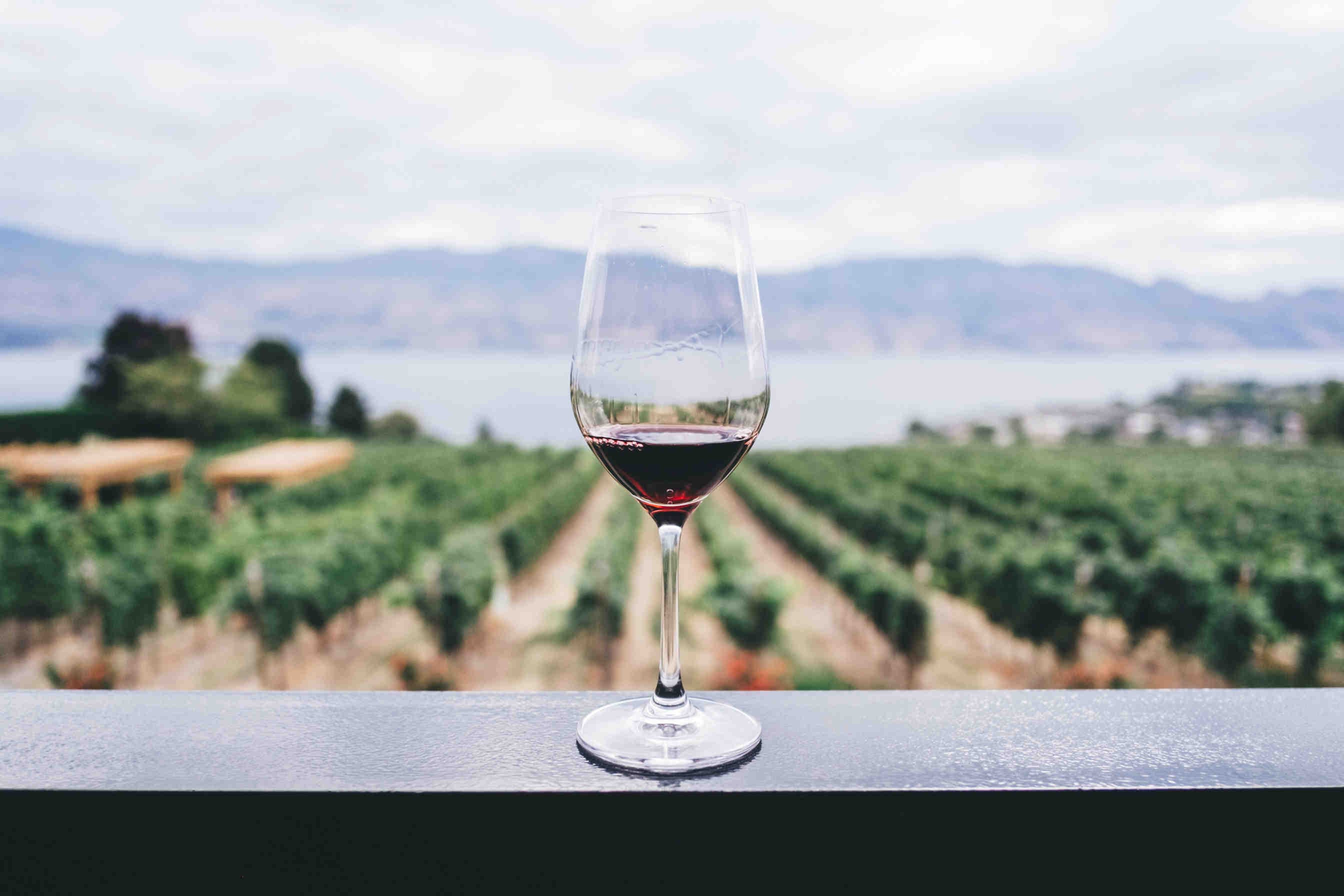
    In recent years, wine labelled 'biodynamic' has become increasingly popular on shop shelves. This label refers to an agricultural practice that is more respectful of biodiversity. Find out more about biodynamics and its secrets in this article.

    Read the article
    18/04/2024Of 3Bee, Fiorila Hell
    371 Views
    18/04/2024Of 3Bee, Fiorila Hell
    371 Views

    The fundamental principles of biodynamic agriculture

    Biodynamic agriculture is a holistic, regenerative approach to farming, currently certified by the Demeter International label. In line with its guidelines, a biodynamic farm aims to place the animal and plant back into a healthy, functioning ecosystem. These farms must integrate harmoniously into their environment, relying on local biodiversity to maintain the natural balance of the farm. The result is quasi-autonomous farming estates that embody the principles of the circular economy. Biodynamic viticulture, the fruit of a combination of traditional knowledge and specific techniques, is enriched over time by the experience of the growers who practise it. They play an essential role in experimenting and passing on the knowledge of this evolving practice.
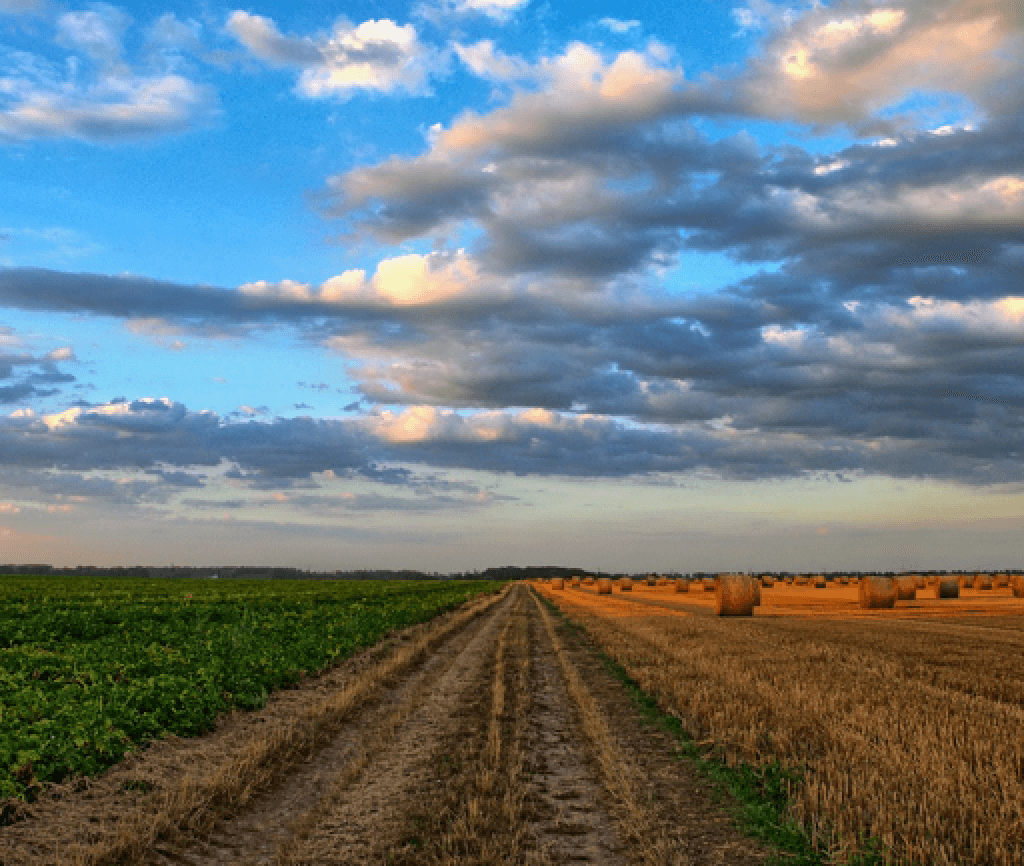

    champs agricole polyculture

    A controversial origin

    The biodynamics was conceptualised in 1924 by Rudolf Steiner, an Austrian philosopher of the 20th century, the subject of many controversies. One of these is the so-called "occult" dimension of its foundations. Steiner advocated the use of mysterious preparations based on plants and animal components that had been communicated to him by his intuition, to be used on the farm according to the lunar calendar. Over time, biodynamic practices have evolved and Demeter, the independent label certifying biodynamic agriculture, regularly develops its criteria to adapt to current conditions.

    carnet, plantes séchées et bougie
    XNatura

    The current agricultural context

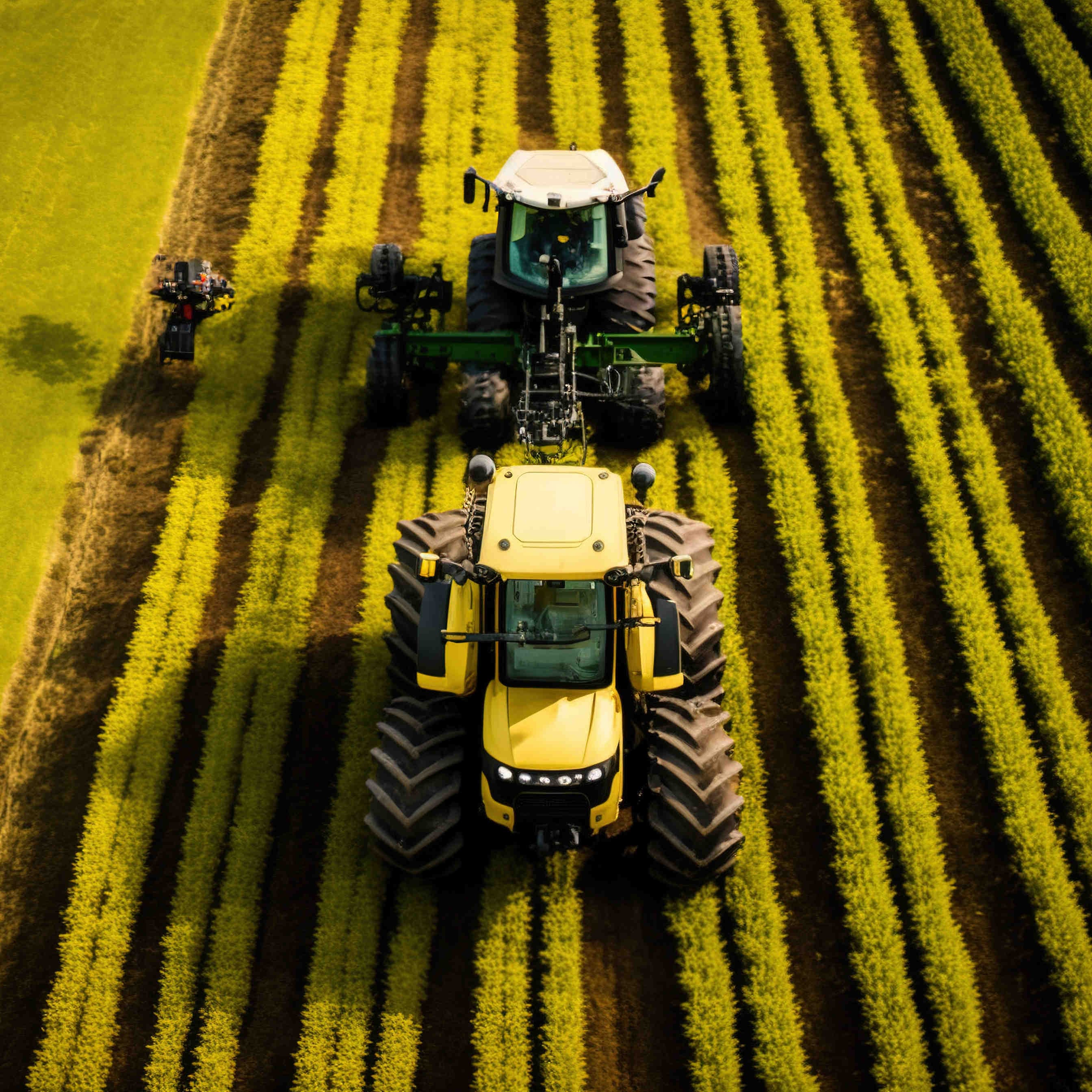
    As climate disruption intensifies, industrial agriculture is being criticised for its heavy environmental impact. According to the UN's Food and Agriculture Organization (FAO), agri-food systems are responsible for 30% of global greenhouse gas emissions. As well as contributing to climate change, farmers are suffering its consequences by facing an increasing number of severe weather phenomena such as floods, droughts and fires. Despite controversies over its origins, biodynamic agriculture is winning over more and more growers looking for a reasoned, sustainable and resilient practice. The pillars of this holistic approach are respect for the soil, the animals, the plants and the people involved in the farm.

    tracteur

    From theory to practice

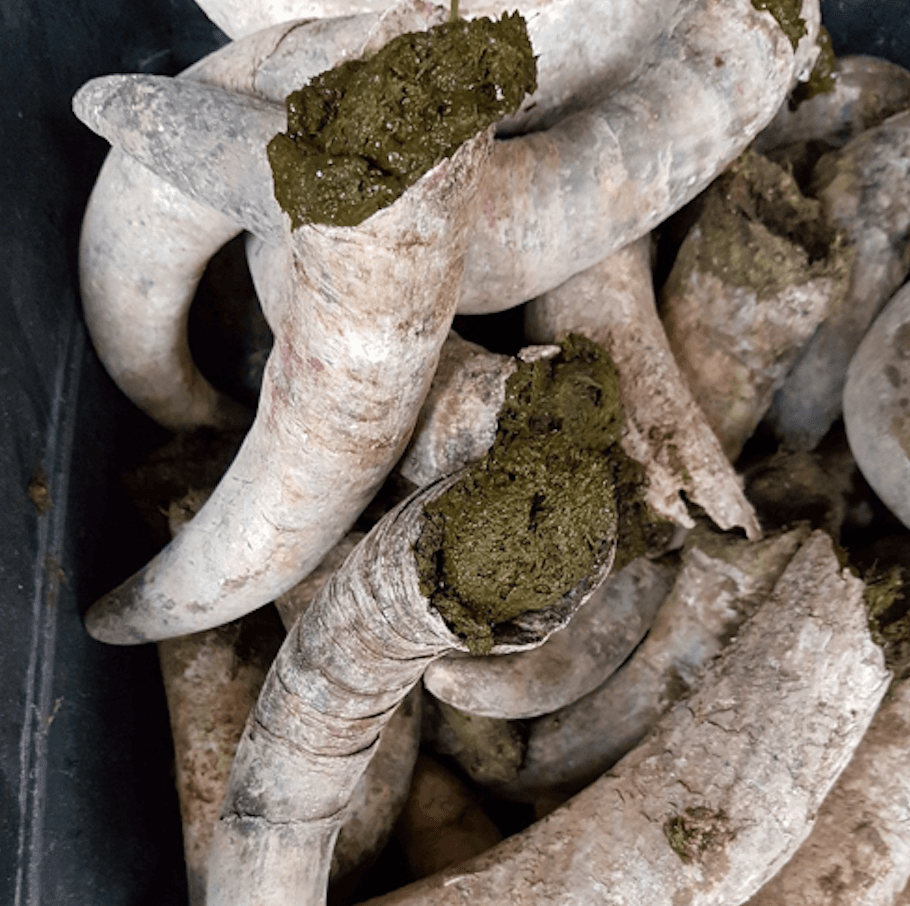
    In practical terms, how do you practise biodynamic agriculture? The first thing to clarify is that organic certification is a prerequisite for Demeter biodynamic certification. As in organic farming, inputs are strictly controlled, with a limit on copper and sulphur inputs, a ban on GMOs, plant protection products (pesticides and herbicides) and chemical fertilisers. These inputs usually lead to pollution of water, soil and the weakening of local biodiversity. In addition to these basic principles, biodynamics relies on the use of fermented plant preparations based on local plants such as nettle, camomile or horsetail mixed with cow horn powder or horn silica. The biodynamic certification requires each of these preparations to be sprayed on the compost, manure or leaves of the plants at least once a year.

    cornes de vache et compost
    XNatura

    Soil, the habitat of biodiversity crucial to agriculture

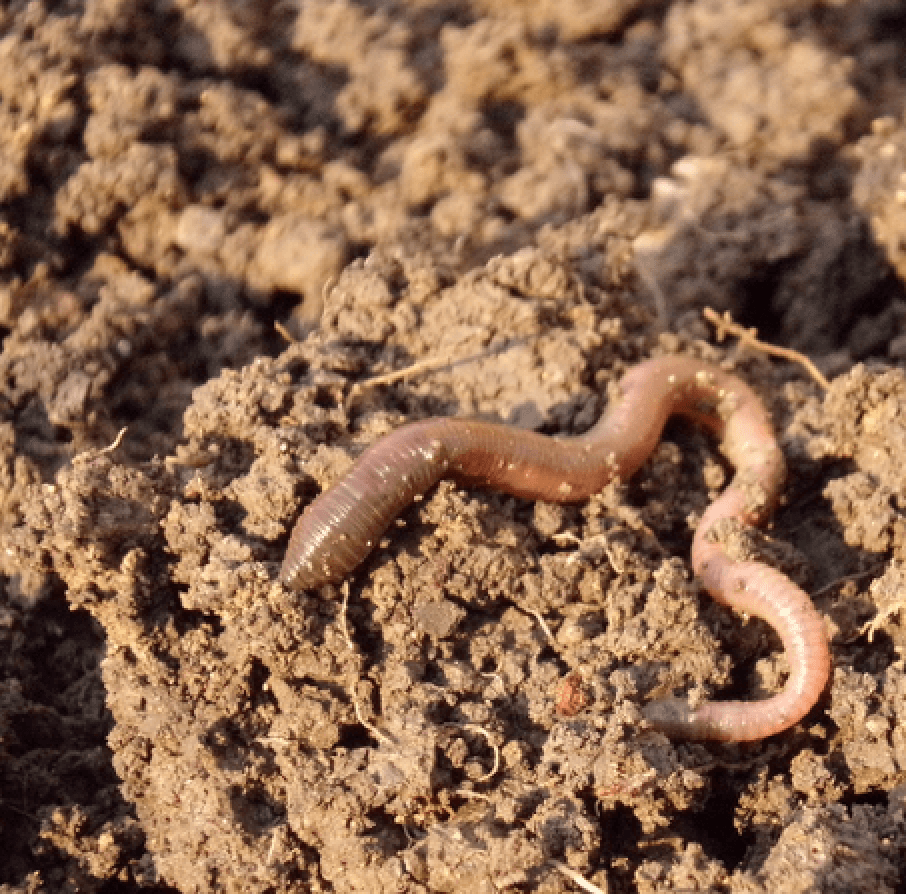
    Soil health is paramount in biodynamics. Soil is considered healthy if it is rich in humus and micro-organisms. The work of microbiologist Dr Ingham demonstrates that high-quality soil is teeming with a teeming biodiversity of bacteria, fungi, earthworms, insects and other micro-organisms forming the "soil food web". Studies suggest that biodynamic farming practices increase the organic and biological matter that makes up this food web. This helps to strengthen the terroir and offers plantations greater resistance to disease and severe climatic events such as droughts, which are intensifying year on year in Europe.

    vers de terre
    3Bee

    Biodynamic viticulture

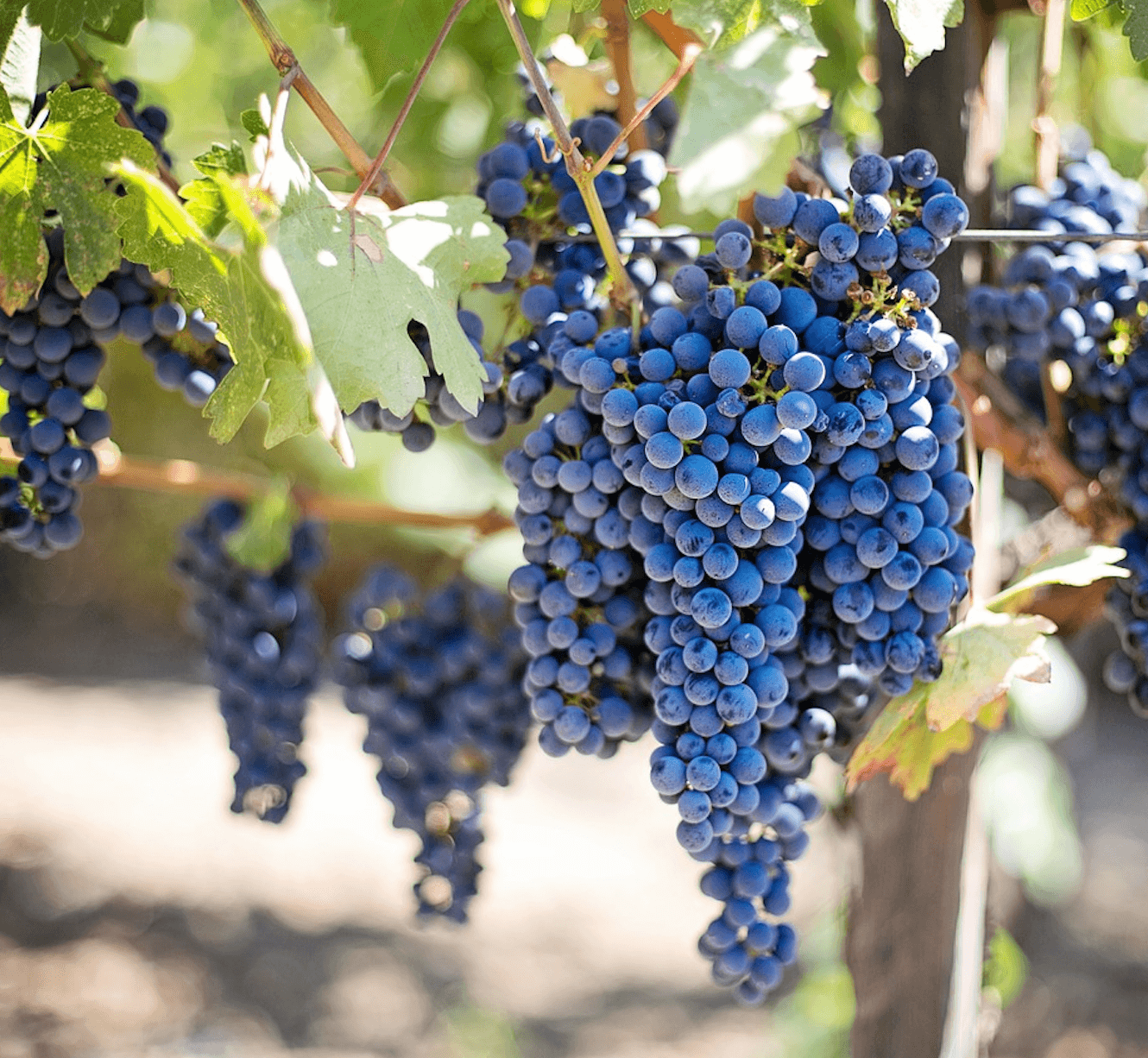
    Traditionally, biodynamic farming practice promotes rotational polyculture. Landscape diversity in a farm's ecosystem is central to biodynamic philosophy. Yet the cultivation of vines is the area most represented on Demeter-certified farms with 700 French wine estates in 2022, the equivalent of almost 14,000 hectares of vines. Winegrowing is a perennial monoculture, which means that it has only one plant species and that it only needs to be planted once. These specific features have earned it its own Demeter specifications, including specific requirements for vines as well as biodynamic wine-making. However, the principles of spraying, organic certification and prohibitions on the use of chemicals remain the same as for other wineries.

    grappes de raisin

    Areas for flora and fauna

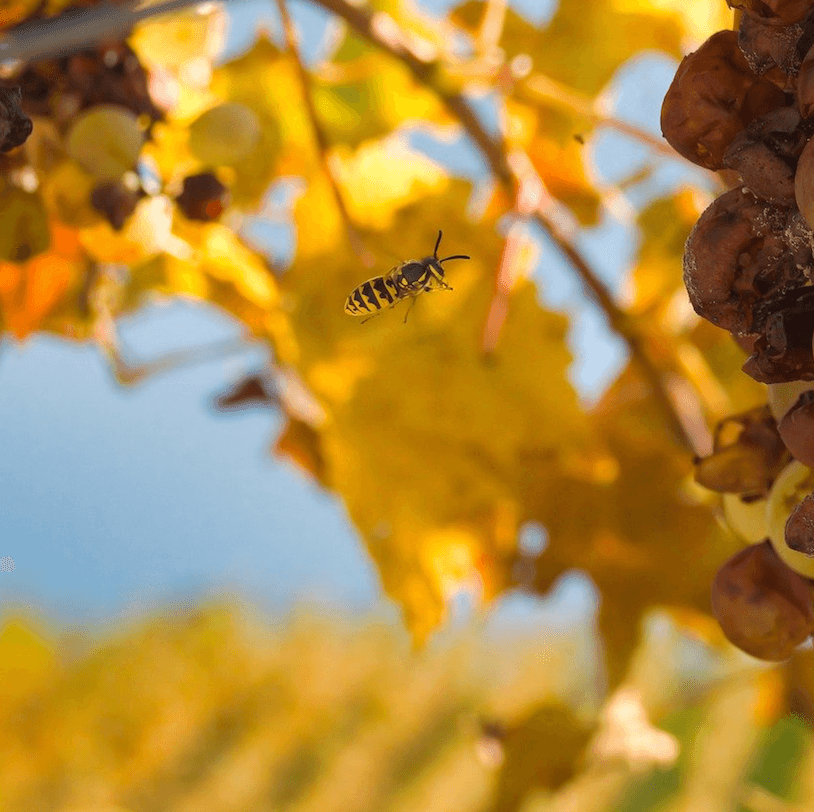
    All certified biodynamic farms must dedicate at least 10% of their farmland to a "biodiversity reserve zone". The purpose of these areas is not only to enrich the diversity of flora on a farm, but also to provide a habitat for the wildlife that comes to take refuge there. Urbanisation fragments the natural habitats of local wildlife, which needs space, of varying size, to maintain its survival numbers. A biodiversity zone serves as "corridors" for local animal and plant populations, providing them with an uninterrupted space in which to flourish. Insects, birds and amphibians come to occupy the various biodiversity zones set up by each farmer. These can take the form of watercourses, ponds, wooded areas, lightly grazed fields or hedgerows.

    guêpes dans les vignes

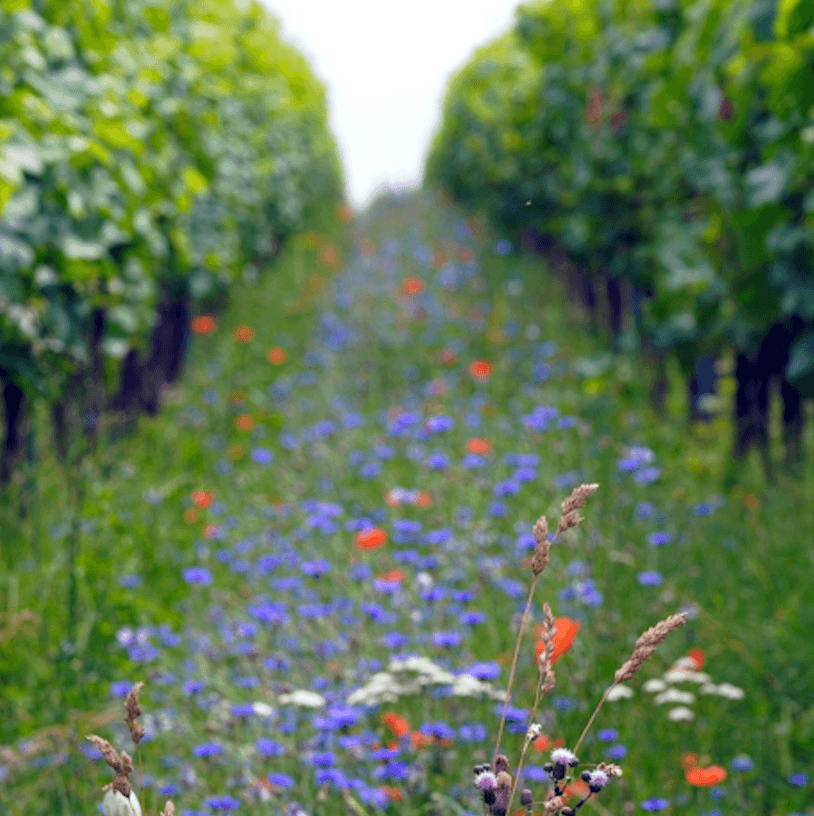
    Biodiversity in the vineyards

    To compensate for the monocultural aspect of vineyards, biodynamics requires winegrowers to inter-row grass cover. The installation of grassed rows, also known as ground cover, increases populations of soil biodiversity, in particular earthworms, which aerate the soil and enrich the quality of the terroir. The ground cover can be made up of melliferous plants that attract pollinating insects, aromatic plants or plants with specific benefits for the soil. In addition, biodynamic growers are actively encouraged to install nest boxes, embankments, low walls or beehives to attract wildlife. Biodynamic vineyards become a biodiversity-rich, self-regulating ecosystem.

    rang d'enherbement dans des vignes

    Proven results thanks to technology

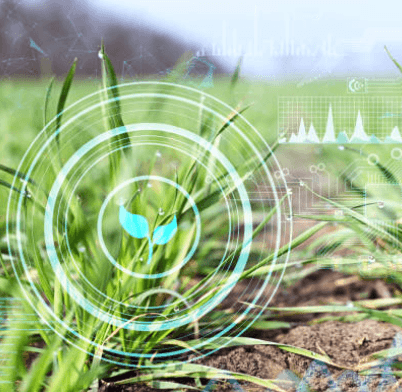
    These regenerative farming practices are proving their worth in measurable ways with biodiversity monitoring tools such as 3Bee's XNatura. Combining advanced technology with discerning scientific research, the XNatura enables the impact of regenerative farming on local biodiversity to be measured quantitatively. This technology, in collaboration with prestigious scientific research institutes, facilitates meticulous monitoring in four stages. Assessing the state of a site, identifying concrete regenerative actions to be implemented, communicating the results on the dedicated digital platform that certifies the use of the protocol and preparing the ESG report on biodiversity, in line with international standards. This innovative tool has already identified several biodiversity oases in Europe, where it encourages the adoption of sustainable farming practices.

    technologie et agriculture

    A practice with many advantages

    Despite the controversies surrounding the origins of biodynamics, it appears to offer a number of advantages in terms of ecology and food safety. The strategy of the European Green Deal is to achieve 25% of Europe's agricultural area under organic farming before 2030, in response to contemporary agronomic challenges. Biodynamic agriculture, which is constantly evolving, offers interested farmers an organic practice enhanced by processes that take care of biodiversity, the earth and humans. Indeed, the Demeter specifications also impose a charter of social and societal responsibility, which aims to protect the integrity and rights of every person working on a biodynamic farm. This practice enables farmers to face climate change with greater resilience, respect for nature and integrity.

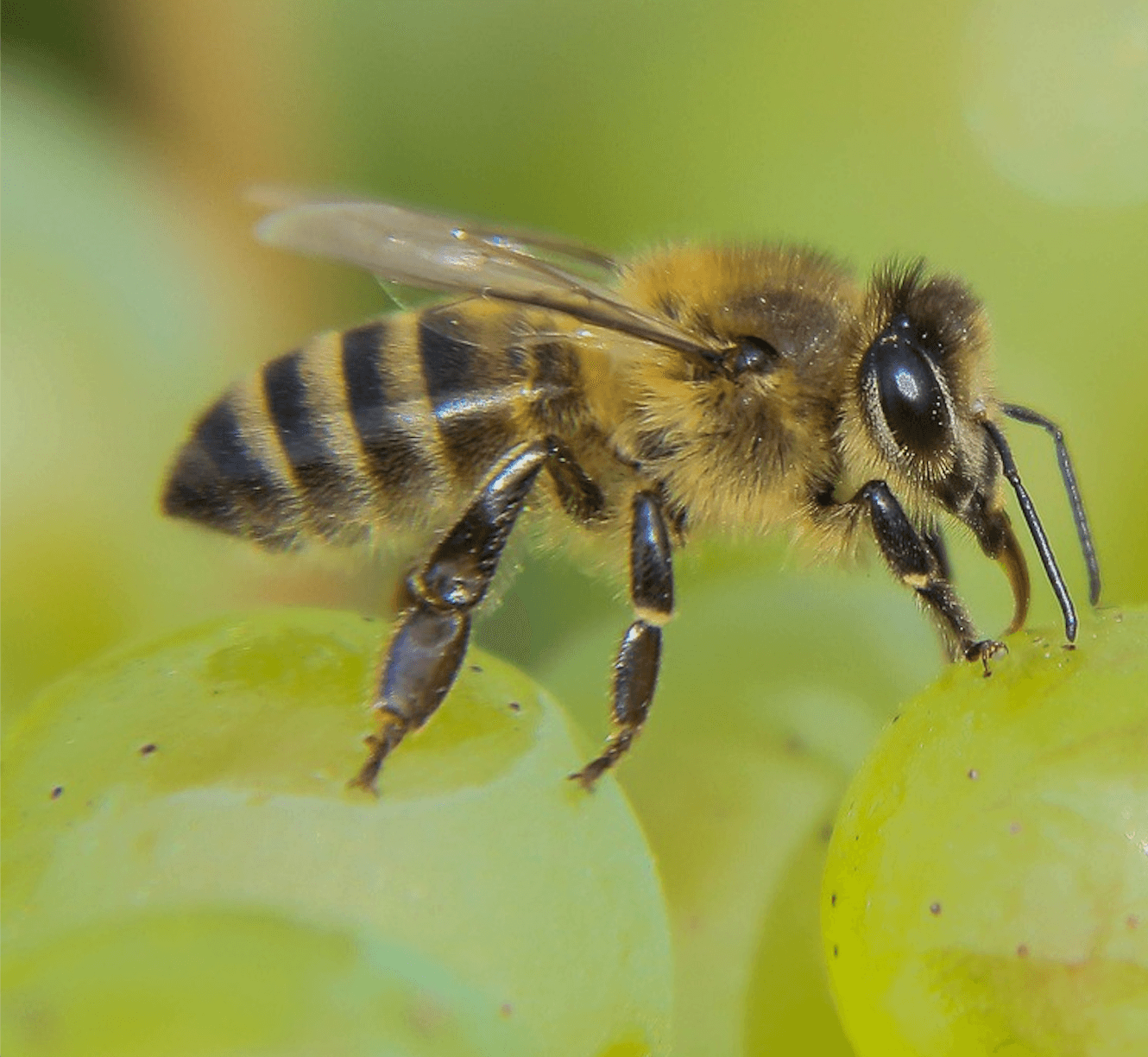
    abeille sur raisin
    18/04/2024Of 3Bee, Fiorila Hell
    371 Views
    Newsletter
    newsletter
    Subscribe to the Blog about bees and biodiversity

    Frequently Asked Questions

    Do you have any doubts or other curiosities about this article? Here you will find some insights