Urban biodiversity projects in Europe
    urbanEuropeGreen spacesRoofs

    Urban biodiversity projects in Europe

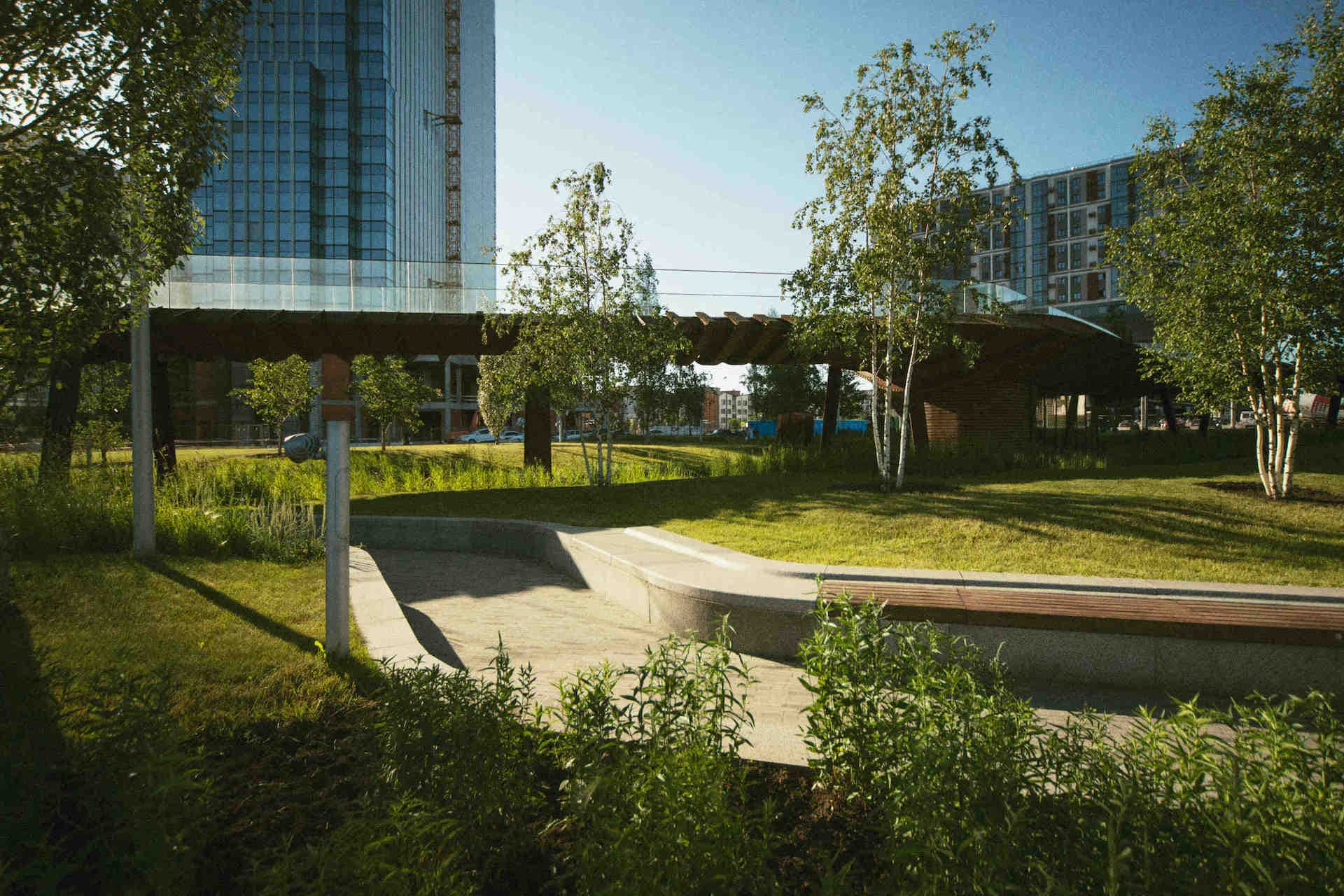
    Projects to promote biodiversity in cities are increasingly becoming an important aspect of urban planning in Europe. With cities accounting for more than 70% of global carbon emissions, it has become essential to develop green solutions.
    Read the article
    11/05/2023Of 3Bee, Elena Fraccaro
    534 Views
    11/05/2023Of 3Bee, Elena Fraccaro
    534 Views

    Why is biodiversity in urban areas so important?

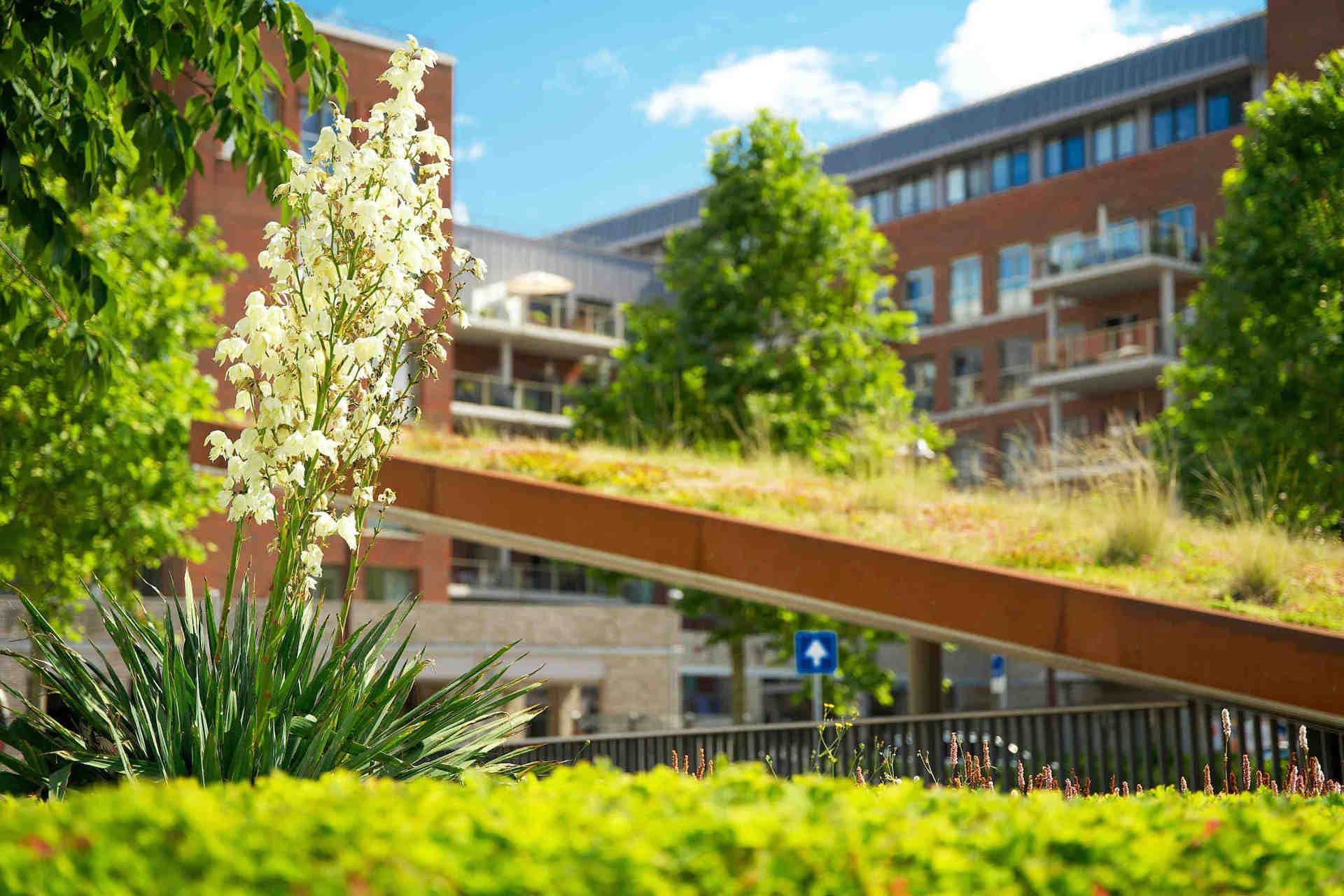
    Urban biodiversity projects are increasingly becoming an important aspect of urban planning in Europe. With cities accounting for more than 70% of global carbon emissions, it is essential to incorporate nature-based solutions to reduce the impact of human activity on the environment. The biodiversity projects aim to create green spaces, protect existing habitats and increase biological diversity in urban areas. The importance of urban biodiversity projects lies in the provision of a range of ecosystem services such as climate regulation, air and water purification, pollination and aesthetic benefits.
    Why is biodiversity in urban areas so important?

    Initiatives for biodiversity in cities in Europe

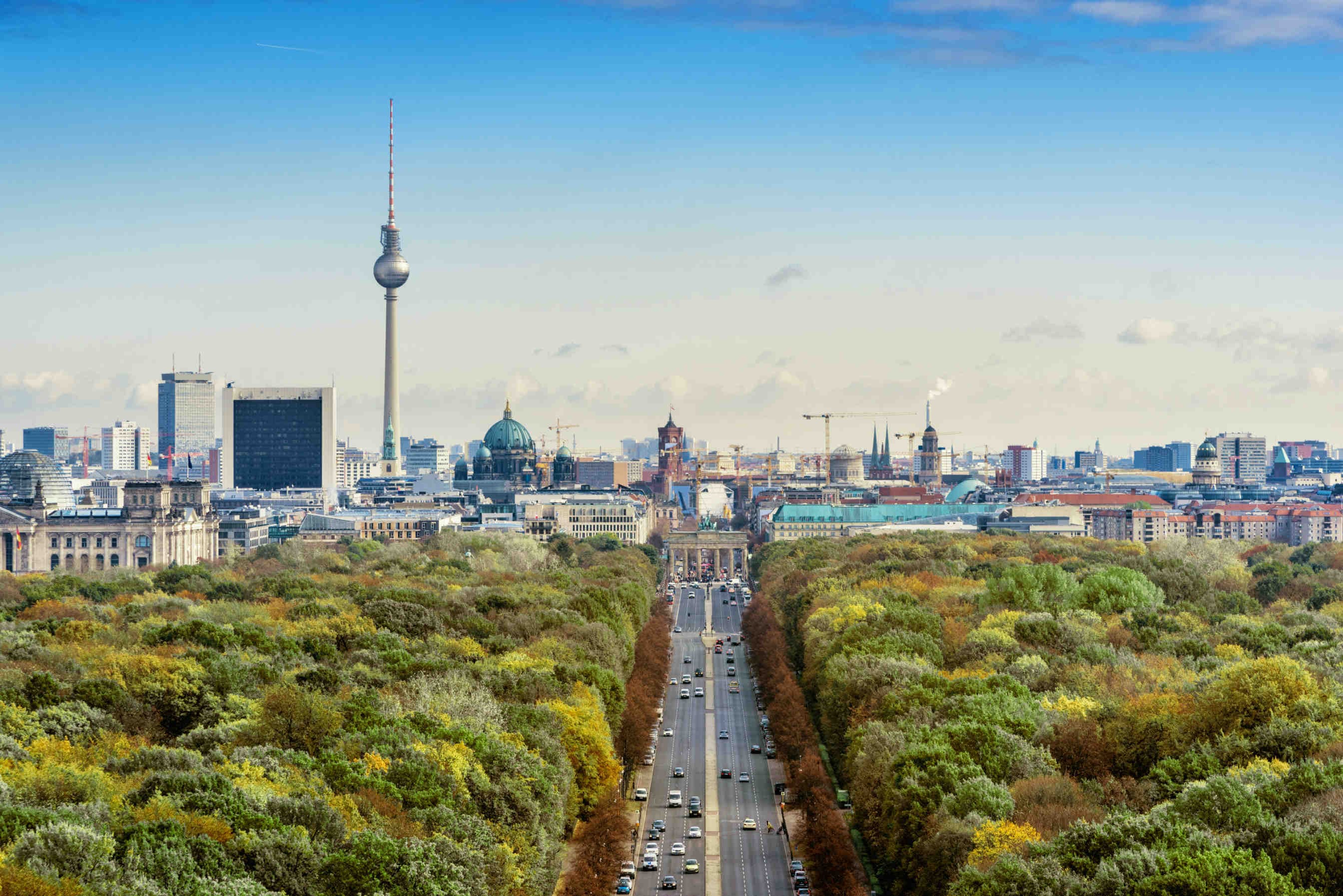
    Did you know that urban biodiversity initiatives are not just a buzzword, but a real movement across Europe? Countries such as Germany, France, the Netherlands and the UK have all implemented successful initiatives to promote biodiversity in urban areas. Germany is known for its strong focus on citizen science and community participation, which has led to initiatives such as the Berlin Urban Wildlife Project. France has implemented innovative initiatives such as the Parisculteurs project and the Biodiversity and Green Spaces Plan in Paris, and favours public-private partnerships. The Netherlands is known for its efforts to integrate biodiversity into urban planning and development with initiatives such as the Rotterdam Biodiversity Action Plan.
    Initiatives for biodiversity in cities in Europe
    XNatura

    Green corridors

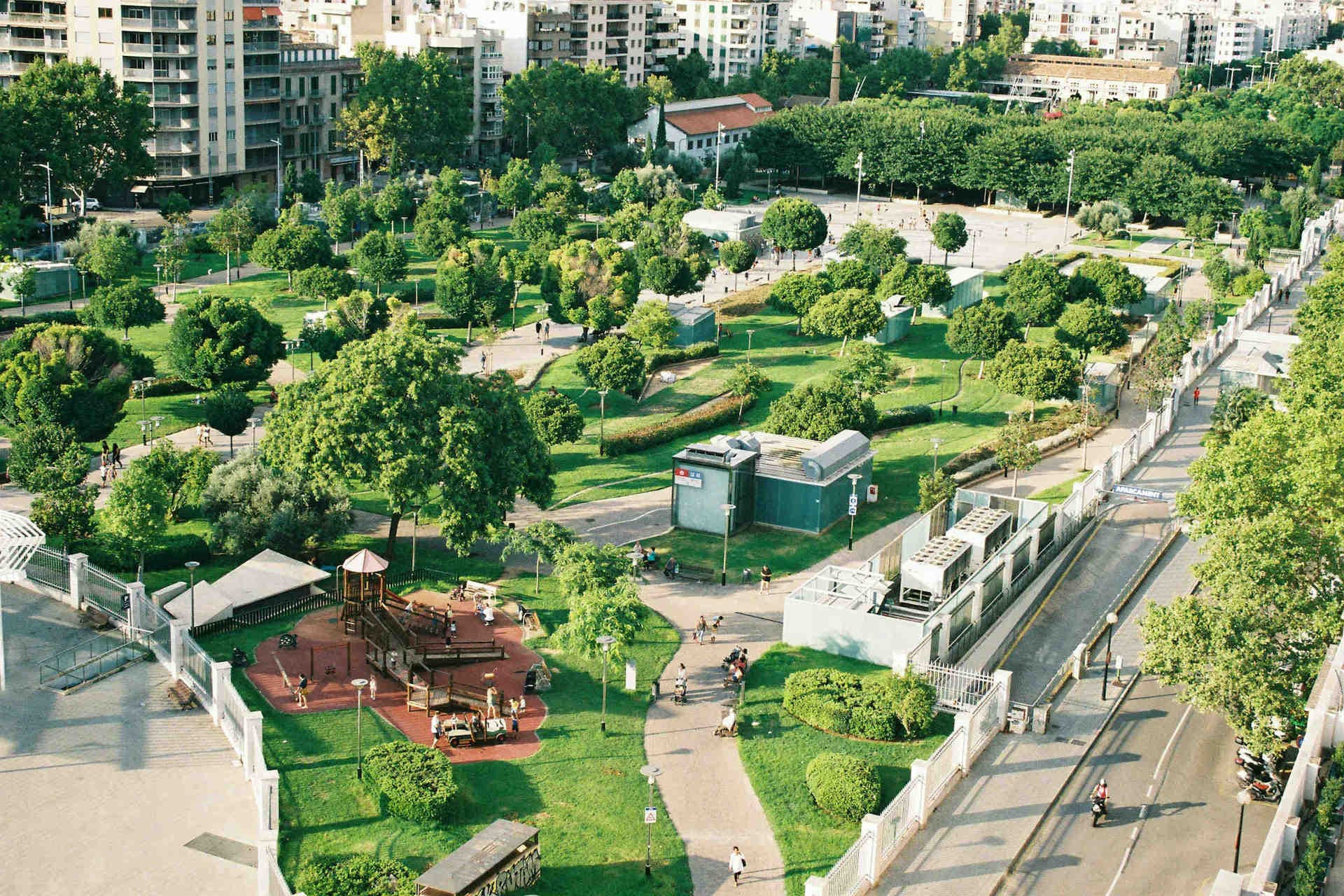
    Green corridors, i.e. connected strips of green space linking urban areas with natural habitats, have become popular in European cities as a nature-based solution to promote urban biodiversity. Examples of successful initiatives include the Green and Blue Infrastructure Plan in Barcelona, the Green Networks Plan in Copenhagen and the Biodiversity Strategy in Berlin. These initiatives create networks of green spaces that allow wildlife to move through the urban landscape and create habitats for different species. The establishment of green corridors and other nature-based solutions is crucial for combating climate change, promoting biodiversity and providing valuable green spaces for city dwellers.

    Green corridors

    Green roofs

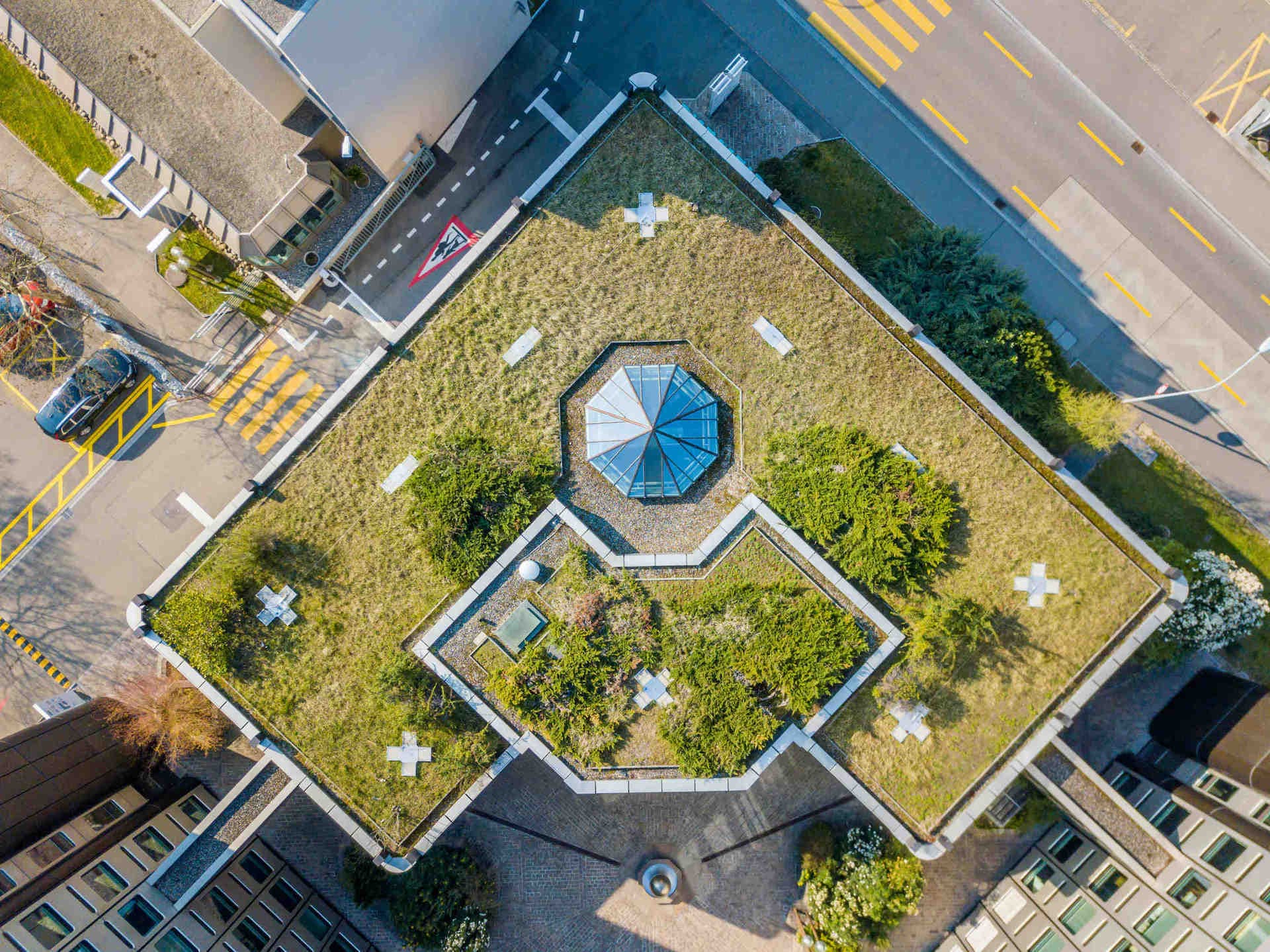
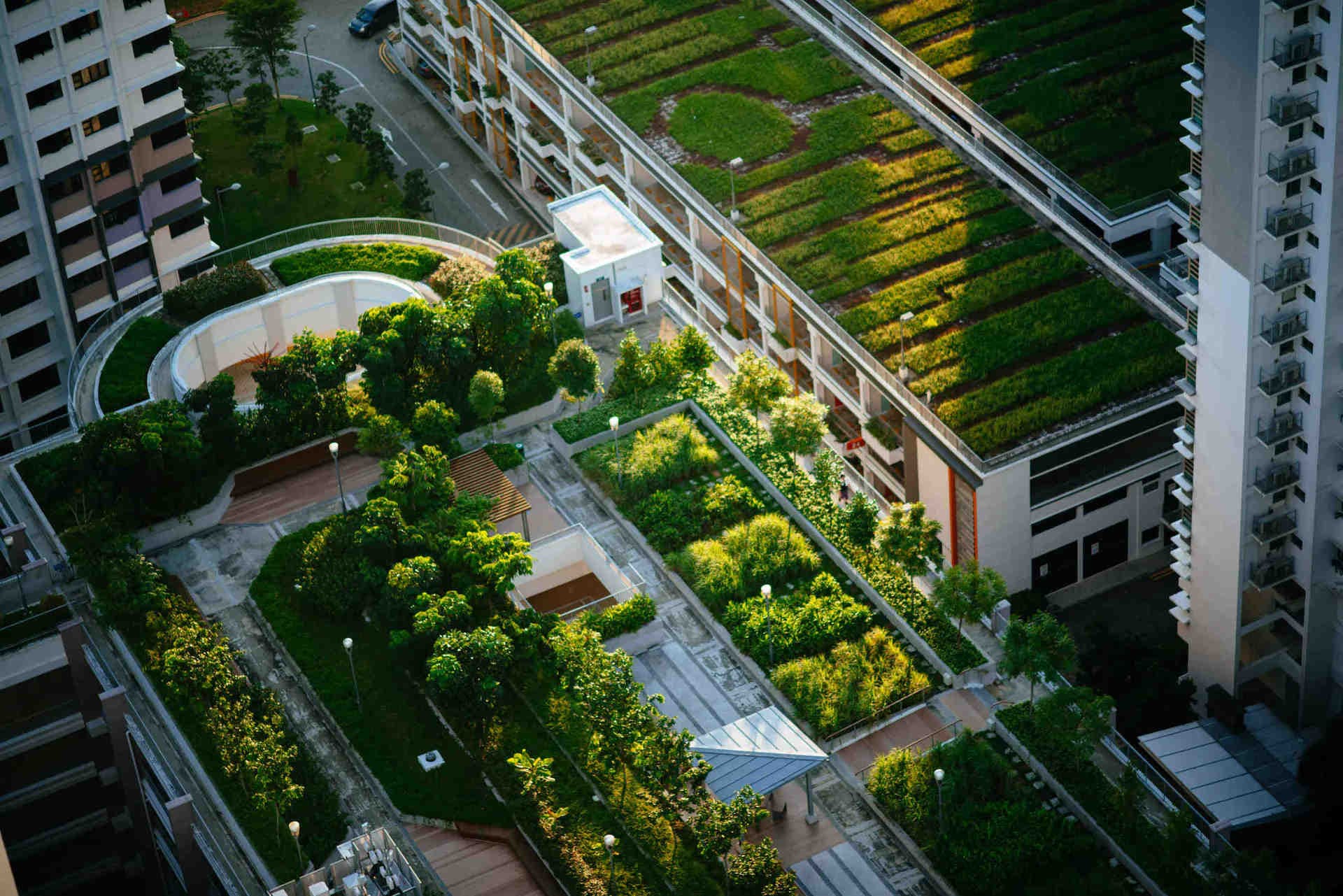
    Green roof initiatives are an important aspect of promoting urban biodiversity in European cities. Cities such as Copenhagen, Berlin and Paris have implemented successful green roof initiatives that provide habitat for wildlife and reduce the urban heat island effect. In Copenhagen, the green roof strategy has resulted in more than 20% of the city's flat roofs being greened, while the Berlin Senate Department for the Environment, Transport and Climate Protection has set a target of greening 30% of the city's flat roofs by 2022. In Paris, the Jardins sur les Toits programme has created rooftop gardens on public buildings and flats, creating valuable green spaces in the city. Green roofs can also improve air quality, insulate buildings and reduce rainwater run-off.

    Green roofs
    XNatura

    Urban planning

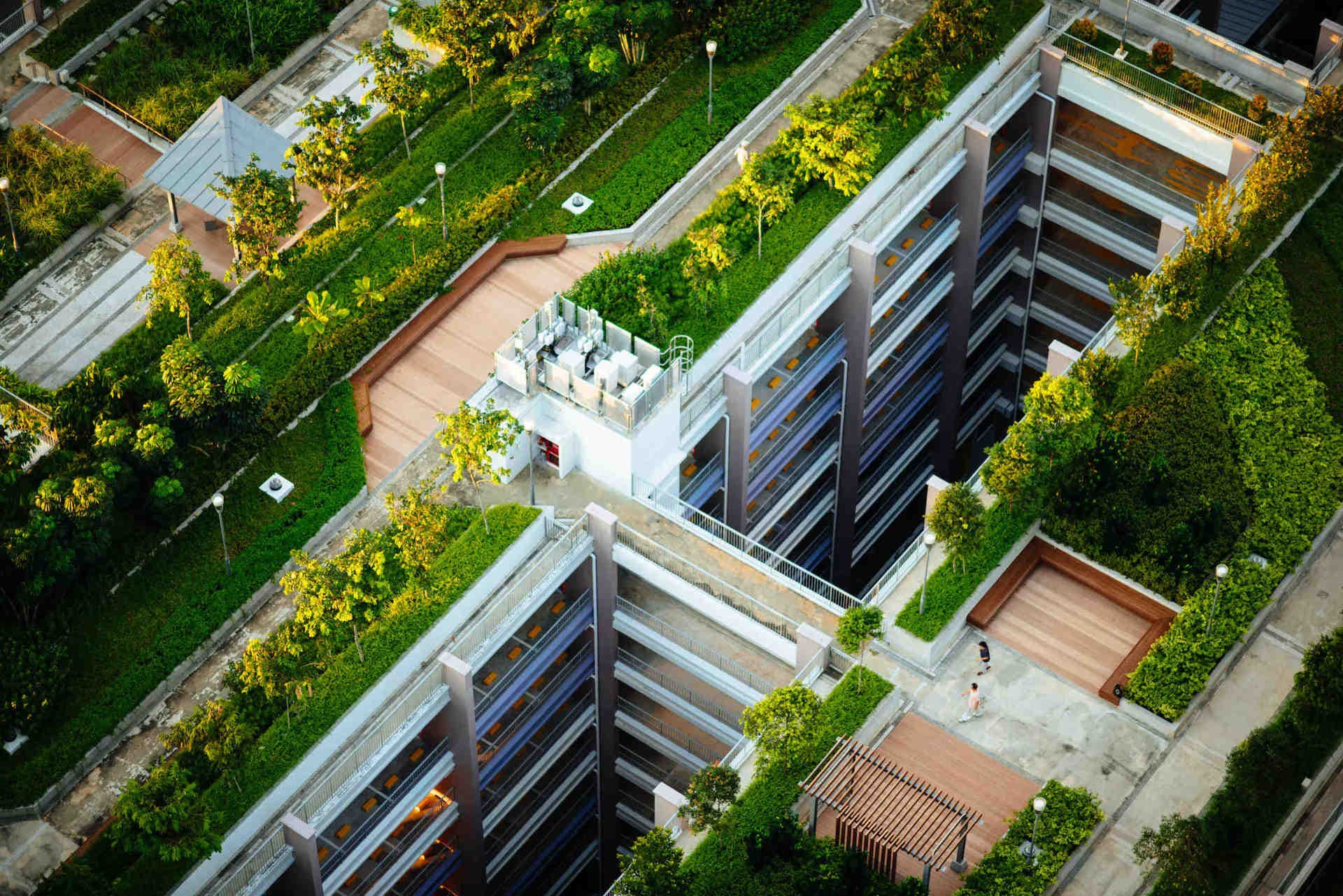
    The integration of biodiversity into urban planning and development is crucial for the promotion of urban biodiversity in European cities. Cities such as Rotterdam, Stockholm and London have successfully integrated biodiversity into their urban planning strategies. Rotterdam's Biodiversity Action Plan focuses on creating green spaces and connecting existing green spaces to create corridors for biodiversity, while Stockholm's Green Infrastructure Plan incorporates green infrastructure and promotes the use of green roofs and living walls. The London Biodiversity Strategy sets targets for the creation of new habitats, the protection of existing habitats and the improvement of green infrastructure. Green infrastructure such as green roofs and living walls play a crucial role in promoting biodiversity in cities.

    Urban planning
    3Bee

    Conclusion

    To summarise, urban biodiversity is essential for creatingmore liveable and sustainable cities in Europe. The integration of nature-based solutions in urban planning and development, such as green corridors, green roofs and the inclusion of green infrastructure, is becoming increasingly important for the promotion of urban biodiversity. European cities such as Germany, France, the Netherlands and the UK have implemented successful initiatives to increase biodiversity in urban areas, providing valuable green spaces for city dwellers and combating climate change. The success of these initiatives is due to a combination of factors including political will, community involvement, effective implementation and monitoring, and innovative approaches to urban planning and development.

    Conclusion
    11/05/2023Of 3Bee, Elena Fraccaro
    534 Views
    Newsletter
    newsletter
    Subscribe to the Blog about bees and biodiversity