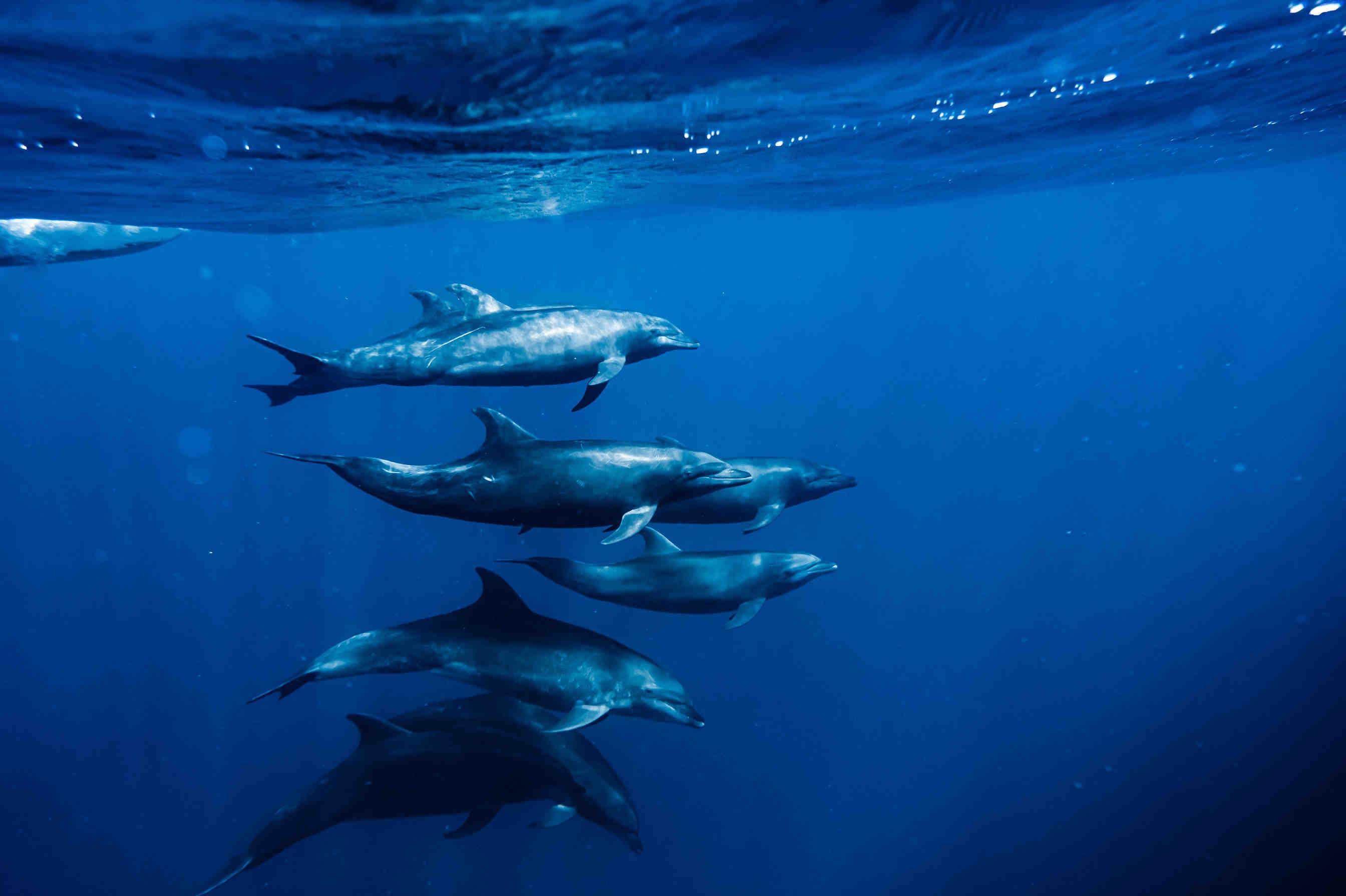
There is a worrying loss of biodiversity even in protected areas
    EmergenciesBiodiversity30x30The study

    There is a worrying loss of biodiversity even in protected areas

    The wake-up call for the state of global biodiversity comes from a study conducted by the Natural History Museum in the United Kingdom, which showed that biodiversity is declining faster in areas defined as protected than in unprotected areas.

    Read the article
    13/11/2024Of 3Bee, Lara Vivarelli
    144 Views
    13/11/2024Of 3Bee, Lara Vivarelli
    144 Views

    Two emergencies of planetary order

    Disclaimer: this is an automated translation from Italian. Go to the original article.

    Nowadays we face two planetary emergencies that feed off each other: the climate crisis and the loss of biodiversity. Climate change results not only in an increase of the global average temperature, altering all biological processes, but also, and above all, in extreme events that can significantly damage entire habitats. The loss of biodiversity, interconnected with land use change, contributes to climate change: carbon is released into the atmosphere through the degradation of ecosystems, accumulating and retaining more and more heat.
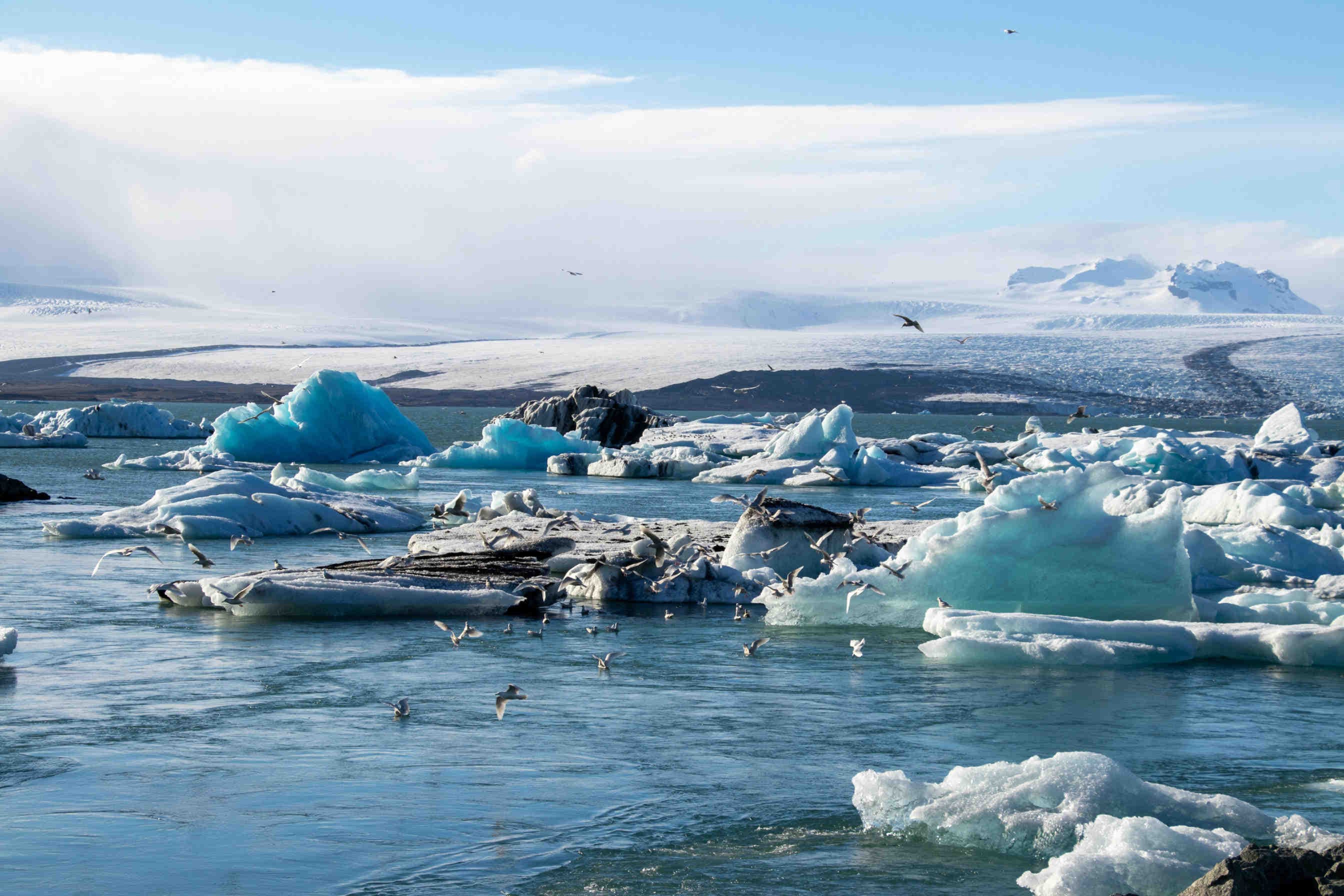
    emergenze planetarie perdita biodiversità e crisi climatica

    Loss of biodiversity

    Despite being a concrete and increasingly worrying issue, the emergency of biodiversity loss often takes second place to the climate crisis. Today about one million species are threatened with extinction, and the decline in biodiversity affects both species and ecosystem services. In 2020, the Global Biodiversity Integrity Index, which measures the health of ecosystems in response to human pressures, was only 59.37%, a decrease of 1.88 points from 2000. The most worrying figure concerns protected areas: although biodiversity integrity is relatively high (71.6% in 2020), it has nevertheless decreased by 2.1 points compared to the past. This paradox was recently highlighted by a study of the U.K. Natural History Museum.
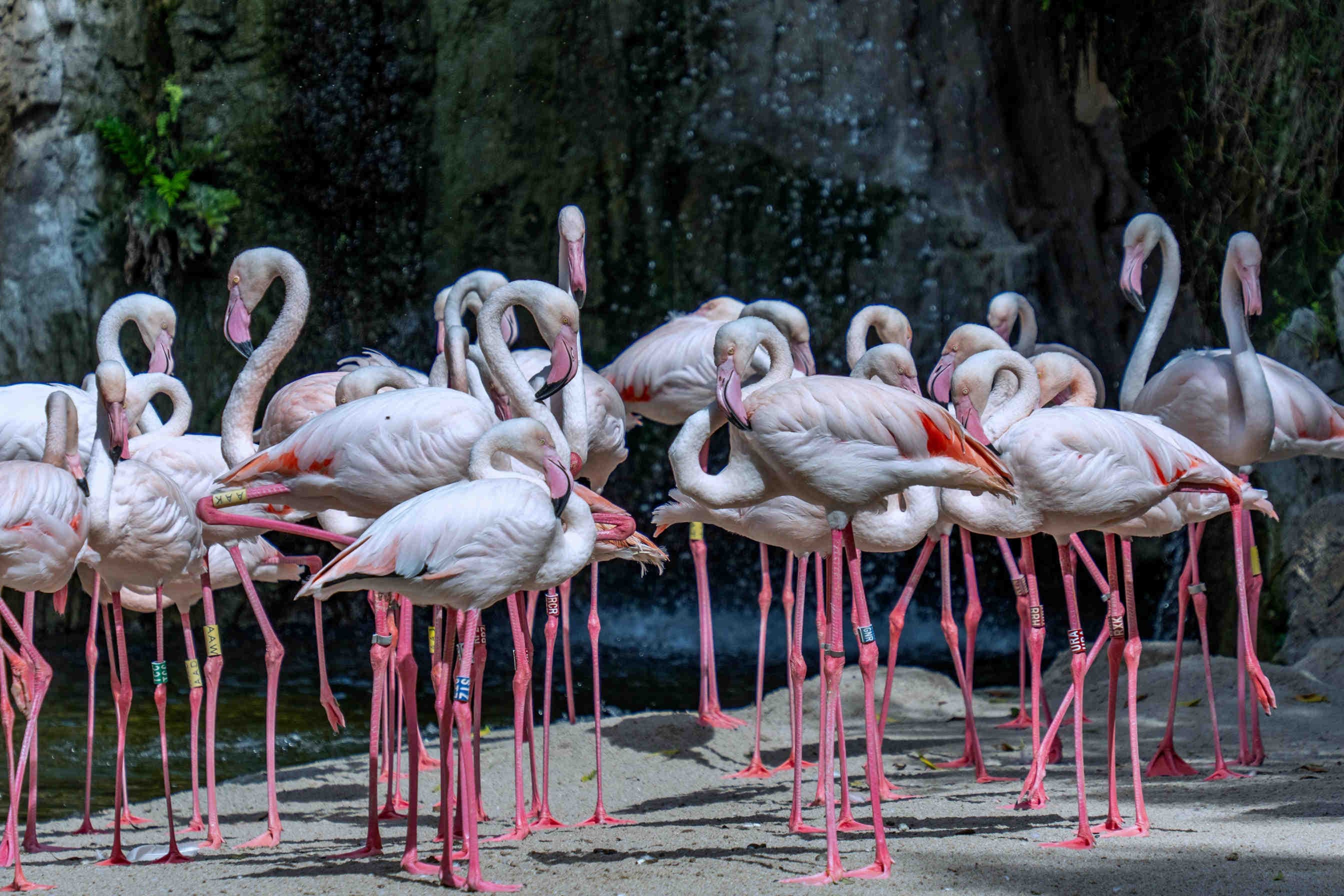
    Perdita di biodiversità
    XNatura

    The Global Biodiversity Framework or 30x30 model

    The Kunming-Montreal Global Biodiversity Framework,better known as "30 x 30", is an agreement established at the UN Convention on Biological Diversity (COP15) in 2022. Participating countries signed this agreement to protect nature by establishing protected areas to protect 30 per cent of the planet's natural heritage by 2030. Each country has a duty to protect approximately one third of its ecosystems, particularly areas of high importance both for biodiversity and for the provision of ecosystem services. 30 x 30 is considered the minimum level of ambition to help tackle global biodiversity loss and mitigate and adapt to climate change.
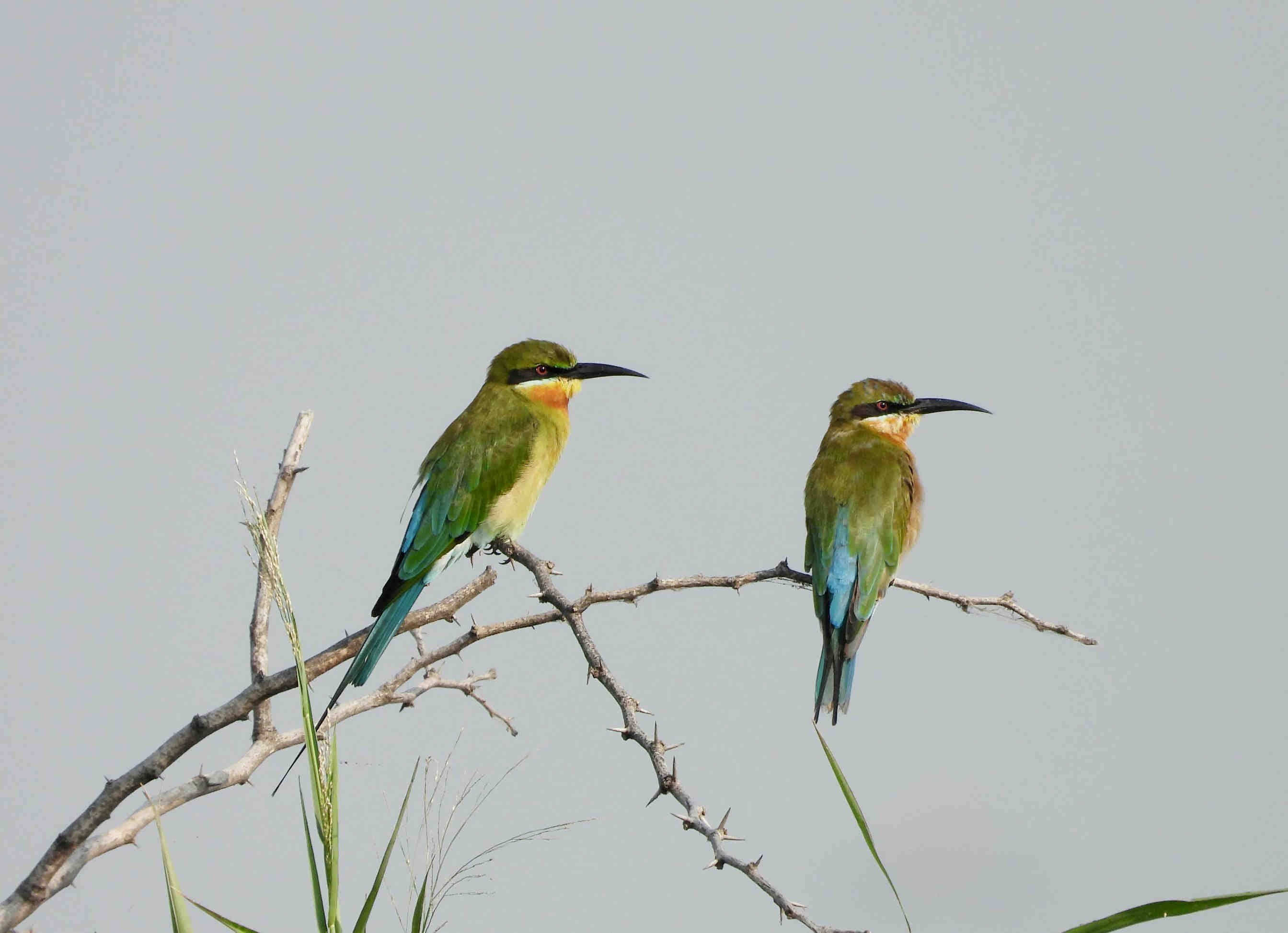
    Modello 30x30

    The Natural History Museum Study

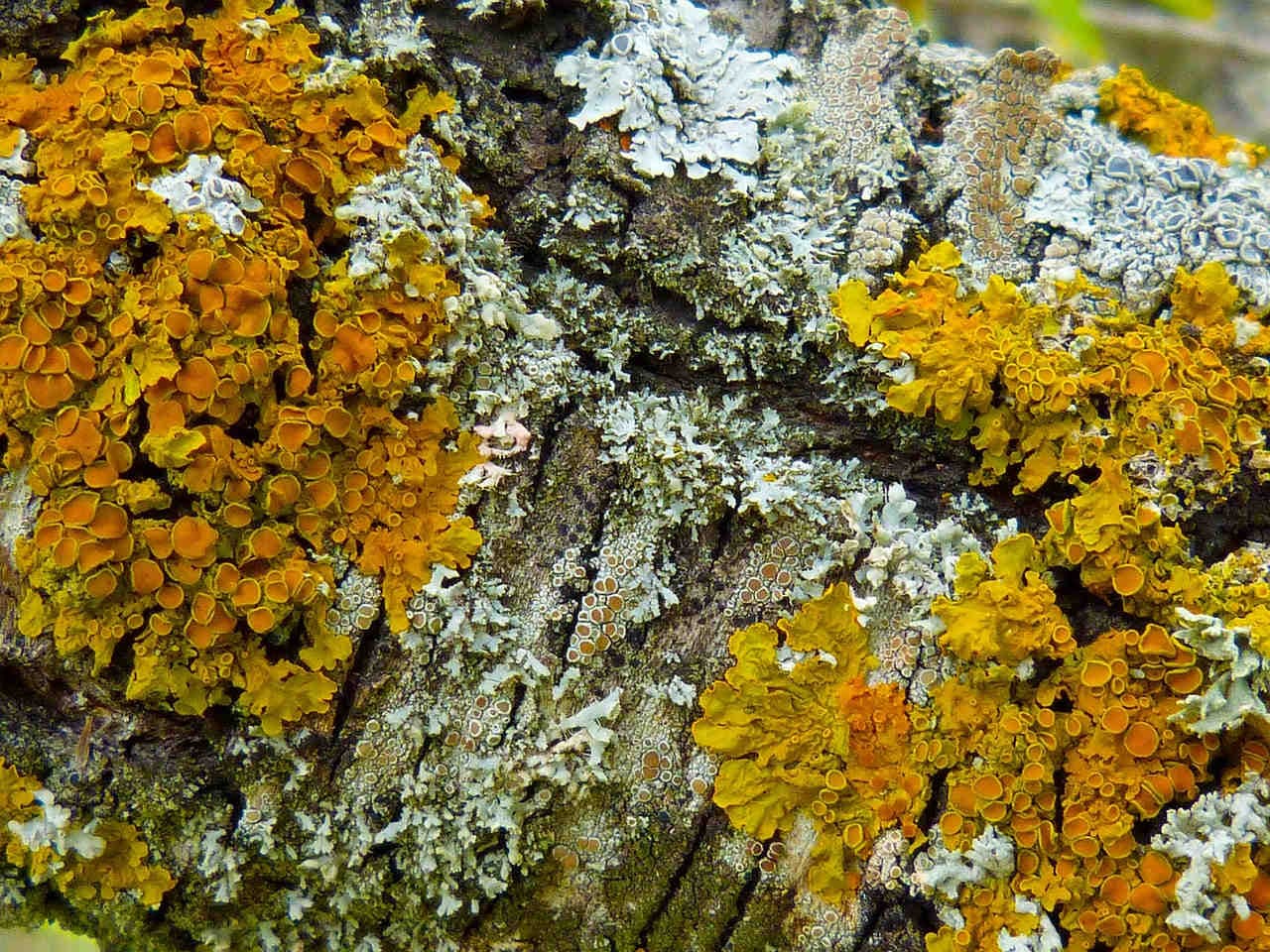
    A study conducted by theU.K. Natural History Museum, one of the most committed scientific institutions to biodiversity conservation worldwide, has shown that biodiversity is declining faster in areas defined as protected than in unprotected areas. According to this survey, in fact, the current 30 x 30 model approach does not seem adequate to protect biodiversity in protected areas, from which many essential ecosystem services for people derive, from food to energy, from raw materials to water availability.
    The Natural History Museum Study
    XNatura

    Protected areas do not always benefit biodiversity

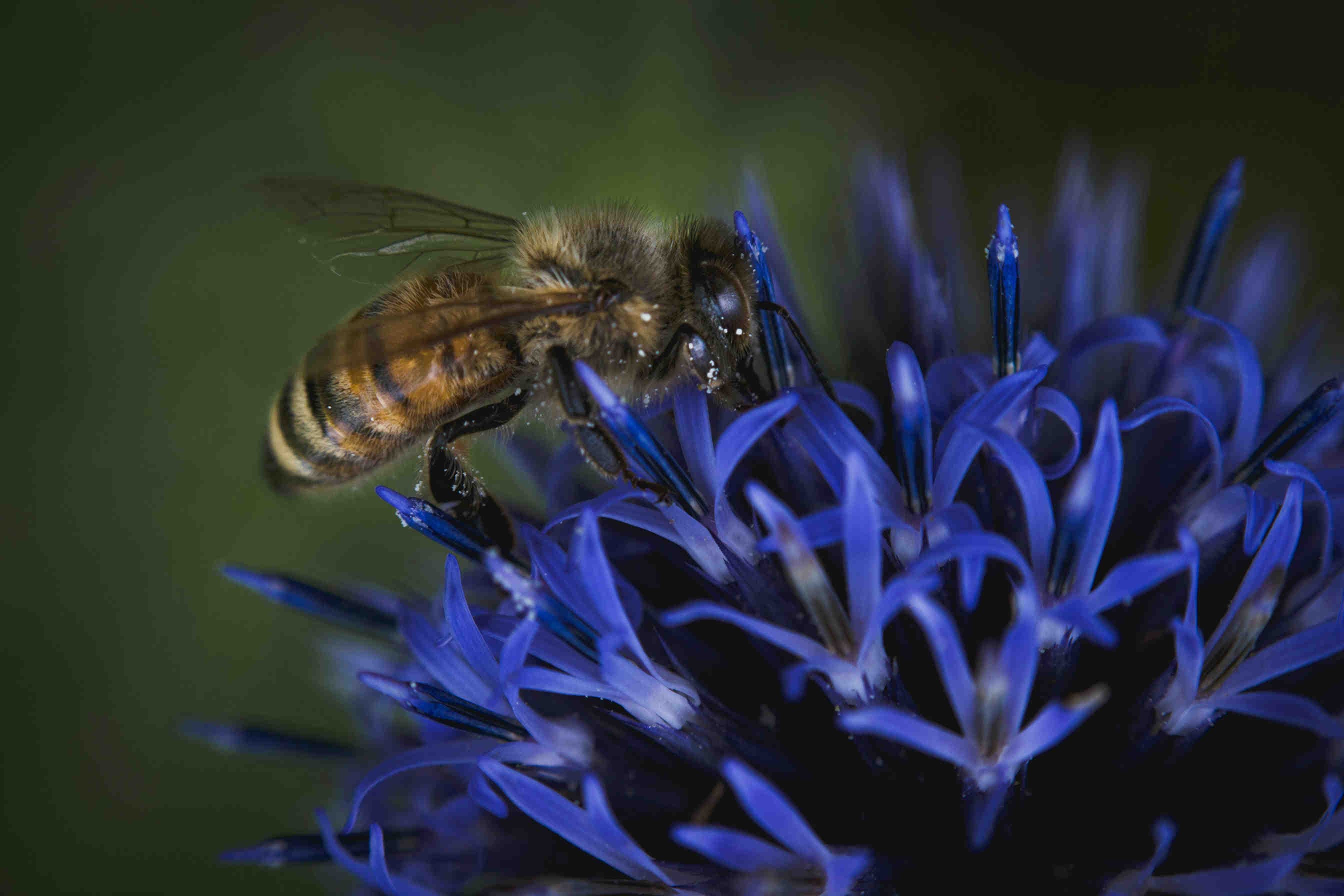
    Despite apparently significant efforts, the 30x30 approach is proving to be ineffective in counteracting biodiversity degradation. This model is based on the identification of areas to be protected and the expansion of networks of protected areas, but the mere designation of such areas does not guarantee concrete results in terms of biodiversity protection. For example, many protected areas does not offer adequate protection for insects, while in others plant diversity is not sufficiently safeguarded. In addition, the 30x30 approach tends to concentrate too much on specific objectives, such as the protection of endemic species, while neglecting the overall integrity of ecosystems and the provision of vital ecosystem services.
    L’identificazione delle aree protette non porta sempre benefici alla biodiversità
    3Bee

    The 30x30 model does not adequately protect ecosystem services

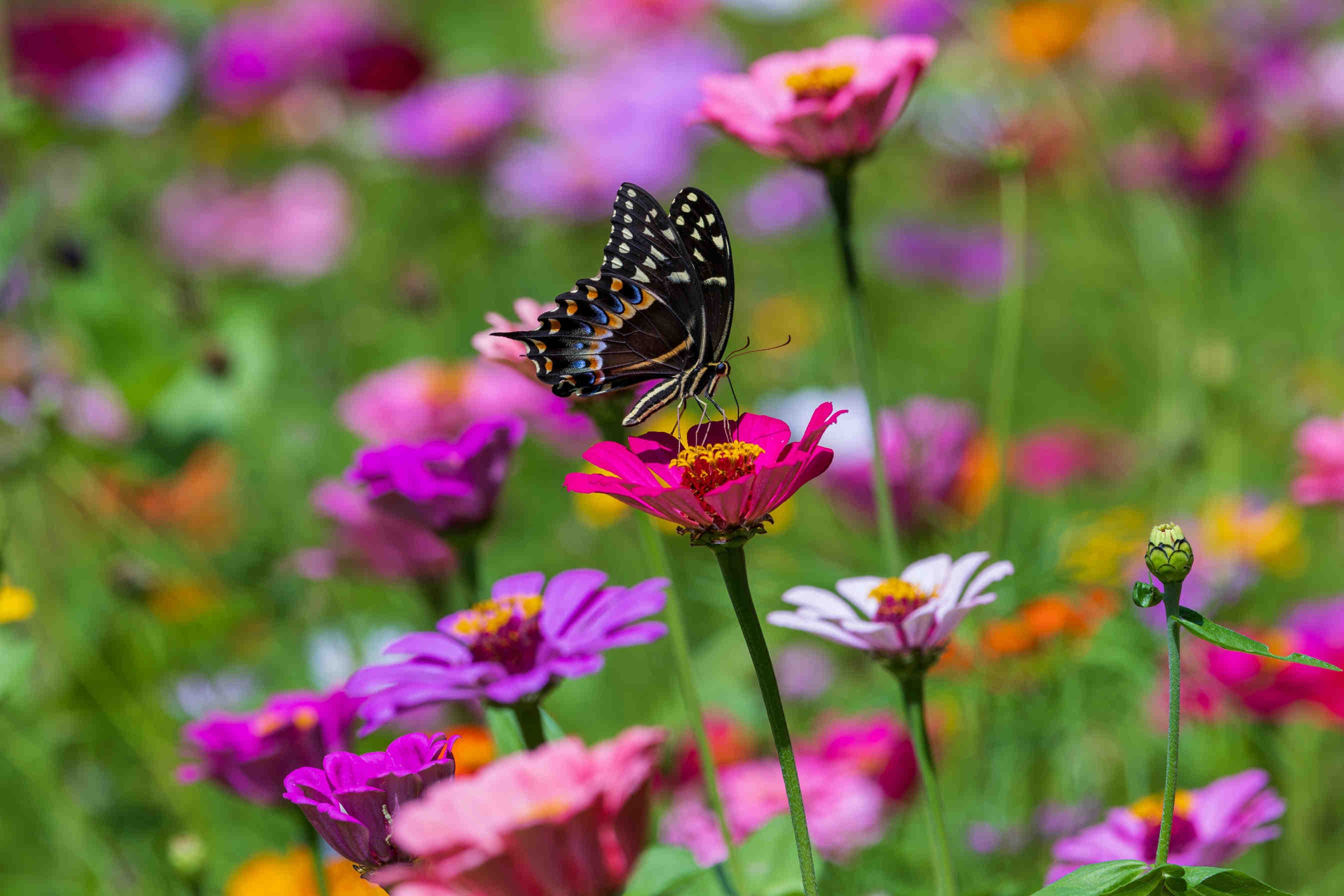
    The study by the UK's Natural History Museum points out that the current 30x30 approach is deficient in safeguarding ecosystem services. Ecosystem services are nothing more than the services provided by the natural environment that affect human wellbeing directly and indirectly, such as local supplies of food, water, energy and raw materials, and global supplies such as carbon storage in terrestrial ecosystems. This analysis shows that much of the land that provides the most critical ecosystem services is not part of protected areas.
    servizi ecosistemici

    The study's conclusions

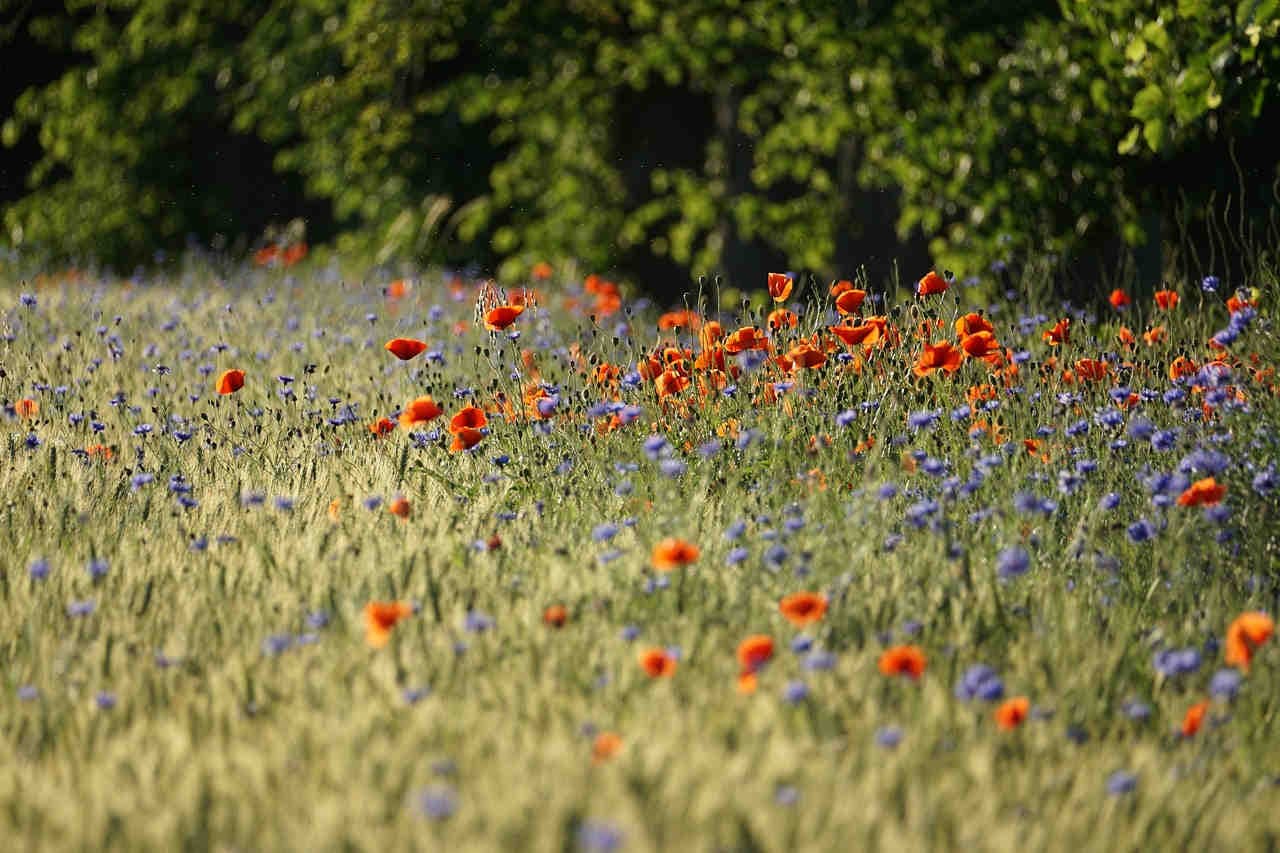
    According to scientists at the Natural History Museum, political decision-makers are focusing more on achieving numbers than on the actual quality of protection. One of the main reasons for the rapid degradation in protected areas lies in the fact that conservation plans are often too sectoral, aimed at protecting individual species instead of protecting the entire ecosystem. For example, actions aimed at safeguarding endemic species, typical of a given area, could alter local ecological balances and damage other species that coexist there. Furthermore, despite their 'protected' status, many of these areas continue to suffer significant environmental degradation. According to the Museum of Natural History, 22% of the most biodiversity-rich areas on the planet are in protected areas, but it is in these areas that biological integrity is declining most rapidly.They are also the areas in which the biological integrity is declining the most.
    calo della biodiversità

    The solution is generalist and integrative

    To turn the tide, it is not enough to increase the size of protected areas or to focus only on protecting individual species, but a more dynamic and monitored approach is required, which aims to conserve the entire ecosystem and improve the resilience of protected areas.It is essential to strengthen national and international collaboration to monitor changes in biodiversity and go beyond the 30x30 approach, which risks becoming just a symbolic number without real effectiveness. Moreover, a crucial objective is to protect the territories that provide the ecosystem services most vital to humanity, rather than just protecting individual species. This implies including the territories that provide these vital services in the network of protected areas and effectively managing existing areas to slow the decline of biodiversity.
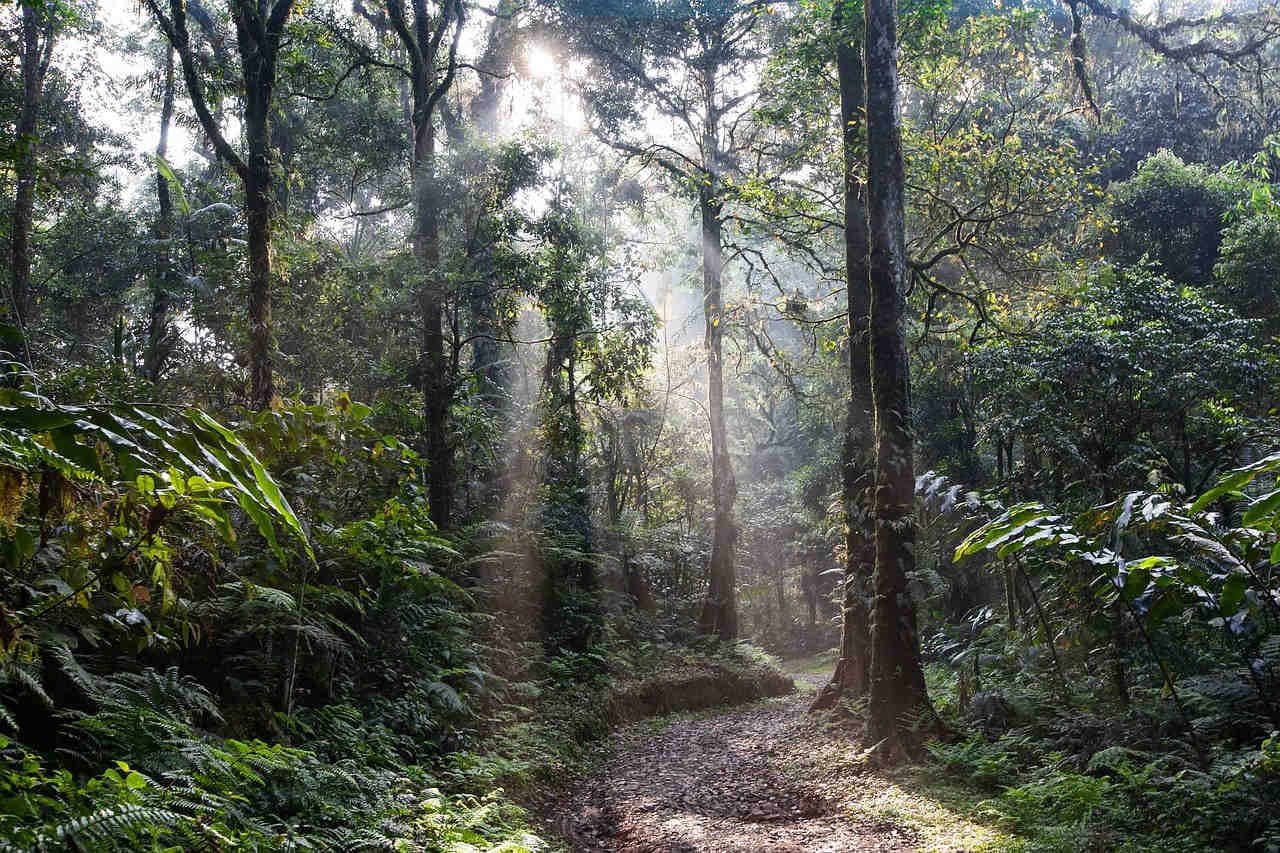
    calo della biodiversità nelle aree protette
    13/11/2024Of 3Bee, Lara Vivarelli
    144 Views
    Newsletter
    newsletter
    Subscribe to the Blog about bees and biodiversity

    Frequently Asked Questions

    Do you have any doubts or other curiosities about this article? Here you will find some insights