Complete Guide to Biodiversity Assessment: Methods, Indicators, and Applications
    AssessmentHow to do itContextData

    Complete Guide to Biodiversity Assessment: Methods, Indicators, and Applications

    Discover how to effectively assess biodiversity: practical tools, key indicators, ecosystem approaches, and strategies to integrate biodiversity into decision-making processes and environmental projects.

    Read the article
    08/04/2025Of 3Bee, XNatura
    1019 Views
    08/04/2025Of 3Bee, XNatura
    1019 Views

    Introduction to Biodiversity Assessment

    Biodiversity assessment is the process by which the variety of species, habitats, and ecosystems present in a territory is analyzed, with the aim of understanding its state, trends, and risks. It is an essential tool to support informed decisions, plan conservation interventions, integrate nature into business strategies, and comply with environmental reporting obligations. Assessing biodiversity allows quantifying the ecological value of an area, identifying pressures and threats, monitoring changes over time, and guiding sustainable management policies. In a context of ecological crisis and accelerated biodiversity loss, it becomes increasingly relevant to have reliable data and standardized methods to guide concrete actions.

    butterfly biodiversity

    Definition of Assessment Objectives

    Precisely defining the objectives of biodiversity assessment is essential to guide methods, scale, and expected outcomes. The objectives may vary depending on the context: supporting land management decisions, measuring the effectiveness of conservation actions, evaluating environmental impacts of projects, or integrating biodiversity into sustainability reports. It is possible to distinguish between descriptive objectives (photographing the current state), predictive (modeling future scenarios), or decisional (providing bases for actions). A clear definition of objectives allows for choosing the most suitable indicators, engaging relevant stakeholders, and ensuring that the assessment produces useful, applicable, and easily communicable results. XNatura has developed the first Biodiversity simulator useful for comparative analysis and future scenarios.

    biodiversità
    XNatura

    Choice of Scale and Context

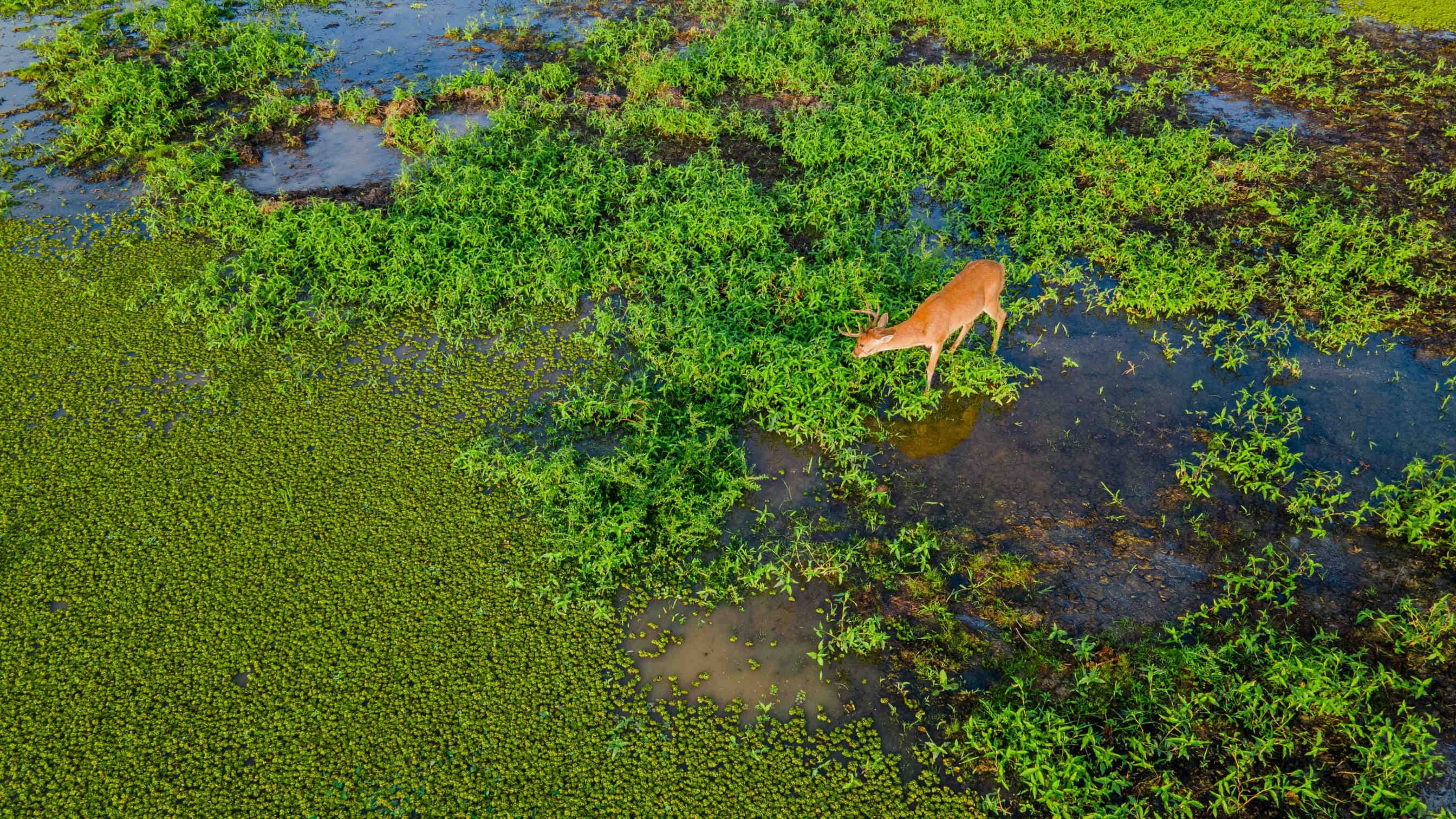
    The choice of scale and context is a crucial step in assessing biodiversity, as it determines the relevance and applicability of the data collected. The scale can be local (e.g., a business area), landscape, regional, or global, and should be selected based on the objectives and available resources. The ecological context (type of habitat, presence of key species), social (involved communities, land use) and economic (value of ecosystems, anthropogenic pressures) also influences the methodology. Understanding the interactions between environmental and human factors allows for the definition of priorities, adaptation of tools, and correct interpretation of results. A good assessment takes into account ecological dynamics, territorial constraints, and the informational needs of the stakeholders involved.

    contesto ambientale

    Data Collection

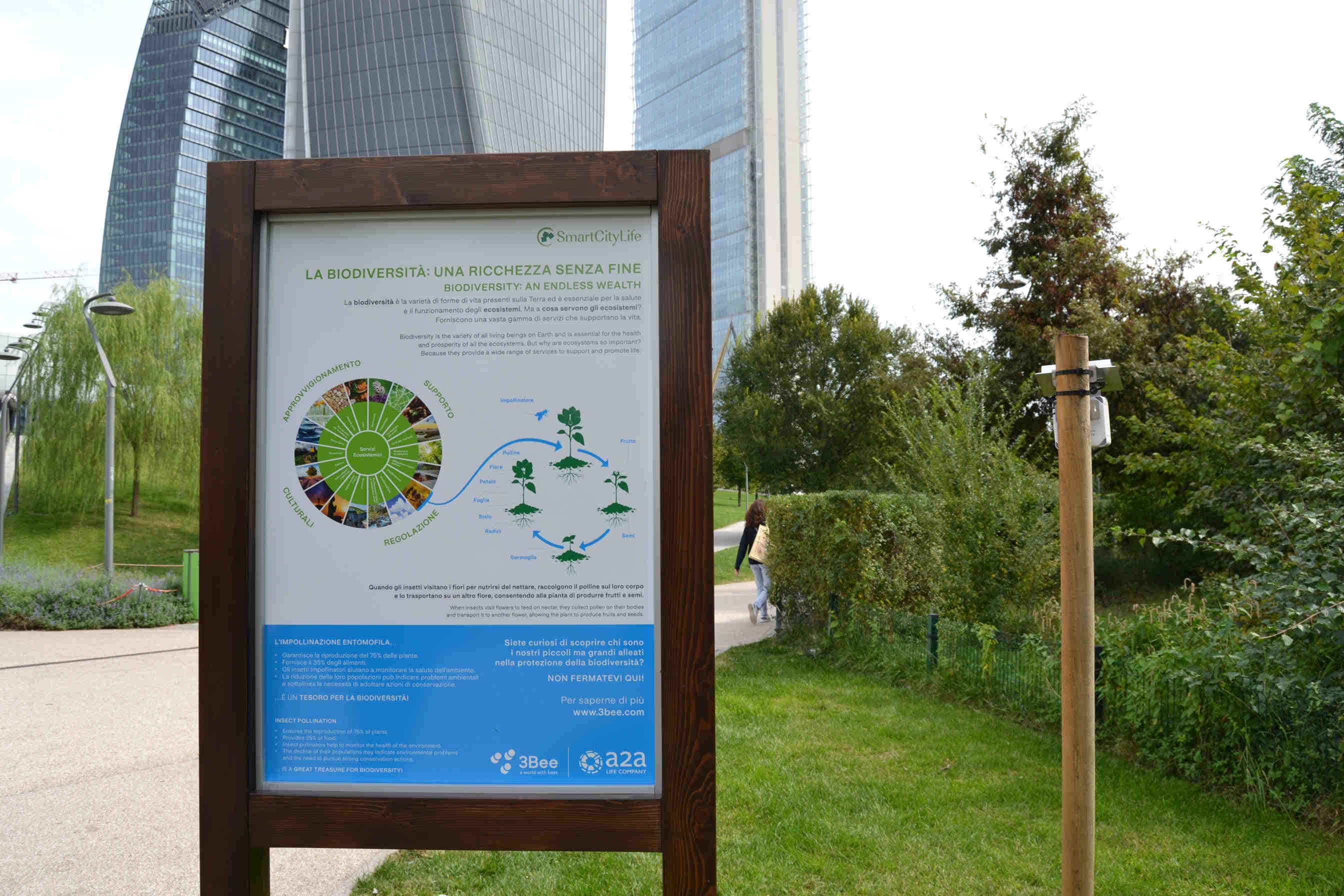
    Data collection is the operational heart of every biodiversity assessment. It can occur through primary data, collected directly in the field through surveys, camera traps, soil sampling, or acoustic monitoring; or through secondary data, such as satellite images, biological databases, existing studies, and climate data. The integration of innovative technologies – IoT sensors, drones, citizen science, artificial intelligence – today allows for obtaining richer, continuous and georeferenced data. The choice of method depends on scale, objectives, target species or habitat, and the level of detail required. It is essential to ensure quality, reproducibility, and transparency by documenting methods, sources, and limitations. An effective data collection is one that balances scientific rigor, operational efficiency, and decision-making utility.

    cartelli informativi 3Bee biodiversità
    XNatura

    Biodiversity Indicators

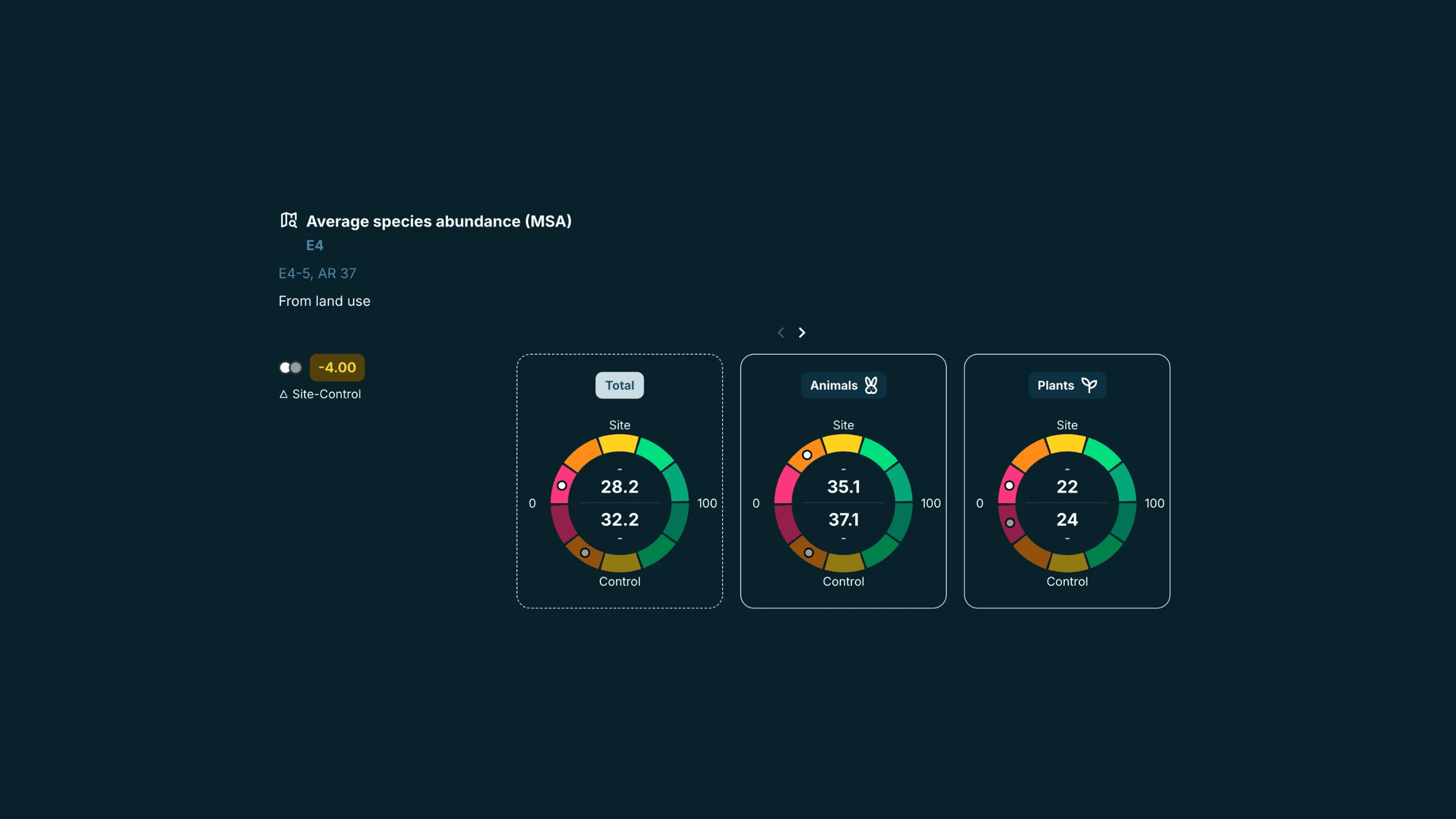
    Biodiversity indicators are synthetic tools that allow for the measurement and communication of complex aspects of ecosystems in a comprehensible and operational way. They are divided into three main categories: composition indicators (e.g., number of species, presence of rare or invasive species), structure indicators (e.g., habitat heterogeneity, ecological connectivity), and function indicators (e.g., pollination, nutrient cycling). They can also follow the DPSIR model (Driver, Pressure, State, Impact, Response), useful for linking ecological changes to causes and management responses. A good set of indicators must be relevant, sensitive to changes, easy to measure, and comparable over time. The choice depends on the assessment objectives, the ecological context, and the target audience, balancing scientific robustness and communicative simplicity. XNatura is the first platform to provide professional indicators for evaluating Terrestrial Biodiversity.

    KPI XNatura
    3Bee
    08/04/2025Of 3Bee, XNatura
    1019 Views
    Newsletter
    newsletter
    Subscribe to the Blog about bees and biodiversity