Bio-indicators: what they are and what they are used for
    BiomonitoringBioindicatorsPlantsDragonflies

    Bio-indicators: what they are and what they are used for

    Bio-indicators are living organisms capable of indicating the quality of certain environmental factors, such as water, air, soil and the level of biodiversity in a given area and the respective degree of pollution.

    Read the article
    04/05/2024Of 3Bee, Lara Vivarelli
    2092 Views
    04/05/2024Of 3Bee, Lara Vivarelli
    2092 Views

    Biomonitoring

    Biomonitoring is a scientific research tool increasingly used to measure human and environmental exposure to pollutants and toxins. This process of data collection, both qualitative and quantitative, is carried out over a certain time interval, precisely to record changes that may occur and their cause. Biomonitoring can make use of bio-indicators to assess the state of the environment (water, soil, air) and the biodiversity present in a given territory, which may or may not be exposed to disturbing factors or polluting elements.
    damigella

    What are bio-indicators

    A biological indicator, or bio-indicator, is an organism used to assess a change in the quality of the environment due to a natural or anthropogenic stress. The biological target under investigation also undergoes changes in its natural state, which can be detected to determine the health status of the environment. To be used as a bio-indicator, an organism must meet the determined criteria; in general, the candidate organism must be suitably distributed and easily accessible, have a certain ecological and social relevance, preferably be large in size, long-lived, and capable of accumulating and concentrating detectable amounts of pollutants without dying. We speak, in fact, of bioaccumulation in the body of certain substances, often pollutants, to an extent far greater than the environmental concentration.

    ape
    XNatura

    Plants: soil bio-indicators

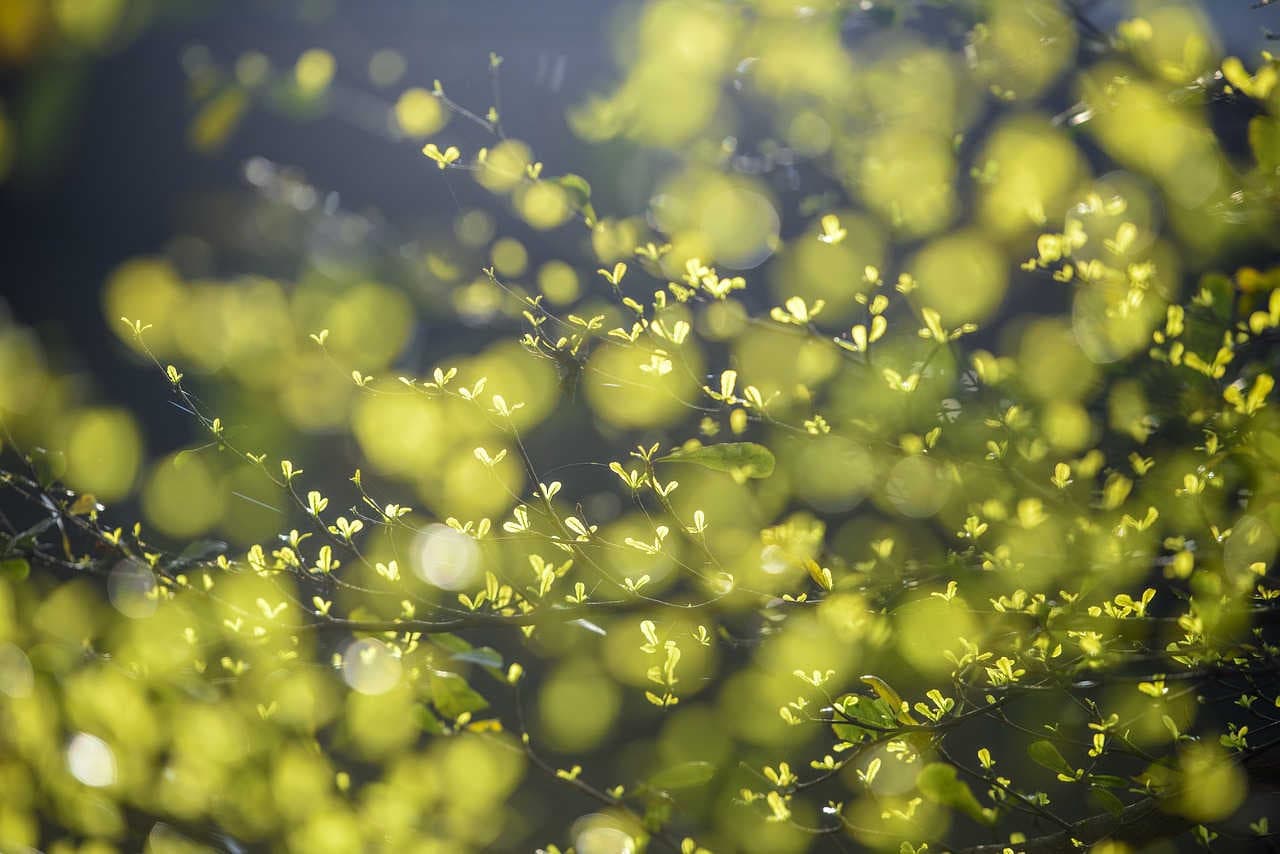
    The weeds can be the main bio-indicators of the quality of the soil and its impurity. Speaking of herbaceous plants, based on which weeds grow in a given soil, one can infer the soil conditions and fertility status. Indeed, each plant has its own optimal growing conditions. Some plant organisms prefer acidic soil, others more basic; but the state of compaction of the soil itself can also have an effect, as can the excessive concentration of some nutrient, such as nitrogen and the level of humidity.

    alberi

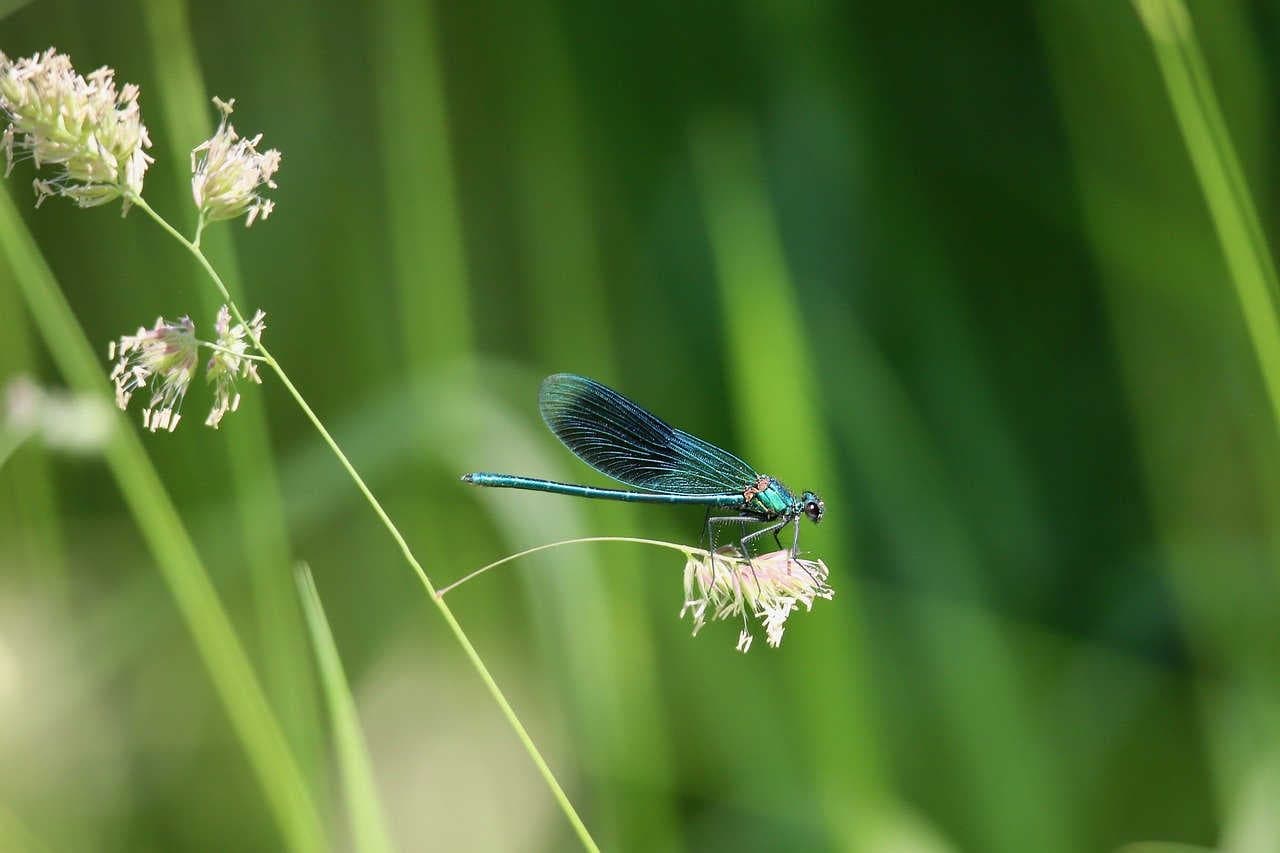
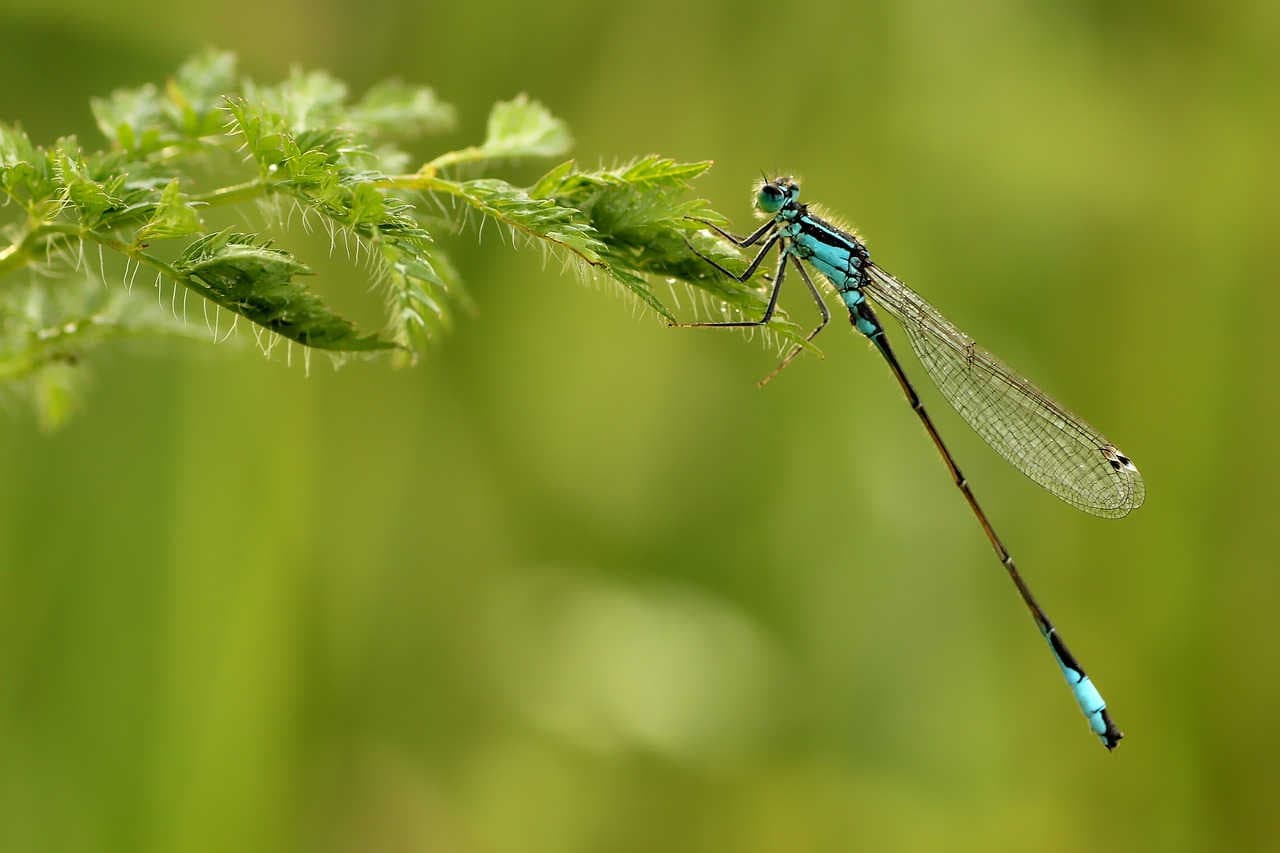
    Dragonflies and damselflies: sentinels of fresh waters

    Dragonflies and damselflies are insects belonging to the order of Hodons, which evolved at the beginning of the Mesozoic Era. They are animals attached to bodies of water, flying over them both to feed and to reproduce. They can be used as environmental sentinels and as informers of freshwater health, thanks to their particular sensitivity. Indeed, their proper development in their early life stages depends on the water quality of rivers, ponds and lakes. Odonates are therefore excellent bio-indicators for freshwater monitoring. Moreover, their presence in terms of quality and quantity provides information on the abundance of prey (insects) and vegetation of the ecosystem examined. Unlike other bio-indicators, with regard to odonates, there is a direct correlation between their population density and that of prey and plants.
    libellula
    XNatura

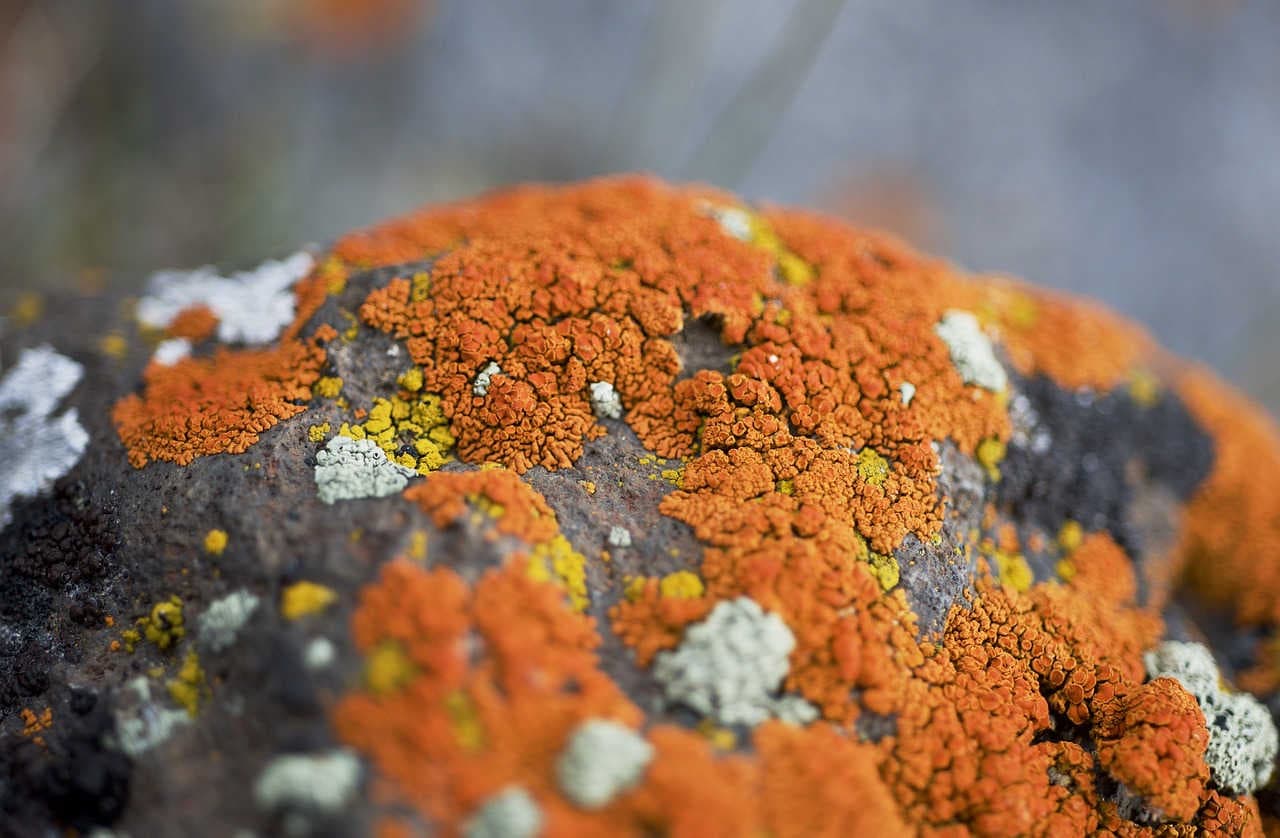
    Lichens: informers of air quality

    Lichens offer significant information on the diversity, quantity and quality of the pollutants in the atmosphere. In fact, human activity releases various harmful pollutants into the air that not only threaten human and animal health, but also cause plant diseases and disturb the structure of the ecosystem. Lichens are a symbiotic association between two organisms, a fungus and a photosynthetic partner such as a cyanobacterium or an alga. In this symbiosis, the algae produce organic compounds through photosynthesis while the fungus, through its hyphae, provides the alga with protection, mineral salts and water. Lichens have no roots, no stems, and no leaves, so they depend mainly on the atmospheric supply of mineral nutrients. In fact, they are known to be very sensitive to environmental parameters such as temperature, humidity and air pollutants, due to the absence of vascularisation.
    licheni
    3Bee

    Birds: excellent bio-indicators

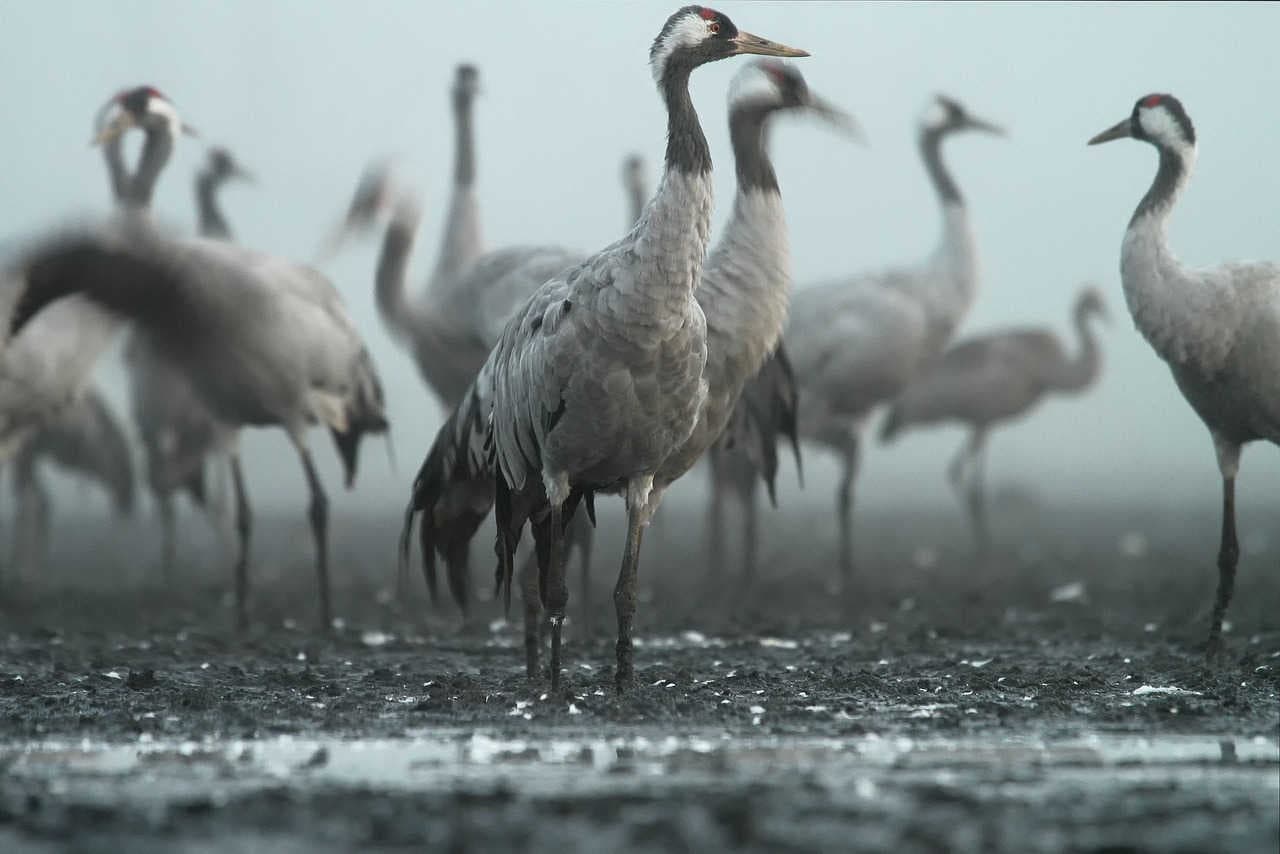
    Birds possess many properties known to bio-indicators: they are easily detected due to their calls, bright colours and flight habits. In many ecosystems, birds can be found as main consumers, making them organisms that can bioaccumulate contaminants easily. These animals are the only that can cover a three-dimensional level of the ecosystem, as they can fly, stay on land, swim and even enter deep water. Moreover, the migratory behaviour of some of them allows them to cover vast areas and thus give us information on the type and degree of contamination of the tract they cover. Birds can act as bioindicators of various environmental disturbances, such as noise, air quality, light pollution, global warming, but also on thelevel of biodiversity present in a given area.
    uccelli

    Elasmobranchs: bio-indicators of marine pollution

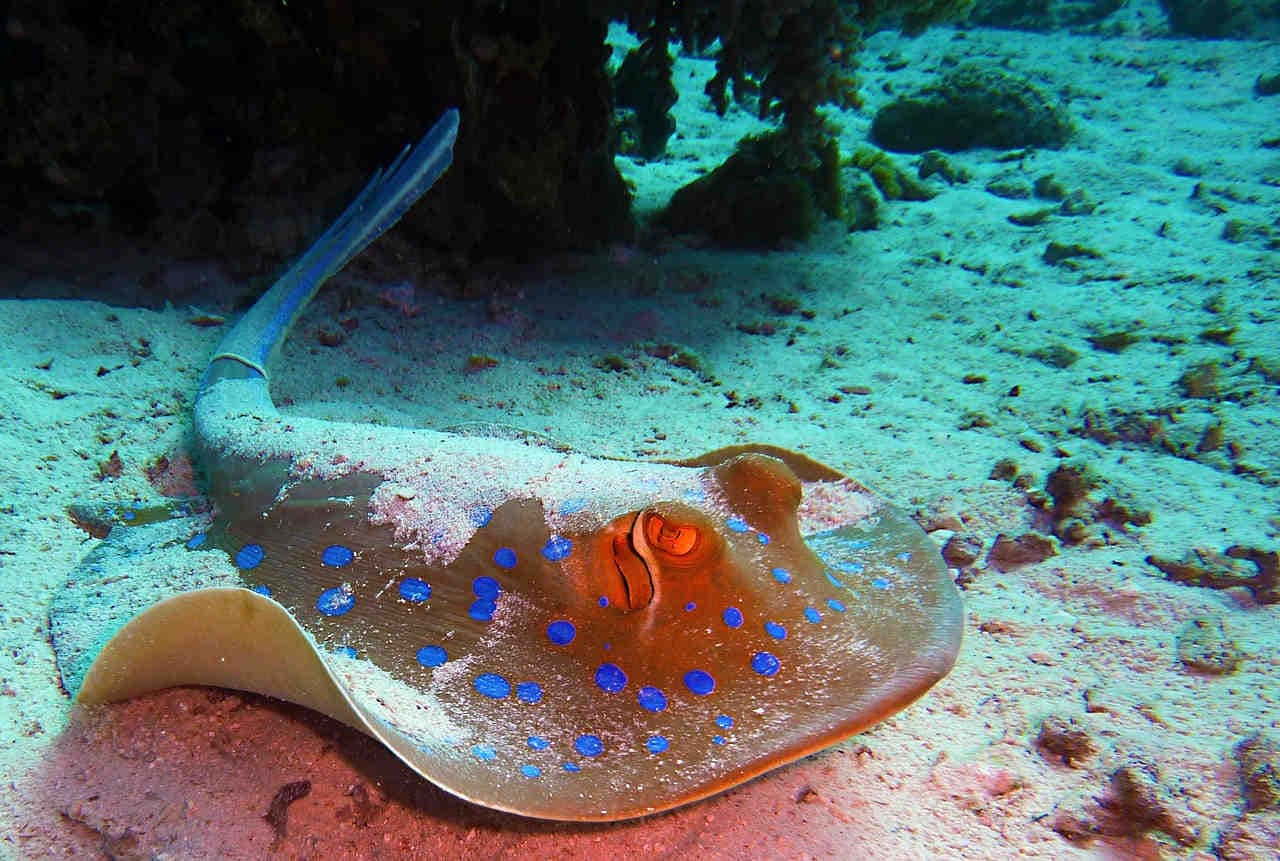
    The elasmobranchs are a subclass of cartilaginous fishes that include rays and sharks: they have ahigh ecological and social relevance, as well as a wide distribution and accessibility. Many species are longeve and at the top of their trophic chains. These are all characteristics that make them excellent bio-indicators of water pollution, since, being at the top of the food chain, they accumulate high levels of environmental contaminants present in the ecosystem for decades, or even centuries in some cases. Thanks to their fat-rich liver they can accumulate lipophilic substances, a characteristic of some harmful substances. Elasmobranchs, in fact, are used as bio-indicators of various pollutants in marine waters, such as metals, persistent organic pollutants and plastics, but they can also give information on environmental changes induced by anthropogenic activities (changes in marine temperature, pH and oxygenation).

    elasmobranchi

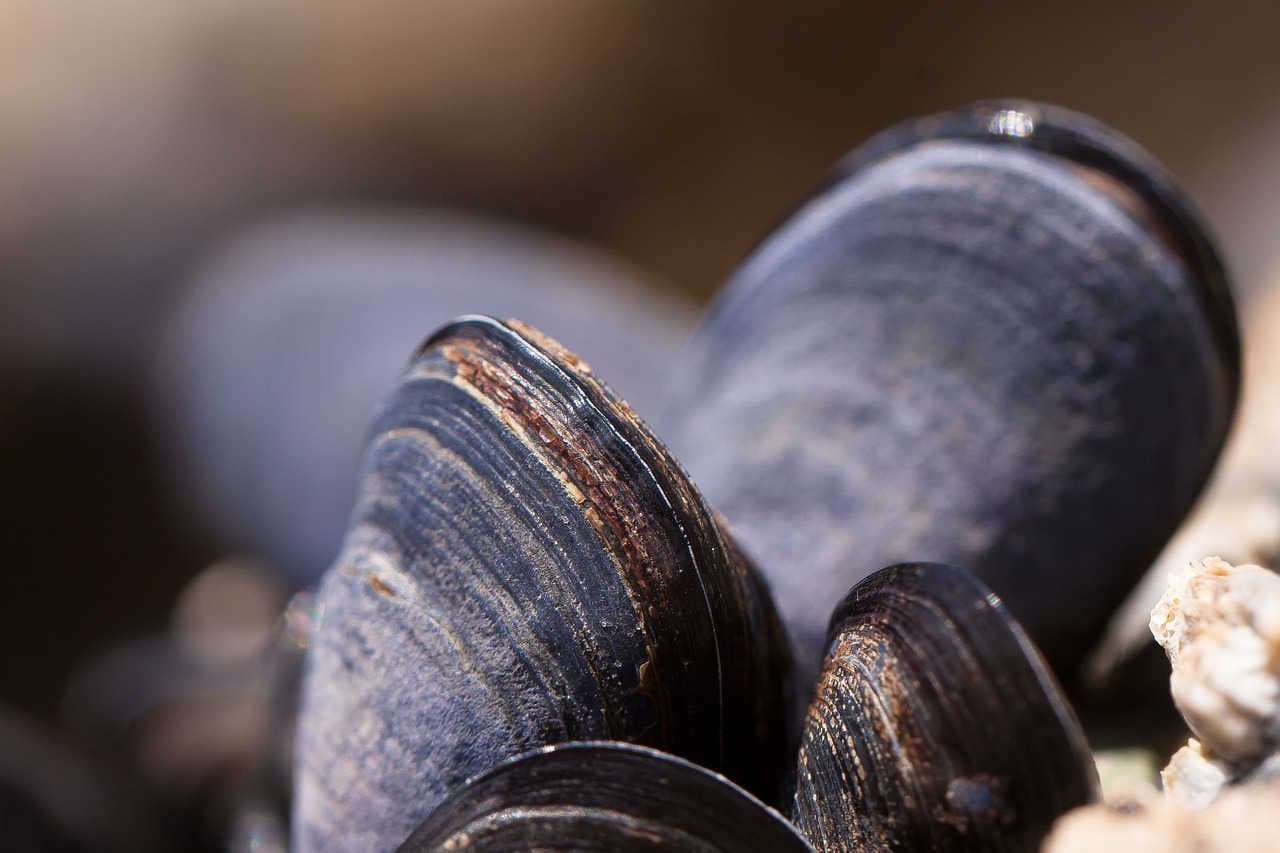
    Bivalves: sentinels of microparticle pollutants

    Bivalves are filter-feeding mollusks of both freshwater and marine waters, acting as sentinels of certain environmental changes and bioaccumulators of multiple types of substances. The common mussel, in particular, is a good bioindicator as it reflects some important characteristics, such as its worldwide distribution, sedentary behaviour and low supply costs. Thanks to these organisms, it is possible to study the impact of a particular event on the state of a ecosystem and to prognose, with some approximation, environmental risks.

    cozze
    04/05/2024Of 3Bee, Lara Vivarelli
    2092 Views
    Newsletter
    newsletter
    Subscribe to the Blog about bees and biodiversity

    Frequently Asked Questions

    Do you have any doubts or other curiosities about this article? Here you will find some insights