Bees in the city, what's going on?
    SwarmingNo fearbiodiversityHow to move

    Bees in the city, what's going on?

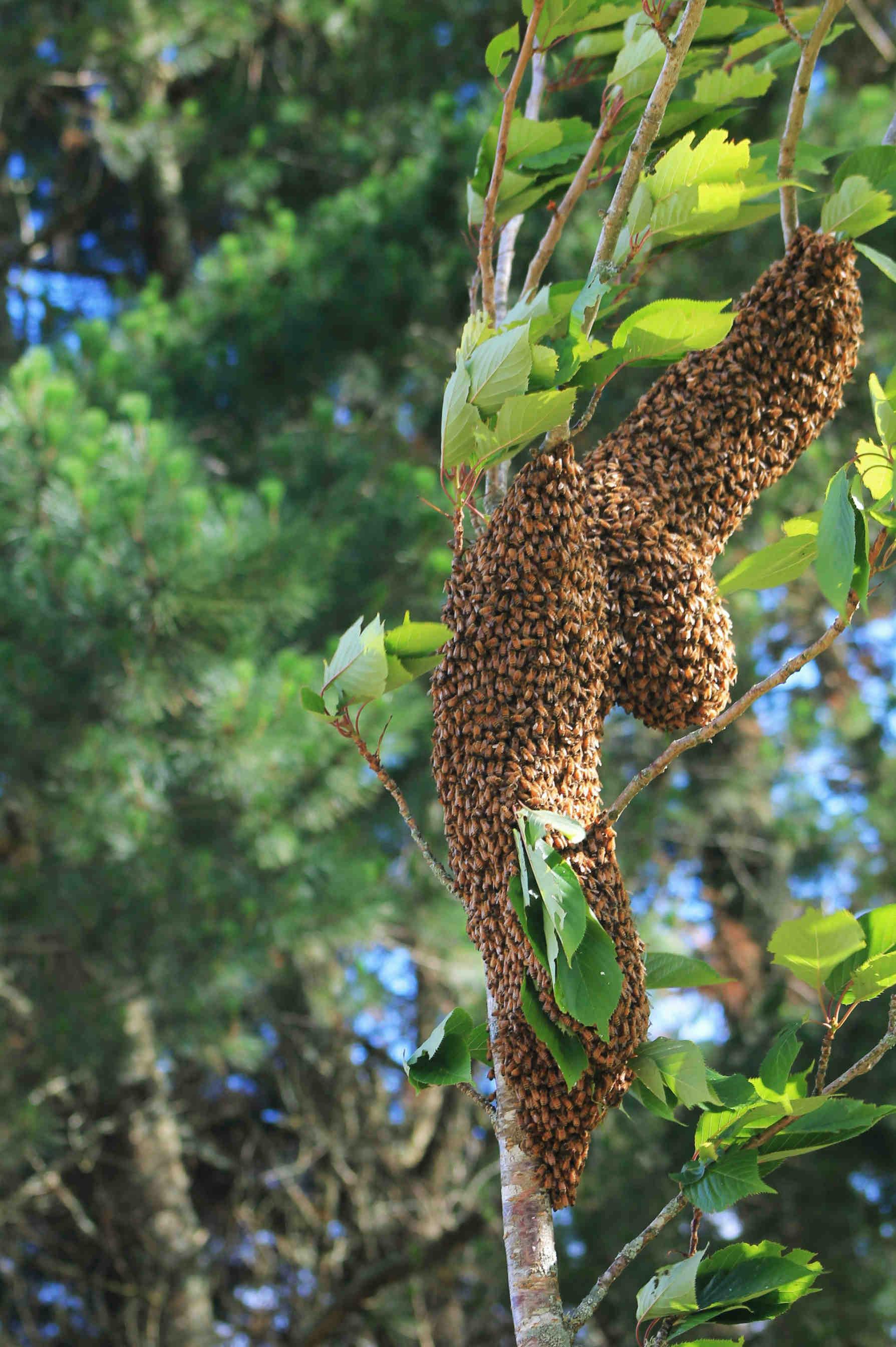
    In various parts of Italy, between May and June, citizens and tourists have come across bee swarms, anchored to trees in the middle of town centres, leaning against parked cars or even hanging from beach umbrellas, to the amazement (and fear) of bathers. What is this all about?

    Read the article
    15/06/2023Of 3Bee, Elena Fraccaro
    518 Views
    15/06/2023Of 3Bee, Elena Fraccaro
    518 Views

    Swarming

    Swarming represents the natural way in which bee colonies reproduce and expand. When a colony becomes too large for its current location, a new queen develops and the old queen moves away, taking some of the individuals with her. This group of bees forms what is known as a swarming. In cities, the presence of gardens, parks and flowery balconies provides an ideal environment for bees, which find an abundance of food resources. Furthermore, urbanisation has reduced natural habitats to 'islands' between rivers of concrete. The increasing development of urban apiaries, whose sole purpose is to produce honey, causes an increase in the number of domestic bees in urban settings, amplifying the problems of urban invasions by bees seeking a new home, and posing a danger to biodiversity.

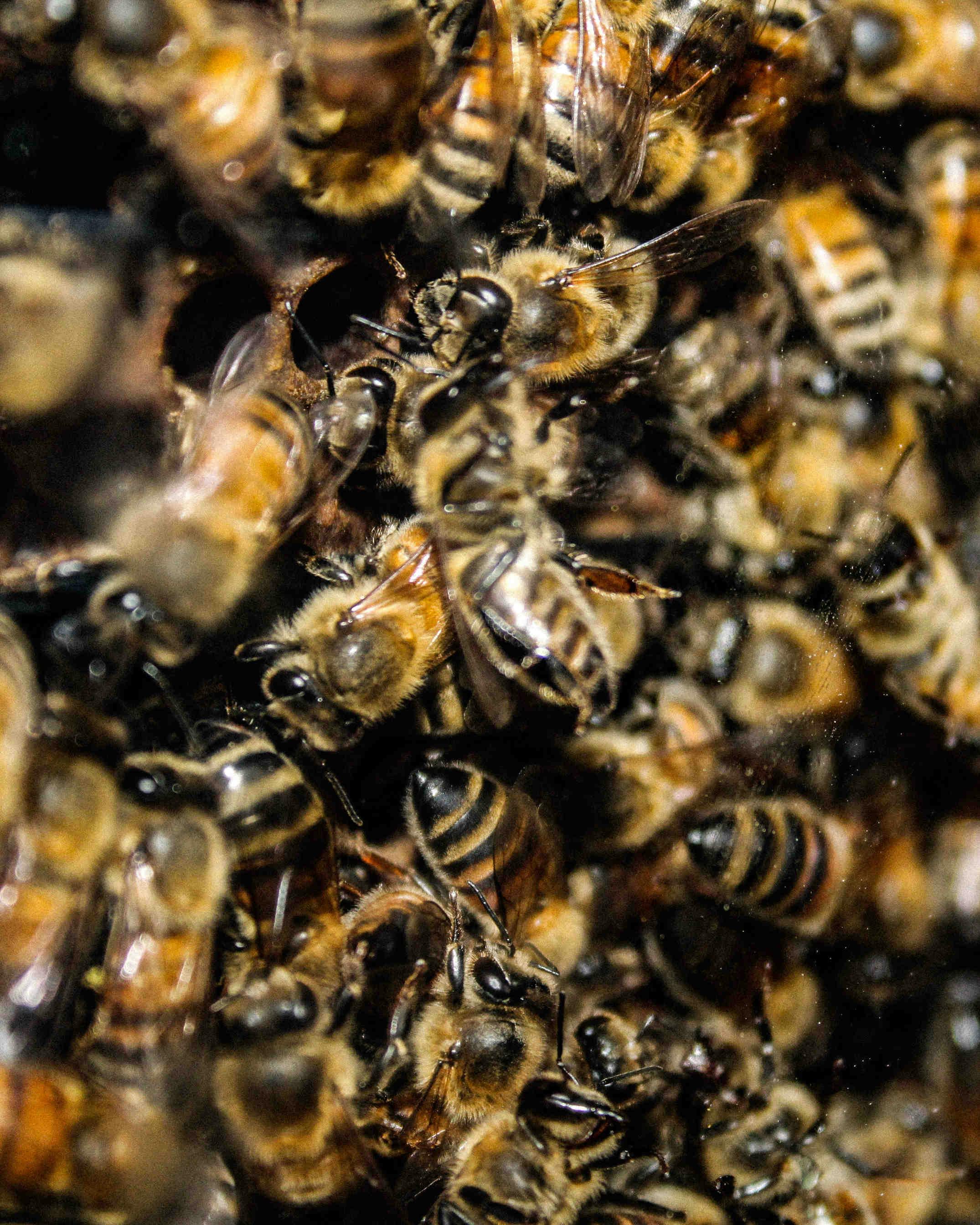
    apis mellifera su favo

    No fear - How to behave

    Despite the often terrifying image of a swarming, bees in this state are generally less aggressive. They are in fact focused on finding a new place to settle and have no honeycomb to defend. However, if disturbed or threatened, they can become defensive and sting, posing a risk especially for those allergic to their venom. Therefore, in the event of a swarming, it is advisable to remain calm, avoid sudden gestures and contact a beekeeper or competent local authority to manage the situation.. Experts, equipped with appropriate equipment, will take care of identification, collection of the swarming and the search for the queen, which is essential because she is followed by the other bees, then proceed with the transfer to a suitable environment. However, the danger exists, if not for humans, for biodiversity in the city.
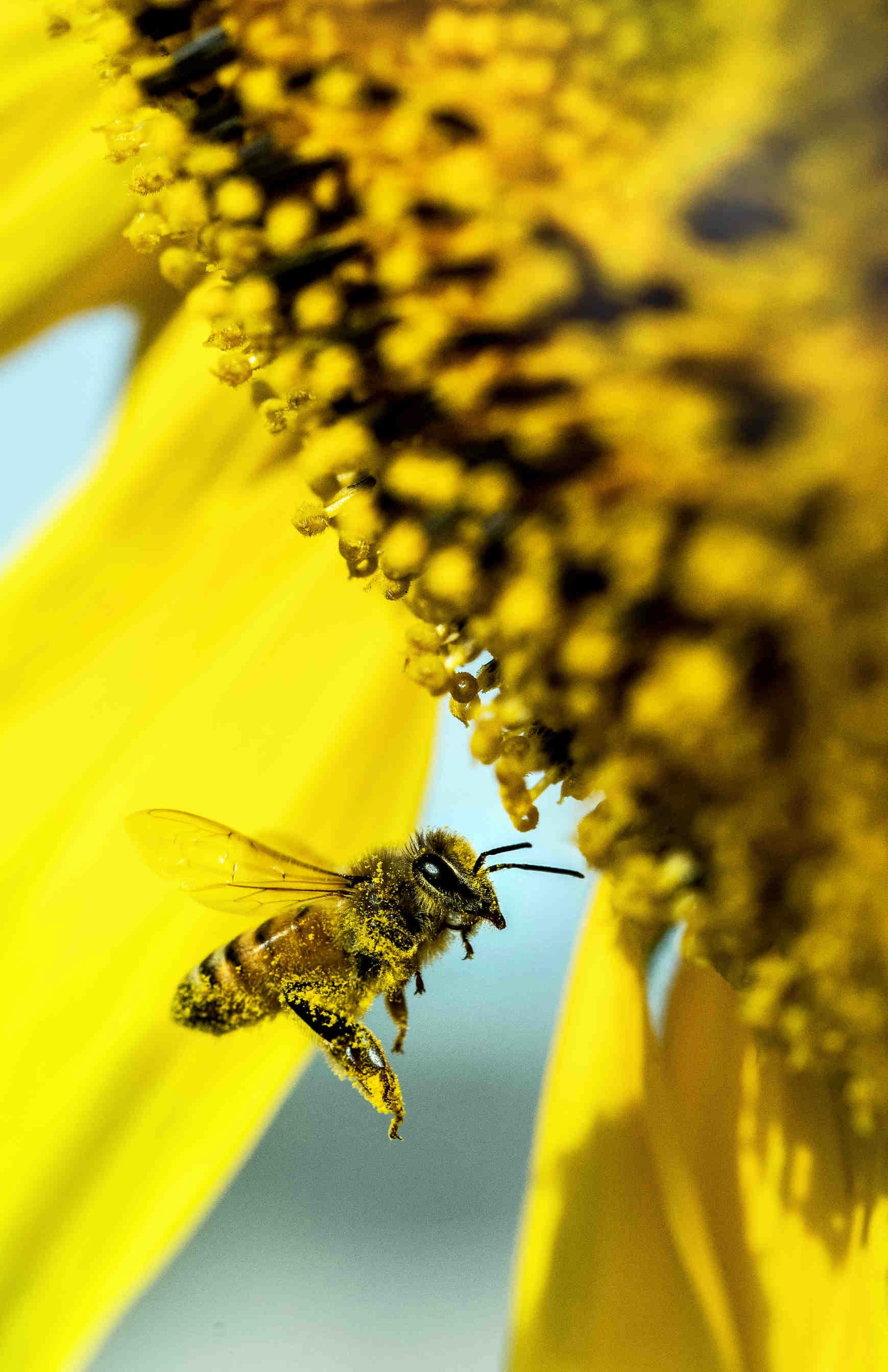
    apis mellifera su girasole
    XNatura

    The danger to urban biodiversity

    In addition to the inconvenience of swarming in the city, it has been shown in several studies that the presence of urban apiaries, without an adequate study on the presence of sufficient nectariferous pastures, which can be carried out by transect or through the use of satellite images, affects the competition between domestic bees and wild pollinators, such as ladybirds, butterflies, bumblebees and solitary bees, which are already severely threatened by multiple factors, including the reckless use of pesticides, lack of habitat and air pollution. If honey bees become too numerous, they can reduce the amount of nectar and pollen available to other pollinators, with potential negative effects on their population. Another potential risk is related to the diffusion of pathogens and parasites. Honey bees can carry various diseases that they can transmit to wild pollinators, putting their survival at risk.

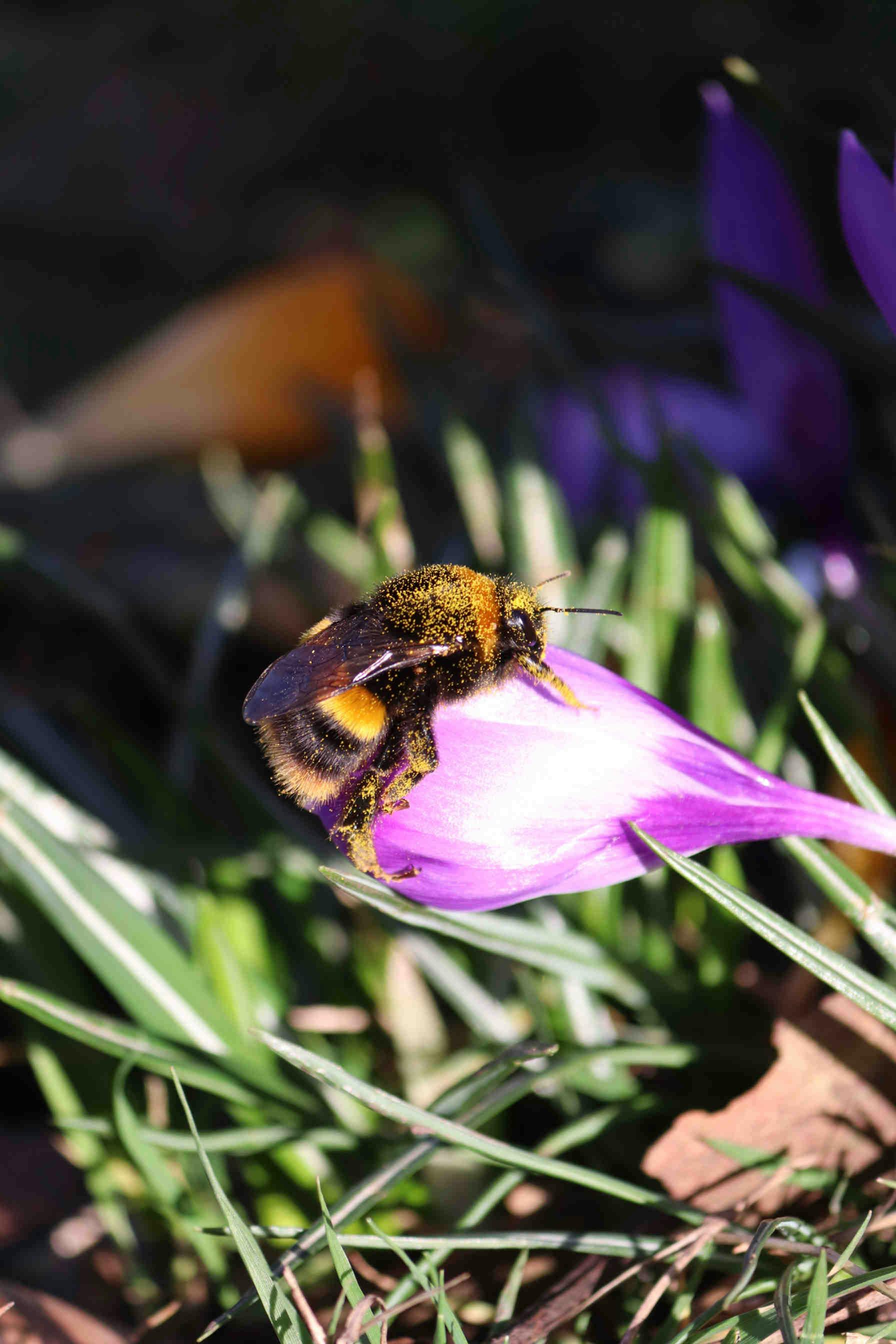
    Bombus su fiore

    How to move

    In order to minimise these risks, it is essential to adopt a responsible management of urban apiaries, carry out preventive analyses on the level of biodiversity in the area and sometimes avoid them altogether. The density of colonies must be appropriate to the environment in which they are located, and in the case of an urban context bees must be monitored, to ensure their well-being and that of local pollinators. Green spaces in cities help in this respect to ensure that there is sufficient nourishment for all pollinators. 3Bee engineers, experts in indices and factors that influence and characterise biodiversity, carry out analyses for potential mitigation interventions that enhance urban habitat for pollinators.

    polline
    XNatura

    Acting for pollinators

    It is important to promote plant biodiversity in cities by creating green spaces rich in native plants that produce nectar and pollen throughout the year. This will help ensure sufficient resources for all pollinators. We at 3Bee are engaged in the creation of biodiversity oases, for the benefit of pollinators, as well as the implementation of awareness-raising campaigns in parks, terraces and company premises that aim to engage citizens and workers on biodiversity issues. In conclusion, bees help us in an infinite number of ways: from regenerating biodiversity, to monitoring our environment. However, it is crucial that their management is careful and respectful of ecosystems, to ensure a balance in which bees, local pollinators and humans can coexist.

    PollyX
    3Bee
    15/06/2023Of 3Bee, Elena Fraccaro
    518 Views
    Newsletter
    newsletter
    Subscribe to the Blog about bees and biodiversity