Bee Deaths: An Increasingly Worrisome Phenomenon
    MoriaPestsProductsEnvironment

    Bee Deaths: An Increasingly Worrisome Phenomenon

    When it comes to bees lately, it is never about positive news that bodes well for the future. On the contrary, the most recurring topics are the dangers that undermine their survival, unfavourable seasons for honey production, new diseases and pests.

    Read the article
    04/04/2018Of 3Bee, Elena Fraccaro
    1717 Views
    04/04/2018Of 3Bee, Elena Fraccaro
    1717 Views

    Bee mortality

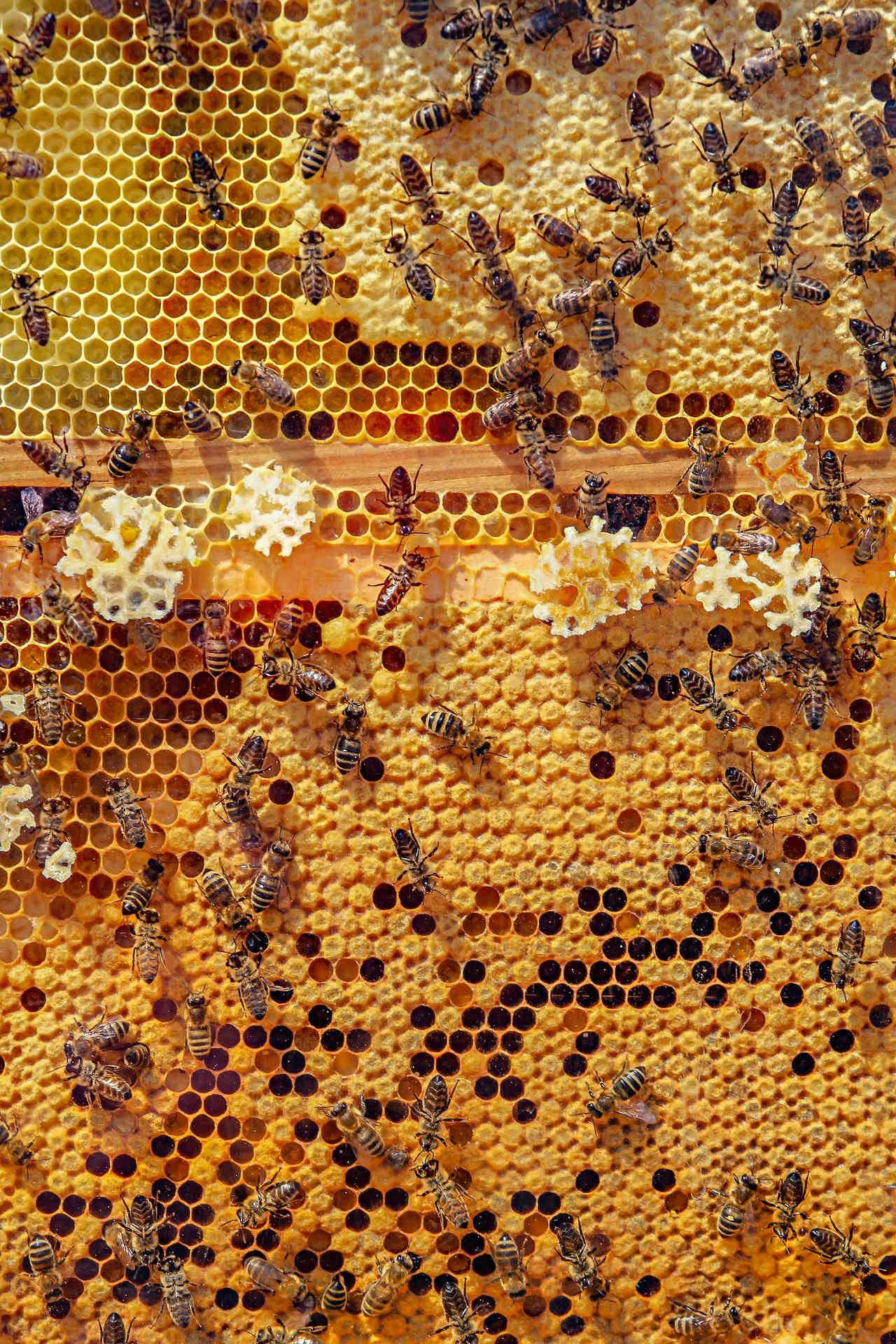
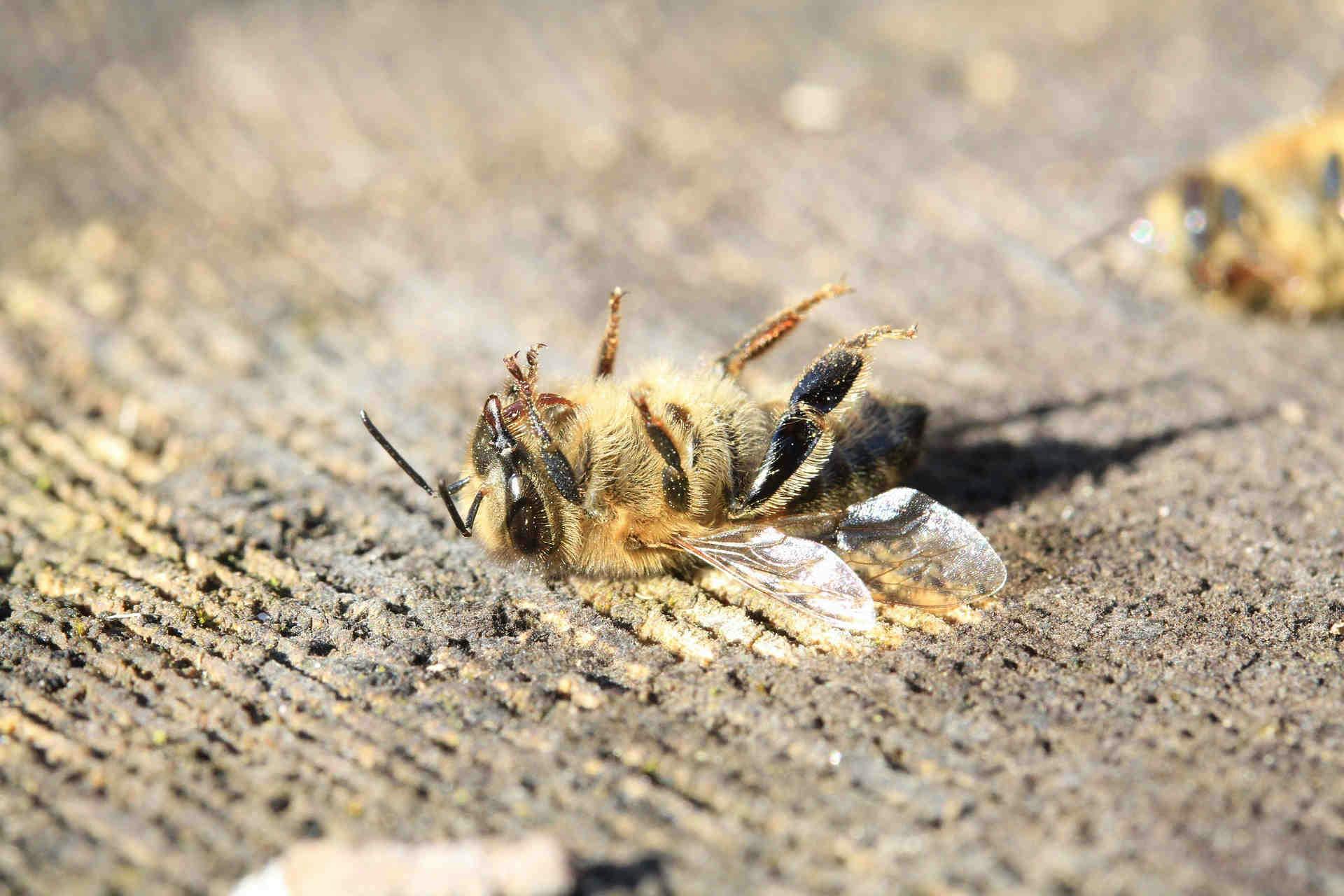
    Bee mortality actually started to cause concern from the 2000s onwards, since a real disappearance of entire colonies began to be recorded. However, the phenomenon is not restricted to those years and is not limited to the Hive Depopulation Syndrome (HDS) alone. In the USA, between 1947 and 2005, 59% of bee colonies were lost, while in Europe, from 1985 to 2005, 25%. According to STEP data (Status and trends of European pollinators), in Europe alone 9.2% of the 1965 pollinating insect species are on the verge of extinction, while a further 5.2% could be threatened in the near future. Taking into account that 80% of existing plants depend on pollination by bees, one can understand how devastating the scale of the phenomenon can be. The causes are multiple and interconnected.

    Bee mortality

    Diseases and parasites

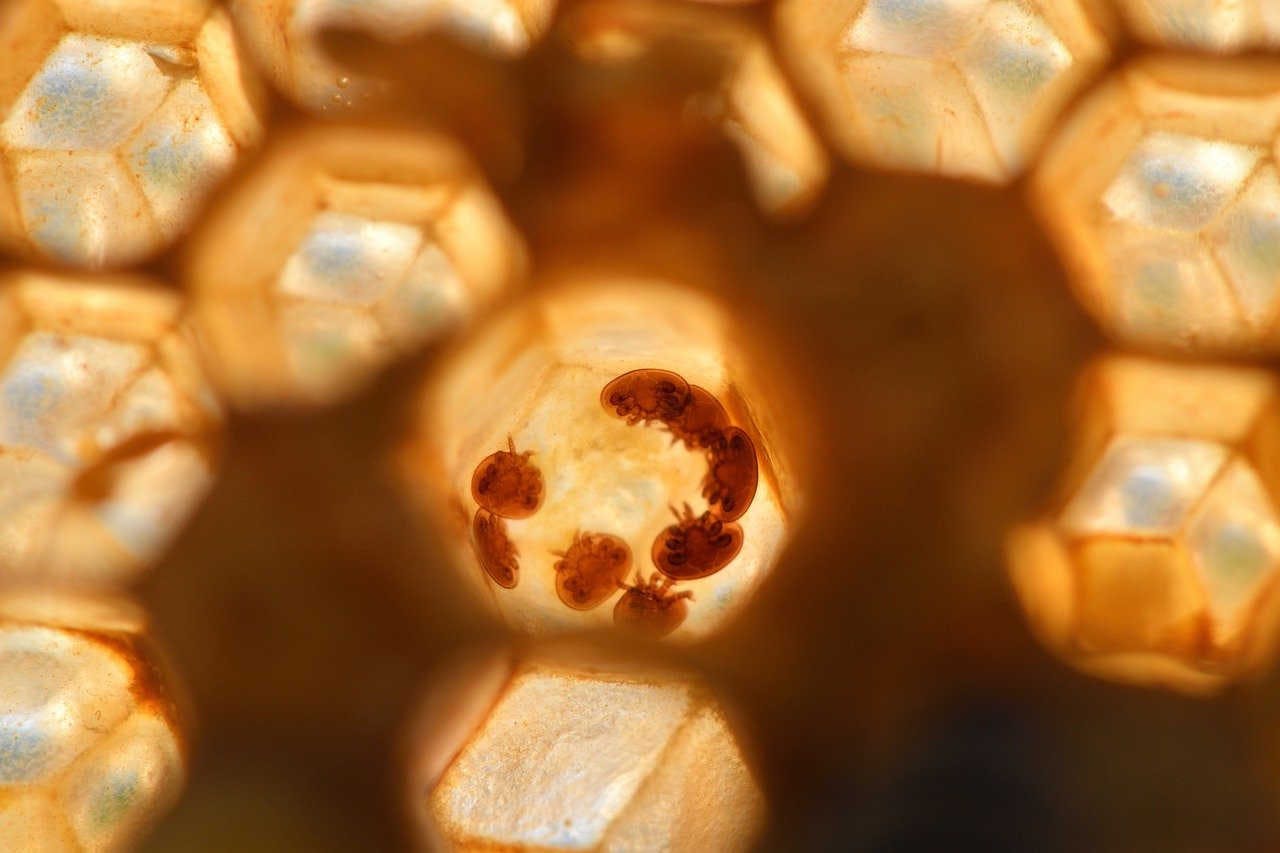
    To date, as many as 29 bee pathogens are known. Although all of them are potentially fatal to bees, some cause weakening, collapse and death of entire colonies, either individually or in association with other factors. The notorious parasite Varroa Destructor, for example, greatly weakens bees and their immune systems. The introduction of non-native pollinator species can also lead to the spread of these parasites, which affect their new hosts very violently.

    Diseases and parasites
    XNatura

    Chemicals

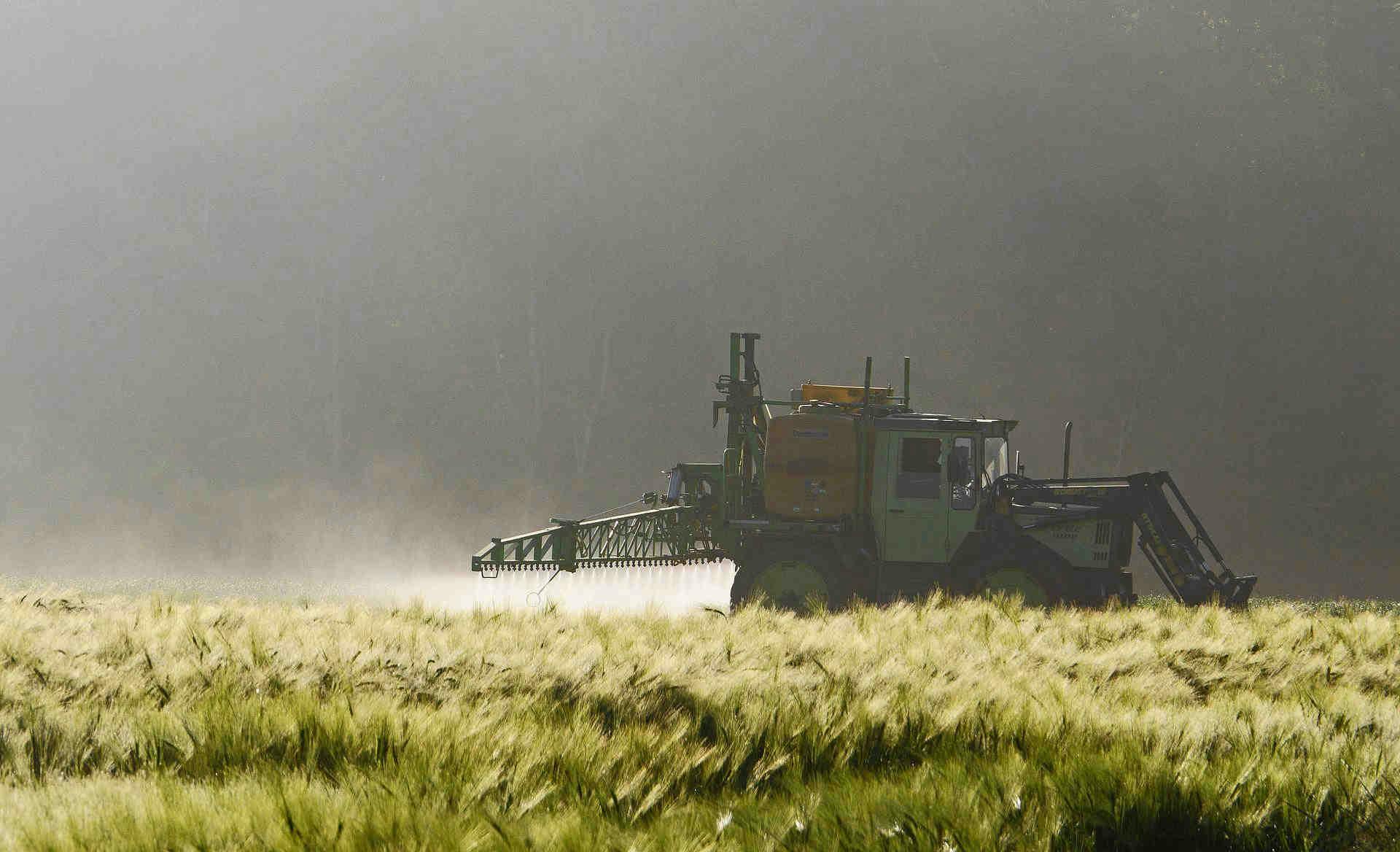
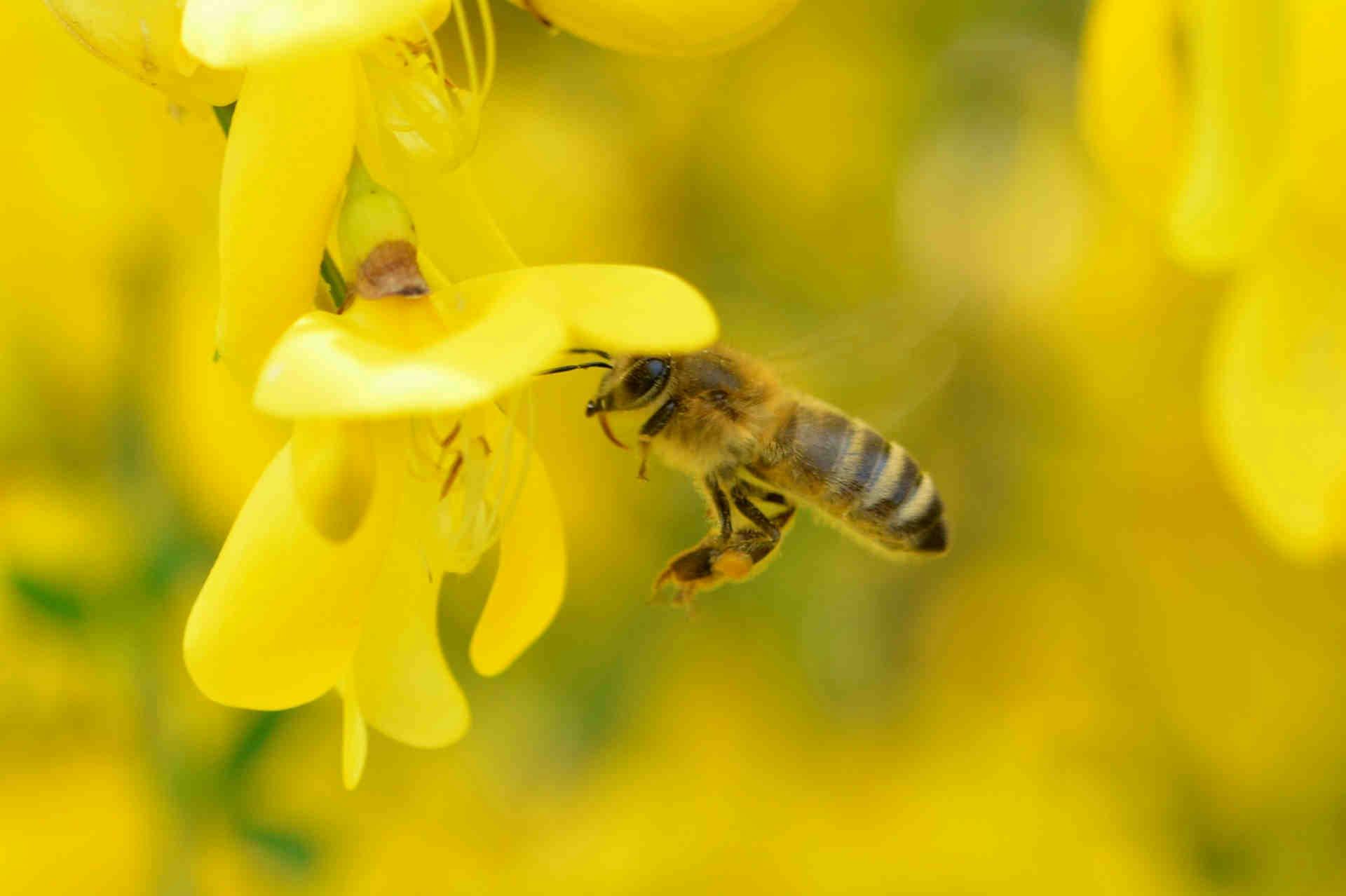
    Like all living organisms, bees are susceptible to chemicals in the environment. Some of them are the well-known pharmaceuticals or pesticides, used to protect crops from organisms harmful to them. As many as 450 active ingredients are counted, corresponding to 5000 commercial products. In a study on pesticides conducted in the USA and taken as an example by the famous bee scientist Marla Spivak, as many as six different types of chemicals were found in a sample of pollen collected by bees and introduced into the hive. These included the notorious neoticotinoids, which are extremely harmful to the health of the bees and the colony itself. They affect the bees' nervous system, disorienting them to such an extent that they are no longer able to return to their hive.

    Chemicals

    The environment

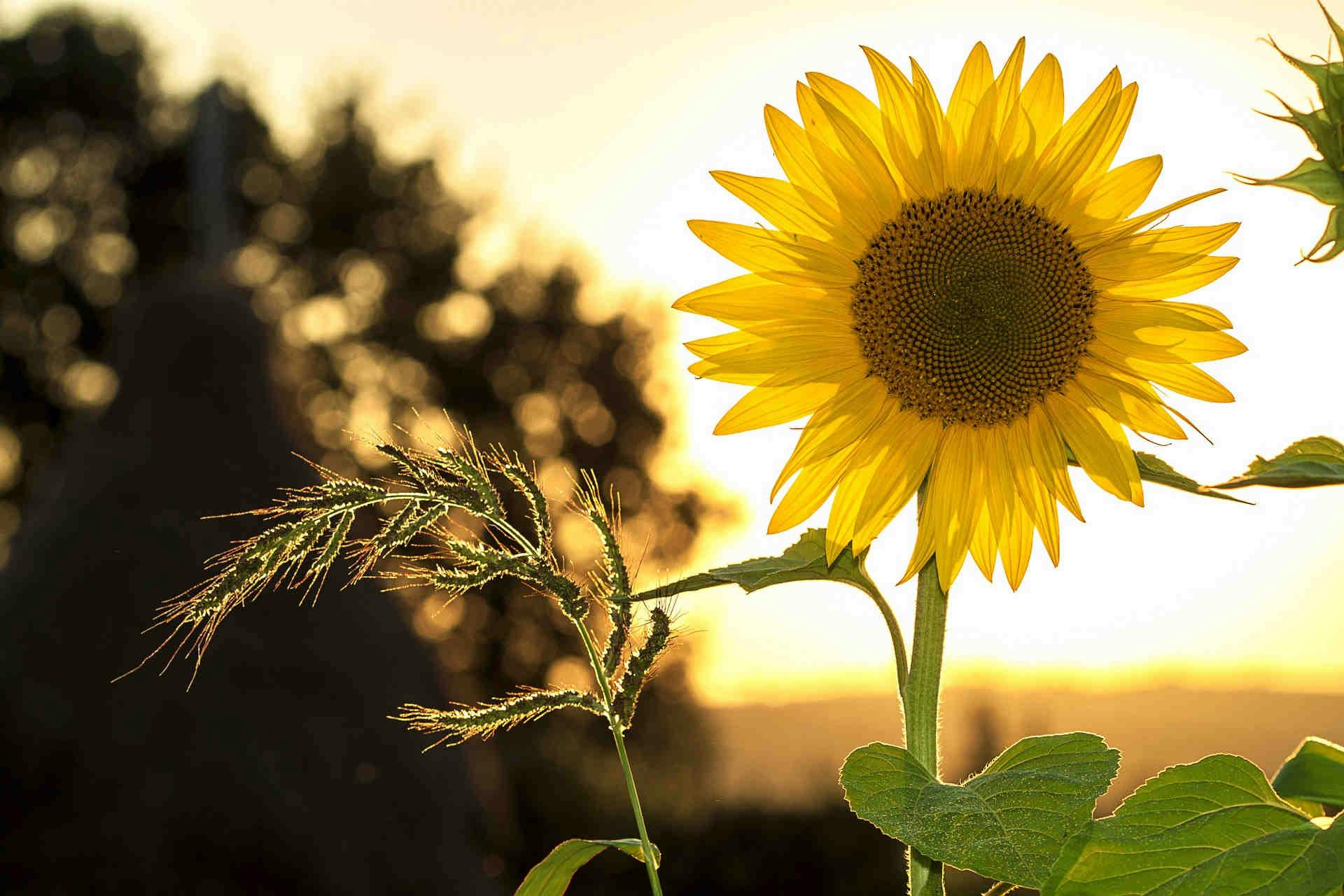
    Environmental factors are often mentioned as potential causes of bee mortality. The supply of carbohydrates (from nectar), proteins (from pollen) and water is very important to ensure all the vital functions of bees. A deficiency in these elements can considerably weaken a family. Excessive heat prevents plants from providing new nectar and pollen for bees, thus depleting their nutrition. At the same time, sudden colds not only impair the flowers themselves, but also halt the development of the hive. Climate change, the disappearance of natural habitats and the impoverishment of those that persist have a negative impact on the survival not only of bees, but of all pollinating insects.

    The environment
    XNatura

    Beekeeping practices

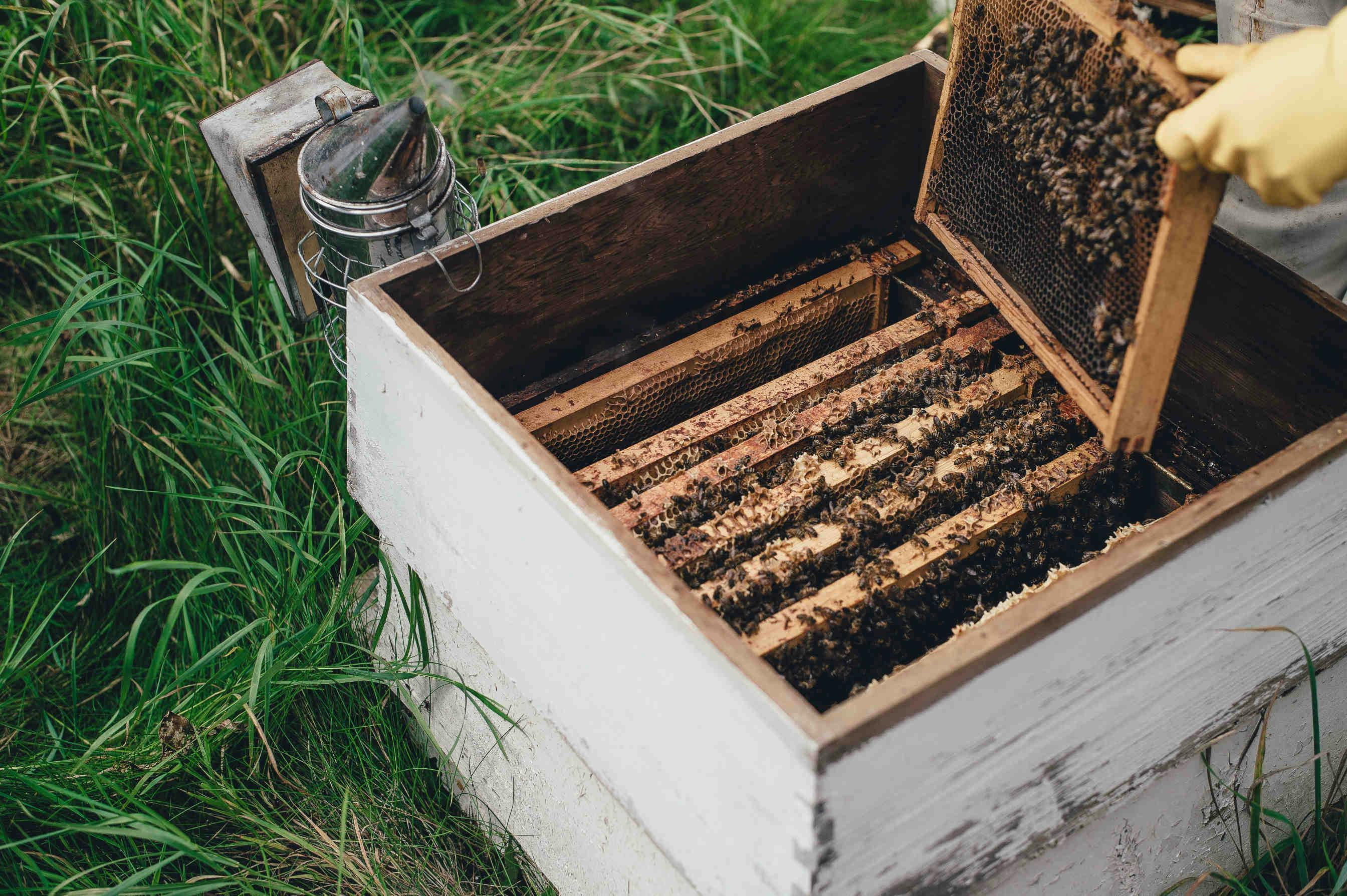
    Poor beekeeping practices can weaken bees and thus contribute to their death. The beekeeper does a very important job and must be fully aware of what he is doing. He must favour the sustainability and survival of the family and its ability to produce honey throughout the year. Interventions to strengthen families, to give them nourishment when it is lacking, treatments to prevent the spread of pests, and measures to avoid or control swarming must be carried out with timing and care so that they are truly beneficial to bee prosperity.

    Beekeeping practices
    3Bee

    An alarming situation

    Again quoting Marla Spivak's words, let us think about what our life would be like if we were forced to live it the way bees do. If we were sick and hungry, we would have to get our own food. To do that, we would have to go to the supermarket, which is far from my house and maybe not even that well stocked. I am already sick, but I set out anyway. I have to do it for me, but especially for my family. I arrive at the supermarket, get the food and consume it, but it is intoxicated. This disorients me and weakens me even more to the point that I no longer know how to get home. This happens to bees. Already weak, they have to get their food, which is scarce and poisoned by pesticides. It is therefore not surprising that the situation is so alarming.
    An alarming situation

    What we can do

    Bee mortality has attracted the attention not only of political authorities, primarily the European Community, but also of activist groups, research organisations, environmental organisations, food producers and volunteers. Awareness-raising campaigns are becoming more and more common, and appeals to individuals to make their own contribution. One example is Greenpeace's information brochure on bee-friendly plants and its call for the creation of real bee oases, even on the balconies of our homes. Certainly, action from above is necessary to improve the situation. But we too, in our everyday lives, can try to make this planet of ours more bee-friendly again!

    What we can do
    04/04/2018Of 3Bee, Elena Fraccaro
    1717 Views
    Newsletter
    newsletter
    Subscribe to the Blog about bees and biodiversity