Why do ladybirds have spots?
    Origin of dotsDifesaMeaningColour genetics

    Why do ladybirds have spots?

    Ladybirds, with their distinctive dots, are among the most recognisable and loved insects. But how many dots do ladybirds have? What is their function? And their significance? With the support of scientific studies, in this article we will answer the most frequently asked questions on this subject.

    Read the article
    03/11/2023Of 3Bee, Elena Fraccaro
    5807 Views
    03/11/2023Of 3Bee, Elena Fraccaro
    5807 Views

    The origin of dots: a natural distinguishing mark

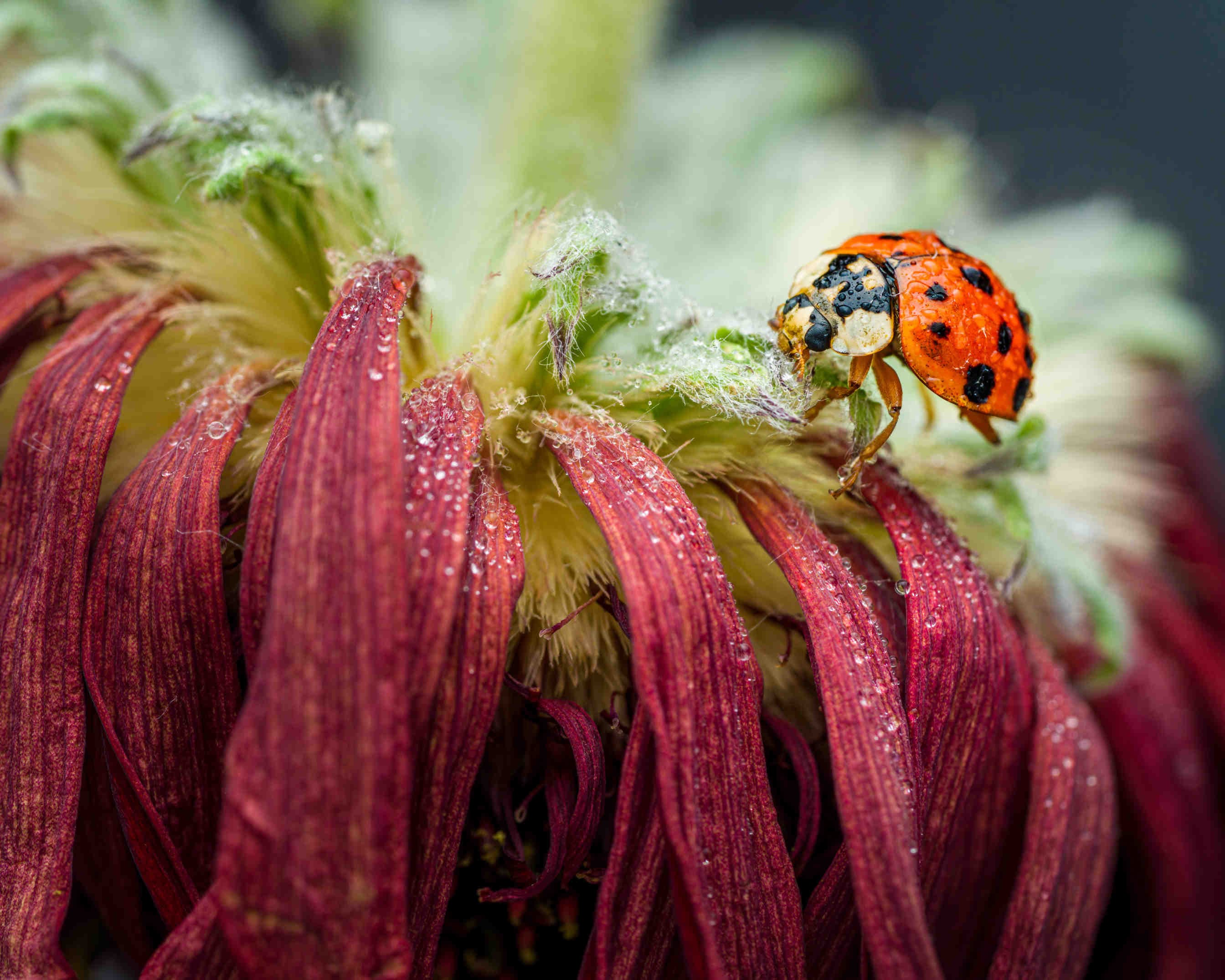
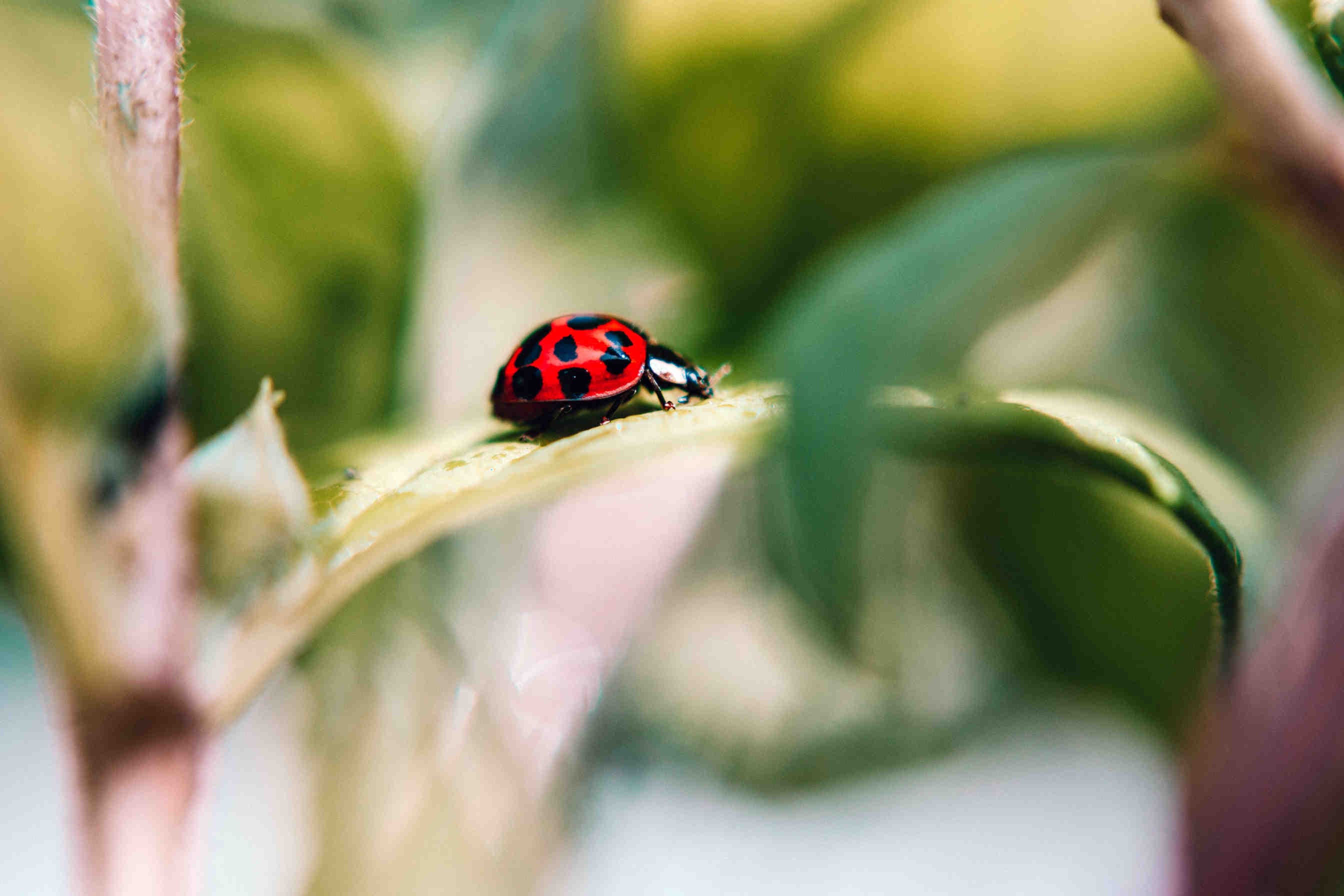
    The ladybird is one of the most loved and recognised insects worldwide, often associated with good luck and prosperity. But have you ever wondered why ladybirds have dots? The answer to this question is linked to an evolutionary survival strategy. The dots, in fact, act as a warning and defence mechanism against predators. This colour combination - black and red or orange - is known as aposematic colouration. Ladybirds are not the only insects that use aposematic colouration to deter predators: another example is the monarch butterfly.
    coccinella

    Defence mechanisms: alkaloids and colouring

    When mined, ladybirds exude small drops of haemolymph from the joints of their legs, in an unusual phenomenon called reflex autohaemorrhage. In the oozing haemolymph, there are particular chemicals belonging to the group of alkaloids that are both toxic and repellent: these compounds make ladybirds unattractive and palatable to many of their predators such as spiders and ants. Studies and research have shown that the colour of ladybirds indicates their toxicity. More intensely coloured ladybirds in fact have higher levels of toxins than light-coloured ones. Furthermore, ladybirds with more intense colours were found to have a better quality diet early in their lives. This correlation suggests that when resources are abundant, the well-fed ladybird may invest more energy in the production of toxic defence chemicals and warning pigmentation.

    coccinella tossicità
    XNatura

    Ladybirds: the true meaning of the dots

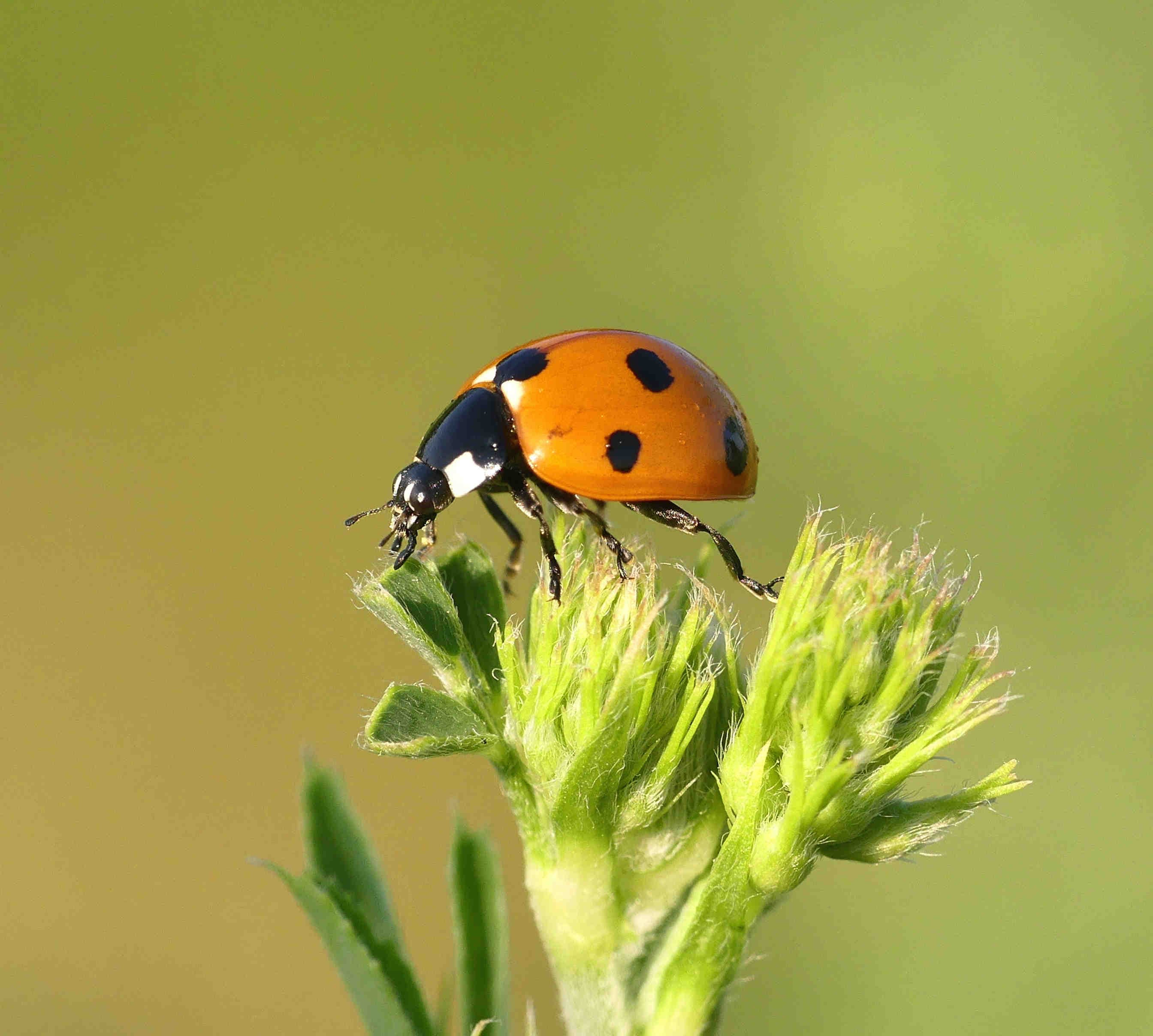
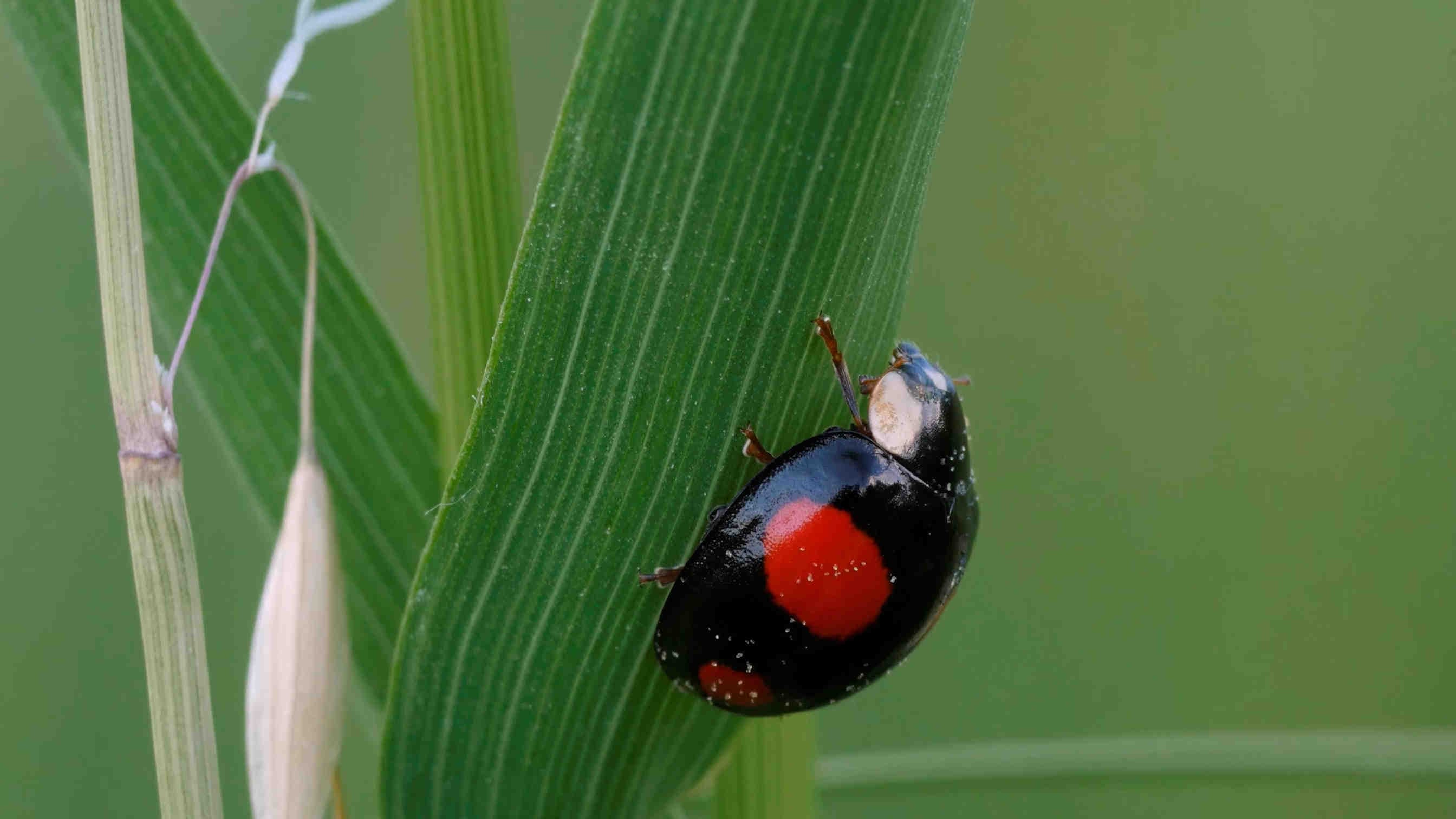
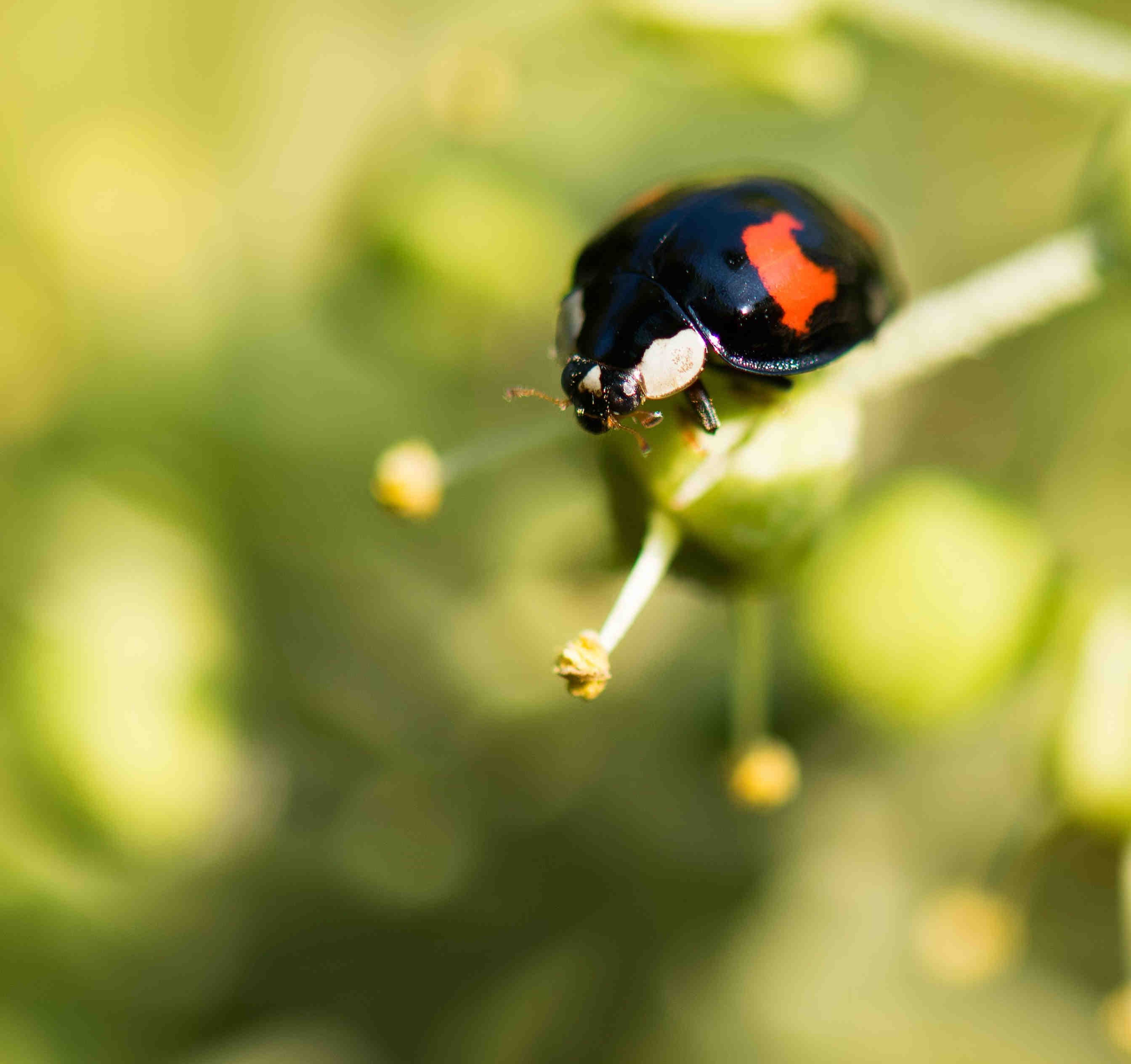
    But what is the meaning of the number of dots of ladybirds? Some people think that the dots indicate the age of the ladybirds and that by counting them, this information can be traced. A simple belief, which does not correspond to reality. The dots on the ladybirds in fact help to identify the species. There are in fact species without spots and species that can have up to 24 spots (Subcoccinella vigintiquatuorpunctata). In addition, ladybirds are not always red with black spots: an example is the two-spotted ladybird (Chilocorus stigma), which is black with two red spots.

    coccinella significato puntini

    Colour genetics: a pioneering study

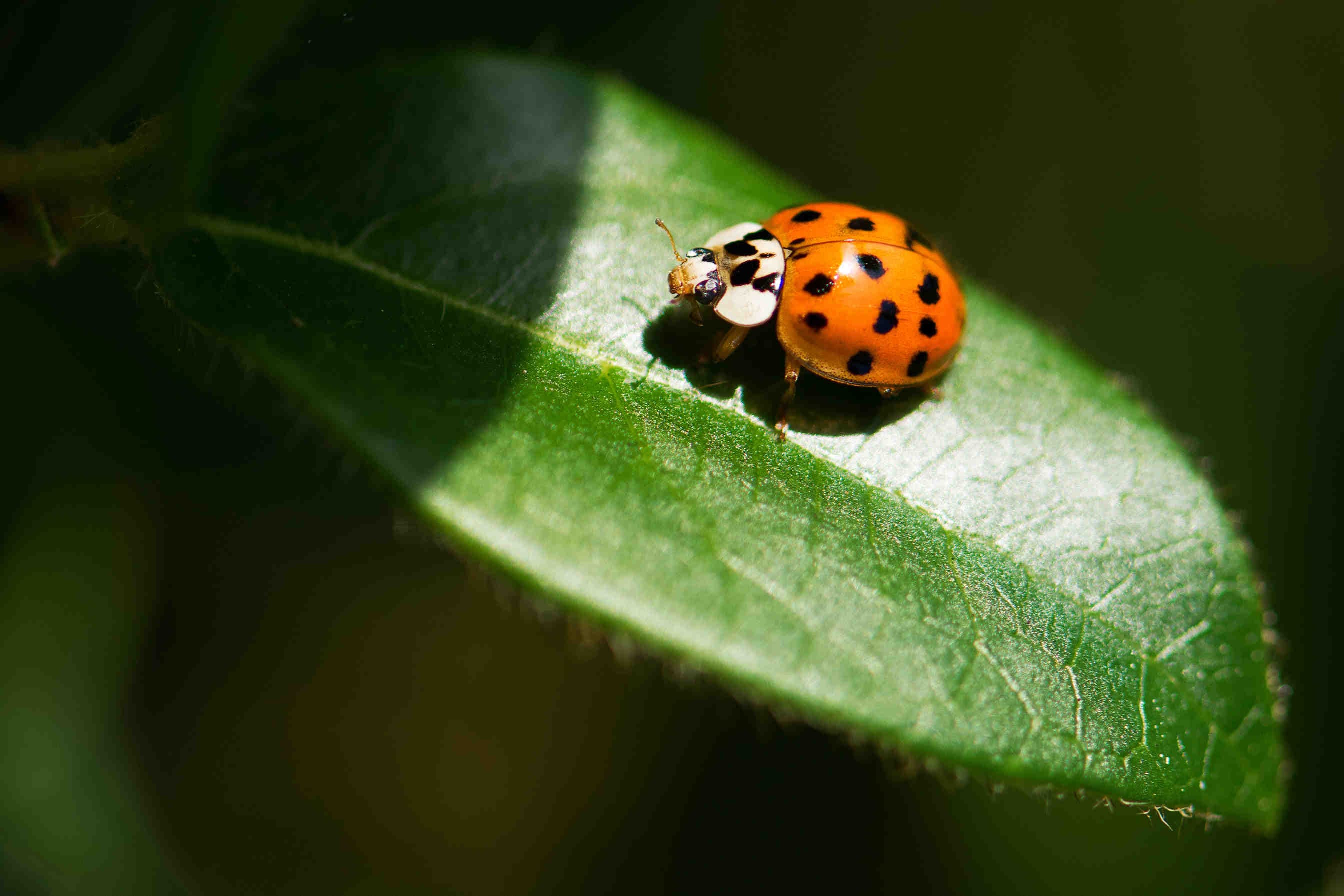
    But what is the difference between black ladybirds with red spots and red ladybirds with black spots? To study the phenomenon of intraspecific variability, a team of researchers from the National Institute for Basic Biology in Japan focused on the Asian species Harmonia axyridis, also known as the harlequin ladybird. The study, published in Nature Communications, showed that the more than 200 colour combinations described in these beetles are regulated by a single gene called pannier, already known for its involvement in embryonic development and body division in Drosophila melanogaster.

    coccinella specie asiatica
    XNatura

    The role of the pannier gene in pigmentation

    The gene is expressed in areas of black colour, where red pigment is not present. Its inhibition during pupal development results in the loss of black patterns and the formation of predominantly red patterns on the elytra. The function of the pannier gene, therefore, is duple: it induces black pigmentation and suppresses red pigmentation. Parallel studies conducted on the same gene in the common ladybird (C. septempunctata), which is widespread worldwide, showed similar results. Genome analysis of the ladybirds showed that the non-coding DNA sequence related to the pannier gene of H. axyridis is more extensive than those currently available belonging to other holometabolous insects, including lepidoptera such as B. mori, imenoptera such as A. mellifera and other coleoptera such as C. septempunctata, which has a unique "pattern" of the elytra (bright red with seven black dots, from which the species' name is derived).

    coccinella gene pannier
    3Bee
    03/11/2023Of 3Bee, Elena Fraccaro
    5807 Views
    Newsletter
    newsletter
    Subscribe to the Blog about bees and biodiversity