Getting to Know Asian Bugs: A Short Guide
    The bugIts cycleWhy at home?How to prevent it

    Getting to Know Asian Bugs: A Short Guide

    As the first cold weather arrives in autum, Asian bedbugs (Halyomorpha halys) seek shelter from the cold in our gardens, on our balconies and even in our homes. An invasive species that we are studying.

    Read the article
    06/10/2024Of 3Bee, Niccolò Patelli
    871 Views
    06/10/2024Of 3Bee, Niccolò Patelli
    871 Views

    An unexpected guest, the Asian bug

    Disclaimer: this is an automated translation from Italian. Go to the original article.

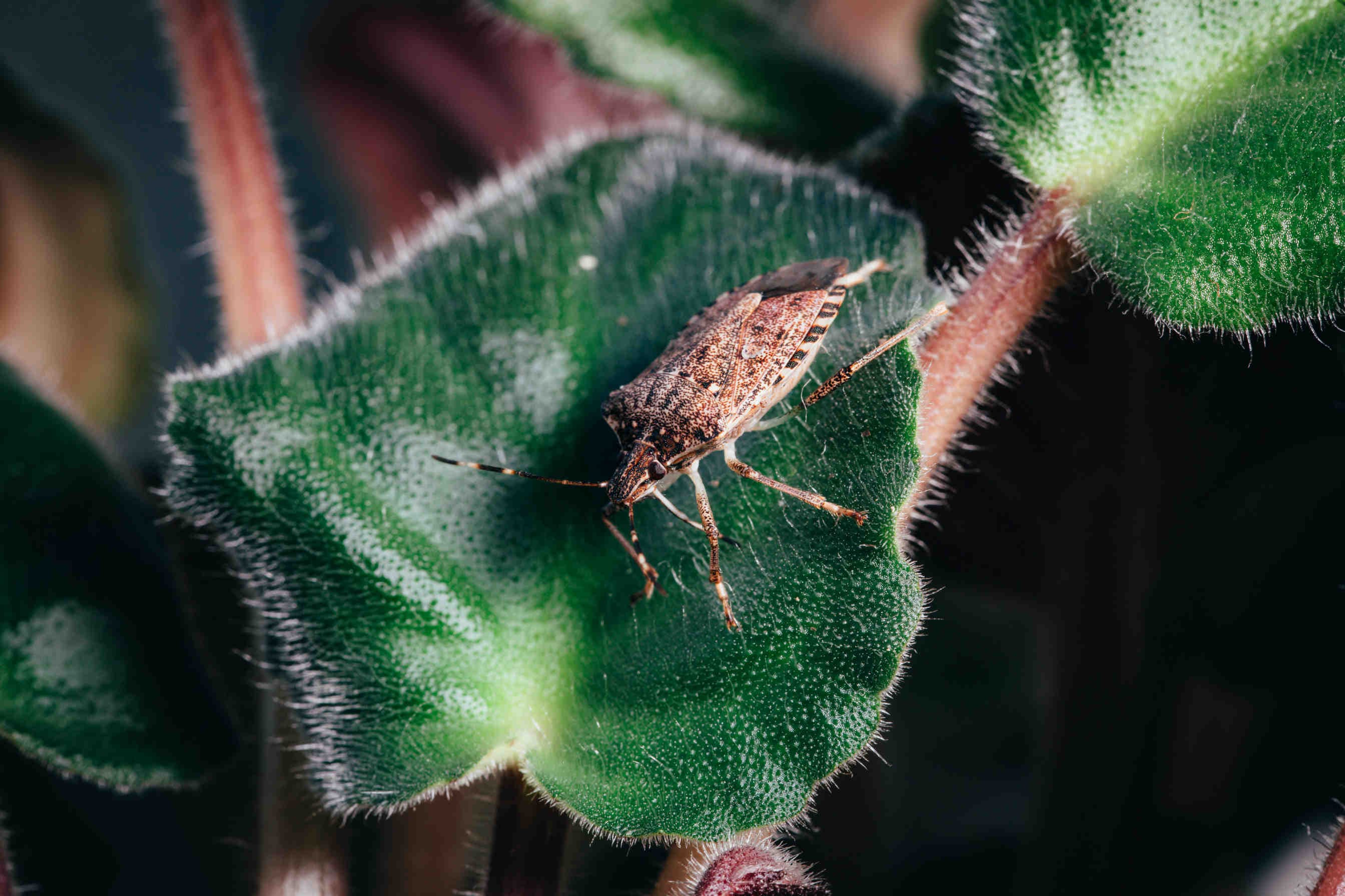
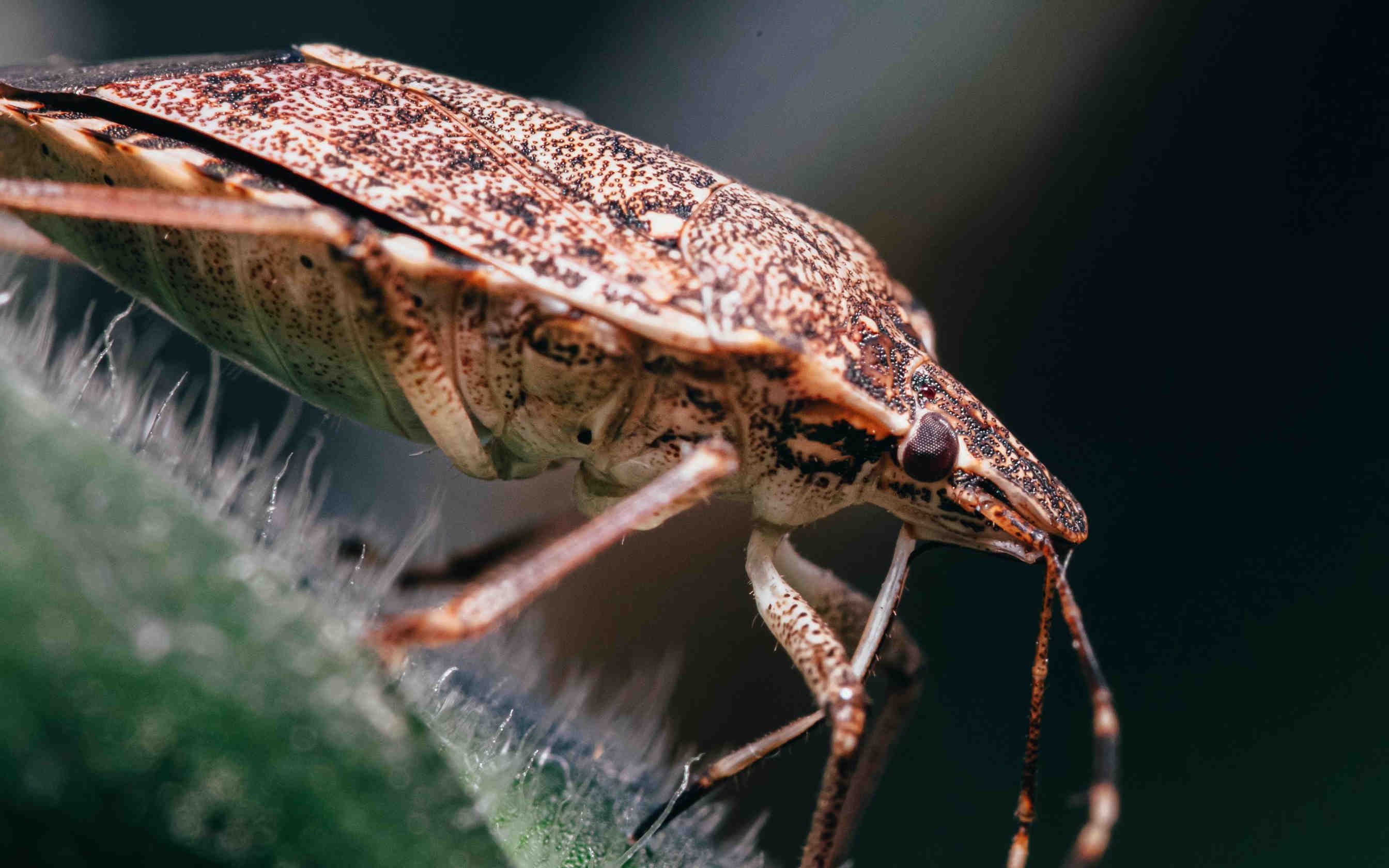
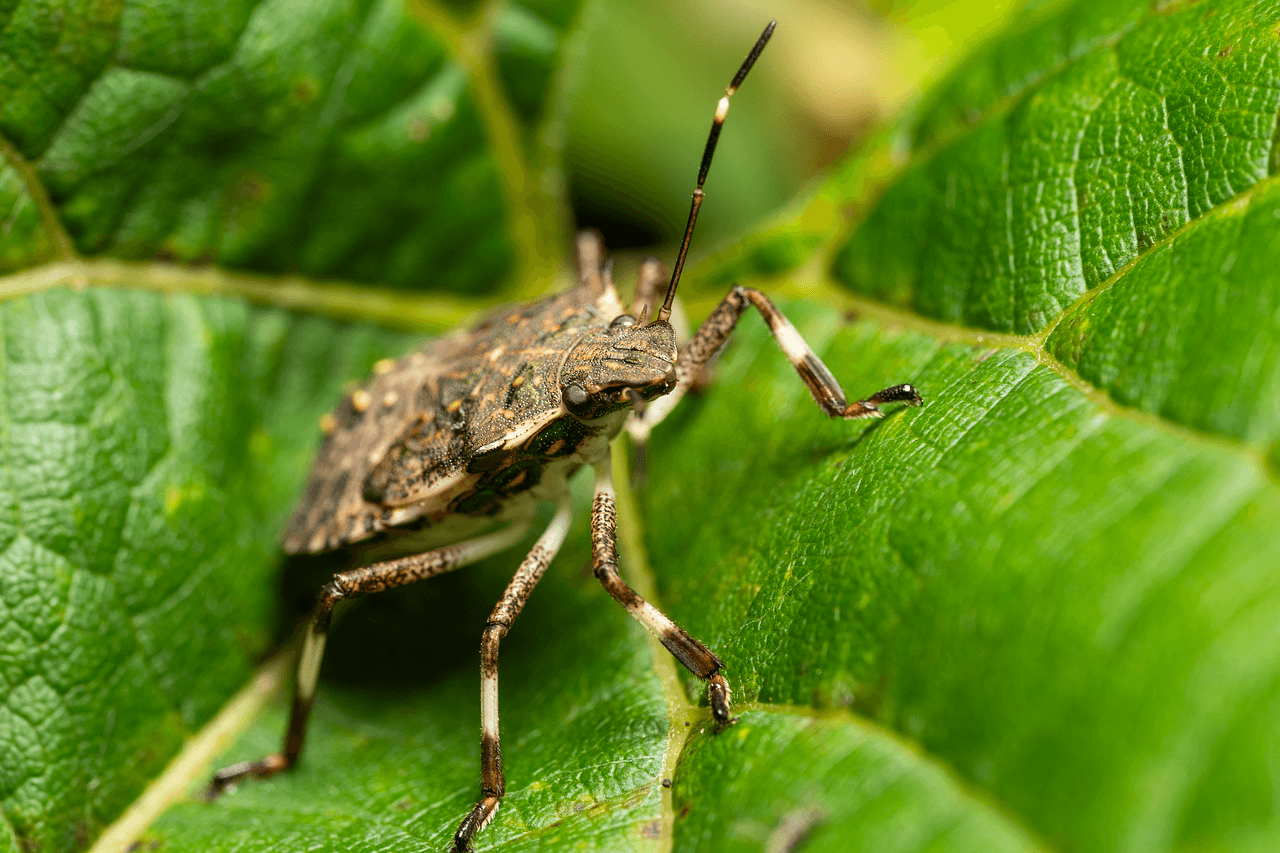
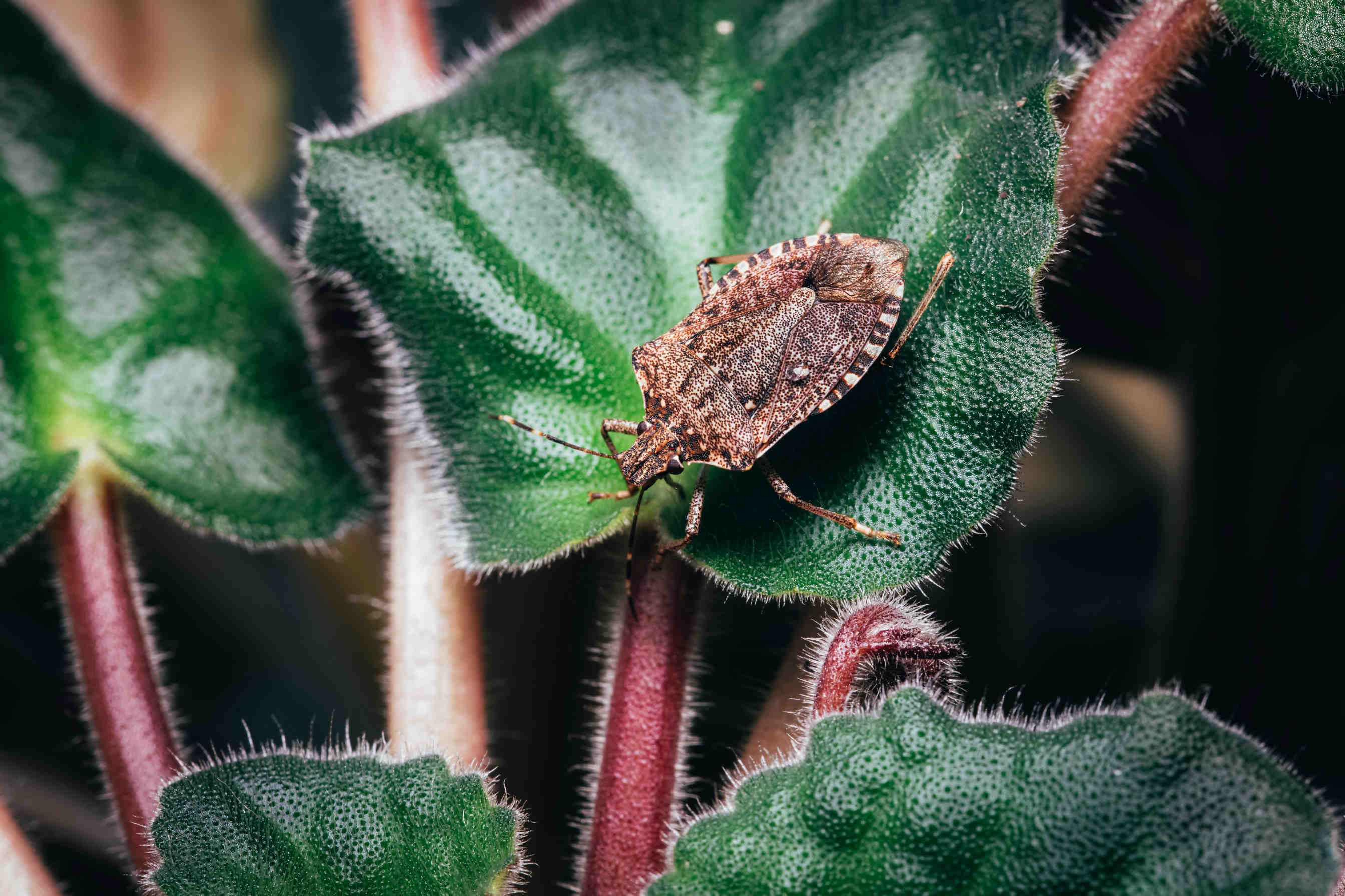
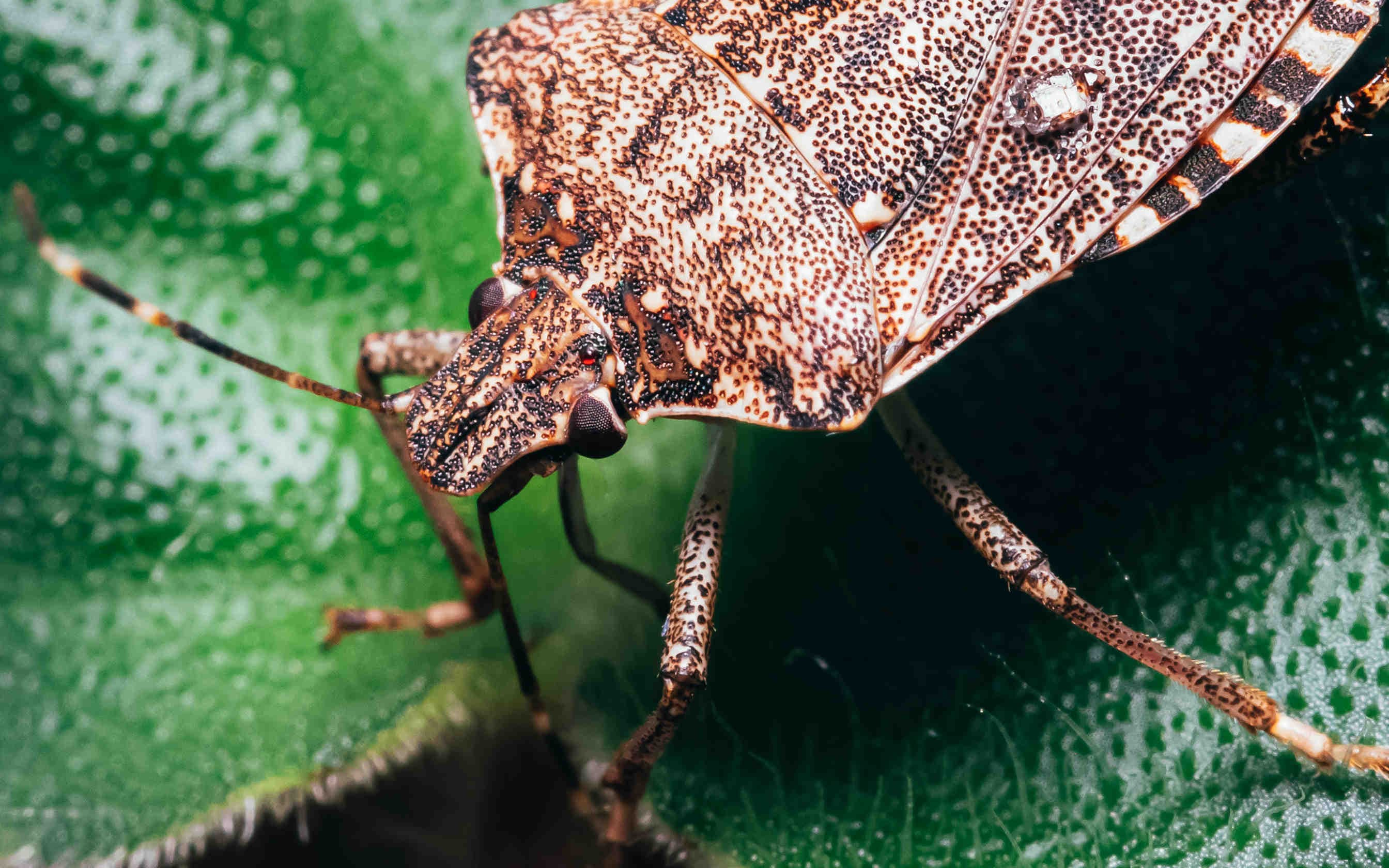
    The Asian bedbug (Halyomorpha halys), also known as Chinese bedbug or marmorata, is an insect native to eastern Asia, particularly China, Japan and Korea. It is considered an invasive species in many parts of the world, including Europe and Italy, where it was found for the first time in 2012, in the province of Modena. Invasive species are also among the most complex problems in terms of loss of biodiversity . This insect is harmful to agriculture, as it feeds on a wide variety of crops, including fruit and vegetables, causing severe economic losses. The Chinese bug is easily recognisable by its shield-shaped body and spotted brown colour.
    Cimice_asiatica

    The life cycle of an invader

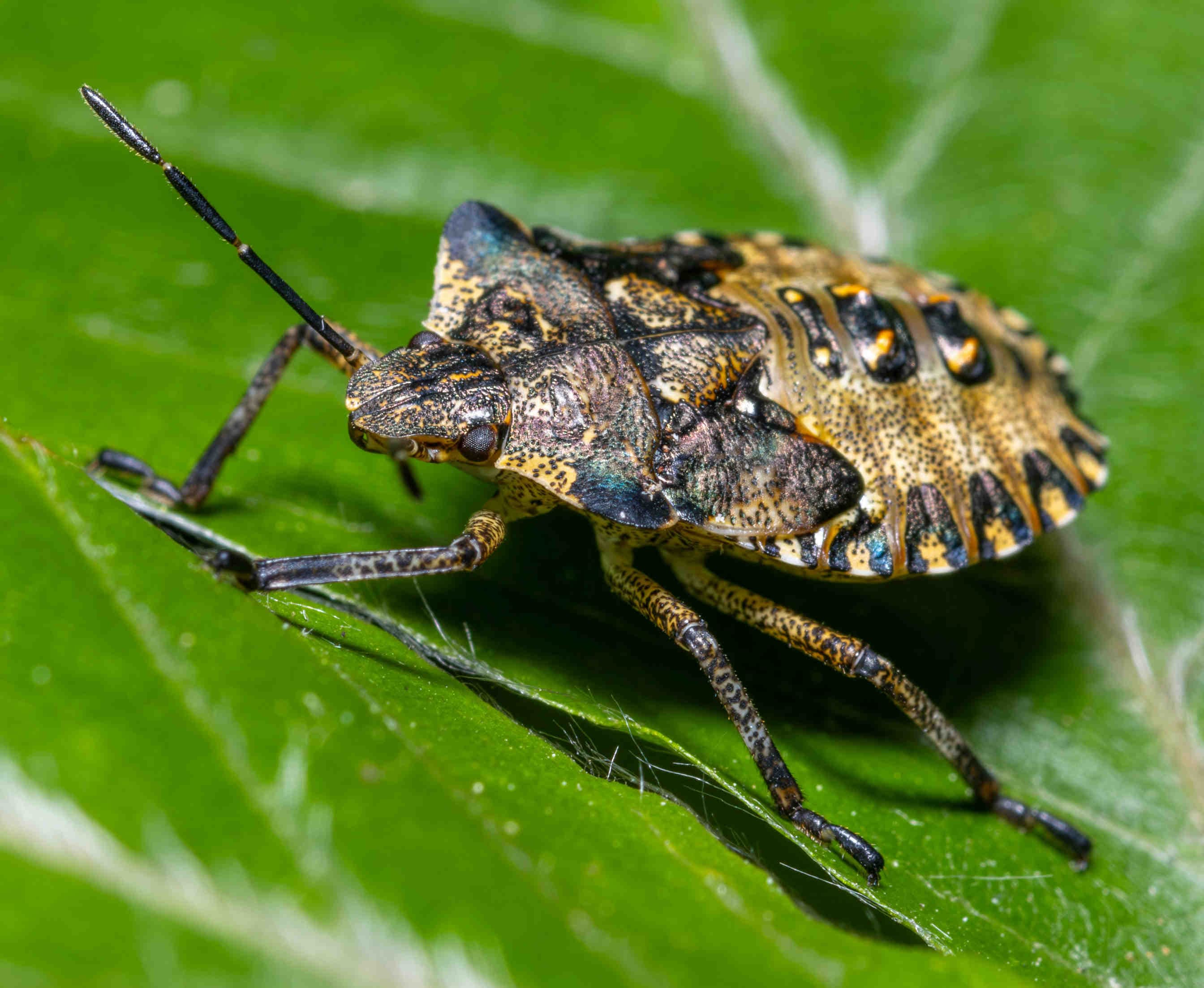
    It is a heteropterous insect of the family Pentatomidae, characterised by a shield-shaped body about 12-17 mm long. The life cycle of the bug comprises five juvenile stages (nymphs) before becoming an adult, and may have one or more generations per year depending on the climate. It lays eggs in clusters on the lower surface of leaves. Adults and nymphs feed by piercing plant tissue with their stinging-sucking mouthparts, extracting sap from fruits, leaves and stems of numerous plants. They are polyphagous, i.e. they attack several plant species (in Emilia-Romagna alone they caused over 500 million euro of damage) and tend to overwinter in buildings and warm shelters, such as our homes.

    Cimice_asiatica_neanide
    XNatura

    Why does the Chinese bedbug enter homes during winter?

    The Chinese bedbug overwinters during the cold months by seeking warm, protected shelters, often inside houses, warehouses or other buildings. With the arrival of autumn, when temperatures start to fall, these insects are attracted by the heat and creep in through cracks, doors, windows or vents. They enter a sort of partial hibernation, slowing down their metabolism to survive until spring. They are not dangerous to humans or pets, but can be annoying due to their large presence and the unpleasant smell they release if disturbed.

    Cimice_asiatica

    How to prevent bedbugs from entering the home

    Recently, a group of Italian scientists has developed a drone that, through autonomous driving and the use of artificial intelligence algorithms, is able to determine the degree of bug infestation in pear fields: this parameter is important to determine the need for insecticide treatments and then, if necessary, only carry them out when necessary. Another important strategy to counter the spread of the Chinese bedbug is biological control. One of the main allies in this field is the samurai wasp (Trissolcus japonicus), a small parasitoid insect that lays its eggs inside the Chinese bedbug's eggs, thus preventing its development. Biological control is an extremely important method to reduce the amount of insecticides and, in the case of the samurai wasp, the effects on native species are practically absent.

    Cimice_asiatica
    XNatura

    Prevention and solutions for an invasion-free winter

    In conclusion, the Chinese bedbug poses a challenge to both agriculture and home life, especially during the overwintering period. Although it is not dangerous to humans, its tendency to take refuge in homes can be annoying. Taking preventive measures such as sealing openings and reducing light attraction can limit their presence inside homes. Proper prevention is the most effective way to prevent these insects from becoming a problem during the cold months.

    Cimice_asiatica
    3Bee

    Why invasive species are a threat

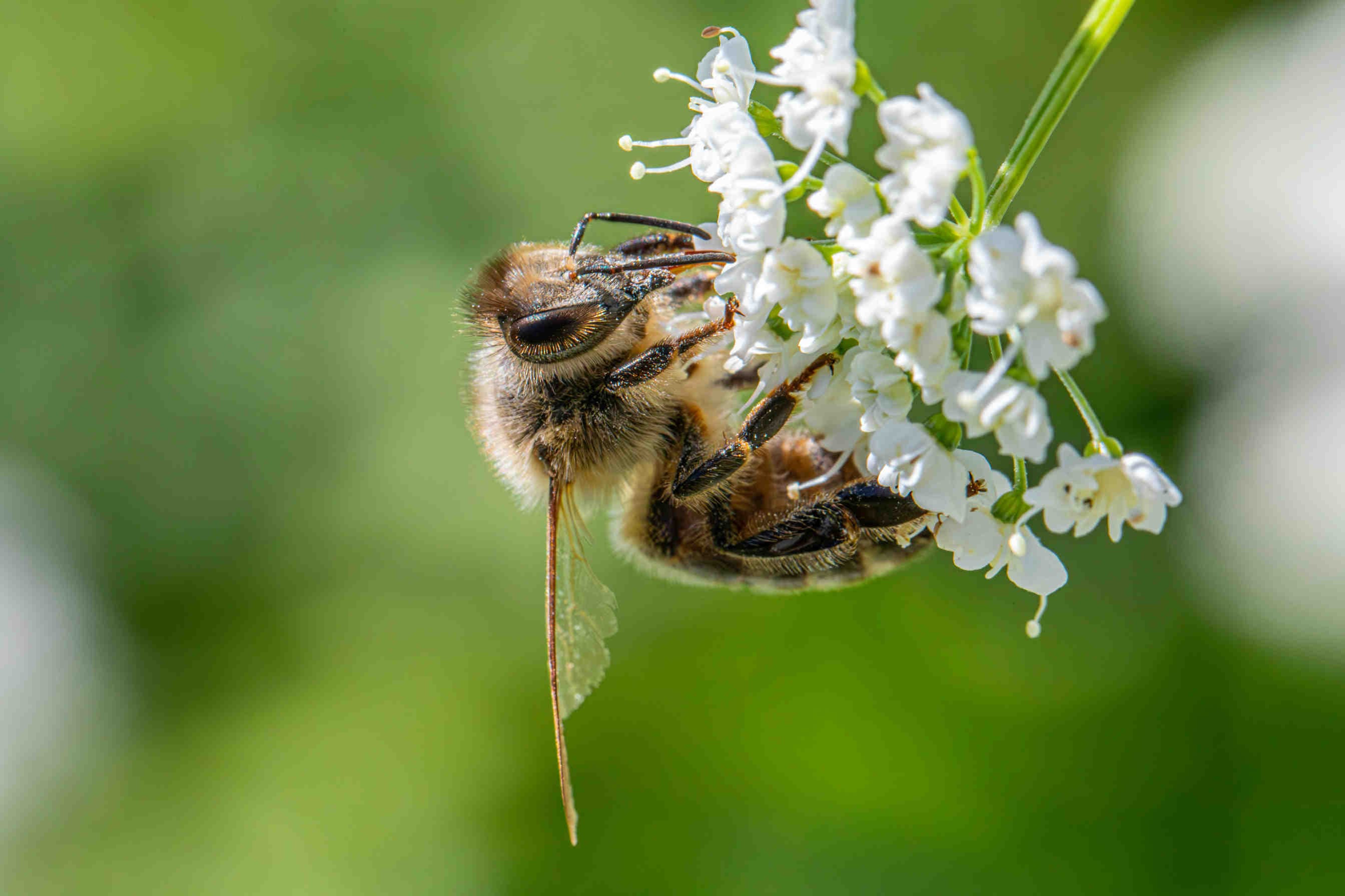
    Invasive species pose a serious threat to ecosystems and local biodiversity, as they compete with native species for habitat, food or, in more extreme cases, by directly preying on local species. These alien species can seriously and even irreversibly alter the balance and composition of species, even going so far as to compromise some fundamental ecosystem services such as pollination. Pollinators are in fact particularly susceptible to competition from other alien organisms also already arrived in our areas as they compete for resources and risk reducing their availability to native species.

    Ape

    A balance between defence and respect for the environment

    The fight against Chinese bedbugs is not only about maintaining domestic comfort, but also about defending biodiversity and the crops that feed our communities. Technological and biological solutions offer a more sustainable path than the indiscriminate use of insecticides, allowing us to tackle this challenge with an eye on the ecosystem. Learning to live with invasive species without harming the environment is a challenge we can no longer afford to ignore. If you would like to learn more, we have talked about it here .

    Persone_ambiente
    06/10/2024Of 3Bee, Niccolò Patelli
    871 Views
    Newsletter
    newsletter
    Subscribe to the Blog about bees and biodiversity