Archaeotourism: a sustainable journey through nature and history
    ArchaeotourismDatiArchaeo trekkingSubterranean

    Archaeotourism: a sustainable journey through nature and history

    Archaeotourism combines a passion for history and archaeology with adventure and discovery. This type of tourism promotes environmentally friendly practices and allows people to explore ancient civilisations and archaeological sites. But what exactly does it consist of? Find out in this article.

    Read the article
    17/08/2024Of 3Bee, Lisa Santillo
    495 Views
    17/08/2024Of 3Bee, Lisa Santillo
    495 Views

    What is archaeotourism?
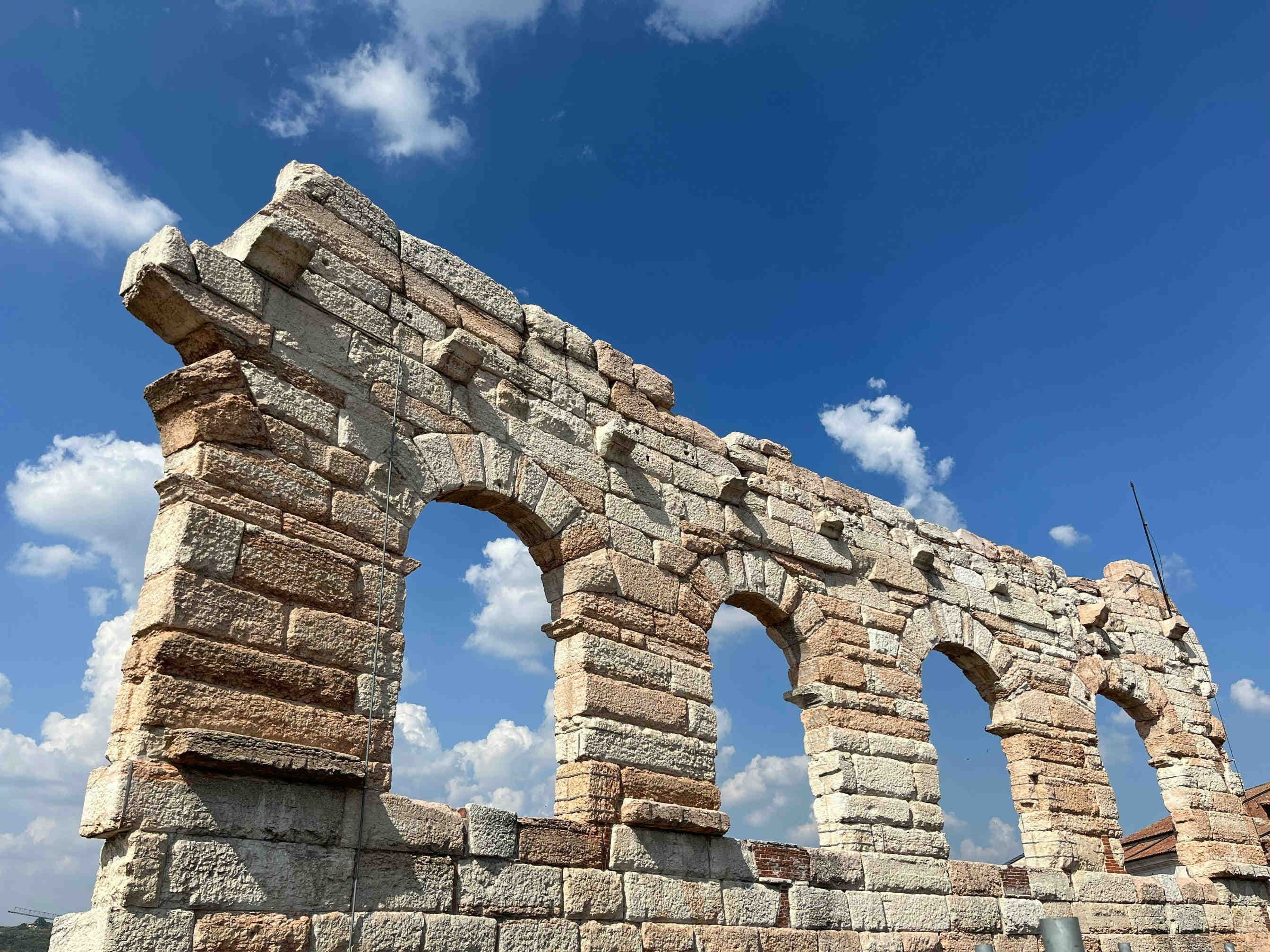
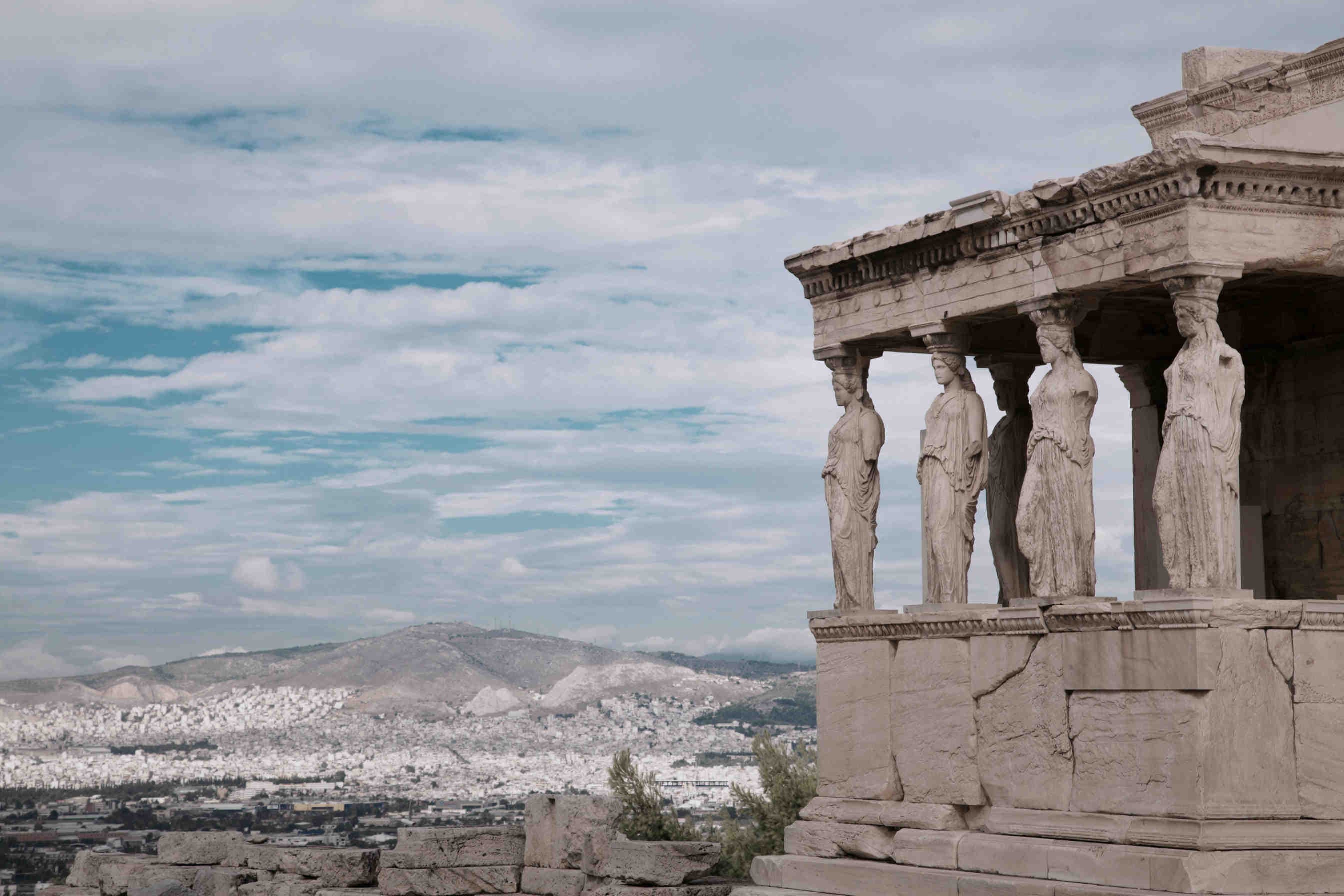
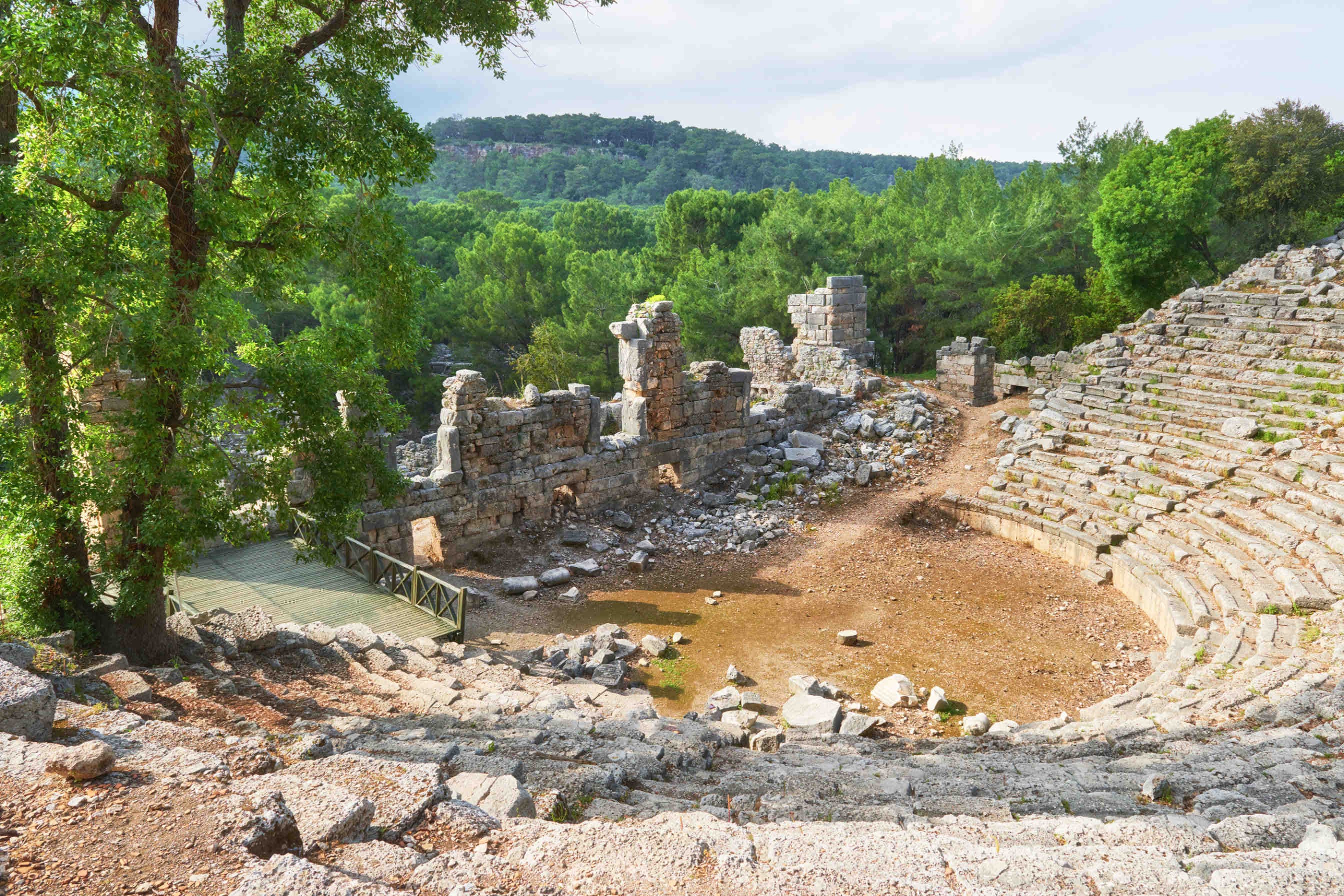
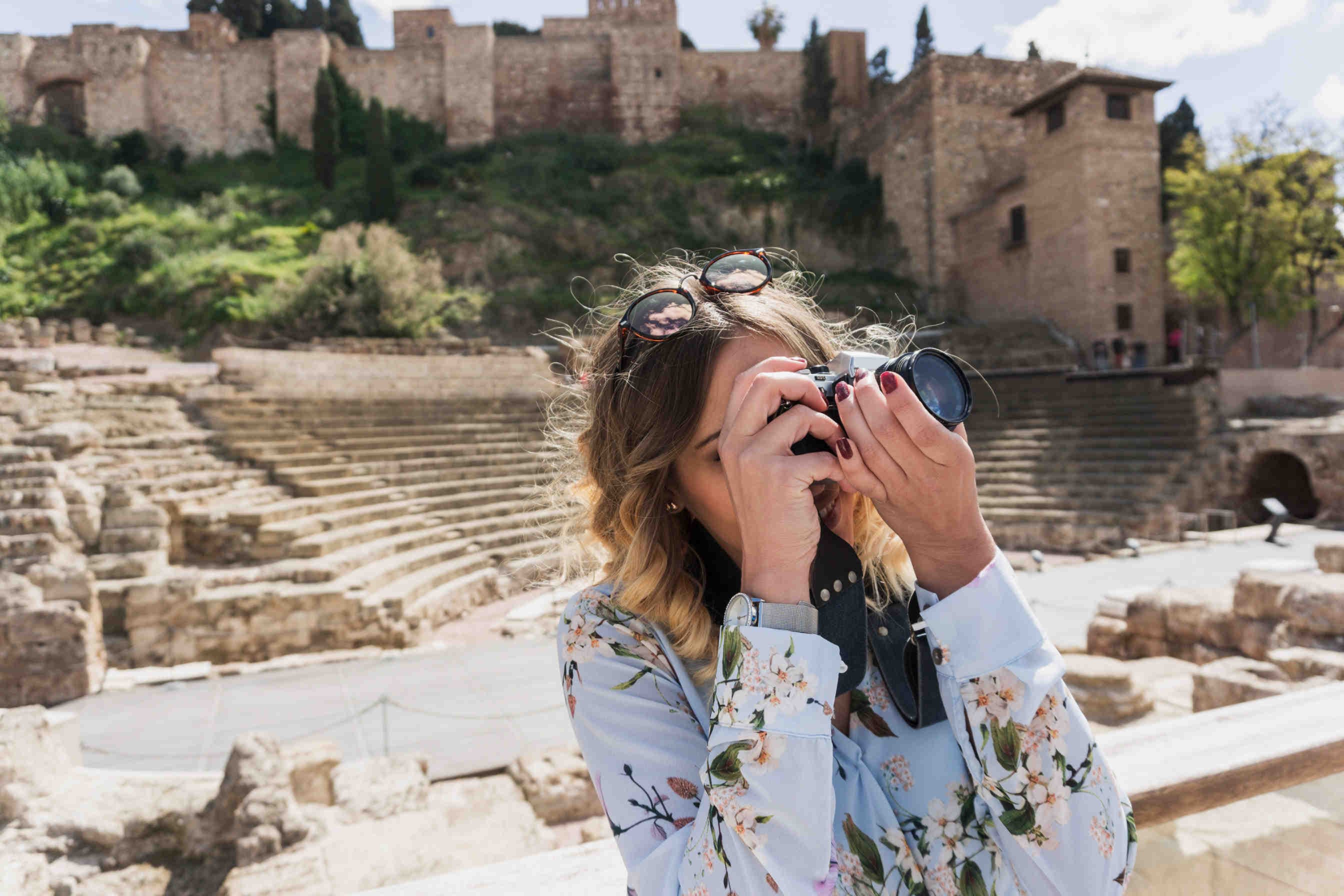
    archaeological tourism, or archaeological tourism, is a form of travel that combines a passion for history and archaeology with adventure and discovery. It is in fact a form of tourism that involves visiting archaeological sites, museums and places of historical and cultural importance. According to the definition of the World Tourism Organisation (WTO), archaeotourism is part of the so-called cultural tourism, which "represents all those movements of people motivated by cultural purposes such as study holidays, participation in live performances, festivals, cultural events, visits to archaeological sites and monuments, and pilgrimages. Cultural tourism is also about immersing oneself in the local way of life and all that constitutes its identity and character'. Archaeotourism is also linked to the concept of sustainability, promoting practices that respect the environment and local cultures.

    archeoturismo

    Sustainable tourism and archaeotourism: some data

    In Italy, there are 4,416 cultural heritage sites, both public and private, one for every 13,300 inhabitants, as measured by Istat in 2022. The majority are museums, collections and galleries (77 per cent), followed by monuments and monumental complexes (16 per cent) and archaeological sites, areas and parks (7 per cent). According to the report by the Univerde Foundation "Italians, sustainable tourism and ecotourism" presented at the Bit in Milan in 2016, the presence of archaeological sites or villages in protected areas is the attraction element of greatest interest for tourists, even more so than typical local products or handicrafts. This growing interest highlights the importance of promoting a sustainable tourism that enhances and protects these treasures, offering visitors authentic and environmentally friendly experiences, such as archaeotourism.
    turismo archeologico
    XNatura

    Types of archaeotourism: archaeo trekking

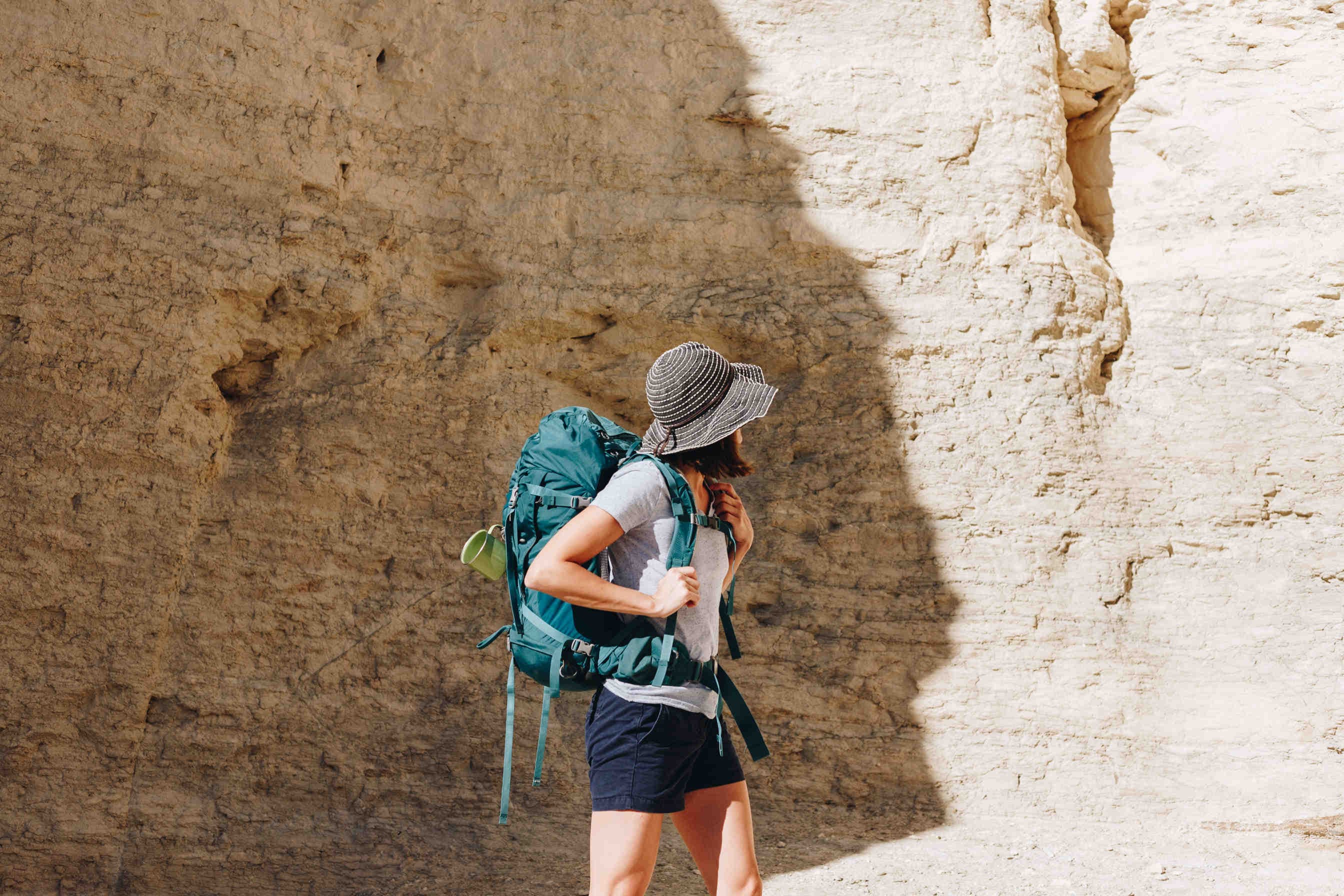
    Among the different types of archaeotourism or archaeological tourism, we can identify first and foremost the archaeological trekking, which combines trekking (even for the less trained) with a visit to archaeological sites, allowing one to explore breathtaking natural landscapes and ancient ruins. This type of activity offers an immersive way to discover the past, walking through trails that pass through archaeological parks and protected natural areas, often accompanied by expert guides who add value to the experience. In Italy, trails such as those of the Archaeological Park of Velia in Campania or the Sentiero degli Dei on the Amalfi Coast combine natural beauty with historical fascination, creating a unique travel experience.
    turismo sotterraneo

    Underground archaeotourism

    Underground tourism is another fascinating facet of archaeotourism. Exploring catacombs, caves and underground cities offers a unique opportunity to discover how ancient civilisations used underground spaces to live, work or protect themselves from invaders during times of war. The catacombs of San Callisto in Rome, the underground of Naples with its tunnels and aqueducts, and the underground city of Derinkuyu in Turkey are perfect examples of this type of underground<7i> archaeological tourism.

    mura città
    XNatura

    Archaeo experience: experiencing history at first hand

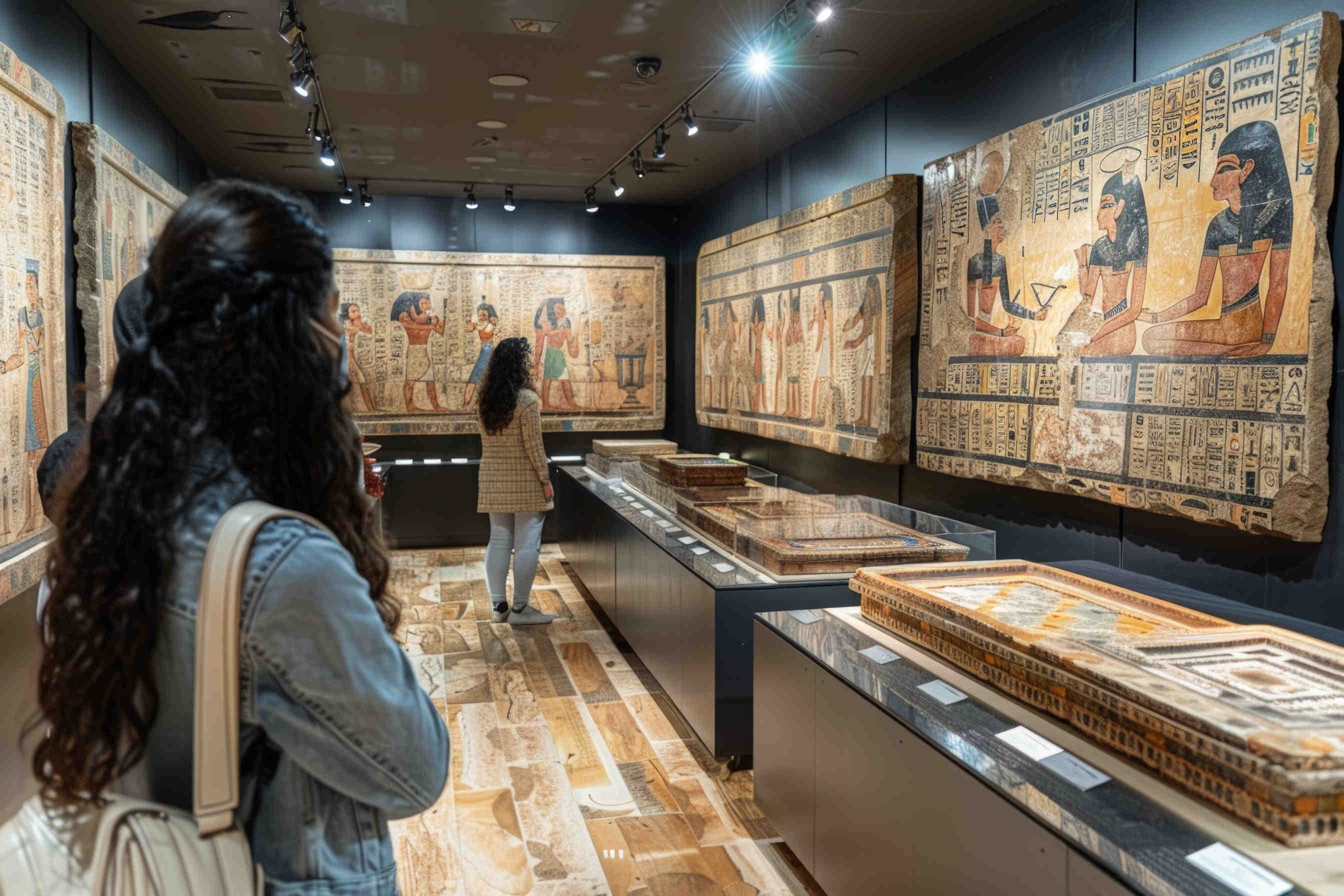
    The archaeological experience offers tourists the opportunity to actively participate in archaeological excavations and laboratories of experimental archaeology. This form of tourism allows tourists to experience history at first hand, contributing directly to the research and conservation of the archaeological heritage. In Italy, many universities and institutions organise archeo experience programmes, allowing participants to work side by side with professional archaeologists. Not only that: in some archaeological sites in Italy, some environments from the past are recreated to organise real experiences in which people can participate to try living like their ancestors. Some of these experiences are also dedicated to children.

    foto turismo
    3Bee

    Archaeotourism in the digital age

    With the advancement of technology, archaeotourism has found a new dimension in digital. Virtual archaeotourism experiences, which allow visitors to explore historical and archaeological sites interactively through virtual tours, augmented reality and 3D reconstructions, are also gradually being developed. Archaeotourism, in all its forms, thus represents an extraordinary opportunity to combine a passion for history with respect for the environment, promoting not only the preservation of cultural and natural heritage, but also contributing to the sustainable development of local communities.

    17/08/2024Of 3Bee, Lisa Santillo
    495 Views
    Newsletter
    newsletter
    Subscribe to the Blog about bees and biodiversity

    Frequently Asked Questions

    Do you have any doubts or other curiosities about this article? Here you will find some insights