Aphids: Characteristics, Impact on Plants, and Control Strategies
    AphidsGeneticsBiological cycleEcological role

    Aphids: Characteristics, Impact on Plants, and Control Strategies

    Aphids, known for their damage to plants, are actually fascinating for their ecological role and as a subject of scientific study. With a complex biological cycle and interactions with natural enemies like ladybugs and hoverflies, they reveal the delicate balance of food webs.

    Read the article
    17/12/2024Of 3Bee, Niccolò Patelli
    1072 Views
    17/12/2024Of 3Bee, Niccolò Patelli
    1072 Views

    Aphids: small insects with a big impact

    Disclaimer: this is an automated translation from Italian. Go to the original article.

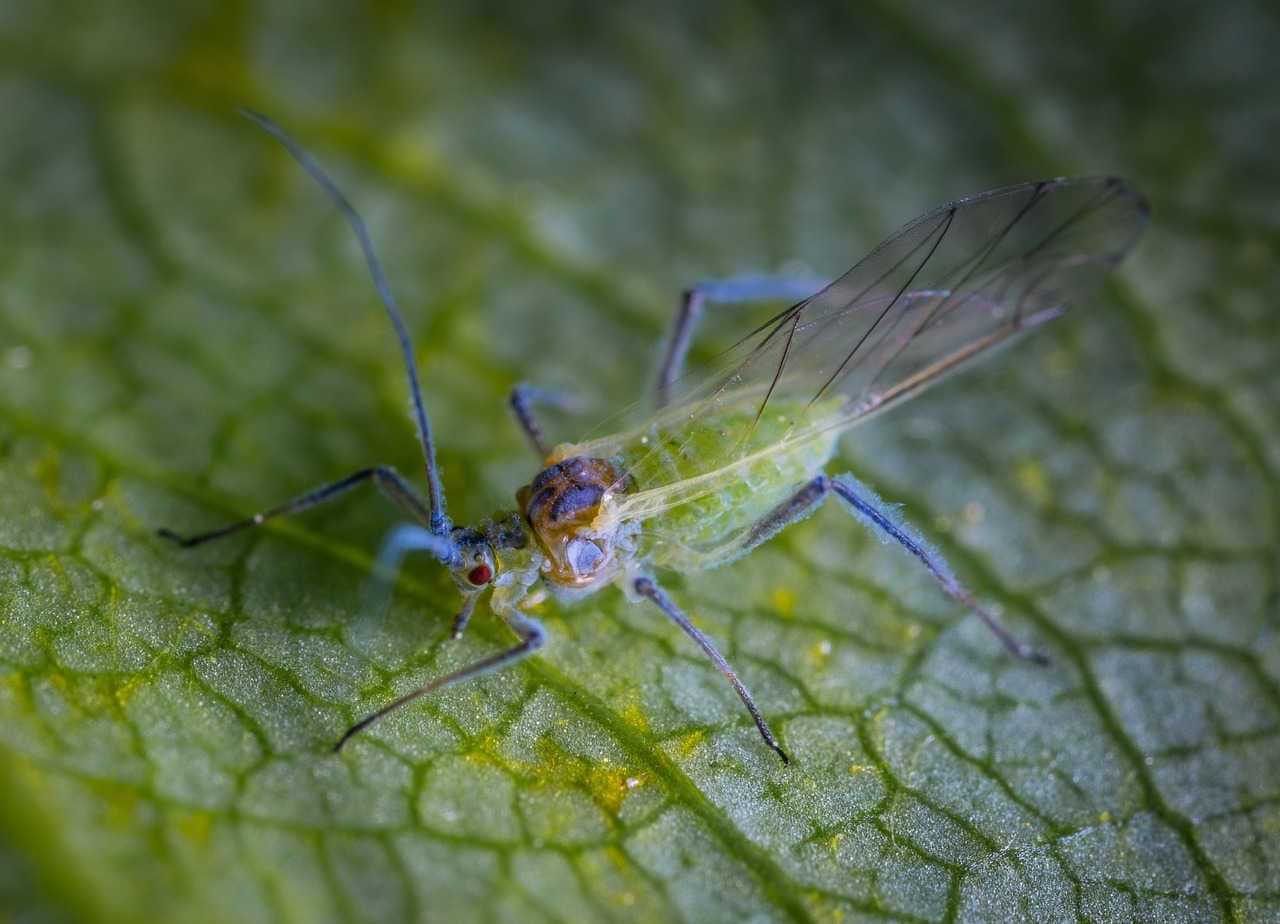
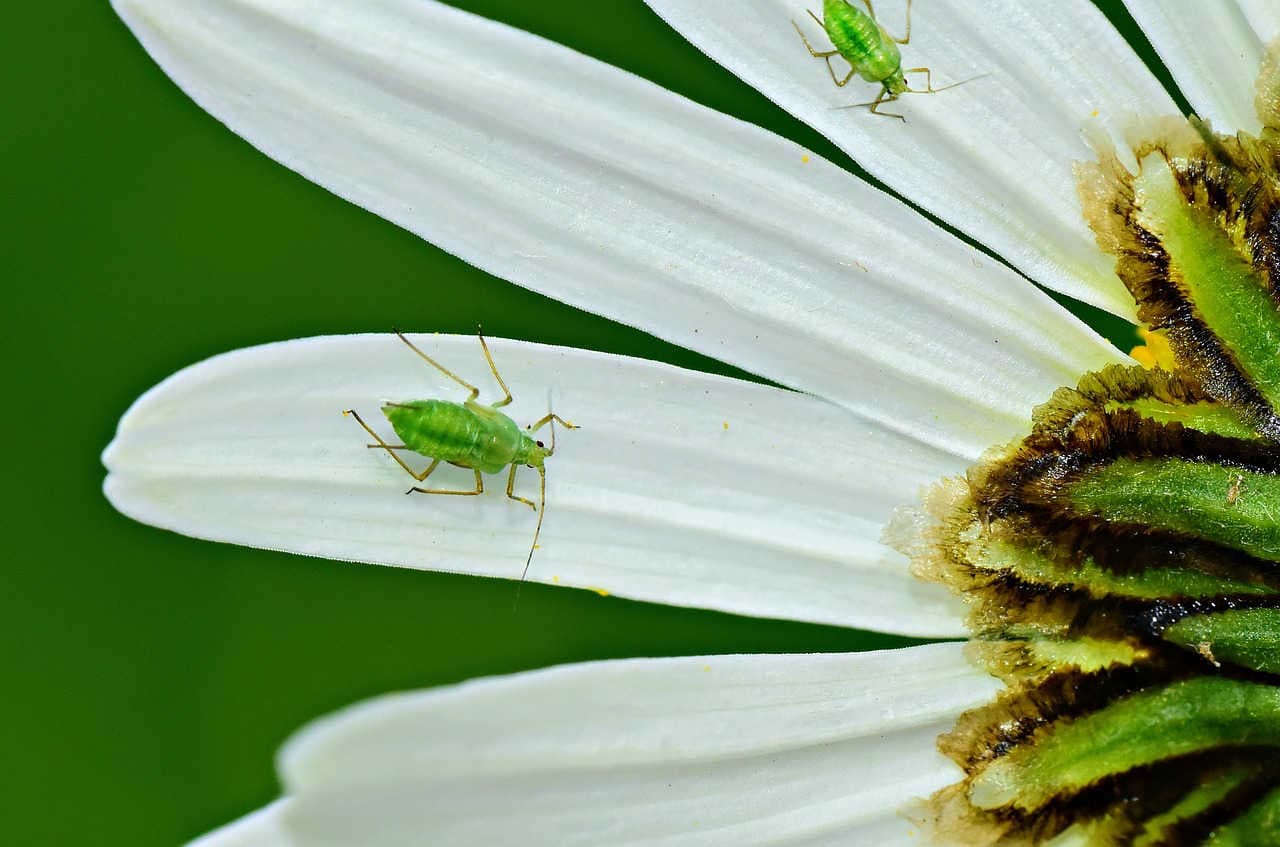
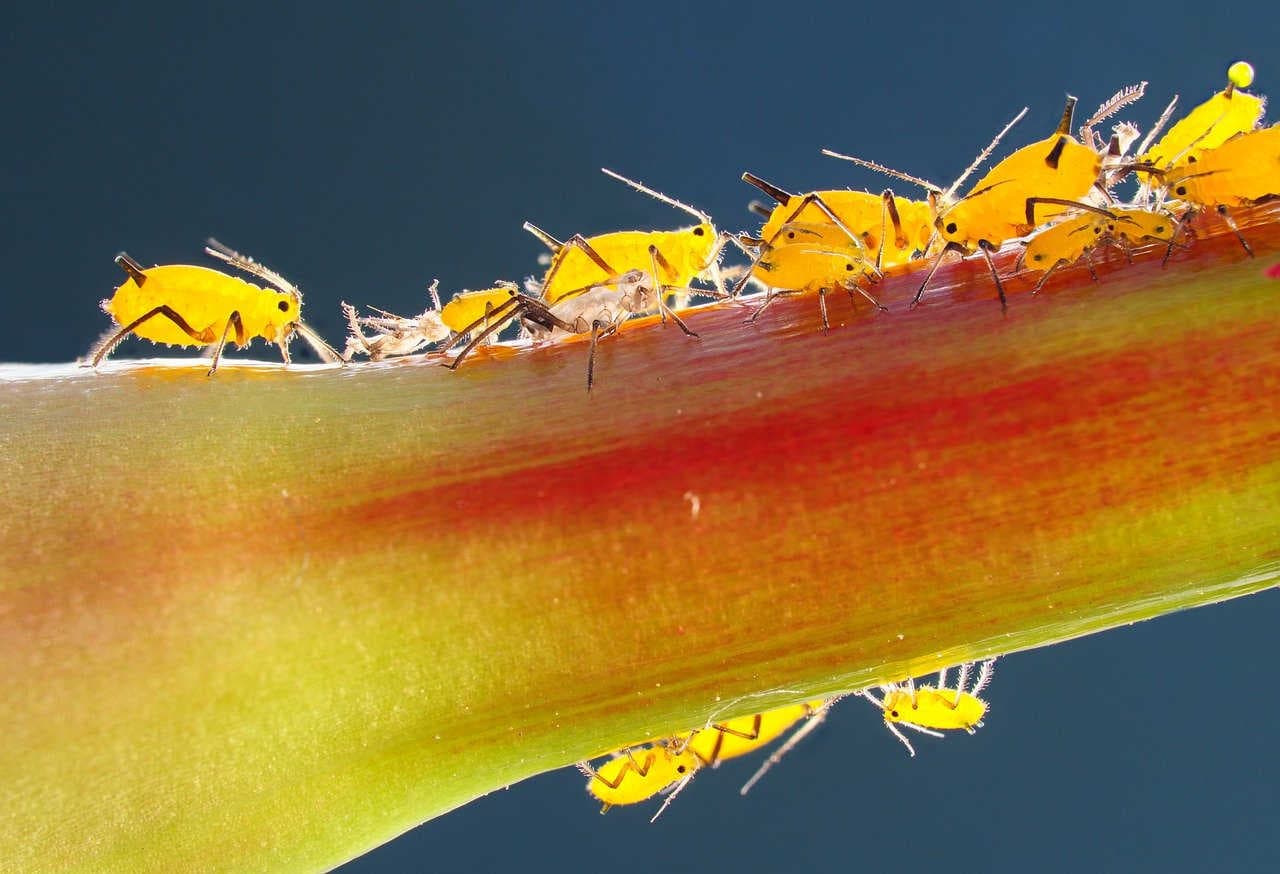
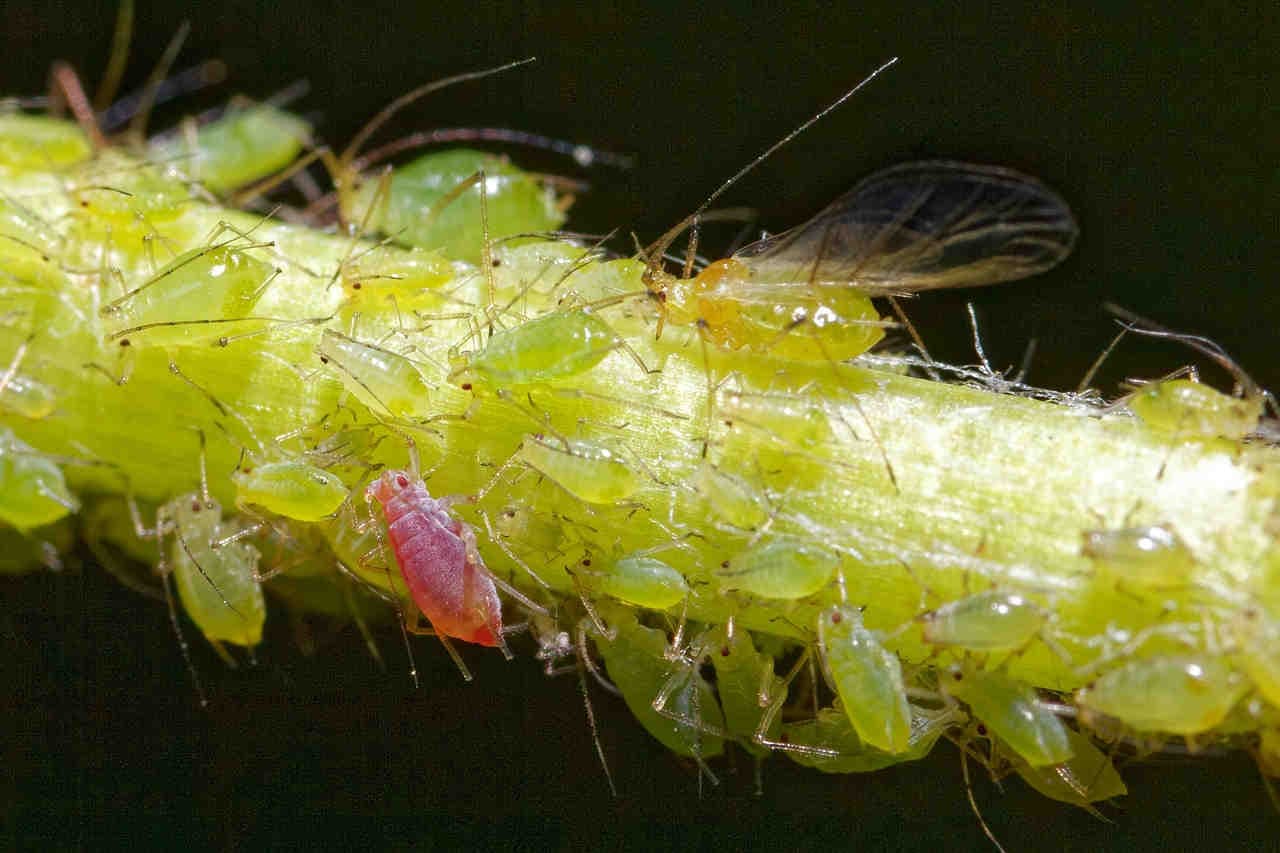
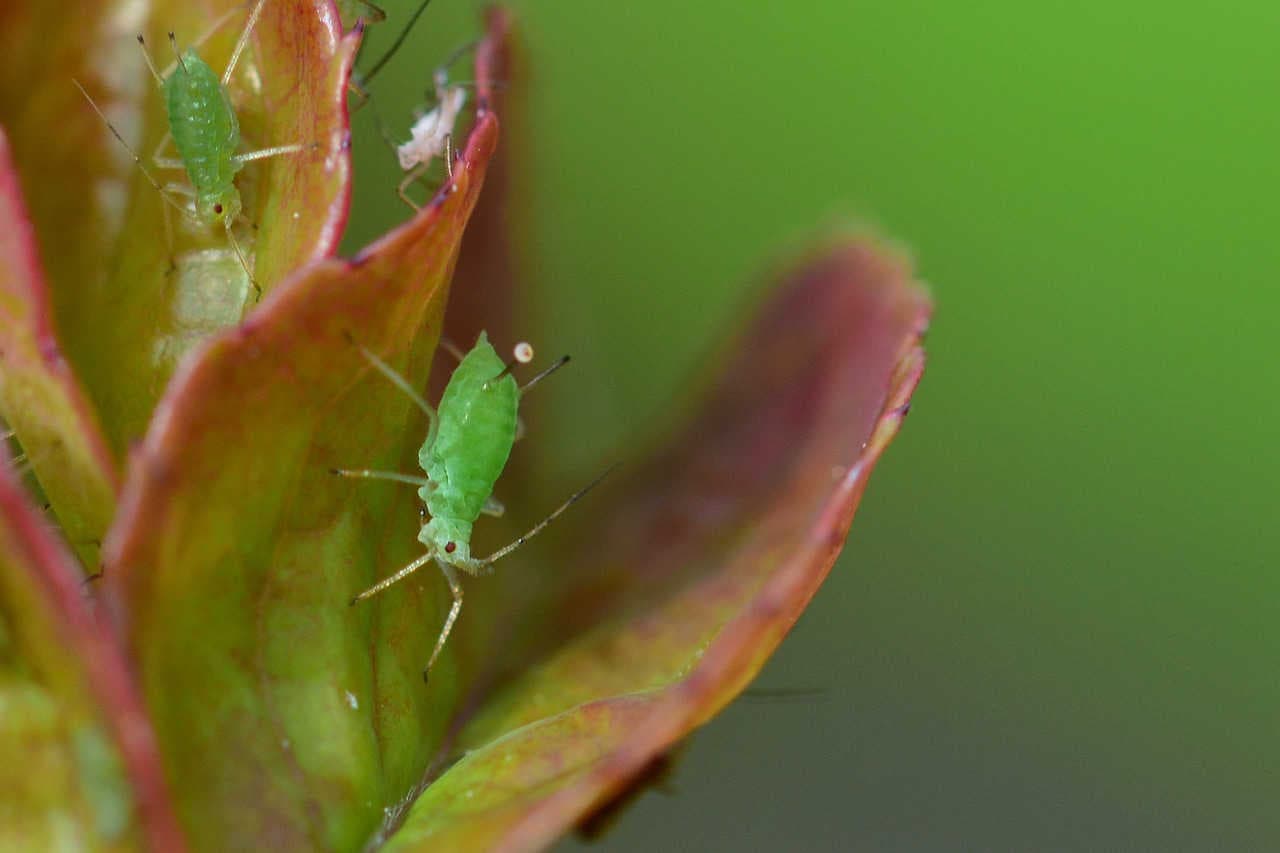
    Aphids, also known as plant lice, are Homoptera Hemiptera, close relatives of cicadas, but belong to the superfamily Aphidoidea. They are small insects mainly known for the damage they cause to both ornamental and cultivated plants. They feed by sucking plant sap (scientifically called phloemophages) and can transmit viral diseases, causing significant economic damage. However, viewing aphids merely as damaging agents is simplistic. Their adaptability and interaction with the ecosystem make them interesting organisms, not only to better understand their negative impact but also to appreciate their role within ecological networks.
    afidi

    Aphids and genetics

    Although often seen as pests, aphids are also subjects of great scientific interest. Beyond the aspects related to their damage, they are animals studied in genetic research. Aphids often reproduce through parthenogenesis, which is the ability to reproduce without fertilization and create offspring without genetic variability: this makes them interesting model organisms because they can be bred and maintained in genetically identical lines over time. Studies on their genome have revealed unique adaptations that allow them to thrive in various environments and exploit particular evolutionary strategies. Understanding the genetics of aphids offers new perspectives on their evolution and on the dynamics of coevolution between aphids and their hosts.

    afidi
    XNatura

    A complex and versatile biological cycle

    The life cycle of aphids is interesting and in some cases extremely complex and versatile. These insects are heterogonic, meaning they can alternate between sexual and asexual reproduction depending on environmental conditions and the time of the year. In spring and summer, they reproduce parthenogenetically, giving rise to generations of viviparous females, meaning they produce live young instead of laying eggs. In autumn, however, they prefer sexual reproduction, which allows the production of cold-resistant eggs and ensures survival during the winter. This biological cycle, adaptable to different seasons, has allowed aphids to colonize a wide range of habitats and to face environmental challenges.

    afide

    Aphids in their ecological role

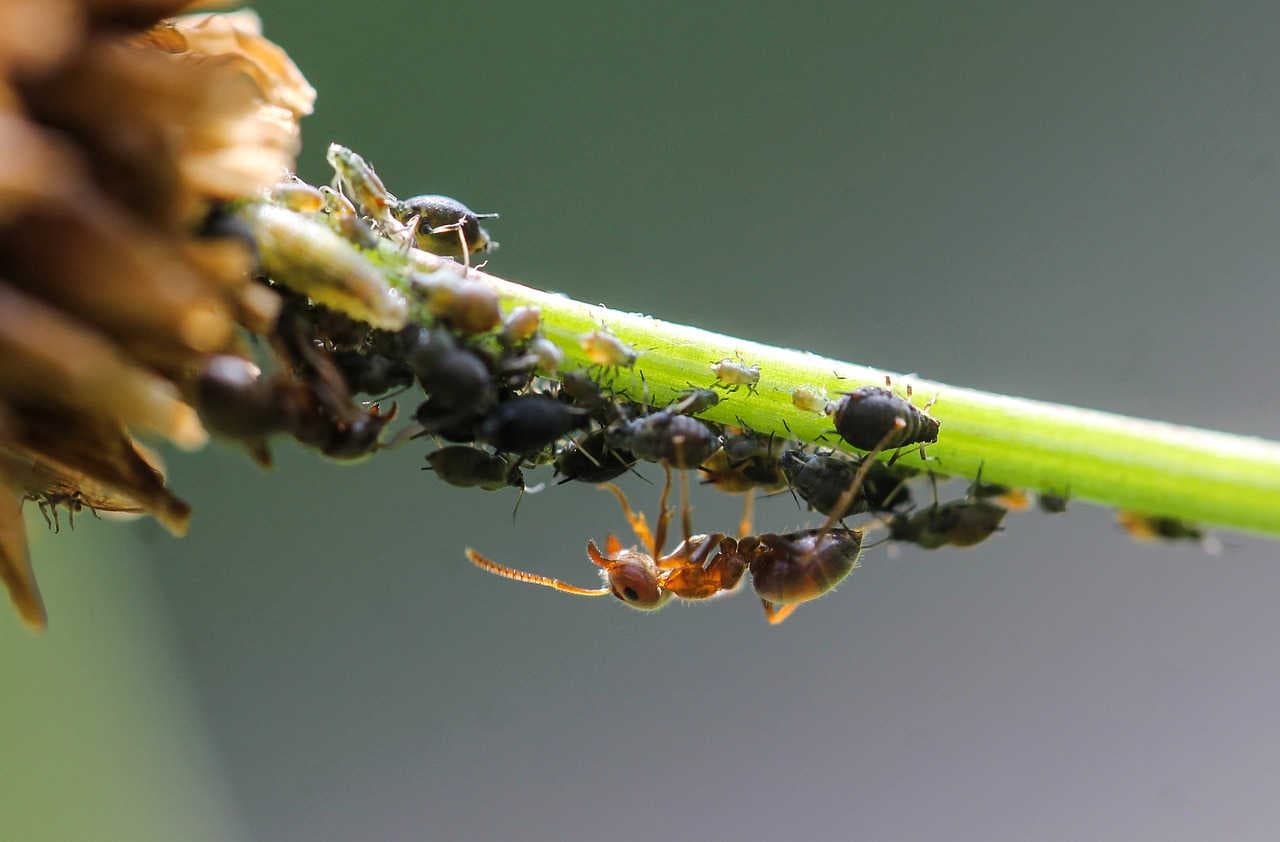
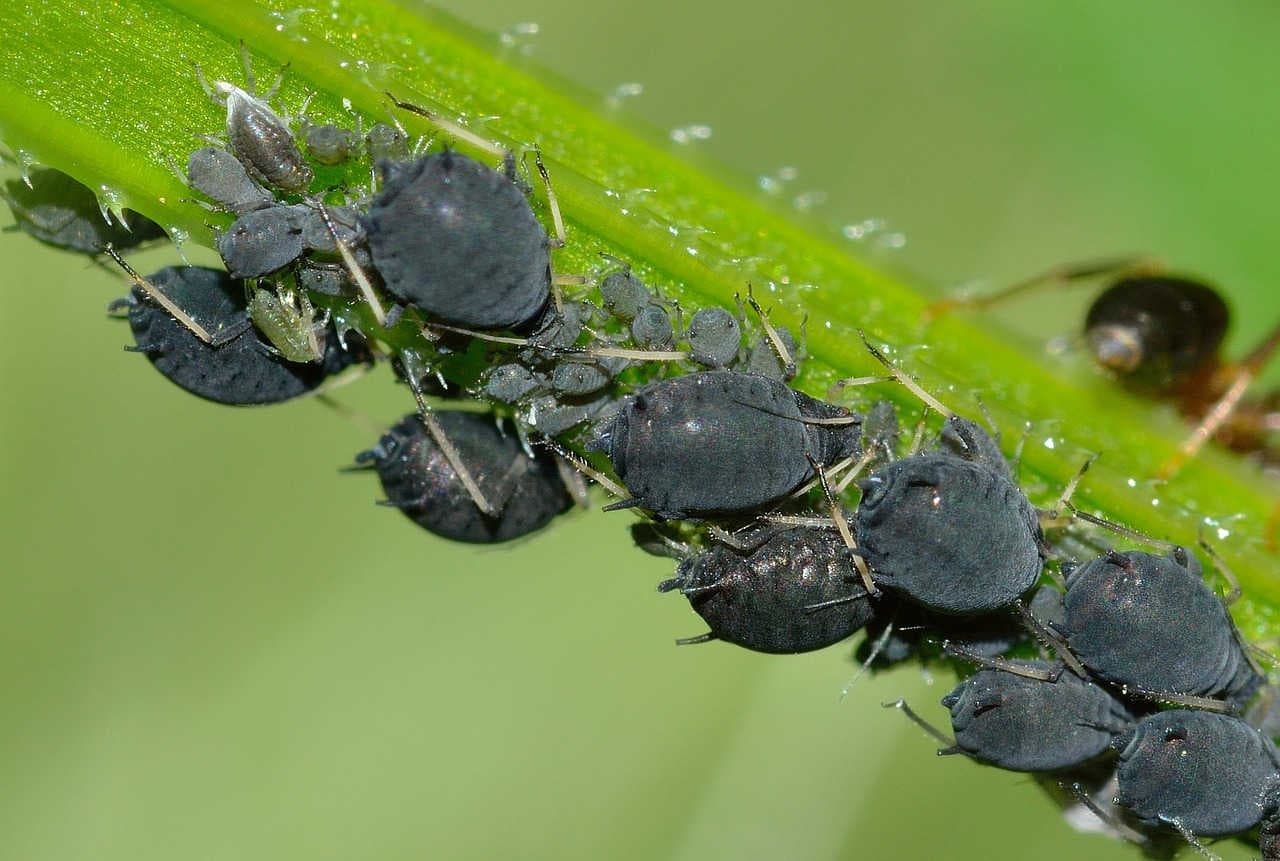
    Aphids play a significant and often underestimated ecological role. Firstly, they are a source of food for many natural predators and parasites. Additionally, their feeding activity affects plant growth and health, indirectly impacting plant competition within ecosystems. These insects often interact with other organisms, and among all, the mutualistic symbiotic relationship with ants is well-known: ants protect them in exchange for honeydew, a sugary substance much appreciated by ants. This complex system of interactions highlights how aphids are not just pests but organisms integrated into complex natural dynamics.

    afidi_formica
    XNatura

    The natural enemies of aphids

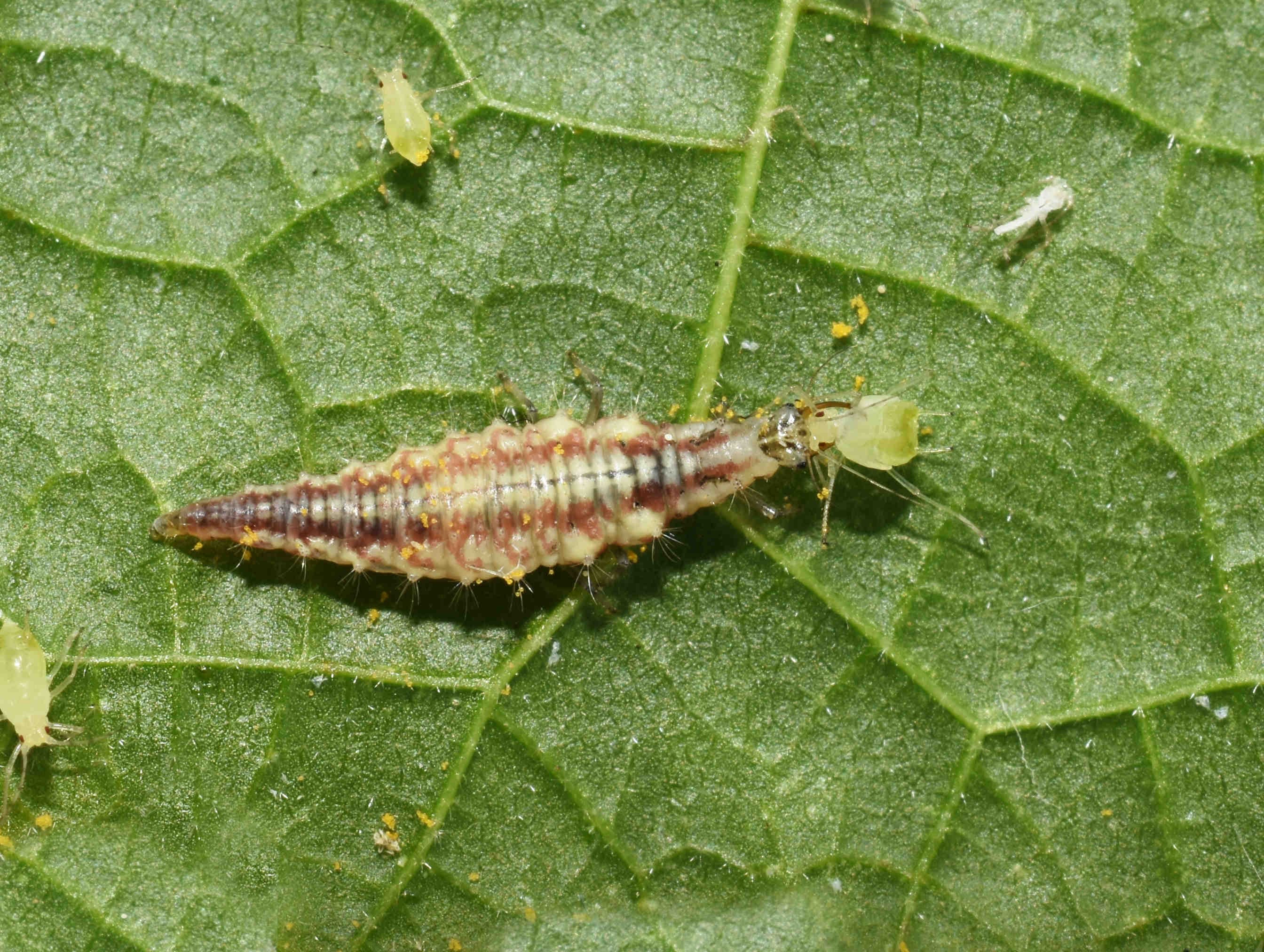
    Aphids are generally not very mobile and therefore are often easy prey for a wide range of animals that limit their populations in nature. Among the main natural enemies are more well-known predators like ladybugs, as well as dipteran hoverflies, some parasitoid wasps, and the lesser-known lacewing neuropterans. These predators are fundamental in the biological control of aphids, limiting their populations without the need for chemical interventions by humans. The interactions between aphids and their natural enemies are a very interesting example of ecological balance and how predators and parasitoids help control other species that could otherwise cause severe damage to crops.

    Crisopa_afidi
    3Bee

    Ladybugs and aphids: predators and prey

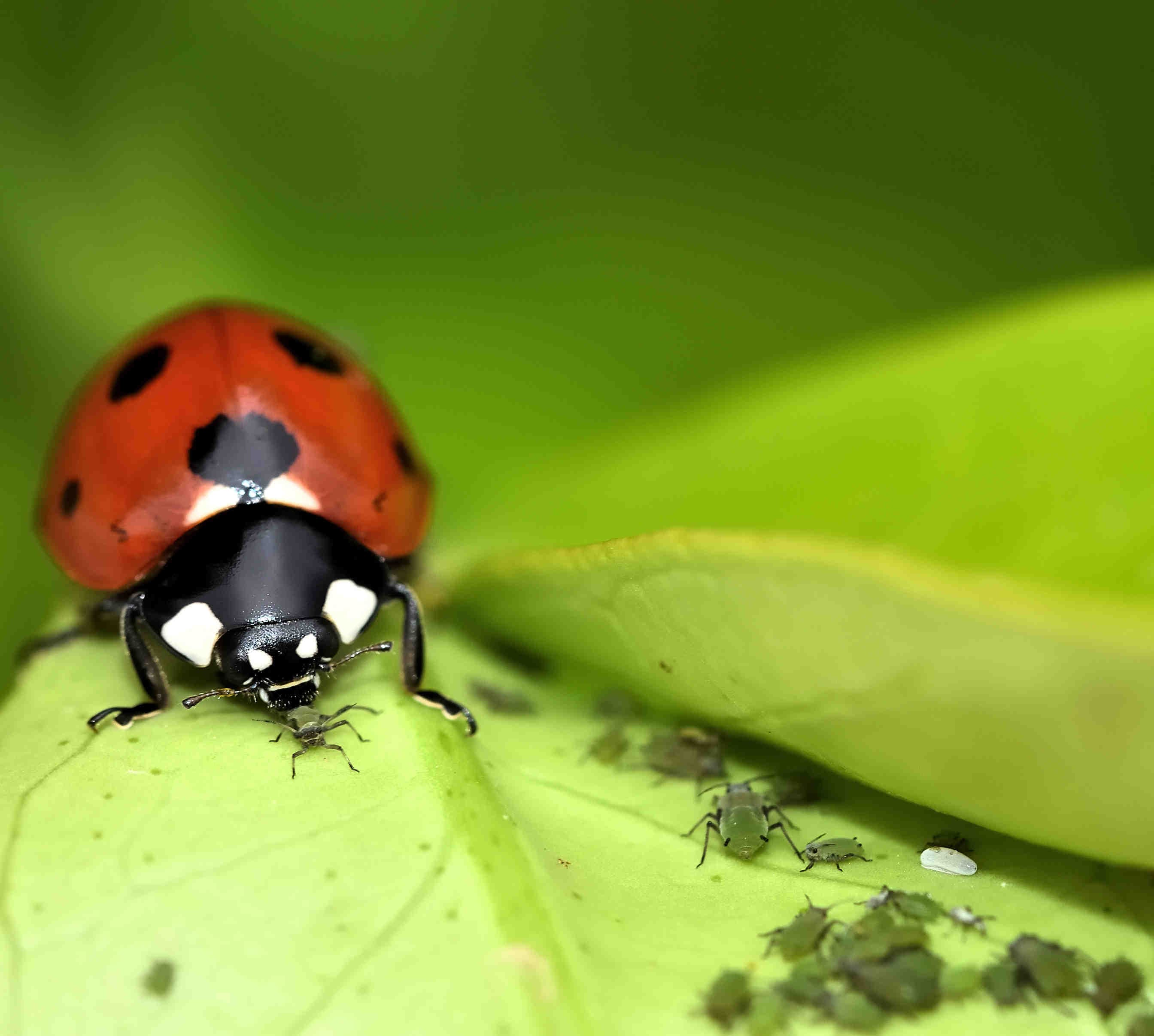
    Ladybugs are among the most well-known insects and are also the most effective predators of aphids. Ladybug larvae, in particular, are voracious consumers of aphids that contribute significantly to their control in natural and agricultural environments. The most well-known species, such as the seven-spotted ladybug, can eliminate hundreds of aphids during their life cycle and are so effective that they are bred and sold for this purpose. This curious and interesting predator is essential for maintaining ecological balance in crops and natural ecosystems, as it naturally reduces aphid infestations without the use of pesticides. The use of ladybugs for controlling aphid populations is recognized and widespread in agriculture as an integrated pest management method employing biological organisms as agents for controlling pests and predators.

    coccinella_afidi

    Hoverflies: silent allies against aphids

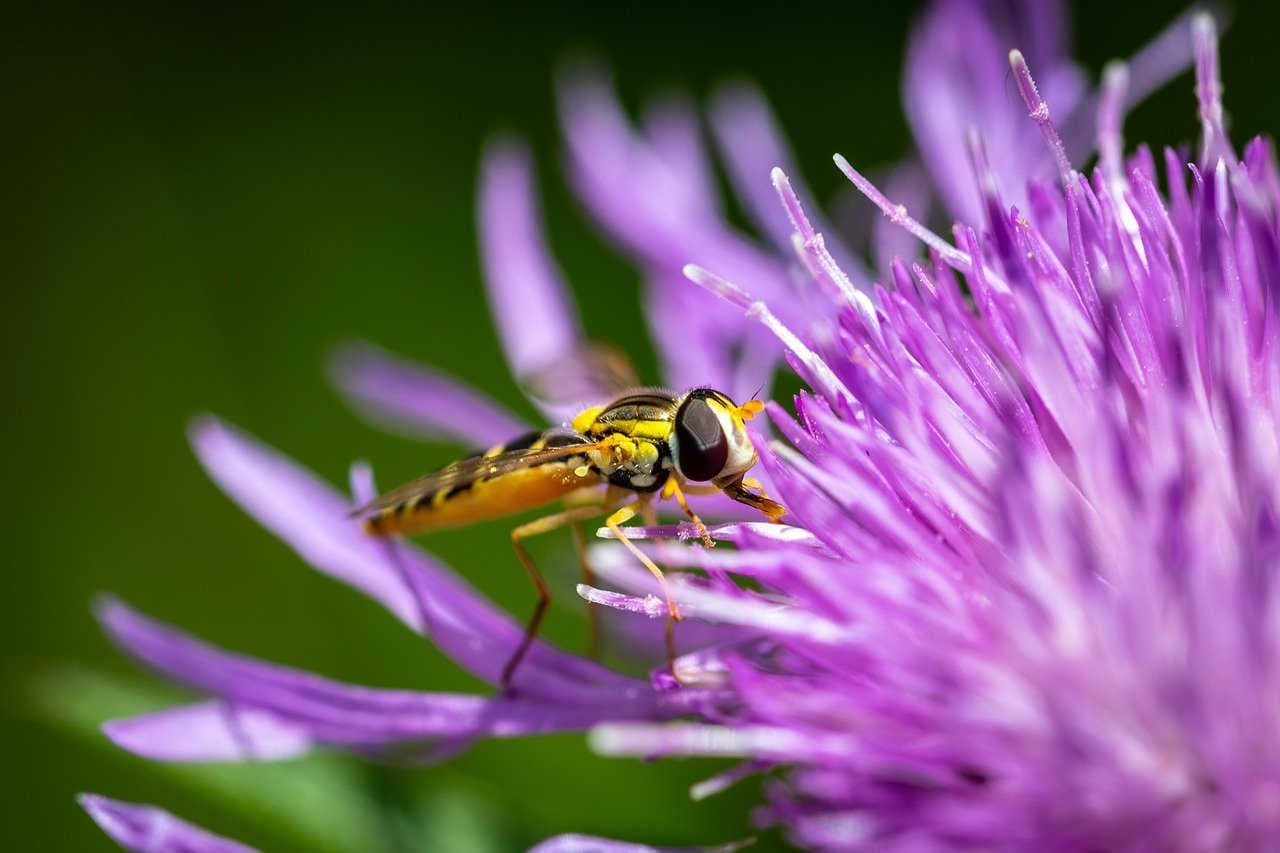
    Hoverflies represent another important group of aphid enemies: they belong to the order Diptera, those fly relatives that often 'disguise as bees' almost mimicking their coloring. Larvae of some species are specialized predators that feed exclusively on aphids. Two of the most common and used species in biological control are Syrphus ribesii and Episyrphus balteatus. These insects, besides being effective aphid hunters during the larval stage, play a fundamental ecological role during the adult stage as they are among the most effective pollinators, second only to domesticated and wild bees. The presence of hoverflies thus provides a dual benefit for ecosystems, acting as natural aphid control agents in the larval stage and as promoters of plant biodiversity in adulthood.

    sirfide

    Parasitoids: an extraordinary life cycle

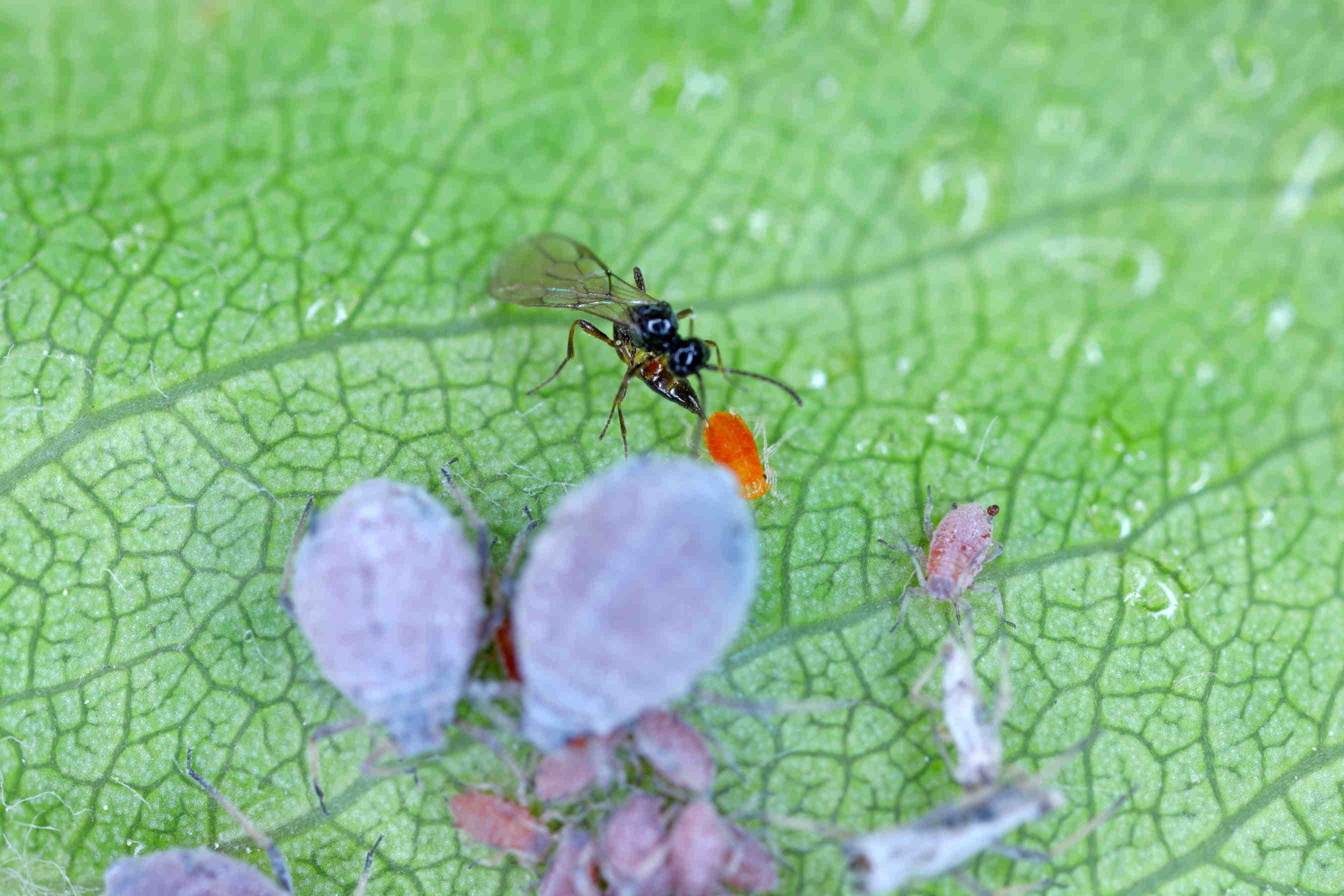
    Parasitoids, particularly some hymenopterans like Aphidius colemani and Lysiphlebus testaceipes, are another group of insects that control aphid populations. Parasitoids have a particular life cycle: they lay their eggs inside the body of aphids, and once hatched, the larvae feed on the soft tissues of the host from the inside, eventually leading to the host’s death. Parasitoids are extremely efficient in keeping aphid populations low and are often used in biological pest control to protect crops from these parasites. Their use in agriculture represents a sustainable and environmentally friendly solution.

    aphidius_colemani

    The impact of aphids on humans

    For humans, aphids represent a significant problem in agriculture and the cultivation of ornamental plants. They are also vectors of phytopathogenic viruses (i.e., pathogens for plants) that can cause severe diseases, reducing crop yields of cultivated plants and increasing the need for insecticides. Besides this, aphid infestations can weaken plants, compromising their growth and production due to the extraction of sap during their feeding. However, aphids are integral to natural ecosystems and play a role in biological balance. To avoid the intensive use of insecticides, biological control is extremely effective in the case of aphids and can limit damage to crops without compromising existing biodiversity.

    afidi

    The complexity of trophic networks

    Aphids are just a piece of a complex mosaic of ecological interactions involving numerous other organisms. The trophic networks (the 'food chains') that form between prey, predators, and parasitoids are incredibly intricate and are the foundational basis of ecological balance. Each species, including aphid species, is a fundamental component of this complex and intriguing system, where the interconnection between different animals, plants, fungi, and microorganisms emphasizes the importance of studying in detail even those organisms we might consider insignificant. There is always something to learn even from insects we think we know, and there is still much to discover in their complex relationships.

    afidi
    17/12/2024Of 3Bee, Niccolò Patelli
    1072 Views
    Newsletter
    newsletter
    Subscribe to the Blog about bees and biodiversity

    Frequently Asked Questions

    Do you have any doubts or other curiosities about this article? Here you will find some insights