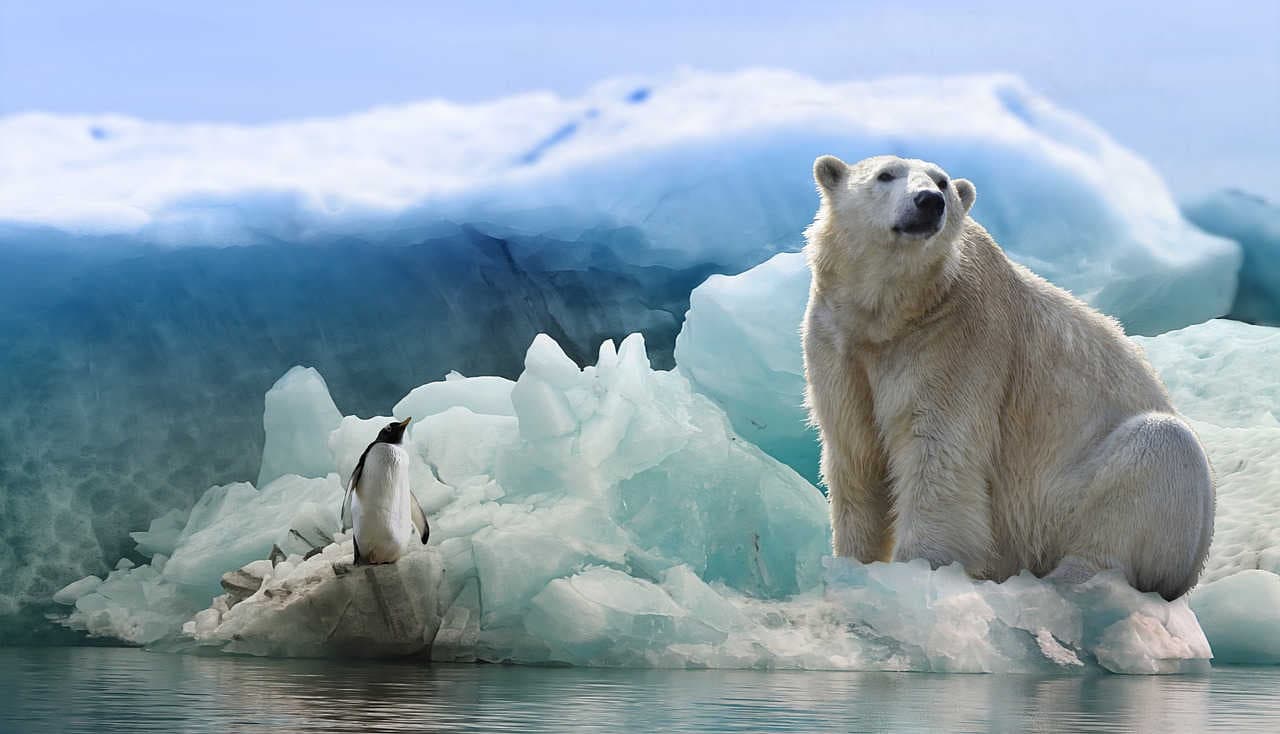
Animals That Do Not Fear the Cold
    Extreme ColdPenguinSealPolar Bear

    Animals That Do Not Fear the Cold

    From the icy expanses of the Arctic to the freezing seas of Antarctica, some animals have developed extraordinary adaptations to survive in extreme conditions. In this article, we will explore the survival strategies of some of the most incredible species on the planet.

    Read the article
    29/12/2024Of 3Bee, Chiara Pertile
    992 Views
    29/12/2024Of 3Bee, Chiara Pertile
    992 Views

    Animals and Extreme Cold: The Magic of Adaptation

    Disclaimer: this is an automated translation from Italian. Go to the original article.

    The coldest environments on Earth, from polar caps to the depths of freezing seas, represent some of the most hostile conditions for life. Sub-zero temperatures, relentless winds, and scarcity of resources are challenges that few organisms can face. However, many species have developed unique physiological, anatomical, and behavioral strategies that allow them to thrive in these extreme habitats. These adaptations not only reflect life's incredible resilience but also offer valuable insights into the biological mechanisms that allow overcoming the limits of survival. Let's look at five incredible animals capable of surviving these hostile conditions.
    foca ghiaccio

    Emperor Penguins: Masters of Social Cohesion

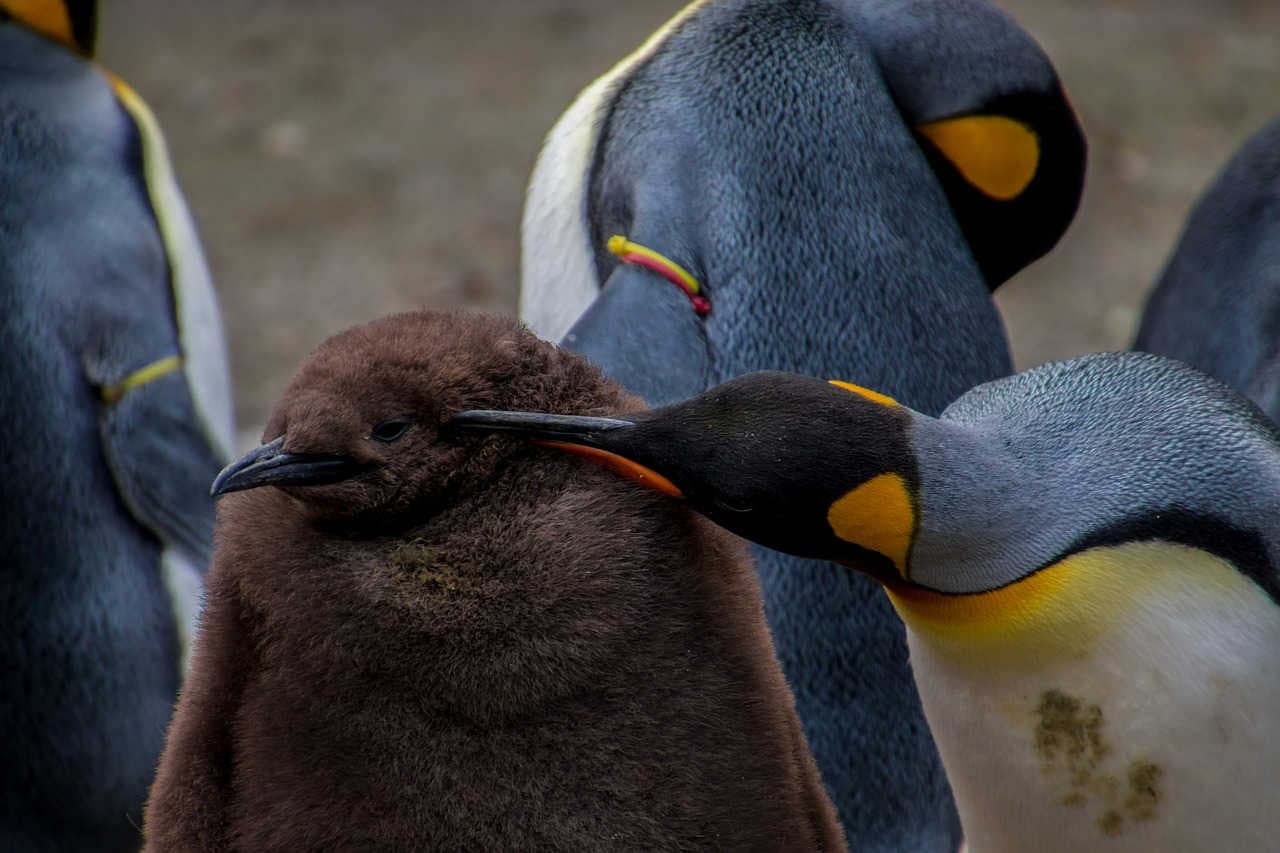
    The emperor penguin (Aptenodytes forsteri), endemic to Antarctica, is the largest of the penguins, standing at 120 cm tall and weighing between 20 and 40 kg. These seabirds adapt to extreme cold thanks to a thick layer of subcutaneous fat and a dense, waterproof plumage that retains heat. During the Antarctic winter, they form tight groups called "huddles" or "turtles," which allows them to share body heat and develop a kind of social thermoregulation that can reach 37 °C. Additionally, during periods of resource scarcity, these animals can slow down their metabolism, reducing energy consumption. In this phase, they alternate between short periods of activity and deep torpor, simulating an intermittent hibernation, which allows them to slow down breathing and heart rate. These physical and behavioral adaptations make them extraordinary examples of resistance to low temperatures.

    pinguino imperatore
    XNatura

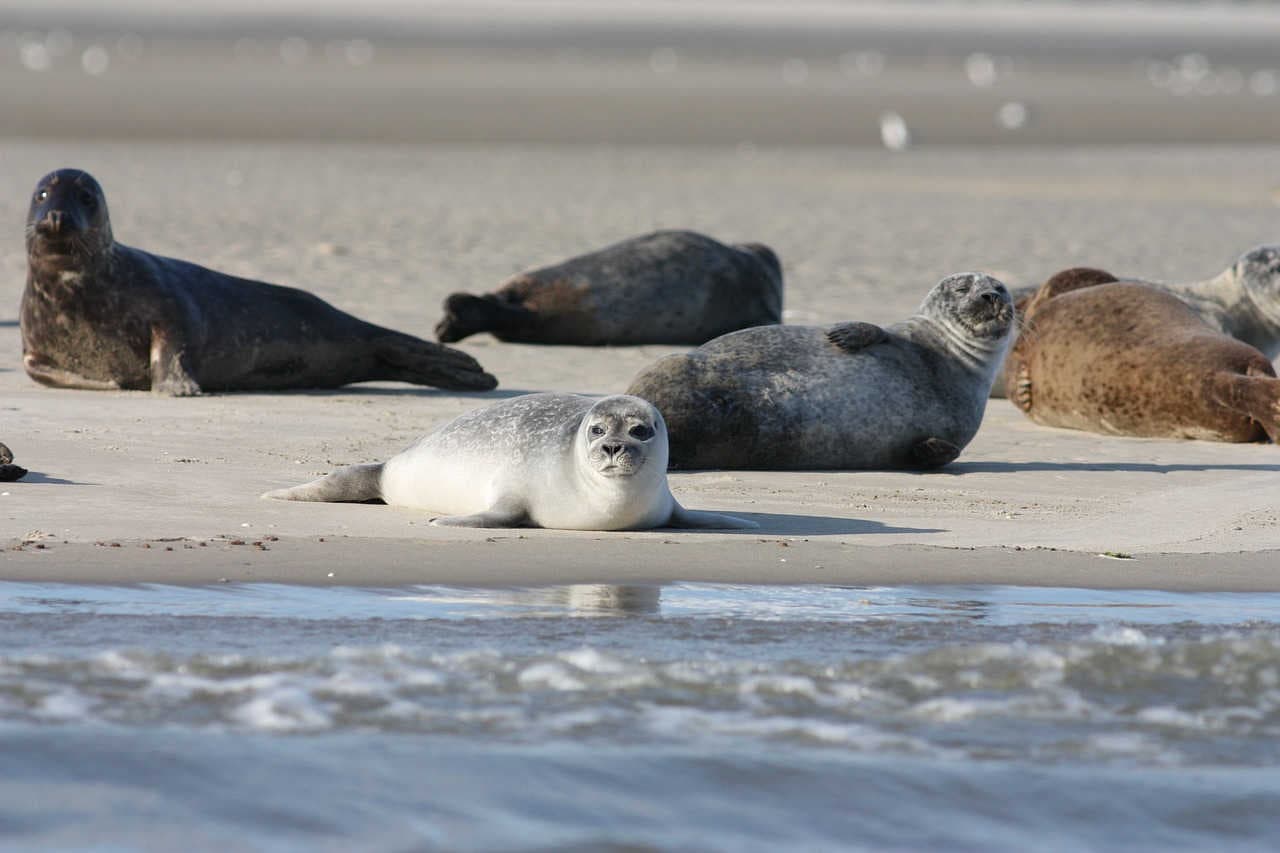
    Seals: A Coat of Fat for Insulation

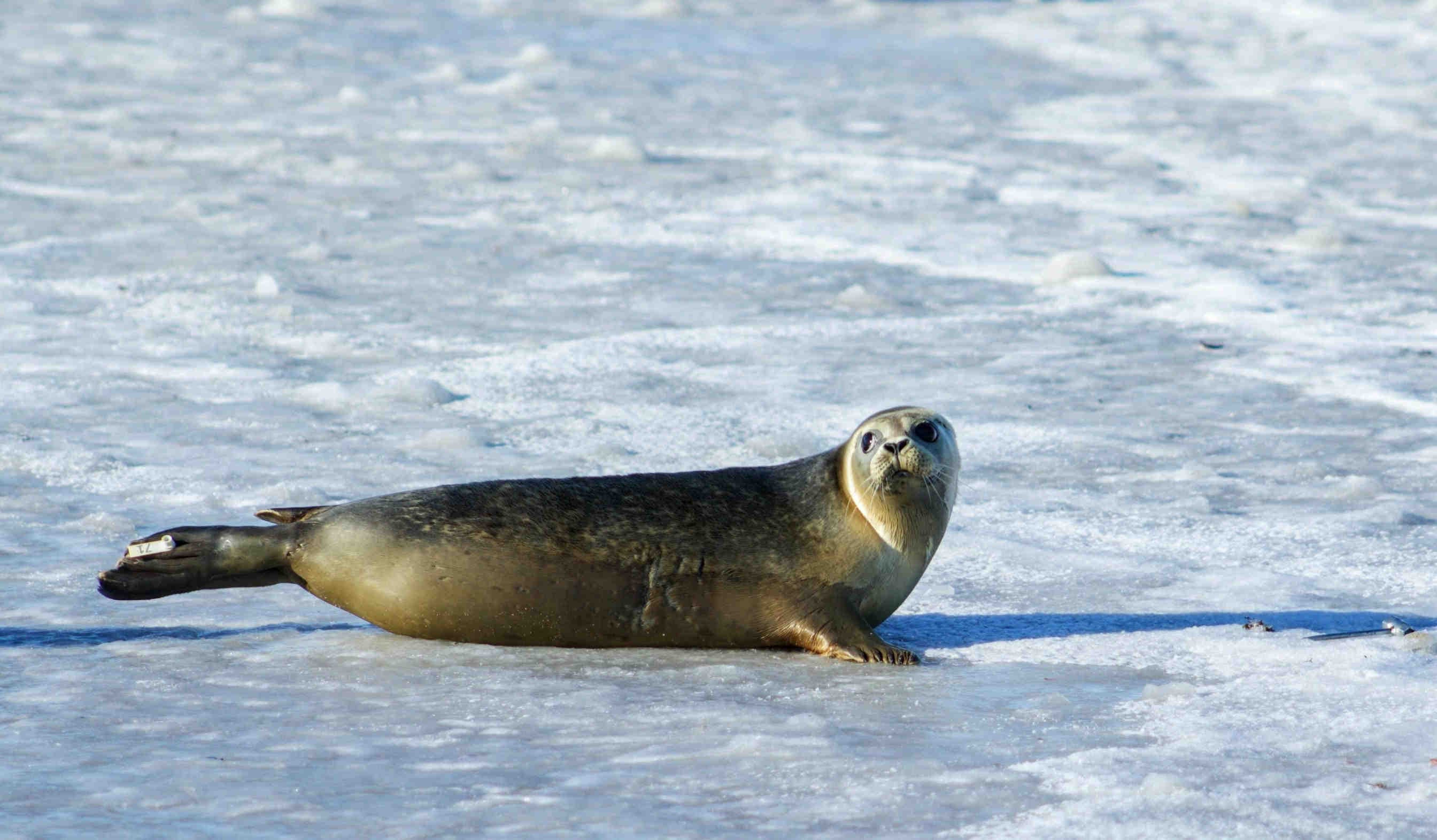
    Seals, belonging to the family Phocidae, are marine mammals adapted to the Arctic and Antarctic seas. Their main secret to survival is the thick layer of subcutaneous fat that provides thermal insulation and energy reserves. This layer can reach several centimeters thick, protecting seals from extreme temperatures both in water and during rest on ice. Seals also have a flexible metabolism that allows them to conserve energy during periods of food scarcity. Furthermore, their bodies are streamlined for efficient swimming in cold waters, minimizing heat loss. Some species, like the Weddell seal (Leptonychotes weddellii), can dive to depths of over 600 meters to hunt, utilizing their unique ability to store oxygen in muscles. These adaptations make seals perfect inhabitants of polar regions.

    cucciolo foca ghiaccio

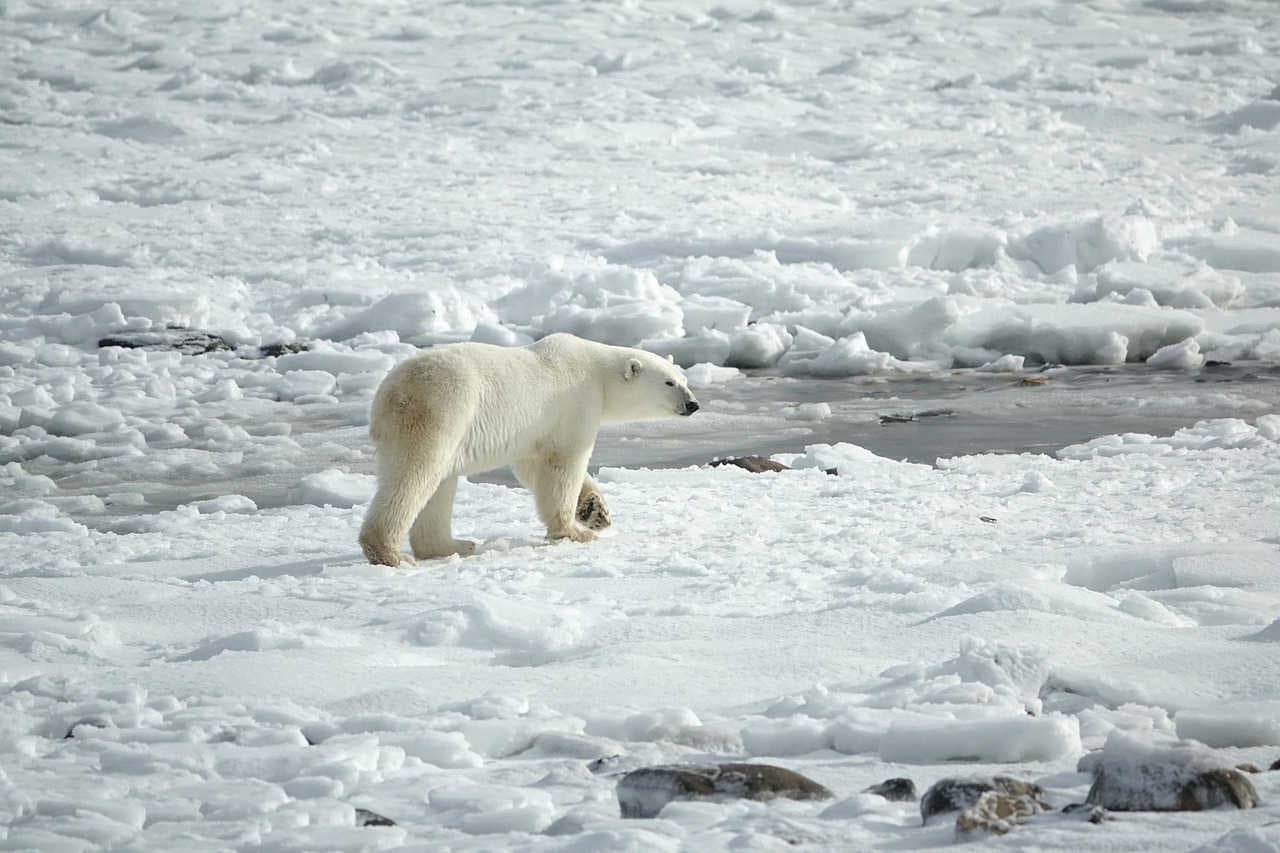
    Polar Bears: Ice Hunters

    The polar bear (Ursus maritimus) is one of the most iconic animals of the Arctic. This predator is adapted to extreme cold thanks to a double layer of fur: a dense undercoat and a layer of long, transparent hairs that trap heat, providing thermal insulation. Beneath the fur, a thick layer of fat - up to 10 cm thick - provides additional insulation and energy reserves during fasting periods. Apart from this incredible adaptation, polar bears are excellent swimmers, capable of traveling long distances thanks to their broad paws. However, climate change is reducing the extent and duration of sea ice, essential for hunting and survival of this species. Habitat loss forces polar bears to travel greater distances to find food, increasing energy stress and risk of death.

    orso polare ghiaccio
    XNatura

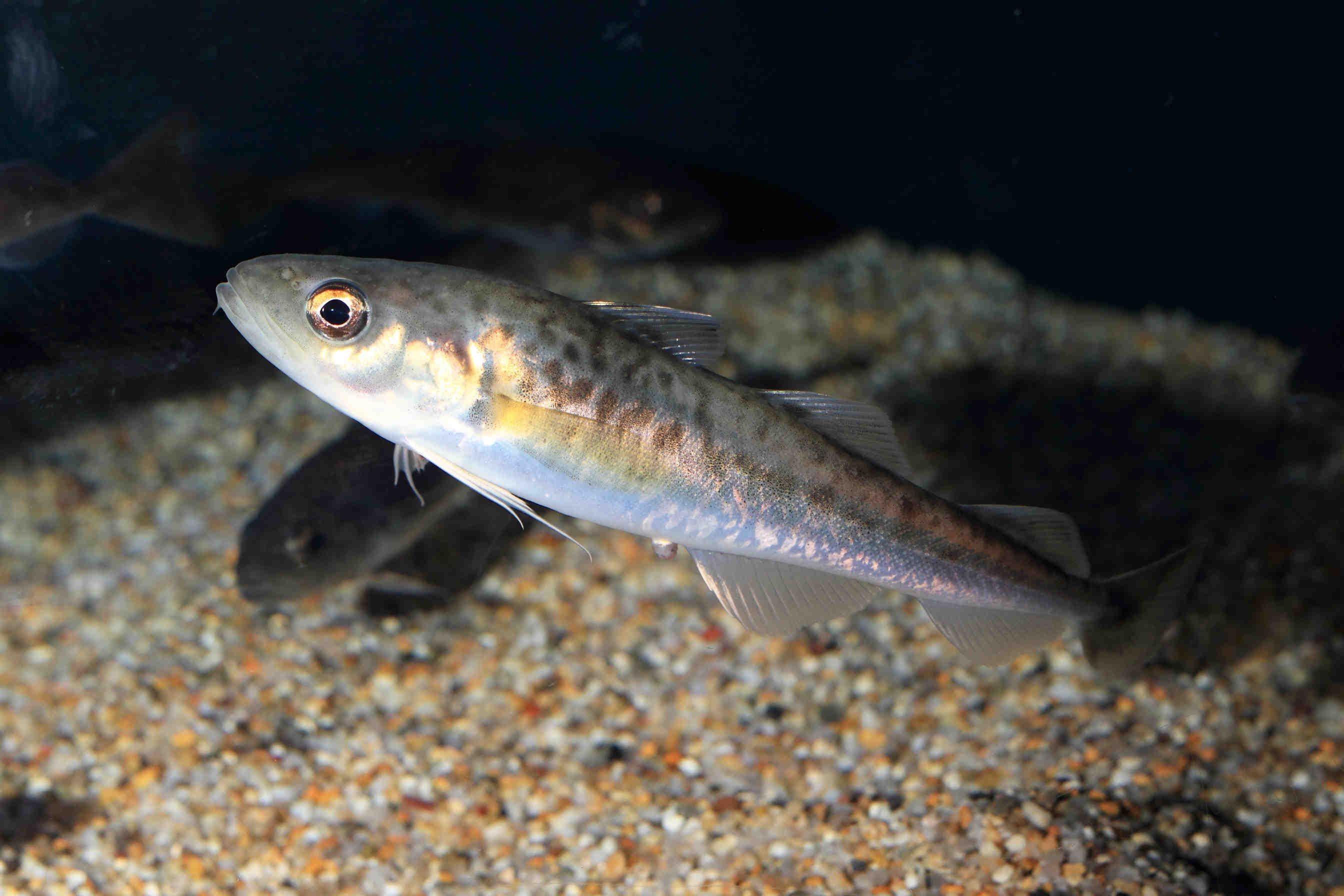
    Icefish: The Blood That Doesn't Freeze

    In the icy Antarctic seas, the icefish of the Channichthyidae family are among the animals with the most surprising strategies for extreme cold. These fish have developed a unique antifreeze protein that prevents the formation of ice crystals in blood and tissues. Thanks to this trait, they can survive in waters with temperatures below freezing. Icefish are unusual in other ways: they lack scales, have transparent bones, and are the only vertebrates with 'white blood'. They lack red blood cells and hemoglobin, the pigment responsible for oxygen transport. Oxygen diffuses directly from the icy seawater into the blood plasma through large gills and smooth skin. Icefish also have a slow metabolism, requiring less oxygen, and a very large heart, capable of optimizing circulation.

    pesci ghiaccio
    3Bee

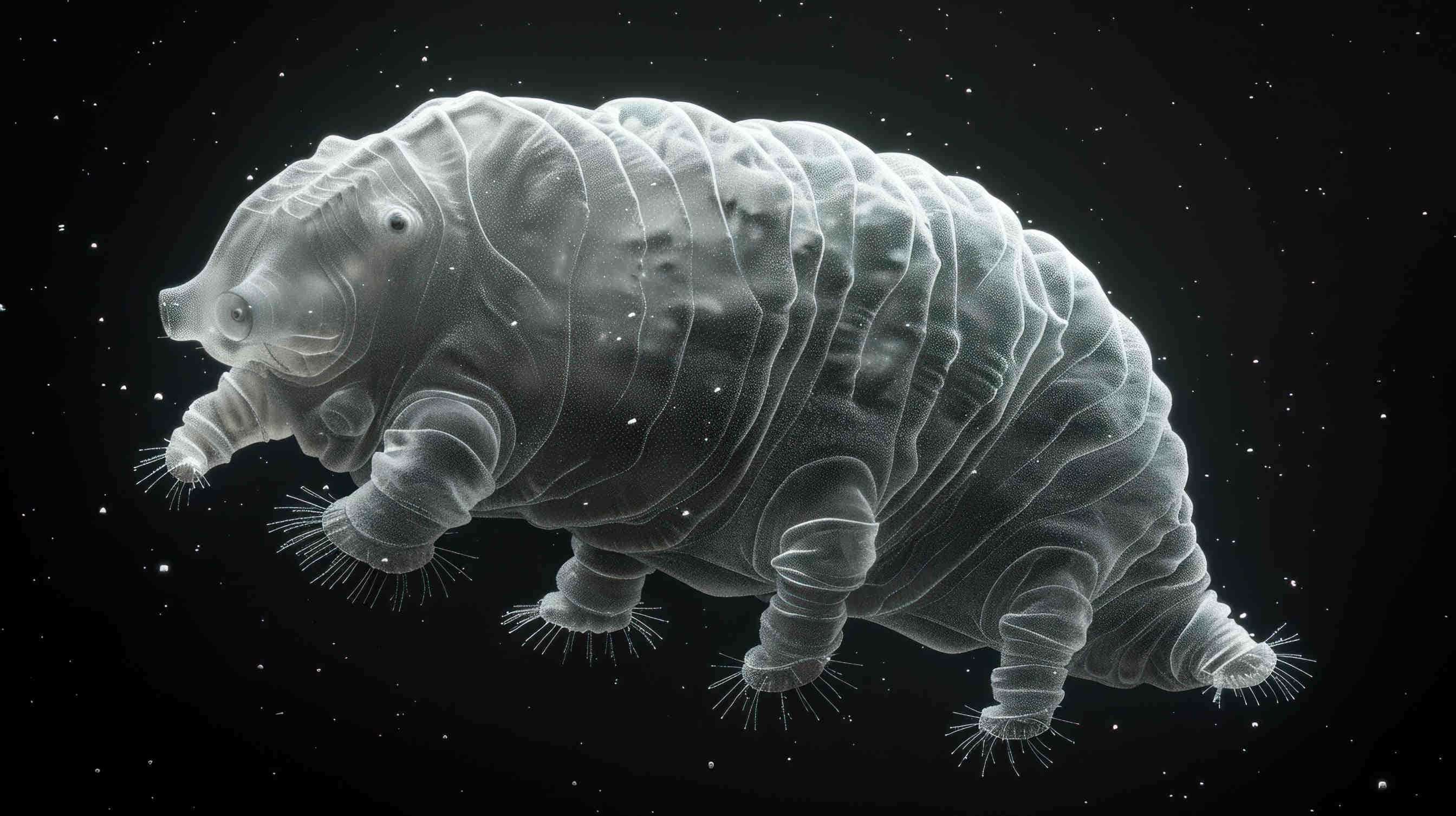
    Tardigrades: Champions of Extreme Survival

    Even though they are not animals that typically live in extreme cold zones, a special mention must be made of tardigrades. Known as 'water bears,' these microinvertebrates belong to the phylum Tardigrada and are incredibly resilient. They can survive extreme conditions thanks to cryptobiosis, a state of ametabolic life where they completely dehydrate, reducing their water content almost entirely and protecting their cells with specific proteins. In this state, they can withstand temperatures down to -200°C for several days and over 150°C for a few minutes. They are also able to resist extreme pressures, doses of ionizing radiation, and even the vacuum of space. These extraordinary capabilities make them ideal models for studies on biological adaptation and survival in extreme environments.

    tardigradi
    29/12/2024Of 3Bee, Chiara Pertile
    992 Views
    Newsletter
    newsletter
    Subscribe to the Blog about bees and biodiversity

    Frequently Asked Questions

    Do you have any doubts or other curiosities about this article? Here you will find some insights