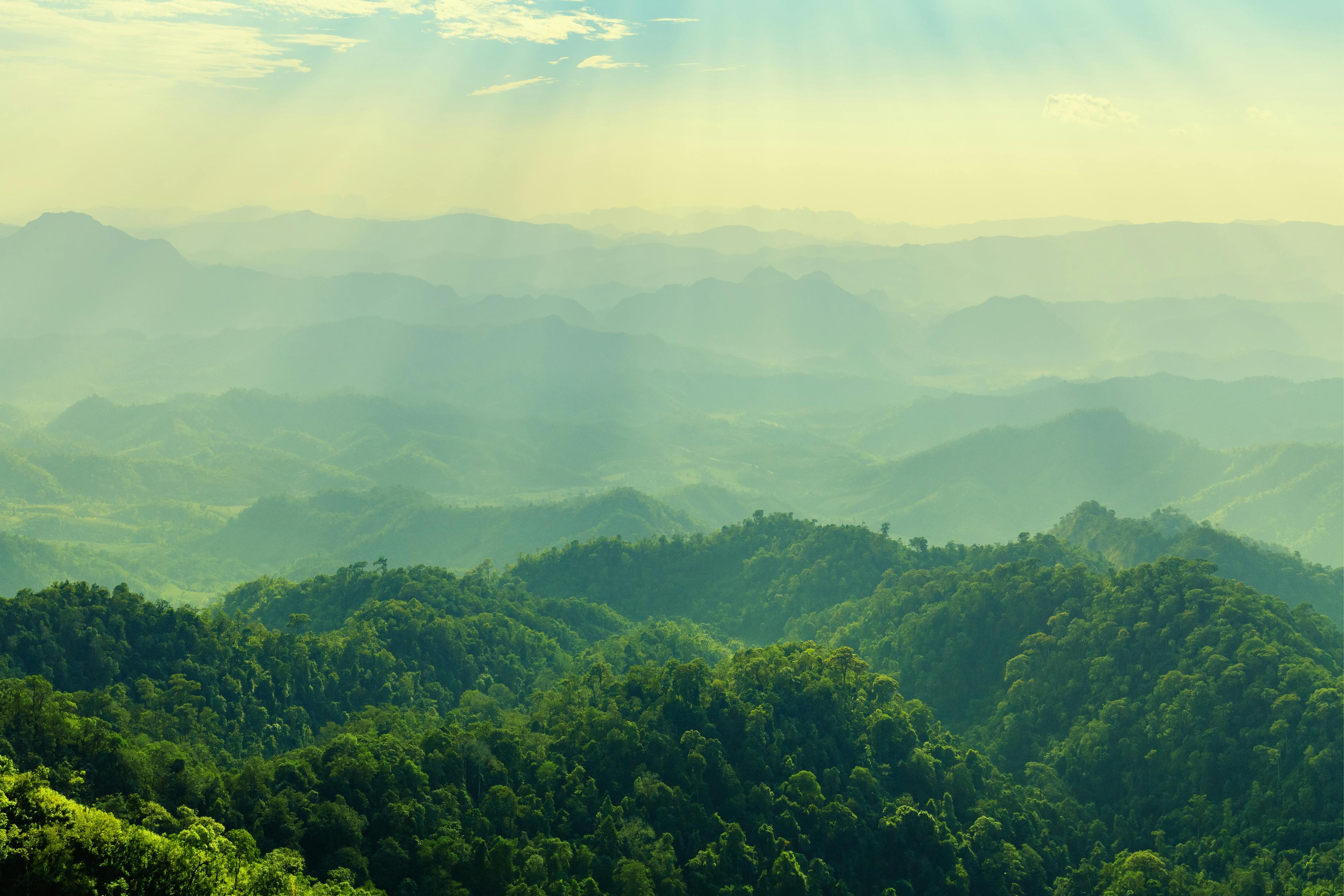
Amazon Rainforest Fires
The fires that are ravaging the
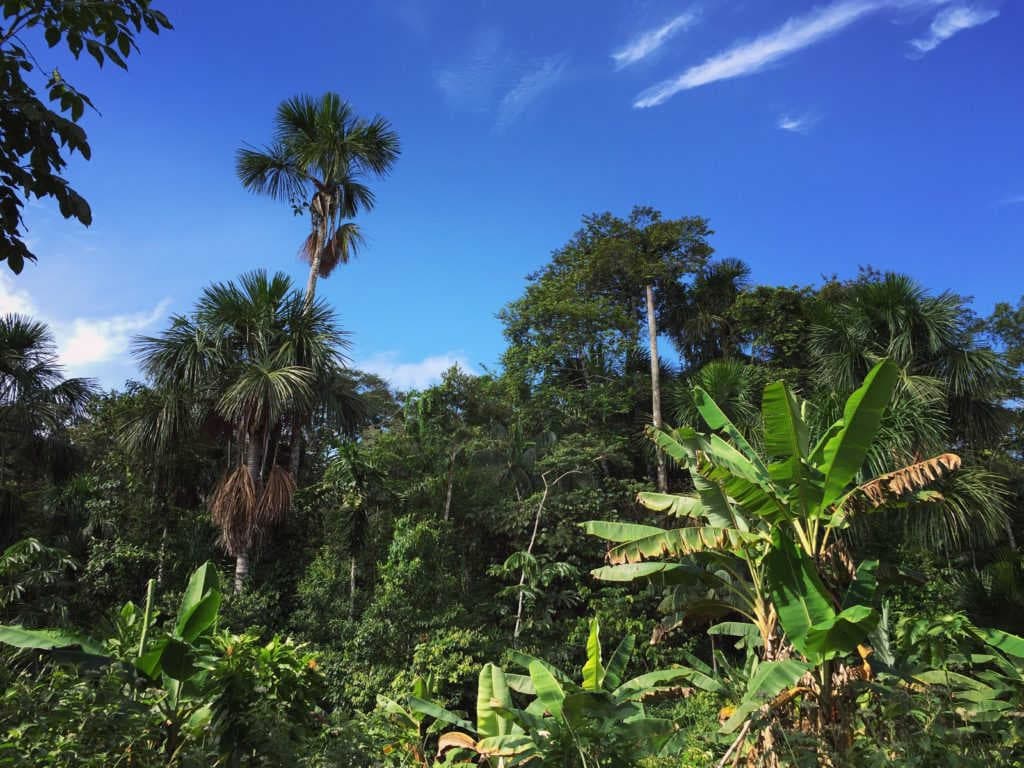
What is happening these days in the Amazon is just the tip of the iceberg of a much bigger problem that is manifesting itself with different phenomena all over the world. Climate change and global warming are affecting the entire planet.
Read the articleThe fires that are ravaging the
The

Siberia Equally famous are the episodes in Siberia, Greenland and the Canary Islands. According to estimates by Greanpeace Russia, in Siberia the fire destroyed 4.3 million hectares, generating an amount of CO2 equivalent to that emitted by 36 million cars in an entire year. According to the WMO (World Meteorological Organisation), the smoke cloud generated by these fires exceeds 5 million km2, far greater than the entire surface area of the European Union. One of the main causes of the spread of these fires is said to be global warming. The WMO also stated that temperatures in Siberia were 10°C higher than average. The consequences of the fires that ravaged Siberia also join the equally serious episodes that affected Canada, Alaska and Greenland.

Another area of the planet that should attract public interest is

This creates a
The situation in the Arctic is equally alarming. Although seasonal melting is physiological, global warming generated by man-made emissions is causing enormous damage. The ice is melting earlier and reforming later. Every summer they get thinner and melt more and more, pushing the
Fortunately, there are an increasing number of initiatives aimed at raising public awareness and influencing the global political agenda to take more account of these issues. One example is the Sustainable Development Goals (SDGs). In them, action to curb climate change, both through specific summits and targeted reports, finds ample space. Mention can also be made of the
But even from our own small side, we can take small actions to support the environment and combat climate change. Fundamental is definitely trying to reduce our energy waste. We can reduce the use of the air conditioner in summer and not heat our home too much in winter. We prefer energy-saving appliances and light bulbs. We do not waste electricity: we turn off the light when we leave a room and do not leave electrical appliances on stand-by. We can strive to limit our car use, opting for soft mobility, such as cycling, or public transport. Recycling and reuse are key to reducing waste and limiting the amount of waste we produce every day. Recycling also reduces carbon dioxide emissions into the atmosphere. Reducing meat consumption can also have its beneficial effects.
To limit your