EU Biodiversity Strategy 2030
    BiodiversityEU StrategyPollinatorsAlberi

    EU Biodiversity Strategy 2030

    With the Biodiversity Strategy 2030, the EU is committed to restoring nature to the centre of our lives and reversing the degradation of ecosystems. By adopting a 3Bee nectariferous tree, you can help regenerate biodiversity for the well-being of people, the climate and the planet.

    Read the article
    05/01/2023Of 3Bee, Elena Fraccaro
    313 Views
    05/01/2023Of 3Bee, Elena Fraccaro
    313 Views

    Why do we need a biodiversity strategy?

    The World Economic Forum's Report on Global Risks leaves no room for doubt: the loss of biodiversity and the degradation of ecosystems is one of the biggest threats we will face in the coming years. Biodiversity refers to the variety of life on Earth, from plants, to microorganisms, to their habitats. Our survival and that of the planet depends on the health of ecosystems Indeed, it is this incredible web of life that provides us with the food we eat, regulates the climate and cleans the air we breathe and the water we drink. As we now know, urbanisation, deforestation, intensive agricultural practices, uncontrolled emissions and the inordinate exploitation of resources are putting more and more living species at risk of extinction. It is more necessary and urgent than ever to change this course. The EU Biodiversity Strategy 2030 fits into this context. Let us see together what it is about.
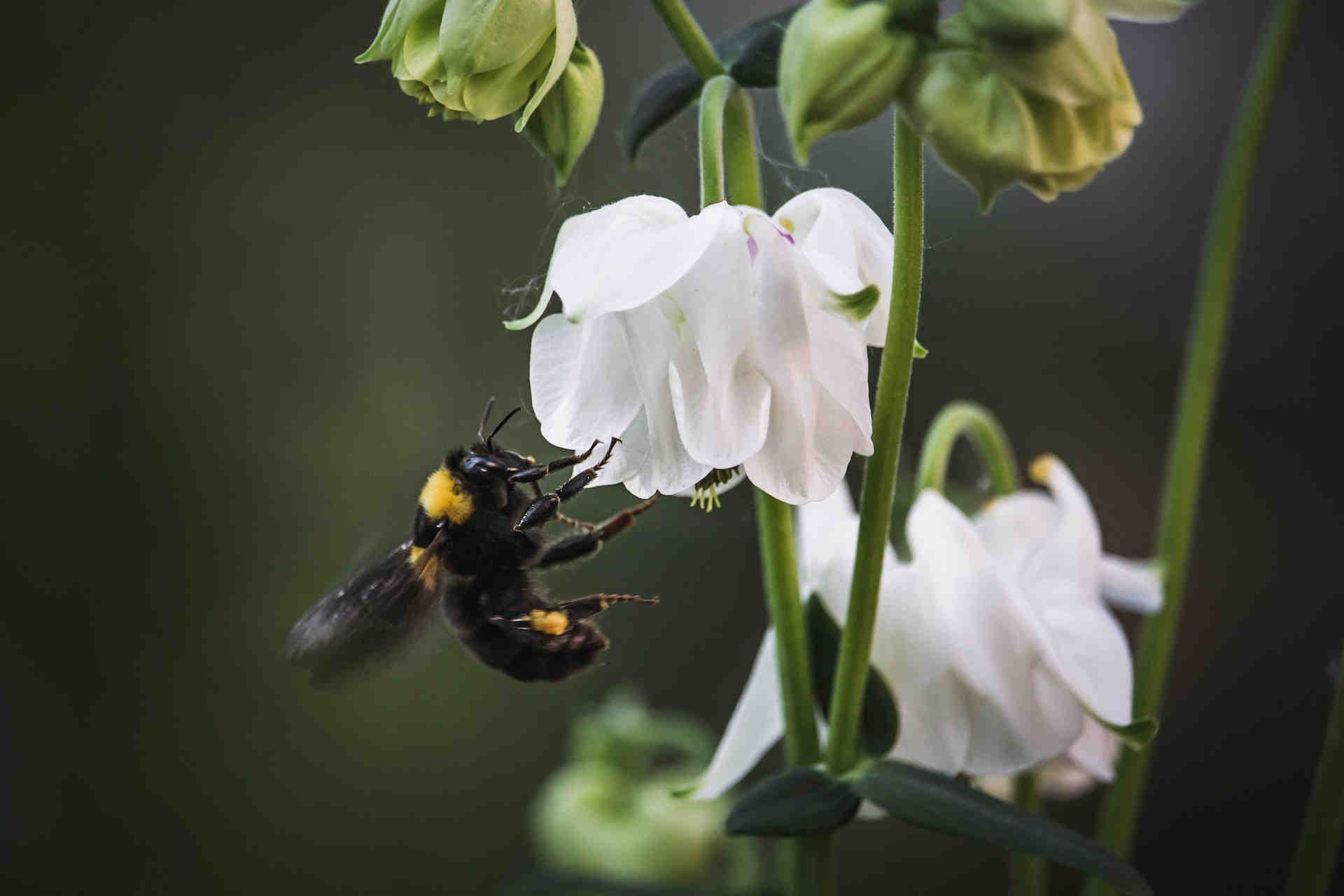
    bombo su fiore bianco

    What is the EU Biodiversity Strategy?

    The EU Biodiversity Strategy is a strategic plan with global targets and specific initiatives to protect nature and reverse ecosystem degradation, all by 2030. The Strategy is one of the cornerstones of the European Green Deal, the plan adopted by the European Commission in 2019 that contains specific provisions to set the EU on a path towards climate neutrality (target to be reached by 2050). Among the 14 key goals of the 2030 Strategy, all of which are specific and rather ambitious, are: - Curb the decline of pollinators; - Reduce the risk and use of pesticides by 50%; - Reduce the number of threatened species by 50%; - Turn at least 30 per cent of European lands and seas into protected areas. These targets were then broken down into more than 100 actions that all member states have committed to implement. To date, 34 actions have been completed, 68 are ongoing
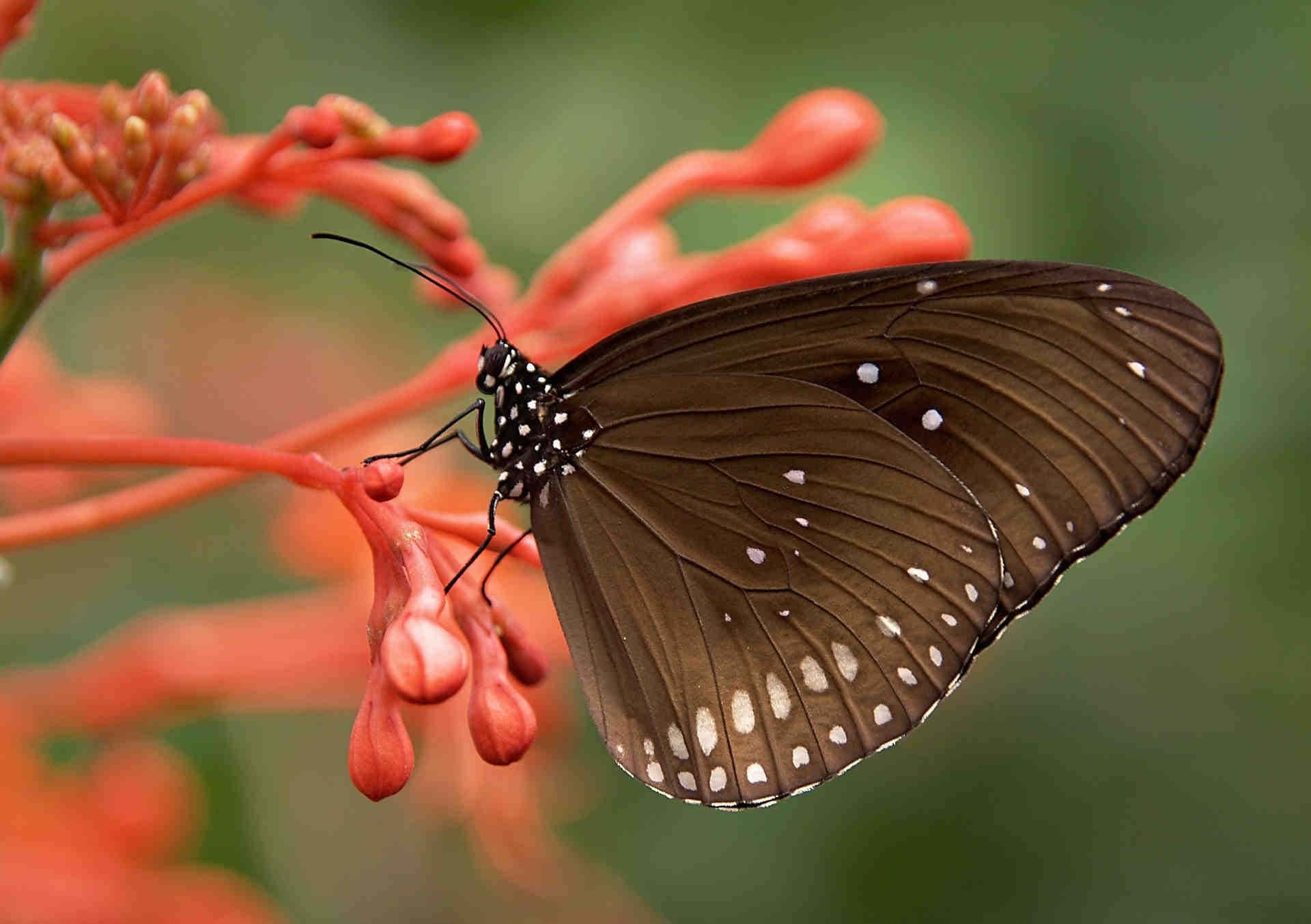

    Farfalla
    XNatura

    The EU Strategy and the Pollinator Initiative

    Domestic and wild bees, bumblebees, butterflies and flies are some of the pollinating insects vital to the survival of 90% of wild plants and 70% of food crops. The continued disappearance of pollinators due to habitat loss, the use of plant protection products and the invasion of non-native species is a trend that will increase if we do not act now. Suffice it to say that the bee population in the EU has declined by 25% since 1995. The Strategy, expanding on the EU's 2018 Pollinator Initiative , includes specific actions to protect pollinators and reverse their alarming decline. It stipulates and requires, among other things, that at least 10 per cent of the utilised agricultural area be returned to landscape features with high biological diversity (or biodiversity), that at least 25 per cent of the agricultural area be devoted to organic farming, and that the resilience of forests be protected and increased.
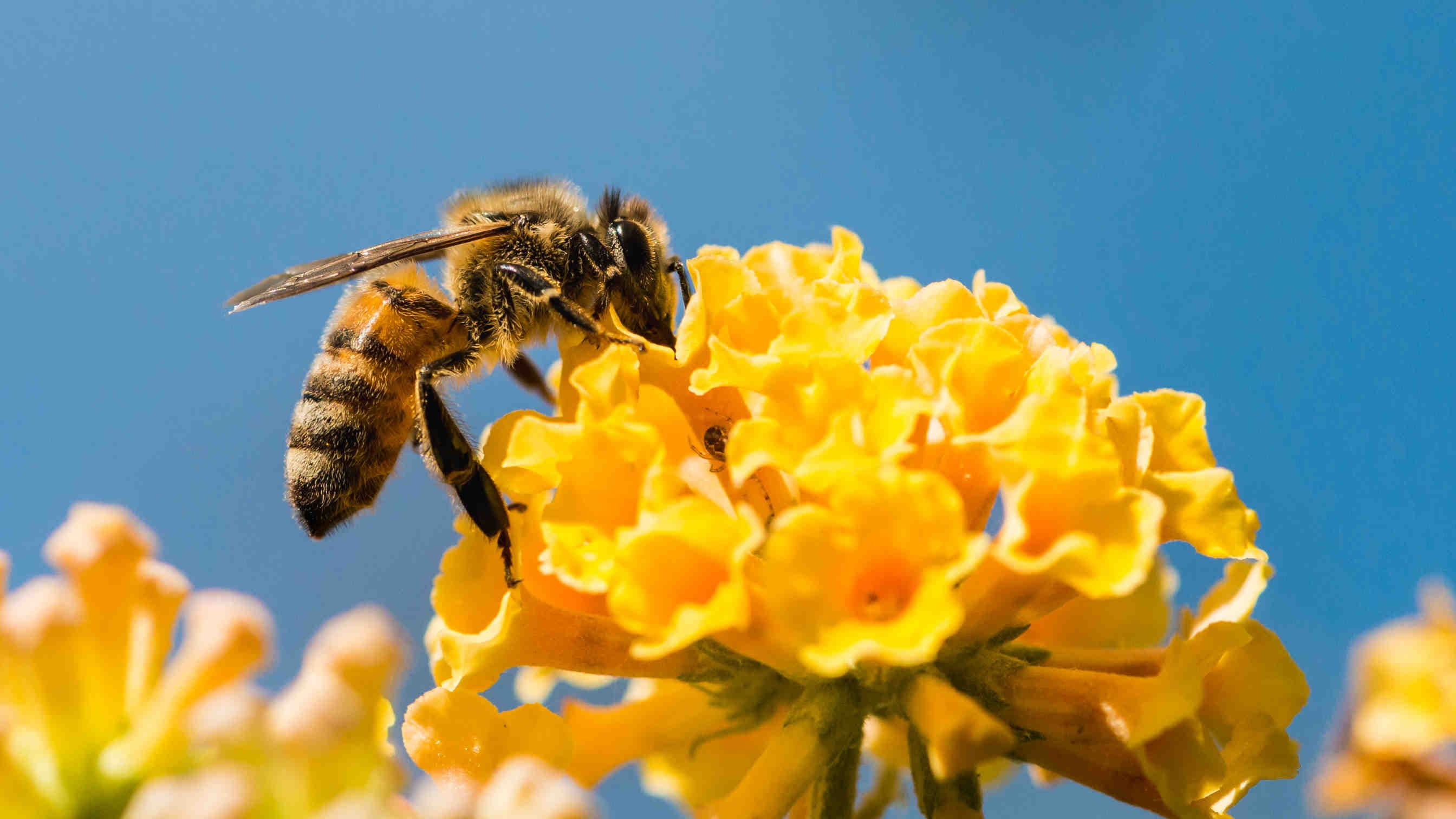
    ape su fiore giallo

    What role do forests and trees play?

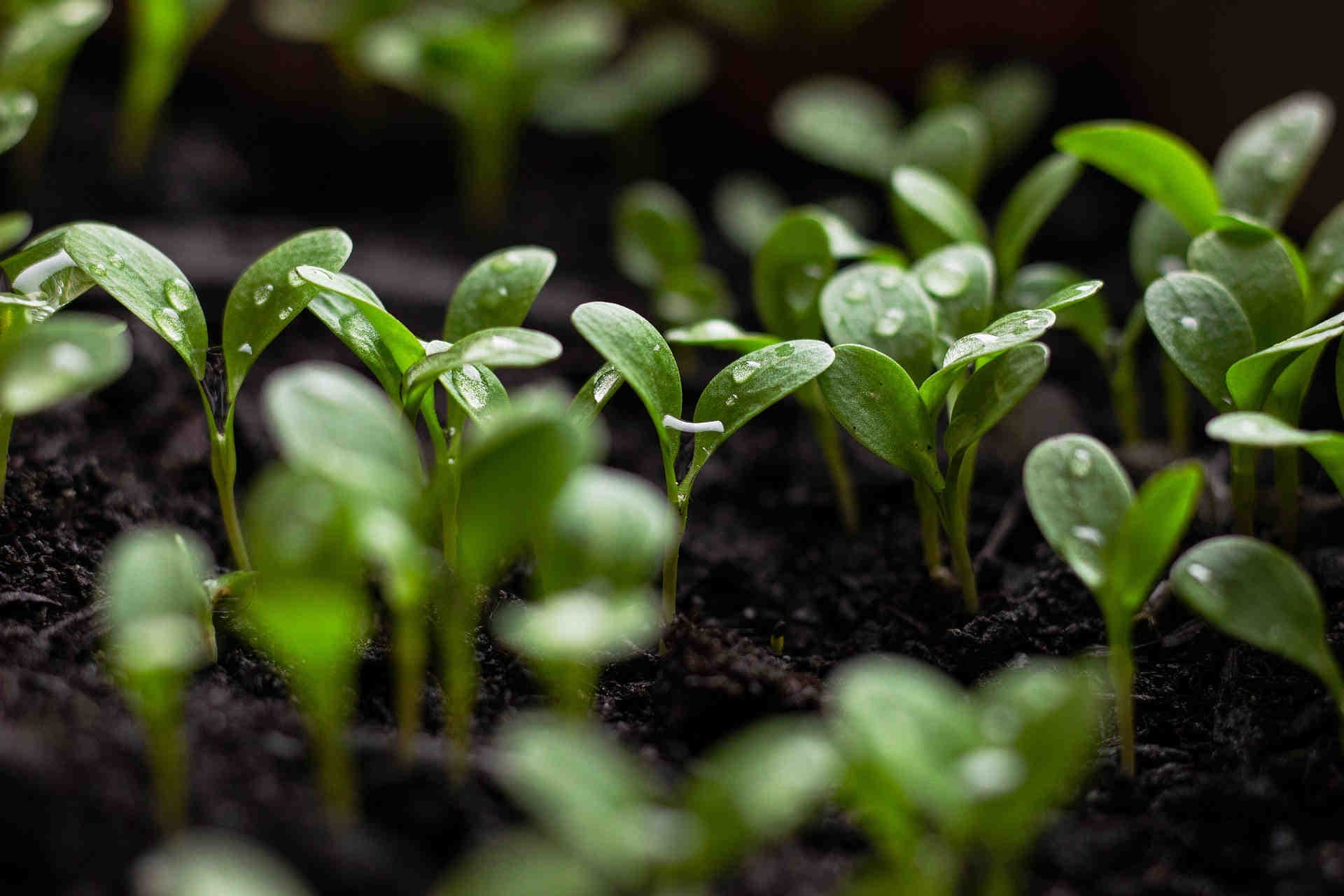
    To protect biodiversity, forests must also be cared for. Every forest is an ecosystem composed of countless plant and animal species. Forests produce oxygen, store carbon, regulate the climate and prevent hydrogeological disruptions. The EU is committed to defending and restoring where possible all forests on EU territory and to planting 3 billion trees by 2030, fully respecting ecological principles. Observing these principles is crucial. As Niccolò Calandri, CEO of 3Bee, specifies: "One must be very careful. Planting trees without criteria could even be harmful. In many cases, reforestation or planting projects instantly release more CO2 than will be absorbed in 5/10 years. Unfortunately, such projects often create monocultures that break up ecosystems and harm pollinators in the first place. Without regeneration projects we would only have forests that, in the first instance, have increased CO2 in the air'.
    piantine
    XNatura

    Protecting and regenerating biodiversity with 3Bee

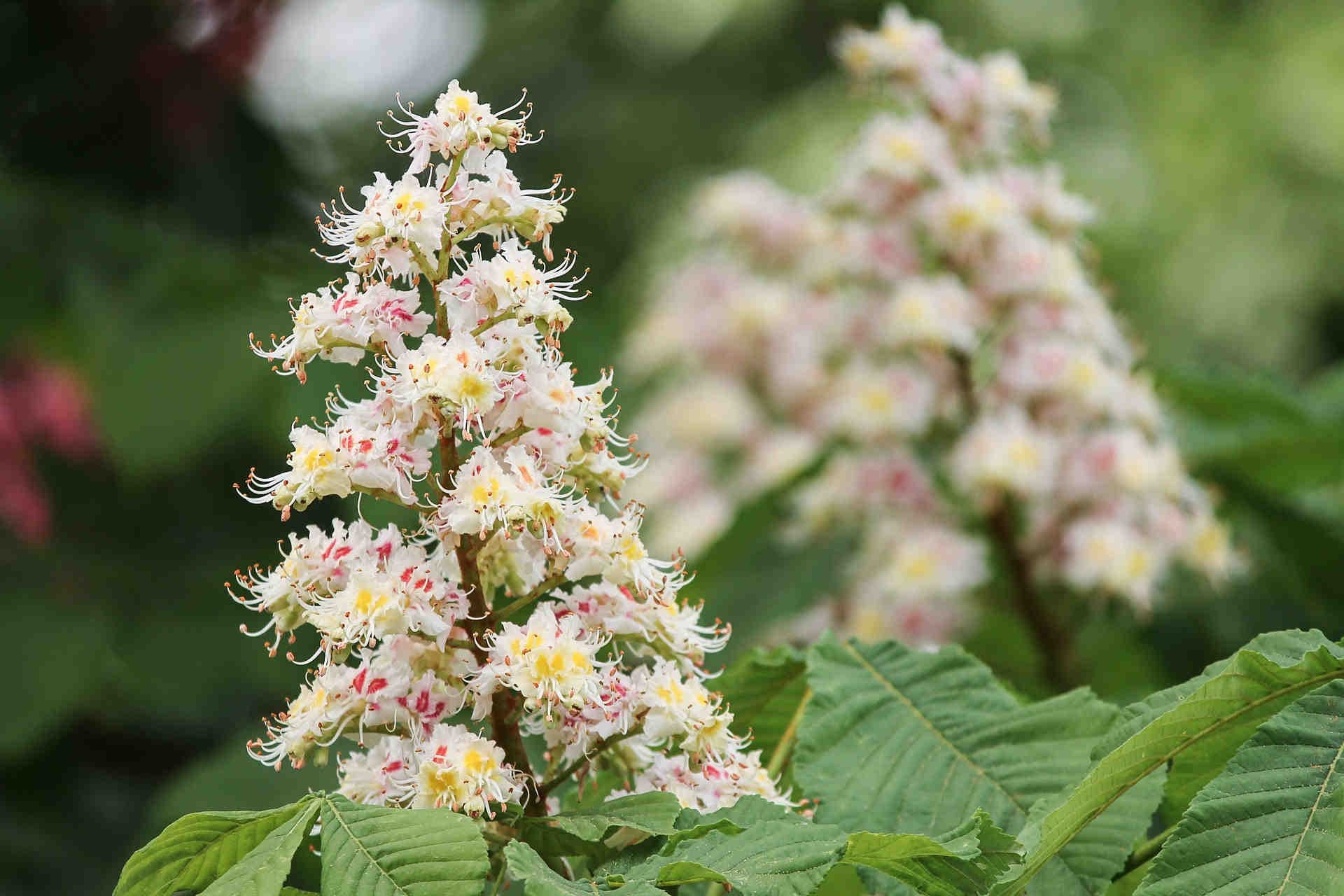
    Protecting and regenerating biodiversity has always been 3Bee's mission. Thanks to our new 'Adopt a Tree' project, you can plant nectar trees, monitor them via ESA satellites and monitor them with 3Bee technology. By adopting a nectar tree, you will help enlarge the grazing area that bees need to collect nectar, feed themselves and survive. Niccolò Calandri, our CEO, explained the project: "At 3Bee we are c growing melliferous trees in Italy to create nectar forests that give nectar and food to pollinators. The adopted trees will be cared for by our biodiversity growers, beekeepers and cultivators. Our project: more than 100 forests in Italy, in 20 regions, for a total of 20,000 trees in less than 6 months giving nectar to more than 5000 beehives, i.e. almost 300 million pollinators. Our goal for 2023 is to reach 100,000 trees planted, growing and producing nectar'.
    albero di castagno
    3Bee
    05/01/2023Of 3Bee, Elena Fraccaro
    313 Views
    Newsletter
    newsletter
    Subscribe to the Blog about bees and biodiversity