<clr>3Bee Manifesto</clr>
    OriginiHive-TechChoose beesSearch

    3Bee Manifesto

    3Bee does not save bees. What exactly do we do? Find out what we really do for bees. This page is constantly growing. Every single activity done has been developed by the contribution of over 2000 beekeepers in Italy, Spain, Germany, France, Australia and New Zealand.

    Read the article
    10/04/2021Of 3Bee, Elena Fraccaro
    331 Views
    10/04/2021Of 3Bee, Elena Fraccaro
    331 Views

    How 3Bee was born

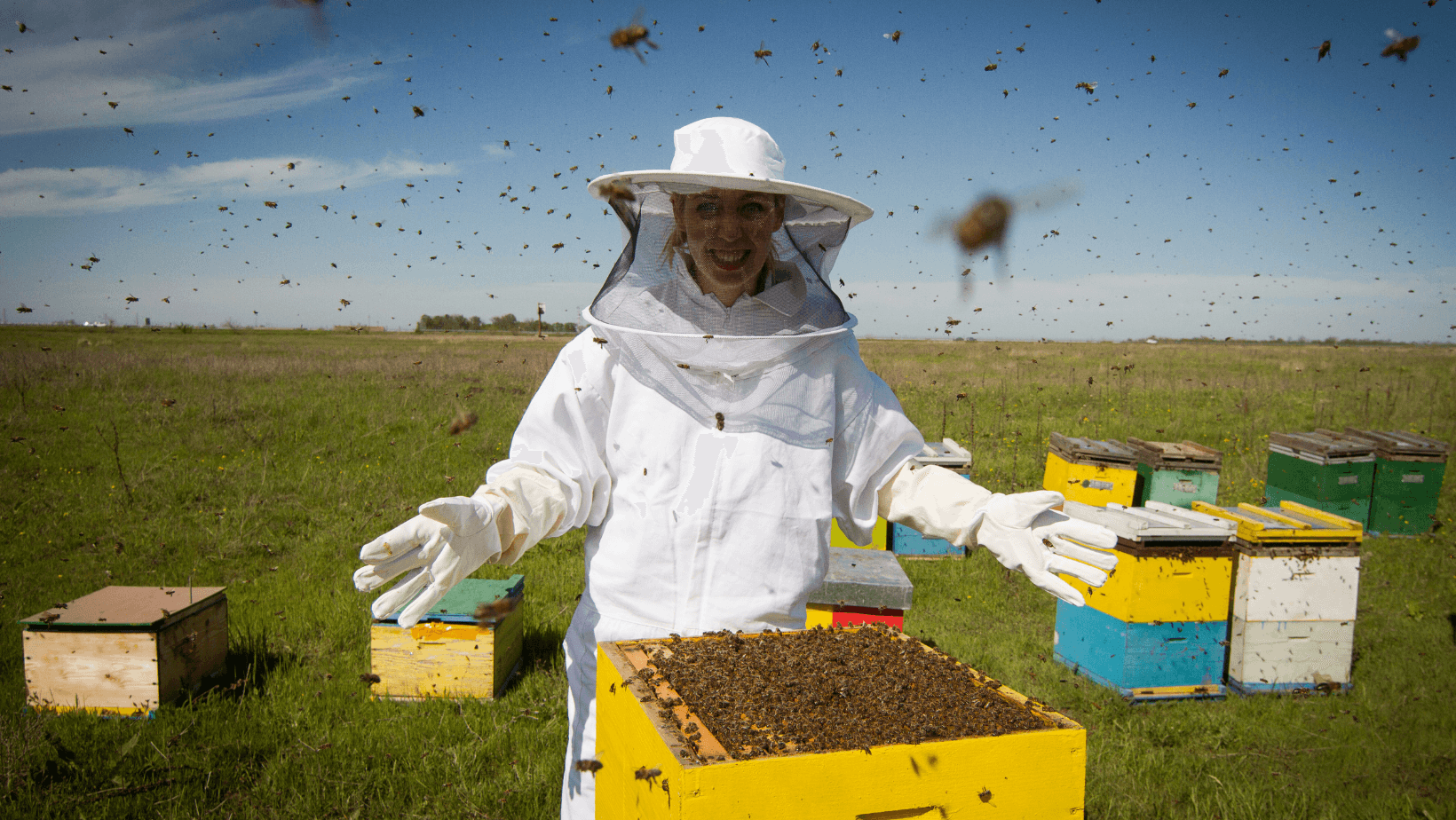
    3Bee was born in 2017 from the meeting of the experience of Niccolò Calandri, an electronics engineer, and Riccardo Balzaretti, a biologist and beekeeper with around 200 hives. 3Bee's initial focus was on honey bees. Subsequently, the focus was also on the lesser-known solitary bees. The aim of 3Bee is to create a dense network of people, honey consumers, enthusiasts, as well as beekeepers and 'insiders', who can concretely get involved for the protection of bees and, in this way, of our planet. 3Bee is a benefit company with a team of 15 people active on several projects (including 2 professional beekeepers). Our ongoing commitment to the world of bees and beekeeping has made us realise that using the term 'saving bees' can be extremely misleading and complicated. There is a risk of creating the wrong image of what is actually being done.
    How 3Bee was born

    Hive-Tech Monitoring Systems

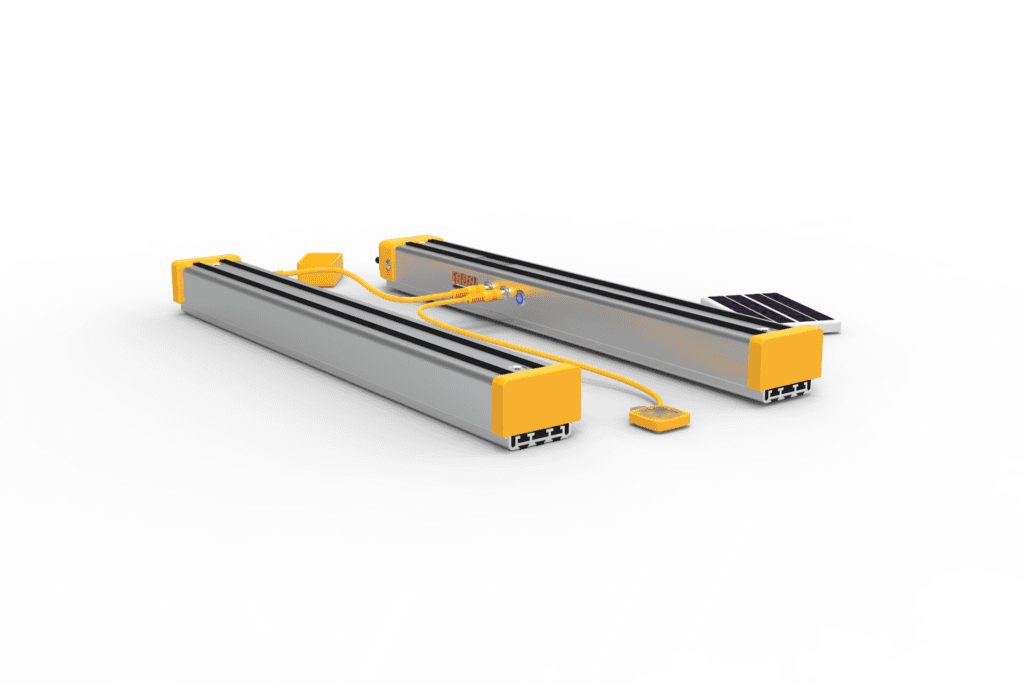
    3Bee designed and realised a remote monitoring system for beehives. This IoT device consists of biomimetic sensors to be installed inside the hive. The main biological parameters can thus be monitored: weight, temperature, humidity and sound intensity. The analysis and control of these parameters, which are sent to the cloud and can be consulted from one's personal account, provides insight into the state of the hive and what is happening inside. The Hive-Tech device becomes an indispensable tool for correct and precise hive management. It allows beekeepers to intervene in a targeted and precise manner when necessary. The monitoring system is currently used in 23 countries around the world, by more than 2000 beekeepers.

    Hive-Tech Monitoring Systems
    XNatura

    Adopt a 3Bee hive

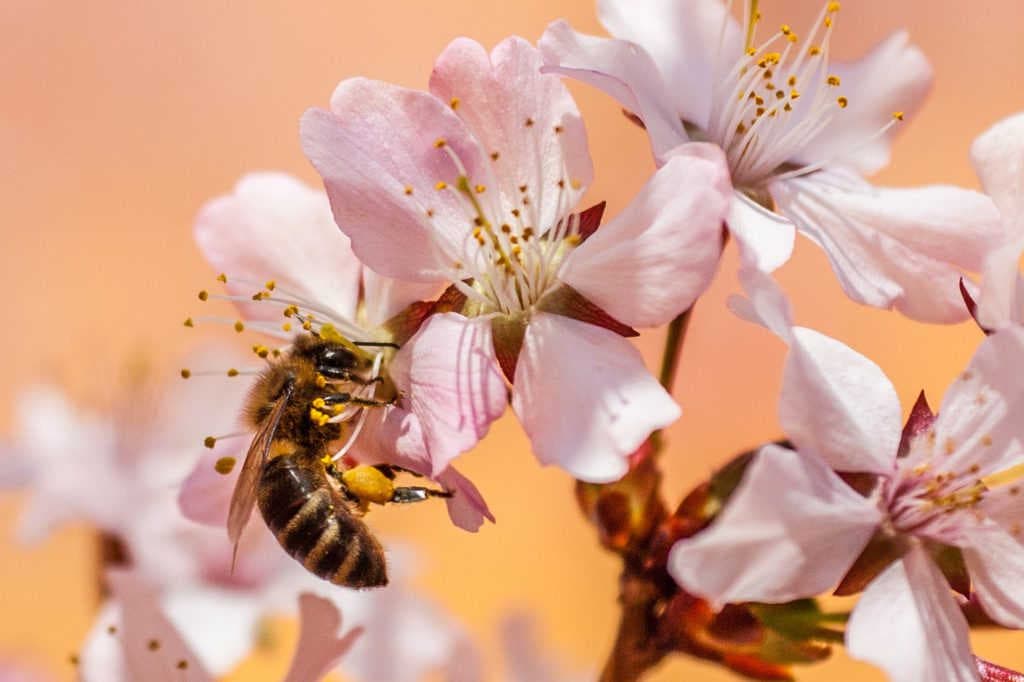
    Remote monitoring also made it possible to develop the "Adopt a 3Bee Hive" project. This made it possible to connect the beekeeper and honey producer with the end consumer in a completely innovative way. By adopting a 3Bee hive, one can choose one of the hives made available and have the possibility of monitoring it for a whole year. You receive directly to your home the honey chosen from those produced by that particular beekeeper and can thus enjoy a quality, artisanal food that is a clear expression of the territory. Through our APP the beekeeper is incentivised to carry out dissemination actions, ethical bee care activities and is provided with weekly/monthly content to keep his or her activity state of the art.
    Adopt a 3Bee hive

    Research projects

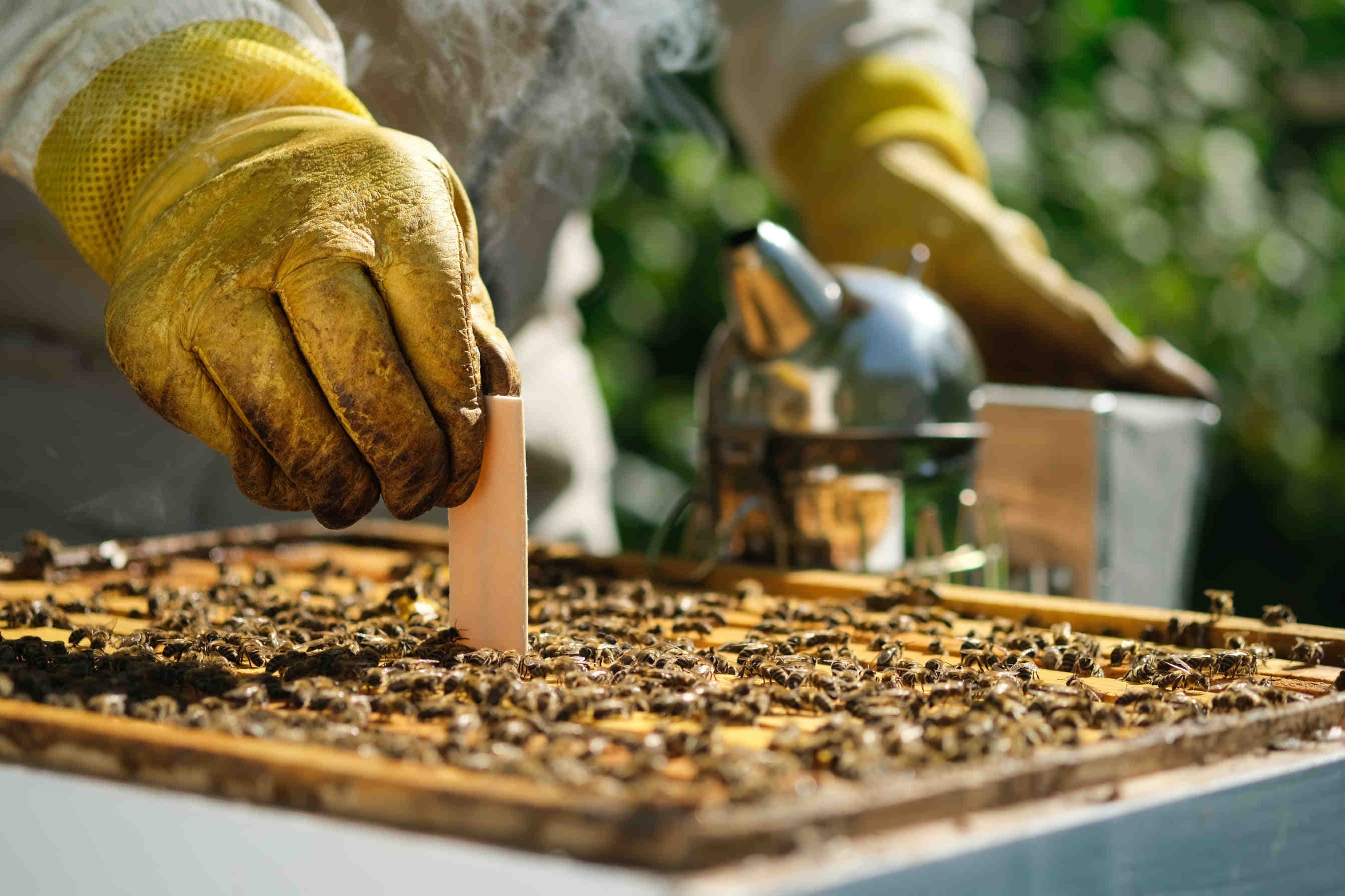
    The use of monitoring systems, however, allows a broader action, also involving specialised research centres. Having reliable information on beehive vital parameters makes it possible to extend and deepen all bee research projects, as is already the case in many areas of animal husbandry and agriculture. Not only can a deeper knowledge of the life of bees and the internal dynamics of the hive be achieved, but research into treatments and practices to improve bee management and health can be pursued. The possibility of analysing a considerable amount of data and relating it to what is happening in the hive is crucial. The current collaborations in place are extremely interesting in their aims and 3Bee has also developed ad hoc solutions to meet specific research needs.
    Research projects
    XNatura

    Agro-pharmaceutical analysis and environmental map

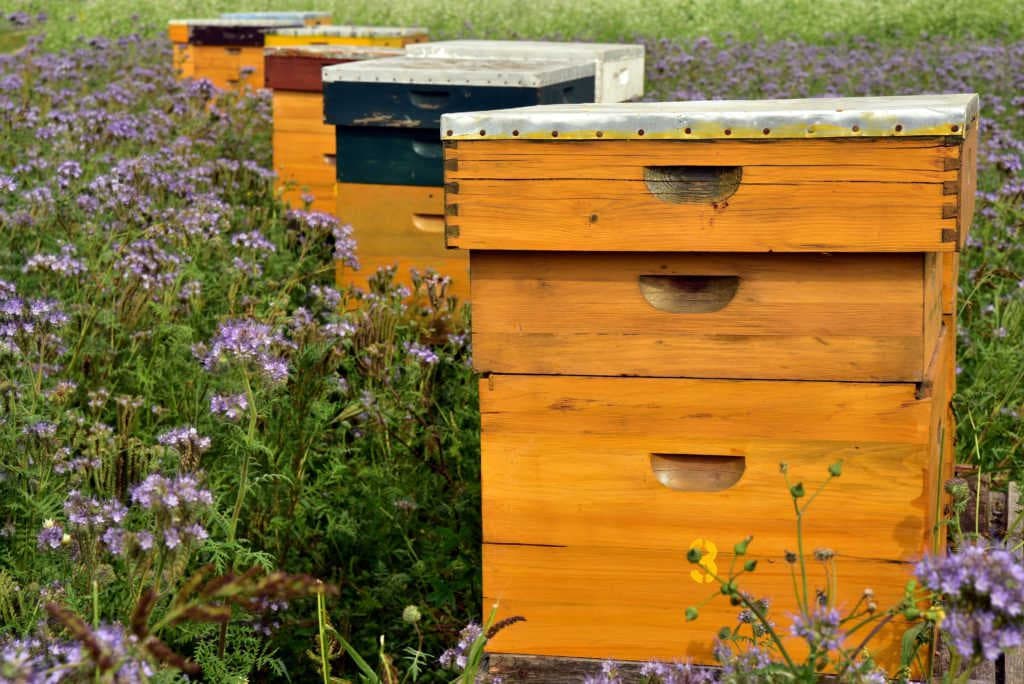
    Another of 3Bee's objectives is to further the analysis on agro-pharmaceuticals and their effects on bees. The desire to create an environmental map based on data collected from 3Bee systems and specific analyses has led to several collaborations that are currently active. The development of this map will certainly also have an interesting effect on other pollinators, including solitary bees. We are currently investing in approximately 50 multi-residual analyses between September 2021 and October 2021.
    Agro-pharmaceutical analysis and environmental map
    3Bee

    The solitary bee project

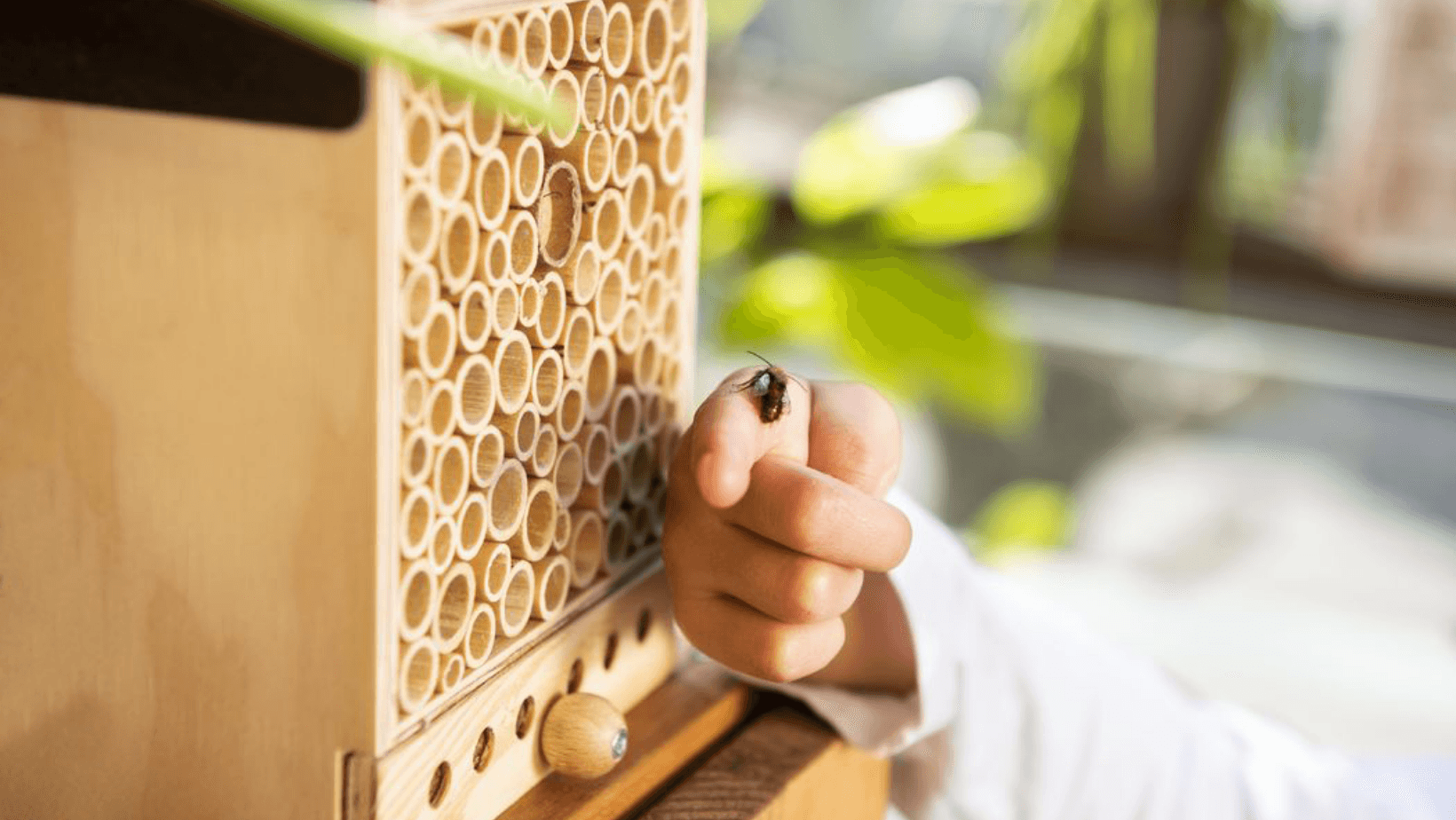
    3Bee has also developed a project for them and to raise awareness among individuals about these bees that are so little known compared to the more famous honey bees. The installation of Bee Hotels, i.e. shelters for solitary bees, the planting of bee-saving plants and increased attention towards these insects are certainly important. Currently, we have installed about 2000 lone bee houses. The Polly House launched by 3Bee is dedicated to one pollinator in particular: the Osmia Rufa.

    The solitary bee project

    Environmental rehabilitation

    Among other projects in the pipeline, 3Bee plans to develop environmental redevelopment projects for 2022 in collaboration with the beekeepers in its network. Specifically, the aim is to implement a targeted planting service, in particular of melliferous essences and plants. The aim is to reclaim unused land by creating oases for bees, both honey and solitary. Where they can find nectar and pollen.
    Environmental rehabilitation

    Call for Impactability

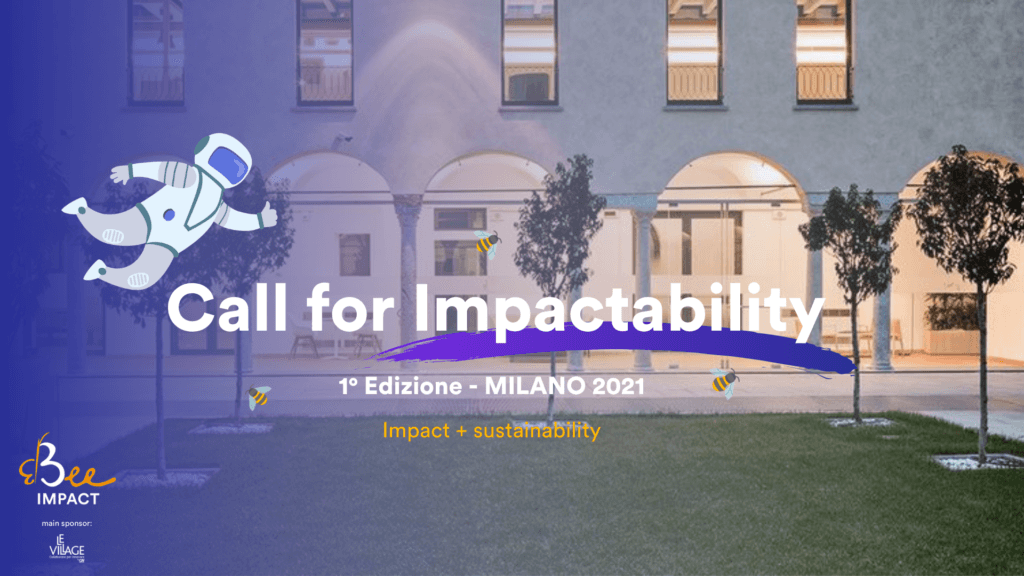
    This creates a very complex picture of all-round initiatives in favour of bees and the environment. Not least, 3Bee also initiated a Call for Ideas focusing on all-round sustainability. The Call for Impactability was conceived as a contest to premise the 3 most environmentally and socially impactful and transformative ideas and projects. Targeting a very wide audience and evaluating numerous proposals at different levels of development, 3Bee sought to identify those with the most innovative solutions to problems that affect the whole community and that, if implemented, could generate a positive impact for all.
    Call for Impactability
    10/04/2021Of 3Bee, Elena Fraccaro
    331 Views
    Newsletter
    newsletter
    Subscribe to the Blog about bees and biodiversity