3Bee arrives in France for World Bee Day
    Protectresearchgiftssponsor

    3Bee arrives in France for World Bee Day

    3Bee, the international climate-tech, is landing in France and offering sustainable gifts to mark World Bees Day to protect pollinators and do good for ecosystems through technology.

    Read the article
    12/05/2023Of 3Bee, Elena Fraccaro
    166 Views
    12/05/2023Of 3Bee, Elena Fraccaro
    166 Views

    Protecting pollinators with 3Bee technology

    Our environment is now facing a major issue, that of the health of pollinators (insects that enable a plant to be pollinated, for example bees), which is threatened by human activity and climate change. Pollinators are responsible for nearly 75% of the world's crops and enable the production of fruit and seeds for human consumption. To address this situation, climate-tech 3Bee is landing in France and setting itself a challenge: to educate businesses and individuals about protecting pollinators and biodiversity, through a unique technology, and its playful sponsorship programmes that represent gifts with a positive and measurable environmental impact, particularly for World Bees Day.
    3bee abeilles

    The largest research and care study on bees

    Eco-responsible gifts are all the rage in France: last year, more than half of consumers bought at least one eco-responsible gift for their loved ones. Against this backdrop, international Nature Tech 3Bee is opening its technology hive and nectar tree sponsorship programme in France, to enable individuals to learn more about the subject, but also to contribute to the largest bee research, protection and care study in Europe. To mark World Bees Day, 3Bee is celebrating their importance and therefore reaffirming the importance of eco-responsible gifts to support the preservation of bees and contribute to the protection of these precious insects.

    journée mondiale abeilles
    XNatura

    Sustainable gifts for World Bees Day

    3Bee allows individuals and companies to sponsor a beehive or nectar-producing tree to make a commitment to the environment by protecting pollinators and biodiversity. Perfect gifts to celebrate World Bees and Biodiversity Day (20 May and 22 May respectively), but also to support the beekeepers and growers in the 3Bee network who are committed to protecting biodiversity and the land, as true cultivators of biodiversity.
    cadeaux durables

    Sponsor a 3Bee hive

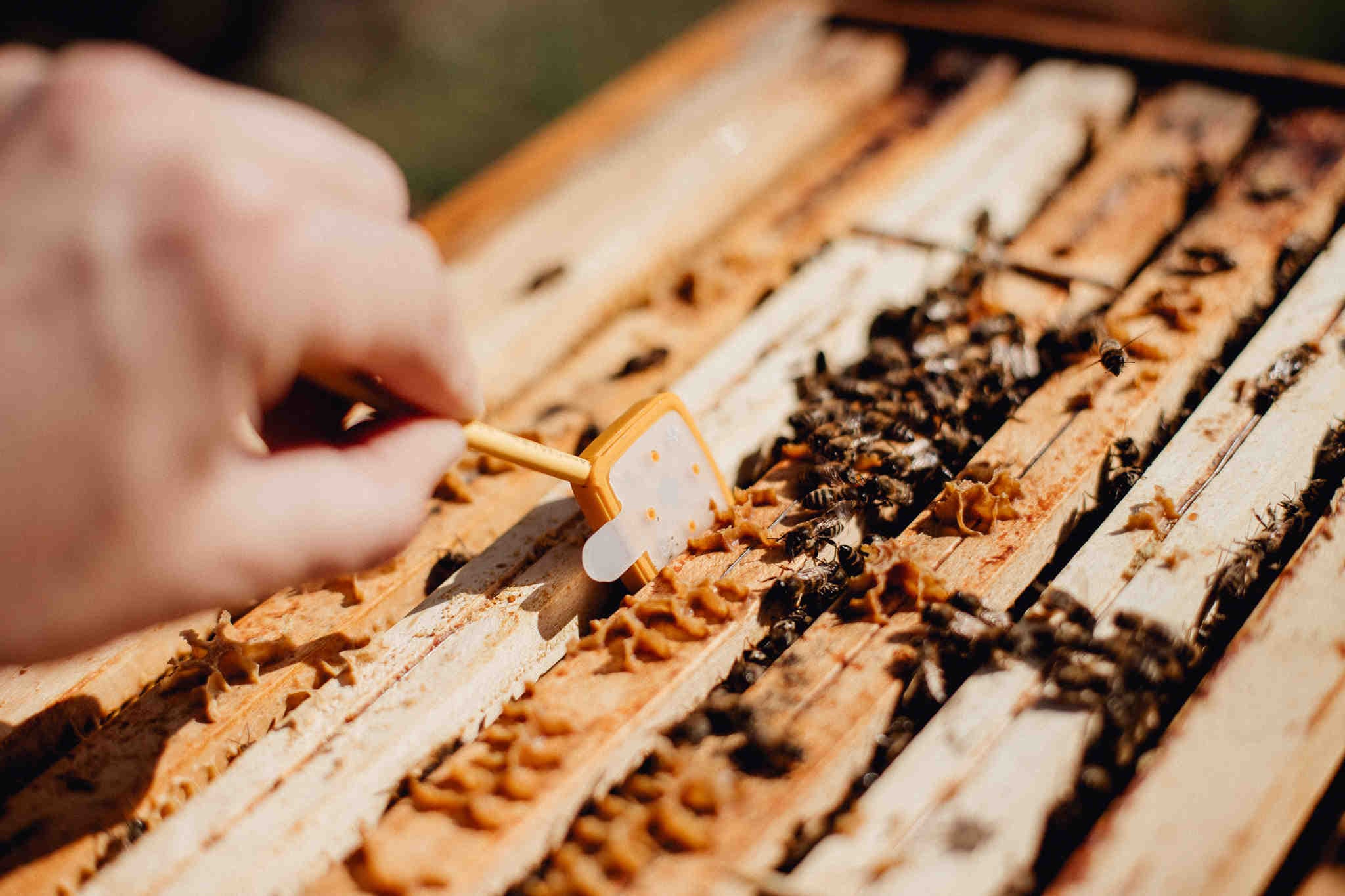
    With our "Sponsor a 3Bee hive" service, thanks to sponsorship, anyone can track the health of their hive monitored by 3Bee's intelligent systems in real time on their smartphone, and all for an entire year. This is made possible by 3Bee technology. And that's not all: sponsorship includes a personalised certificate from the sponsored hive and, for packages that include honey delivery, the chance to receive it at home. A 3Bee hive is an eco-responsible and personalised gift, from the choice of beekeeper to the possibility of making a dedication to the recipient. A perfect gift to surprise a loved one, but also a gesture of love towards our planet, especially for Bee Day.
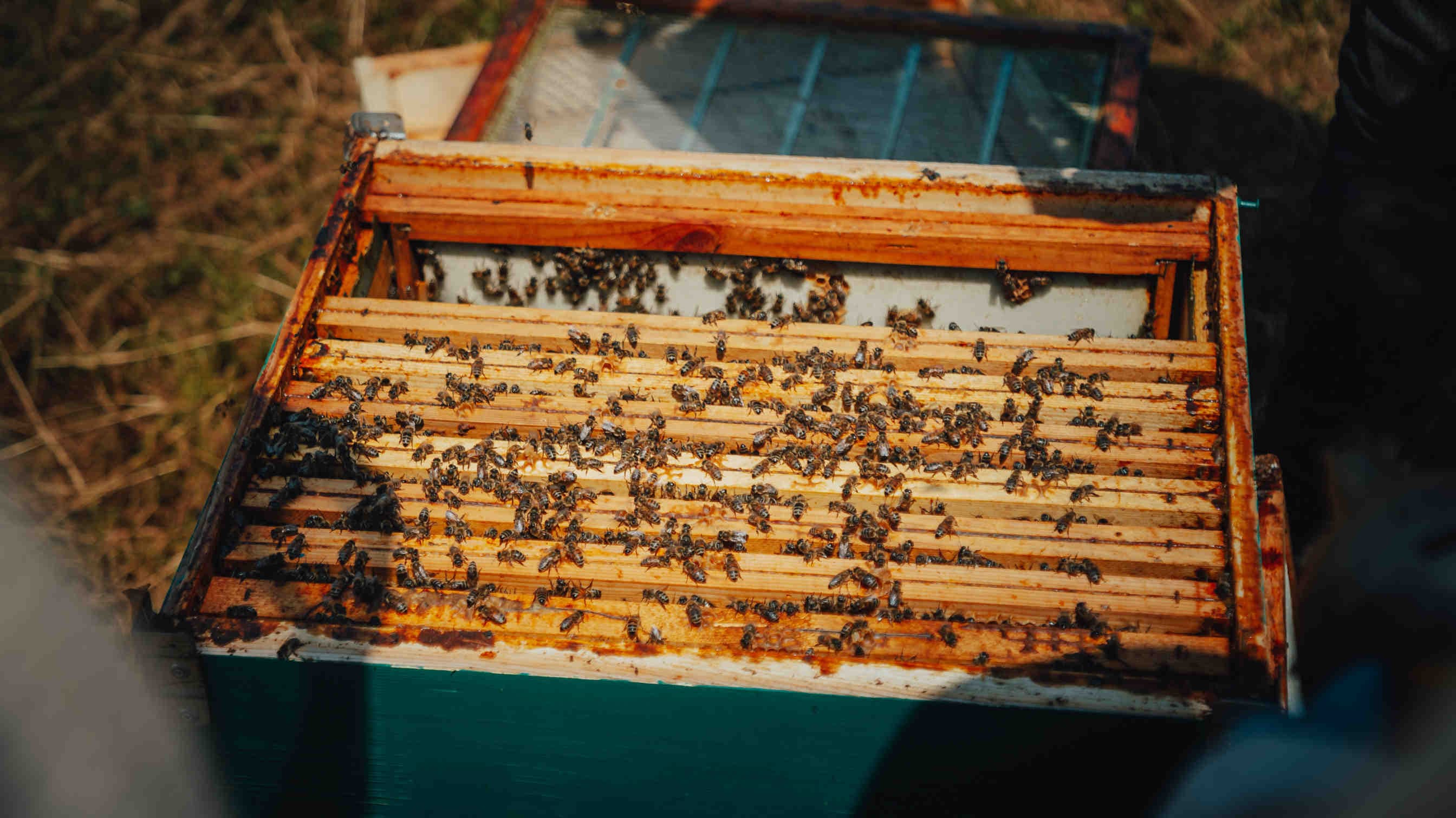
    Sponsor a 3Bee hive
    XNatura

    Sponsor a 3Bee nectariferous tree

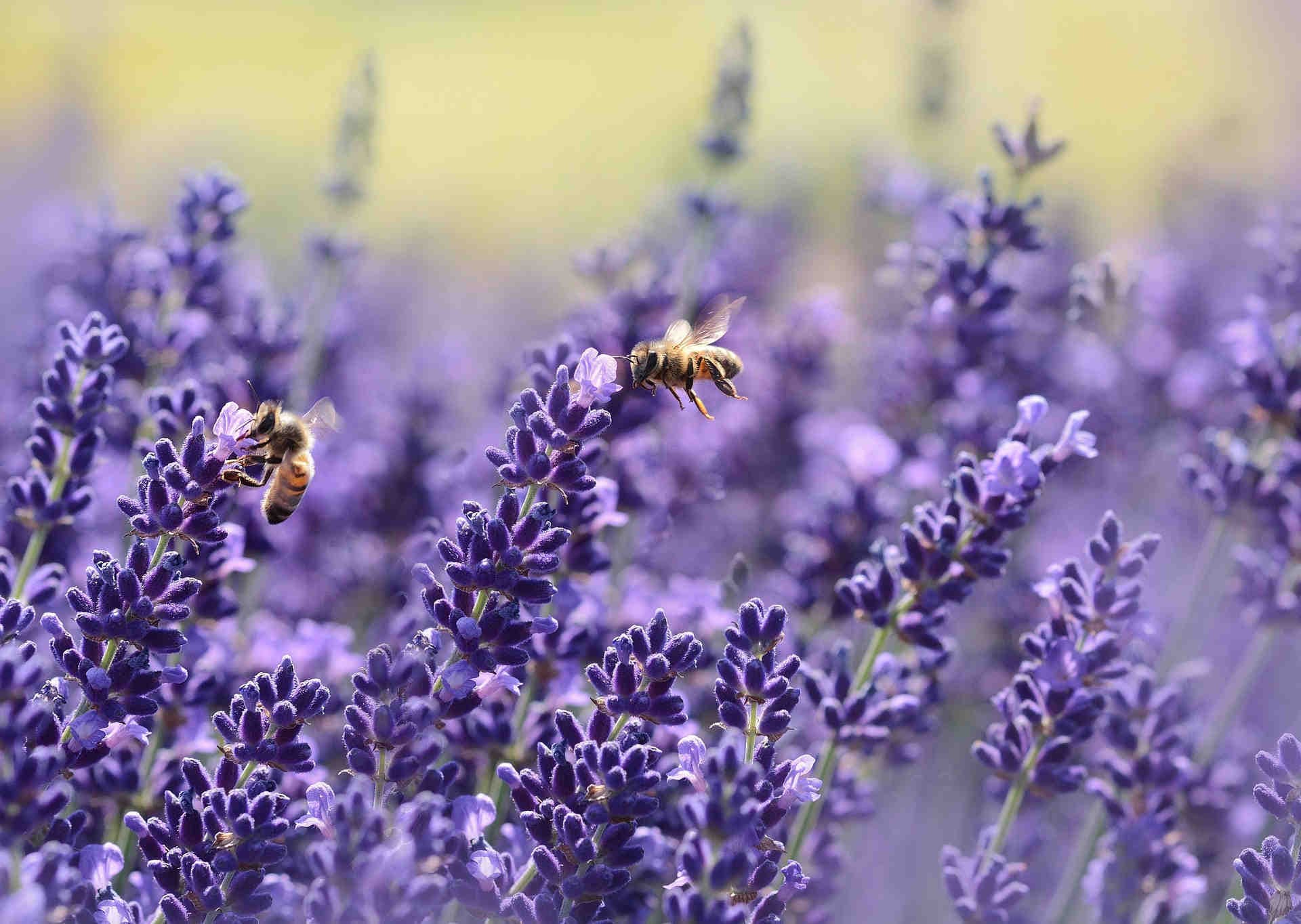
    With "Sponsor a nectariferous tree", everyone can contribute to the creation of a nectariferous forest protected by the 3Bee community in order to provide bees with more nectar. A concrete action full of love: sponsor a nectariferous tree for yourself, to give as a gift or as a gift to the environment. 3Bee only grows melliferous trees and creates forests of nectar-producing trees that provide nectar for pollinating insects. Thanks to 3Bee technology, you can monitor your tree and its impact on the environment online, directly from your oasis. Especially on World Bees Day, it's essential to highlight the importance of nectariferous trees for bees and pollinators. These trees provide an essential food source, contributing to the preservation of biodiversity and the health of ecosystems.
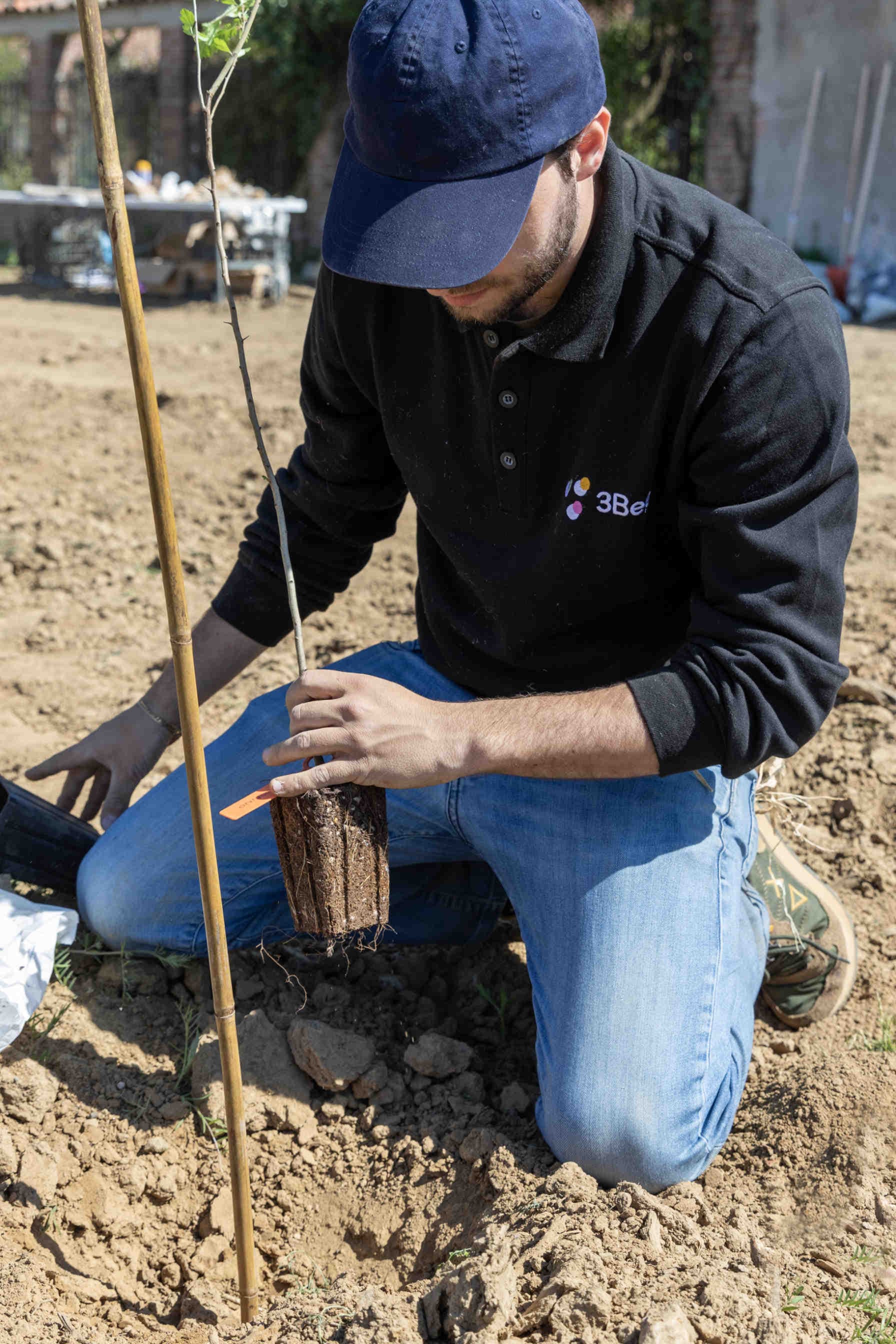
    Sponsor a 3Bee nectariferous tree
    3Bee
    12/05/2023Of 3Bee, Elena Fraccaro
    166 Views
    Newsletter
    newsletter
    Subscribe to the Blog about bees and biodiversity