Ants: 5 incredible curiosities
    AntsDirectionWinged antsEvacuate nest

    Ants: 5 incredible curiosities

    Ants are some of the most fascinating and widespread insects on the planet. Despite their small size, ants have surprising abilities and complex behaviour. Let's discover together five incredible facts about these little giants of nature.

    Read the article
    14/09/2024Of 3Bee, Lisa Santillo
    719 Views
    14/09/2024Of 3Bee, Lisa Santillo
    719 Views

    The amazing strength of ants
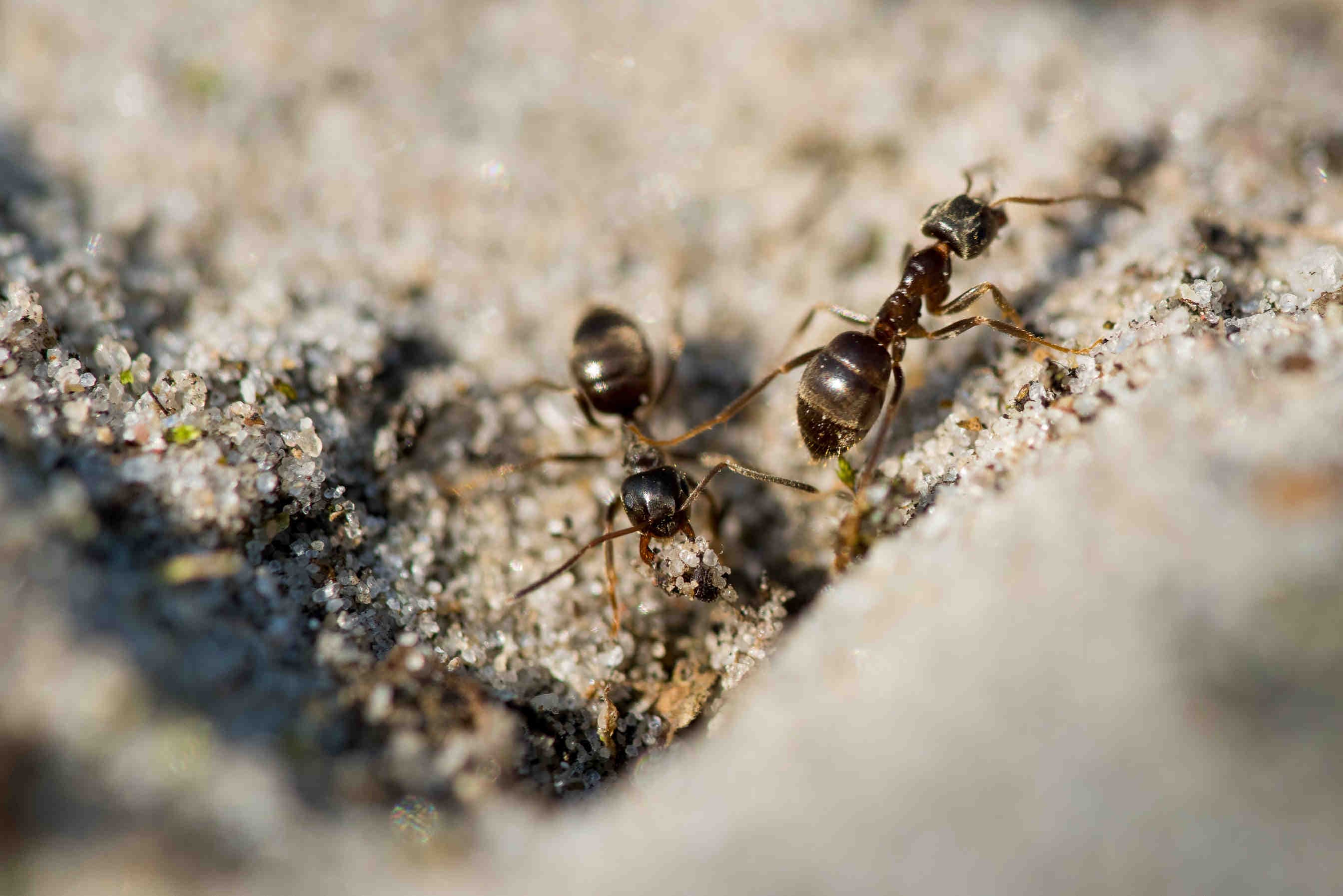
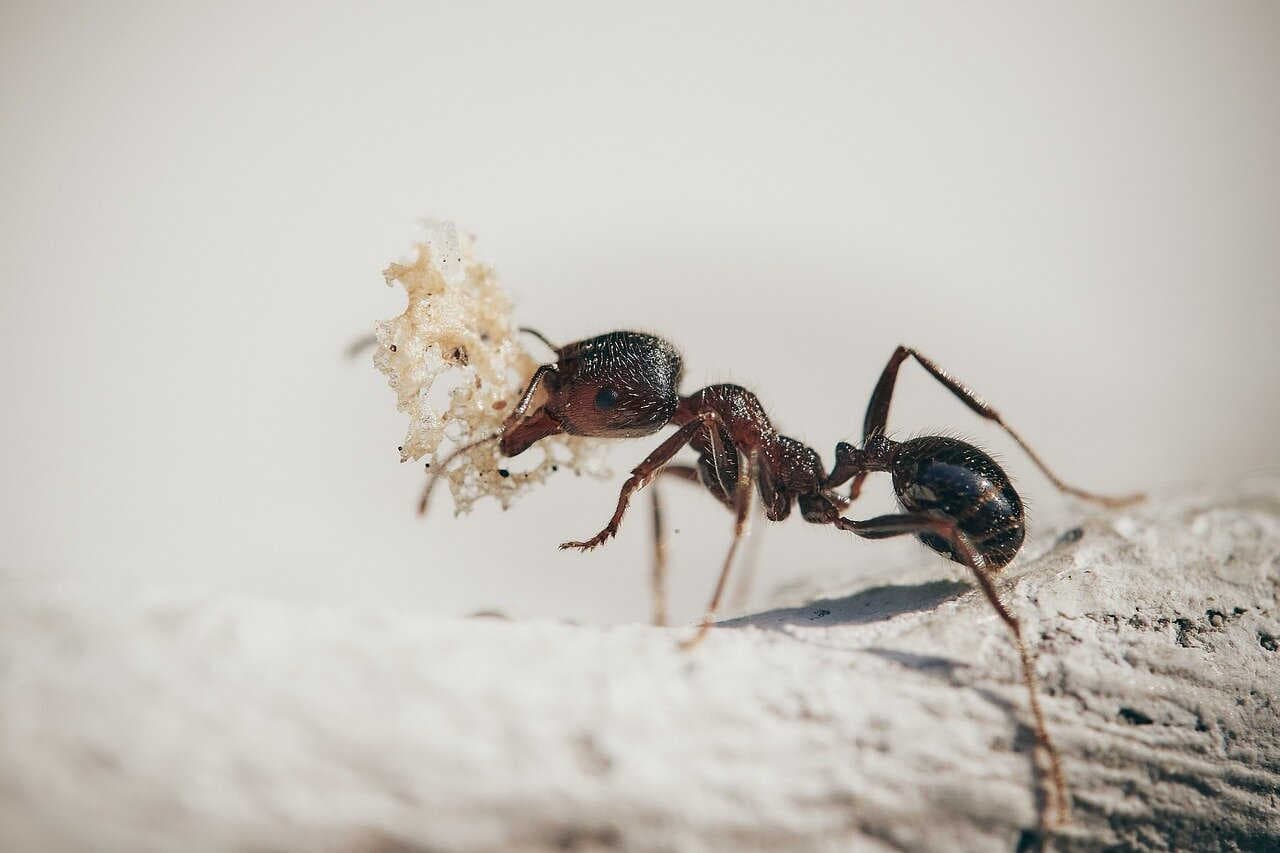
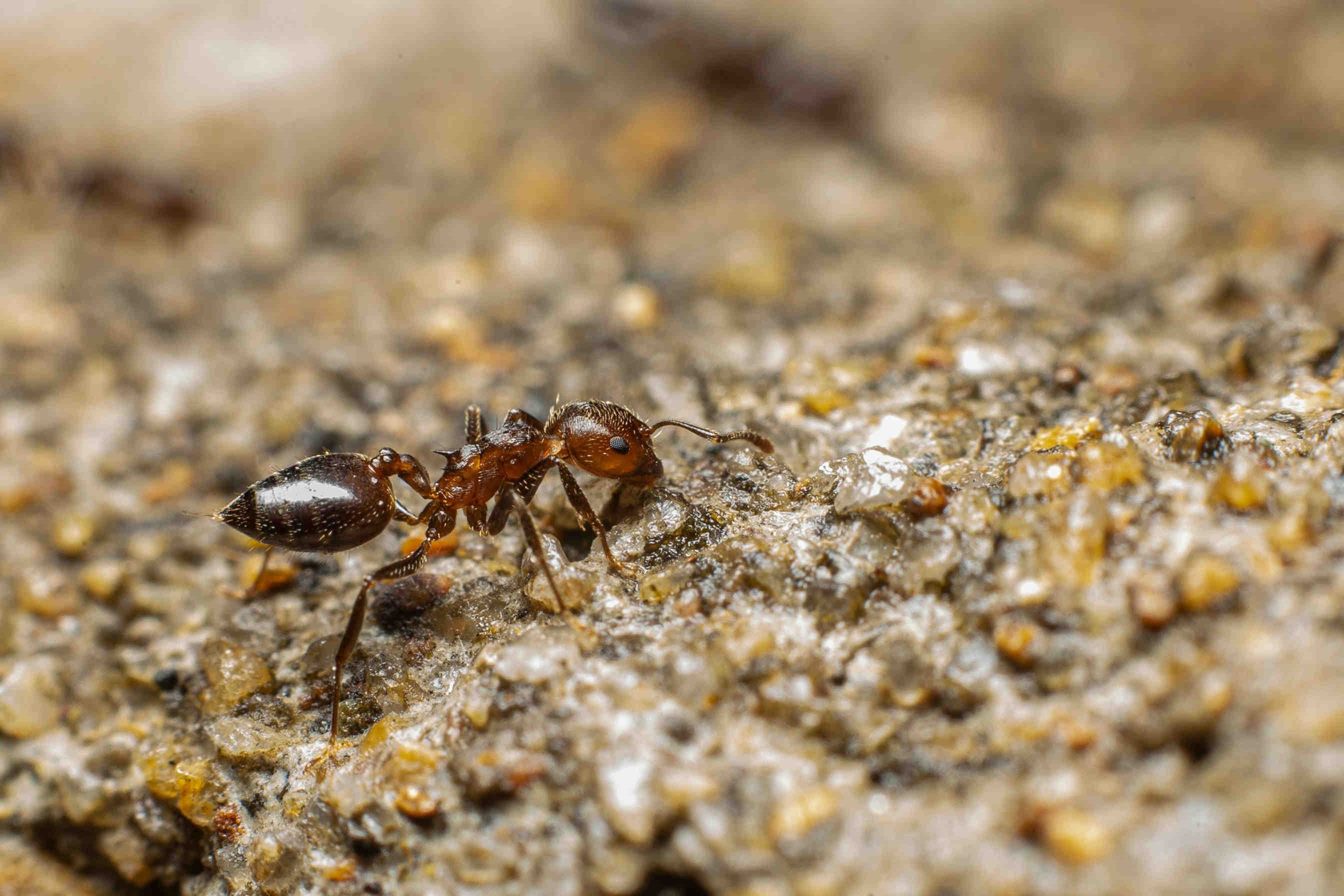
    Ants are known for their incredible strength: they can lift and carry objects up to 50 or even 100 times their body weight. This ability is made possible by their muscular structure and their external skeletal system, called an exoskeleton, which allows them to distribute loads efficiently. A study published in Science Direct, showed that the biomechanics of the Formica exsectoides neck joint can withstand pressures up to 5,000 times its weight. The secret of the ants' strength lies not in their particularly 'powerful' muscles, but in the fact that these tiny insects can devote almost all their strength to lifting weights and objects without having to concentrate on supporting their own body weight, which, unlike in humans, is extremely low.

    formiche primo piano

    Ants: an incredible sense of direction

    Ants have a sense of direction that rivals, if not surpasses, that of a navigator. Have you ever seen ants carry food by walking backwards? It is a natural action for them because they are able to integrate information from different contexts, separating information about the path to take from information about their body position. A study published in Current Biology, shows how ants help themselves with visual memory of objects around them. A group of researchers carried out an experiment with desert ants (Cataglyphis velox) and found that the sun was so important to the ants' sense of orientation that when it was obscured, they lost their way. Moreover, when walking backwards, they would sometimes stop to look around and then start walking again, almost as if to 'correct their course'.

    formica
    XNatura

    Some ants have wings

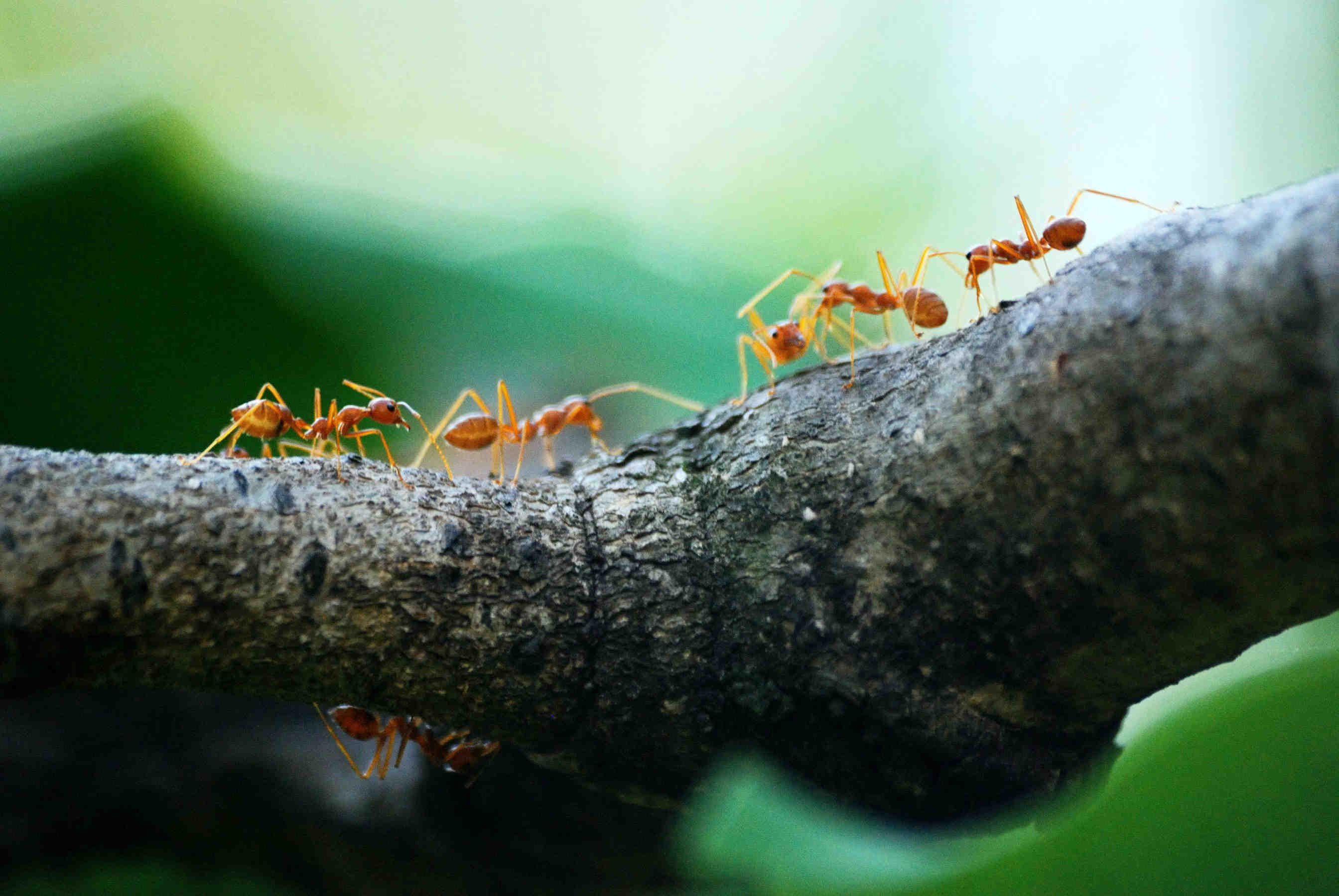
    The winged ants exist and are the reproductive specimens of the ant superorganism. These winged ants generally go on to found new colonies at the end of the summer season, during the so-called swarming period, which varies from species to species and involves thousands of male and female individuals. The males die while the fertile females become new queens and set off in search of a suitable place to give birth to a new colony. Here they lose their wings, start laying eggs and the cycle begins again. One curious aspect is that the queen does not mate after the first flight. She can store the seeds from the mating in her sperm for her entire life, which can last more than 10 years.

    formiche arancioni

    Ants evacuate nest when it gets too hot

    A study conducted by researchers at The Rockefeller University has investigated how ant colonies respond to a rise in temperature by implementing a collective behaviour similar to that of a neural network. When the ground temperature exceeds a certain threshold, the entire colony decides to evacuate the nest. This threshold varies according to the size of the colony: smaller colonies, consisting of 36 workers and 18 larvae, fled the nest at 34°C, while larger colonies, with around 200 individuals, waited until the temperature exceeded 36°C. Using mathematical models, the researchers showed that this collective response results from a balance between local excitatory and global inhibitory signals. The study thus suggests that ant colonies make adaptive decisions by considering both environmental factors (such as temperature) and internal (such as colony size) factors.
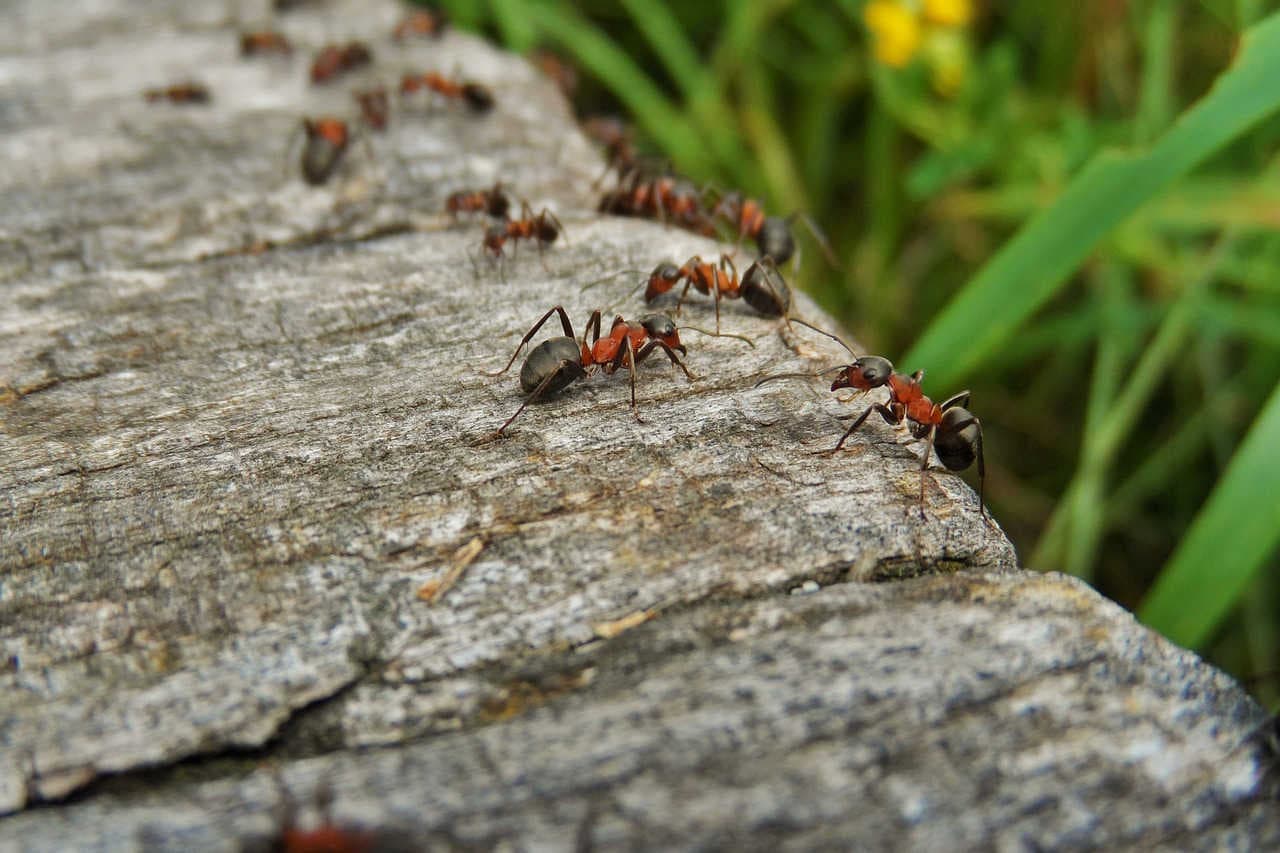
    formiche rosse
    XNatura

    Ants communicate with pheromones

    Ants use olfactory chemicals called pheromones to communicate with each other. In fact, ants have developed a very complex olfactory system compared to that of other insects, and it is optimised to detect these particular molecules, which play an important role in the internal communication of the ant colony. A study published in the journal Cell has shown that pheromones can activate a specific part of the ant brain and can even change the behaviour of an entire nest. The researchers observed that only a small part of the ants' brains was 'activated' in response to danger, despite the fact that complex behaviours such as escape and nest evacuation were taking place. It appears that there is a sensory centre in the ant brain where all the alarm pheromones that trigger their response to danger converge.

    3Bee
    14/09/2024Of 3Bee, Lisa Santillo
    719 Views
    Newsletter
    newsletter
    Subscribe to the Blog about bees and biodiversity

    Frequently Asked Questions

    Do you have any doubts or other curiosities about this article? Here you will find some insights