How animals see and perceive the world
    Animal sensesBiodiversityHabitat diversiThe view

    How animals see and perceive the world

    This is how the senses of animals have evolved to perceive the world differently from us. From the echolocation of bats to the UV vision of bees, there is extreme sensory variety in the animal kingdom.

    Read the article
    04/11/2024Of 3Bee, Marta Depetris
    1464 Views
    04/11/2024Of 3Bee, Marta Depetris
    1464 Views

    The senses of animals: how they perceive the environment

    Disclaimer: this is an automated translation from Italian. Go to the original article.

    The sensory organs constitute essential structures for all living beings, animal and plant, including human beings. Whatever the environment in which a species lives, it is a rich source of messages, even very different ones, that are picked up by the sensory structures of animals and then transformed into electrical signals and transmitted to the brain, which has the task of processing them. They enable species to be able to interact with the environment in which they live, triggering certain responses based on different stimuli from their habitat. In the age of the Antropocene, at times, these stimuli can be altered due to different forms of pollution that risk interfering with animal senses. Noise pollution is one of them, but also light pollution can create several problems for many species in their orientation and consequently in their vital functions, such as feeding.
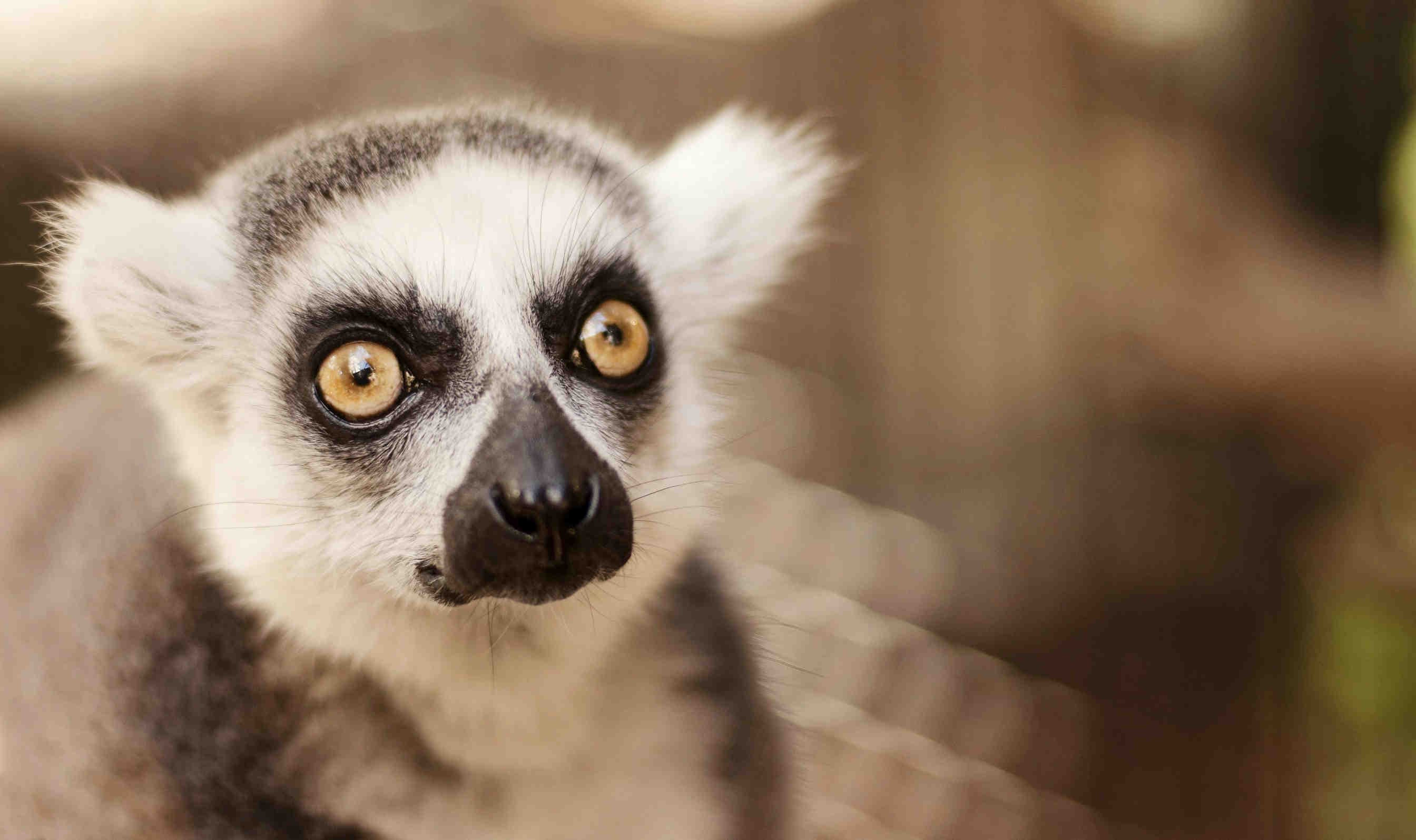
    Lemure

    Different species, different senses, unique sensory adaptations

    To date, it is estimated that there are from 4 to 100 millionliving species on our planet. Of these we know a very few, only 1.4-1.8 million or so. We can only imagine how diverse the sense organs could be within such a vast biodiversity. Based on current knowledge, it can be said that in some animals there are senses that are more developed than others or even some complete lack of special structures to pick up certain stimuli. This suggests how much the way of interacting with the environment has evolved in response to the different needs of each species, leading them to develop sensory systems that may seem inconceivable to us for our species.
    Different species, different senses, unique sensory adaptations
    XNatura

    How species see the same habitat in different ways

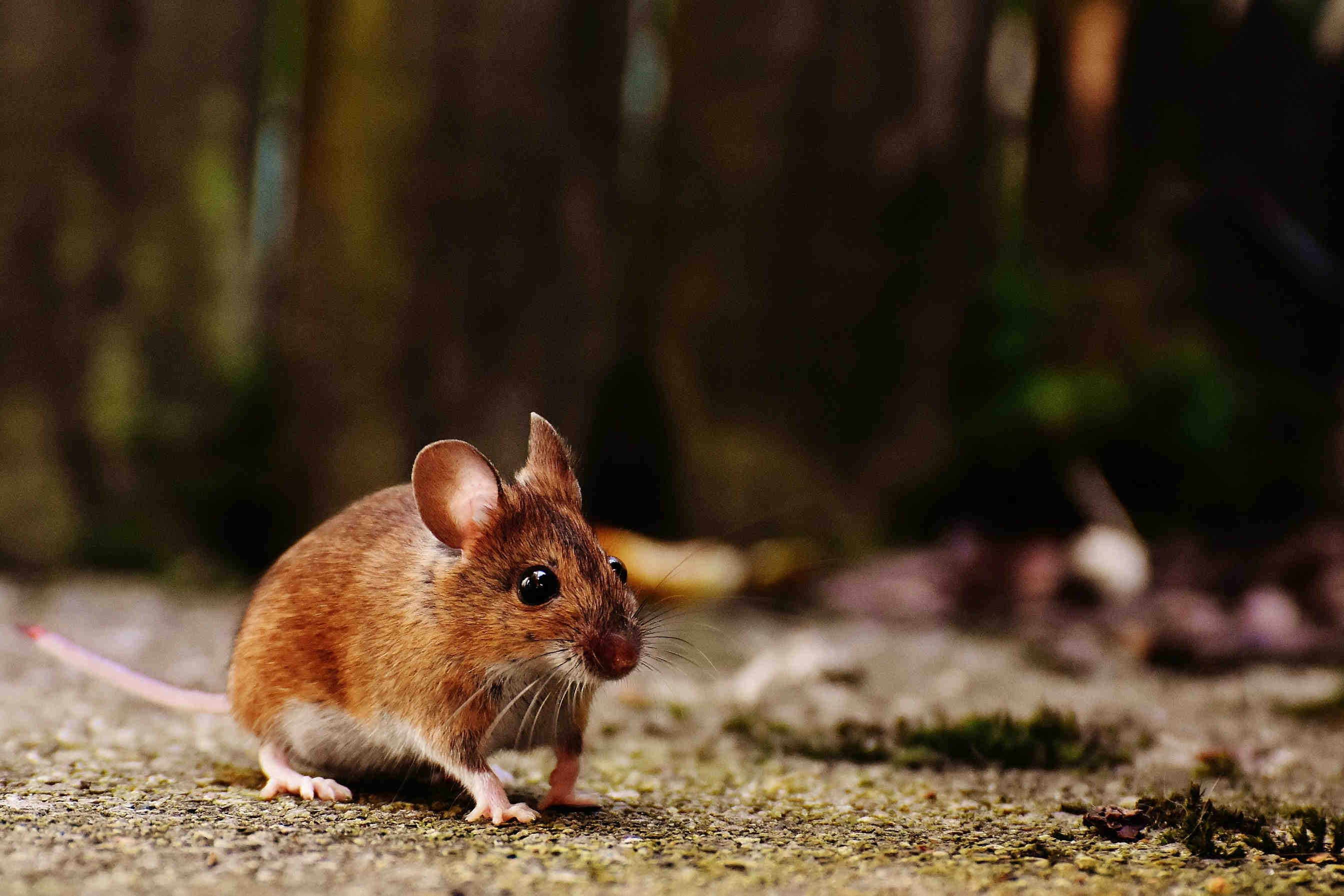
    There are fourteen main biomes on our planet, each consisting of characteristic fauna and flora. One would think that species living in the same environment would be able to perceive it in the same way, but this is not the case. Even within the same ecosystem, the different species that inhabit it can "feel" the environment around them in completely different ways. Not only do some animals fail to perceive stimuli that others are able to perceive, but it also happens that the same signals sent by the environment are read completely differently by different species. For example, a bat and a mouse, although they both have ears, cannot pick up the same sound frequencies

    How species see the same habitat in different ways

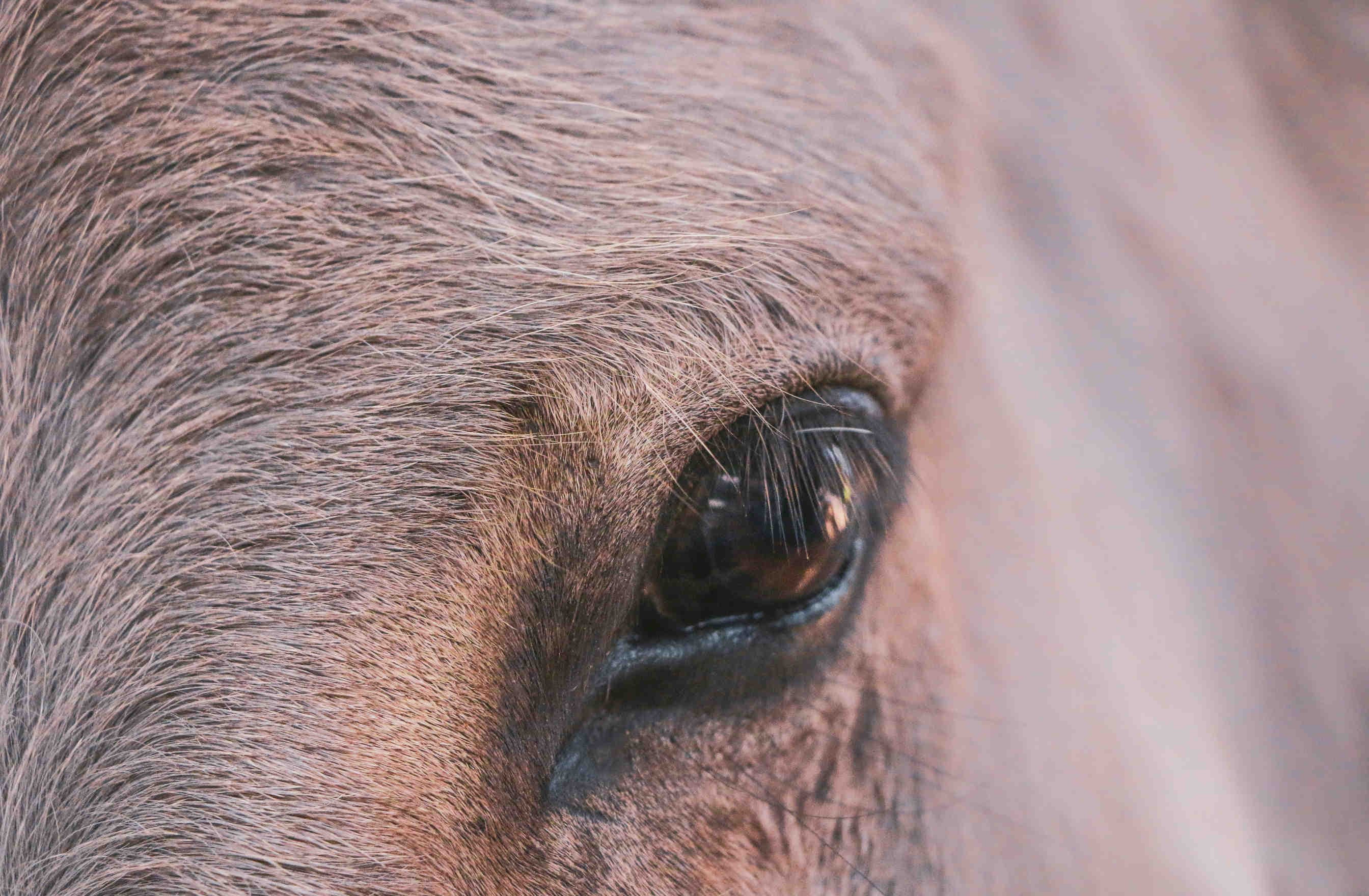
    Different eyes to perceive colours and details

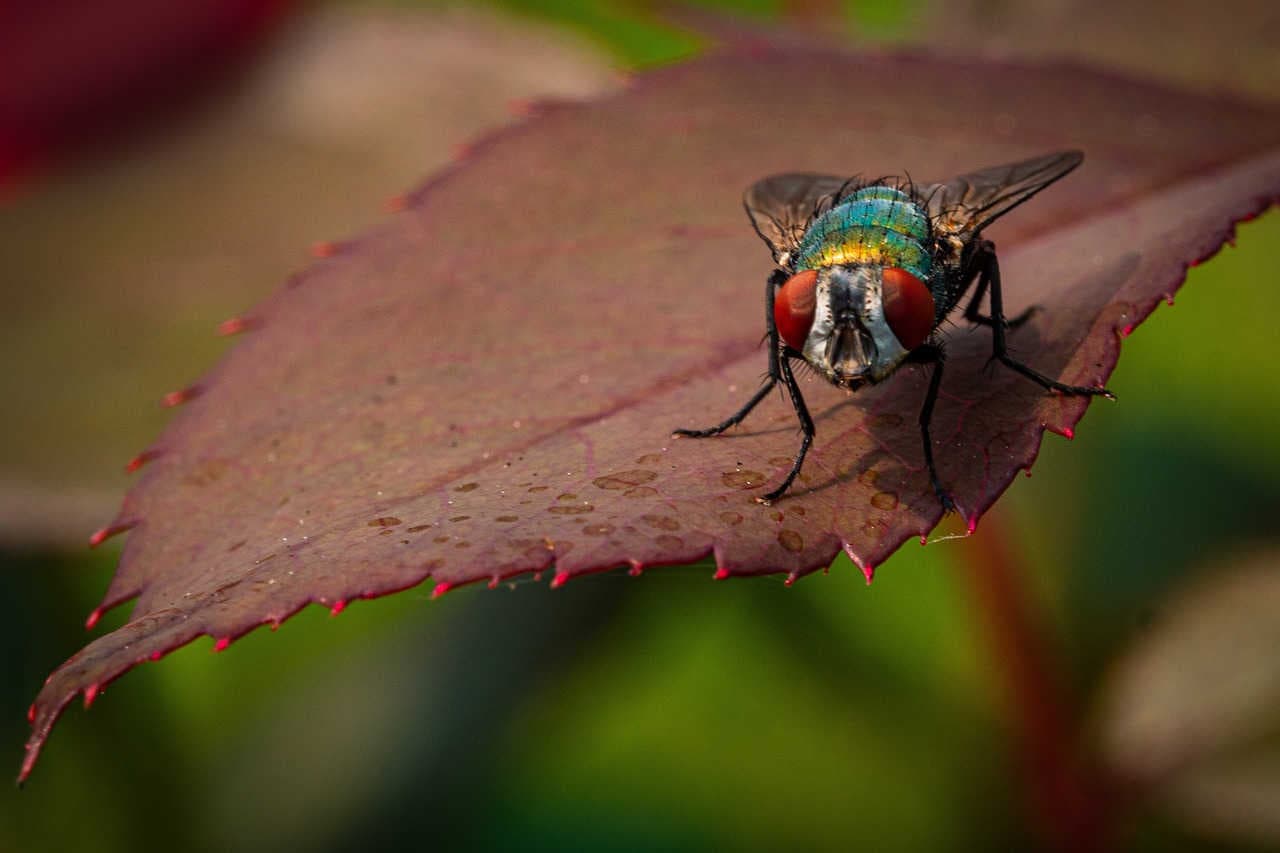
    One of the senses that is most exploited by human beings is sight. You could say that it is almost our main sense, the one we first use to explore the world around us. This is also the case in other animals, which interact with the outside world mainly through this sense.The organ responsible for vision is the eye, whose structure and visual capacity can vary considerably from one species to another. The insects are an example of this. These invertebrates possess a eye defined as compound, i.e. made up of several elements, called ommatids, each of which intercepts a small piece of the environment. The image captured by each individual ommatid is then assembled like the pieces of a jigsaw puzzle to give a complete view of reality.
    Different eyes to perceive colours and details
    XNatura

    Colours invisible to man: animals' UV vision

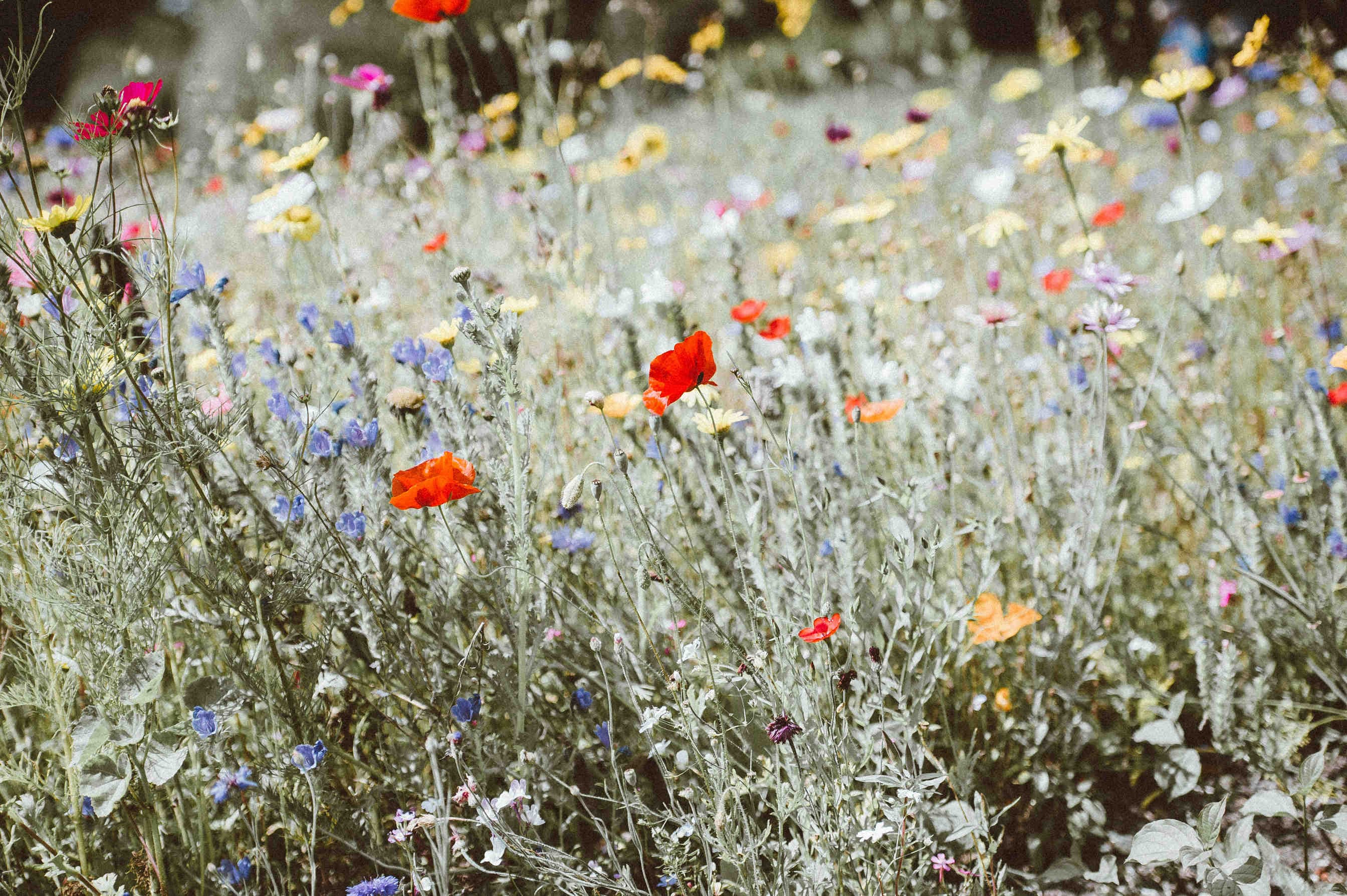
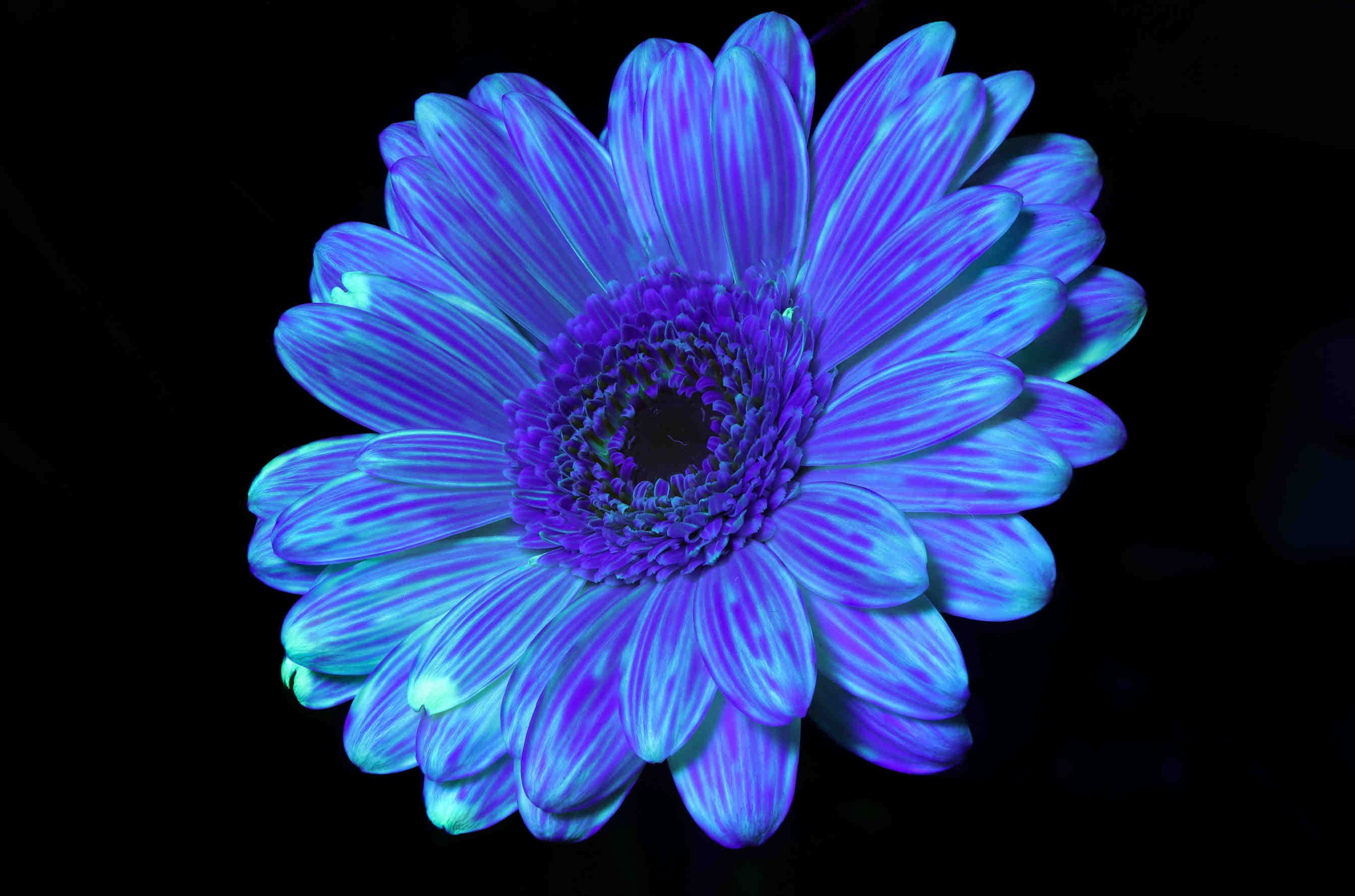
    If we thought of the rose flower, the colour red would probably come to mind, and the colour yellow in the case of a sunflower. For some animals, this association is not so obvious. The first big difference with the human eye is the amount of colour perceived. Most wild species have a dichromatic view, whereas humans have a trichromatic view. This is if we consider only the spectrum ofvisible light. But some animals go far beyond this capacity, even being able to see the ultraviolet. So it is that, returning to our flower, a bee would see it composed of a multitude of different colours that draw it towards the centre of the flower, where the nectar and pollen are present. Even the pollen of many birds would look completely different if seen with our eyes or the eyes of other birds. If we also saw ultraviolet radiation, we would be able to see birds with infinite metallic shades.
    Colours invisible to man: animals' UV vision
    3Bee

    Thermoreception: how reptiles see heat

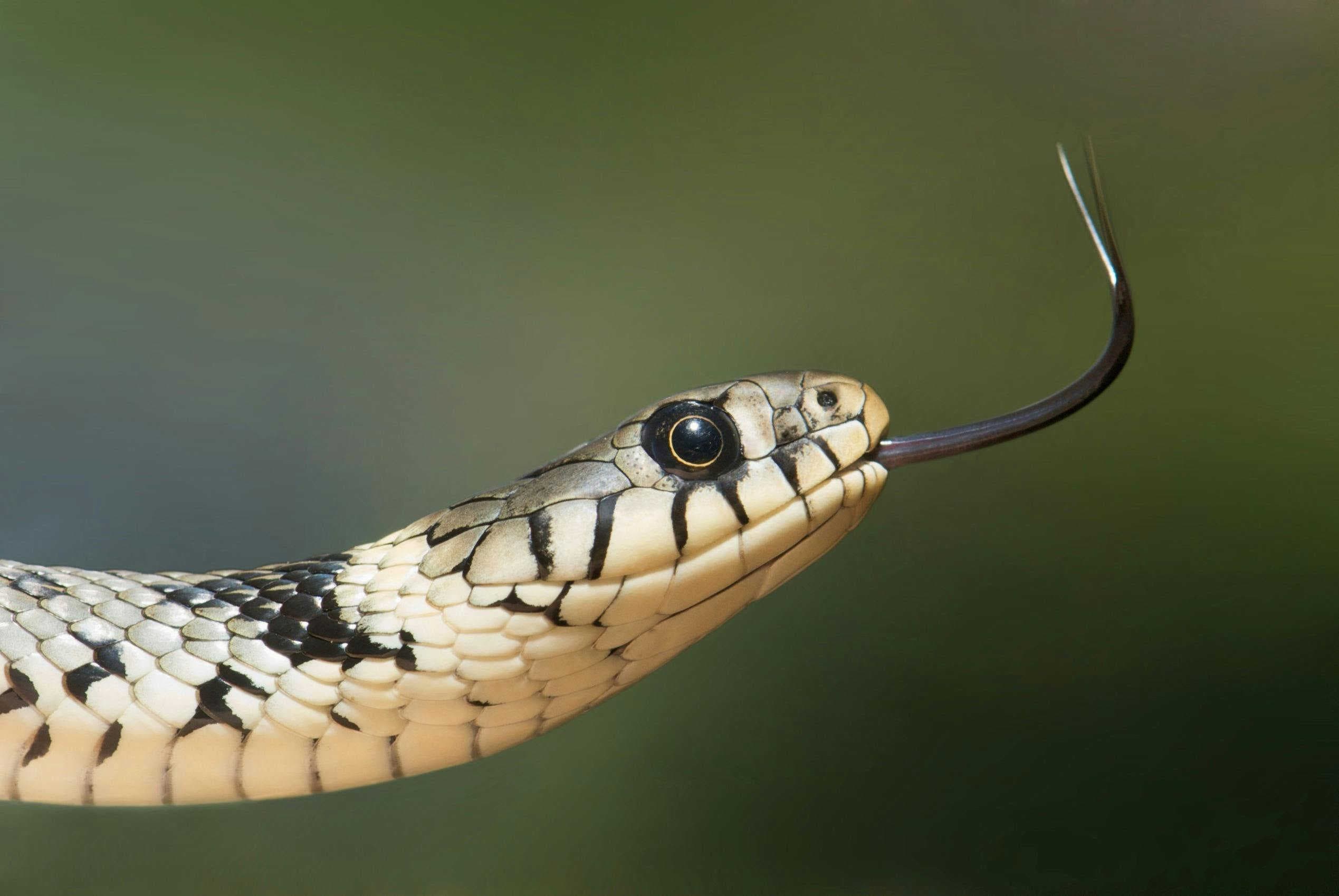
    Every living thing emits infrared radiation due to its body temperature. Humans can perceive this thermal imprint by touch, but other animals can also use other senses. The reptiles have the ability, called thermal perception, to perceive these wavelengths, thus being able to identify their possible prey. All this is made possible by the presence of some small dimples located on the animal's snout to which are associated temperature sensors. Thanks to them, snakes are able to understand both the direction and distance to the hot object. Being ectothermic animals, with an internal temperature that depends on that of the environment, they also use this ability to locate the most suitable places to take refuge, warm enough so that their body temperature does not drop too much.

    Thermoreception: how reptiles see heat

    The role of the sense of smell in species such as pigeons and salmon

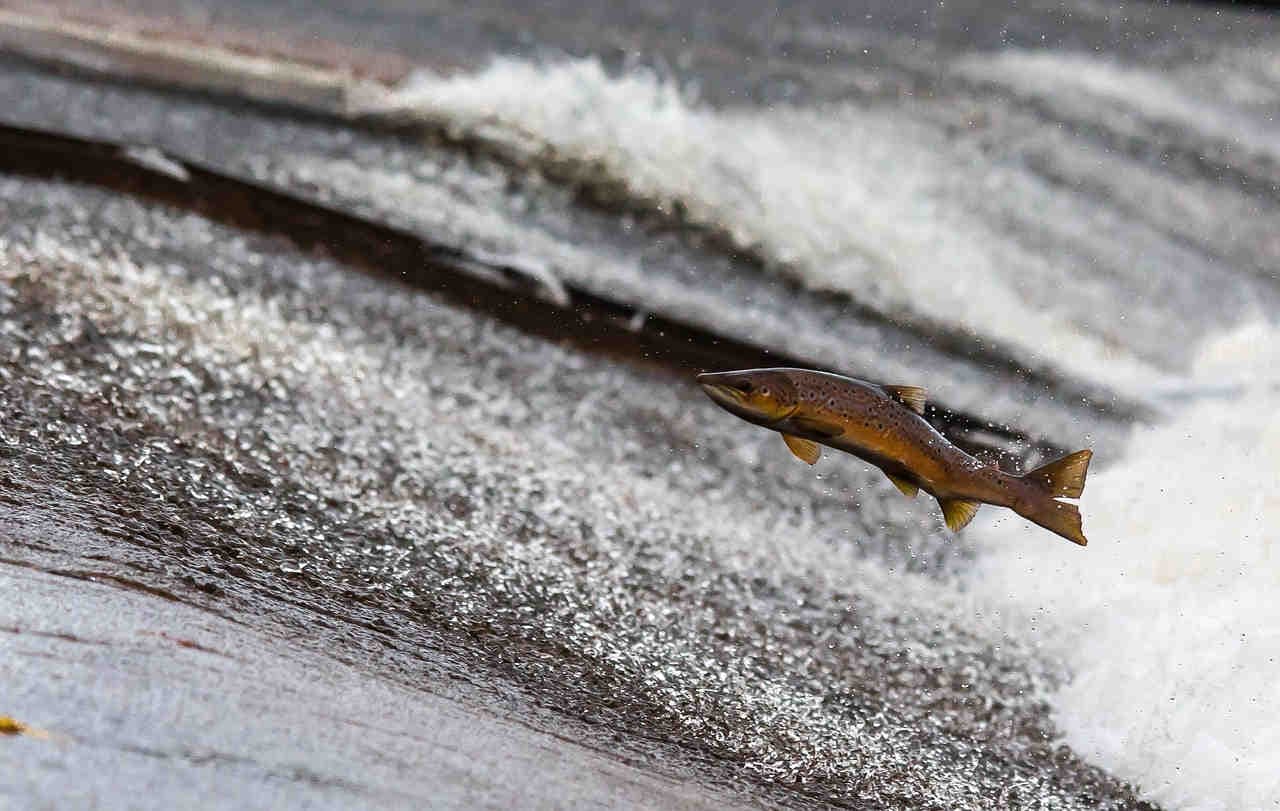
    Orienteering is a fundamental skill in the animal world useful for basic survival activities such as feeding, reproducing and finding shelter. For humans, orientation is mainly based on learning, thus learning to recognise different places and reach them, perhaps even with the support of technology. Not being able to rely on GPS, wild species, in addition to learning, have evolved some orientation systems that exploit different environmental features and also involve different senses. The travelling hedgehogs, which we have at least once heard of, manage to produce an smell map that enables them to orient themselves and always find their nest. The salmon swim upstream thanks to a sense of smell that allows them to 'smell' fresh water, thus enabling them to reach their breeding sites.

    The role of the sense of smell in species such as pigeons and salmon

    Electric and magnetic fields

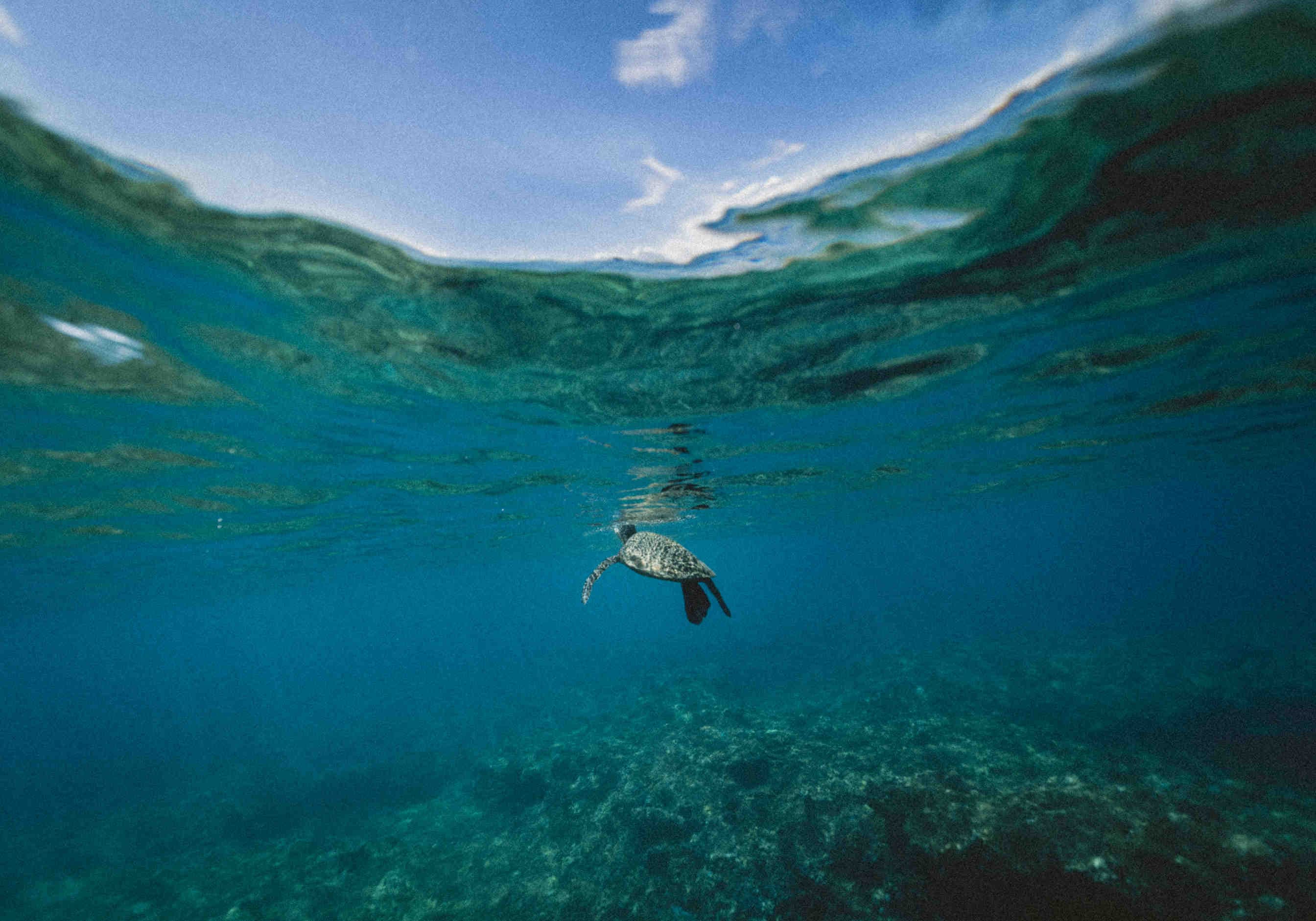
    In the course of evolution, the senses of some animals have developed to be able to exploit stimuli in the environment that we do not even perceive. To us, it would seem absurd to orient ourselves using the earth's magnetic field without a compass, yet this is what turtles do to return to the beach where they were born and lay their eggs. This ability is called magnetorception and is also exploited by migratory birds to orient themselves in the right direction, along with the use of sunlight and the position of stars at night. This ability can also be used to detect prey, as in the case of sharks, which, thanks to the presence of certain receptors on their snout, are able to perceive both magnetic and electric fields, allowing them to hunt.
    Electric and magnetic fields

    Echolocation: how animals navigate in the dark

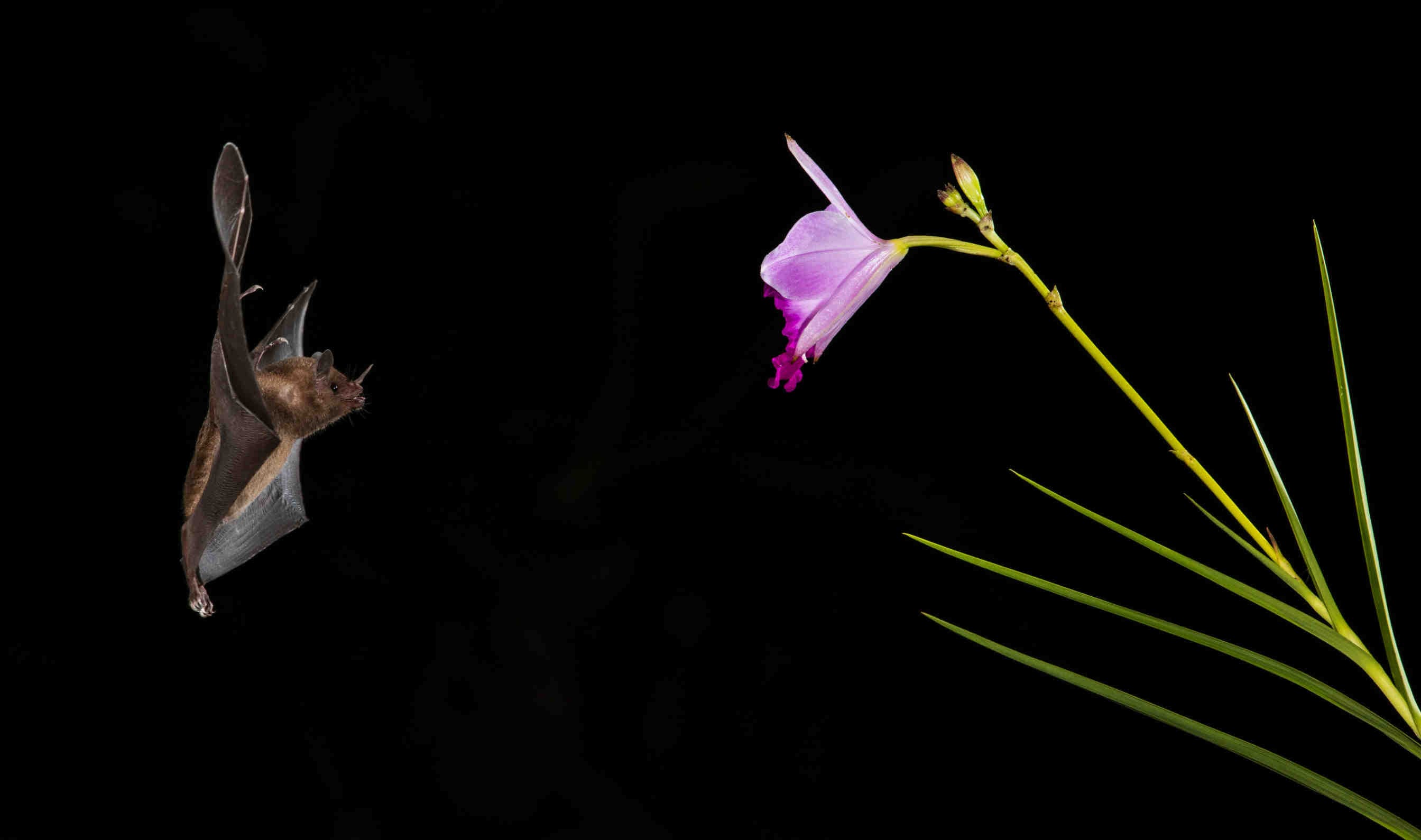
    If we have ever seen a film set during the Second World War, we will have seen at least one scene of some submarine using sonar to locate the enemy. It can be said that some species have built-in sonar, because they are able to do ecolocalisation, i.e. emitting ultrasounds that, when colliding against an object (e.g. another animal), emit an echo perceived by the animal: in this way it will be able to locate the object or orientate itself. So far it is known that this is a method used by animals that live in aquatic environments, such as odontocetes (dolphins, orcas, sperm whales) or in terrestrial environments with reduced visibility. One animal that makes great use of this ability is certainly the bat, which uses echolocation mainly to identify its prey during the night.
    Echolocation: how animals navigate in the dark

    How species compensate for lack of light

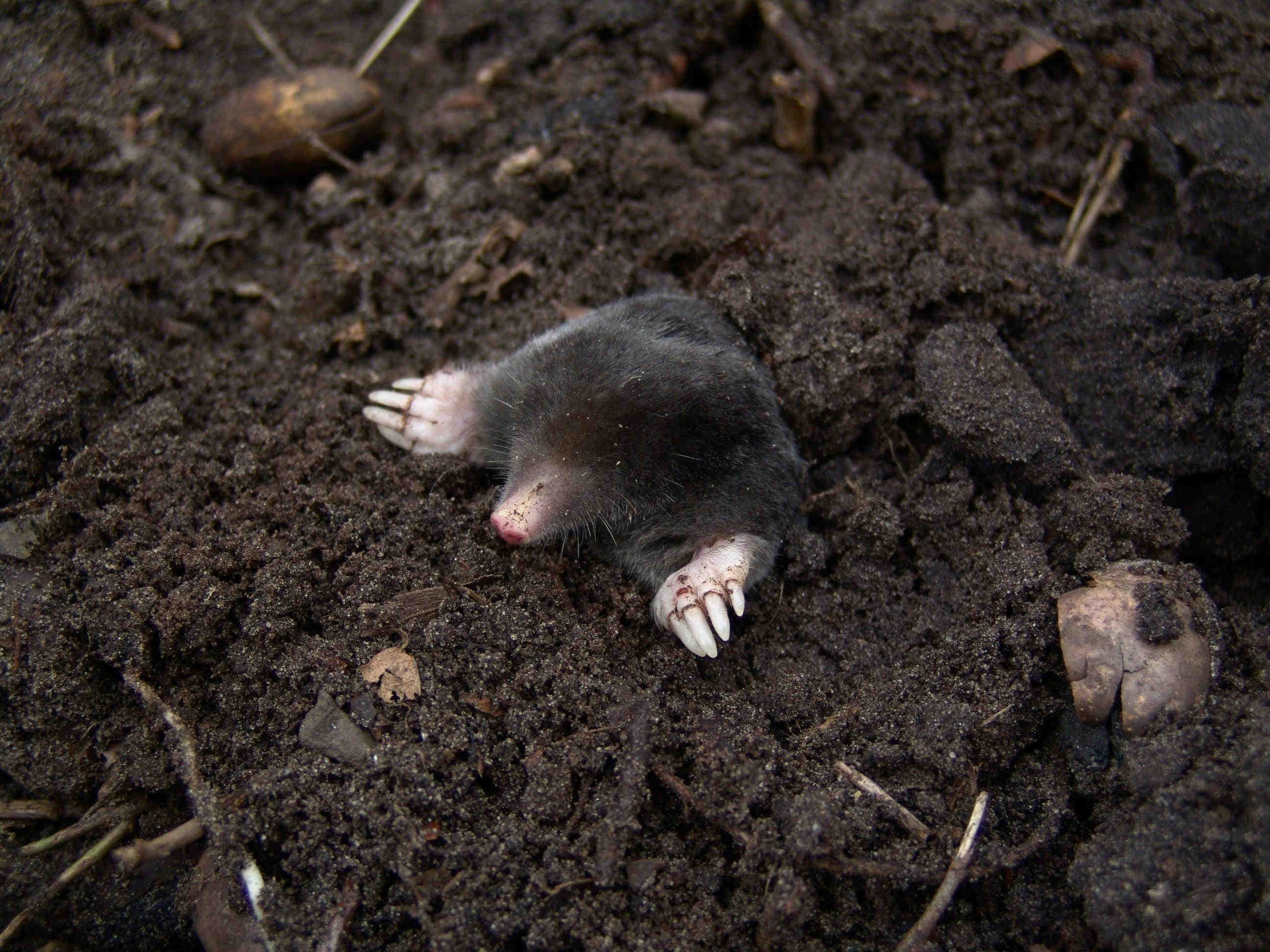
    Not all environments are the same. Some are so special that they lack certain stimuli that are normally used by animal sense organs. In a grotto, for example, the light is almost or totally absent. We might think that these are habitats devoid of life forms, but we would be wrong. Some animal species have evolved by adapting to life in environments that would be completely hostile to us. In absence of light, for example, the ability to use an internal sense, that of sight, is lost. Species that live in dark environments have developed more of their other senses in order to compensate for the lack of light. The talps are an example of this: living inside tunnels they have very reduced eyes and perceive reality around them mainly with touch and smell, also evolving very particular anatomical structures that increase the tactile surface.

    How species compensate for lack of light

    A vast sensory biodiversity

    Perceiving the environment around us is not so trivial and, above all, is not picked up in the same way by the species that live in it. We have seen how the Earth is rich in extremely diverse stimuli, each of which is utilised by animals in sometimes completely different ways. This extraordinary sensory variety of the animal kingdom reflects a deep adaptation to the challenges posed by the environment. Each species has developed unique senses essential for survival and interaction with its habitat in ways often unthinkable for humans. This underlines how biodiversity is expressed not only through form and behaviour, but also through profoundly different, but equally vital, perceptions of the world.

    04/11/2024Of 3Bee, Marta Depetris
    1464 Views
    Newsletter
    newsletter
    Subscribe to the Blog about bees and biodiversity

    Frequently Asked Questions

    Do you have any doubts or other curiosities about this article? Here you will find some insights