Amazon fires: What do changes have to do with them?
    FiresDatiAmazoniaSiberia

    Amazon fires: What do changes have to do with them?

    What is happening these days in the Amazon is just the tip of the iceberg of a much bigger problem that is manifesting itself with different phenomena all over the world. Climate change and global warming are affecting the entire planet.

    Read the article
    03/06/2022Of 3Bee, Elena Fraccaro
    513 Views
    03/06/2022Of 3Bee, Elena Fraccaro
    513 Views

    Amazon Rainforest Fires

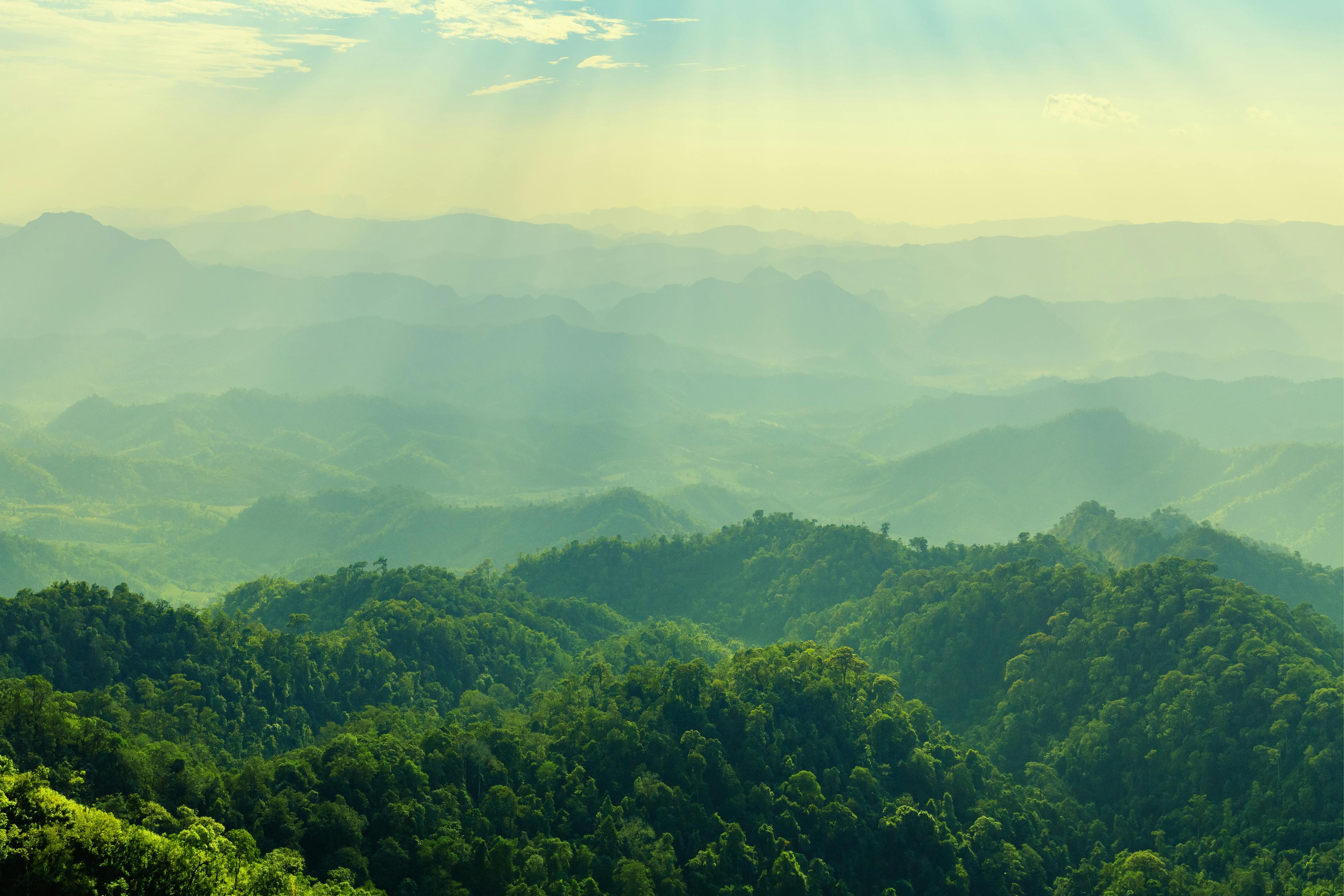
    The fires that are ravaging the Amazonian Forest and the various initiatives at the international level to curb them in some way find their way into every news programme and print media on a daily basis. They affect not only Brazilian territory, but also Bolivia, for example. The aspect that is obviously alarming the international community the most is the arson nature of the fires. It is not, in fact, those small natural fires that allow the undergrowth to clear and the forest to grow properly. It is the reckless acts of human greed, which sets fire to the 'green lung' of our planet in order to expand farms and land for cultivation.
    Amazonia: some data

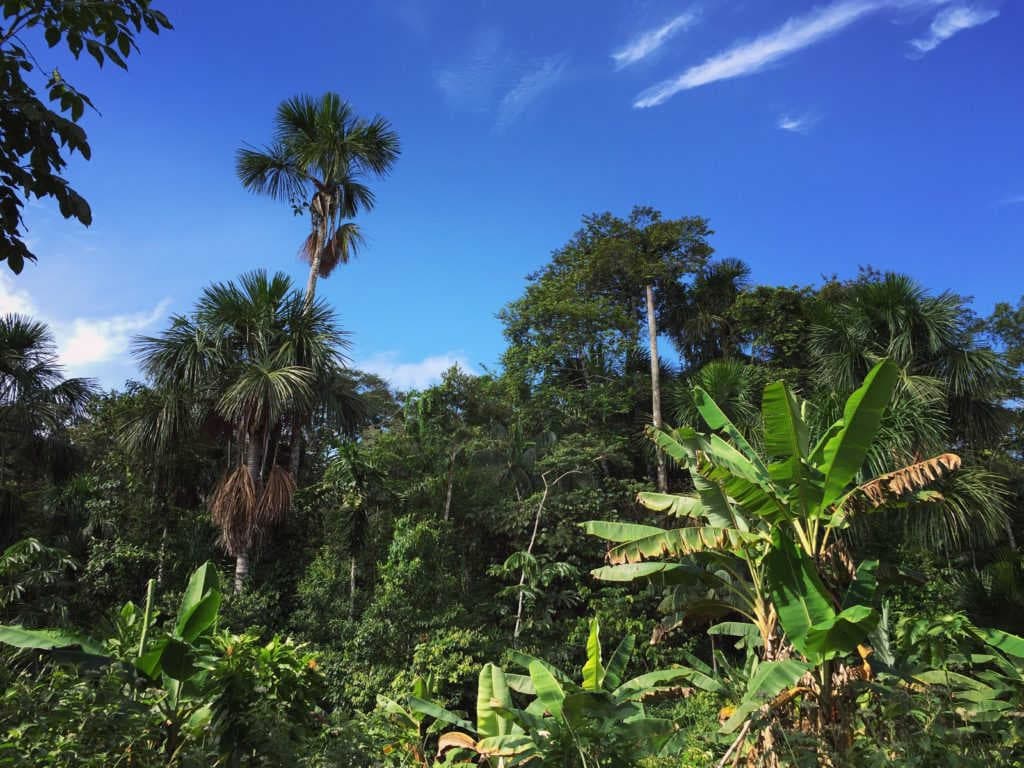
    The Amazonian Rainforest is a tropical rainforest covering some 7 million km2 around the reservoir of the Amazon River. Its extension covers several countries: Brazil, Colombia, Peru, Venezuela, Ecuador, Bolivia, Guyana, Surinam and French Guiana. Its importance is not limited to its forest heritage, but also to the enormous biodiversity that characterises the area. Enough to think that 10% of the planet's species have their home there.

    XNatura

    Fires and carbon dioxide

    The Amazon has always been affected by fires, this is not new this summer. What is worrying is their extension. According to some experts from the European Copernicus programme, in fact, they have even quadrupled in size compared to the previous year. The effects of these fires on the planet are considerable. Mistakenly, forests are thought to be the Earth's main source of oxygen. In reality, it is phytoplankton, found in the oceans, that produces it most. This does not mean that the role of the Amazon Rainforest within the Earth's ecosystem should be diminished. Trees absorb CO2, balancing its level. When these same trees are burnt, not only is their effect nullified, but a huge amount of CO2 from the burning process is released into the atmosphere.

    A problem not confined to the Amazon Rainforest

    Siberia Equally famous are the episodes in Siberia, Greenland and the Canary Islands. According to estimates by Greanpeace Russia, in Siberia the fire destroyed 4.3 million hectares, generating an amount of CO2 equivalent to that emitted by 36 million cars in an entire year. According to the WMO (World Meteorological Organisation), the smoke cloud generated by these fires exceeds 5 million km2, far greater than the entire surface area of the European Union. One of the main causes of the spread of these fires is said to be global warming. The WMO also stated that temperatures in Siberia were 10°C higher than average. The consequences of the fires that ravaged Siberia also join the equally serious episodes that affected Canada, Alaska and Greenland.

    XNatura

    Sub-Saharan Africa

    Another area of the planet that should attract public interest is sub-Saharan Africa. The fires raging in Congo and Angola appear to be far more extensive than those ravaging the Amazon. Even consulting NASA's FIRM (Fire Information for Resource Management System) one can clearly see the extent of the fires across the planet. Africa is burning. Here too, the origin of the fires is attributable to man, who seeks to increase the area of land for crops and livestock at the expense of forests, the indigenous people living there and biodiversity. The fires in Africa would correspond to as much as 70% of the world's burnt area. Here, too, the negative repercussions on the entire planet are innumerable.

    3Bee

    A dangerous vicious circle

    This creates a dangerous vicious circle. We have seen that fires produce an enormous amount of carbon dioxide. This, if not properly reabsorbed, will increase the greenhouse effect, which will lead to further global warming. Higher temperatures will lead to periods of drought, which will deprive not only humans but also soil and plants of water. This creates a favourable condition for the spread and extension of the 'fire season'. And we start again.

    Global warming, droughts and floods

    Fires, however, are not the only sign of the effects that climate change is having.. Let us recall the heat waves that have characterised the last few months. In India, a record temperature of almost 51°C was reached, causing the death of at least 36 people. These data reflect a worldwide trend: the last five years have in fact been the hottest ever recorded. According to Copernicus data, this past July was the hottest ever, with temperatures 0.56°C higher than those measured between 1981 and 2010. Periods of great drought are interspersed with violent floods, which cause as much damage and death. Also in India, hundreds of people have died in monsoon floods and hundreds of thousands have had to seek refuge in shelters. In Sudan, floods have also destroyed homes and claimed several lives.

    The melting of the Arctic

    The situation in the Arctic is equally alarming. Although seasonal melting is physiological, global warming generated by man-made emissions is causing enormous damage. The ice is melting earlier and reforming later. Every summer they get thinner and melt more and more, pushing the 'ice frontier' further and further away. Unfortunately, some here look at the melting of the Arctic as a new business opportunity, without thinking about the global consequences of this phenomenon.

    Global initiatives against climate change

    Fortunately, there are an increasing number of initiatives aimed at raising public awareness and influencing the global political agenda to take more account of these issues. One example is the Sustainable Development Goals (SDGs). In them, action to curb climate change, both through specific summits and targeted reports, finds ample space. Mention can also be made of the Fridays for Future, a clear example of a movement that has formed and grown 'from below'.

    Small daily actions

    But even from our own small side, we can take small actions to support the environment and combat climate change. Fundamental is definitely trying to reduce our energy waste. We can reduce the use of the air conditioner in summer and not heat our home too much in winter. We prefer energy-saving appliances and light bulbs. We do not waste electricity: we turn off the light when we leave a room and do not leave electrical appliances on stand-by. We can strive to limit our car use, opting for soft mobility, such as cycling, or public transport. Recycling and reuse are key to reducing waste and limiting the amount of waste we produce every day. Recycling also reduces carbon dioxide emissions into the atmosphere. Reducing meat consumption can also have its beneficial effects.

    Adopt a 3Bee hive

    To limit your "carbon footprint", i.e. your impact on the environment, favour biodiversity and plant pollination, you can choose to adopt a 3Bee hive instead. Bees, in fact, are fundamental insects for our ecosystem. Suffice it to say that out of the world's top 100 crops, 70 are pollinated by bees! Their contribution is invaluable. By adopting a 3Bee hive, you can not only support a beekeeper in the care of his bees, but you can also monitor their development and state of health directly from your smartphone. At the end of the beekeeping season, you can then enjoy their precious honey.

    03/06/2022Of 3Bee, Elena Fraccaro
    513 Views
    Newsletter
    newsletter
    Subscribe to the Blog about bees and biodiversity