Adopt a Beehive in Tuscany
    3Bee approachBeekeepingSalvi ThomasStefano Dolfi

    Adopt a Beehive in Tuscany

    Like all Italian regions, Tuscany also has peculiarities that make it unique. We can savour all the differences and uniqueness of this territory by tasting the honey produced by the many beehives in these lands.

    Read the article
    30/07/2020Of 3Bee, Elena Fraccaro
    733 Views
    30/07/2020Of 3Bee, Elena Fraccaro
    733 Views

    3Bee's approach to biodiversity protection

    3Bee is the Nature Tech company developing technologies for the protection of biodiversity. 3Bee Hive-Tech is 3Bee's first system for analysing the health and 'starvation' status of honeybees, environmental pests par excellence. Over time, we have developed other technologies to study and monitor all the pollinating insects and created more than 200 Oases of Biodiversity with thousands of nectariferous plants to provide them with nourishment. In this way, we want to create a virtuous circle: our beekeepers are transformed by necessity into Oasis growers and promoters of environmental biodiversity. We do not encourage massive production and intensive breeding, which have a negative impact on biodiversity and pollinators. We do, however, recognise the value of honey as a valuable symbol of the biodiversity of an environment and a tool for disseminating the commitment and protection of an area, to be consumed sparingly and with respect for the life cycle of these insects.

    3Bee Hive-Tech

    Beekeeping in Tuscany

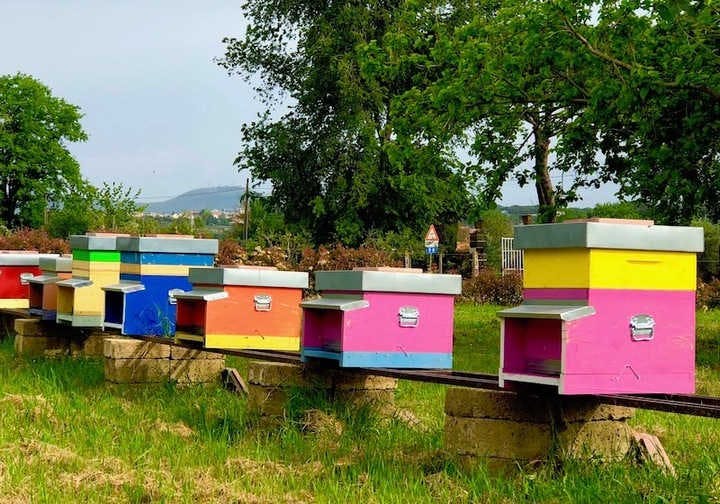
    The beekeeping scene in Tuscany is quite interesting. In June 2020, there were 6386 beekeeping activities, of which 4172 were hobby activities and 2214 were professionally managed. These represent almost 10% of all Italian beekeepers. These manage 13,908 apiaries, for a total of 138,239 hives. Tuscany has special territorial characteristics for bees: an extensive floral variety that always provides valuable food for bees and extremely favourable environmental conditions. These, in fact, have allowed the development of beekeeping since the age of the Etruscans and the ancient Romans, for whom honey was much appreciated and used for various purposes. The incredible variety and richness of the Tuscan territory is therefore also transmitted in its honey, rich in characteristic perfumes and flavours. Among the most widespread types are acacia, millefiori, linden, honeydew, ailanthus and chestnut.

    Beekeeping in Tuscany
    XNatura

    Apicoltura Salvi di Salvi Thomas

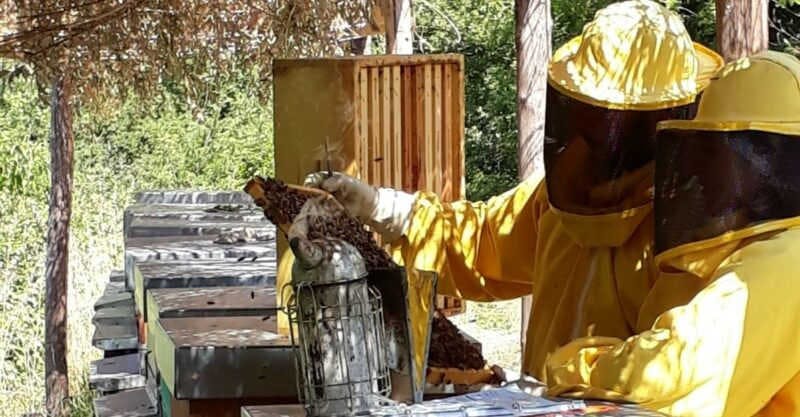
    Thomas started his beekeeping business more or less 10 years ago, when, thanks to the guidance of an elderly friend who owned crates, he began looking after his hives. The interest in animals and the environment, however, has always been alive in Thomas, who has been a volunteer beekeeper for the WWF for years. The funniest thing is that Thomas, despite being a beekeeper, is allergic to bees! This, however, does not deter his great passion. His beekeeping company, based in Gambassi Terme near Florence, follows organic standards and has its own educational apiary. In order to be able to follow the blooms and produce the different Tuscan types, Thomas practises nomadism, moving his bees all over Tuscany, from the Maremma to the mountains and as far as Emilia. Thomas's bees can thus produce acacia, chestnut, millefiori, clover, sulla and honeydew. The more difficult types include heather, strawberry tree and ivy.

    Apicoltura Salvi di Salvi Thomas

    Apiculture Stefano Dolfi

    Apicoltura Stefano Dolfi is a small family-run business located near Prato. Stefano started keeping bees as a hobby in 2000. From the initial few hives he has expanded to 120 and made beekeeping his job. He practises mainly sedentary beekeeping, making only a few trips. The not too large number of families allows him to follow them as best he can. This results in better quality honey and better cared-for bees, which also benefits the surrounding environment. The apiaries are carefully arranged in the territory of the province of Prato, at different altitudes, so that the bees can enjoy the different blooms typical of the area. The types of honey produced are acacia, chestnut, lime, honeydew and different types of millefiori. Other productions include royal jelly, a niche area of Italian beekeeping.

    Apiculture Stefano Dolfi
    XNatura

    Apiculture Alessio

    Alessio has always had a great passion for agriculture and the environment. 10 years ago, almost for fun, he decided to attend a beekeeping course and take his first 2 families. These first hives were followed by others, but unfortunately after 4 years, all his crates were stolen, causing him enormous damage, not only financial. Seized with despair, he sold everything except the suit, which he wanted to keep as a souvenir. The problem with beekeeping, however, is that it becomes something more than a passion. That is why, after 2 years, he took up beekeeping again with a friend, starting with 1 family each. To date, he owns 18, divided into 3 apiaries. In the Prato area, where his small company is based, he produces mixed flower honey, chestnut honey and acacia honey. His dream in the drawer is to make a living from beekeeping and to devote himself completely to bees.

    Apiculture Alessio
    3Bee
    30/07/2020Of 3Bee, Elena Fraccaro
    733 Views
    Newsletter
    newsletter
    Subscribe to the Blog about bees and biodiversity