Adopt a Beehive in Veneto
    3Bee approachBeekeepingMiele venetoOrso

    Adopt a Beehive in Veneto

    By adopting a beehive you support a model of virtuous Italian beekeeping, attentive to the well-being of bees. You will also learn about local Italian realities and the different types of honey. Today we fly to a region that boasts the production of one of the rarest and most difficult-to-produce honeys!

    Read the article
    11/09/2020Of 3Bee, Elena Fraccaro
    480 Views
    11/09/2020Of 3Bee, Elena Fraccaro
    480 Views

    3Bee's approach to biodiversity protection
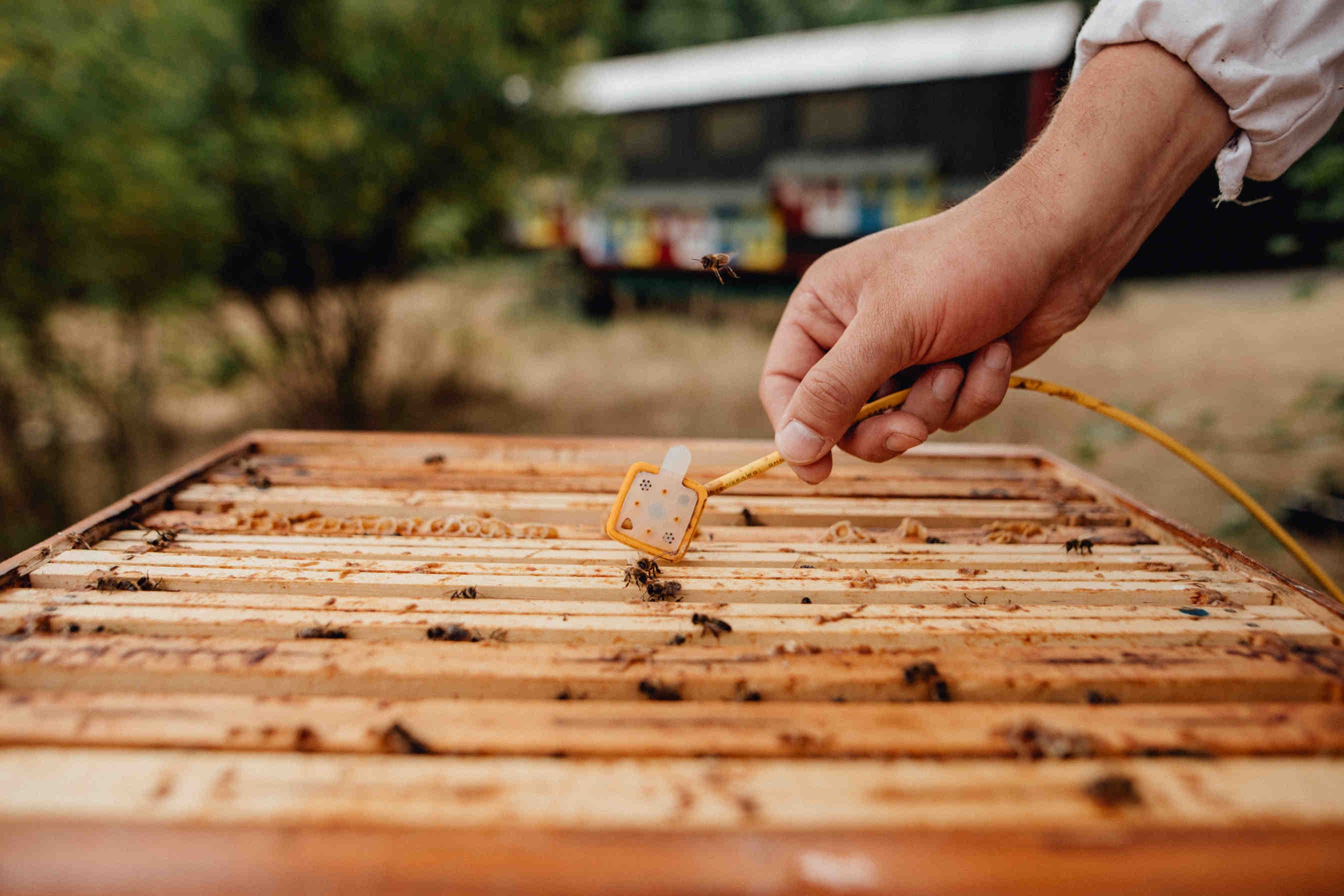
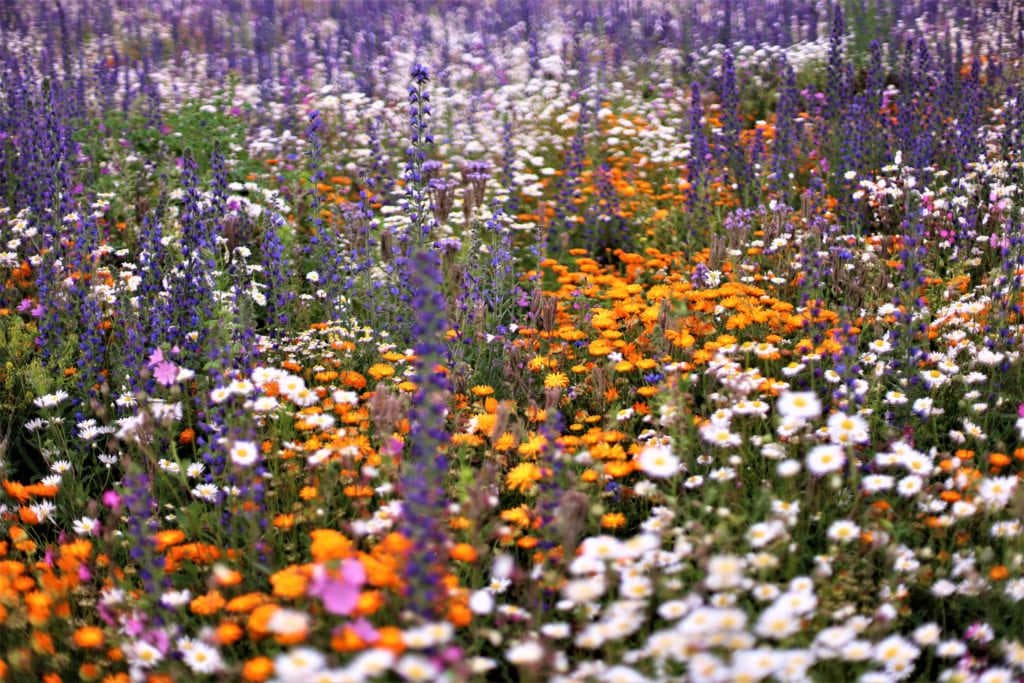
    3Bee is the Nature Tech company that develops technologies for the protection of biodiversity. 3Bee Hive-Tech is 3Bee's first system for analysing the health and 'starvation' status of honeybees, environmental protectors par excellence. Over time, we have developed other technologies to study and monitor all the pollinating insects and created more than 200 Oases of Biodiversity with thousands of nectariferous plants to provide them with nourishment. In this way, we want to create a virtuous circle: our beekeepers are transformed by necessity into Oasis growers and promoters of environmental biodiversity. We do not encourage massive production and intensive breeding, which have a negative impact on biodiversity and pollinators. We do, however, recognise the value of honey as a valuable symbol of the biodiversity of an environment and a tool for disseminating the commitment and protection of an area, to be consumed sparingly and with respect for the life cycle of these insects.

    3Bee Hive-Tech

    Beekeeping in Veneto

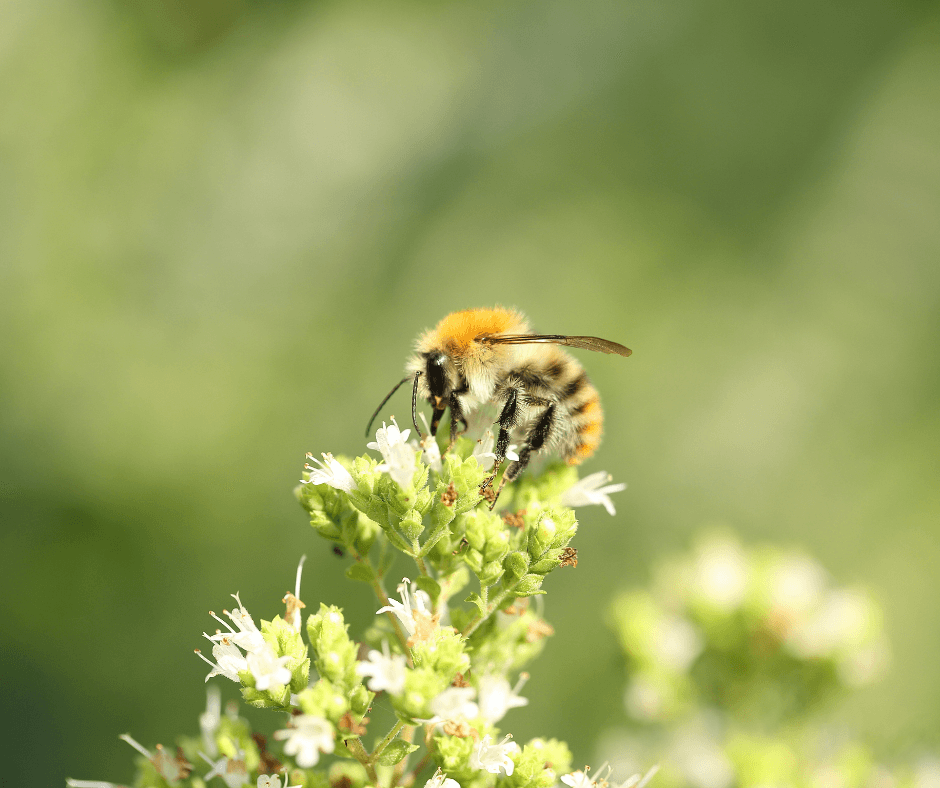
    Veneto has always been attentive to the beekeeping sector and its promotion. Since 1979 it has adopted specific regulations for the safeguarding of the regional beekeeping heritage and the promotion of beehive products. Historically, beekeeping has a very strong tradition, initially family-based and then more agricultural and commercial in character. Today, it is considered an important tool for preserving regional territorial identity and strengthening the social fabric. Moreover, beekeeping is considered a model of non-destructive agricultural exploitation. For this reason, it is practicable even in marginal and protected areas, the bee being an important pollinator that can be considered an index of correct land management. Veneto is the region with the most registered beekeeping activities in Italy. There are no less than 7,384 for a total of 104,535 hives and 16,841 swarms. In terms of density, we count 0.74 apiaries per km2.
    Beekeeping in Veneto
    XNatura

    Adopt a beehive in Veneto

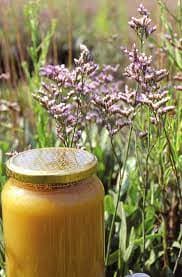
    Honey production amounts to approximately 1,500 tonnes per year, making Veneto one of the most productive Italian regions in terms of honey and honey derivatives. Among the most widespread types of honey are tarassaco, chestnut, millefiori, linden and acacia. Some types of honey, such as the 'honey of the Belluno Dolomites', have even been granted protected designation of origin status. Among the delicacies this region has to offer, one cannot fail to include the rare miele di barena, produced in the Venetian lagoon areas from the nectar of the Limonium vulgare or barena flower. Brown in colour, this increasingly difficult-to-obtain honey has an intense flavour and a pleasant taste.
    Adopt a beehive in Veneto

    Bear Beekeeping

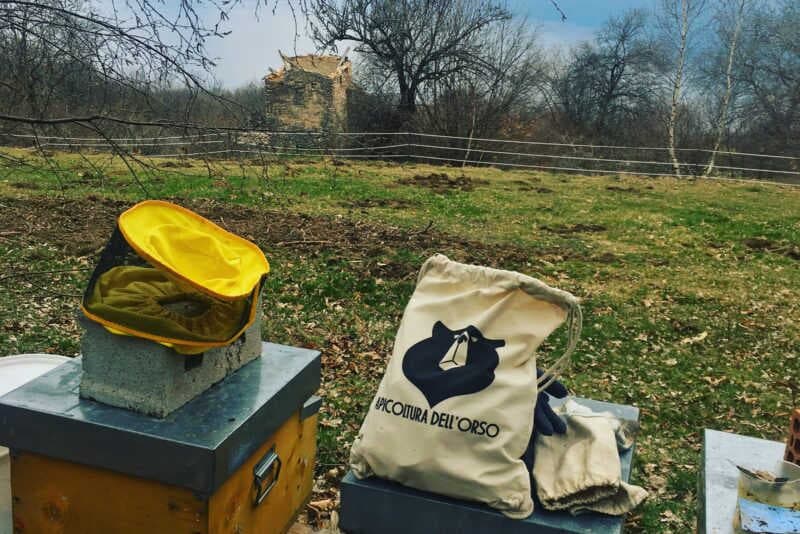
    Francesco and Riccardo were two rugby players who have always loved bees and embarked on this adventure in Verona, setting up the Apicoltura dell'Orso. Riccardo has been involved in beekeeping since his time at the Agricultural Institute, while Francesco comes from the world of marketing and communication, which has become too narrow for him. Their bees are located between Verona, Lake Garda and Monte Baldo. The name of their beekeeping comes from an event that happened in 2019, when a bear, on Mount Baldo, decided to feast on 7 of their hives. Hence, Apicoltura dell'Orso.

    Bear Beekeeping
    XNatura

    La Gioiosa beekeeping

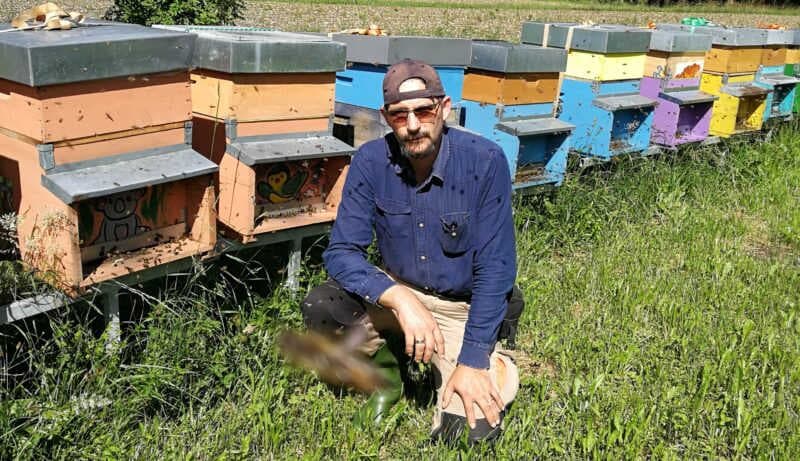
    Apicoltura la Gioiosa is run by Adriano and his wife, but you could say that Adriano has beekeeping in his blood. His grandfather, in fact, was a beekeeper, as was his uncle. After beginning to take care of bees 'in the family', he teamed up with an experienced beekeeper in his area and started taking several courses, including queen breeding. La Gioiosa's bees are located in the province of Belluno, in the Dolomites National Park, and in Tuscany. Adriano practises conventional beekeeping, although he does not use chemical synthesis products, which makes his beekeeping very similar to organic beekeeping. The honeys produced by his bees are taraxacum, acacia, spring and summer millefiori, linden, chestnut and eucalyptus in Tuscany. While Adriano deals mainly with nuclei and queen bees, his wife takes care of the honey extraction process.
    La Gioiosa beekeeping
    3Bee
    11/09/2020Of 3Bee, Elena Fraccaro
    480 Views
    Newsletter
    newsletter
    Subscribe to the Blog about bees and biodiversity