Adopt a Beehive in Apulia
    3Bee approachBees in ApuliaActivitiesAlveus

    Adopt a Beehive in Apulia

    Adopting a beehive in Apulia allows you to support a local reality, but also to discover the great variety of production that our Belpaese has in store for us. In Italy, in fact, around 50 different types of honey are produced, some better known, others rarer and more difficult to produce.

    Read the article
    02/10/2020Of 3Bee, Elena Fraccaro
    361 Views
    02/10/2020Of 3Bee, Elena Fraccaro
    361 Views

    3Bee's approach to biodiversity protection
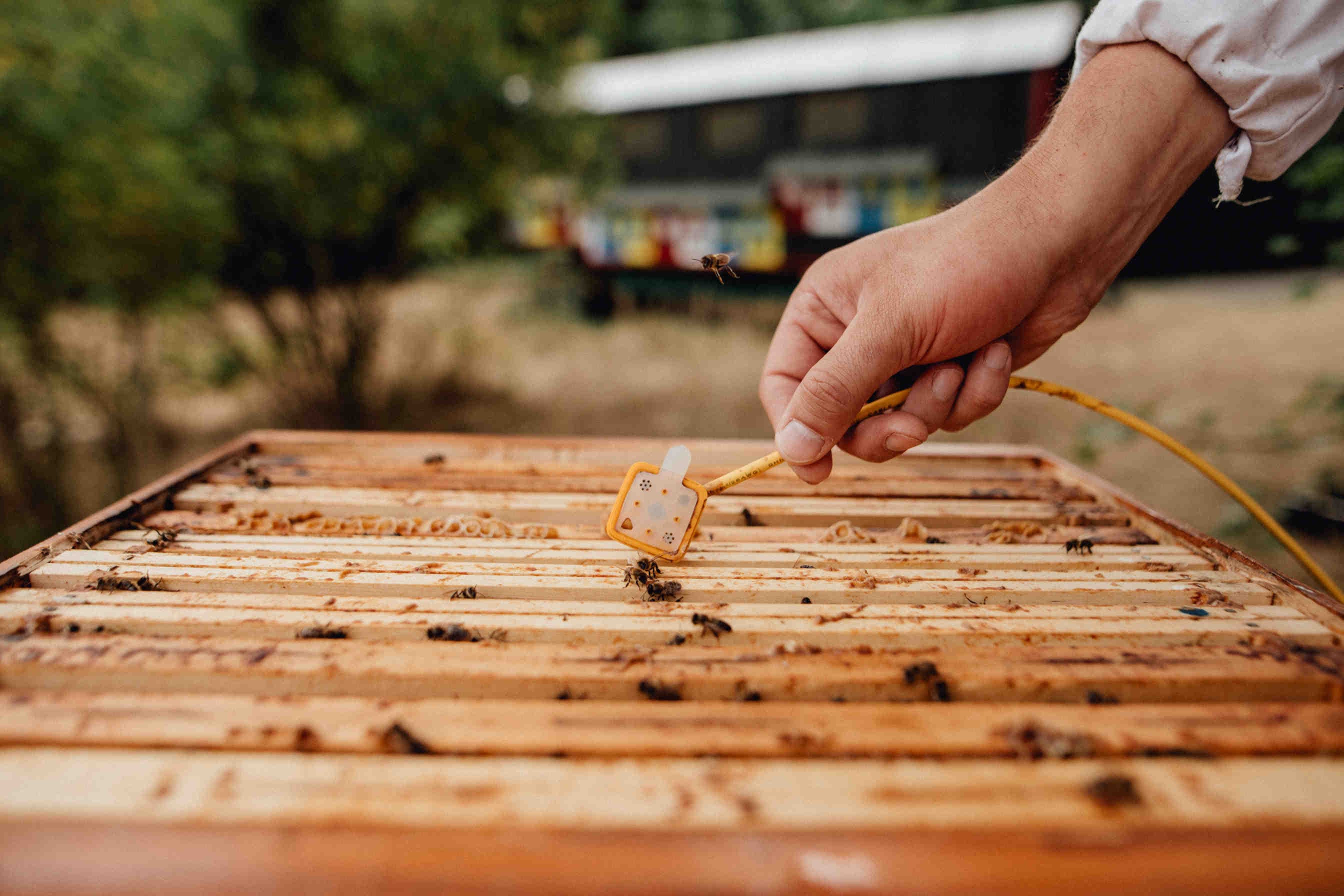
    3Bee is the Nature Tech company that develops technologies for the protection of biodiversity. 3Bee Hive-Tech is 3Bee's first system for analysing the health and 'starvation' status of honeybees, environmental protectors par excellence. Over time, we have developed other technologies to study and monitor all the pollinating insects and created more than 200 Oases of Biodiversity with thousands of nectariferous plants to provide them with nourishment. In this way, we want to create a virtuous circle: our beekeepers are transformed by necessity into Oasis growers and promoters of environmental biodiversity. We do not encourage massive production and intensive breeding, which have a negative impact on biodiversity and pollinators. We do, however, recognise the value of honey as a valuable symbol of the biodiversity of an environment and a tool for disseminating the commitment and protection of an area, to be consumed sparingly and with respect for the life cycle of these insects.

    3Bee Hive-Tech

    Beekeeping in Apulia

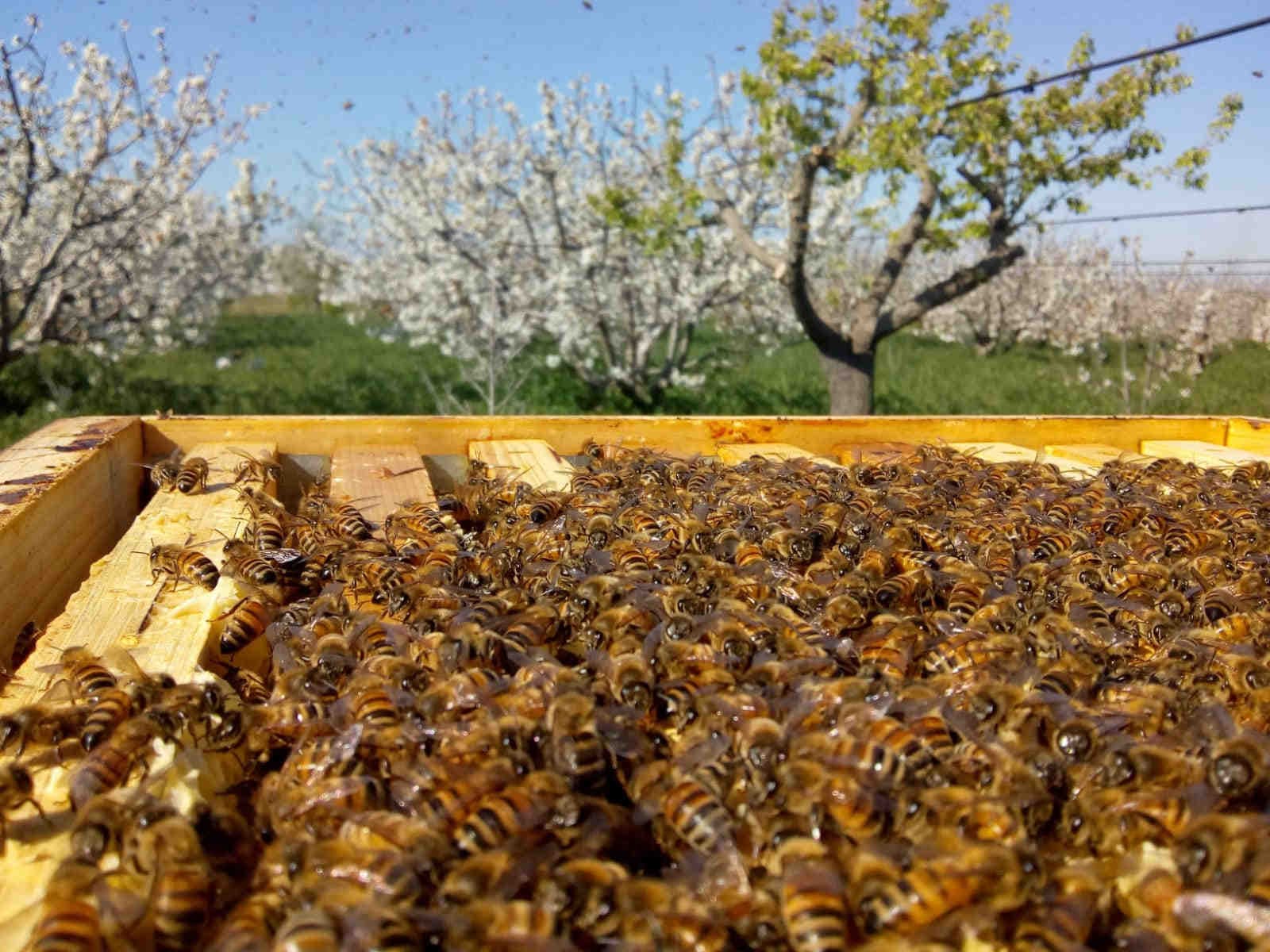
    Apiculture in Apulia has a very long history, dating back as far as the Greek-Roman era, when the region was particularly well known for the quality of its honeys, especially thyme and rosemary. The centuries between the 16th and 17th centuries were a golden age. Unfortunately, from the 19th century there was a slight decline in the activity, which became concentrated in certain areas. Since then, when rustic bees were still being used, Apulian beekeeping has flourished again. Today, in fact, there are more and more companies interested in the revaluation of the territory through the promotion of beehive products. The Apulian vegetation is in fact rich and varied. We find citrus fruits, cherry trees, but also all the flowers of the Mediterranean machinery and arable plants.

    Beekeeping in Apulia
    XNatura

    Beekeeping activities in Apulia

    In Apulia there are as many as 1069 activities that manage almost 32,000 hives and 12,777 swarms. The majority of beekeeping operations are for self-consumption, while only 366 are focused on marketing. Of these, about 16% of apiaries are managed according to organic standards. The areas with the highest density of hives are the provinces of Taranto and Lecce. The total regional density is 0.13 apiaries per square kilometre. The types of honey produced in the region are varied and some are particularly prized. The rarest include almond honey, whose average is 2 kg per case. Citrus honey is also particularly interesting because in some areas it is mainly produced from clementines. Then there is cherry, rosemary, thyme, cornflower, sulla, eucalyptus, coriander, clover and, of course, millefiori honey, which gathers within it all the flavour of the Mediterranean maquis.

    Beekeeping activities in Apulia

    Apicoltura Alveus

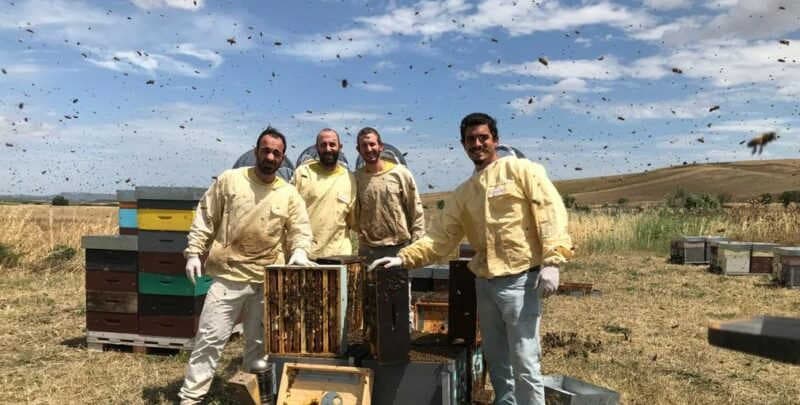
    Giuseppe Masciulli founded his beekeeping company, Alveus, in the Murgia Taranto area in 2007, when he started with a family-run business. Today they have 600 hives and a few more helpers. The company has always followed organic standards in managing its hives. By conducting nomadic beekeeping, they manage to chase the blooms, not only to be able to obtain different types of honey, but also to allow the bees to obtain nourishment without human intervention. In lucky years, this allows Giuseppe to produce up to 9 different types of honey, including spring wildflower, citrus, sulla, acacia, coriander, chestnut, eucalyptus and yellow cornflower.
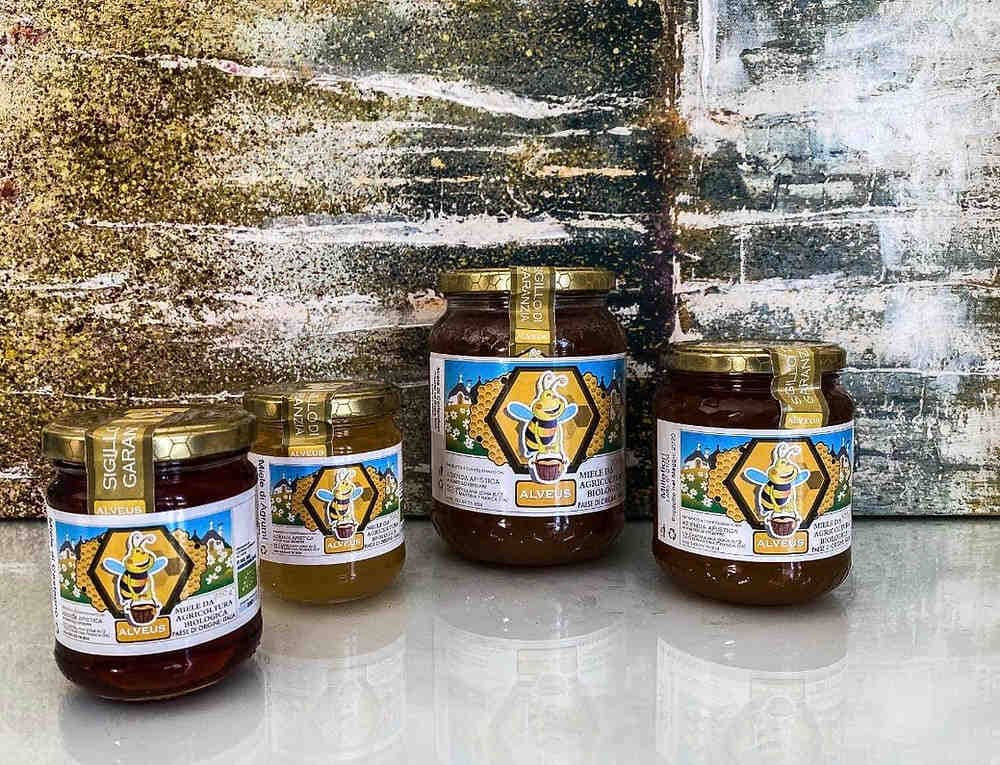
    Apicoltura Alveus
    XNatura
    02/10/2020Of 3Bee, Elena Fraccaro
    361 Views
    Newsletter
    newsletter
    Subscribe to the Blog about bees and biodiversity