Acoustic camouflage as a defence against bats
    BatsEvolutionUltrasoundBeetle

    Acoustic camouflage as a defence against bats

    Bats use echolocation to orient themselves during hunting by emitting sounds and analysing the resulting echo. To escape them, many insects have developed various defence techniques, including the ability to emit 'anti-bat' sounds capable of scaring them off. Let's see why.

    Read the article
    21/07/2024Of 3Bee, Alessia Mircoli
    1109 Views
    21/07/2024Of 3Bee, Alessia Mircoli
    1109 Views

    What is ecolocalisation?

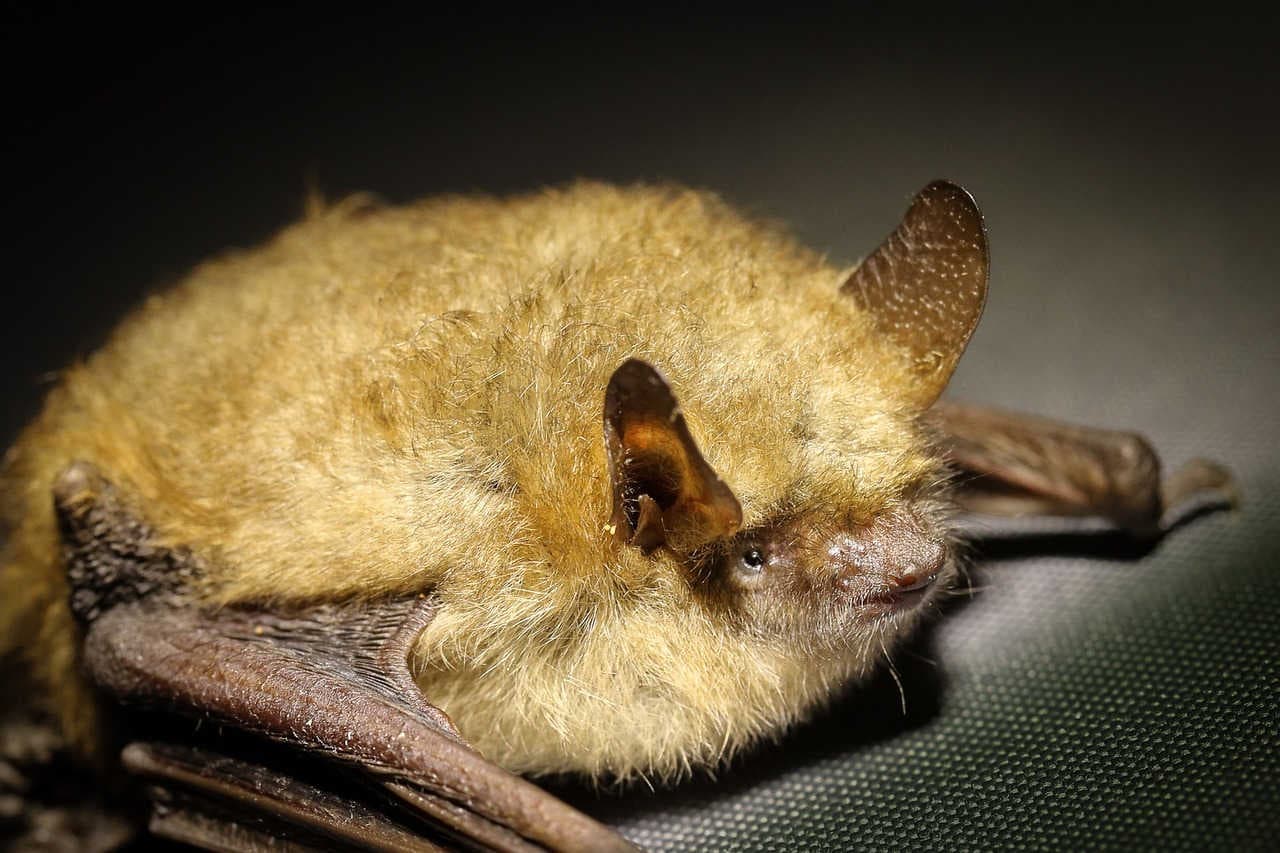
    As mentioned earlier, most bats rely on ecolocation to prey and move in the dark. They emit more or less high-pitched sounds that are propagated in the air in the form of waves. These, when they reach an object or prey, are reflected back to the bat providing information on the distance and size of that object. At this point, the animal, by means of an auditory receiving system, is able to understand the space around it and orient itself. Most of the sounds emitted by bats are not audible to humans and are emitted by the contraction of the muscles of the larynx. However, humans are not the only ones unable to pick up such high frequencies. There are, in fact, also many bats that do not realise they have been 'intercepted', which is why echolocation is an extremely effective predatory technique.
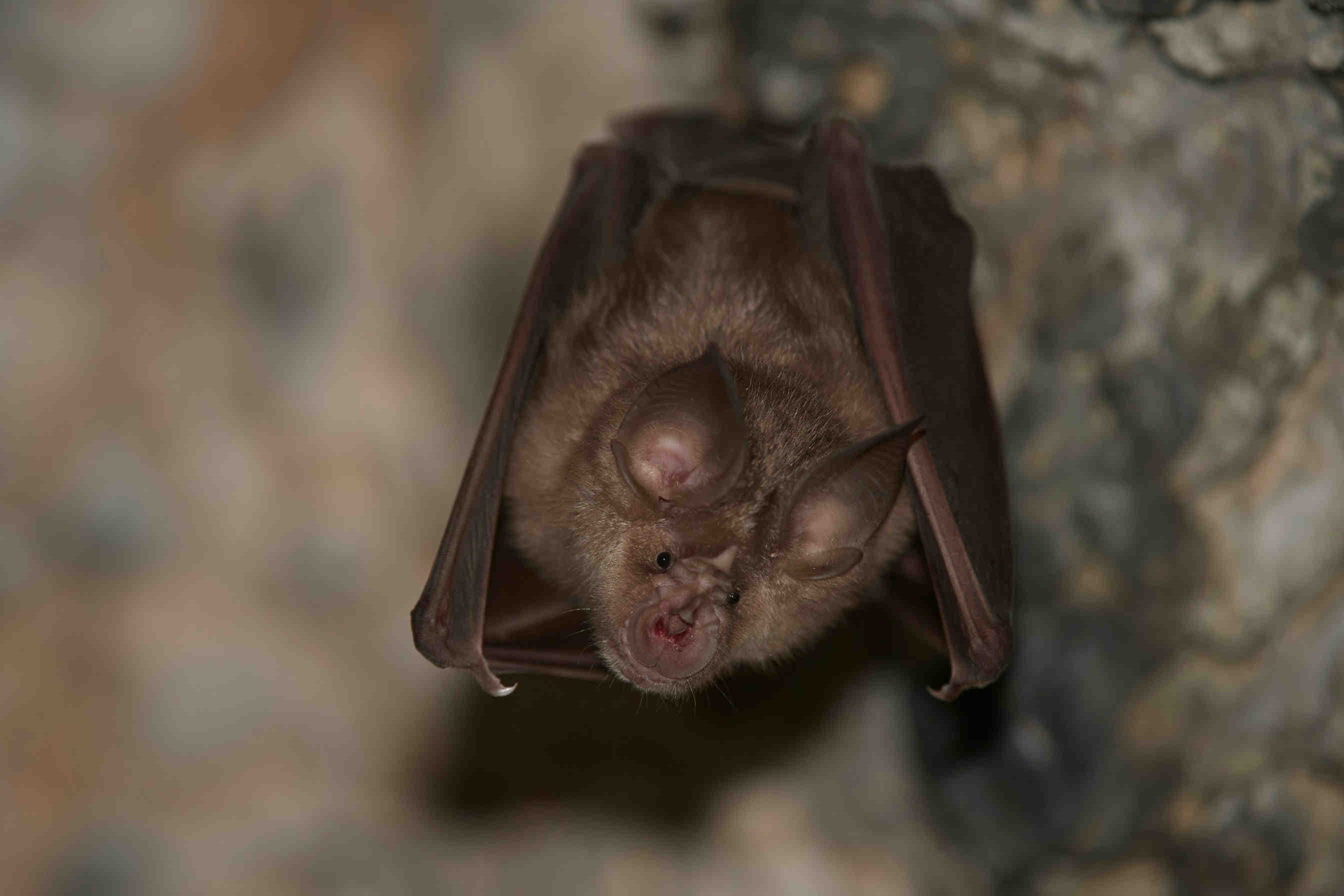
    pipistrello

    In what context did ecolocalisation evolve?

    We are talking about an extremely special phenomenon that probably originated as a perceptual system to be used in environments with very little or no light. In such conditions, sight is practically useless, so echolocation may have evolved as an alternative system that made it possible to orient oneself even in contexts where it was impossible, or at least extremely difficult, to rely on sight. Such environments could be caves or water environments that are particularly turbid.

    grotta
    XNatura

    Why were ultrasounds selected?

    Almost all species that produce sound do so at a very high frequency. This is because sound waves, when colliding with objects, are only reflected if the objects are larger than the length of the wave. The frequency and the length of the wave are inversely proportional, so if the frequency is high, the length of the wave is low. This makes it possible to detect very small objects that would not reflect sound waves with longer wavelengths well. ultrasounds, which are very high frequency sounds, were selected during evolution because they provide a good image quality in their surroundings. If sound waves at lower frequencies were used, the image would be less detailed.
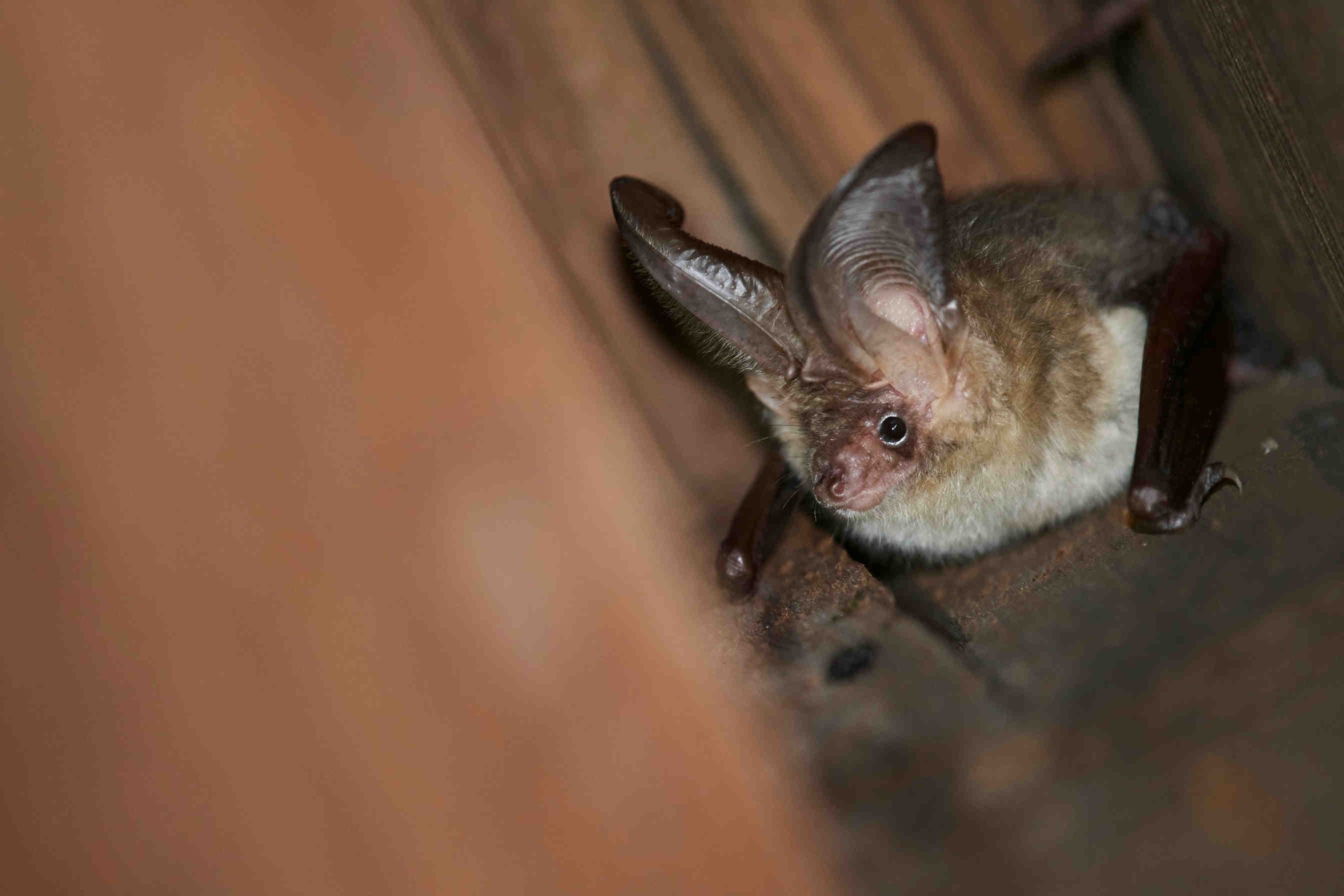
    Pipistrello

    The mysterious tactics of the tiger beetle

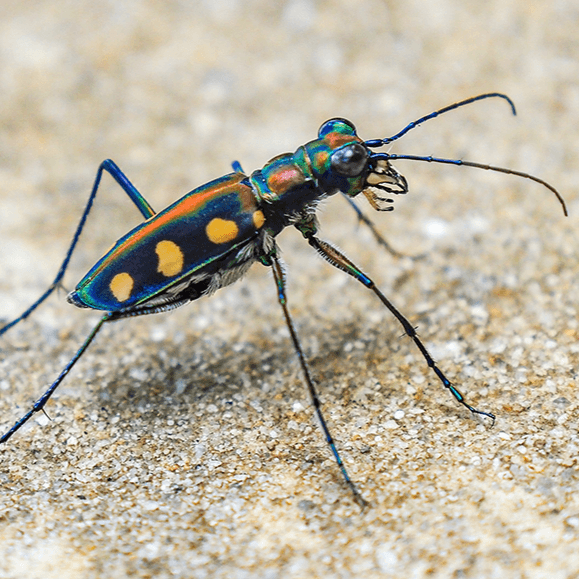
    Like any hunting strategy, that of bats is not infallible. The insects on which they feed have, in fact, over time developed various defence tactics to avoid being preyed upon. One of these involves the improvement of their auditory system to detect the ultrasound emitted by bats, allowing them to react in time and escape the attack. In particular, scientists have identified at least six orders of insects, including phalenes, beetles, crickets and grasshoppers, which have evolved auditory organs capable of detecting ultrasound. However, tiger beetles are distinguished by an even more sophisticated tactic. When they sense the presence of a bat nearby, they emit their own ultrasonic signal. This behaviour has been observed in the last 30 years, but the reason for this response still remains a mystery for scholars.
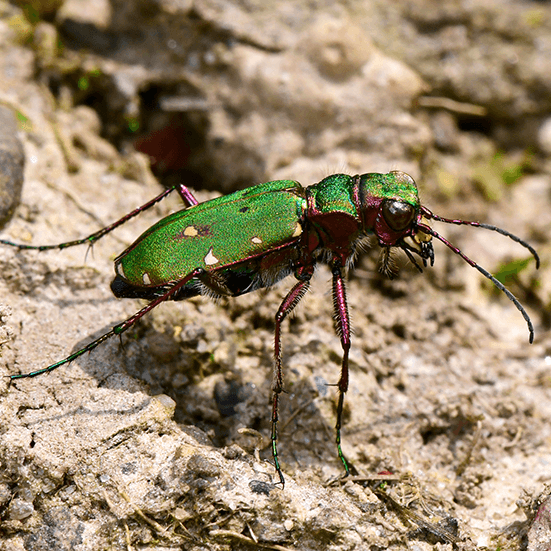
    coleottero tigre
    XNatura

    Ultrasound as a defence tool

    This was confirmed by a team of researchers who spent two summers in the deserts of southern Arizona. Here they collected and studied 20 different species of tiger beetle. Their study revealed that seven species are capable of emitting ultrasounds in response to those produced by bats. It must be said, however, that these beetles are not the only ones to perform this stratagem. There are, in fact, many moths that produce ultrasounds to warn bats of their nocivity or to disturb their sonar by producing several clicks (i.e. ultrasonic pulses) in quick and close succession. Initially, it was thought that tiger beetles, just like some species of moths, because they produce benzaldehyde and cyanidic acid as defensive chemicals, use ultrasound to warn bats that they are harmful. However, there was no certainty of this.
    coleottero
    3Bee

    The moment of truth

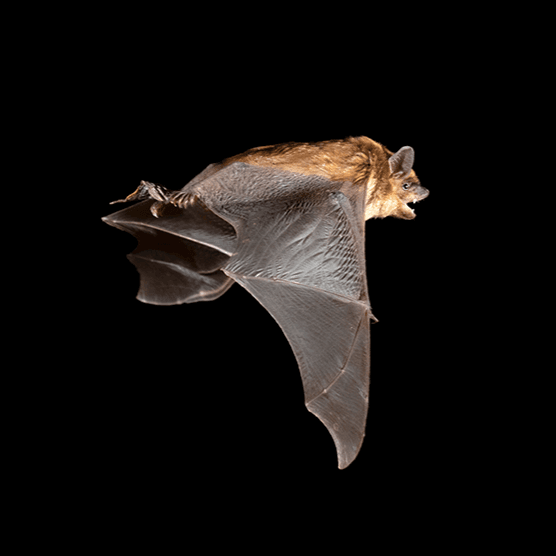
    To test this theory, the team of researchers fed 94 beetles to specimens of brown serotine (Eptesicus fuscus), a species of bat that feeds on a wide range of insects, but much prefers beetles. The result was surprising: 90 beetles were completely eaten, two only partially consumed, while only two were rejected. This suggests that the beetles' chemical defences have little effect in deterring the bats. So why do these insects produce ultrasound?
    pipistrello

    Imitation is the best solution

    Another hypothesis to be tested was that of ultrasound production as a signal of false harmfulness. There are non-edible moths capable of emitting ultrasounds to warn bats of their presence and harmfulness. There are also species that produce 'anti-bat' ultrasounds even though they are palatable. According to scholars, such species reproduce the ultrasound emitted by actually noxious phalenes in the hope of deceiving bats and avoiding their attacks. The question, then, is: could tiger beetles do something similar?
    pipistrello

    The study

    To answer the question, the team of researchers compared the recordings of ultrasound emitted by tiger beetles with those of the tiger moth, a species that is actually harmful to bats. The results were nothing short of astounding: the ultrasonic signals of the two species were clearly overlapping, a result that clearly demonstrates that these insects have chosen 'ultrasonic imitation' as their strategy. This phenomenon, however, seems to be limited to beetle species that are active at night. There are, in fact, at least 2000 diurnal species that are not hunted by bats; 12 of which were included in the study and did not react at all to the bats' ultrasound recordings.

    Studio

    The secrets of night sky acoustics

    According to the researchers, there may be numerous as yet unknown examples of ultrasonic mimicry, as the acoustics of the night sky have been poorly studied. They claim that this phenomenon may not be limited to beetles and moths only, but involve many other nocturnal insects, although there is still no certainty about this due to the lack of dedicated studies. Furthermore, it is important to emphasise that to fully understand these phenomena, it is necessary to act as early as possible, as similar ecological interactions may soon be disrupted. Acoustic mimicry, in fact, requires a silent night environment to 'work' properly, but the impacts of human activity, such as noise and light pollution, are already altering both the appearance and sounds of the night sky.

    notte

    The extraordinary versatility of nature

    Nature never ceases to amaze us with its wonders and its creative solutions for survival. The acoustic mimicry of insects is just one of the endless examples of ingenious adaptations developed in the course of evolution. This extraordinary dance between prey and predator, fought in the silence of the night, reminds us how complex and delicate the ecological balances around us are. Each discovery invites us to reflect on how crucial it is to preserve natural environments, for in them resides a biodiversity rich in learning and beauty, as well as thousands of ecological adaptations and connections. Protecting nature also means safeguarding the mystery and wonder that it brings, always reminding us that nothing that exists is taken for granted.

    natura
    21/07/2024Of 3Bee, Alessia Mircoli
    1109 Views
    Newsletter
    newsletter
    Subscribe to the Blog about bees and biodiversity

    Frequently Asked Questions

    Do you have any doubts or other curiosities about this article? Here you will find some insights