Why do we need a biodiversity strategy?
The World Economic Forum's Report on Global Risks leaves no room for doubt: the loss of biodiversity and the degradation of ecosystems is one of the biggest
With the Biodiversity Strategy 2030, the EU is committed to
The World Economic Forum's Report on Global Risks leaves no room for doubt: the loss of biodiversity and the degradation of ecosystems is one of the biggest
The EU Biodiversity Strategy is a strategic plan with global targets and specific initiatives to protect nature and reverse ecosystem degradation, all by 2030. The Strategy is one of the cornerstones of the European Green Deal, the plan adopted by the European Commission in 2019 that contains specific provisions to set the EU on a path towards climate neutrality (target to be reached by 2050). Among the 14 key goals of the 2030 Strategy, all of which are specific and rather ambitious, are: - Curb the decline of pollinators; - Reduce the risk and use of pesticides by 50%; - Reduce the number of threatened species by 50%; - Turn at least 30 per cent of European lands and seas into protected areas. These targets were then broken down into more than 100 actions that all member states have committed to implement. To date, 34 actions have been completed, 68 are ongoing
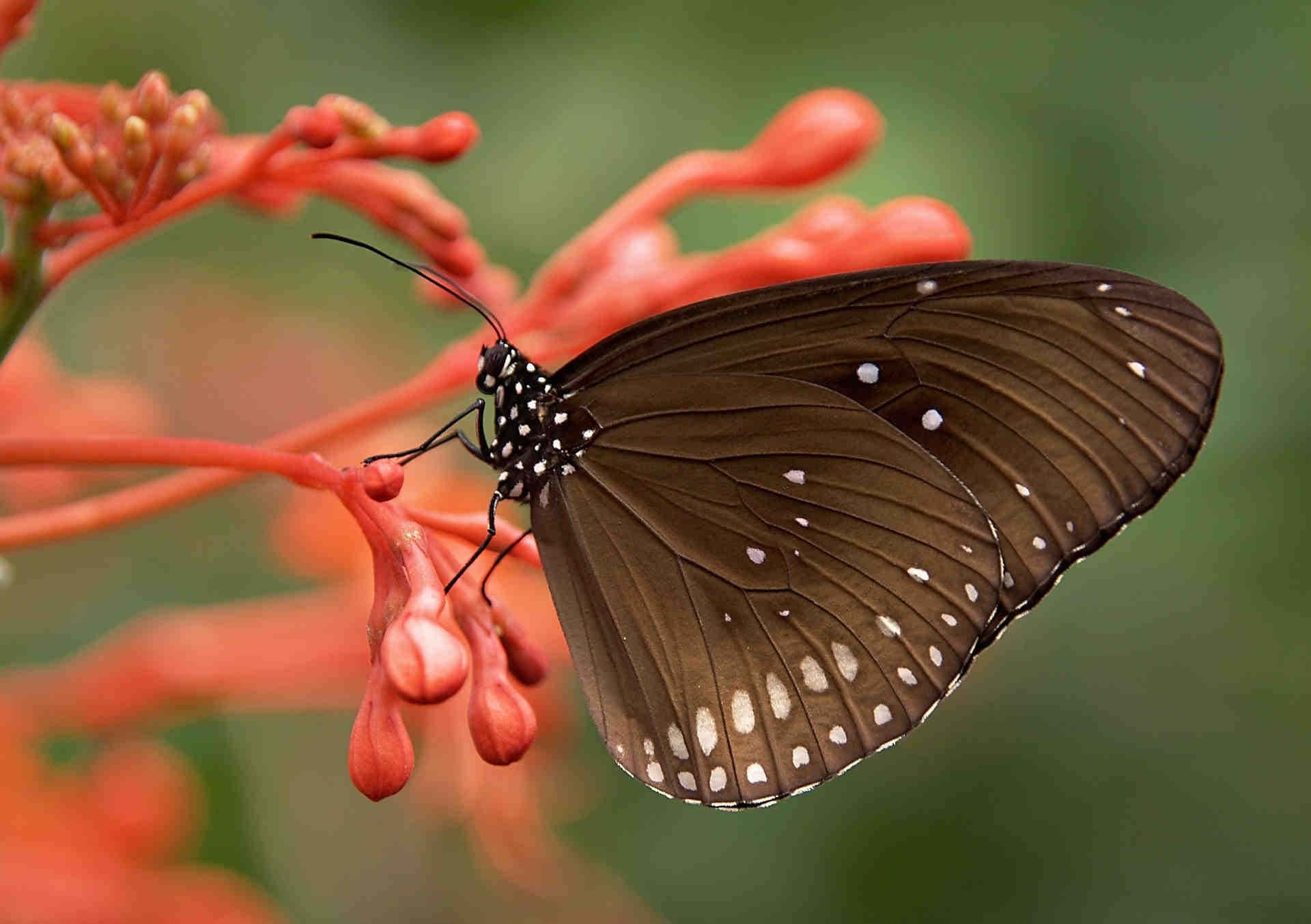

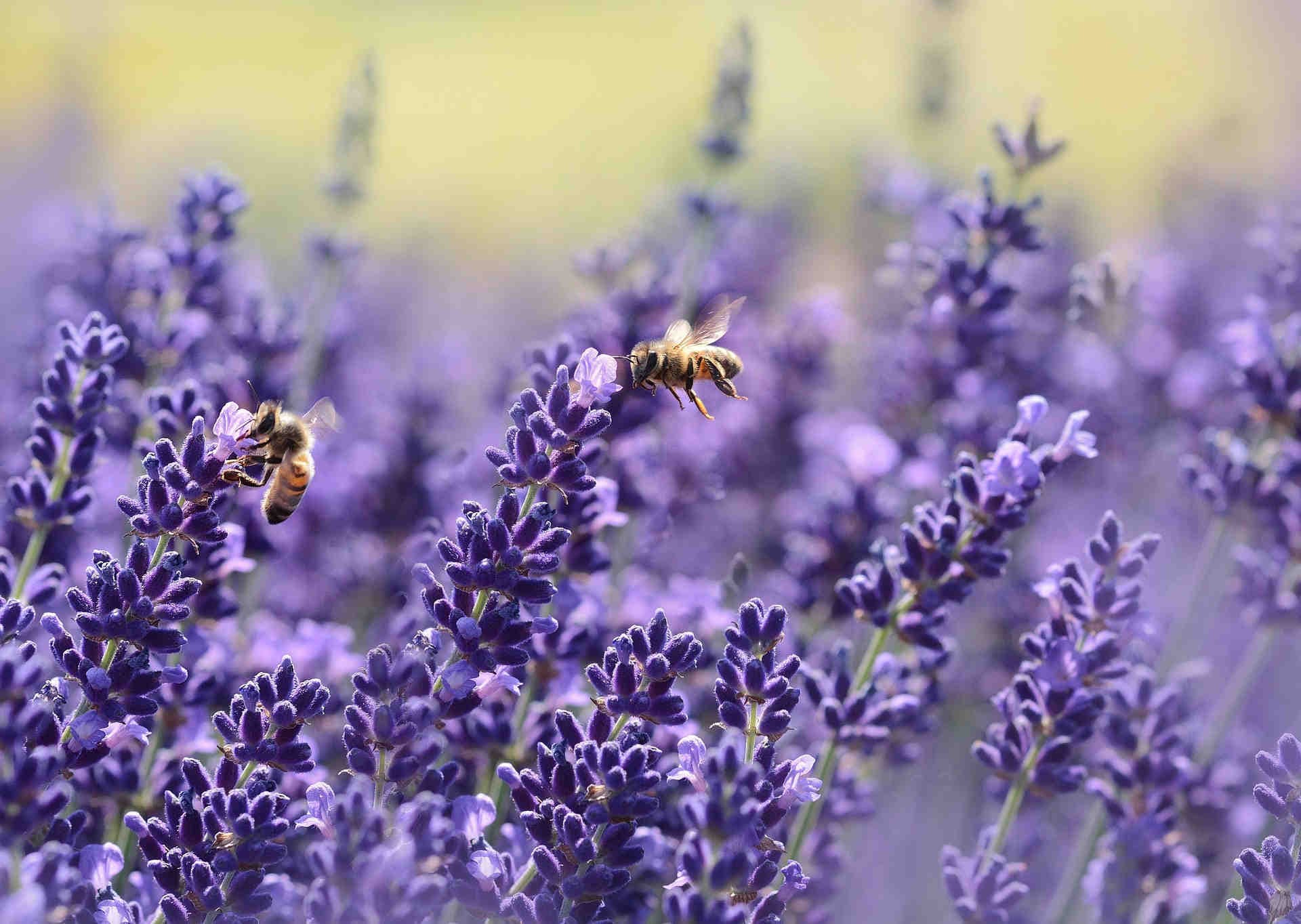
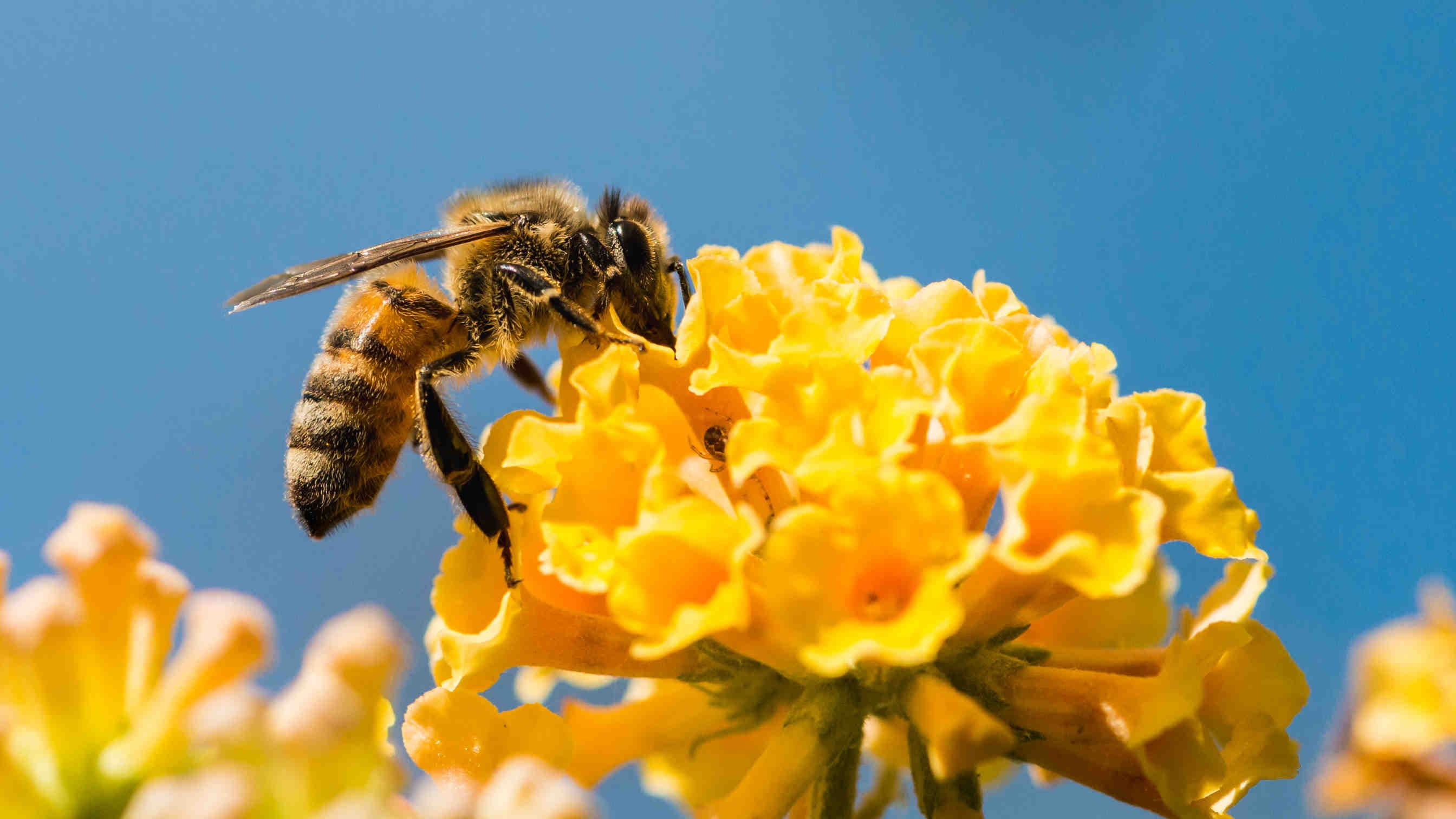
Domestic and wild bees, bumblebees, butterflies and flies are some of the pollinating insects vital to the survival of 90% of wild plants and 70% of food crops. The continued disappearance of pollinators due to habitat loss, the use of plant protection products and the invasion of non-native species is a trend that will increase if we do not act now. Suffice it to say that the bee population in the EU has declined by 25% since 1995. The Strategy, expanding on the EU's 2018 Pollinator Initiative , includes specific actions to protect pollinators and reverse their alarming decline. It stipulates and requires, among other things, that at least 10 per cent of the utilised agricultural area be returned to landscape features with high biological diversity (or biodiversity), that at least 25 per cent of the agricultural area be devoted to organic farming, and that the resilience of forests be protected and increased.
To protect biodiversity, forests must also be cared for.
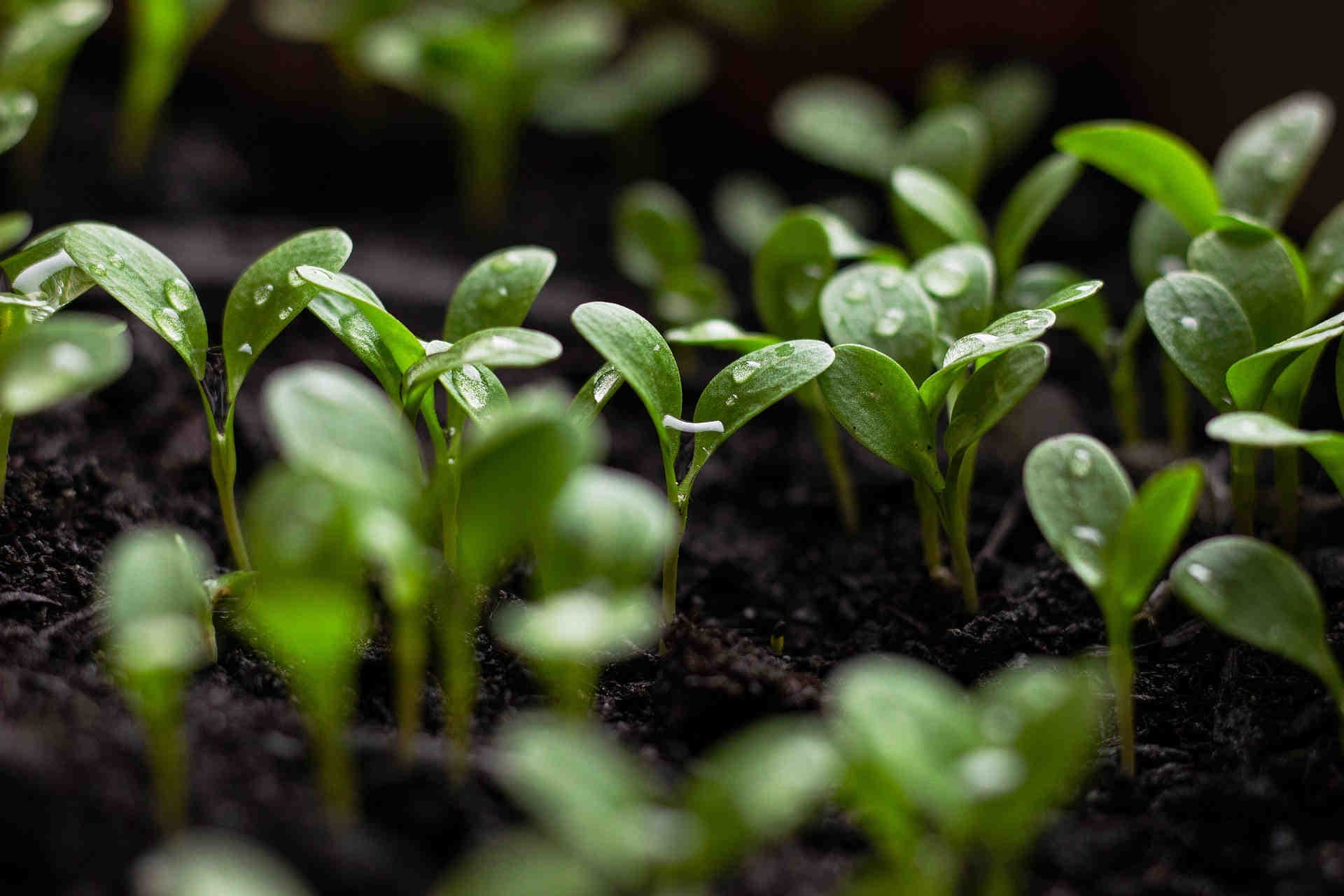

Protecting and regenerating biodiversity has always been 3Bee's mission. Thanks to our new 'Adopt a Tree' project, you can plant nectar trees, monitor them via ESA satellites and monitor them with 3Bee technology. By adopting a nectar tree, you will help