10 Debunked Stereotypes About Insects
    BeesMantisEarwigButterfly wings

    10 Debunked Stereotypes About Insects

    Among the vast information about insects lurk various stereotypes that shape our beliefs, be they positive or negative. Below is a list of debunked stereotypes to start 2025 by discovering the colorful world of insects, free from constraints and myths.

    Read the article
    22/01/2025Of 3Bee, Anna Beretta
    514 Views
    22/01/2025Of 3Bee, Anna Beretta
    514 Views

    Bees die when they sting

    Disclaimer: this is an automated translation from Italian. Go to the original article.

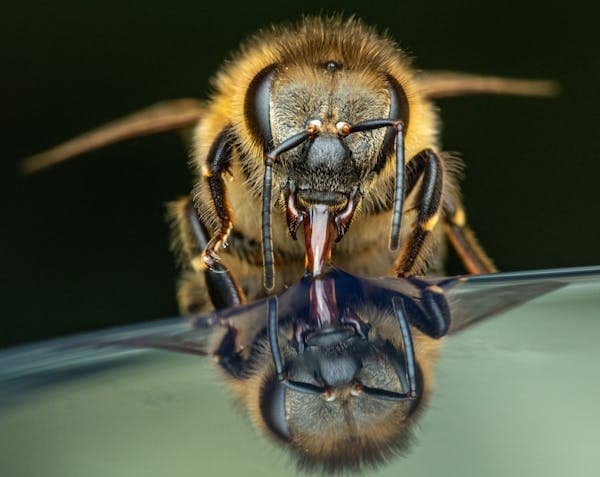
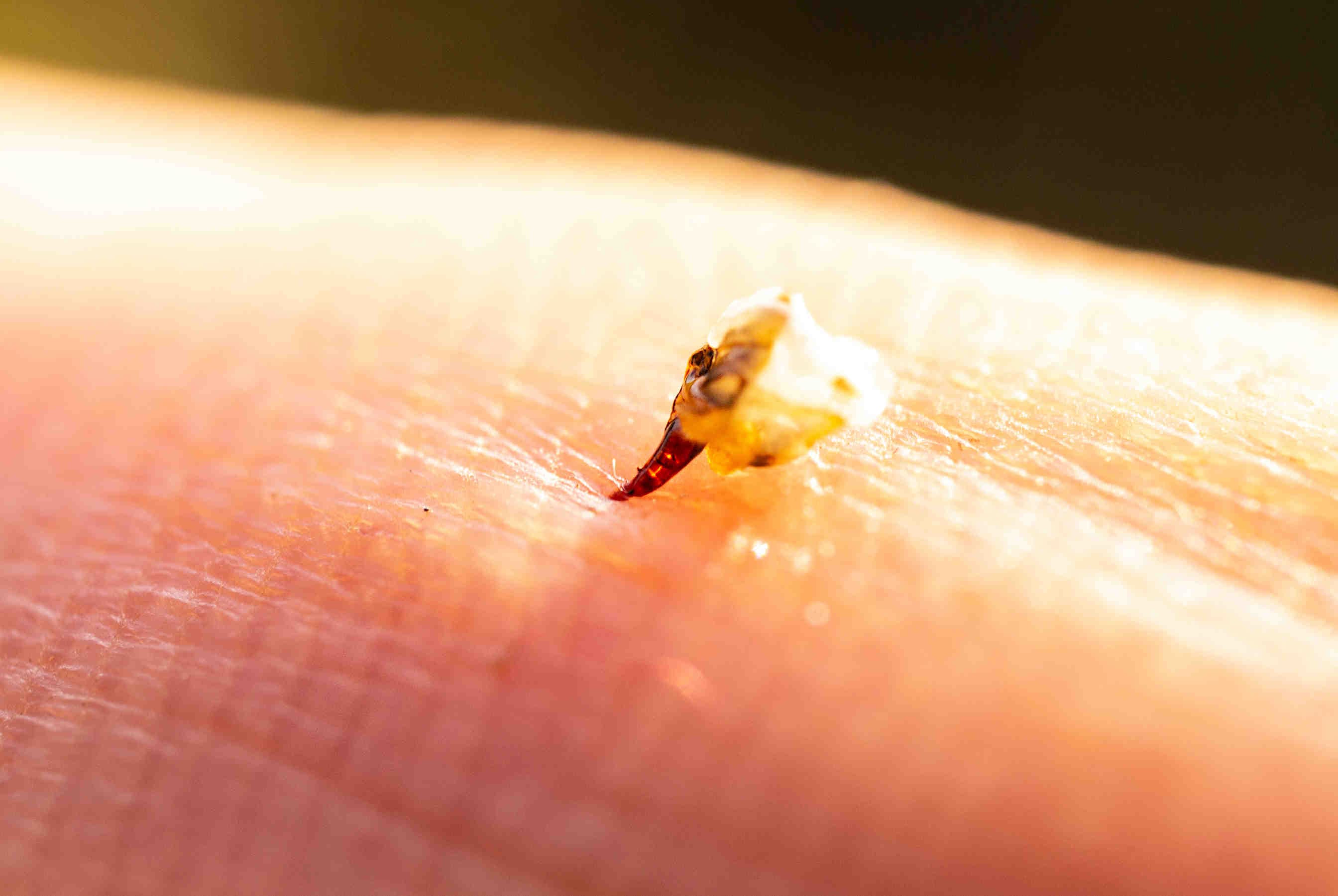
    It would be more accurate to say that worker bees of the genus Apis, as in the case of Apis mellifera, die after stinging a mammal. The fatal destiny of these insects depends on the structure of their sting, equipped with tiny barbs, which remains embedded in the skin of the unfortunate human being attacked. This prevents the bee from extracting the sting and causes an abdominal tearing that leads to death. However, this fatality depends on the structure of the stung surface and does not occur when, instead of thick and tough human skin, or that of any other mammal, the cuticle of another insect, an arthropod, or any other soft or thin surface is encountered. It should be added that the queen of Apis mellifera, as well as all other species of bees, both wild and

    pungiglione_apis_mellifera

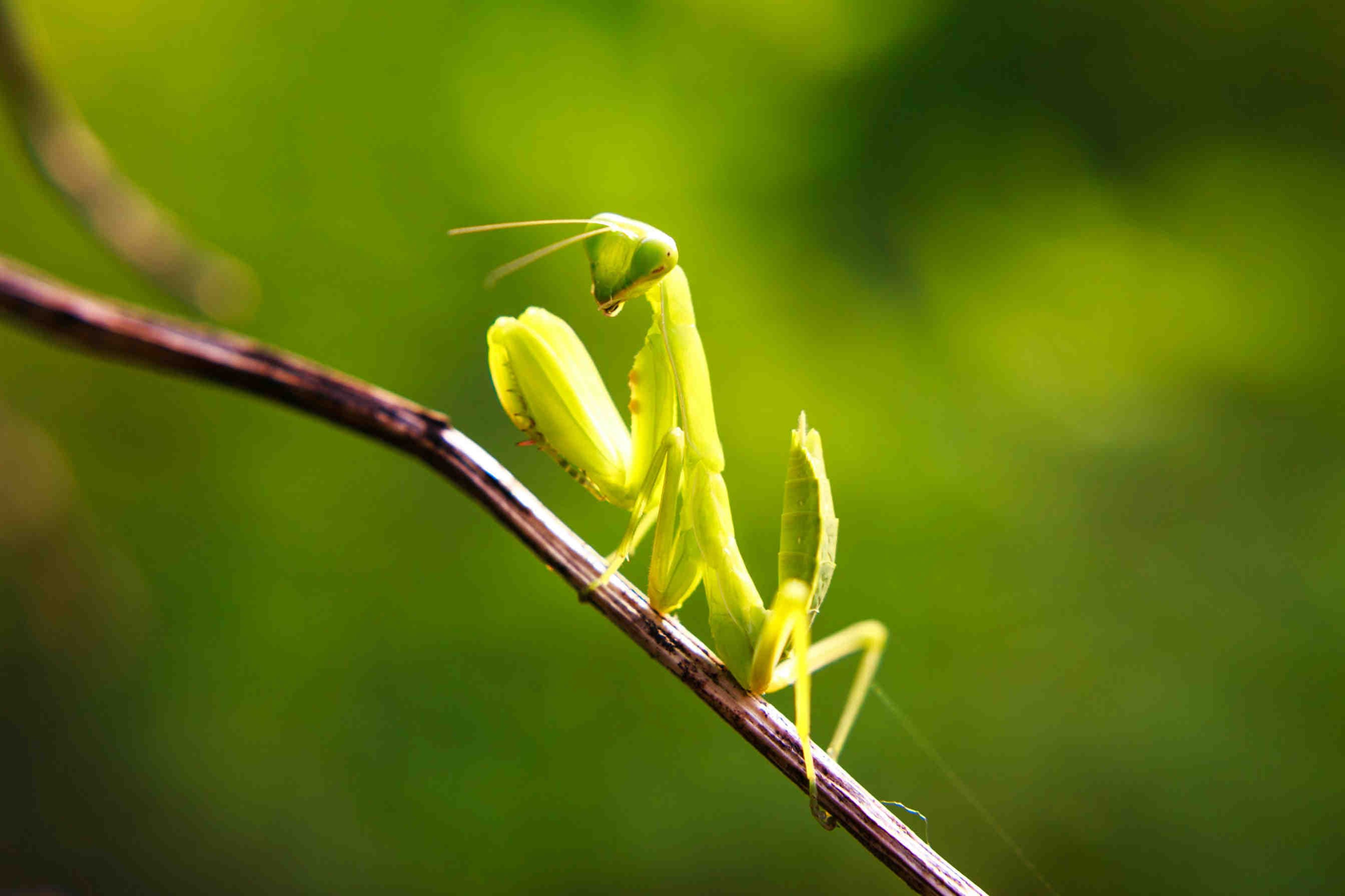
    Praying mantis: obligatory killer bride

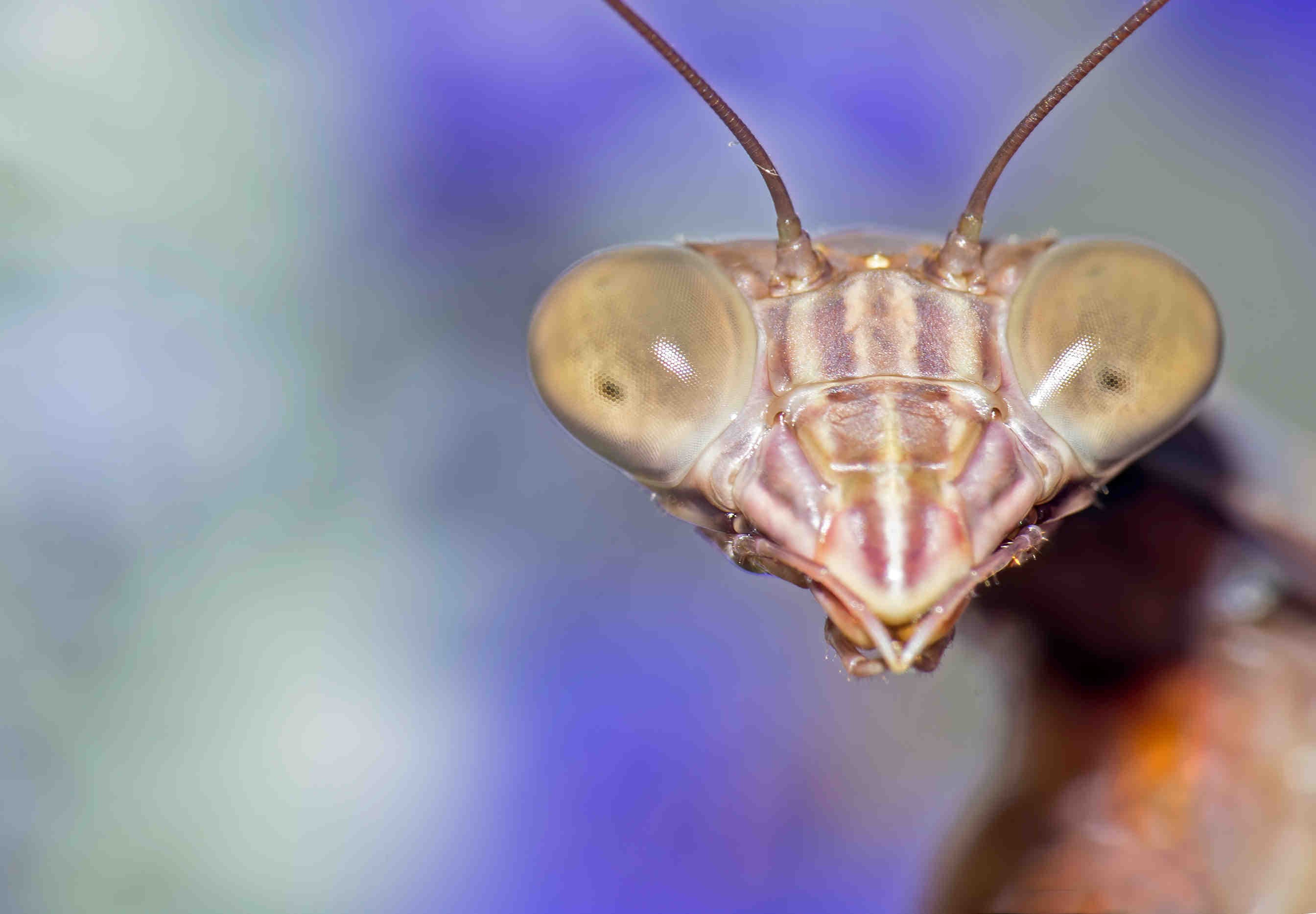
    It is believed that female mantises feed on their unsuspecting sexual partner immediately after mating (sometimes even during). But the reality is different. There are no mantis species that require obligatory cannibalism for mating, and this phenomenon occurs only in about 30% of cases, depending on various factors including species, season, and food availability. The latter seems to be a crucial factor as the female tends to cannibalize her partner when she is hungry, not by default. Furthermore, although it has been observed that females that eat their partners produce more eggs than those that do not, it is not clear whether this is due to having eaten lavishly or to having feasted specifically on a juicy conspecific male. Regarding the mantis males' unawareness, data contradict this: the male's approach to the female can range from decidedly cautious to combative, leading the male to fight to defend himself.

    mantide_2
    XNatura

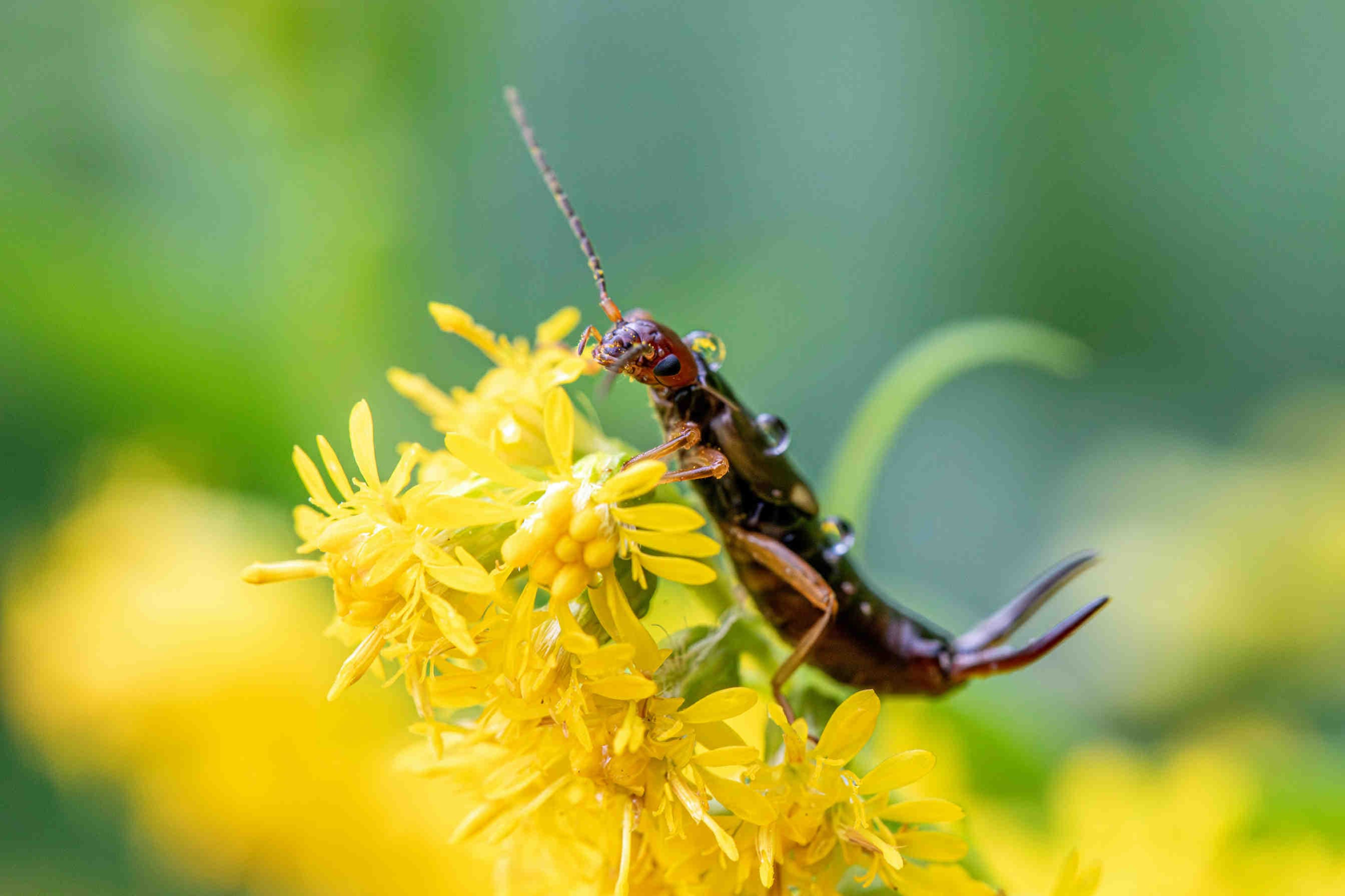
    The terrible pincers of the earwig

    Forficula auricularia, better known as earwig, is known for being aggressive and for pinching its enemies, causing intense pain. Nothing could be further from the truth. The earwig's cerci, the forceps-shaped abdominal appendages that gave it its name, are indeed used for defensive purposes, but with restraint and certainly without causing either strong pain or injecting venom or toxins. Furthermore, the earwig, despite its threatening appearance, can be considered a gentle loving mother that takes care of her young, watching over the eggs until they hatch and staying with the newborn nymphs for up to two months.

    forficula_3

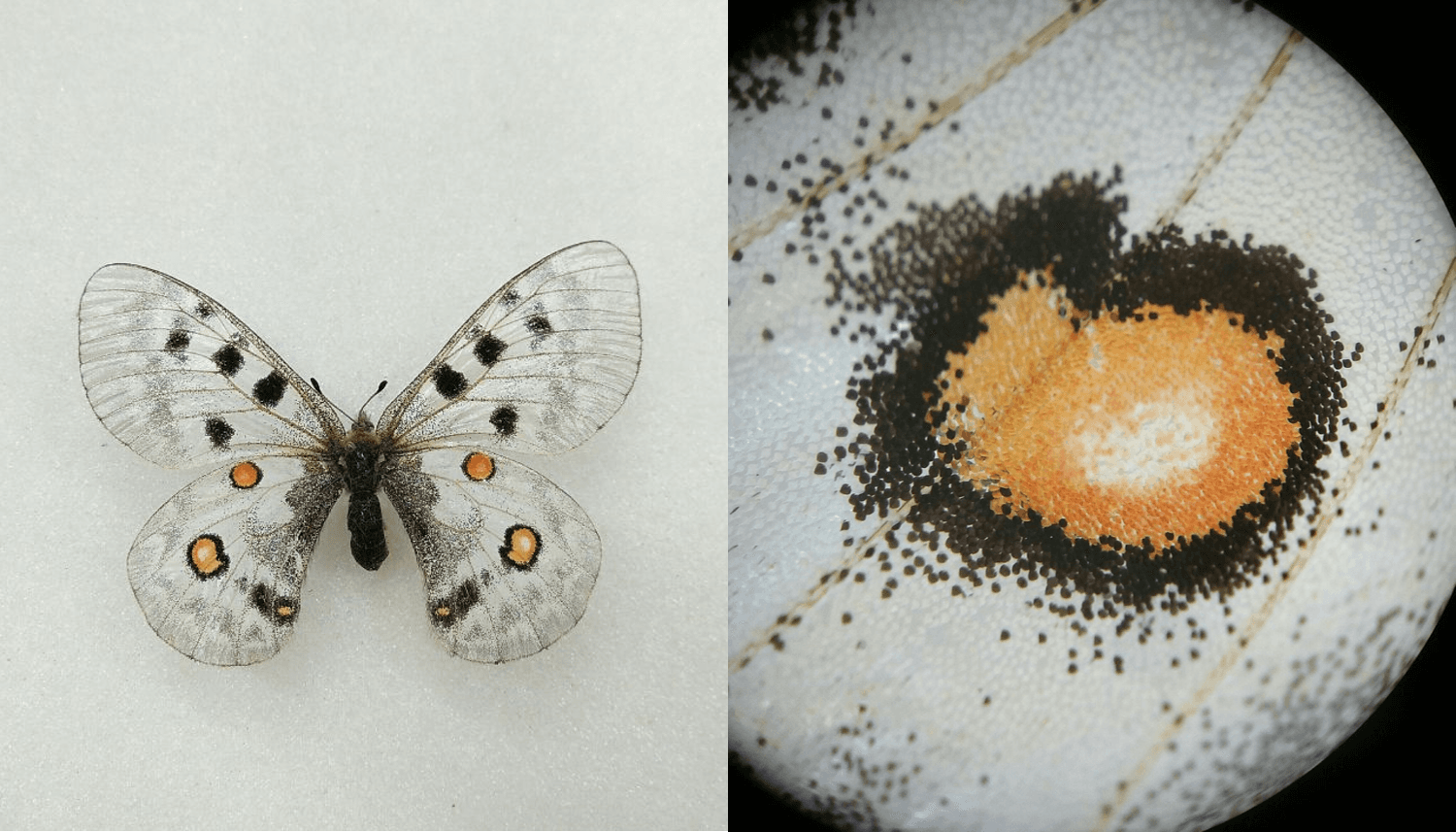
    The powder on butterfly wings allows them to fly

    There is a widespread belief that butterflies fly thanks to the powder they carry on their wings. However, in reality, this is not the case. The “powder” on butterfly wings consists of tiny scales, modified bristles, which cover the membranous structure of the wings and form, like a mosaic, the colorful and vibrant patterns that make these insects well-known and allow them to communicate, mate, and camouflage. And it is precisely the presence of these scales that gives the name to the order to which butterflies and moths belong: “Lepidoptera” from ancient Greek, meaning with wings (pteros) equipped with scales (lepidos). However, it is the membranous structure of the wing, not the scales that cover it, that allows butterflies to take off and sustain flight. Therefore, the loss of scales does not affect the flight of these insects unless the structure of the wing is damaged, which can occur in case of handling.

    Parnassius_apollo_scaglie
    XNatura

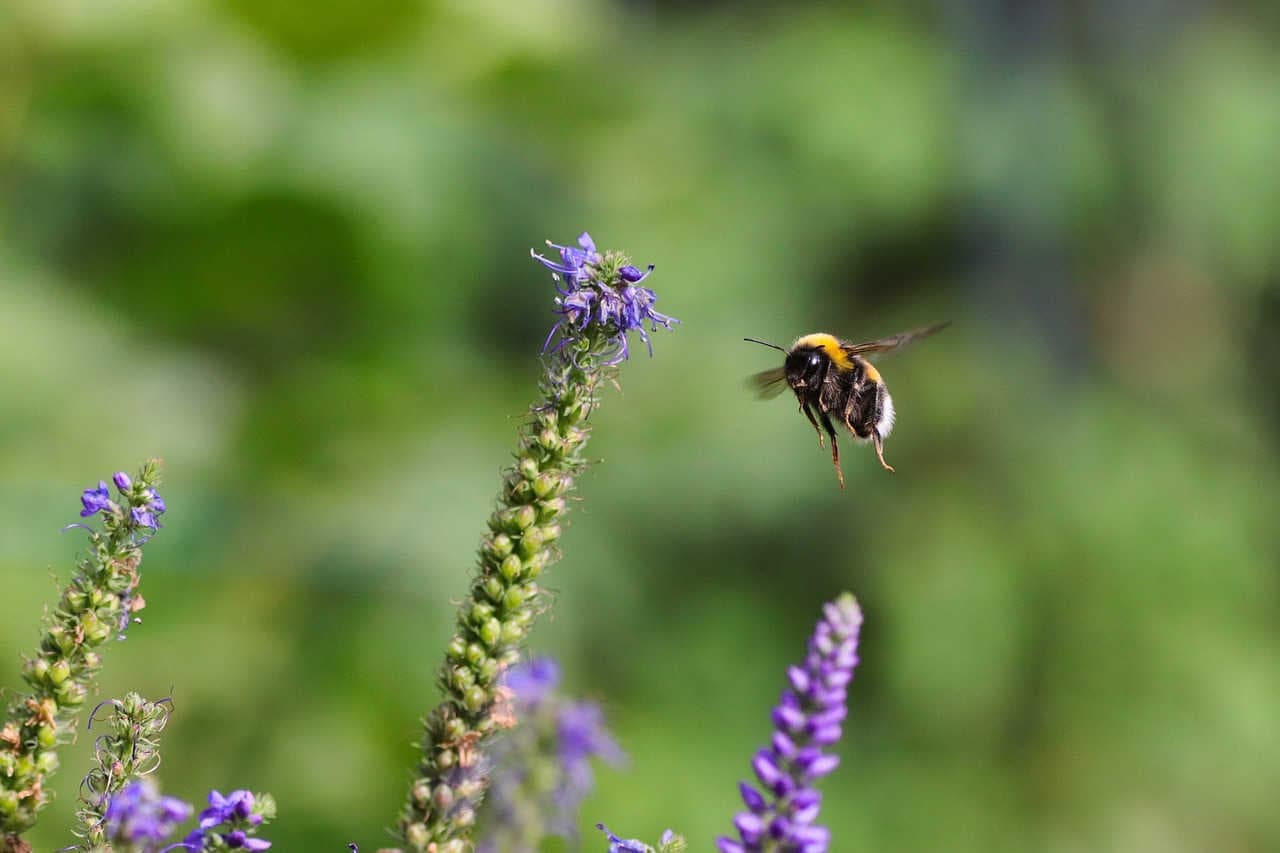
    The bumblebee cannot fly, but it does not know and flies anyway

    A textbook hoax that has been debunked for decades but continues to be an evergreen. Over time, the bumblebee has even been replaced by the hornet, a completely different animal, and the quote attributed to Einstein. However, it seems that according to Antoine Magnan (1934), a French zoologist and aeronautical engineer, the significant weight of the bumblebee and its anything but aerodynamic shape, relative to its wing area, did not allow flight. But, as confirmed by the tireless buzzing of these creatures, this does indeed happen and is not due to the inherent ignorance of our hairy friends, but to an analysis model that did not consider the phenomenon in its entirety. The flight dynamics of the bumblebee do not involve a simple upward and downward wing movement, but a figure-eight motion which, combined with the buzzing of the hornet's wings and the high frequency of wing beats per second, results in a real movement that is also well supported by physics.

    bombo_5
    3Bee

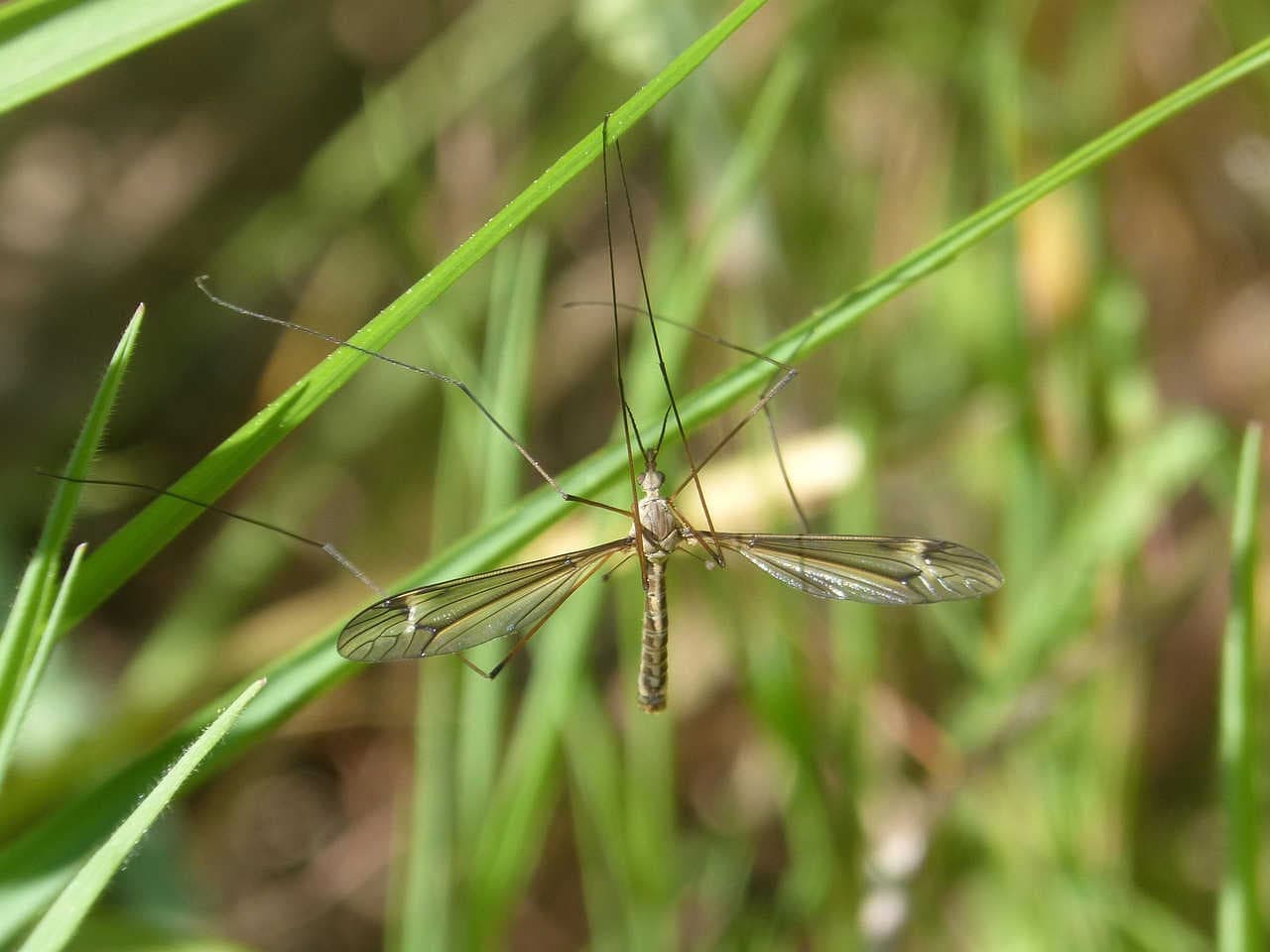
    The crane fly: a giant male mosquito

    It is known that mosquitoes are not well-loved insects. And being similar to a mosquito does not provide an advantage when it comes to surviving encounters with infuriated humans. This is the unfortunate case of the crane fly, a dipteran belonging to the family of tipulids and the genus Tipula which at first glance looks exactly like a large mosquito, and is indeed called “big mosquito”. Its large size has led to the false belief that the crane fly is the male of the common mosquito which, however, in the case of the species Culex pipiens, is comparable in size to the female from which it can be distinguished by the presence of a pair of plumose antennae. The crane fly is completely harmless, as evidenced by its mouthparts, which are of the lapping-sucking type, useful for sipping nectar but not for biting.

    tipula_6

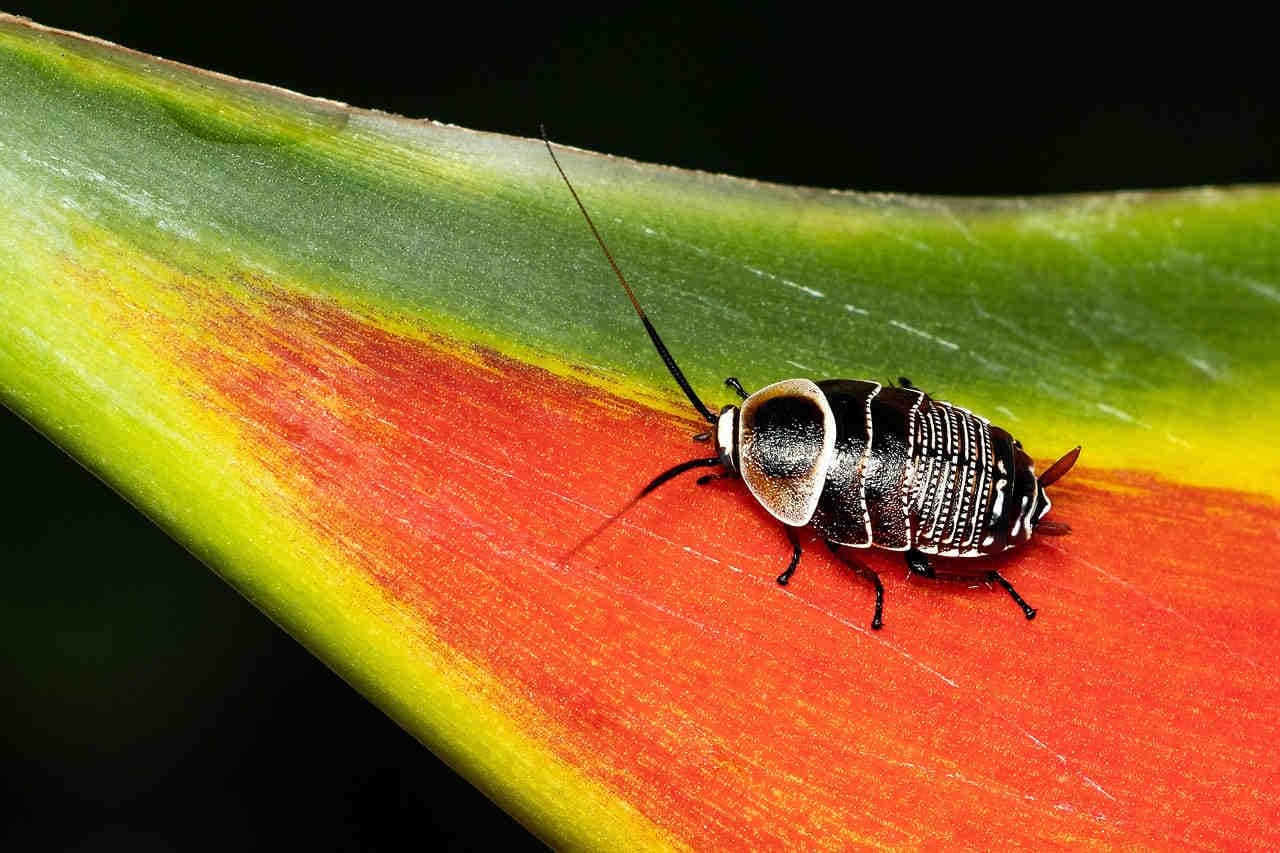
    Cockroaches are all disgusting and not interesting

    Few animals can evoke disgust like cockroaches, associated with poor hygienic conditions and the spread of diseases. We are used to generalizing by imagining all cockroaches as harmful and repugnant insects, but by broadening our horizons we discover that of the existing 4708 cockroach species, only a few create problems for humans. Among the lesser-known species, which we would hardly recognize as cockroaches, there are some with colorful and rare beauty, such as Polyzosteria mitchelli in Australia, Rochaina mexicana in Mexico, Panchlora kozaneki in Ecuador, or Melyroidea magnifica, with its vibrant coloring and social habits. Another fascinating aspect concerns the reproductive modes; all present within the order Blattodea: there are oviparous, ovoviviparous, and viviparous species. Just as there is a wide range of parental care from cases where the female stays with the newborns for a few hours, to biparental care that lasts for several years.

    scarafaggio_ninfa_Ellipsidion_australe

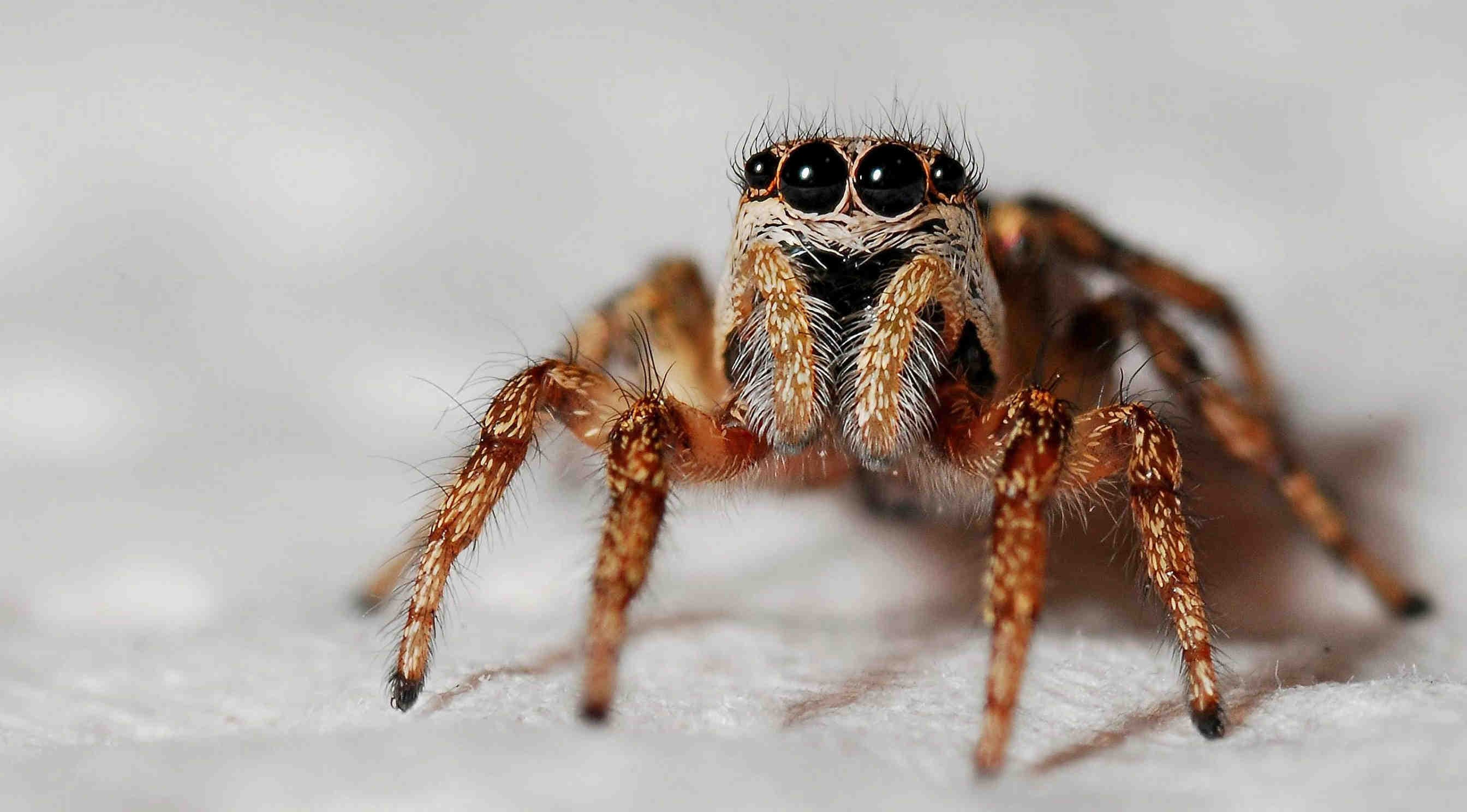
    Spiders, those terrible insects

    Perhaps the reason why animals with more than four legs are sometimes placed in a vague category labeled as "insects" depends on the fear they provoke in us; strange aliens with multiple appendages, so different and disgusting that they push us to keep a distance, putting them all in a single pot. And this is precisely the case with spiders. However, the term insect refers to something very specific and is explained by taxonomy, the science that regulates the classification of living beings. Members of the class Insecta, are all those invertebrate animals, equipped with an exoskeleton, that have antennae, 6 jointed legs, and a body divided into three sections: head, thorax, and abdomen. Any living being that does not fit this description is not an insect. Thus, spiders, with their 8 legs, lacking antennae and with a body divided into only two sections, cephalothorax and abdomen, belong to the class of arachnids and not insects.
    ragno_salticide

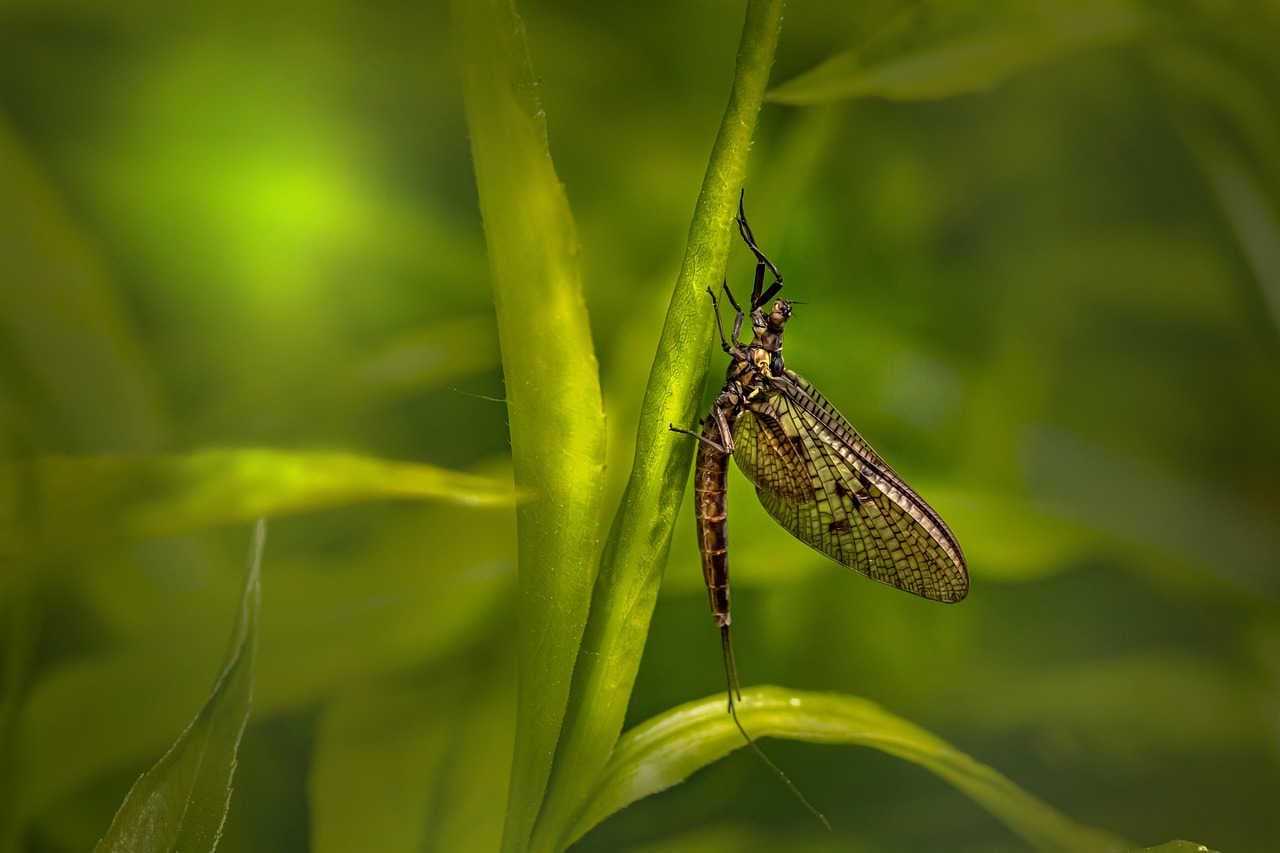
    The mayfly has the shortest life in the animal kingdom

    The word "ephemeral" says it all: from the Greek ephemerós, which means living for a day, it indicates something of short duration, transient, perishable. The term mayfly actually refers to an aquatic insect, belonging to the order Ephemeroptera and the genus Ephemera, which holds the record for the shortest life, lasting from a few hours to a few days, depending on the species. But this statement is only partially correct: the mayfly at its adult stage lives very briefly, certainly, but it is an insect that goes through various stages of metamorphosis and juvenile development can take up to three years. Therefore, in its adult phase, it holds a record for brevity, but its overall life, which begins with the hatching of the egg, is much longer.

    effimera_9

    Insects are stupid because they have small brains

    If it is proven that the body size of an animal informs us about the size of its brain, it is not possible to associate a specific level of intelligence with a given brain size. In other words: a small brain is not indicative of stupidity or cognitive limitation, just as a large brain is not indicative of profound intelligence. It seems that it is not so much the size or quantity of neurons that determines cognitively complex behaviors but rather the interplay of connections between neuronal cells, as discussed in the 2009 article published by Lars Chittka and Jeremy Niven. Increasing evidence informs us of the complex cognitive abilities of insects, from numerical and spatial orientation abilities in bees to play in bumblebees, providing more and more arguments to debunk this stereotype.

    intelligenza_ape
    22/01/2025Of 3Bee, Anna Beretta
    514 Views
    Newsletter
    newsletter
    Subscribe to the Blog about bees and biodiversity

    Frequently Asked Questions

    Do you have any doubts or other curiosities about this article? Here you will find some insights