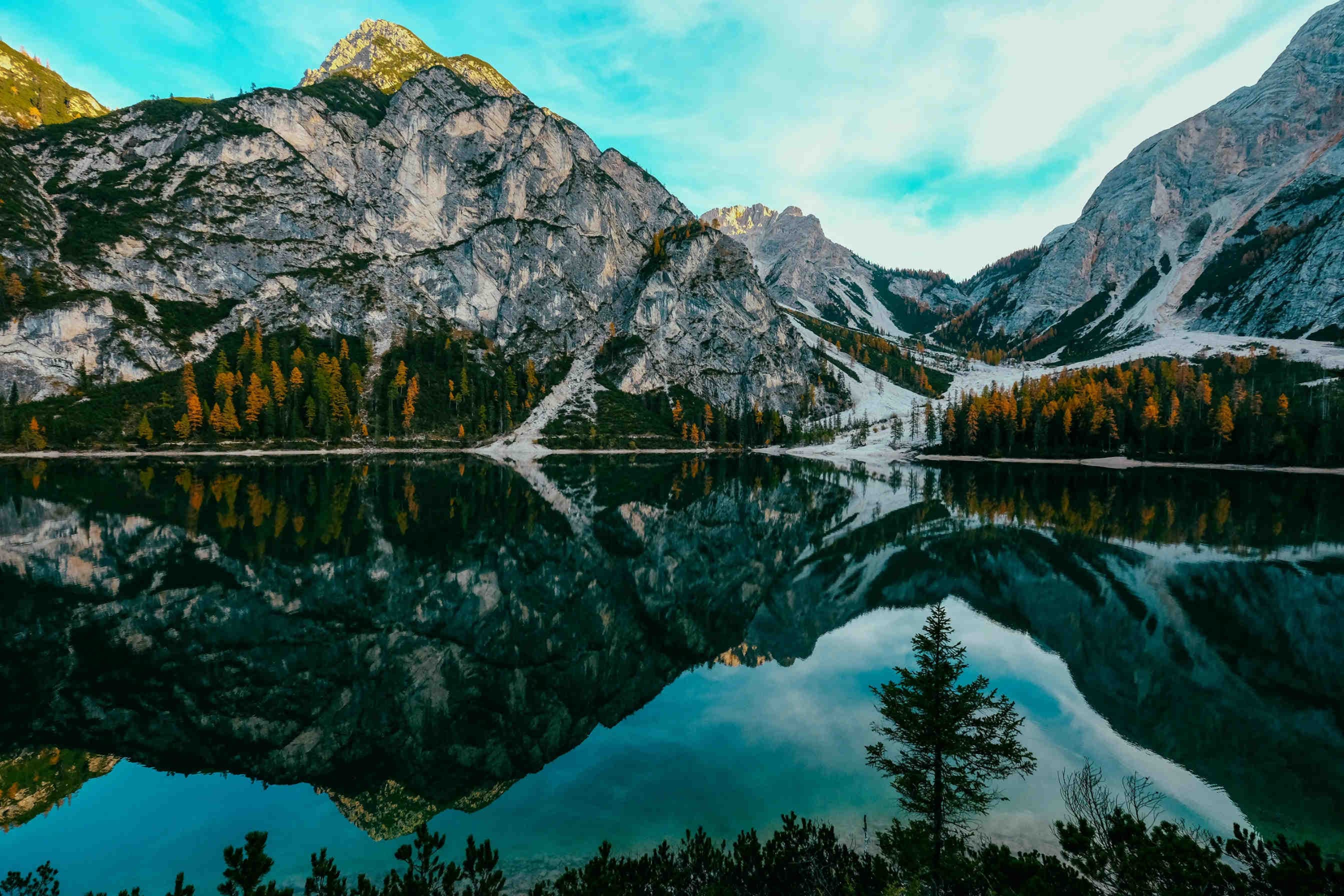
March 3rd is World Wildlife Day
    EstablishmentDefinitionTheme 2026The Importance

    March 3rd is World Wildlife Day

    March 3rd marks World Wildlife Day, established by the United Nations in 2013 to raise awareness about the importance of wild flora and fauna. Discover in this article what nature is, why it's important to preserve it, and some curiosities about this global day.

    Read the article
    18/02/2026Of 3Bee, 3Bee
    108 Views
    18/02/2026Of 3Bee, 3Bee
    108 Views

    Origins and Establishment of the Observance

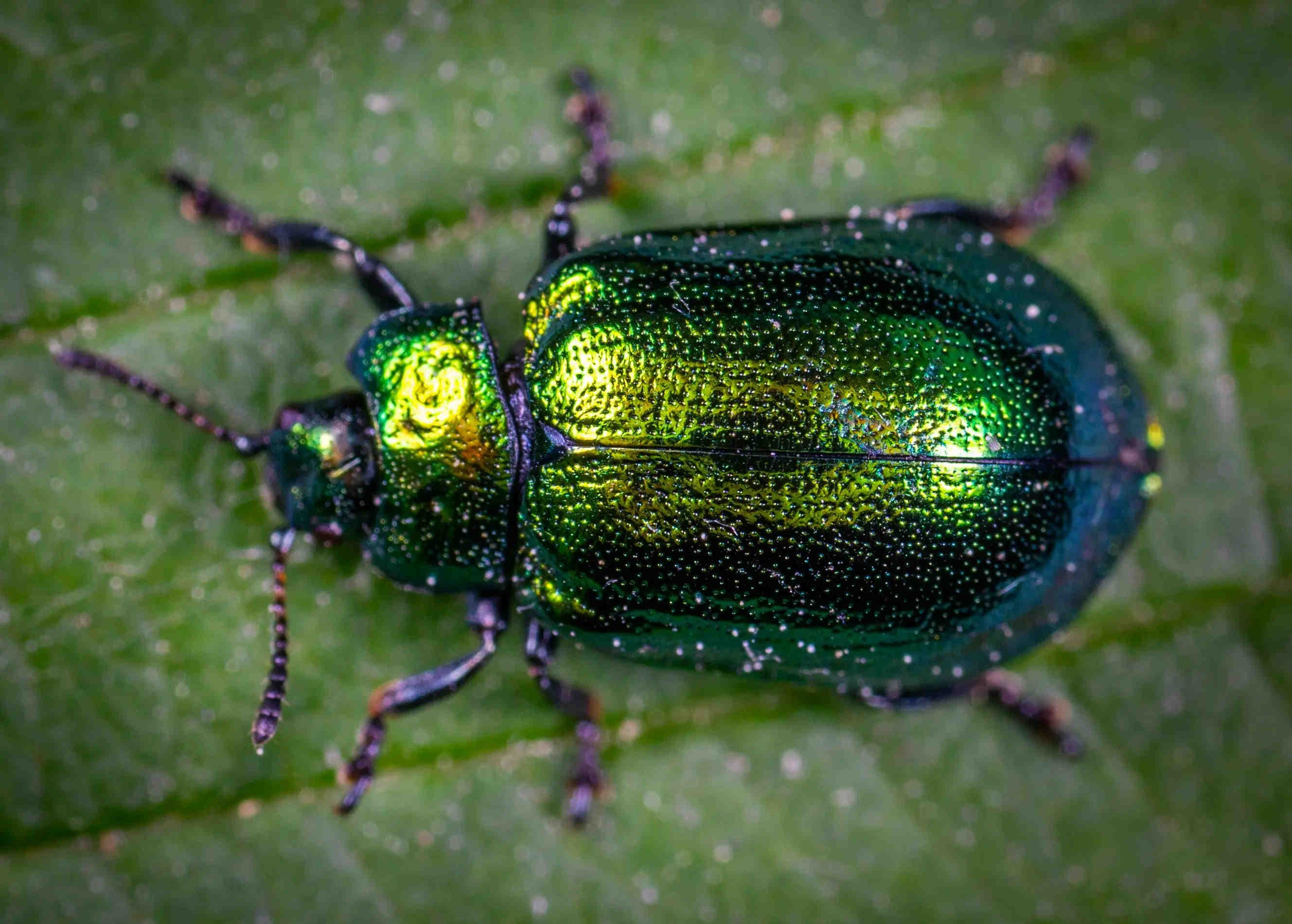
    The World Wildlife Day, internationally known as World Wildlife Day, was officially established on December 20, 2013, by the United Nations General Assembly. The choice of the date, March 3rd, is not accidental at all: it coincides with the anniversary of the signing of CITES (Convention on International Trade in Endangered Species of Wild Fauna and Flora), which took place in 1973. This global event was created with the specific aim of celebrating the beauty and variety of wild flora and fauna, but also to raise awareness of the numerous benefits that nature conservation offers to human populations. Thanks to this initiative, every year governments, international organizations, and citizens worldwide come together to reaffirm the importance of protecting the most fragile ecosystems and combating environmental crimes.
    3bee-blog-origini-e-istituzione-della-ricorrenza

    Definition of Nature: A Vital Balance

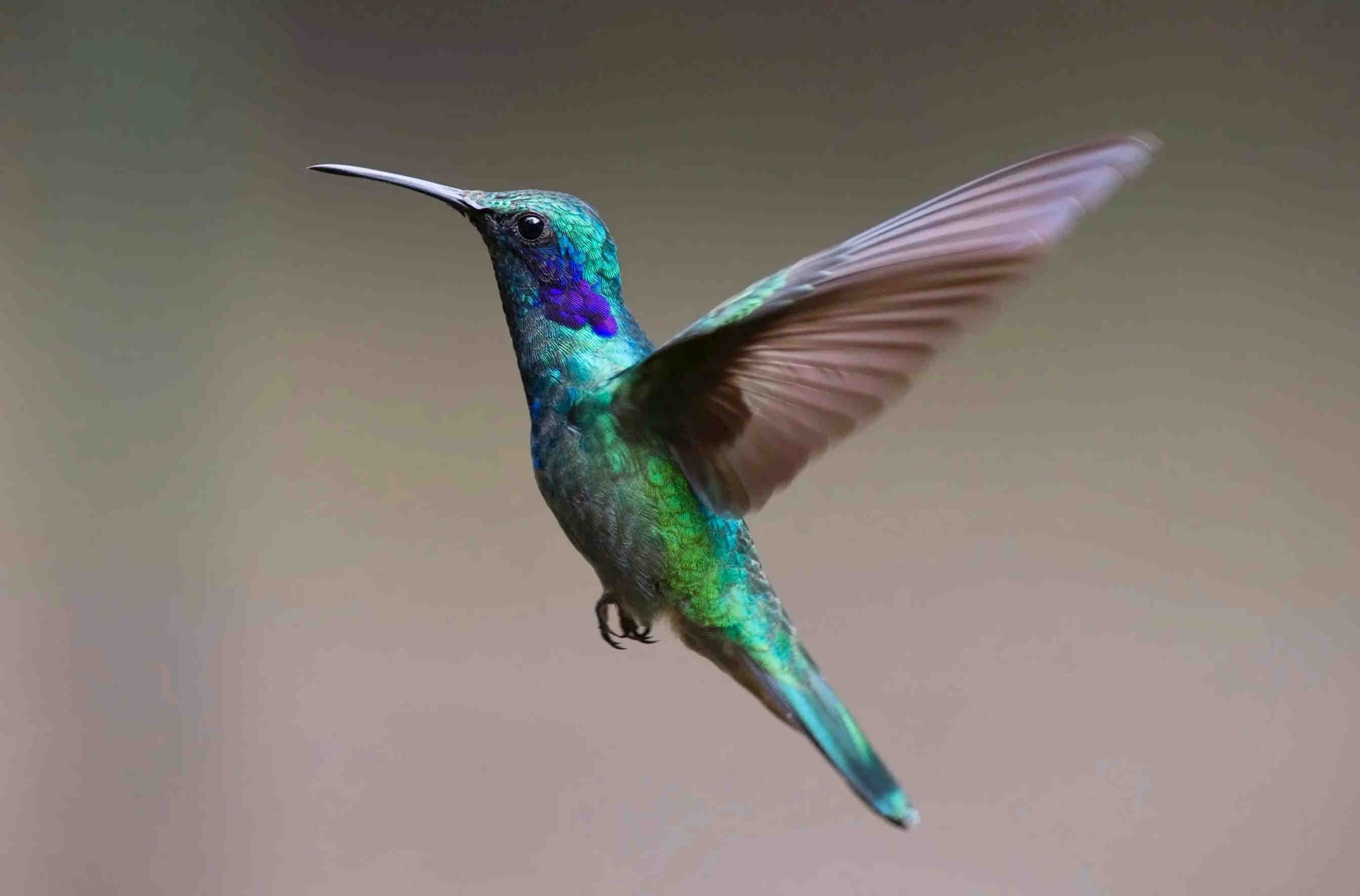
    The term nature derives from the Latin "natura" (that which is about to be born), a translation of the Greek physis, and encompasses the entire physical world: living beings, inanimate elements, and geological laws. It is not a simple collection of flora and fauna, but a complex system of ecosystems born without human intervention. In an era dominated by anthropogenic activities, it is vital to stop considering nature as a resource to be exploited, recognizing it instead as a dynamic and interconnected system. Every element, from microorganisms to rainforests, is a crucial piece of a biological network that guarantees air, water, and food. Preserving this natural capital is the only way to ensure climate stability and planetary resilience. Protecting biodiversity, ultimately, means protecting our very survival: understanding nature means recognizing ourselves as an integral part of it.
    3bee-blog-definizione-di-natura-un-equilibrio-vitale
    XNatura

    The Theme of World Wildlife Day 2026

    Every year, World Wildlife Day is dedicated to a specific theme. For 2026, the theme is: "Medicinal and Aromatic Plants: Conserving Health, Heritage and Livelihoods". This theme highlights a specific group of plants that are often overlooked, but which are essential for our survival. Wild medicinal and aromatic plants form the basis of healthcare systems worldwide; they also represent a central element for traditional knowledge and local economies. However, many of these plant species are in danger. Over-harvesting to meet high demand and the loss of their natural habitats expose them to serious risks. This theme reminds us that protecting such plants means not only saving a species, but also safeguarding our health and the livelihoods of people who depend on them.
    3bee-blog-il-tema-della-giornata-mondiale-della-natura-2026

    Why Preserving Nature is Crucial

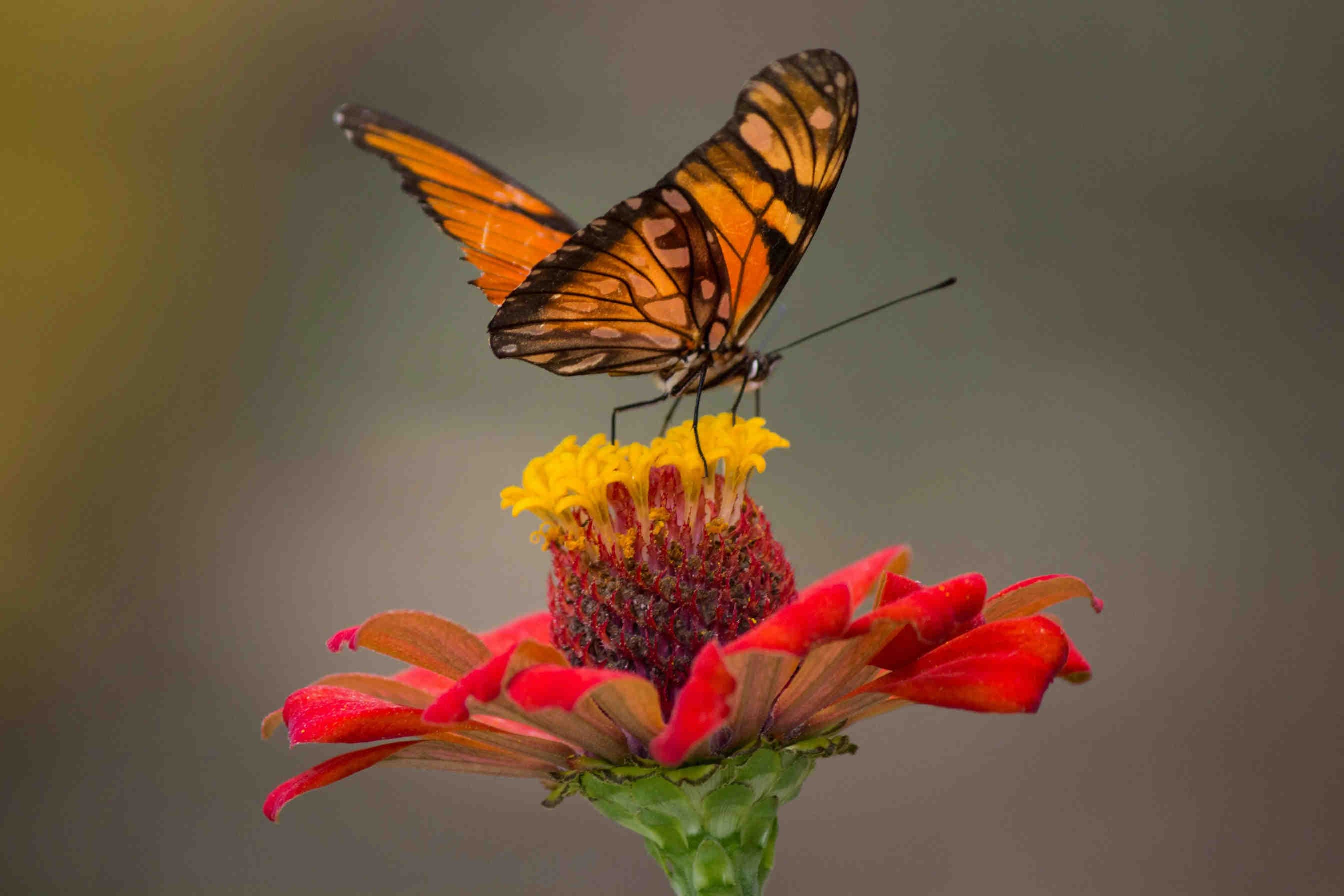
    Preserving nature is not an aesthetic matter, but a vital necessity. Healthy ecosystems are pillars of our survival: they act as carbon sponges against global warming and offer essential services such as air and water purification, climate regulation, and protection from catastrophes. Biodiversity is our genetic library, indispensable for medicines, new materials, and food security. Yet, urbanization and pollution threaten this balance, endangering our public health and psychological well-being, which draws strength precisely from contact with greenery. On World Nature Day, it is fundamental that citizens, businesses, and institutions act together. Protecting the environment means recognizing that the health of the planet is the basis of our very existence, ensuring a prosperous and livable legacy for future generations.
    3bee-blog-perché-preservare-la-natura-e-cruciale
    XNatura

    Concrete Actions to Protect the Environment

    Nature protection is a collective responsibility that unites institutions with individual choices. While entities and businesses must drive systemic change, every individual has the power to make a difference through daily actions: reducing plastic, preferring sustainable supply chains, supporting local agriculture, and managing energy consciously. This commitment is not only about prevention but requires a paradigm shift in our relationship with the environment. Beyond personal habits, it is essential to support conservation organizations and raise awareness within one's social network; only widespread awareness can push governments towards stricter laws. Humans have caused enormous damage but also possess the ability to regenerate what has been compromised. Protecting the planet is a mosaic of efforts where every piece, from small gestures to large-scale policies, is indispensable.

    3Bee
    18/02/2026Of 3Bee, 3Bee
    108 Views
    Newsletter
    newsletter
    Subscribe to the Blog about bees and biodiversity