<clr>World Environment Day</clr>
    2021EcosystemsInitiativesVita

    World Environment Day

    5 June is World Environment Day, an anniversary established by the United Nations General Assembly in 1972 and first celebrated in 1974, when a slogan was coined that makes the importance of this event very clear: 'Only one Earth'.

    Read the article
    28/05/2021Of 3Bee, Elena Fraccaro
    234 Views
    28/05/2021Of 3Bee, Elena Fraccaro
    234 Views

    2021: Restoration of ecosystems

    Since then, a global platform has been developed to increase society's awareness of environmental issues and to foster concrete actions to address issues of global urgency, such as sea pollution, global warming and sustainable consumption. For this reason, each year is dedicated to a different aspect of environmental protection and this year, in 2021, we will talk about 'Restoring Ecosystems'. On this World Environment Day, the focus is on prevention and reversing the damage inflicted on ecosystems, promoting a new model of experiencing the planet and nature: from its exploitation to its rebirth.

    2021: Restoration of ecosystems

    Endangered ecosystems

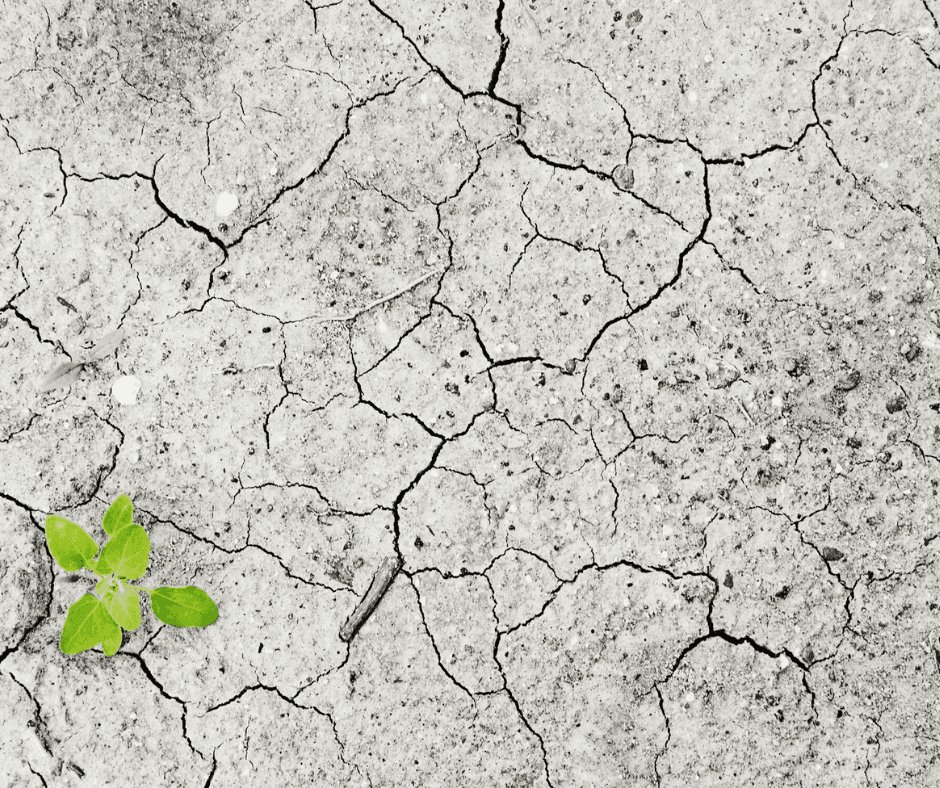
    The figures are indeed alarming. About 4.7 million hectares of forest are lost every year. We are talking about an area larger than the whole of Denmark, an area of forest the size of a football pitch lost every 3 seconds. In the last 100 years, almost half of the marshland on the entire planet has disappeared. This obviously has a negative impact on the absorption of greenhouse gases, the emissions of which are constantly increasing and the consequences of which could be catastrophic.

    Endangered ecosystems
    XNatura

    United Nations for Ecosystem Restoration

    What is being done about it? Are there any initiatives aimed at safeguarding ecosystems? Yes, on this symbolic date, an important initiative of the United Nations will be launched, namely the Decade for Ecosystem Restoration (#GenerationRestoration) to curb and simultaneously initiate a reversal of the current situation of degradation, depletion and decay of natural habitats and ecosystems. What roads lie ahead, then? The effort is certainly massive because it means restoring billions of hectares of land for an area larger than China or the United States, saving countless plants and animals from extinction, but also small everyday actions that each of us can take even in our own small way.

    United Nations for Ecosystem Restoration

    Environment and ecosystems

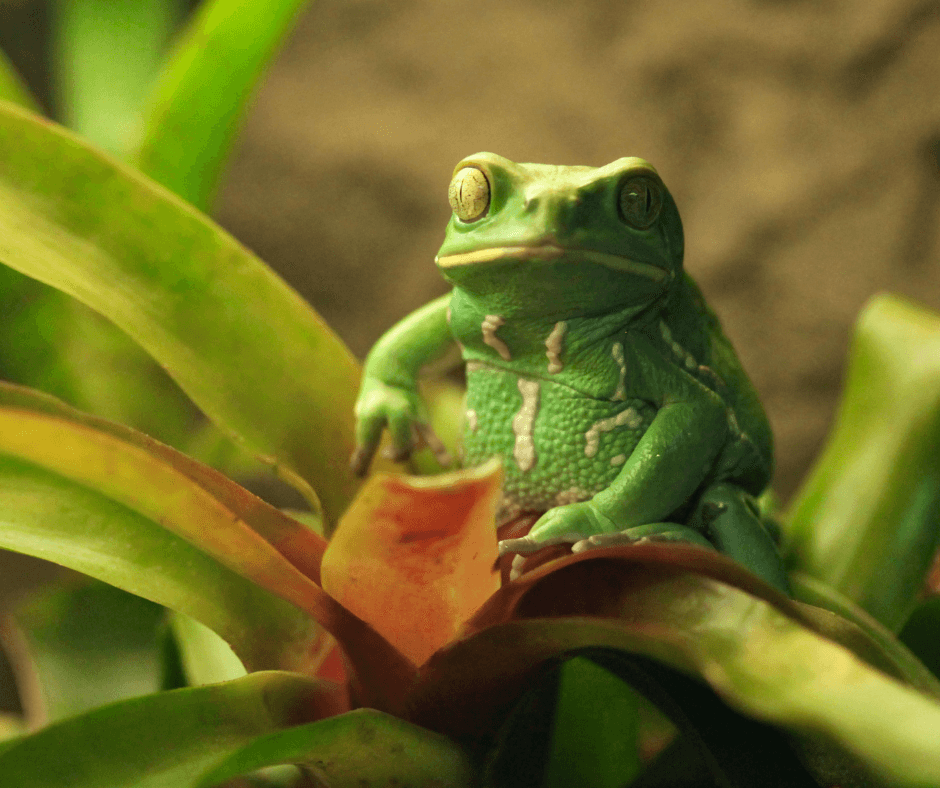
    Ecosystems can be seen as the web of life on Earth. They encompass all living organisms in a given place, as well as their interactions and everything around them. Even a single grain of earth is an ecosystem. Ecosystems allow us to enjoy incredible benefits, such as climate stability, breathable air, and supplies of water, food, and everything else. Continuing along this path of depletion and destruction will undermine our wellbeing and make the world different from the one we know, degraded and inhospitable for future generations.
    Environment and ecosystems
    XNatura

    Environment, ecosystems and bees

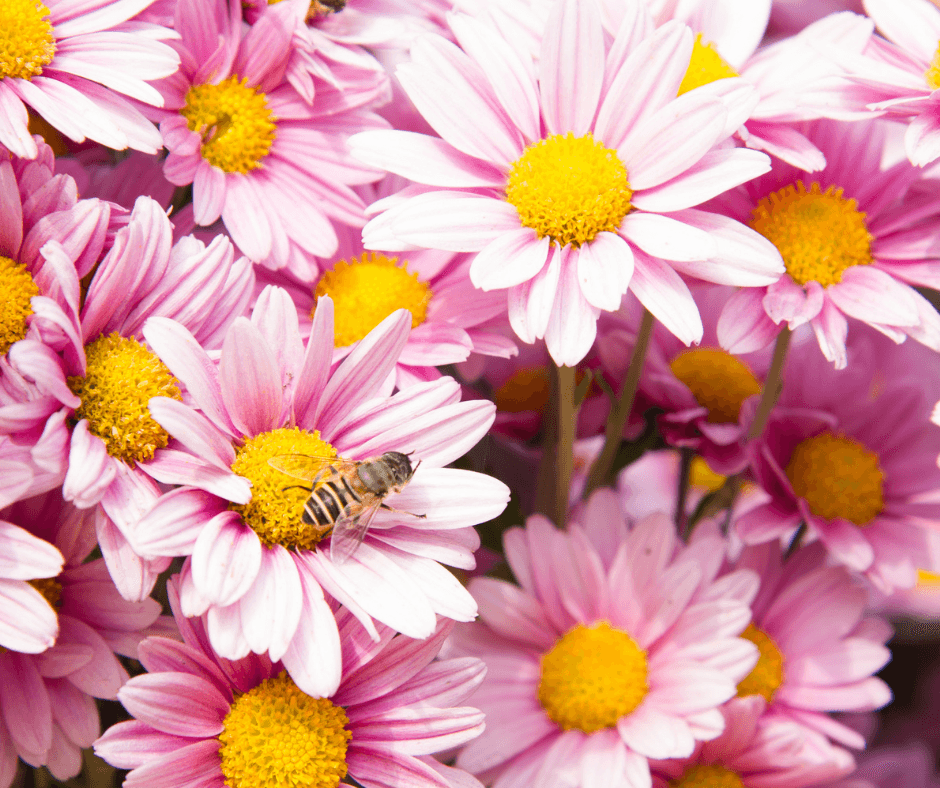
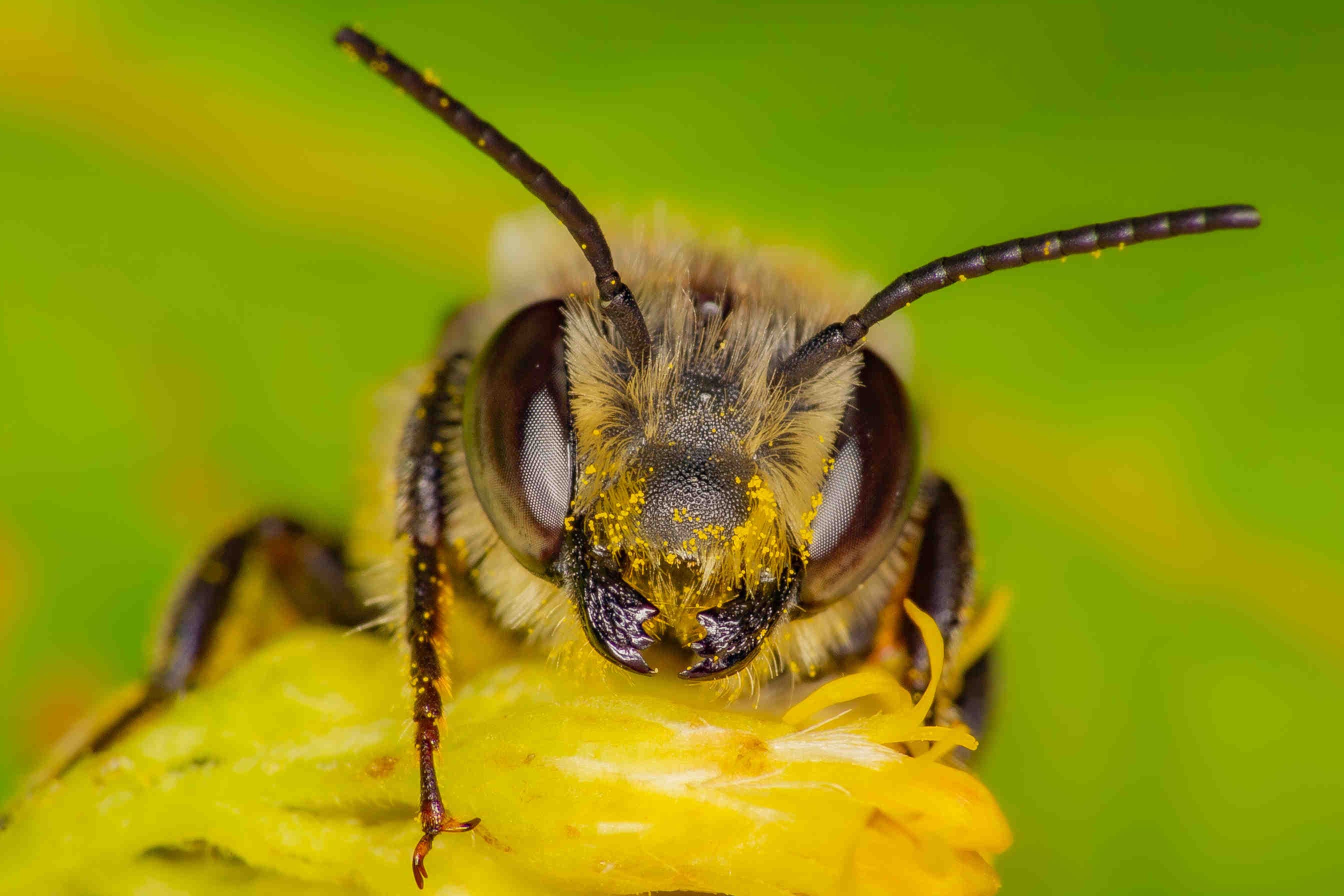
    When talking about ecosystems, however, one cannot avoid also talking about some of the most important agents of biodiversity, namely bees. Bees, honey and non-honey, are vital to the preservation of ecological balance and natural biodiversity. Flying from flower to flower in search of precious nectars and pollen, they enable the pollination of many plant species. Pollination is crucial for both food production and the preservation of ecosystems as it enables plants to reproduce and bear fruit. About 75% of food crops depend on bees, as do 90% of plants and wildflowers. Without them, we would not have many of the foods we eat every day. By protecting and maintaining ecosystems they also directly and indirectly have a positive effect on plant and animal communities and contribute to the genetic and biotic diversity of species.
    Environment, ecosystems and bees
    3Bee

    Helping bees = helping the planet

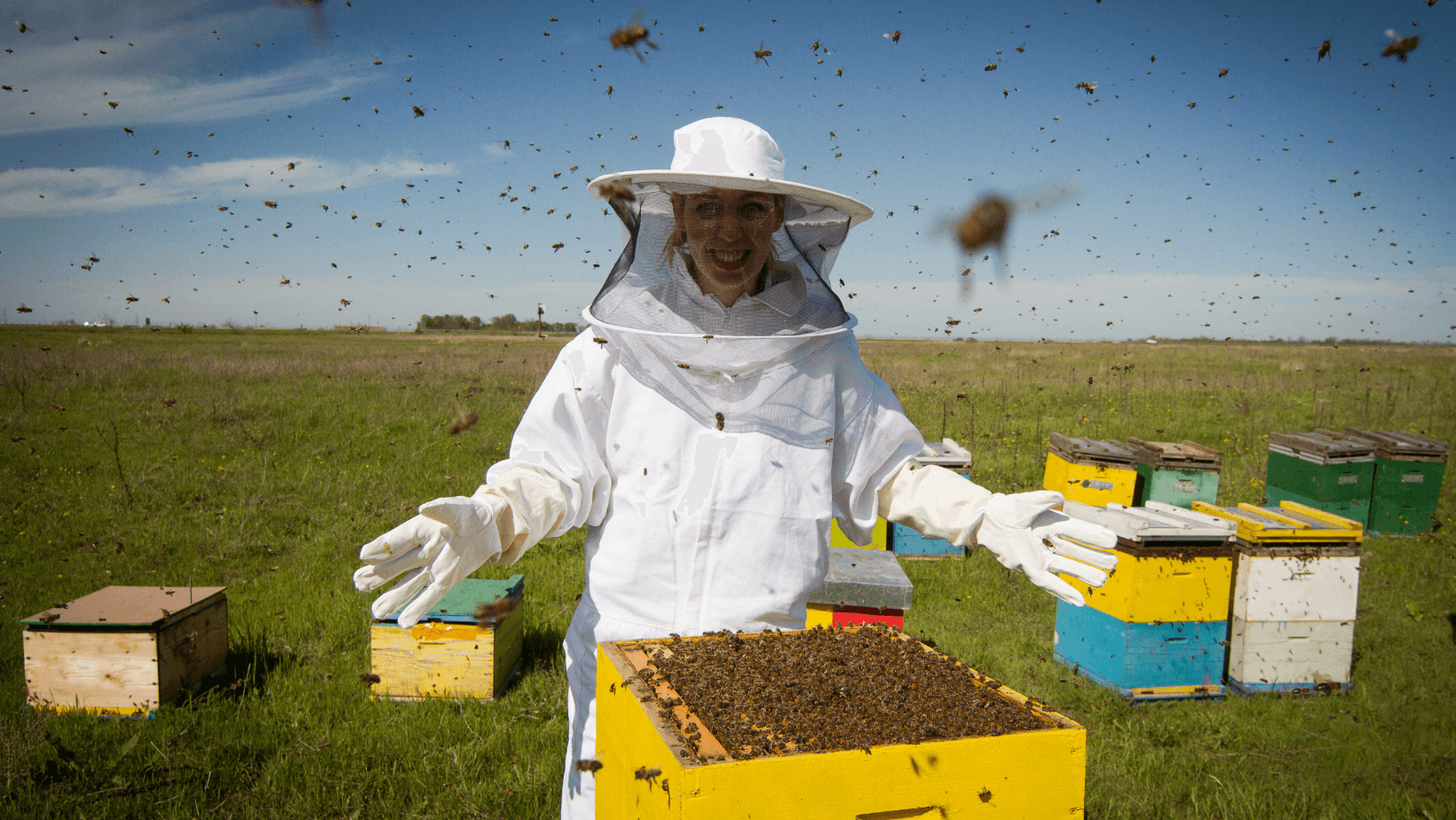
    Quoting José Graziano da Silva, director of FAO from 2012 to 2019, bees are a sign of well-functioning ecosystems. Therefore, intervening in favour of ecosystems and their restoration cannot be separated from also helping these small but crucial insects. Being closely interconnected, we are not surprised to learn that it is not a rosy and prosperous time for bees either. Climate change, disease, parasites, overuse of harmful pesticides and the progressive impoverishment of habitats are increasingly endangering their well-being and survival. Some species of solitary bees have already been declared endangered. As far as honey bees are concerned, the role of the beekeeper becomes fundamental. The beekeeper looks after them and ensures their well-being, intervenes in the event of anomalies and problems, such as the crazy seasons that make it increasingly difficult for bees to find food.

    Helping bees = helping the planet

    3Bee and the commitment to bees

    3Bee has been committed from the outset to providing beekeepers with the best tools to cope with an increasingly less bee-friendly world. The Hive-Tech IoT system allows remote monitoring of key hive parameters, giving beekeepers a clearer picture of what is happening to their bees. The project "Adopt a 3Bee hive" aims to connect beekeepers with honey consumers, who can follow the evolution of their hive step by step and receive the honey produced at home. Even small gestures can contribute to the well-being of our planet. Supporting a virtuous beekeeper can be one of these small gestures.

    3Bee and the commitment to bees
    28/05/2021Of 3Bee, Elena Fraccaro
    234 Views
    Newsletter
    newsletter
    Subscribe to the Blog about bees and biodiversity