World Day to Combat Desertification and Drought 2025
    Day 2025DifferencesBiodiversityEffects

    World Day to Combat Desertification and Drought 2025

    17 June marks the World Day for Combating Desertification and Drought, increasingly serious phenomena. But what do we really know about the relationship between drought and biodiversity? We find out more in this article.

    Read the article
    16/06/2025Of 3Bee, 3Bee
    264 Views
    16/06/2025Of 3Bee, 3Bee
    264 Views

    Celebrating World Day 2025

    Every year, on 17 June, the world celebrates World Day to Combat Desertification and Drought, an opportunity to reflect on one of the most serious phenomena linked to climate change. The increasingly frequent and prolonged drought represents a real threat not only to agriculture, but also to biodiversity and soil health. According to the UNESCO, more than 3 billion people live in areas prone to desertification and water scarcity, and forecasts for 2025 indicate a worsening in the absence of structural interventions. But what do we really know about the relationship between drought and biodiversity? And how can we act to mitigate its effects?
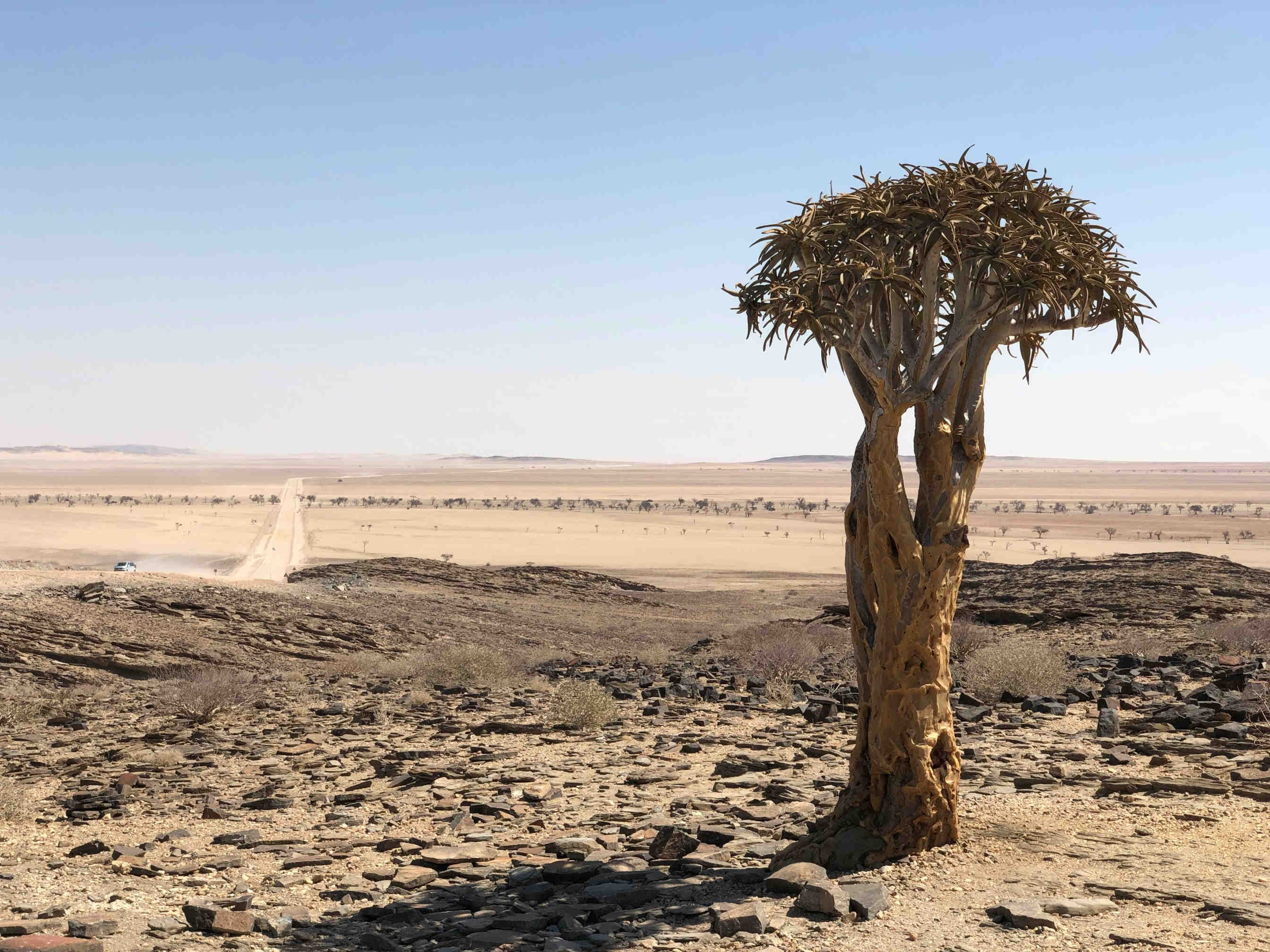
    giornata mondiale per la lotta alla desertificazione e alla siccità

    Desertification and drought: differences and connections

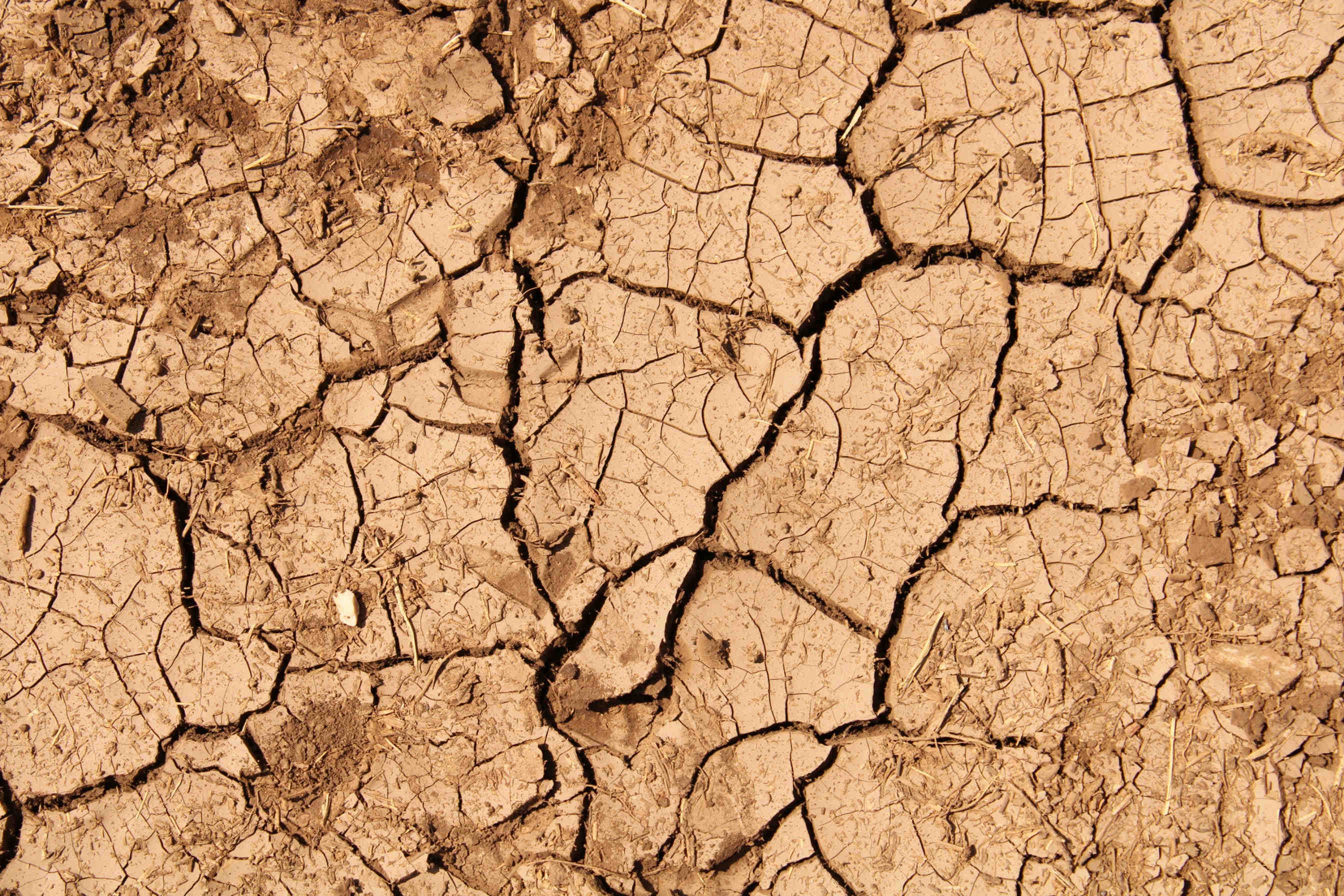
    Drought and desertification are often confused, but they indicate distinct phenomena. A drought is a temporary climatic event, characterised by a prolonged lack of precipitation. It can affect any geographical area, even those that are normally humid. desertification, on the other hand, is a gradual and permanent process of soil degradation in arid areas, caused by human activities and climate change. While drought can trigger or accelerate desertification, the latter also implies loss of soil fertility, biodiversity and agricultural productivity. According to the UNCCD (United Nations Convention to Combat Desertification) and the IPCC, more than 40 per cent of dry land is already degraded. Understanding the difference between these phenomena is crucial to adopting effective and sustainable strategies.
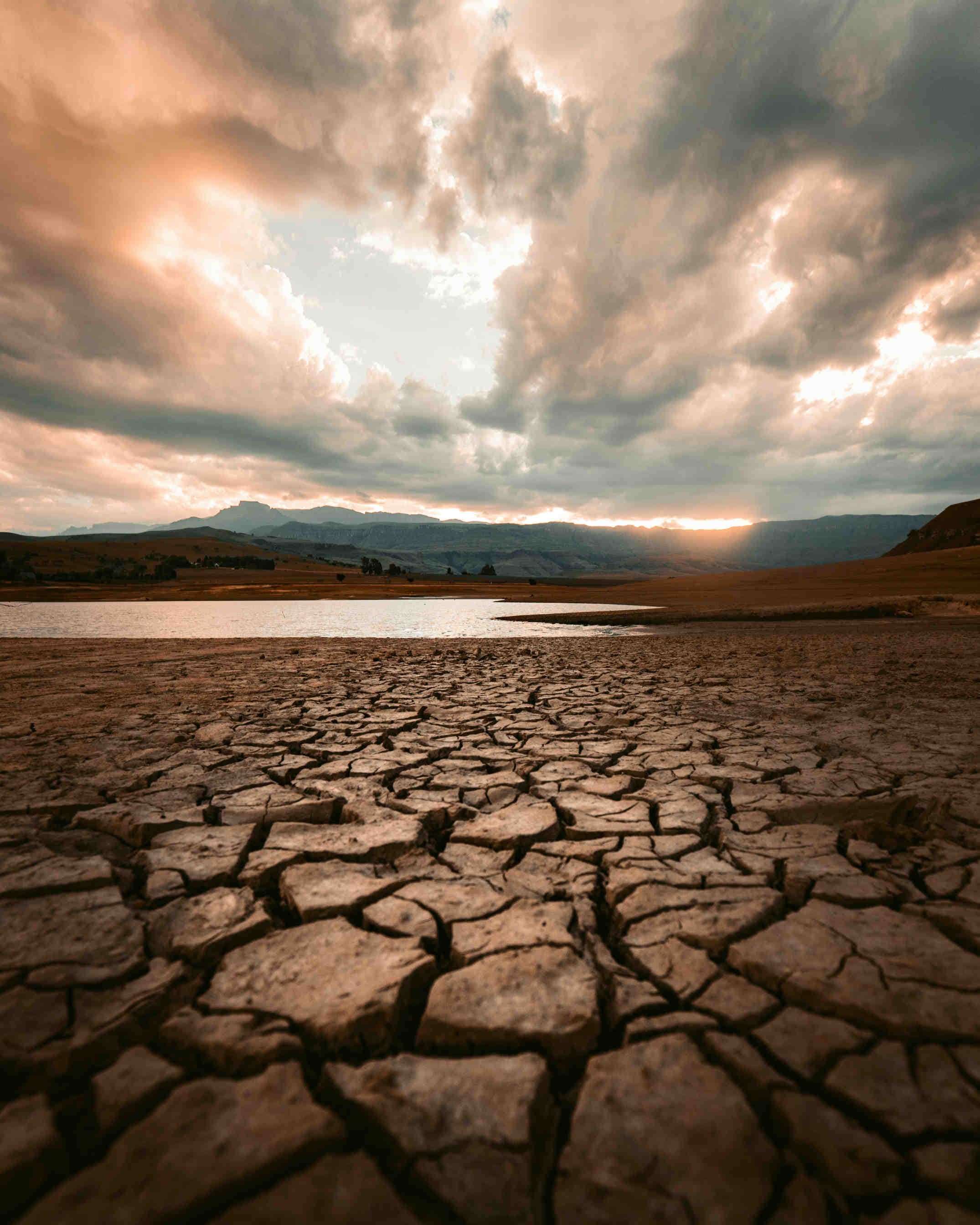
    Differenze tra desertificazione e siccità
    XNatura

    Biodiversity as an infrastructure against drought

    The link between biodiversity and drought is deep and reciprocal. Species-rich ecosystems are more resilient to extreme climatic events. The presence of multiple species capable of performing similar functions enables the ecosystem to maintain its ecological services even under stressful conditions. This functional redundancy acts as a 'buffer' against aridity. It is complemented by complementarity: species with root systems at different depths, or with C3 and C4 physiologies, cooperate by exploiting water at different layers and times of the year, reducing internal competition. In addition, the presence of species with high water use efficiency (WUE) enhances the ability of plant communities to transform water into biomass, while trophic diversity ensures that nutrient cycles remain active during dry periods. Soils rich in decomposers retain moisture better, increase porosity and promote vegetation regeneration.

    Biodiversità come infrastruttura ecologica contro la siccità

    When drought strikes: effects on biodiversity

    Drought, however, has a decidedly impactful effect on the biodiversity present. Prolonged drought acts as an ecological filter, selecting only the most tolerant species. This leads to a reduction in alpha diversity, i.e. the number of species in a given area, and sometimes to biological homogeneity between different areas. With fewer water resources available, the competitive dynamics are exacerbated, often to the advantage of a few aggressive species. This alters, in cascade, all ecological relationships, from pollinators to predators. Soils are also affected: lack of vegetation cover increases evapotranspiration, promotes erosion and accelerates soil degradation. These mechanisms can generate negative feedbacks, in which biodiversity loss exacerbates aridity and vice versa, leading to critical thresholds beyond which ecological recovery becomes much more difficult.
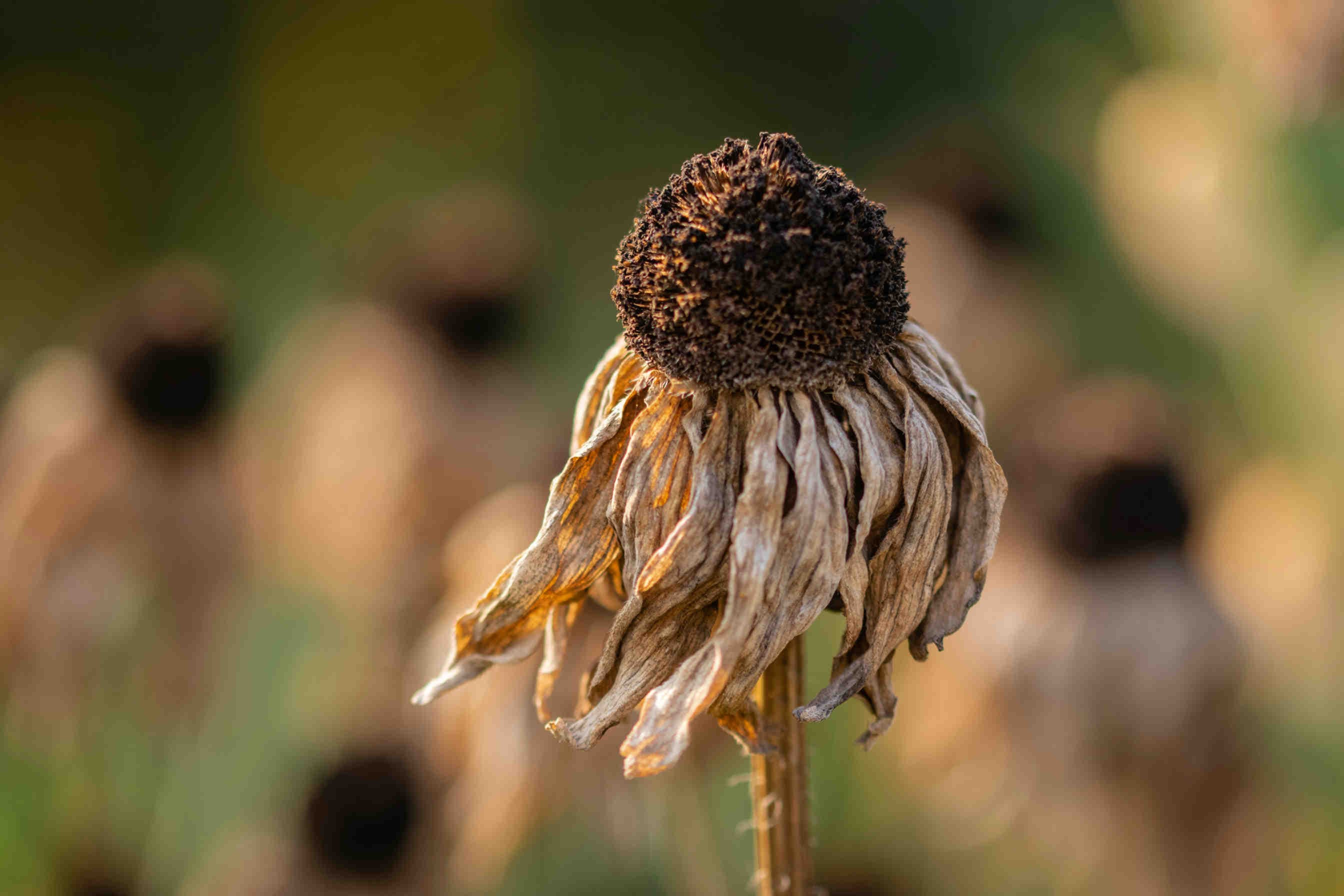
    Effetti siccità prolungata
    XNatura

    How to adapt? Biodiversity-based strategies

    To combat drought, it is not enough to reduce consumption: it is necessary to design resilient ecosystems. In reforestation or environmental restoration policies, for example, incorporating species with different root and phenological strategies increases overall resilience to water scarcity. At the same time, maintaining ecological corridors promotes gene flow between isolated populations, increasing genetic diversity and thus adaptability. Science also plays a crucial role. Eco-hydrological models that integrate climate, soil and biodiversity data help predict future impacts and define more effective intervention thresholds.
    Strategie basate su biodiversità
    3Bee

    The digital solution: monitoring drought with XNatura

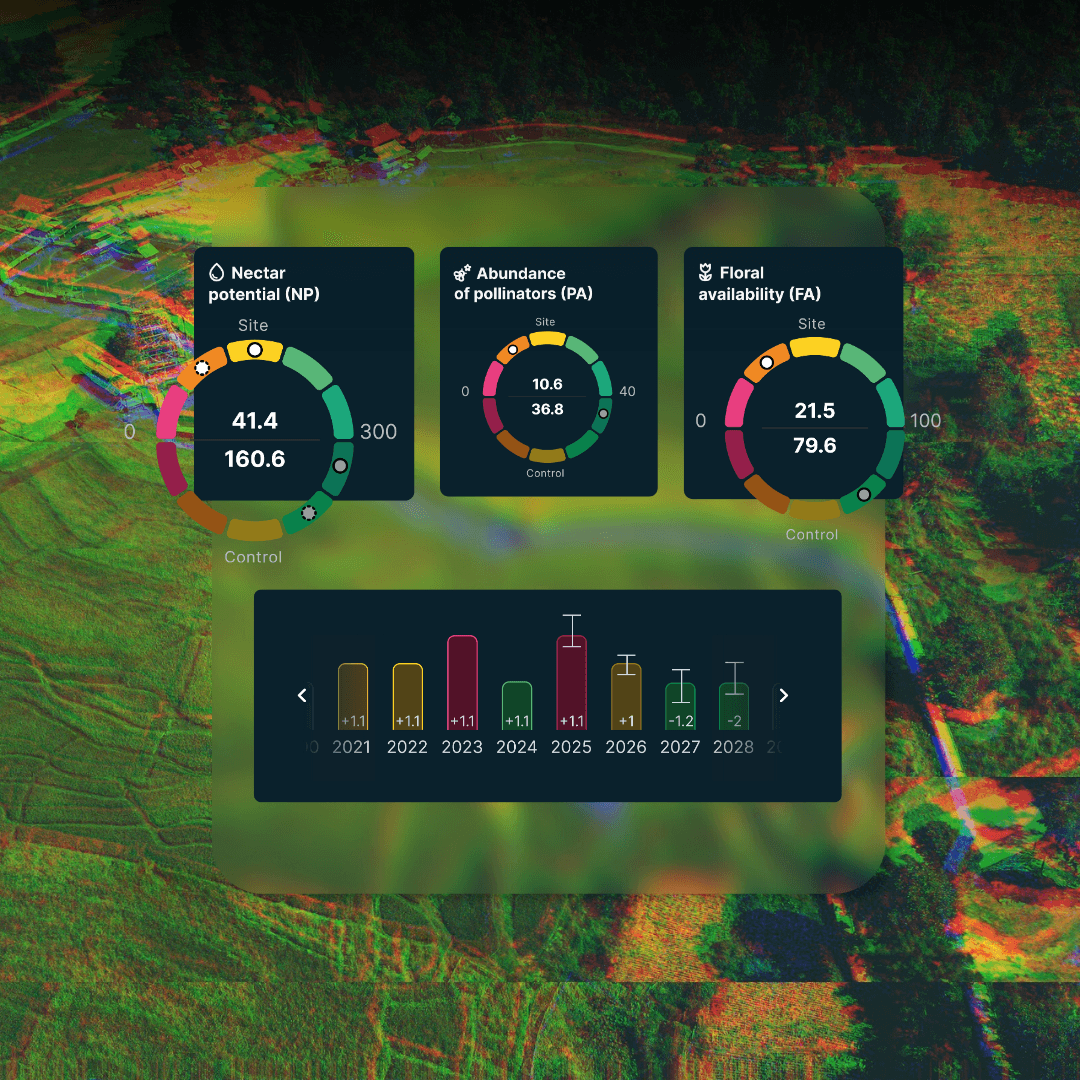
    In such a complex context, monitoring becomes essential. Thanks to the XNatura platform, it is now possible to obtain a complete mapping of the health of the territory in a few seconds, even on several sites at the same time. XNatura provides up-to-date data on KPIs such as:
    • Aridity and climate trends
    • .
    • Soil permeability and hydrogeological risk
    • .
    • Dependence on external water sources
    • Land use for productive, agricultural or urban sectors
    This information is strategic for those involved in urban planning, industrial design and land regeneration.
    Piattaforma di monitoraggio ambientale

    Conclusion: a resilient future starts with diversity

    biodiversity is not only a victim of drought, but also a natural shield against its effects. Preserving and enhancing it in development projects is no longer an ethical choice, but a functional necessity. The Day for Combating Desertification and Drought reminds us that every action counts: knowing, measuring, planning and acting consciously means building territories that are more stable, productive and capable of facing climate challenges. Want to find out what you can know about your territory or production site today? Try XNatura and get your eco-hydrological snapshot in seconds.

    Conclusion: a resilient future starts with diversity
    16/06/2025Of 3Bee, 3Bee
    264 Views
    Newsletter
    newsletter
    Subscribe to the Blog about bees and biodiversity