World Bee Day: a roaring celebration for bees
    IntroductionCommitmentFoodNature conservation

    World Bee Day: a roaring celebration for bees

    Germany celebrates World Bee Day with enthusiasm, recognising the important role of bees in its ecosystem. Laws, initiatives and awareness-raising campaigns are designed to help protect bees.

    Read the article
    18/05/2023Of 3Bee, Elena Fraccaro
    338 Views
    18/05/2023Of 3Bee, Elena Fraccaro
    338 Views

    World Bee Day in Germany

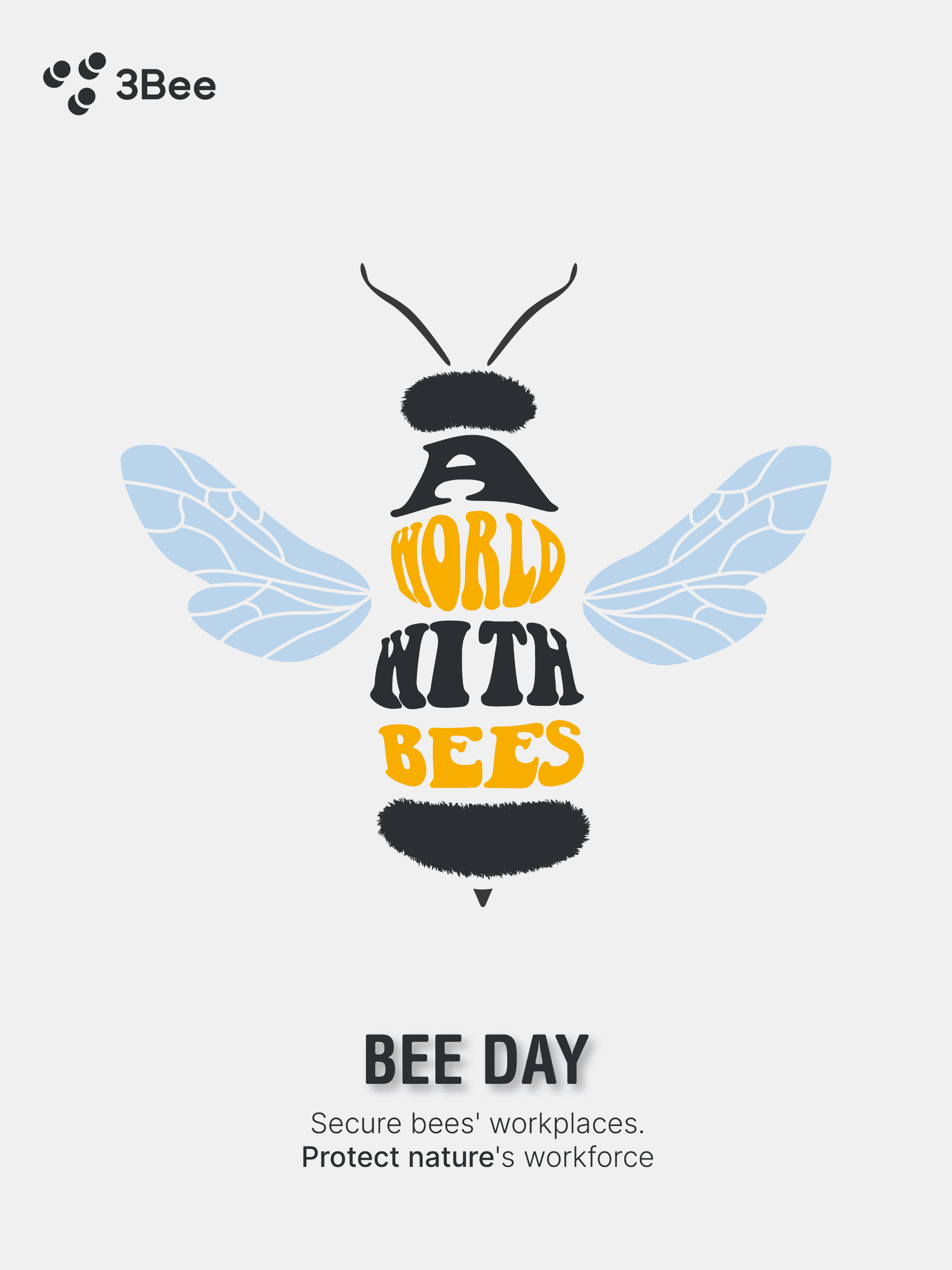
    In Germany, as in many other countries around the world, the importance of bees and their vital role in our ecosystem is recognised and celebrated on World Bee Day. This global day of remembrance, officially designated by the United Nations on 20 May, aims to raise awareness of the importance of bees and encourage efforts to protect and conserve these remarkable pollinators. In this article, we highlight conservation initiatives and the growing appreciation for these fascinating creatures.
    World Bee Day in Germany

    National Commitment

    Of the estimated 20,000 bee species found worldwide, around 560 are native to Germany. These bees are essential for the preservation of ecosystems and landscapes in our country, as they contribute to biodiversity. This is why wild and honey bees are specially protected by the Federal Nature Conservation Act and the Federal Species Protection Ordinance. To improve the well-being of bees and minimise winter losses, the Federal Ministry of Food and Agriculture (BMEL) and the federal states are jointly promoting "German Bee Monitoring". This system provides valuable insights into various aspects of bee health, beekeeping and beekeeping and takes into account the complex challenges in these areas.

    National Commitment
    XNatura

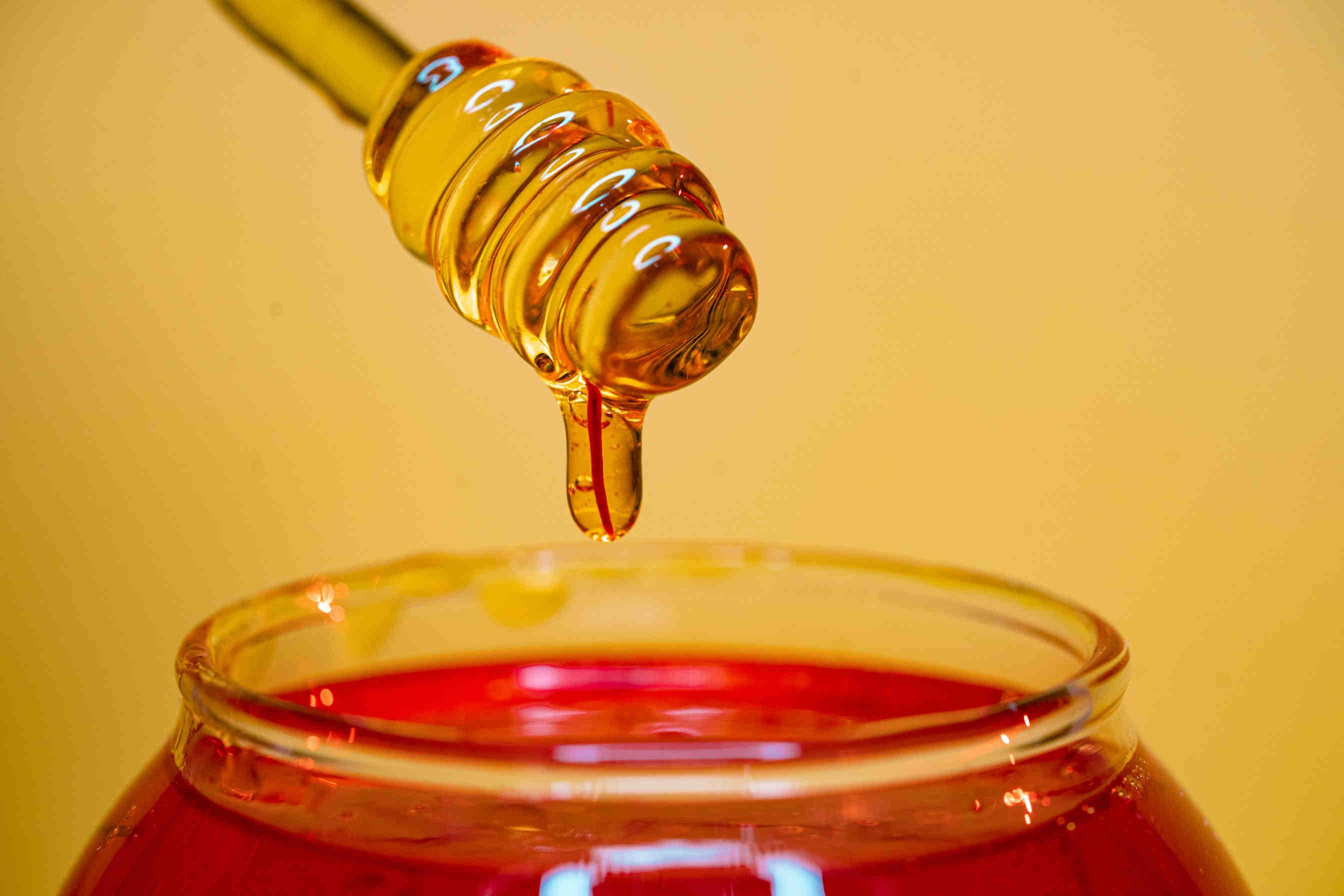
    Food without bees

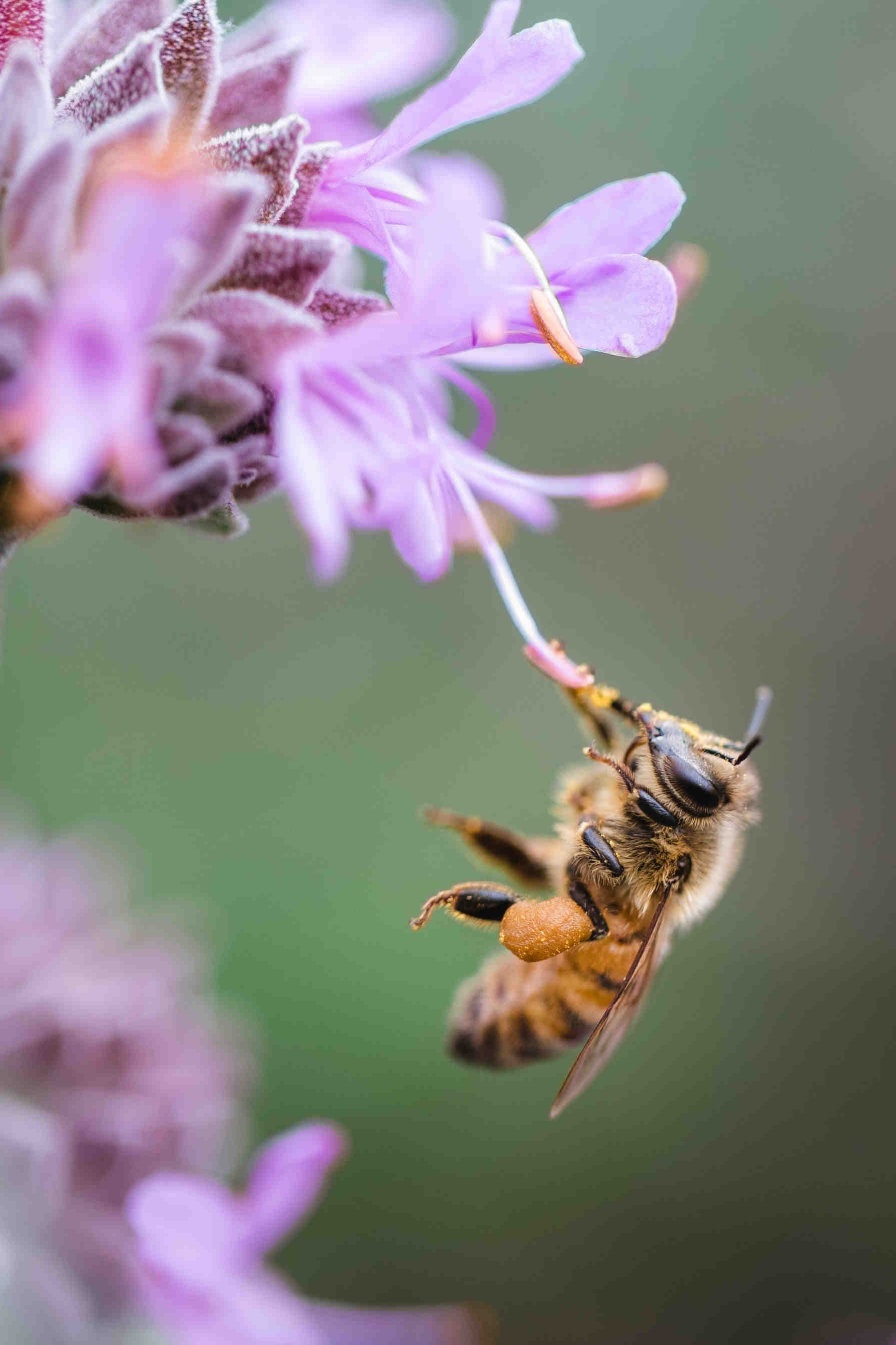
    Without bees, the pollination of many plants would be significantly impaired, which would lead to the reduced availability of certain foods. Here are some examples of foods that would no longer be available without bees: Fruit, vegetables, nuts, oilseeds, coffee, chocolate andof course honey. Beekeeping has a long tradition in Germany and is not just a hobby or a profession, but a cultural practice that has been passed down through generations. It is important to know that other pollinators such as butterflies, moths, bats and birds also contribute to pollination. However, bees are among the most efficient and important pollinators, so their absence has a particularly strong impact on the availability of these foods.

    Food without bees

    Nature conservation measures: Offering protection to pollinators

    Recognising the important role that bees and other pollinators play in maintaining ecosystems and food security, Germany has taken various protective measures. The country has introducedsustainable agricultural practices, such as reducing pesticide use and promoting organic farming methods to create a more bee-friendly environment. In addition, German cities have launched urban beekeeping initiatives. Beehives on rooftops and green spaces provide a safe haven for bees to find food in the midst of the urban landscape and improve biodiversity.

    Nature conservation measures: Offering protection to pollinators
    XNatura

    Celebrations for World Bee Day in Germany

    On 20 May, Germany comes to life with a variety of events and activities aimed at raising awareness and celebrating the valuable work of bees. Beekeeping associations, environmental organisations and local communities are organising exhibitions, workshops and guided tours to engage citizens of all ages. Germany's commitment to bee conservation is also evident through education campaigns in schools and universities. Young people are familiarised with the magical world of bees, their importance in nature and the measures they can take to protect them. By promoting a sense of responsibility and appreciation for bees, Germany is educating the environmentalists of the future.

    Celebrations for World Bee Day in Germany
    3Bee
    18/05/2023Of 3Bee, Elena Fraccaro
    338 Views
    Newsletter
    newsletter
    Subscribe to the Blog about bees and biodiversity