World Bee Day
    Where it comes fromPerché le apiWorld Bee Dayimportance of bees

    World Bee Day

    World Bee Day was established in 2017 to draw attention to the importance of these pollinators for us and our planet. For years, bees have silently contributed to our well-being, but in recent decades their well-being is increasingly at risk.

    Read the article
    02/05/2022Of 3Bee, Elena Fraccaro
    470 Views
    02/05/2022Of 3Bee, Elena Fraccaro
    470 Views

    A symbolic date: 20 May

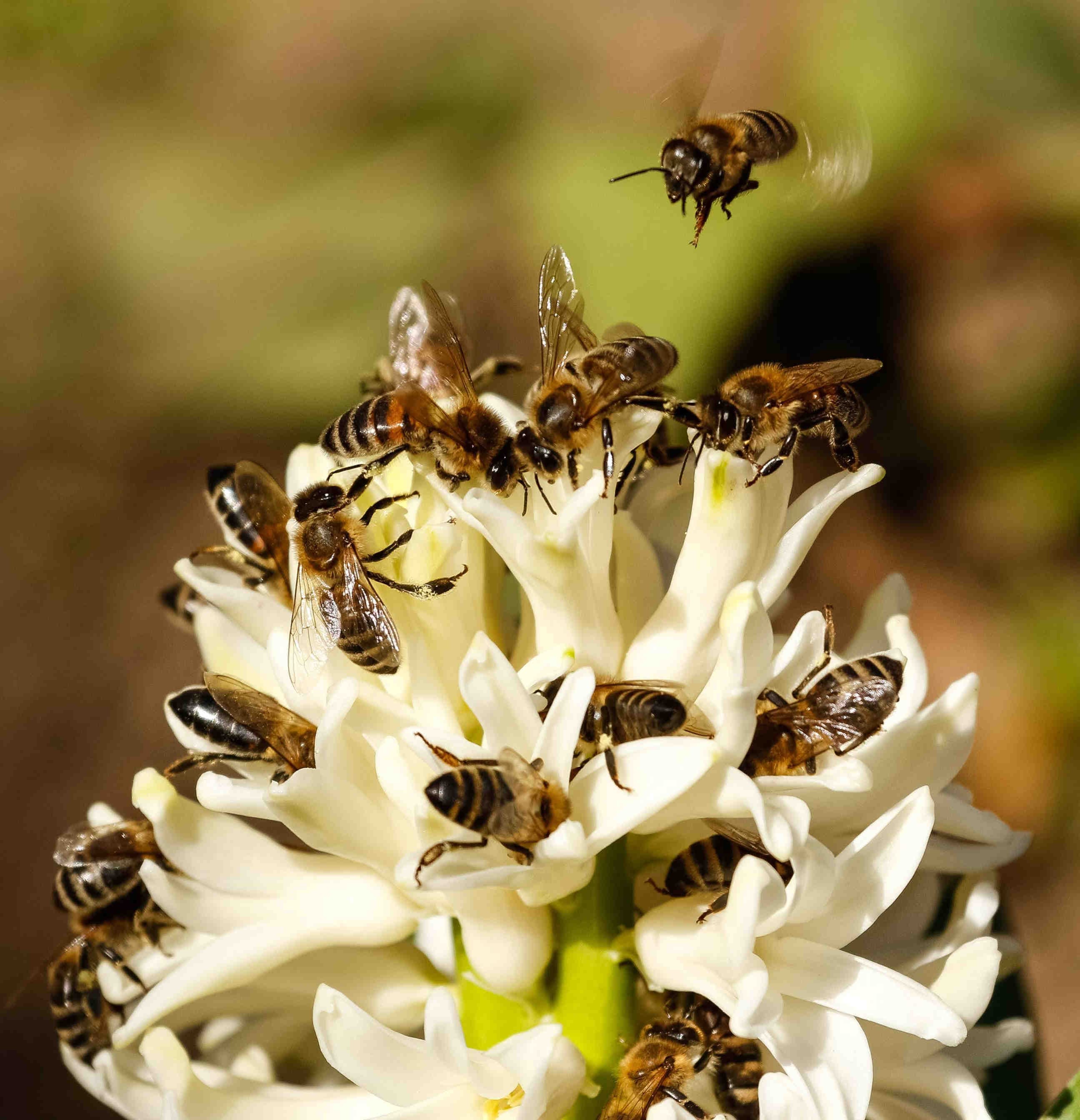
    In December 2017, UN member states unanimously proclaimed the establishment of World Bee Day, celebrated annually on 20 May. This important milestone was achieved thanks to the constant work of Slovenia, which has been an international promoter of this proposal. 20 May was not chosen at random. The month of May is a month of transition both in the northern hemisphere, where bees are in the middle of their development, and in the southern hemisphere, where the season for honey and honey products begins. In addition, 20 May is the date of birth of Anton Janša (1734-1773), a very famous Slovenian beekeeper who was a true pioneer of modern beekeeping and remains one of the most important landmarks in beekeeping today.
    A symbolic date: 20 May

    Why celebrate bees?

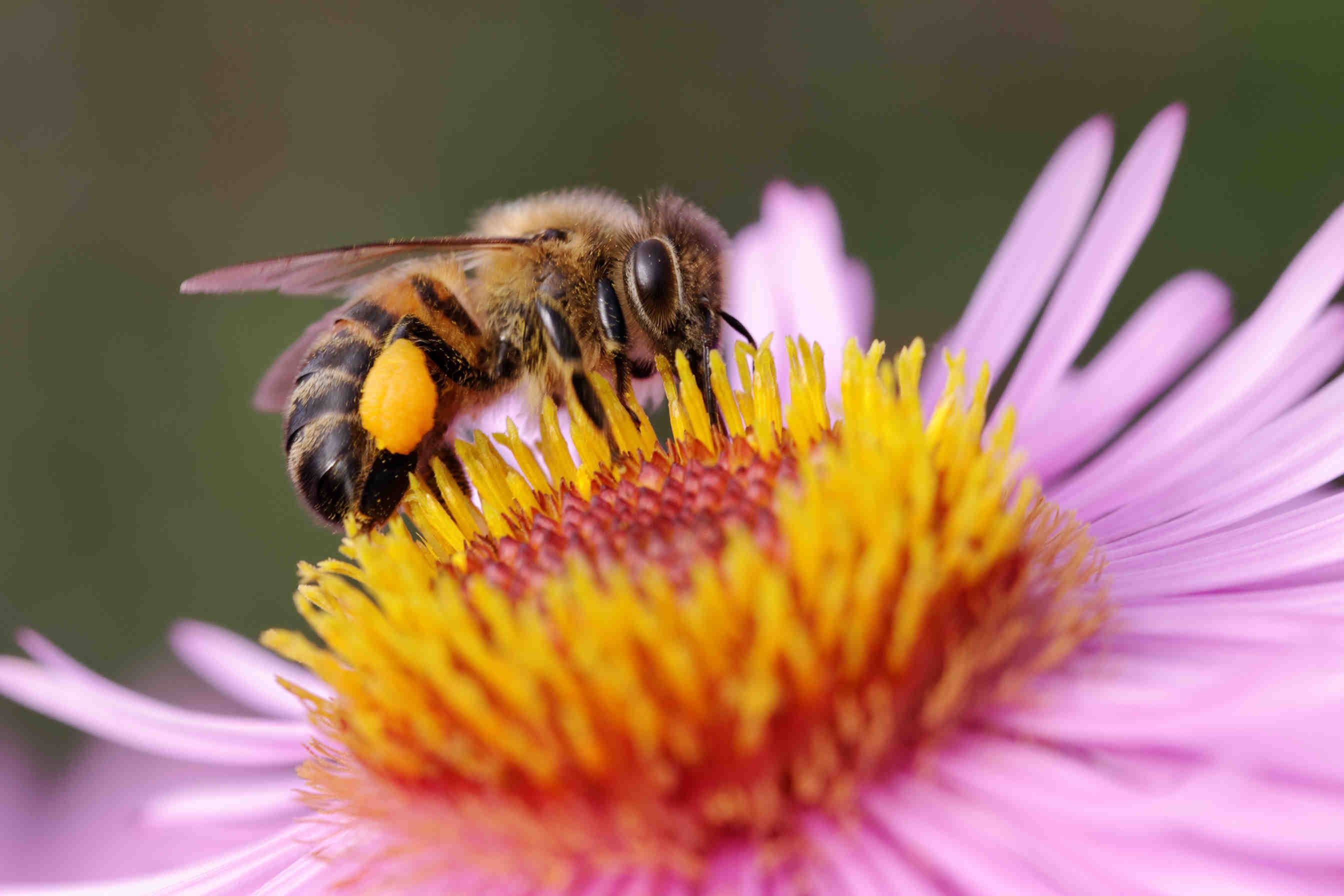
    The purpose of establishing this World Bee Day is to raise everyone's awareness of the importance of bees and beekeeping. Bees are very important pollinators, whose daily work enables the reproduction of about 90 per cent of wild plants and 70 per cent of food crops. Furthermore, by flying from flower to flower they ensure the possibility of sustainable agriculture, biodiversity and contribute to the containment of climate change and the preservation of ecosystems. Our planet and our lives would be different if there were no more of these tiny pollinating insects. Protecting bees is a commitment that also has important long-term implications, supporting efforts to reduce hunger and poverty in the world, as well as actions to preserve ecosystems.
    Why celebrate bees?
    XNatura

    Il World Bee Day

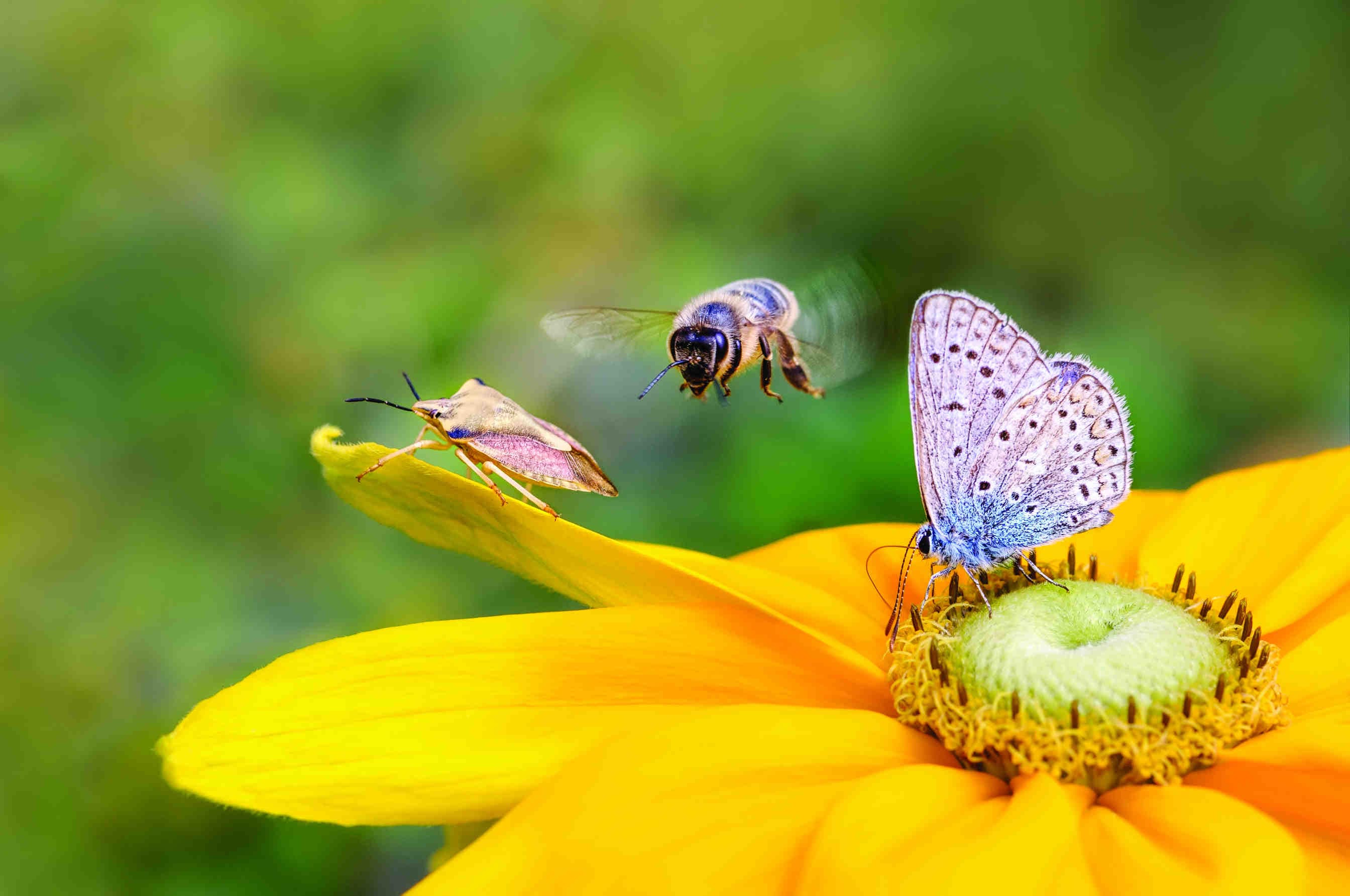
    Slovenia played a key role in the proclamation of this World Bee Day. The Slovenian Beekeepers' Association, supported by the Slovenian government, took the first steps towards the establishment of this anniversary in 2014. In 2015, their work was also supported by Apimondia, which is the largest and most important association of beekeepers worldwide. In order to spread more awareness about bees and beekeeping worldwide, the Slovenian Minister of Agriculture visited several cities around the world, supported by the travelling exhibition Bee World, which enabled visitors to live an interactive experience that brought them closer to the world of bees. The activity of this information campaign was not only aimed at the general public, but also at institutional bodies and international organisations.
    Il World Bee Day

    Why focus on the importance of bees

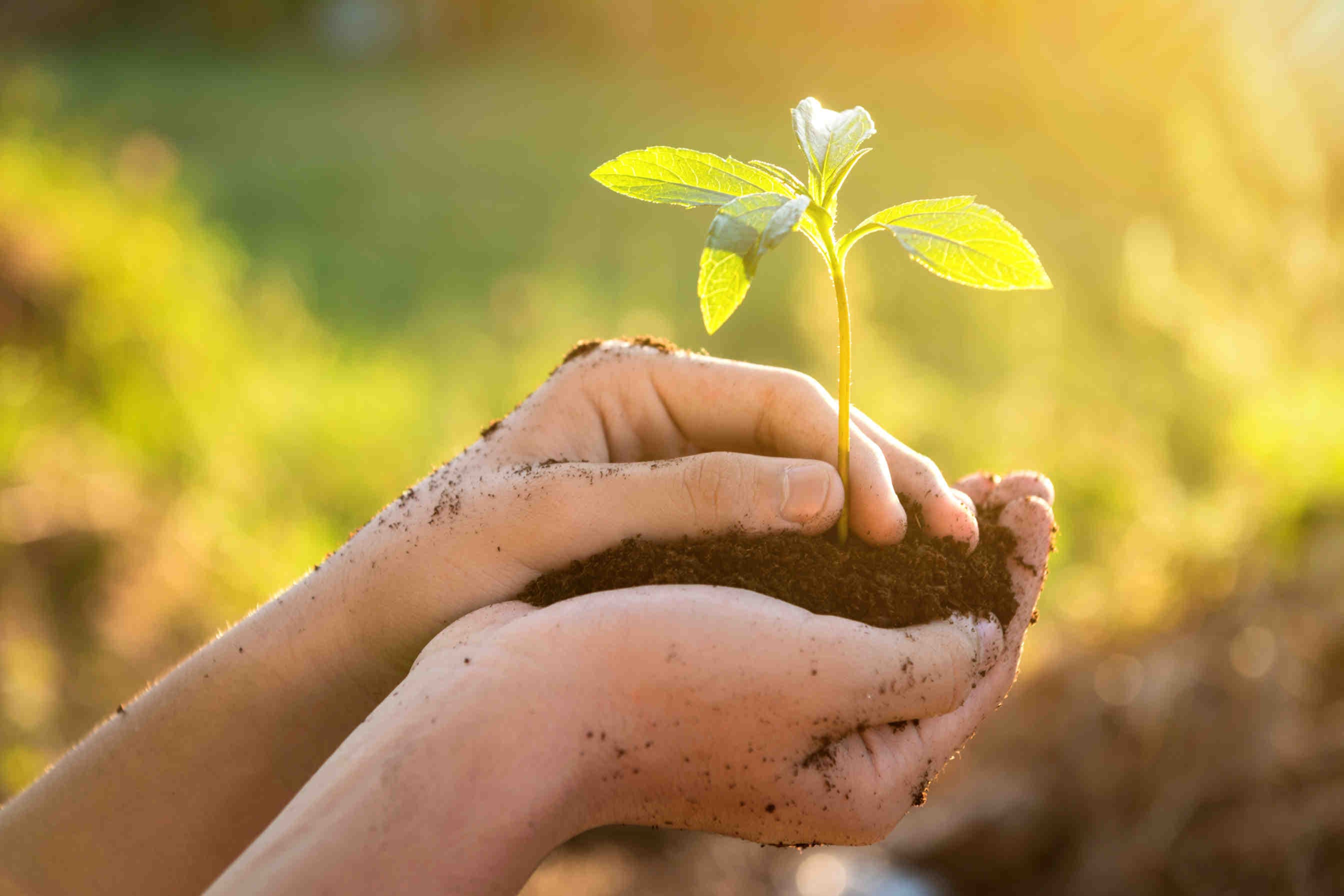
    The consequences of the disappearance of bees from the planet are unimaginable. Or maybe we could even guess them, but none of us would want to live in a world without pollinating insects. It would not be the welcoming world we know and need to learn to care for. Many of the foods we consume daily are on our tables thanks to the daily work of bees, which plays a crucial role in our health and that of our planet. However, bees and pollinators are increasingly under threat due to the abuse of agro-medicines, intensive farming practices and monocultures, climate change, diseases, pests and the progressive depletion of natural habitats. What we are called upon to do for us and our future is to protect bees and pollinators as much as possible.
    Why focus on the importance of bees
    XNatura

    Explaining the importance of bees to children

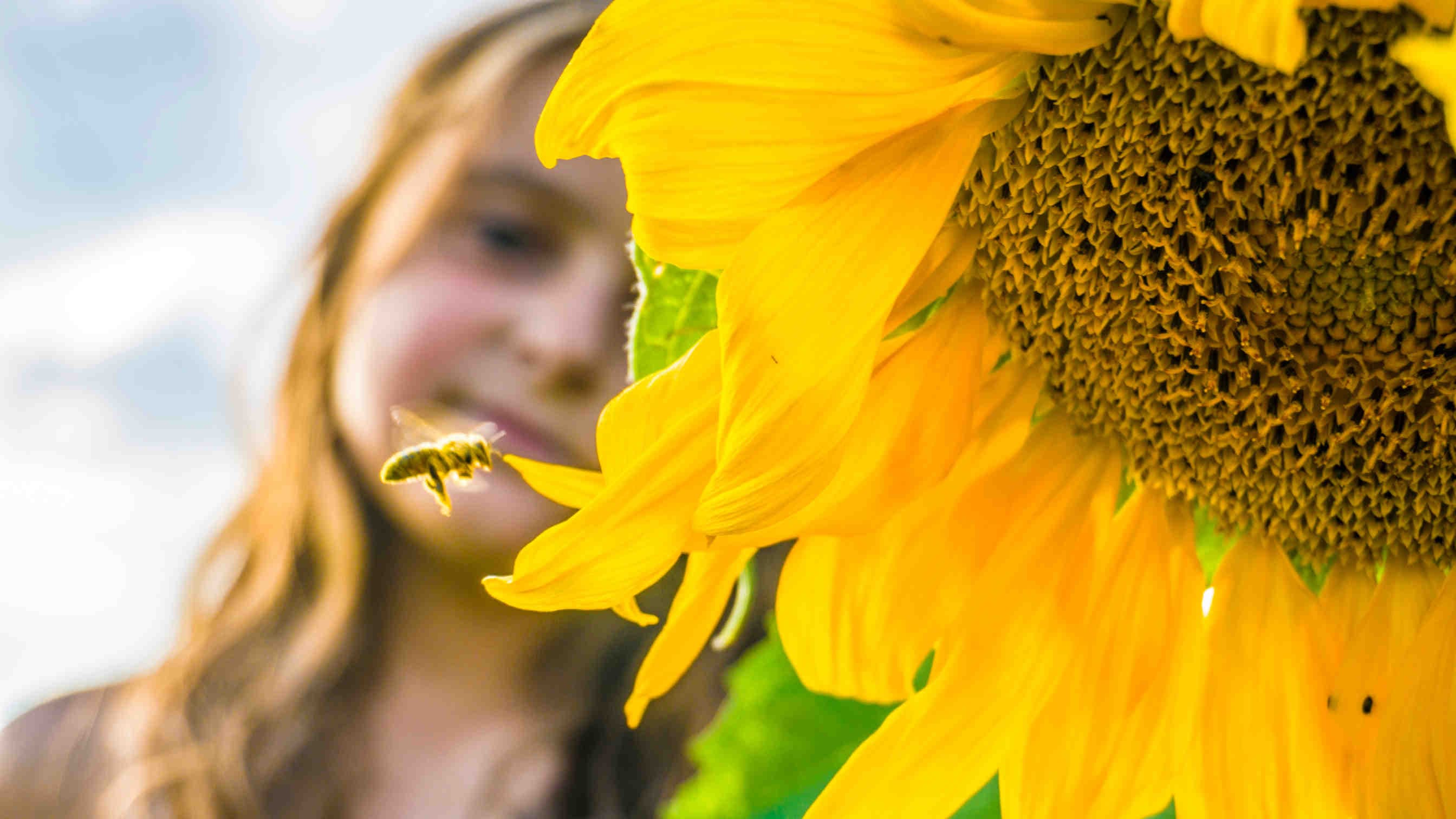
    This also includes raising awareness about the dangers of bees and pollinating insects. It is important to create this new awareness and sensitivity especially among children, so that they can internalise virtuous behaviour that supports bees and the planet. Introducing children to such a special (and little known) reality as beekeeping is crucial. Only by getting to know these insects closely can one understand their delicacy and importance, and come to appreciate their every little effort. Explaining the importance of bees to children also goes hand in hand with the dissemination of bee-friendly actions, such as planting nectariferous plants and flowers and reducing the use of harmful substances such as agro-medicines even in our vegetable gardens, vegetable gardens and balconies.
    Explaining the importance of bees to children
    3Bee

    How to celebrate World Bee Day

    We can use World Bee Day as a starting point for initiatives to make as many people as possible aware of the importance of pollinators and the problems they face every day, but also to take even small actions in their favour. In addition to planting nectariferous plants and flowers, it is important to support with one's purchasing choices the virtuous beekeeping realities that care about the well-being of their bees, not just the massive production of honey. Equally important is to change our attitude towards 'weeds'. These, in fact, can be a very important source of nutrition for bees! Let us cut them down only after they have finished flowering. But there are also other ways to celebrate bees and pollinators.

    How to celebrate World Bee Day

    Adopt a 3Bee hive

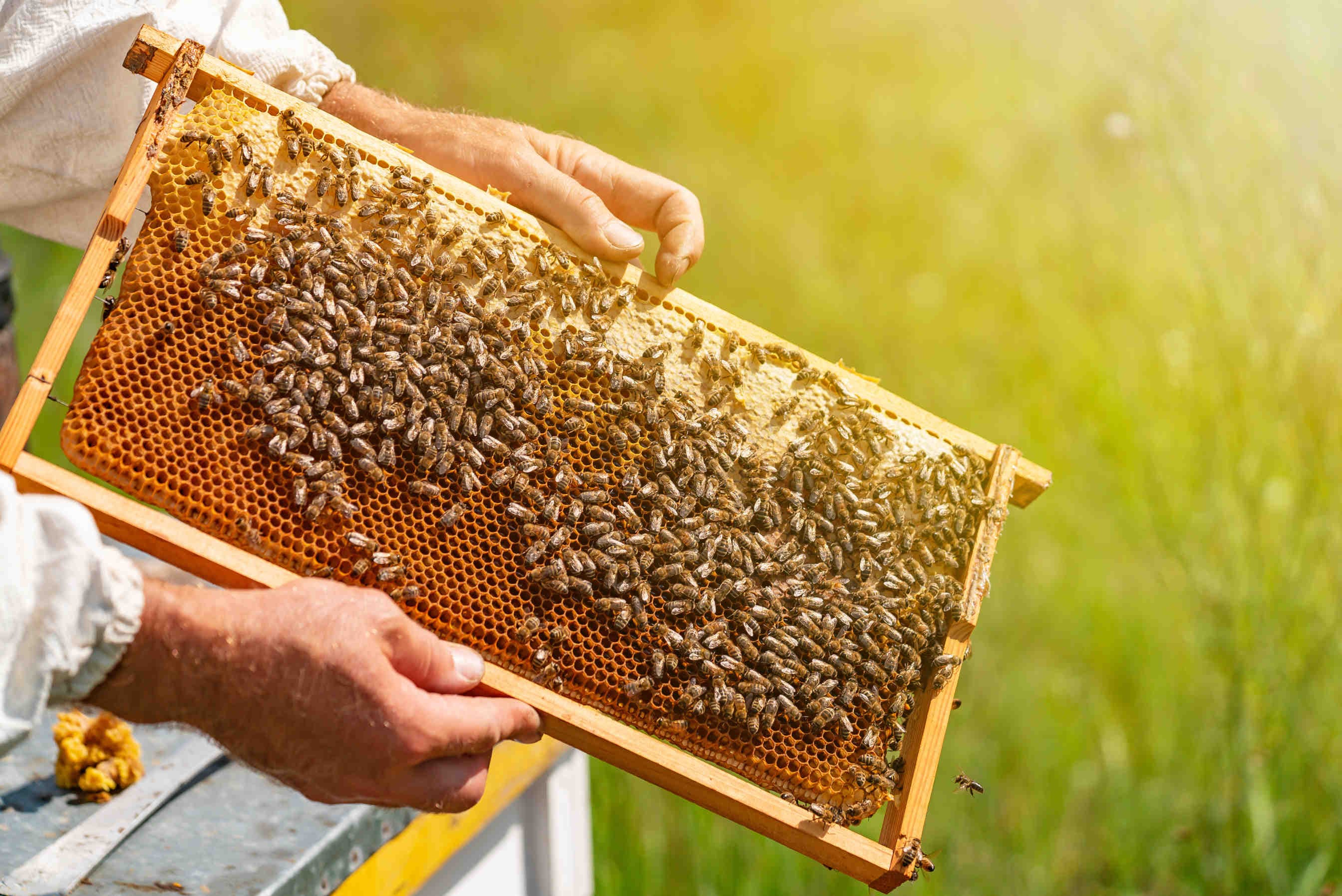
    Choose virtuous Italian beekeepers, adopt one of their hives monitored with 3Bee technology and follow the development of the hive for a whole year. By adopting a 3Bee hive you will be able to choose the beekeeping reality you prefer, as well as the honey that is most in line with your tastes. 3Bee beekeepers use Hive-Tech technology to keep an eye on their bees at all times. In this way, they can better manage their hives, intervening promptly when necessary, preserving their health and well-being. As an adopter, you too will be able to follow the beekeeper's work, consulting the data collected by the devices and the photo and video material that the beekeeper makes available to raise awareness of bees, beekeeping and his beekeeping reality. Once produced, you will receive the honey of your choice directly to your home, allowing you to enjoy a genuine, quality product.
    Adopt a 3Bee hive

    MyPolly ape solitaria

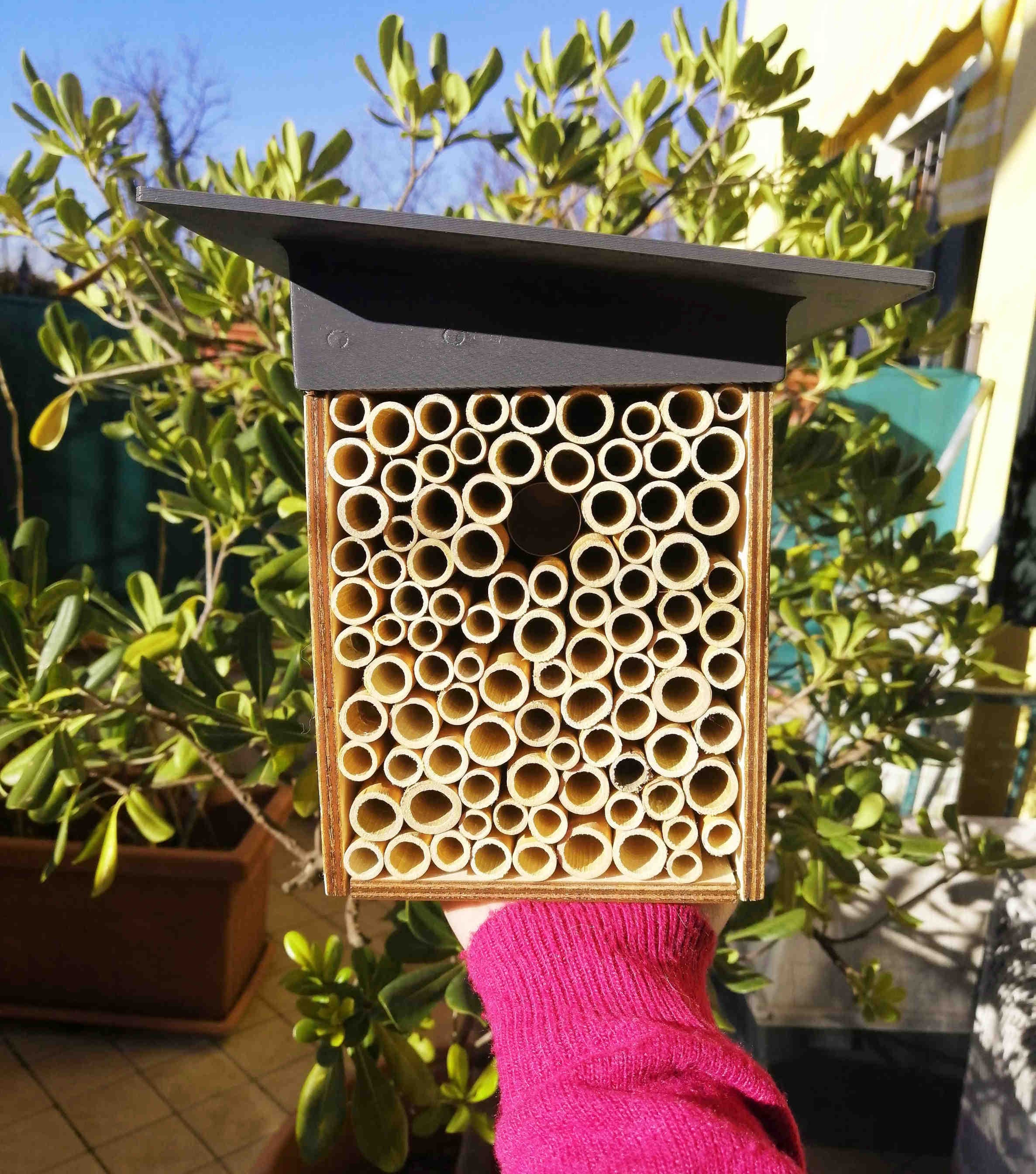
    With a view to protecting also the wild pollinators and to spread a greater awareness of their importance and peculiarities, as they are decidedly less famous than the better-known honey bees, the MyPolly project was born. With MyPolly you can purchase a wild pollinator house specifically designed to house the Osmia Rufa, a wild pollinator native to our peninsula. Together with the hut, you can also buy cocoons, which will hatch following their natural life cycle. Although they may look similar to bees, Osmias are very different, especially in terms of their 'lifestyle'. MyPolly is also and above all designed for schools, to give teachers concrete support and enable pupils to see the world of pollinators up close and learn more about them.

    MyPolly ape solitaria
    02/05/2022Of 3Bee, Elena Fraccaro
    470 Views
    Newsletter
    newsletter
    Subscribe to the Blog about bees and biodiversity