Wood Wide Web: how do plants communicate?
    Wood Wide WebWhat it isMycorrhizalMolecules

    Wood Wide Web: how do plants communicate?

    Plants, in the absence of a nervous system, have developed mechanisms to perceive, remember and communicate. One of these uses fungi in symbiosis with tree roots, which are able to create a dense network for transporting important information and nutrients.

    Read the article
    02/06/2024Of 3Bee, Lara Vivarelli
    2532 Views
    02/06/2024Of 3Bee, Lara Vivarelli
    2532 Views

    Wood Wide Web: a fairly recent discovery

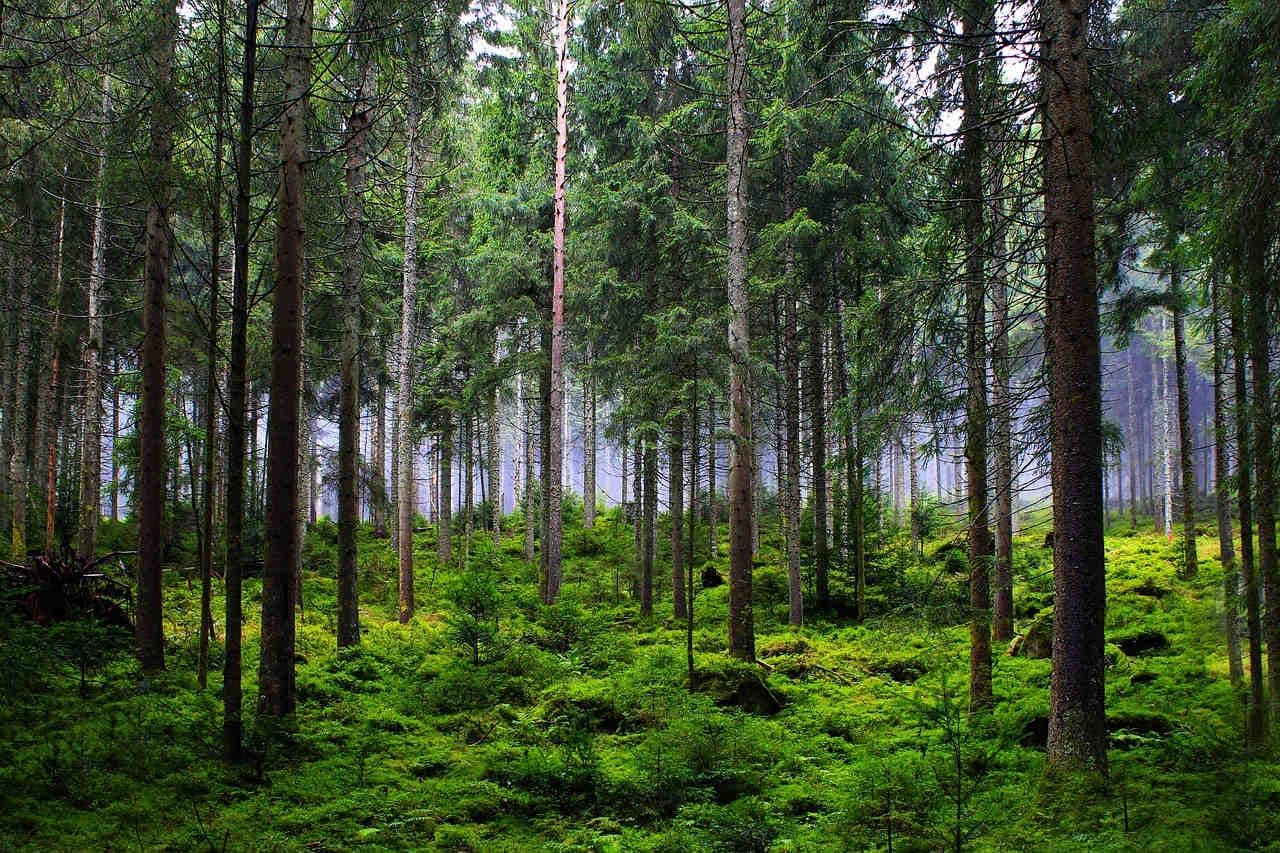
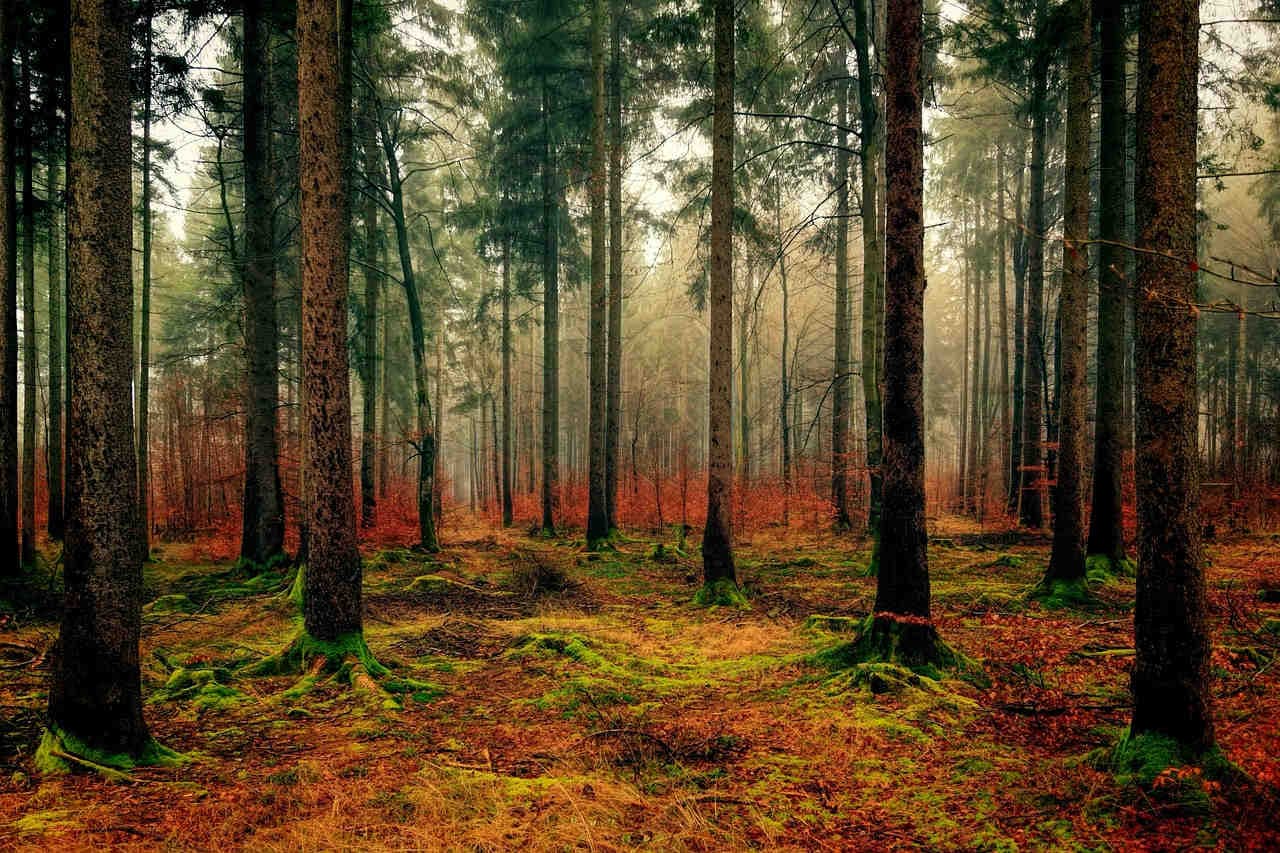
    The tree interconnection network, also called the Wood Wide Web or Wood Wide Network, was first discovered by Suzanne Simard, a Canadian forest ecologist. The experiment was published in the scientific journal Nature in 1997 and demonstrated the existence of a link formed by fungal networks and other microorganisms to transport sugar, other nutrients and information between different trees, underground. This discovery changed the view of forests, composed of trees that are not entities in their own right.
    albero

    What is the Wood Wide Web

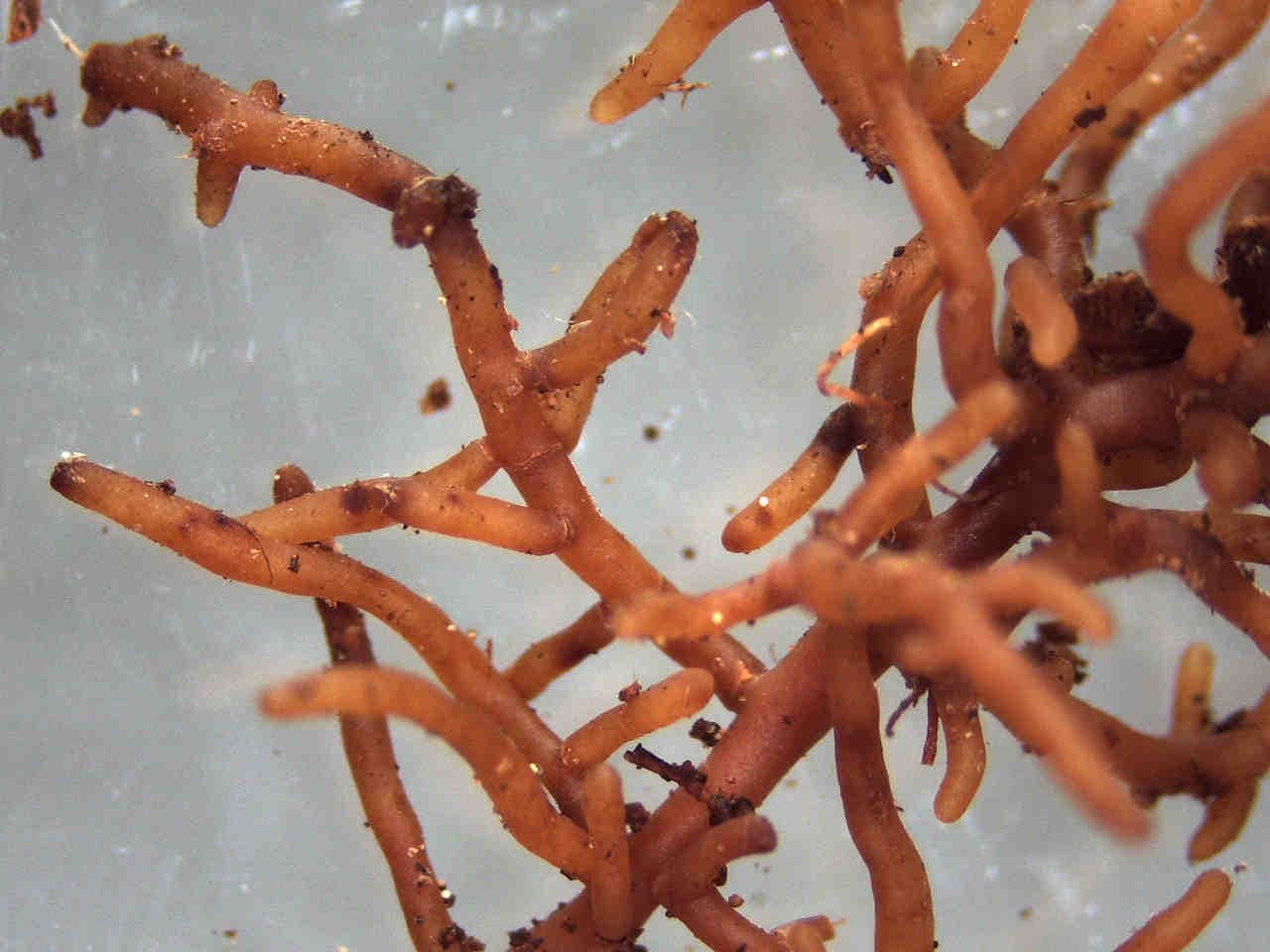
    It is essentially a mutualistic symbiotic interaction: both actors, i.e. plants and fungi, mainly interact and both gain an advantage. In particular, the plant can obtain from the fungi the minerals that are difficult to absorb and benefit from an efficient horizontal transport of different molecules with neighbouring plants, while the fungus, which wraps its filamentous 'arms' around the plant's roots, can receive the sugars produced by photosynthesis as an energy source. This interaction is called mycorrhiza, which is the union of the Greek terms 'fungi' and 'root', and is formed by the roots of trees and the fungal mycelium, that part of the fungus that resembles an intricate network composed of filaments called 'hyphae'. Mycorrhizal fungi can be considered the most abundant mutualistic partner for plants; in fact, more than 80% of the roots of terrestrial plants are colonised by a mycorrhizal network.
    rete di alberi
    XNatura

    The mycorrhizal network

    The mycorrhizal network is composed of fungus biological organisms that occupy any environment, able to grow and reproduce even in inhospitable places. Fungi are very versatile at the metabolic level, which allows them to establish relationships of all kinds. They come into contact with plants both at shoot level and in their roots, both for nourishment and defence. The fungi that make up the mycorrhizal network are classified as ectomycorrhizae and endomycorrhizae, which include arbuscular mycorrhizae. As for ectomycorrhizae, this is a localised symbiosis at the root level of trees found in warm environments, where the fungi occupy intracellular spaces and also expand throughout the soil. The endomycorrhiza, on the other hand, is always found at the root level of trees in cooler ecosystems and the fungi colonise the interior of the cells and are found in colder ecosystems.
    micorriza

    Which molecules are transferred?

    The dense fungal network allows the transfer of a wide variety of compounds and signals between the plants; this communication can change the behaviour of the plants themselves, as a response to these stimuli. Behaviour in plants is expressed as changes in morphology or physiology in response to external stimuli. In general, carbon is the main element that runs through the long underground network, which enables the regeneration of forests. Depending on the type of symbiosis that is established, the molecules that are transported along the fungal filaments can change. In fact, as far as the interaction with ectomycorrhizae is concerned, there is better access and transfer of nitrogen, making this type of association more advantageous in systems with nitrogen element limitation.
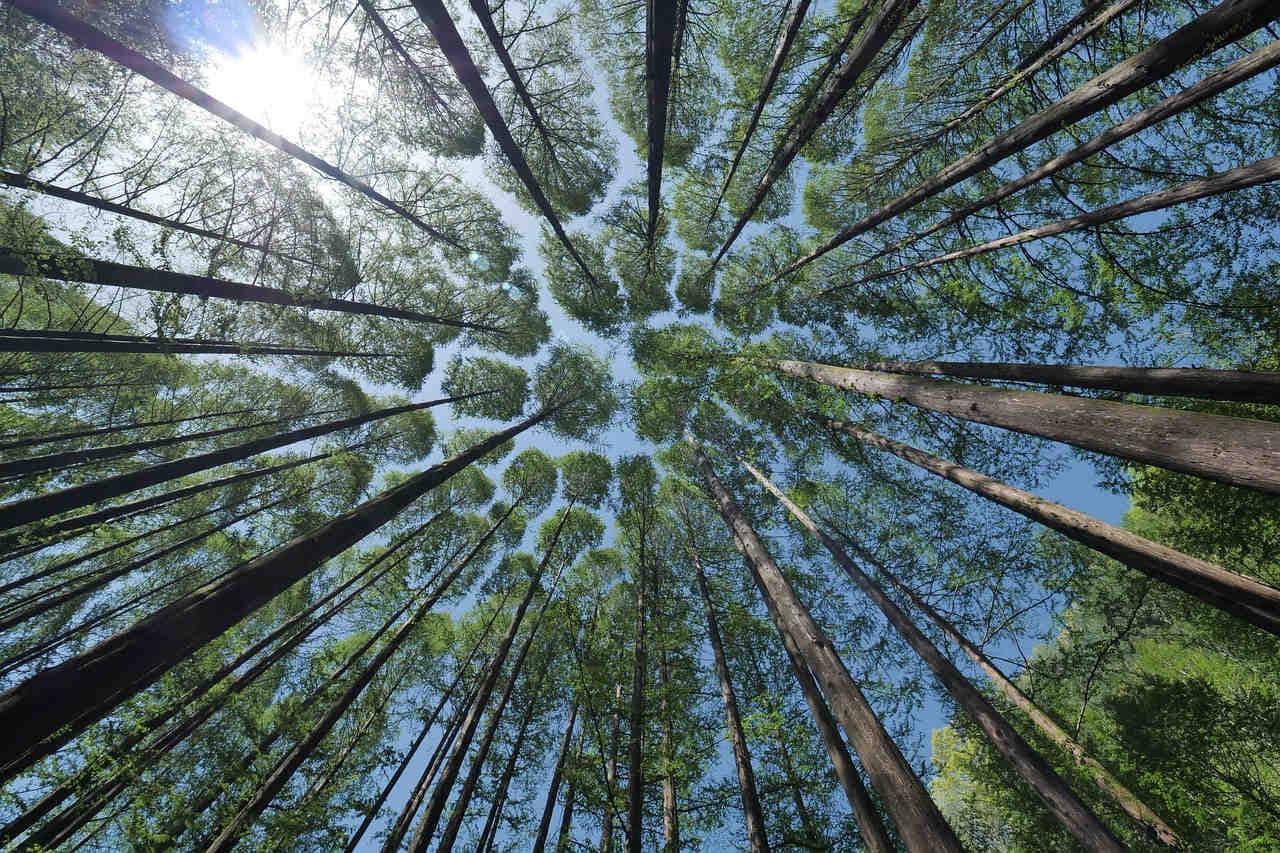
    comunicazione tra alberi
    XNatura

    The efficiency of underground communication

    Communication changes depending on the molecules transported and the types of organisms involved in the interaction. In the case of a danger, such as a parasitic attack, a plant can send chemical signals through the mycelium to warn neighbouring plants to activate their defence mechanisms. The fungal network can be very useful in regulating carbon supply: if more carbon than required by the network arrives, the excess can be directed towards a plant that needs it. A similar situation can occur in the case of areas where plants are more crowded together, where a system is established whereby some plants are higher up and can therefore make use of the light and produce a lot of sugar, while other plants, lower down in the shady undergrowth, can receive the carbon generated by the former.
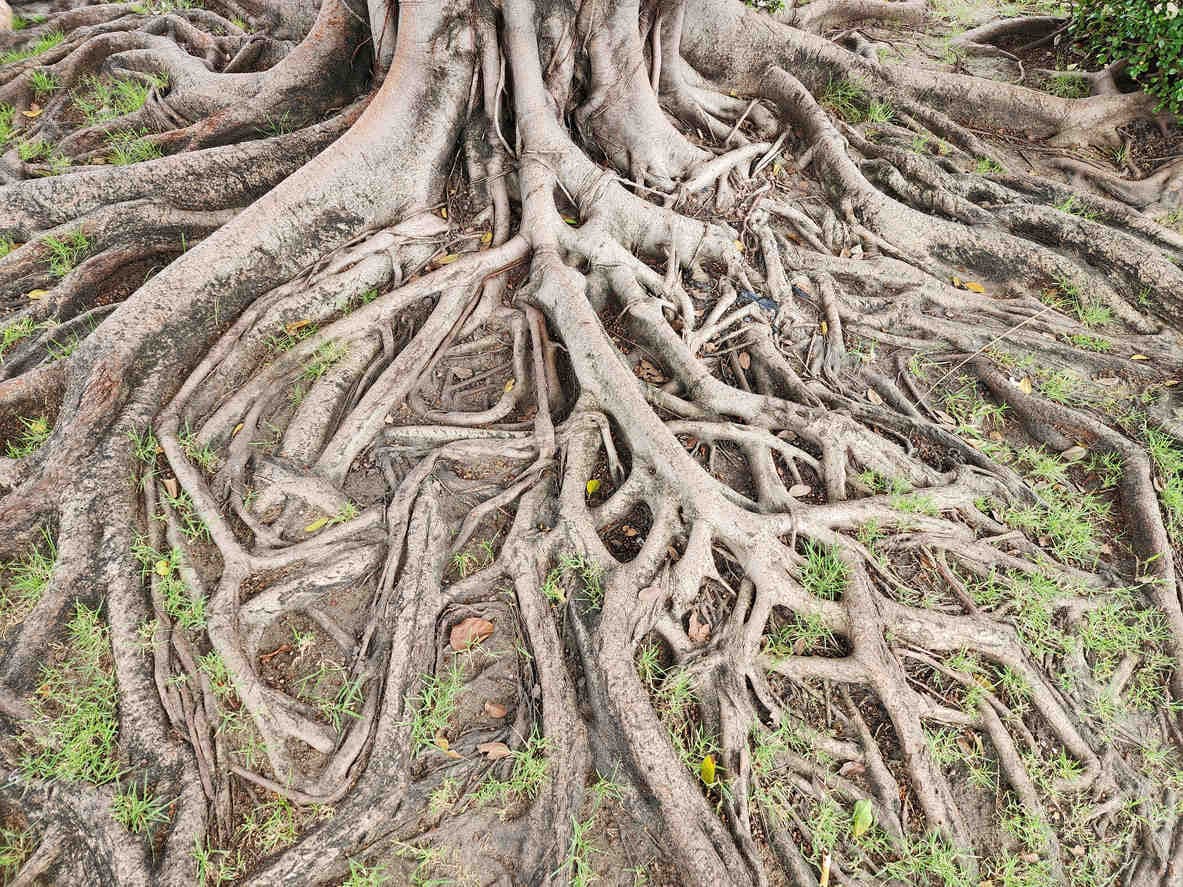
    radici
    3Bee

    Mother' or 'hub' trees

    The ecologist Suzanne Simard has also defined, through her experiments, the presence of hub trees, also called 'mother trees'. These trees are the largest and oldest, acting as network communication hubs, maintaining connections with a huge number of different specimens and species. In particular, they "take care" of the youngest and weakest plants, just like a mother, distributing resources to them through the mycorrhizal network and also transmit danger signals to warn the entire forest community of a possible pathogen or famine.
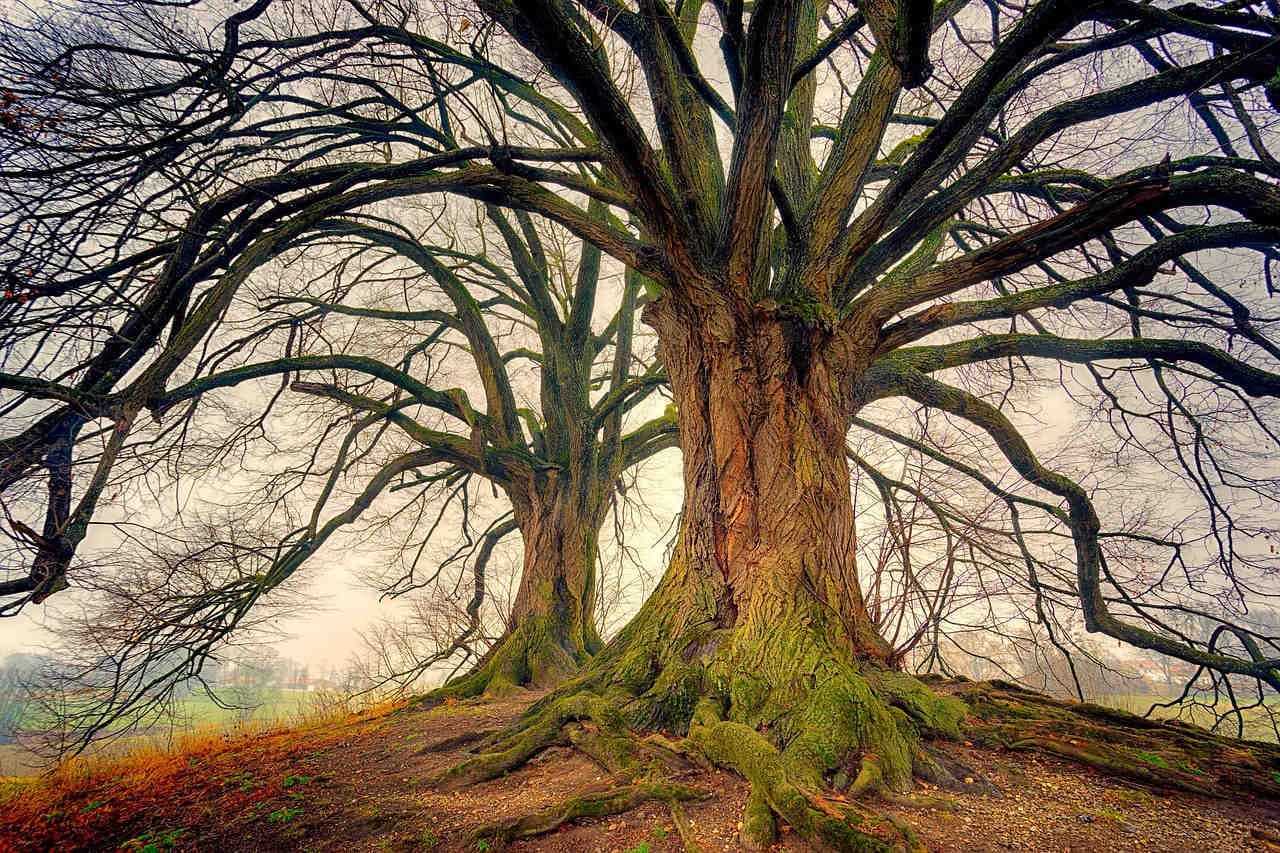
    Alberi hub

    Almost like a neural network

    Trees are organisms that have evolved with a communication and information transfer mechanism very different from ours and that of the animal world. No nervous system is present, not even hinted at, yet plant organisms are able to perceive, somehow "learn", and have memory, responding to stimuli by changing their state, both physiologically and morphologically. Communication between plants occurs not only underground via the mycorrhizal network, but also through the release of chemicals and hormones into the air. In this way, a group of plant organisms in a given area is able to share nutrients and warn of the presence of risks, such as pathogens or drought, and is able to respond in the best possible way to preserve itself and help preserve its fellows.
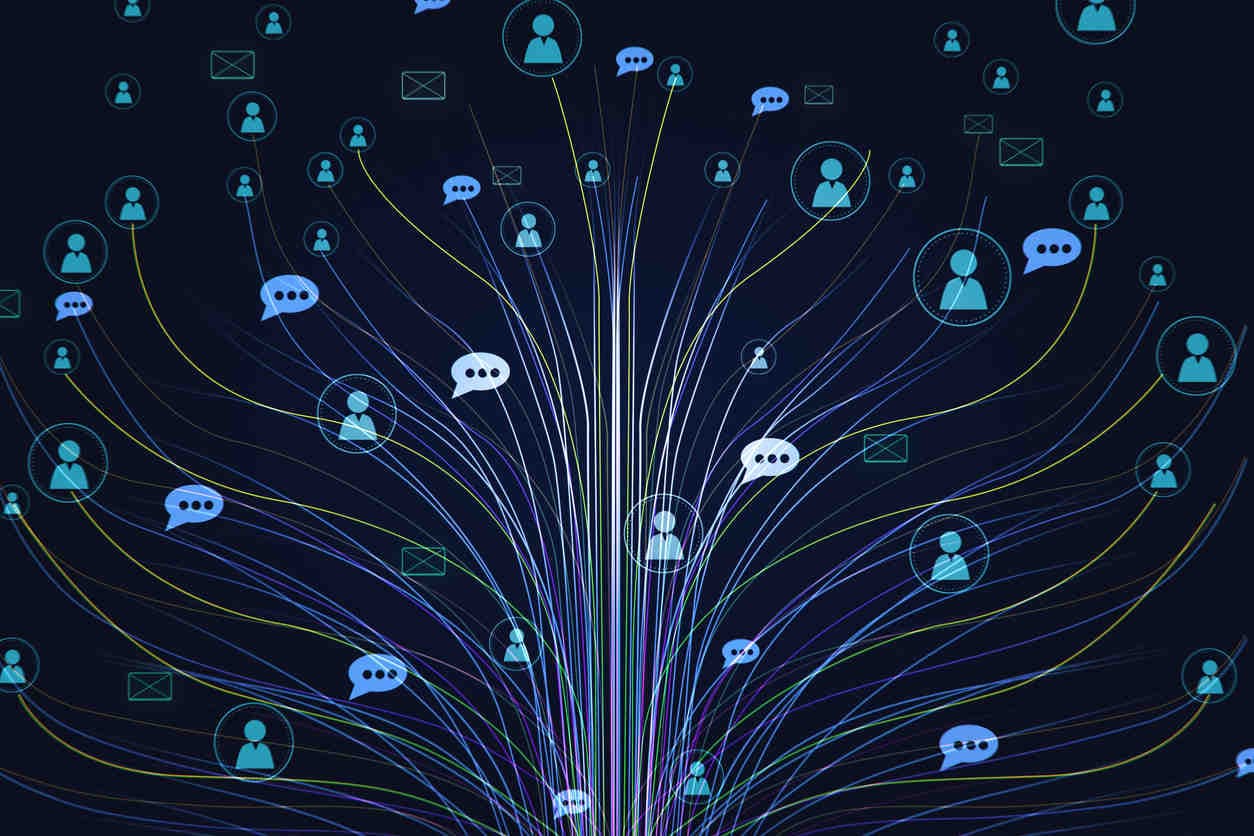
    rete di comunicazione

    Threats

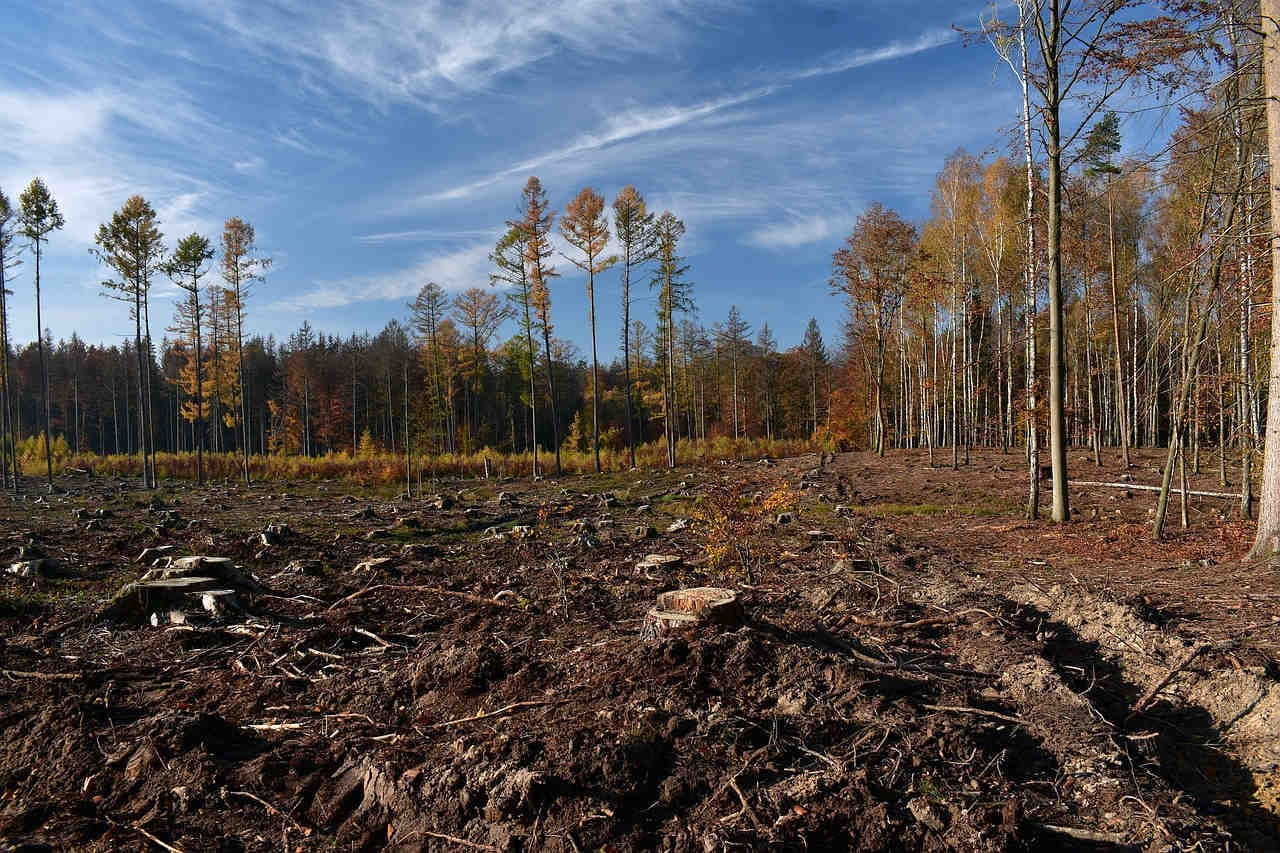
    The underground network is subject to several human threats. Deforestation, soil pollution and climate change are the three main causes. Forests, like any ecosystem, have their ownecological balance, which is ensured by the presence and health of the trees that make up the ecosystem and the fungal network that interconnects them and occupies the subsoil. The destruction of these underground ecosystems can have devastating effects on forests; the adoption of forest management policies must, therefore, take into account the presence of the wood wide network. Moreover, the deepening and good management of this network could have positive effects on agriculture, increasing crop yields.
    Threats

    How the approach to forest protection is changing

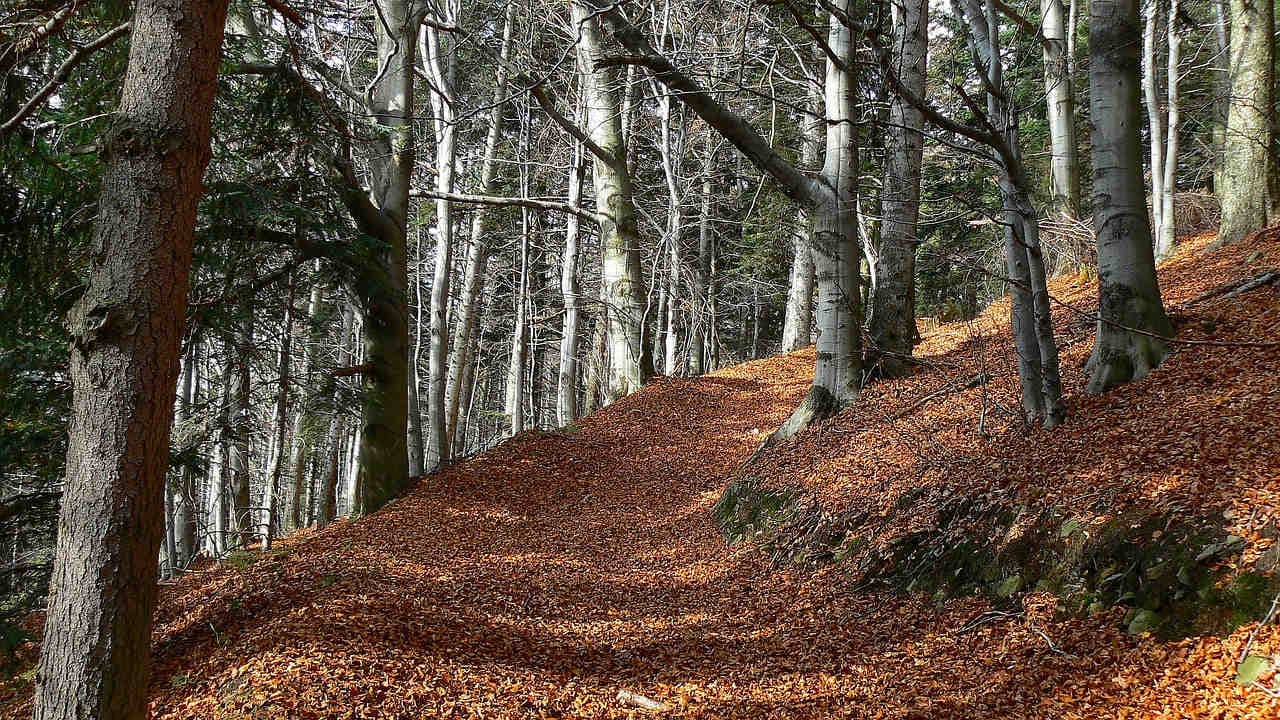
    The discovery of this interconnected network of trees has led to a change in the approach to forest management and the biodiversity of these ecosystems. Considering the presence and importance of hub trees, their preservation becomes crucial for the protection of the entire forest ecosystem. Moreover, soil and subsoil become even more important, and the preservation of this resource becomes crucial to ensure the resilience of forests. Finally, in managing the forest ecosystem, it is necessary to adopt a systemic view and no longer consider trees as isolated individuals, but take into account the complexity of the interactions established, even at the subterranean level.
    tutela bosco
    02/06/2024Of 3Bee, Lara Vivarelli
    2532 Views
    Newsletter
    newsletter
    Subscribe to the Blog about bees and biodiversity

    Frequently Asked Questions

    Do you have any doubts or other curiosities about this article? Here you will find some insights